

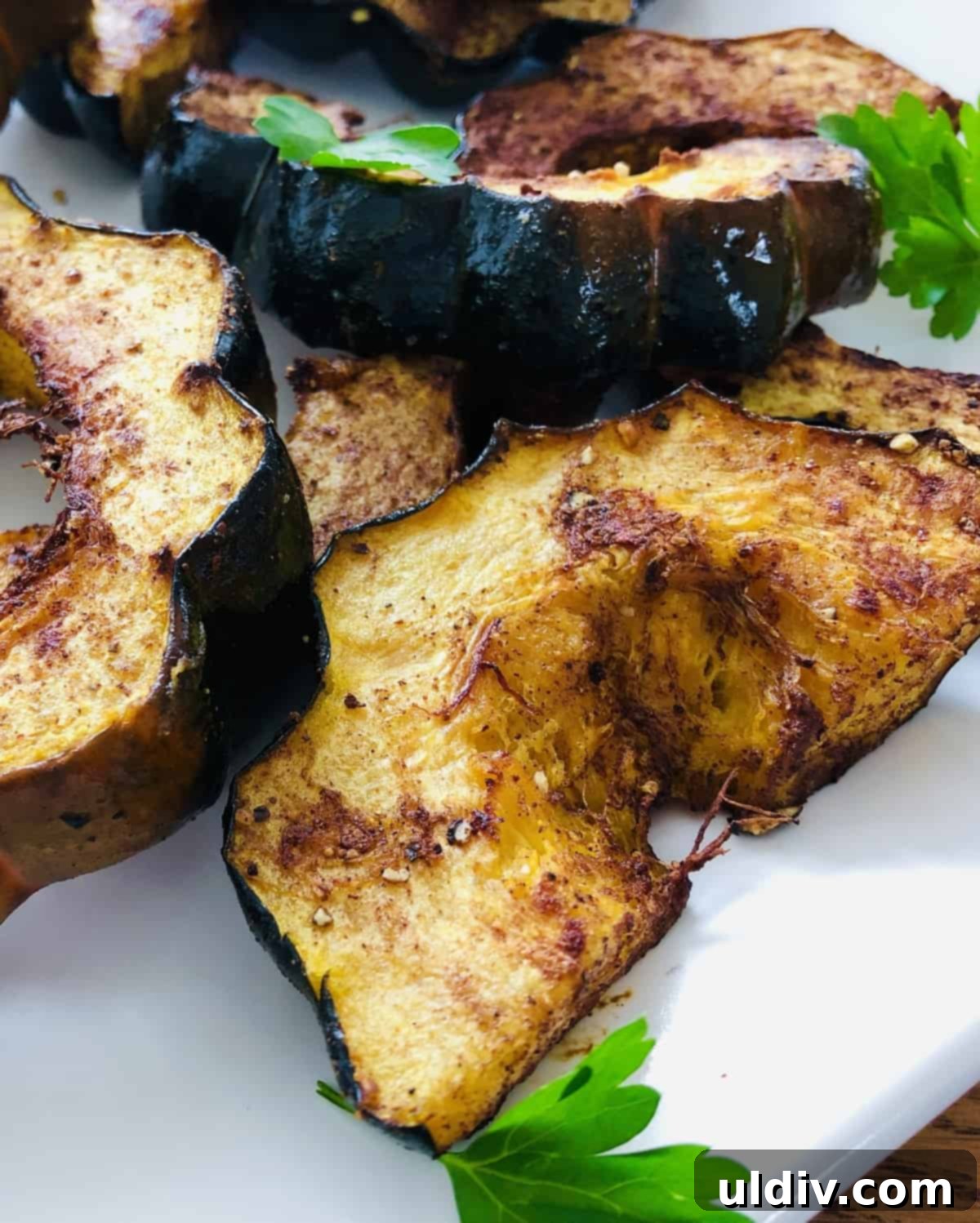
Welcome to the ultimate guide for creating a truly delightful side dish that celebrates the vibrant flavors of autumn: perfectly roasted fall squash. This recipe is not just simple; it’s a testament to how effortlessly delicious healthy eating can be. Whether you’re planning a cozy weeknight dinner or preparing for a festive holiday gathering, this dish promises to be a crowd-pleaser. Imagine tender chunks of your favorite fall squash varieties – acorn, delicata, butternut, and honeynut – transformed into golden-brown perfection. Each piece is lightly coated with high-quality extra virgin olive oil, seasoned with a careful balance of kosher salt and freshly ground pepper, and then kissed with the warming embrace of fragrant nutmeg and sweet cinnamon. The result? A side dish that’s wonderfully aromatic, subtly sweet, and incredibly satisfying, proving that sometimes, the simplest preparations yield the most extraordinary flavors.
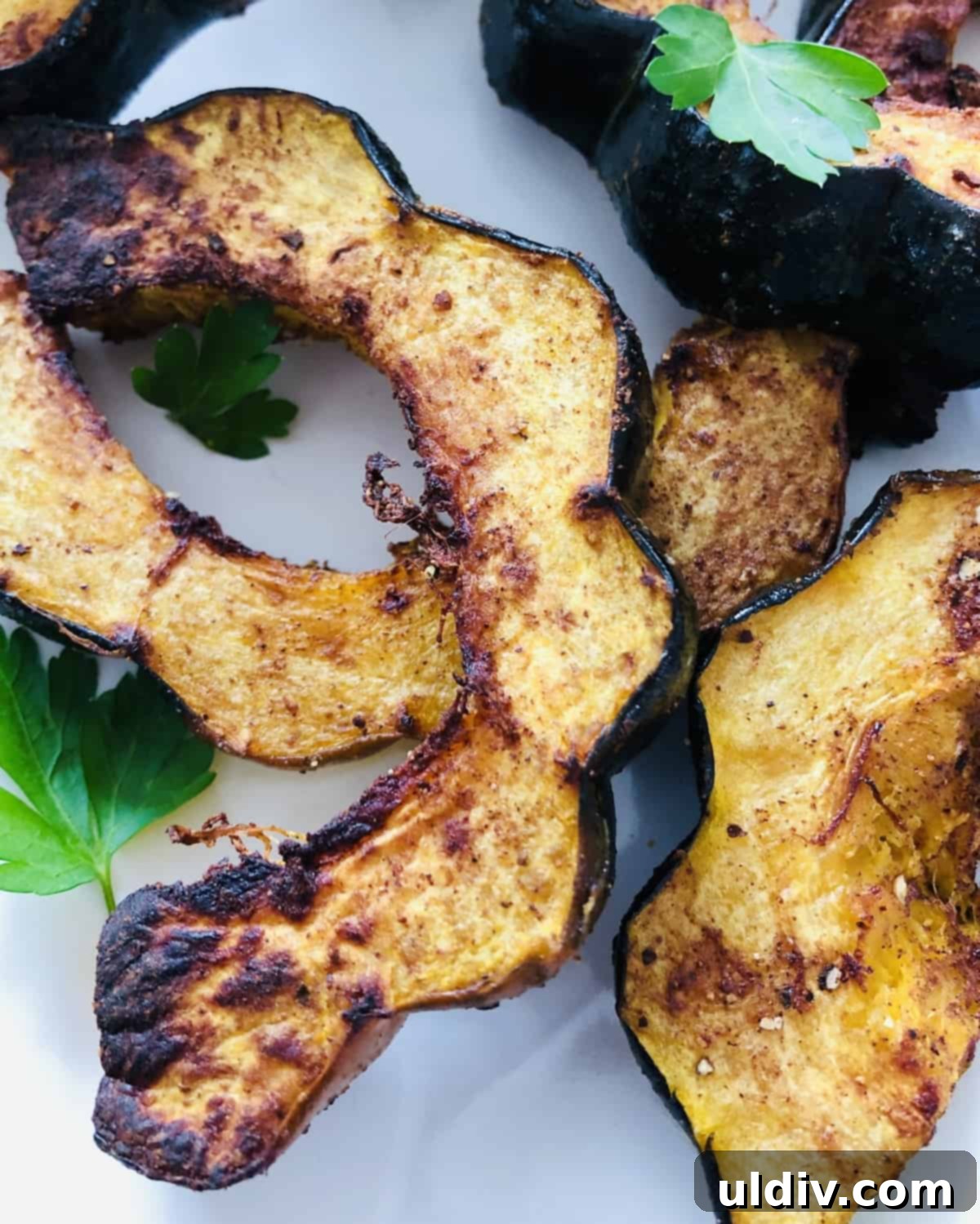
There’s an undeniable magic to roasting vegetables. It’s a culinary technique I absolutely adore, cherished for its simplicity and the consistently delicious results it delivers. Unlike other cooking methods that demand constant attention, roasting offers a “hands-off” approach, allowing the oven’s consistent heat to work its wonders. This gentle yet intense heat draws out the natural sugars in vegetables, leading to beautiful caramelization and a depth of flavor that’s simply unmatched. My kitchen often smells of roasted goodness, from crispy oven fries with their satisfying crunch to the earthy richness of garlic butter mushrooms, or the festive delight of roasted Brussels sprouts with honey and mustard, perfect for holiday feasts. These are just a few examples of how roasting transforms humble ingredients into culinary stars. It’s a method that resonates deeply with my personal chef clients too, who consistently rave about the robust flavors and tender textures achieved. As soon as the air carries that first hint of autumn chill, my thoughts invariably turn to the comforting ritual of roasting fall squash. It’s not just a dish; it’s a celebration of the season, a warm invitation to gather and savor.
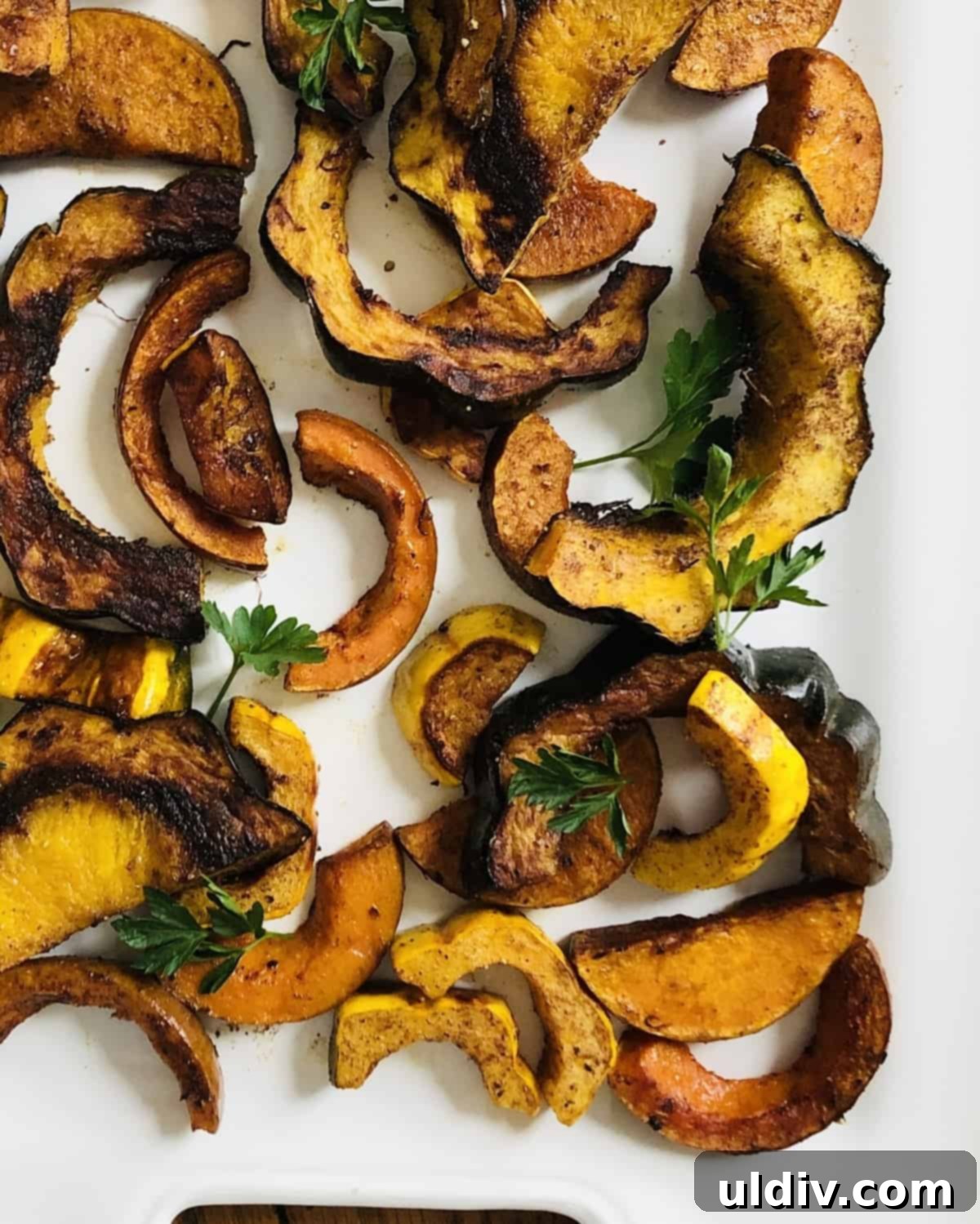
Is Fall Squash Healthy? Absolutely! Explore the Remarkable Health Benefits
When it comes to nutritious vegetables, fall squash varieties stand out as true powerhouses. Hard squashes such as acorn, delicata, butternut, and honeynut are not only incredibly versatile and delicious, but they are also packed with an impressive array of vitamins, minerals, and antioxidants, making them an excellent and healthy addition to any balanced diet. Incorporating them regularly can contribute significantly to your overall well-being. Let’s delve into some of the remarkable health benefits these vibrant vegetables offer:
- Rich in Dietary Fiber: Fall squash is an exceptional source of dietary fiber, a crucial component for digestive health. Fiber aids in regulating bowel movements, preventing constipation, and promoting a healthy gut microbiome. Beyond digestion, a high-fiber diet is known to contribute to weight management by promoting feelings of fullness and satiety, which can help reduce overall calorie intake. Furthermore, regular fiber consumption has been linked to a reduced risk of certain chronic diseases, including various types of cancer, particularly colorectal cancer, and heart disease.
- High in Beta-Carotene (Vitamin A): These colorful squashes are brimming with beta-carotene, a powerful antioxidant that the body converts into Vitamin A. Vitamin A is essential for maintaining healthy vision, especially in low light conditions, and plays a vital role in protecting your eyes from age-related macular degeneration and the damaging effects of ultraviolet rays. Moreover, Vitamin A is a critical nutrient for a robust immune system, helping your body defend against infections and illnesses. It also supports healthy skin cell regeneration, contributing to radiant skin.
- Excellent Source of Potassium: Fall squash varieties are notably high in potassium, an essential mineral and electrolyte that plays a pivotal role in numerous bodily functions. Potassium is crucial for maintaining proper fluid balance, supporting nerve signals, and regulating muscle contractions. Most importantly for cardiovascular health, adequate potassium intake can help counteract the effects of sodium, thereby contributing to the control and management of blood pressure. Regular consumption of potassium-rich foods like squash can reduce the risk of hypertension and support a healthy heart.
- Abundant in Other Essential Nutrients: Beyond these primary benefits, fall squash provides a good source of Vitamin C, another potent antioxidant that bolsters the immune system and supports collagen production for healthy skin. They also contain various B vitamins (like B6 and folate), which are important for energy metabolism and brain function, as well as minerals such as manganese and magnesium, vital for bone health and enzymatic reactions in the body. With their low-calorie count and rich nutrient profile, fall squashes are truly a nutritional gift from nature.
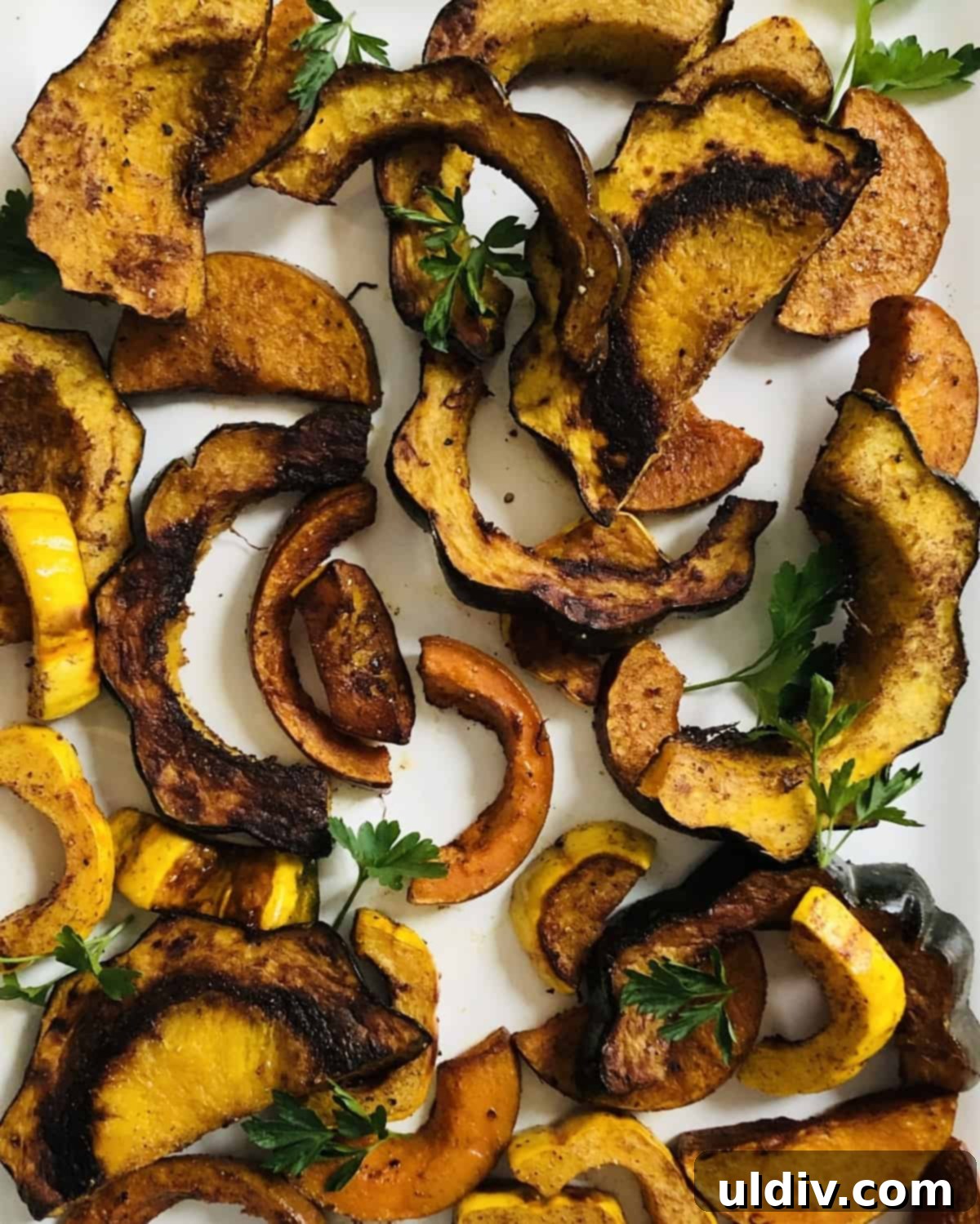
How to Safely and Easily Cut Fall Squash for Roasting
Hard fall squashes, including acorn, delicata, butternut, and honeynut, are kitchen champions not only for their nutritional value but also for their impressive shelf life. When stored in a cool, dark place, they can easily keep for a month or even longer, making them an ideal staple to have on hand throughout the cooler seasons. However, their dense flesh and tough skin can make cutting them seem like a daunting task. But fear not! With the right tools and a few simple steps, you’ll be able to prepare these culinary gems safely and efficiently, ready for roasting in no time. Precision in cutting also ensures even cooking, a key to delicious roasted squash.
- Preparation is Key: Begin by thoroughly washing the outside of your chosen squash with warm water and a scrub brush to remove any dirt or debris. While the skin of many fall squashes (like delicata and acorn when roasted until tender) is edible and delicious, it’s still important to clean it. If you prefer a smoother texture or are using a squash with particularly tough skin (like butternut), you can use a sturdy vegetable peeler to carefully remove the outer layer. Just ensure a firm grip on the squash to prevent slips.
- Stabilize Your Workspace: Place the squash on a stable, non-slip cutting board. Using a damp paper towel or a non-slip mat underneath your cutting board can provide extra security. This foundational step is crucial for safety when dealing with the squash’s hard exterior. My heavy-duty cutting boards are indispensable in my kitchen for tasks like this, offering a steady surface for confident knife work.
- Trim the Ends: With a sturdy chef’s knife – ensure it’s sharp, as a dull knife is more dangerous than a sharp one – carefully slice off about ½ inch from both the bottom and top of the squash. This creates two flat, stable surfaces, allowing the squash to stand upright securely on your cutting board. This significantly reduces the risk of the squash rolling or slipping while you cut.
- Halve the Squash Lengthwise: Stand the squash upright on one of its freshly cut flat ends. Using your sharp chef’s knife, carefully cut the squash in half lengthwise, from top to bottom. Take your time with this step, applying steady, even pressure. If the squash is particularly firm, you might need to rock the knife gently.
- Scoop Out the Seeds: Once halved, you’ll see the fibrous strands and seeds in the cavity. Use a spoon, a sturdy ice cream scoop, or even your hands to efficiently scoop out all the seeds and stringy pulp. Don’t discard the seeds immediately! Roasted squash seeds, much like pumpkin seeds, make a fantastic, crunchy snack. Simply clean them, toss with a little oil and salt, and roast until golden.
- Portioning for Roasting: Lay the cut squash halves face down on the cutting board. This flat surface provides stability. Now, cut the squash into desired pieces for roasting. For wedges, cut each half into 1 ½-inch thick crescent shapes. If you prefer cubes, first slice the halves into planks, then cut the planks into uniform 1 ½-inch cubes. The key is to aim for pieces that are roughly the same size to ensure they cook evenly and become perfectly tender at the same time.
And there you have it! That’s how straightforward it is to prepare fall squash for roasting. With these steps, you’ll not only handle the squash safely but also set yourself up for perfectly cooked, delicious results every time. Your squash is now ready to absorb all those wonderful flavors and be transformed in the oven.
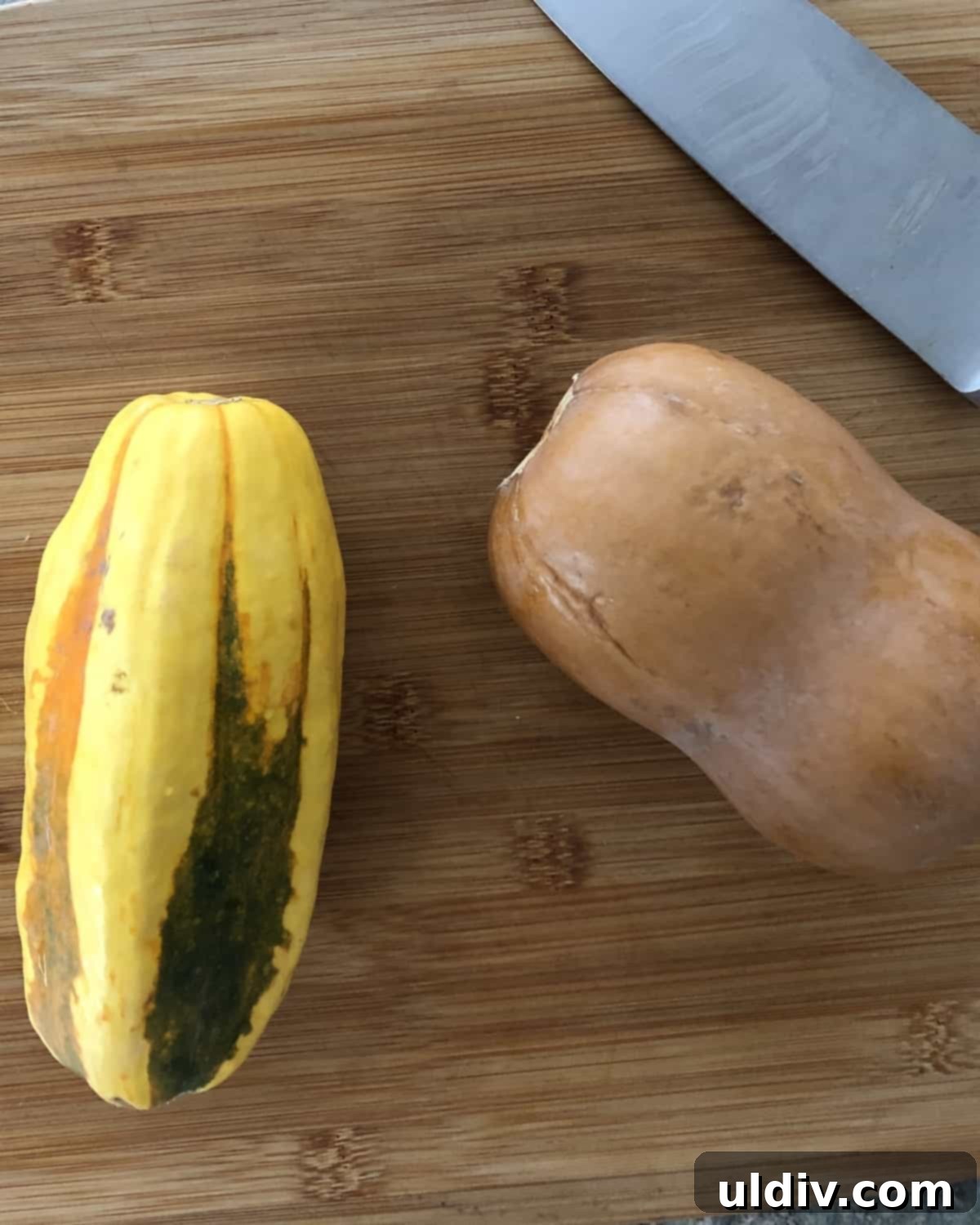
Essential Ingredients for Perfect Roasted Fall Squash
Crafting this irresistible roasted fall squash requires a handful of simple, high-quality ingredients. Each component plays a vital role in building the dish’s comforting flavors and achieving that ideal tender-crisp texture. Here’s what you’ll need, along with a few notes on why each ingredient matters:
- Fall Squash (Acorn, Delicata, Butternut, and/or Honeynut): The star of our show! You can use a single type or a medley for variety in flavor and texture.
- Acorn Squash: Known for its sweet, slightly nutty flavor and tender, moist flesh. Its ridges make for beautiful wedges.
- Delicata Squash: Offers a delicate, sweet flavor reminiscent of sweet potato, with a creamy texture. Its thin, edible skin makes prep a breeze.
- Butternut Squash: A popular choice for its rich, sweet, and nutty flavor, along with its smooth, vibrant orange flesh. It’s incredibly versatile.
- Honeynut Squash: A smaller, sweeter cousin to butternut, boasting an even more concentrated flavor and velvety texture.
Remember to remove the seeds and cut them into uniform wedges or cubes for even cooking.
- Extra Virgin Olive Oil: This isn’t just for coating; it’s a flavor enhancer. A good quality extra virgin olive oil provides a fruity, peppery base that helps the spices adhere to the squash and promotes beautiful caramelization and browning in the oven. It’s crucial for achieving that desirable slightly crispy exterior.
- Kosher Salt: Unlike finer table salt, kosher salt has larger flakes that adhere better to the food and provide a clean, less intensely salty taste. It draws out moisture, enhances the natural sweetness of the squash, and is essential for seasoning uniformly.
- Freshly Ground Black Pepper: Freshly ground pepper offers a more vibrant, aromatic punch compared to pre-ground varieties. It adds a subtle warmth and a touch of savory complexity that perfectly complements the sweet and spicy notes.
- Nutmeg: This warm, aromatic spice brings a deep, slightly sweet, and woody flavor that is quintessential to fall baking and cooking. Freshly grated nutmeg offers the most intense aroma, but good quality ground nutmeg works wonderfully, infusing the squash with its comforting essence.
- Cinnamon: The sweet and spicy notes of cinnamon are a perfect match for fall squash. It enhances the natural sweetness of the vegetables and adds a familiar, inviting warmth that ties all the flavors together, making the dish feel incredibly comforting and seasonal.
Together, these ingredients create a symphony of flavors that elevate simple roasted squash into an unforgettable culinary experience.
My Cooking Videos: Visual Guide to Culinary Success
For those who prefer a visual learning experience, I’ve put together a helpful cooking video that walks you through each step of this roasted fall squash recipe. Seeing the techniques in action can make all the difference, especially when it comes to safely cutting hard squash and achieving that perfect golden roast. Watch along to master this simple yet incredibly rewarding dish!
How to Make Roasted Fall Squash: A Step-by-Step Guide
Creating this delicious roasted fall squash is an incredibly straightforward process, yielding impressive results with minimal effort. Follow these simple steps to transform your raw squash into a tender, flavorful side dish that will delight your senses:
To begin, preheat your oven to a robust 425 degrees F (220 degrees C). This high temperature is crucial for ensuring the squash roasts rather than steams, promoting beautiful caramelization and a slightly crisp exterior. As the oven heats up, place a large, rimmed baking sheet directly onto the middle rack. Preheating the baking sheet is a key expert tip; it creates an immediate searing effect when the squash is added, preventing sticking and kickstarting the browning process for those coveted crispy edges.
Next, gather your prepared squash. Place all the uniformly cut squash wedges into a large mixing bowl. Drizzle generously with the extra virgin olive oil. Now, using your hands or a large spoon, toss the squash thoroughly. Ensure every piece is evenly coated with the oil. This even coating is vital as the oil acts as a conductor for heat, helps the seasonings adhere, and is essential for achieving that desirable golden-brown finish.
Now it’s time to infuse the squash with its signature fall flavors. Sprinkle the coated squash generously with kosher salt, freshly ground black pepper, aromatic nutmeg, and sweet cinnamon. Again, toss everything together meticulously. Make sure all the spices are distributed evenly, clinging to every surface of the squash pieces. This step ensures that each bite delivers a harmonious blend of sweet, savory, and warm spice notes.
Carefully remove the heated baking sheet from the preheated oven. Be mindful as it will be very hot. Arrange the seasoned squash pieces in a single layer across the hot baking sheet. It’s critical not to overcrowd the pan; ensure there’s ample space between each piece. Overcrowding will cause the squash to steam rather than roast, resulting in a soggy texture instead of tender and caramelized. If necessary, use two baking sheets. Return the baking sheet (or sheets) to the oven.
Roast the squash for approximately 25 to 30 minutes. Halfway through the roasting time, about 12-15 minutes in, carefully flip the squash pieces using a spatula. This ensures even cooking and browning on all sides, contributing to a consistently delicious texture. You’ll know the squash is perfectly roasted when a knife or fork can easily pierce the flesh, indicating it’s fork-tender, and the edges have developed a beautiful golden-brown, caramelized hue. Once done, remove from the oven, and it’s ready to be served immediately.
Expert Tips for the Best Roasted Fall Squash
Achieving perfectly roasted fall squash every time is easier than you think, especially with a few seasoned tips. These insights will help you maximize flavor, optimize texture, and ensure your dish is consistently outstanding:
- Preheat Your Baking Sheet: This is a game-changer! Always preheat your large, rimmed baking sheet in the oven while it comes up to temperature. Placing the seasoned squash onto a hot surface creates an immediate sizzle, preventing the squash from sticking to the pan and jumpstarting the caramelization process. This initial high heat is key to achieving those coveted crispy, golden-brown edges.
- Ensure Uniformity in Cutting: The secret to evenly cooked vegetables lies in consistent sizing. Cut your squash wedges or cubes into roughly the same size, ideally around 1 ½ inches. This ensures that every piece cooks at a similar rate, preventing some pieces from becoming mushy while others are still firm. Uniform cuts guarantee a consistent and delightful texture throughout the dish.
- Don’t Overcrowd the Pan: This tip is paramount for roasting. If you pack too many squash pieces onto a single baking sheet, they will steam rather than roast. When vegetables are too close, they release moisture, which gets trapped, turning your squash soft and soggy instead of beautifully caramelized and tender. Always spread the seasoned squash in a single layer, ensuring ample space between each piece. If necessary, use two baking sheets to give them room to breathe and brown properly.
- Flip Halfway Through: For maximum flavor and texture, make sure to flip your squash pieces about halfway through the roasting time. This ensures that both sides of the squash get direct contact with the hot baking sheet, promoting even browning and delicious caramelization on all surfaces. This simple action significantly enhances the overall appeal and taste of the dish.
- Testing for Doneness: The best way to check if your roasted squash is ready is to pierce a piece with a fork or the tip of a knife. It should glide in easily without resistance, indicating that the squash is fork-tender. Additionally, look for those lovely golden-brown, slightly charred edges, which are a sign of successful caramelization and peak flavor development.
- Make Ahead and Storage Instructions: Roasted squash is a fantastic make-ahead option. To prepare it in advance, follow the recipe instructions completely and then allow the roasted squash to cool entirely at room temperature. Once cooled, transfer it to an airtight container and store it in the refrigerator for up to 3 days. For reheating, gently warm the squash in the microwave at 70 percent power for 1-2 minutes, stirring, and continuing in 30-second intervals until heated through. Alternatively, spread it on a baking sheet and reheat in a preheated oven at 350°F (175°C) for 10-15 minutes, until warmed and slightly re-crisped. Always taste and adjust seasoning with kosher salt and pepper before serving.
- Experiment with Seasonings: While cinnamon and nutmeg provide a classic fall flavor, don’t hesitate to experiment! For a savory twist, try adding dried sage, thyme, rosemary, or a pinch of garlic powder. A dash of cayenne pepper can introduce a delightful subtle heat. For an extra touch of sweetness, a drizzle of maple syrup or a sprinkle of brown sugar during the last 10 minutes of roasting can be heavenly.
What to Serve with Roasted Fall Squash
Roasted fall squash, with its sweet and savory notes, makes an incredibly versatile side dish that complements a wide array of main courses. Its comforting flavors pair beautifully with both everyday meals and special occasion feasts. Here are some delightful pairings to inspire your next meal:
- Orange Dijon Roasted Chicken Legs: The bright and tangy flavors of the chicken perfectly cut through the richness of the squash.
- Cider Honey Glazed Chicken Skewers: The sweet and savory glaze on these skewers creates a harmonious balance with the spiced squash.
- Easy Fried Buttermilk Chicken Tenders: The crispy, savory tenders provide a wonderful contrast in texture and flavor to the tender, sweet squash.
- Chipotle Orange Pork Tenderloin: The smoky, citrusy notes of the pork would create an exciting and sophisticated flavor profile with the sweet squash.
- Barbecue Pork Tenderloin Sliders: The robust barbecue flavors of the pork would be beautifully complemented by the warming spices of the squash.
- Baked Cod with Crispy Garlic Herb Panko: For a lighter option, the delicate, flaky fish provides a lovely contrast to the hearty squash, creating a well-rounded meal.
Whether you’re aiming for a cozy family dinner or an elegant holiday spread, roasted fall squash is a side dish that consistently delivers on flavor and satisfaction.
Just One More Thing: Your Feedback Matters!
I truly hope you enjoy making and savoring this easy and delicious roasted fall squash recipe as much as I do. Your culinary journey and experiences are incredibly valuable to me and to the entire community of home cooks. If you decide to whip up this comforting side dish, I would absolutely love to hear from you!
Please take a moment to leave a comment below and/or give this recipe a rating. Your feedback helps others discover and trust the recipes shared here, and I do my very best to read and reply to all your wonderful comments. Furthermore, if you snap a photo of your magnificent roasted squash creation, don’t hesitate to post it to Instagram and tag me @amycaseycooks. I genuinely love seeing all your culinary masterpieces and often feature them in my Insta stories, celebrating your kitchen successes! Also, be sure to check out my Facebook and Pinterest pages for a continuous stream of fabulous foodie stories, engaging cooking videos, handy kitchen tips, and a plethora of inspiring recipes to keep your cooking adventures exciting.
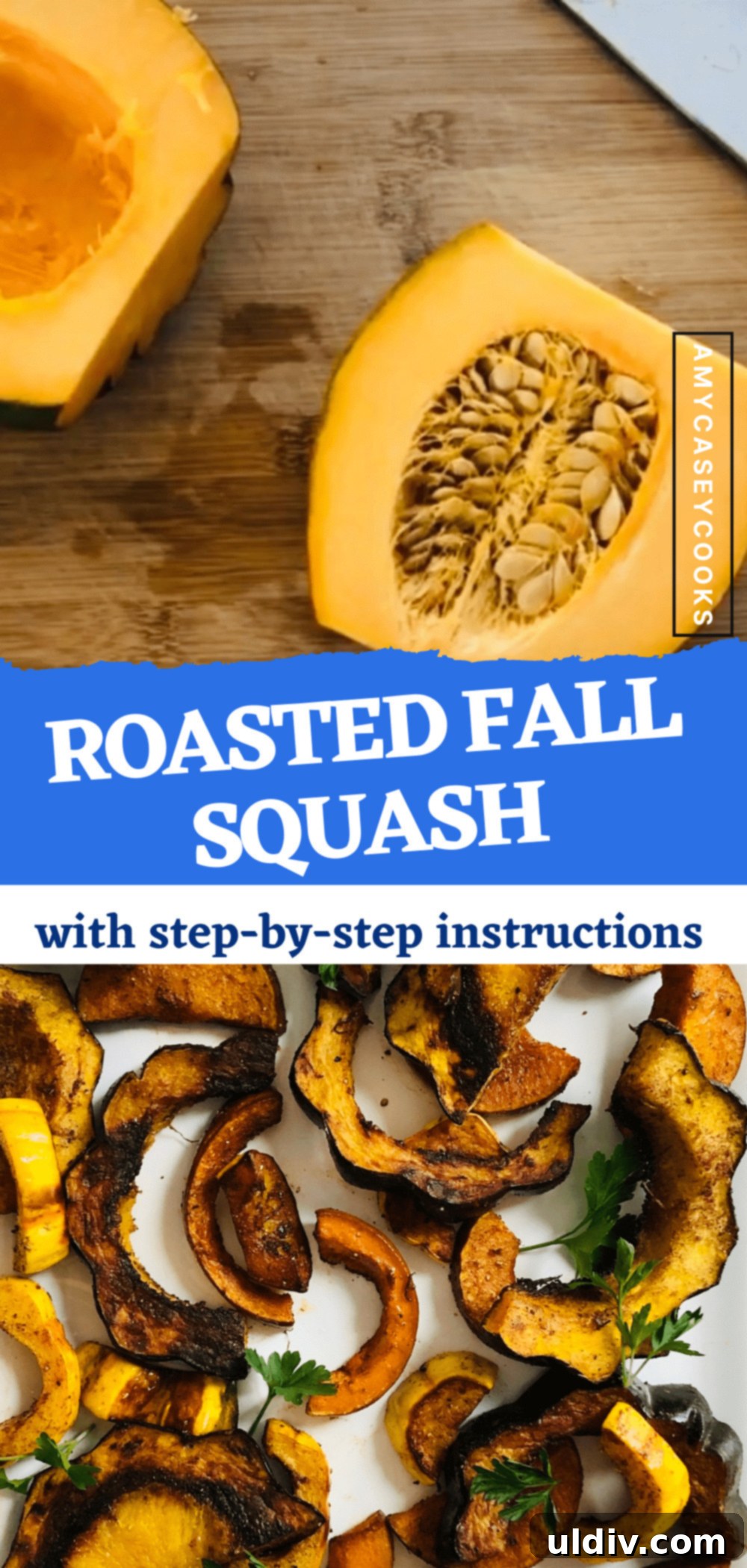
Recipe
Roasted Fall Squash with Cinnamon and Nutmeg
Print
Pin
Ingredients
- 2 fall squash acorn, delicata, butternut and/or honeynut, seeds removed and cut in wedges
- 2 tablespoons extra virgin olive oil
- 1 teaspoon kosher salt
- ½ teaspoon pepper
- ¼ teaspoon nutmeg
- 1 teaspoon cinnamon
Instructions
-
Preheat oven to 425 degrees F. Place a large rimmed baking sheet in the oven.
-
In a large bowl, add the squash wedges. Drizzle with the extra virgin olive oil and toss to thoroughly coat the squash.
-
Sprinkle the squash with the kosher salt, pepper, nutmeg and cinnamon. Toss to coat the squash with the seasonings.
-
Carefully remove the baking sheet from the oven. Spread the squash wedges in a single layer on the sheet. Return it to the oven.
-
Roast the squash for 25 to 30 minutes flipping once half way through the time. The squash should be fork tender and golden brown.
-
Remove the squash from the oven, season to taste, and serve.
Video
Notes
- Preheat the baking sheet before adding the seasoned squash. This helps to ensure that the squash will not stick to the pan.
- Cut the squash wedges all in about the same size so they will cook at an even rate.
- Flip the squash half way through the roasting time to get a golden brown exterior on each side.
- To make roasted squash ahead of time, follow the recipe and completely cool the squash. Package it in an airtight container and store in the refrigerator for up to 3 days. Reheat in the microwave on 70 percent power for 1 – 2 minutes. Continue microwaving at 30 second intervals until heated through. Taste and season with kosher salt and pepper and serve.