Don’t Toss It! Creative Ways to Repurpose Stale Bread and Leftover Baked Goods
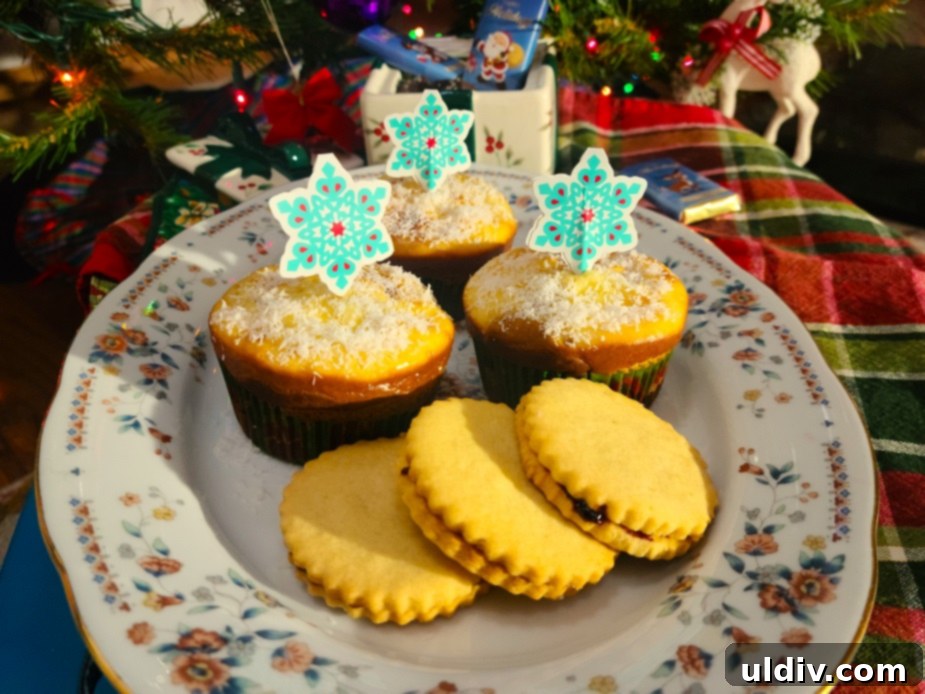
The holiday season, a time of festive cheer, family gatherings, and often, an abundance of delicious food. From freshly baked loaves to decadent cakes and an endless supply of cookies, our kitchens overflow with culinary delights. While the joy of baking and sharing is undeniable, it frequently leads to a common dilemma: what to do with the inevitable surplus? Far too often, leftover bread, cakes, and cookies succumb to staleness, destined for the bin – a disheartening outcome for any home cook. This article aims to transform that narrative, offering a comprehensive guide to preventing food waste by ingeniously repurposing your baked treasures.
Food waste is a significant global issue, contributing to environmental problems and representing a loss of valuable resources. In our own homes, tackling this problem can start with simple, creative solutions. Instead of viewing stale bread or leftover sweets as expired items, consider them as versatile ingredients awaiting a second life. Not only does this practice reduce waste, but it also sparks culinary creativity, allowing you to craft entirely new dishes from familiar components. Join us as we explore a wealth of ideas to give your baked goods a delicious and sustainable encore.
Repurposing Savory Breads: From Stale to Stellar
Stale bread is not merely dried-out bread; it possesses unique textural qualities that can elevate a dish in ways fresh bread cannot. As the esteemed food scientist Harold McGee highlights in his culinary bible, “On Food and Cooking: The Science and Lore of the Kitchen,” stale bread is inherently more robust than its fresh counterpart. This increased firmness and reduced moisture make it an ideal candidate for a myriad of savory applications, holding its structure better when moistened or cooked.
Classic Transformations for Stale Bread
- French Toast: The Ultimate Breakfast Revival
Stale bread is the secret to perfect French toast. Its drier texture allows it to absorb the custardy egg and milk mixture without becoming soggy, leading to a wonderfully crisp exterior and a tender interior. Simply slice your bread (thicker slices work best), dip it in a mixture of eggs, milk or cream, a touch of sugar, and a hint of vanilla or cinnamon, then pan-fry until golden brown. Serve with fresh fruit, syrup, or a dusting of powdered sugar. For a savory twist, omit the sugar and spices, and serve with bacon, eggs, and a sprinkle of chives. - Hearty Bread Puddings: Sweet or Savory Comfort
Beyond breakfast, stale bread shines in bread puddings. A sweet bread pudding can be a comforting dessert, combining chunks of bread with a rich custard, dried fruits, nuts, and warm spices like nutmeg or cinnamon. Baked until golden and puffed, it’s often served with a scoop of ice cream or a drizzle of sauce. Savory bread puddings, on the other hand, are fantastic side dishes or light meals. Imagine cubes of stale bread baked with cheese, herbs, vegetables, and a savory custard, creating a rustic and satisfying dish. - Bread Salads: Mediterranean Delights
Several Mediterranean culinary traditions celebrate stale bread in vibrant salads.- Pappa al Pomodoro: This classic Tuscan soup-salad transforms stale bread, ripe tomatoes, garlic, basil, and olive oil into a thick, rustic, and incredibly flavorful dish, often served warm.
- Panzanella: Another Italian staple, Panzanella combines sturdy cubes of stale bread with juicy ripe tomatoes, cucumbers, red onion, basil, and a vibrant vinaigrette, creating a refreshing summer salad where the bread soaks up all the delicious juices.
- Fattoush: A popular Middle Eastern bread salad featuring toasted or fried pieces of pita bread, mixed with fresh greens, vegetables, and a zesty sumac dressing. Stale pita is perfect for creating that satisfying crunch.
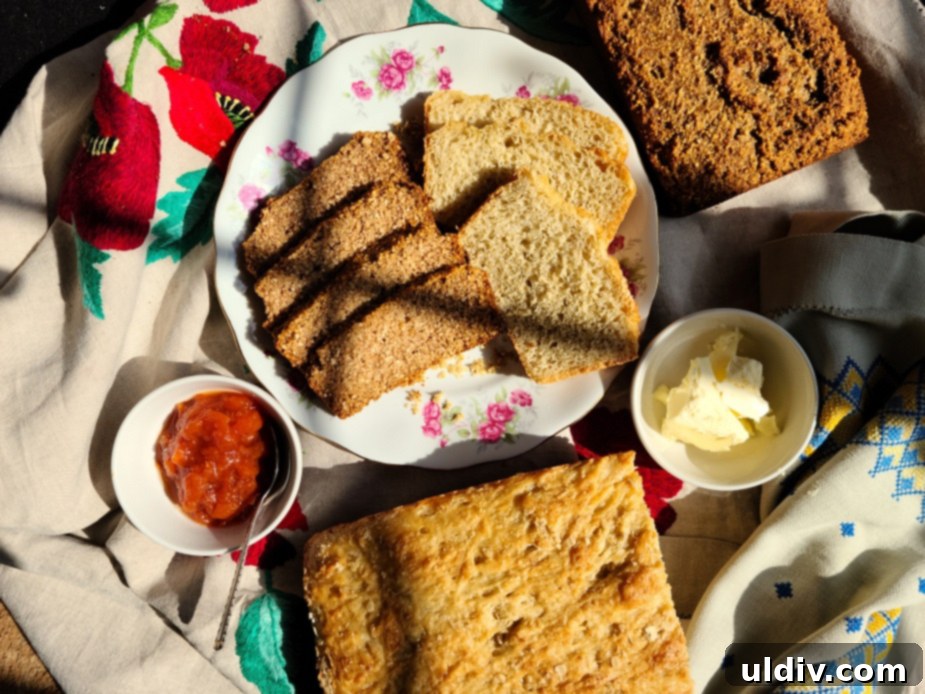
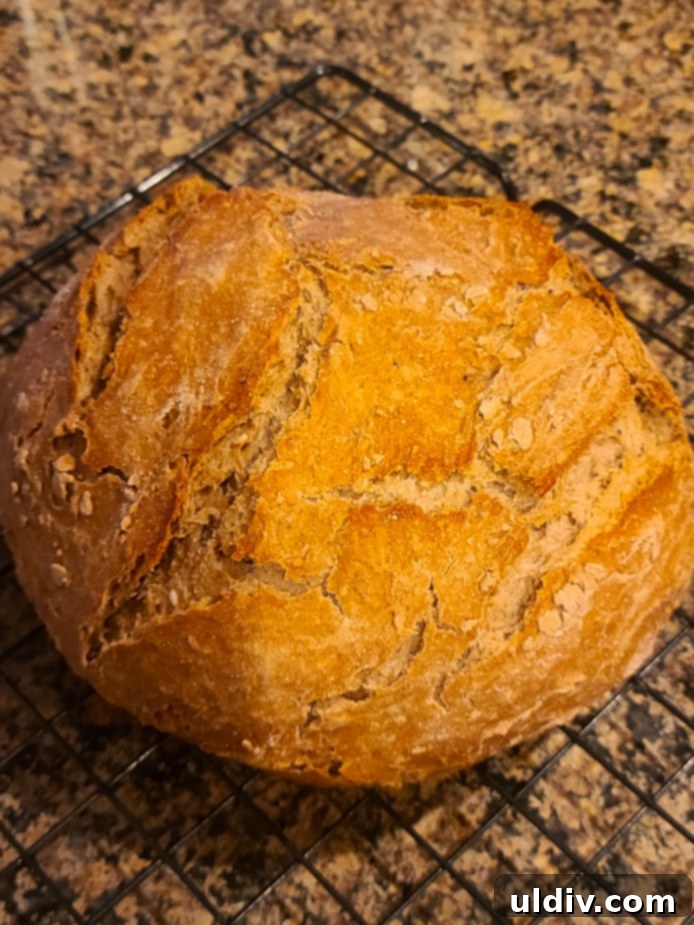
Homemade breads can be used to make French toast
The Mighty Breadcrumb: A Kitchen Essential
Crushing stale bread into crumbs opens up a world of culinary possibilities. Homemade breadcrumbs are far superior to store-bought varieties, offering a fresher taste and customizable texture. Simply tear or cut stale bread into pieces, let them air dry further if very moist, then process in a food processor until fine or coarse, depending on your needs. You can also bake them gently in a low oven to crisp them up before processing. Store them in an airtight container for future use.
- Binding Agent: Breadcrumbs are indispensable as a binder.
- Stuffing: Whether for poultry or vegetables, breadcrumbs form the bulk of a flavorful stuffing, absorbing broths and seasonings to create a cohesive, tender mixture.
- Panade: A classic technique in French cuisine, panade involves mixing stale bread (often soaked in milk) into ground meats. This addition keeps meatballs, meatloaf, and pâtés incredibly tender and moist, preventing them from becoming dense or dry during cooking.
- Meatballs and Burgers: Adding breadcrumbs to ground meat mixtures helps bind the ingredients together, preventing crumbling and maintaining juiciness.
- Coating for Frying: From schnitzel to fish fillets, a coating of seasoned breadcrumbs provides a delightful crisp texture and golden-brown finish when fried or baked. Mix your crumbs with herbs, spices, and grated Parmesan cheese for extra flavor.
- Thickener: A handful of breadcrumbs can thicken soups, stews, and sauces, adding body and a subtle, satisfying texture.
- Topping for Casseroles and Gratin: Sprinkle seasoned breadcrumbs over baked pasta dishes, vegetable gratins, or mac and cheese for an irresistibly crunchy topping.
- Croutons: Cube stale bread, toss with olive oil and your favorite seasonings (garlic powder, dried herbs, salt, pepper), then bake or pan-fry until golden and crisp. Perfect for soups and salads.
The Science of Staling: Storing Bread Smartly
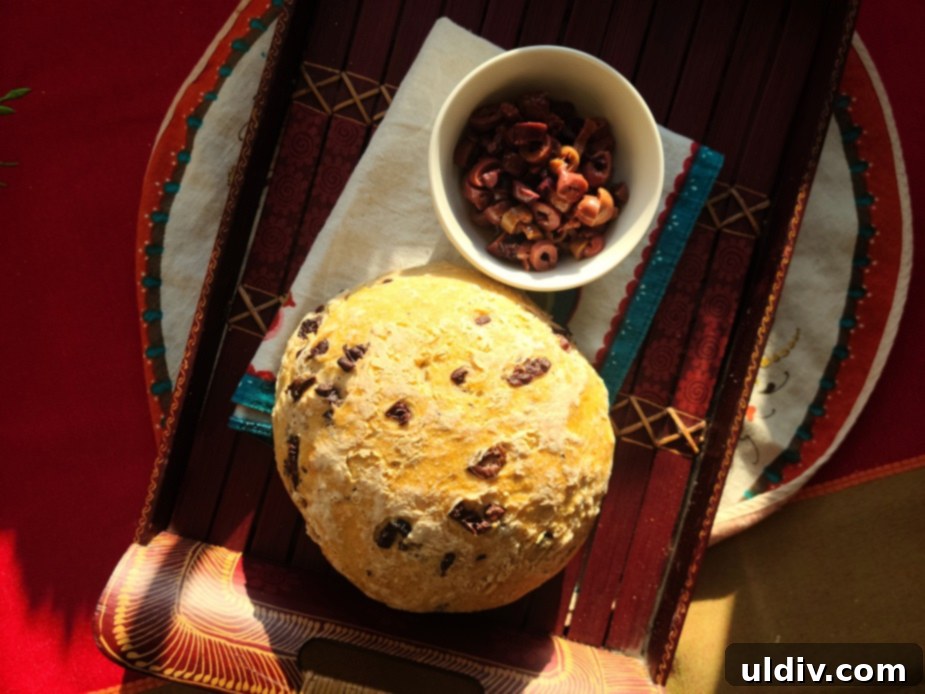
Understanding how bread stales is key to preventing unnecessary waste. McGee’s research highlights a crucial point: “If you’re going to use bread in a day or two, then store it at room temperature in a bread box or paper bag (…) If you need to keep bread for several days or more, then wrap it well in plastic or foil and freeze it.” The reason behind this counter-intuitive advice (that refrigeration makes bread stale faster) lies in starch retrogradation. At cold, but not freezing, temperatures, the starch molecules in bread recrystallize much more rapidly, leading to that dry, crumbly texture we associate with staleness.
Optimal Bread Storage Tips:
- Room Temperature (Short-Term): For consumption within 1-2 days, keep bread at room temperature in a breathable container like a bread box or a paper bag. This allows some air circulation without drying it out too quickly. Avoid airtight plastic bags at room temperature, as they can encourage mold growth.
- Freezing (Long-Term): For anything beyond a couple of days, freezing is your best friend. Slice the bread before freezing so you can easily thaw only what you need. Wrap slices or loaves tightly in plastic wrap, then place them in an airtight freezer bag or aluminum foil to prevent freezer burn. Thaw at room temperature or pop slices directly into a toaster. Freezing halts the starch retrogradation process, effectively preserving the bread’s texture.
- Avoid Refrigeration: As McGee points out, the refrigerator is the worst place for bread you intend to keep for a few days. It significantly accelerates the staling process.
Important Safety Note: While stale bread is a culinary asset, moldy bread is a health hazard. Always inspect your bread thoroughly. If you see any signs of mold, discard it immediately. The mold you see on the surface is often just the tip of a larger, invisible network of fungi. Therefore, *if the bread is moldy, it must not be consumed, of course.*
Transforming Leftover Sweet Treats: A Creative Challenge
Repurposing leftover holiday cakes and cookies presents a different, sometimes trickier, challenge compared to bread. The sheer variety of flavors, textures, and ingredients in sweet baked goods means that not all combinations will work harmoniously in a new preparation. As always, a keen sense of caution and creativity is advised. Always ensure the goods are still edible (no mold!) and consider the flavor profiles carefully before combining them to avoid a disappointing culinary experiment.
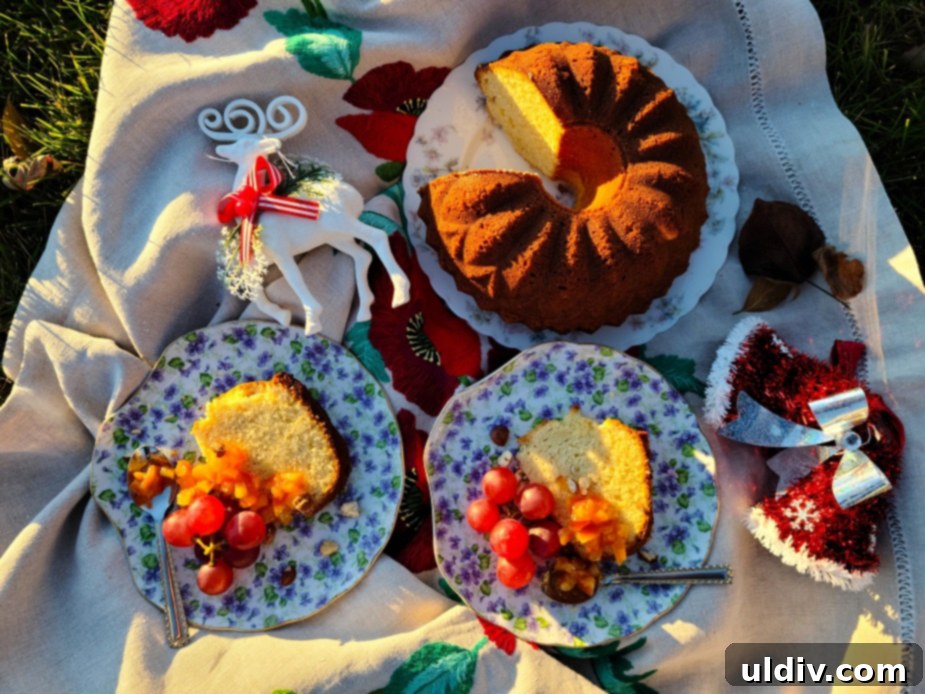
Creative Ideas for Sweet Leftovers
- “No-Waste” Truffles & Cake Pops: A Delectable Transformation
My personal go-to method for transforming leftover cakes and cookies involves turning them into delicious, no-bake truffles. The process is simple and incredibly satisfying:- Crumble your cakes or cookies finely.
- Add complementary ingredients like cocoa powder for richness, finely chopped dried fruits (raisins, cranberries, apricots) for chewiness, and toasted nuts (walnuts, pecans, almonds) for crunch.
- Bind everything together with a liquid, such as a splash of milk, cream cheese, or even a spoonful of jam or frosting. The goal is to achieve a dough-like consistency that can be rolled into balls.
- Roll the mixture into bite-sized balls.
- For the ultimate finish, dip these truffles in melted chocolate (dark, milk, or white), then decorate with sprinkles, cocoa powder, or more chopped nuts. Chill until firm.
This same principle forms the basis for cake pops – simply insert a lollipop stick into the rolled balls before chilling and coating.
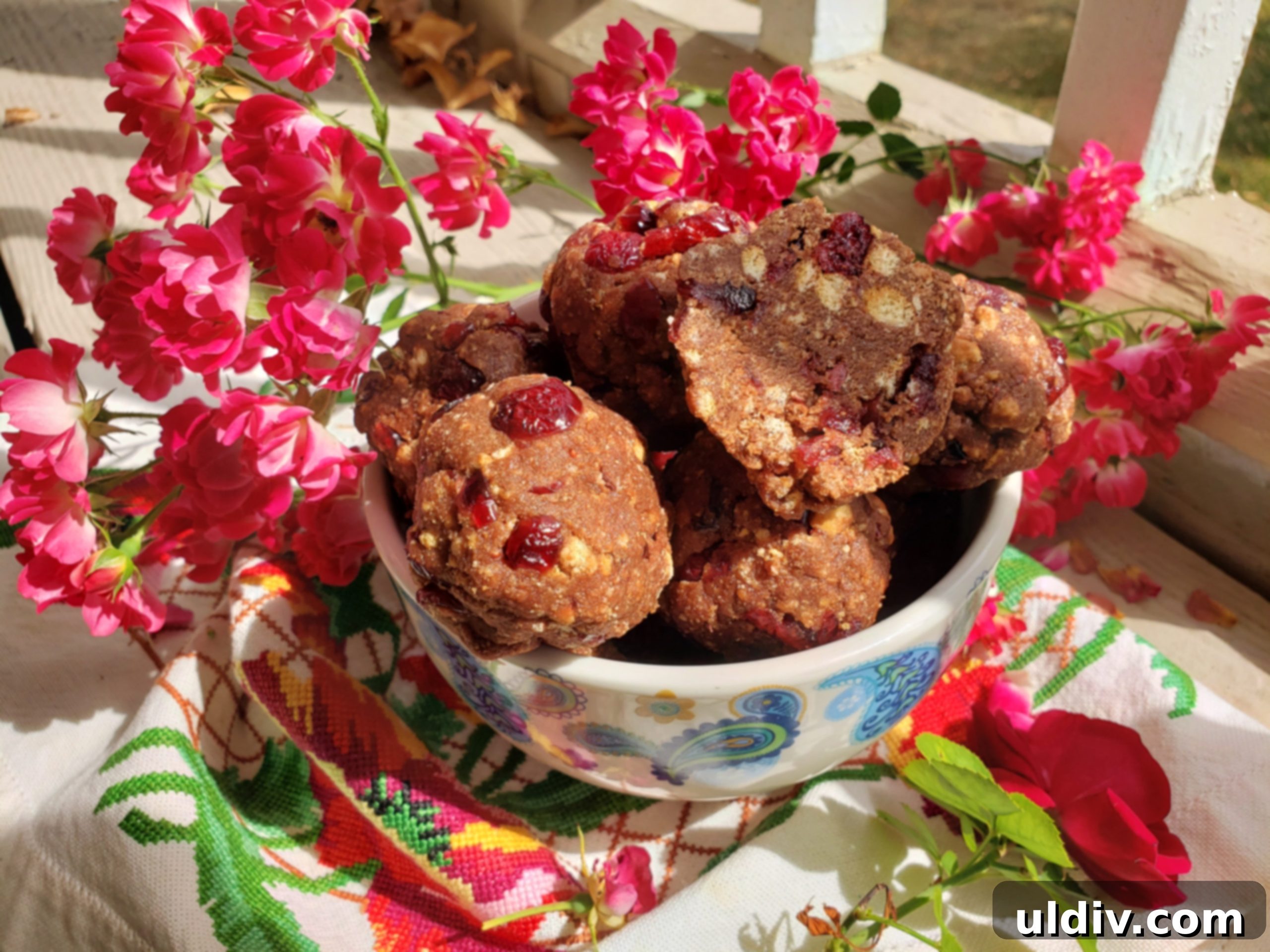
Turkish Delight truffles made out of leftover sweets
A coating of melted chocolate is often all that’s needed to finalize this delicious repurposing, transforming simple leftovers into elegant confections!
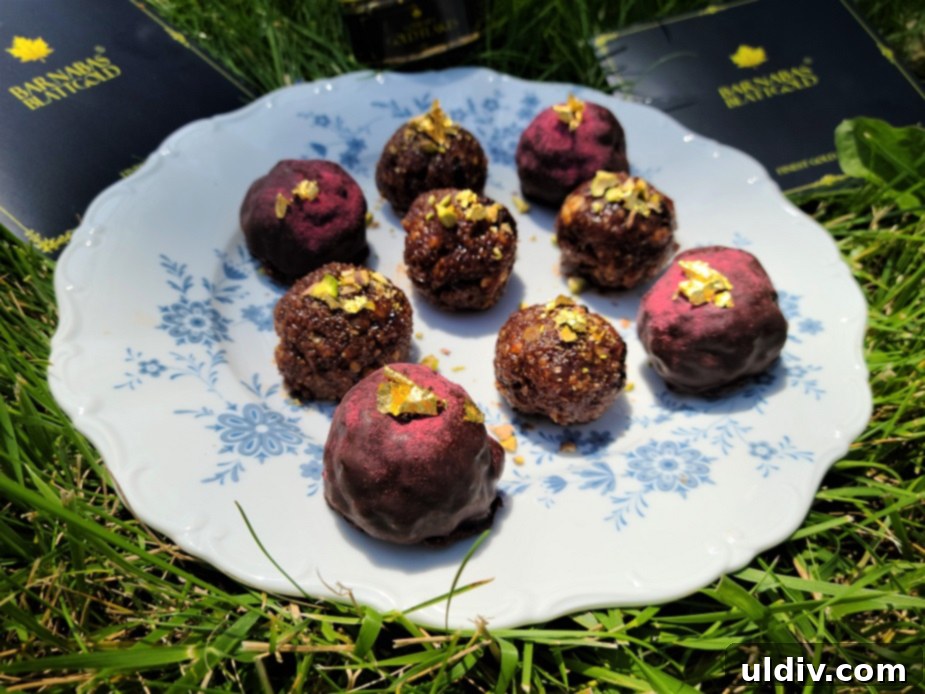
Chocolate truffles made out of leftover sweets
- Layered Desserts in Glasses or Jars: Elegant & Easy
Another fantastic option for crushed cakes or cookies is to use them in beautifully layered desserts. These individual parfaits, served in glasses or jars, are not only appealing but also incredibly customizable. Alternate layers of cookie/cake crumbs with creamy elements like vanilla pastry cream, whipped cream, mascarpone cheese, or yogurt. Add fresh or cooked fruits (berries, peaches, apple compote), crunchy nuts, or even a drizzle of caramel or chocolate sauce. The possibilities are endless, allowing you to create a sophisticated dessert with minimal effort.

- Sweet Sandwiches: A Simple Pleasure
This concept is wonderfully straightforward. Take two leftover cookies or thin slices of cake and fill them with a creamy spread. Vanilla pastry cream remains a favorite for its smooth texture and classic flavor, but you could also use buttercream, cream cheese frosting, Nutella, peanut butter, or even a fruit jam. These delightful “sandwiches” are quick to assemble and perfect for an afternoon treat.
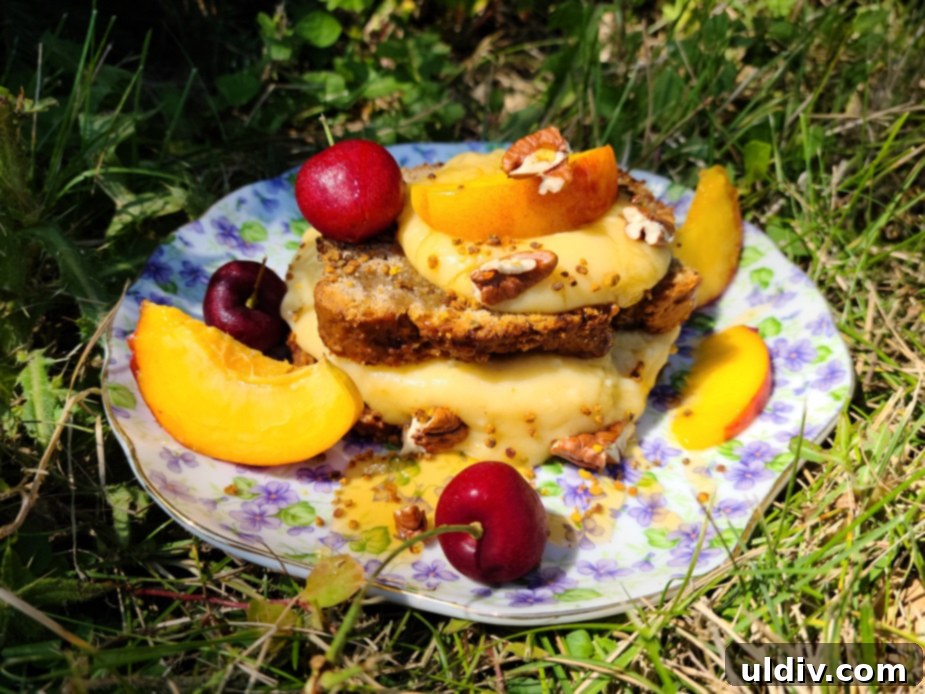
- Ice Cream Enhancements: Topping and Mix-Ins
Whole or crumbled, leftover cakes and cookies are an ideal companion for ice cream. Use larger pieces as a crunchy base or a side accompaniment, or crumble them over a scoop of your favorite ice cream as a delicious topping. They can also be mixed directly into softened ice cream for a homemade “cookies and cream” style dessert, or blended into milkshakes for added flavor and texture.
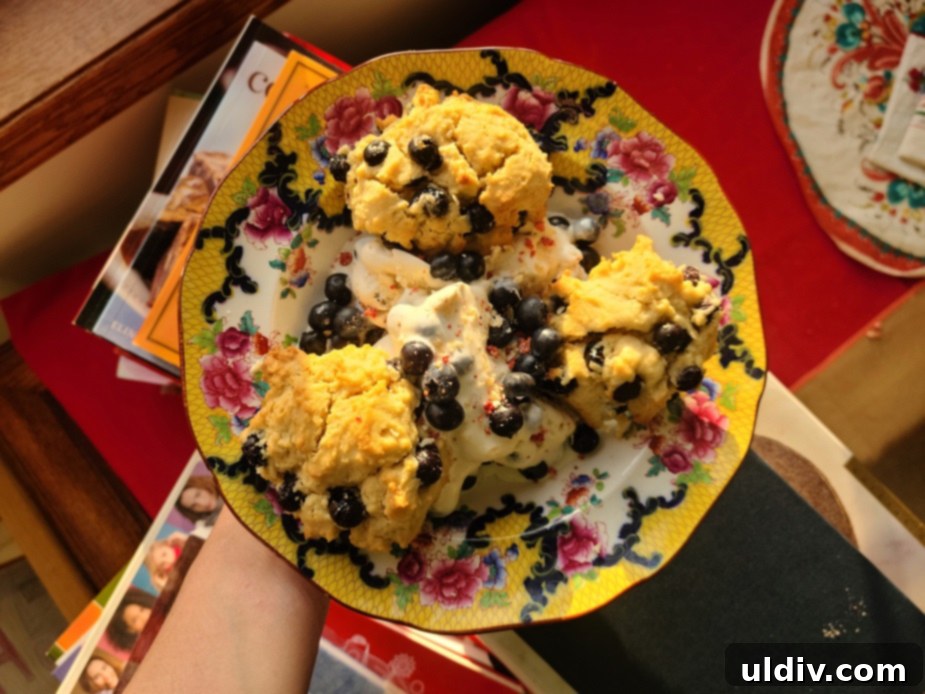
Further Innovative Uses for Sweet Leftovers
Beyond these popular methods, the culinary world offers even more inventive ways to give your sweet leftovers a new lease on life. Here are some ideas, many of which are easy to implement and result in surprisingly delightful creations:
- Cake French Toast: Similar to savory bread French toast, but using slices of leftover cake. The cake’s inherent sweetness and richness make for an incredibly indulgent breakfast or dessert, especially when soaked in a light egg mixture and pan-fried.
- Cake Pudding: Just like bread pudding, but with cake! Substitute stale bread with cubes of leftover cake. The result is a richer, sweeter, and often more decadent pudding, perfect for a cozy dessert. Add a touch of liqueur for an adult twist.
- Cheesecake Base: Tired of graham cracker crusts? Crumbs from cookies, brownies, or even firmer cakes can make an excellent and unique base for cheesecakes and tarts. Experiment with chocolate cookie crumbs for a dark chocolate cheesecake or spice cake crumbs for a seasonal twist.
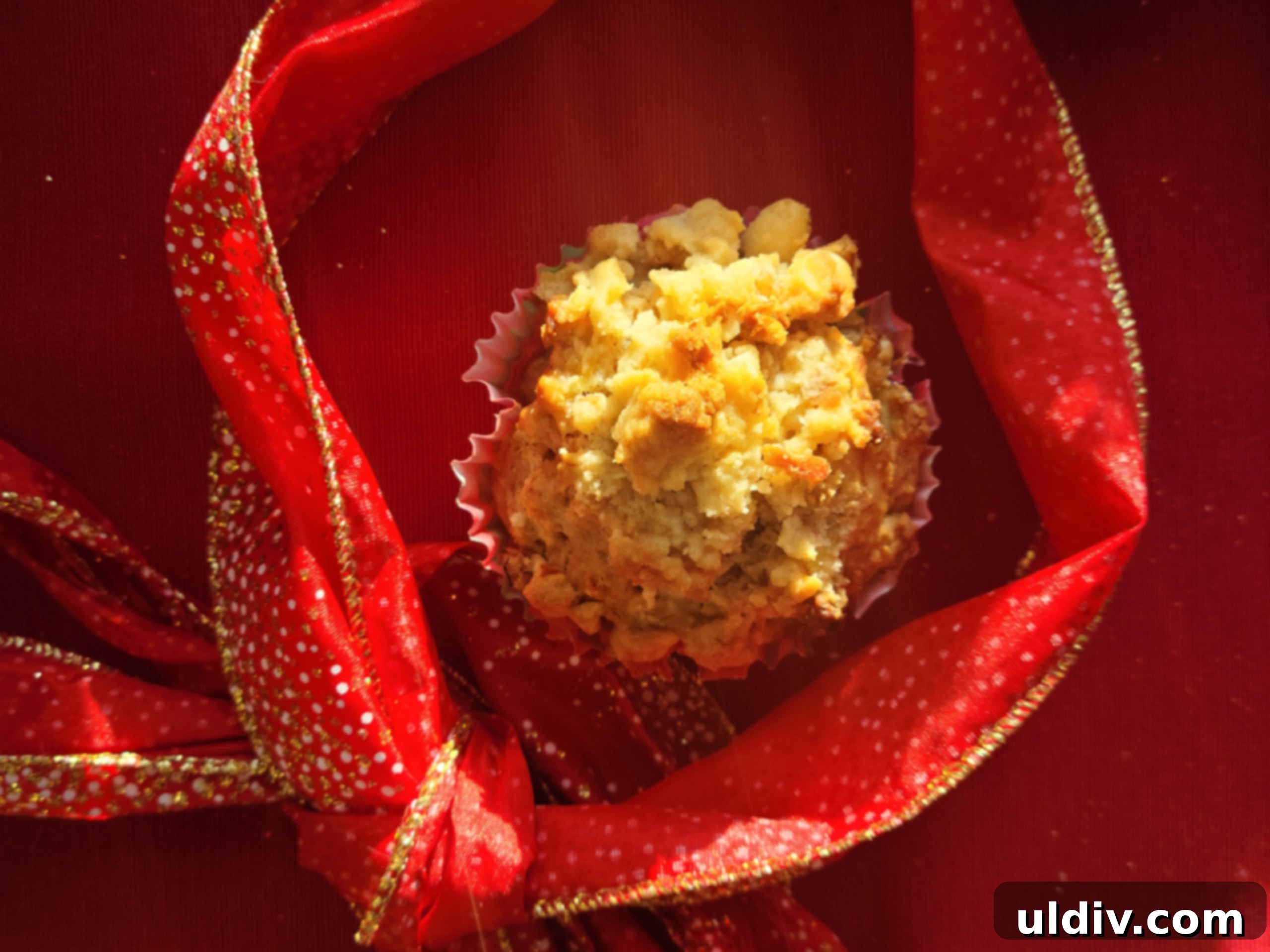
- Added to Brownie/Muffin Batter: Fold small chunks or crumbs of leftover cake or cookies into your next batch of brownie or muffin batter. This adds pockets of moistness, extra flavor, and delightful textural contrast.
- Blended into Shakes and Smoothies: For a quick and indulgent treat, blend leftover cookie or cake crumbs into your milkshakes or smoothies. They add sweetness, thickness, and a rich flavor profile. Think vanilla ice cream, milk, and chocolate cookie crumbs for an instant cookies-and-cream shake.
Embrace Culinary Creativity and Reduce Waste
Repurposing stale bread and leftover baked goods is more than just a frugal practice; it’s a step towards more sustainable living and a testament to culinary ingenuity. By giving these items a second chance, we reduce food waste, save money, and discover exciting new flavors and dishes. The key is to see beyond the initial form and envision the potential for transformation. Whether it’s the humble breadcrumb or a decadent cake truffle, every crumb can be saved and celebrated.
We’ve shared a wealth of ideas, from classic savory revivals to innovative sweet creations. Now, we’d love to hear from you! What is your favorite use for stale bread or those delicious holiday leftovers? Share your creative solutions and cherished recipes in the comments below. Let’s inspire each other to make every bite count!