
Embracing Global Flavors: Your Ultimate Guide to Spice Storage and Culinary Exploration
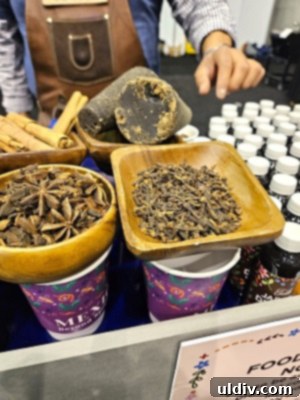
The culinary landscape is constantly evolving, yet one trend consistently captivates palates worldwide: the fascination with “global flavors.” This enduring appeal is not merely a passing fad but a testament to our collective desire for diverse and exciting gastronomic experiences. Numerous studies published throughout the year, alongside firsthand observations from prominent industry events like the National Restaurant Association Show, consistently highlight the growing enthusiasm for international ingredients and cooking techniques. My own attendance at the latest edition of the National Restaurant Association Show reinforced this trend, showcasing an incredible array of bold, nuanced, and exotic tastes from every corner of the globe. (You can read my detailed review of the 2023 Show here, and anticipate my comprehensive analysis of the 2024 edition coming soon!)
This widespread adoption of global flavors presents an exciting opportunity for both home cooks and professional chefs to elevate their dishes. But how does one effectively capture the essence of these diverse cuisines? The answer often lies in the artful application of spices. Spices are not just flavor enhancers; they are storytellers, carrying the history, culture, and traditions of their origins directly to our plates. From the fiery kick of chili peppers to the aromatic warmth of cardamom, spices are the heart and soul of global culinary exploration.
The Essence of Flavor: Understanding and Preserving Spice Quality
While spices are indispensable for imparting “global flavors,” their true potential can only be unleashed if their quality is maintained. The vibrant aromas and potent flavors of spices are delicate and can degrade over time if not cared for properly. This degradation isn’t just a loss of intensity; it can also lead to off-flavors that detract from your dish. This is where the crucial role of proper spice storage comes into play. By understanding the factors that affect spice longevity and implementing effective storage techniques, you can significantly prolong the viability of their flavors and aromas, ensuring every pinch delivers its full intended impact.
Enemies of Freshness: What Degrades Your Spices?
To truly appreciate the importance of proper storage, it’s essential to understand what causes spices to lose their potency. Spices are rich in volatile oils, which are responsible for their distinct aromas and flavors. These oils are highly susceptible to degradation from several environmental factors:
- Light: Exposure to direct sunlight or even bright ambient kitchen light can break down the organic compounds in spices, causing them to lose color and flavor.
- Heat: High temperatures accelerate the evaporation of volatile oils. Storing spices near a stove, oven, or sunny window is a common mistake that dramatically shortens their shelf life.
- Air: Oxygen in the air reacts with the compounds in spices, leading to oxidation, which can cause rancidity and a dulling of flavor. This is why airtight containers are paramount.
- Moisture: Humidity can cause spices to clump, lose their free-flowing texture, and even promote mold growth. It can also dilute flavors and make spices more prone to spoilage.
Optimal Storage Solutions for Maximum Potency
Protecting your spices from these enemies of freshness is straightforward with the right approach. The key principle, as advised by culinary experts like Food Network, is to store spices in a “cool, dark area” to prolong their life. This means actively avoiding direct sunlight or any sources of heat.
Where to Store Your Spices: Ideal Locations
When choosing a location for your spice collection, prioritize areas that maintain a consistent, cool temperature and are shielded from light:
- Cabinets or Cupboards: These are often the most common and ideal places, as they naturally offer a cool, dark, and dry environment. Ensure they are not located directly above an oven or a dishwasher, which can generate significant heat and steam.
- Pantries: A dedicated pantry shelf provides excellent conditions, often being cooler and darker than typical kitchen cabinets.
- Drawers: A kitchen drawer away from heat sources can also serve as an effective storage spot, especially for smaller containers or spice tins.
- Door-Mounted or Wall-Mounted Racks (with caveats): While excellent for maximizing space and accessibility, ensure these racks are not exposed to direct sunlight from a window or positioned near cooking appliances that emit heat. If on a counter, limit them to frequently used spices that will be replenished often.
If you choose to keep certain spices on the counter for convenience, make sure these are only the ones you use most often – ideally within a few weeks – to ensure they don’t lose their vibrancy before you’ve had a chance to enjoy them. Rotating these quickly minimizes their exposure to degrading elements.
Choosing the Right Containers
The type of container you use significantly impacts how well your spices are preserved. The best options are:
- Airtight Glass Jars: Glass is non-reactive and does not absorb odors. Airtight seals (like those with rubber gaskets or screw-top lids) are crucial for keeping out air and moisture. Dark glass can offer additional protection from light, though storing in a dark cabinet is usually sufficient.
- Metal Tins: Opaque metal tins also protect from light and can be airtight, making them a good choice, particularly for delicate spices.
Avoid plastic containers for long-term storage, as plastic can absorb spice odors and may not provide as effective an airtight seal as glass or metal. Furthermore, plastic can sometimes leach chemicals into the spices over time.
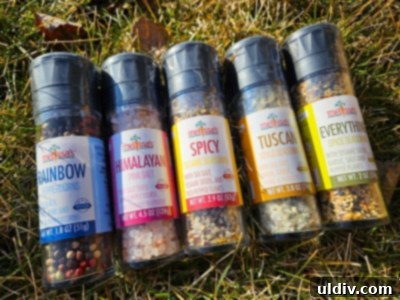
The Smart Shopper’s Guide to Spices: Buying Wisely
Beyond storage, your purchasing habits also play a pivotal role in maintaining spice quality. A great point often made in culinary advice pertains to buying in bulk: “It may seem cost-efficient to buy the larger bottles of spices. However, if the spice or herb is not something you’re going to use often, buy a smaller container or share with friends so you’re not throwing out your ‘savings’ when buying in bulk.”
This advice is golden. While larger containers often offer a lower price per ounce, the real cost comes if you end up discarding half-used spices that have lost their flavor. Spices, especially ground ones, have a shelf life during which they retain optimal potency. After this period, they won’t necessarily spoil, but their flavor and aroma will diminish significantly. For this reason:
- Buy Small Quantities for Infrequently Used Spices: If a recipe calls for a spice you rarely use, opt for the smallest container available.
- Consider Bulk for High-Use Staples: For staples like cumin, paprika, or chili powder that you incorporate into your cooking regularly, buying in bulk can indeed be economical, provided you have a proper storage strategy for the excess.
- Prioritize Freshness: Whenever possible, purchase spices from stores with high turnover, or specialty spice shops that can attest to their freshness. Always check for vibrant color and a strong aroma; these are indicators of potency.
Mastering Kitchen Organization for Your Spice Collection
An organized spice collection not only looks good but also streamlines your cooking process and helps you keep track of what you have and what needs replenishing. My personal approach to spice storage balances accessibility with preservation:
I like to keep the spices I don’t use often – such as specific blends for seasonal dishes or specialty ingredients – in a dark and cool space in the basement. This ensures their longevity without cluttering my primary cooking area. Conversely, the spices I use a lot, like everyday salt, pepper, garlic powder, or basic Italian herbs, are kept conveniently within reach in the kitchen. For maximizing space utilization in the kitchen, I highly recommend door-mounted spice racks; they are wonderful for freeing up shelf space while keeping your most-used spices accessible and visible.
When I do buy in bulk for frequently used spices like paprika or cumin, I store the majority of the quantity in airtight glass containers or jars in the basement. Then, I refill smaller containers in the kitchen as needed. This minimizes the exposure of the bulk supply to frequent light and air, preserving its freshness for a longer period.
Effective Organization Systems:
- Alphabetical: A straightforward system for quick location.
- By Cuisine: Grouping spices by the type of cuisine they’re used in (e.g., “Indian Spices,” “Mexican Spices”) can be helpful for those who often cook specific regional dishes.
- Frequency of Use: As I do, keep high-frequency spices close at hand and less-used ones in more remote storage.
- Labeling and Dating: Always label your spice containers clearly, especially if transferring from bulk. Adding the purchase date or “best by” date is invaluable for knowing when it might be time to refresh your stock.
A Deep Dive into Beloved Global Spices: Harissa and Aleppo Pepper
Speaking of favorite spices, I can never have enough harissa or Aleppo pepper! These two embody the rich diversity of global flavors and perfectly illustrate how distinct spices can transform a dish.
- Harissa: This vibrant, aromatic chili paste from North Africa (particularly Tunisia, Algeria, and Morocco) is a true flavor bomb. Traditionally made from a blend of hot chili peppers (such as Baklouti or bird’s eye), garlic, olive oil, and spices like caraway, coriander, and mint, harissa offers a complex heat that is fiery yet nuanced. It’s not just about the spice; it’s about a smoky, sweet, and savory depth. It’s incredibly versatile, perfect for rubbing on meats, stirring into stews, mixing with hummus, or simply spreading on toast. Its growing popularity reflects the increasing global appreciation for bold, multi-dimensional heat.
- Aleppo Pepper: Hailing from Syria and Turkey, Aleppo pepper (or Halaby pepper) is a coarse ground chili with a moderate heat level and a beautiful, almost sweet, fruity undertone. Unlike cayenne, which delivers a straightforward burn, Aleppo pepper offers a rich, complex warmth with hints of cumin-like earthiness and a slight tanginess. Its distinctive flavor and vibrant red color make it a favorite finishing spice, sprinkled over eggs, hummus, grilled vegetables, or even chocolate. It perfectly showcases how heat can be an integral part of a flavor profile rather than just a dominant sensation.
These are just two examples of the countless spices that unlock global culinary experiences. Others, like the earthy cumin of Mexico and India, the floral cardamom of Scandinavia and the Middle East, or the pungent turmeric from Southeast Asia, each tell their own unique story and transform dishes with their presence.
Elevating Your Culinary Creations: Tips for Maximizing Spice Flavor
Even with perfectly stored spices, there are techniques to ensure you get the most out of their flavor compounds:
- Toast Whole Spices: Gently toasting whole spices (like cumin seeds, coriander seeds, or whole peppercorns) in a dry pan before grinding or adding to a dish deepens their flavor and releases their aromatic oils.
- Bloom Spices in Oil: Lightly sautéing ground spices in a little oil or butter at the beginning of cooking is a common technique in many cuisines (e.g., Indian, Middle Eastern). This process, known as “blooming,” helps to infuse the fats with flavor and makes the spices more aromatic and palatable.
- Add at the Right Time: Delicate herbs and spices (like parsley, cilantro, dill, or saffron) are often added towards the end of cooking to preserve their fresh flavors. Heartier spices (like bay leaves, cinnamon sticks, or whole star anise) can be added earlier to allow their flavors to slowly meld into the dish. Ground spices often benefit from being added in the middle to develop their flavor without burning.
- Grind Fresh: Whole spices retain their flavor much longer than ground spices. Investing in a small spice grinder (or a dedicated coffee grinder) allows you to grind spices fresh as needed, yielding superior aroma and taste.
Conclusion: Savoring Every Spice, Enhancing Every Dish
The journey into global flavors is an exciting one, full of discovery and delight. At the heart of this journey are spices, powerful agents of taste and aroma that can transform ordinary meals into extraordinary culinary adventures. By understanding the critical importance of proper storage – protecting them from light, heat, air, and moisture – and by making smart choices when purchasing, you ensure that every pinch and dash delivers its full, intended impact.
From the fiery complexity of harissa to the mild, fruity warmth of Aleppo pepper, each spice has a story to tell and a unique character to impart. Mastering their preservation is not just about extending shelf life; it’s about honoring the ingredients, respecting the culinary traditions they represent, and ultimately, creating more flavorful, vibrant, and authentic dishes in your own kitchen.
So, how do you store your spices to keep them fresh and potent? And do you have a favorite, go-to spice that defines your cooking? Share your tips and culinary inspirations!