
Embrace the Comfort: A Timeless Semolina Pudding Recipe for Modern Palates
What culinary memory instantly transports you back to the carefree days of childhood? For many, it’s a simple, comforting dish, often milk-based, that evokes warmth and nostalgia. For me, two such treats reigned supreme: pasta with warm milk and, of course, the beloved semolina pudding. Both were staples in my upbringing, delightful concoctions that my family would serve as complete meals, perfectly designed to satisfy a hungry stomach and fuel an active imagination. I vividly recall the endless summers spent at my aunt and uncle’s countryside retreat, where semolina pudding was a regular dinner feature. While a temporary childhood rebellion might have led to a brief disdain for this ubiquitous dish, today, semolina pudding has triumphantly returned to my menu, more exciting and appealing than ever before.
In recent times, particularly during periods of uncertainty, I found myself drawn back to the simplicity and comfort of semolina. Cooking it became a mindful act, a way to reconnect with those vibrant summer days, brimming with childhood joy and boundless promise. Its creamy texture offered a quiet reassurance, a gentle reminder that even amidst global challenges, some things would eventually settle, and life, in some form, would resume its familiar rhythm. While the world outside may have irrevocably changed, the soothing embrace of a warm bowl of semolina pudding remains a steadfast source of comfort and a taste of cherished memories.
Understanding Semolina: More Than Just Pasta
Semolina is a type of flour derived from durum wheat, a particularly hard variety of wheat. While it’s most famously known as the primary ingredient for crafting fresh pasta, its culinary versatility extends far beyond. Its coarse texture lends itself beautifully to a myriad of dishes, including delicious desserts, fluffy gnocchi, and even some baked goods. The beauty of semolina lies in its robust nature, which allows it to hold its shape well when cooked, giving dishes like pudding a wonderfully satisfying body without being overly dense. You can easily find high-quality semolina in many well-stocked grocery stores, often in the baking aisle or alongside other specialty flours. For those in the Chicagoland area, stores like Angelo Caputo’s are excellent places to source this versatile ingredient.
Beyond its common uses, semolina’s slightly nutty flavor profile and ability to absorb liquids make it an ideal base for creative culinary experiments. Its granular structure, which differentiates it from finer all-purpose flours, contributes to a unique mouthfeel, making semolina pudding a distinctively textured treat. Whether you’re a seasoned chef or a home cook, exploring the potential of semolina can unlock a world of delicious possibilities in your kitchen.
Crafting Your Dream Semolina Pudding: A Canvas for Flavor
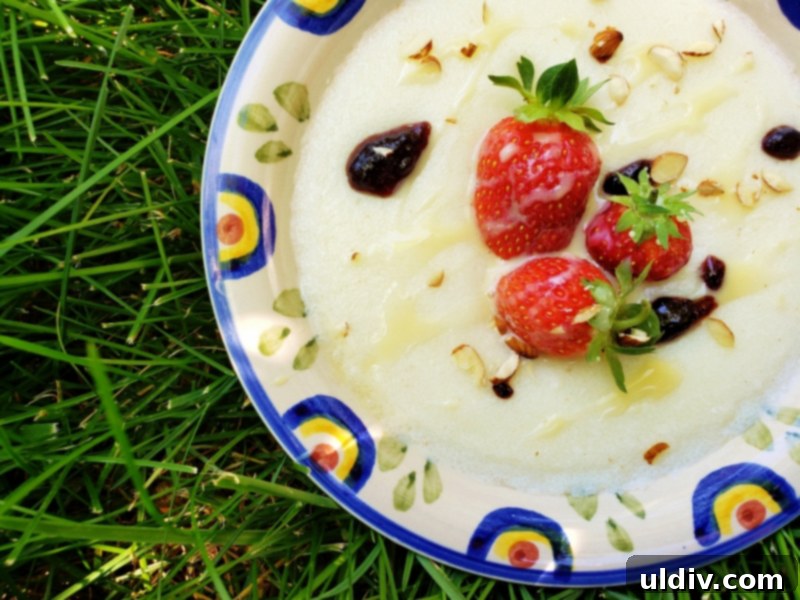
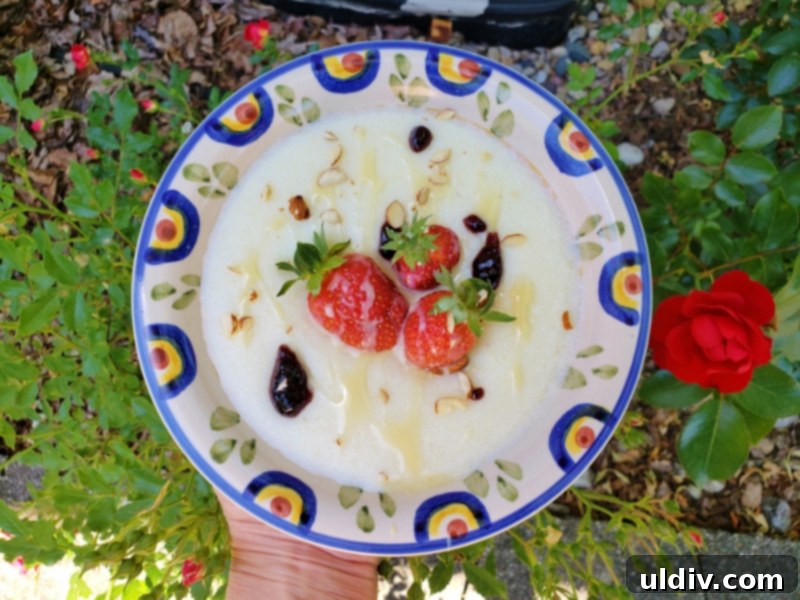
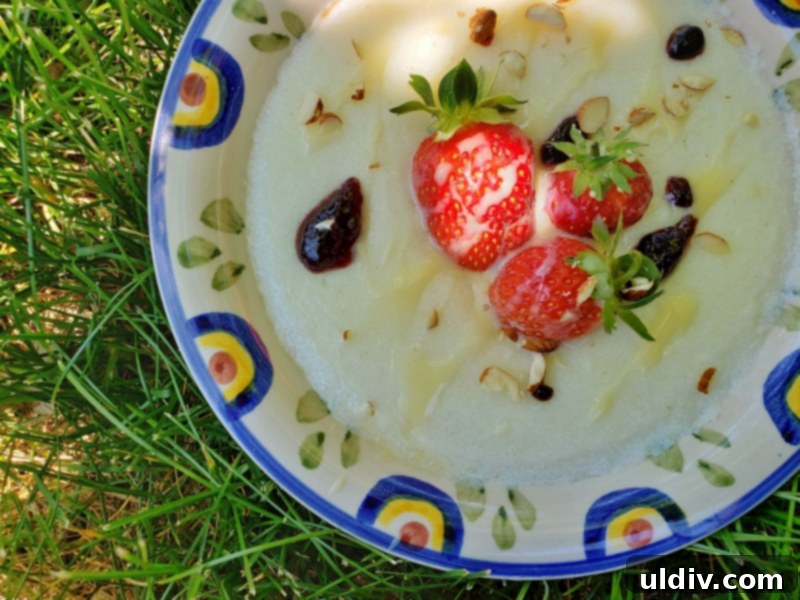
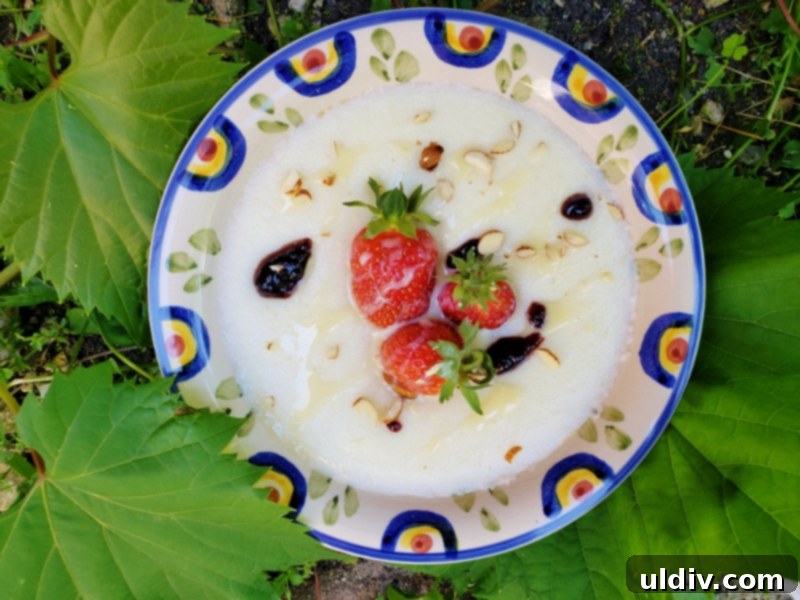
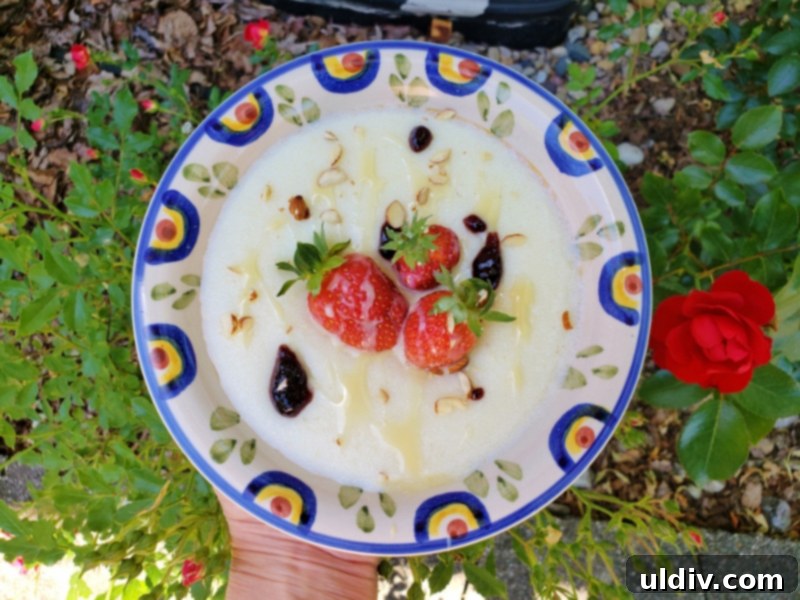
The beauty of semolina pudding lies in its adaptability. While the core recipe is delightfully simple, it serves as a perfect canvas for personalization. The last semolina pudding I prepared was a symphony of textures and flavors, incorporating fresh berries, a spoonful of rich berry preserve, crunchy chopped almonds, and a touch of leftover condensed milk for an extra layer of sweetness and creaminess. I meticulously adjusted the amount of semolina flour to achieve a consistency that was both thick enough to be substantial and yet wonderfully smooth and manageable. If you prefer a pudding with a more robust texture, don’t hesitate to incrementally add a teaspoon or two of additional semolina flour until you reach your desired thickness. The key is to find that perfect balance that delights your palate.
This silky smooth dessert comes together remarkably quickly, making it an ideal choice for a spontaneous sweet craving or a last-minute gathering. The process is straightforward: begin by gently warming milk with sugar in a saucepan over the stove. Once the milk approaches its boiling point, slowly introduce the semolina, stirring continuously and diligently. This constant stirring is crucial to prevent lumps and ensure the mixture thickens into a homogenous, creamy pudding. The transformation happens quite rapidly, and soon you’ll have a luscious, warm base ready for your creative touch.
You can enjoy semolina pudding in its pure, unadorned form, allowing its subtle sweetness and creamy texture to shine. However, for an elevated experience, consider adding a variety of sweet enhancements or textural contrasts. My preference often leans towards almonds, which provide a delightful crunch and a hint of earthy flavor. For an equally delicious alternative, toasted hazelnuts offer a wonderfully aromatic and satisfying bite. Other popular additions include a sprinkle of cinnamon or nutmeg, a splash of vanilla extract, or even a hint of rose or orange blossom water for an exotic twist. The possibilities are truly endless, allowing you to tailor each bowl to your current mood and available ingredients.
Why Semolina Pudding Resonates: Comfort, Simplicity, and Versatility
This dish’s enduring appeal lies in its trifecta of qualities: it’s quick to prepare, incredibly straightforward, and immensely satisfying. A universal crowd-pleaser, semolina pudding is a particular hit among children, who are often charmed by its mild flavor and comforting texture. Yet, its allure is not limited to young ones; it’s an equally delightful choice for any adult who yearns for something sweet and comforting but lacks the time or inclination to embark on an elaborate dessert project. In a fast-paced world, the ability to whip up a wholesome and delicious treat in under 20 minutes is a true culinary superpower.
For me, semolina pudding is more than just a dessert; it’s deeply personal. Each spoonful is a journey – a reminder of my past, a source of comfort in the present, and a hopeful symbol for a return to normalcy in the future. Its creamy, mild, and delightfully soothing characteristics make it a versatile dish suitable for any season. While it offers a cozy embrace during colder months, it truly shines when paired with the vibrant freshness of summer fruits, instantly brightening any day. Imagine a warm bowl topped with ripe peaches, juicy berries, or a tart cherry compote – a simple pleasure that elevates the everyday.
Beyond its personal significance, semolina pudding holds a special place in many cultures worldwide. From the Turkish “irmik helvası” often served with pine nuts and ice cream, to the Middle Eastern “harisa” with its citrusy syrup, and various Eastern European renditions, each region adds its unique flair. These global variations highlight the pudding’s adaptability and universal appeal as a humble yet cherished sweet. Exploring these different versions can be a delightful culinary adventure, inspiring new ways to enjoy this classic dish.
Perfecting Your Semolina Pudding: Tips and Tricks

To ensure your semolina pudding is always a success, keep these simple tips in mind:
- Gradual Addition: Always add semolina to hot milk slowly, in a thin stream, while continuously stirring. This prevents lumps and ensures a smooth consistency.
- Constant Stirring: Don’t stop stirring once the semolina is added. This helps it cook evenly and prevents it from sticking to the bottom of the pan.
- Adjusting Sweetness: The amount of sugar can be adjusted to your preference. You can also experiment with other sweeteners like honey, maple syrup, or even a touch of stevia.
- Milk Choices: While whole milk provides the creamiest result, you can use skim milk or plant-based alternatives like almond milk or oat milk for a different flavor profile or dietary needs. Note that plant-based milks might alter the final consistency slightly.
- Flavor Enhancers: Beyond vanilla, consider a pinch of cardamom, a swirl of rosewater, or a zest of lemon or orange for an aromatic lift.
- Serving Temperature: Semolina pudding can be enjoyed warm straight from the stove, which is incredibly comforting, or chilled, offering a refreshing twist perfect for warmer weather.
- Garnish Galore: This is where you can truly make it your own. Fresh berries, sliced bananas, poached pears, dried fruits, toasted nuts (almonds, walnuts, pistachios), shredded coconut, chocolate shavings, or a drizzle of fruit syrup or honey – the options are boundless.
Semolina pudding offers not just a delightful taste, but also a sense of connection to simpler times and comforting traditions. It’s a testament to how humble ingredients can create something truly special, a dish that nourishes both body and soul. Its ease of preparation makes it accessible to everyone, ensuring that a moment of sweet indulgence is never far away.
So, have you ever indulged in the creamy goodness of homemade semolina pudding? Or perhaps you have a unique topping combination that you swear by? I’d love to hear your experiences and favorite variations in the comments below!
Print Recipe
Semolina Pudding
Ingredients
- 2 cups milk
- 1/2 cup semolina flour
- 2 tbsp granulated sugar
- Fresh fruit, fruit preserve, chopped nuts/almonds, condensed milk or chocolate syrup (optional)
Instructions
-
Place milk and sugar in a medium size pan and on the stove. Bring to a gentle boil over low to medium heat, stirring occasionally to ensure the sugar dissolves completely. Once the milk is hot and simmering, slowly add the semolina flour in a thin stream, stirring continuously and vigorously to prevent lumps from forming. Continue stirring until the mixture thickens to your desired pudding consistency. If you prefer a thicker pudding, you may add an extra teaspoon or two of semolina flour, stirring well after each addition.
-
Remove the pan from the stove and immediately pour the hot semolina pudding into individual serving bowls. While still warm, get creative with your toppings! Decorate with a medley of fresh fruit, a dollop of your favorite fruit preserve, a sprinkle of crunchy chopped nuts (like almonds or hazelnuts), a luxurious drizzle of condensed milk, or a ribbon of rich chocolate syrup, all according to your personal preferences and what you have on hand.
-
Serve warm for a comforting treat, or allow it to cool and chill in the refrigerator for a refreshing dessert. Enjoy every delightful spoonful!