“The world’s favorite season is the spring. All things seem possible in May” – Edwin Way Teale
Embrace the Essence of Spring: A Vibrant Lilac and Microgreen Salad
As the calendar turns to May 1st, a sense of rejuvenation sweeps across the landscape, transforming dormant gardens into vibrant havens of new life and delicate fragrances. This magical transition, marking the full embrace of spring, has long been a source of profound inspiration in my kitchen. For years, I’ve upheld a cherished tradition: to celebrate the season’s arrival by sharing the very first dish I photograph outdoors – a culinary ode to renewal. And once again, that delightful time has arrived, bringing with it a fresh wave of culinary creativity and an undeniable sense of possibility!
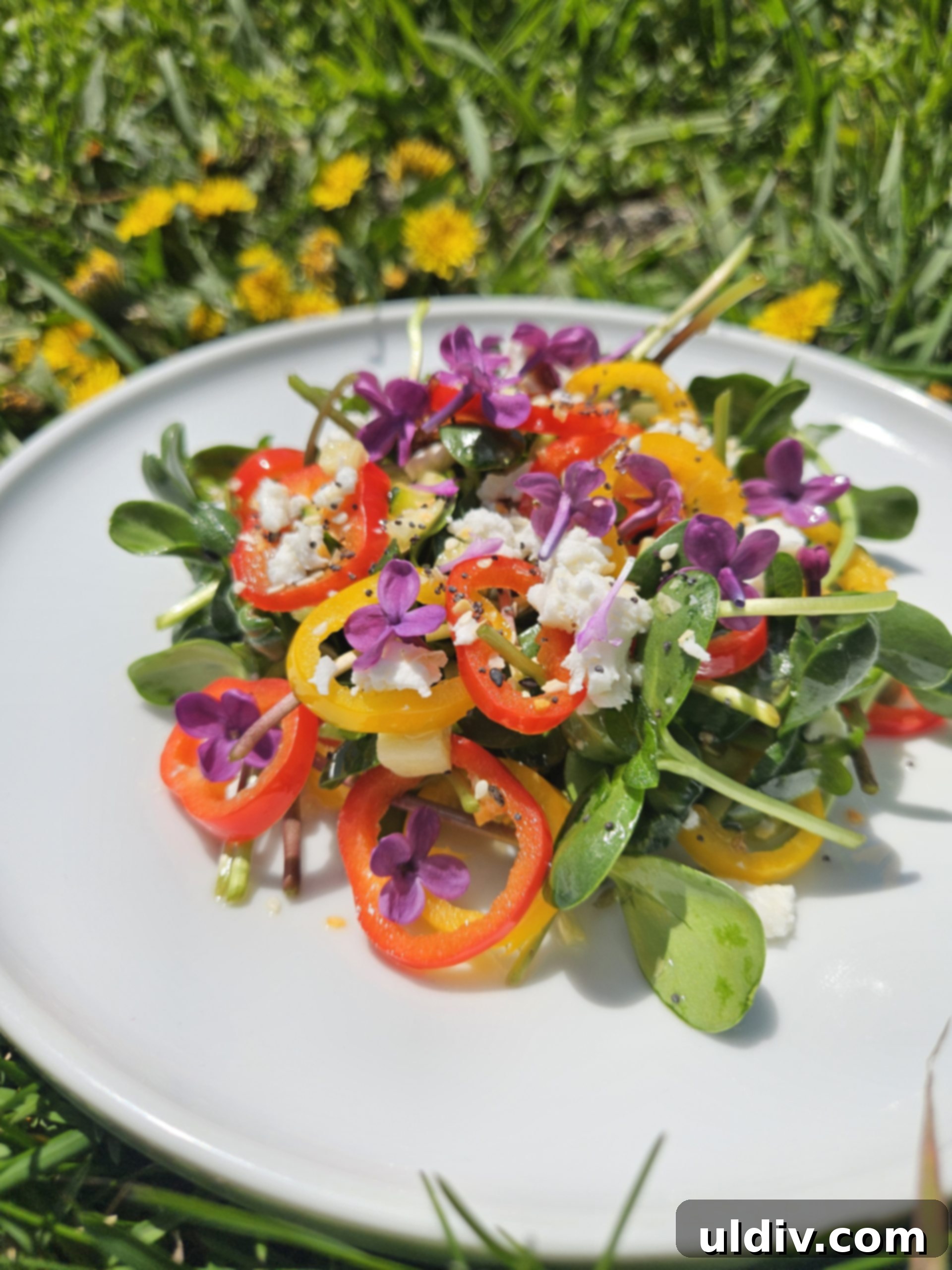
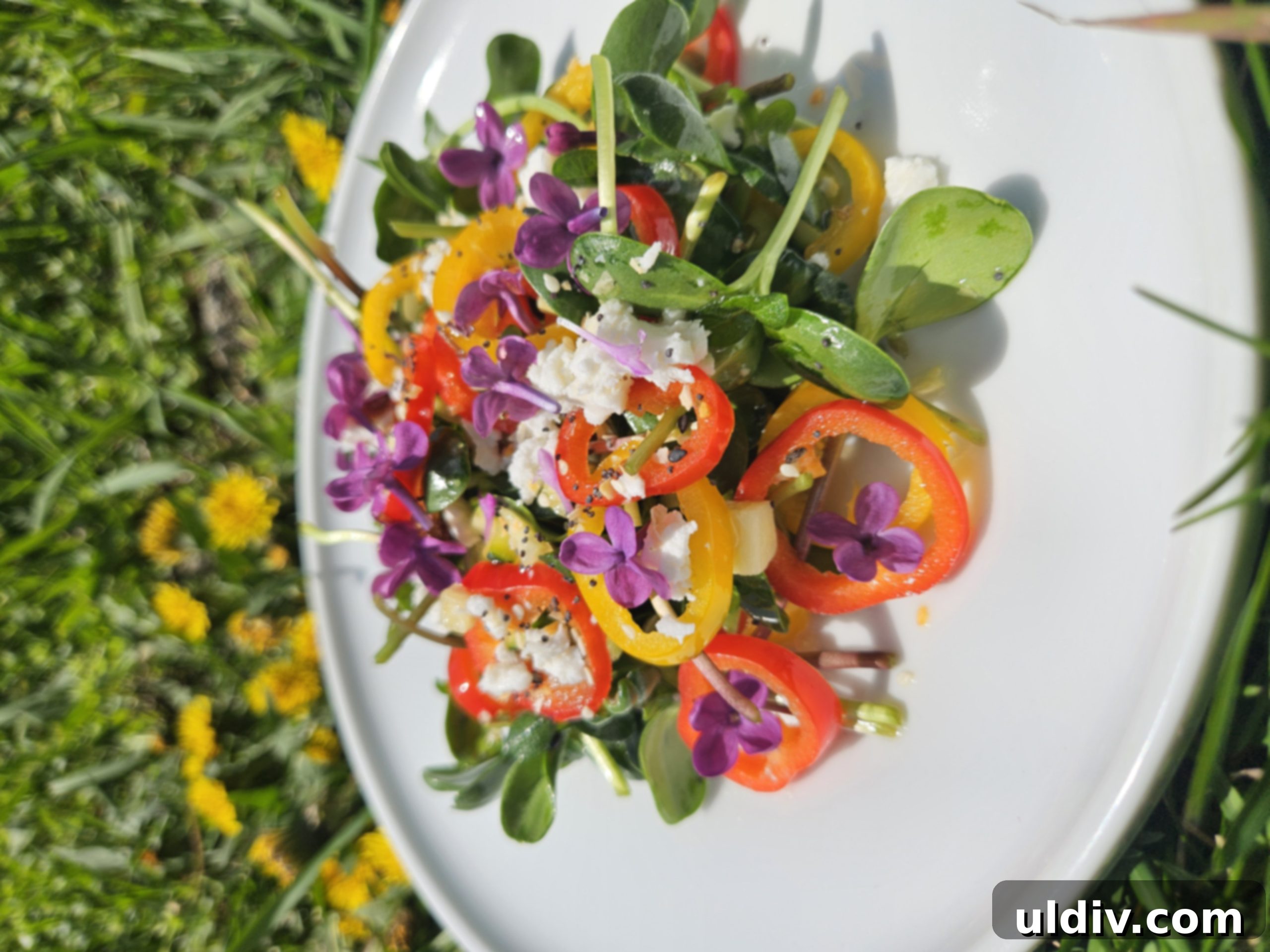
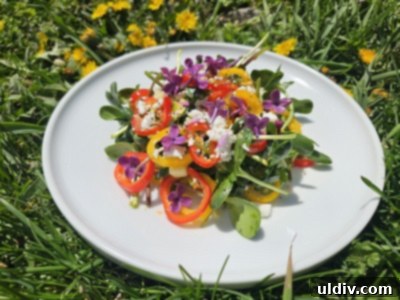
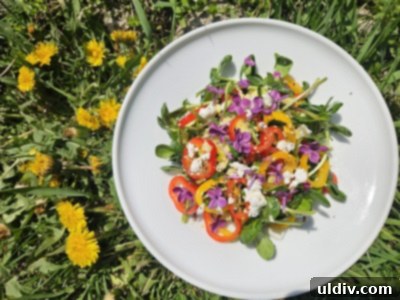
Today, I am absolutely thrilled to unveil a creation that perfectly encapsulates the joyful spirit of the season: a refreshingly delicious and visually stunning spring salad. This vibrant dish harmoniously blends the delicate beauty and aromatic charm of edible lilac blossoms with the crisp vitality of sunflower microgreens, the sweet crunch of mini peppers, the cool refreshment of cucumber, and the creamy tang of goat cheese. It’s more than just a recipe; it’s a sensory experience, a symphony of textures, flavors, and colors designed to awaken your palate and celebrate the finest offerings of spring in every single bite.
The Exquisite World of Edible Lilac Petals in Culinary Delights
One of the most enchanting discoveries for many home cooks is learning that lilac petals are not only edible but also possess a surprising versatility in the kitchen. For centuries, these fragrant blossoms have been revered for their aesthetic appeal, capable of transforming simple dishes into extraordinary visual feasts. However, their culinary potential extends far beyond mere decoration. Lilacs impart a subtle, perfumed sweetness, often with delicate hints of citrus or even vanilla, making them a truly unique ingredient, particularly cherished in sweet preparations.
You might recall some of our past springtime baking adventures where I’ve joyfully incorporated these enchanting blossoms into delectable treats such as fragrant cookies and delicate cupcakes. In those instances, the lilacs infused baked goods with an unparalleled floral elegance, adding an unexpected layer of sophistication. For this particular salad, I set out to create a captivating interplay of flavors and textures that truly screams “spring.” My goal was to marry the distinctive, perfumed gentleness of lilac petals with the satisfying, crisp lightness of sunflower microgreens. The result is an ultimate spring flavor and texture adventure that excites the palate and celebrates the fresh vibrancy of the season in every single forkful. The floral notes of the lilac provide an unexpected depth, perfectly complementing the earthy freshness of the greens and the tangy creaminess of the goat cheese.
Essential Guidelines for Safely Foraging and Enjoying Edible Lilacs
While the allure of cooking with freshly gathered lilac blossoms is undeniably strong, prioritizing safety and responsible foraging practices is absolutely paramount. I’ve previously shared crucial information regarding edible lilacs in earlier posts, but I believe these vital reminders are worth repeating to ensure everyone can enjoy this unique ingredient safely, ethically, and deliciously. Adhering to these guidelines is crucial for both your well-being and the ongoing health and sustainability of these beautiful plants in our environment.
- Source Your Blossoms Wisely: It is imperative that you collect lilac blossoms from trees or bushes that you are certain have not been sprayed with pesticides or any other harmful chemicals. This means actively avoiding plants found in commercial nurseries unless they are explicitly certified organic. Crucially, steer clear of lilacs growing in close proximity to busy roads, industrial areas, or any location where they might be exposed to vehicle exhaust fumes, urban pollution, or other contaminants. Chemical residues can be highly detrimental if ingested, so choose your foraging spot with utmost care, ideally in a secluded, pristine garden or a clean, natural setting far from urban bustle.
- Utilize Petals Only: For the most delightful culinary experience and to achieve the purest flavor, always use only the delicate petals of the lilac blossoms. The green stems, along with any other green parts of the plant, are known to be quite bitter. Their inclusion can significantly detract from the subtle, sweet, and aromatic flavor profile of the petals. Therefore, take the time to carefully separate the vibrant petals from their green base before incorporating them into your dishes. This seemingly small step, though it requires a little patience, is absolutely essential for achieving the pure, sought-after floral notes.
- Positive Identification is Non-Negotiable: As with any wild foraging endeavor, never, under any circumstances, consume a plant unless you are 100% certain of its correct identification. Misidentification can lead to severe health issues, as some plants bear a superficial resemblance to edible varieties but are, in fact, toxic. I personally use blossoms from the Common Lilac (Syringa vulgaris), which is widely recognized as safe for consumption. If you have even the slightest doubt about a plant’s identity, consult a reputable wild edibles field guide, seek advice from a local botanist, or an experienced forager. When in doubt, it is always safest to leave it out.
- Practice Sustainable Harvesting: When foraging, it is crucial to practice mindful and sustainable harvesting. Only take what you genuinely need for your recipe, and never strip a bush bare of its blossoms. Leave plenty of flowers on the plant for it to continue thriving, and, importantly, leave ample blossoms for pollinators like bees and butterflies, who rely on them for sustenance. This ensures that you can enjoy lilacs for many seasons to come and that the local ecosystem remains healthy and vibrant.
By diligently following these precautions, your culinary adventures with lilacs will be both safe and immensely rewarding, allowing you to fully appreciate their unique and enchanting contribution to your spring-inspired dishes.
A Broader Exploration of Edible Flowers: Beyond Lilacs
The fascinating world of edible flowers is vast and endlessly creative, offering an incredible spectrum of flavors, colors, and textures that can transform your cooking and baking from ordinary to extraordinary. If the concept of incorporating nature’s beautiful blooms into your meals has piqued your curiosity, I wholeheartedly invite you to delve into my extensive collection of blog posts. These articles are dedicated to exploring the uses of various edible flowers in much greater detail, providing a comprehensive guide for aspiring floral chefs.
- Dandelions: Often dismissed as mere garden weeds, dandelions are, in fact, a nutritional powerhouse and remarkably versatile in the kitchen. Discover their myriad uses in both savory and sweet dishes, from vibrant salads to unique infusions, through these illuminating posts: Eating Dandelions: 2024 Update, Eating from the Garden and Another Post About Dandelion, Orzo and Dandelion Green Salad: Perfect for Spring Detox, and Egg on Toast and Much More: Why Mayo is Out and Dandelion Greens Are In.
- Lilac: For those eager to dive even deeper into the enchanting world of lilacs, explore more delightful recipes, preservation techniques, and creative ideas for incorporating these fragrant blooms: Is Lilac Edible? A Few Notes and Uses, Exciting Spring Baking with Ann Clark, and Lilac Syrup and a Mocktail: Summer’s Here.
- Violets: These delicate purple blooms offer a sweet, subtle flavor and are perfect for elegant garnishes, vibrant syrups, and sophisticated desserts. Learn more about their charm and versatility: Don’t Forget the Violets.
Each of these floral additions not only provides unique and often unexpected flavors but also significantly enhances the visual appeal of your dishes, transforming every meal into a genuine work of art. Exploring these detailed articles will equip you with a comprehensive understanding of how to safely, creatively, and confidently integrate these precious gifts from nature into your everyday cooking and special occasion menus.
Inspiring Culinary Creations with Edible Flowers from Around the Web
For those seeking even further inspiration and drool-worthy visual examples of exquisite culinary treats adorned with edible flowers, I highly recommend exploring these wonderful external resources. These links showcase the incredible creativity and delicious possibilities that unfold when you embrace the beauty of nature in your kitchen:
- Discover the magic of spell-binding fairy beauties like lilac cream tarts, which perfectly capture the delicate essence of lilacs in a decadent and visually stunning dessert.
- Broaden your knowledge and learn about the diverse edible and medicinal uses of violets, going beyond just their pretty appearance to understand their historical and practical applications.
- Uncover the delightful process of how to make homemade lilac jelly, a fantastic and aromatic way to preserve the fleeting fragrance of spring, allowing you to enjoy its unique flavor year-round.
These inspiring examples from across the web demonstrate the boundless potential of edible flowers, from sophisticated desserts to delightful preserves, actively encouraging you to experiment and infuse your kitchen with the unique charm and unexpected flavors of floral ingredients.
Crafting Your Perfect Spring Salad: Ingredients and Preparation for a Culinary Masterpiece
Let’s delve a bit deeper into the individual components that collectively make this spring salad an absolute delight for the senses. Each ingredient plays a crucial and distinct role, contributing to a harmonious blend of flavors, textures, and vibrant colors, creating a truly balanced and invigorating dish.
- Sunflower Microgreens: These diminutive greens are far more than just a garnish; they pack a powerful punch of nutrition and flavor. Sunflower microgreens offer a delightful, satisfying crunch and a slightly nutty, fresh taste that forms the perfect, wholesome base for our salad. Not only are microgreens visually appealing, but they are also often significantly more nutrient-dense than their mature counterparts, making them an exceptionally healthy and flavorful choice for any salad.
- Mini Peppers: Bursting with natural sweetness and vibrant hues of red, yellow, and orange, mini peppers add both irresistible visual appeal and a satisfying crispness to the salad. Their mild, fruity flavor beautifully complements the other ingredients without overpowering them, providing a juicy and colorful counterpoint to the fresh greens.
- Cool Cucumber: Sliced into thin rounds or diced into small cubes, cucumber brings an essential element of hydration and a wonderfully refreshing crispness. Its subtle, clean flavor acts as a perfect palate cleanser, ensuring each bite feels light, invigorating, and wonderfully cool, especially welcome on warmer spring days.
- Creamy Goat Cheese: The tangy, yet exquisitely creamy texture of goat cheese introduces a rich, savory dimension to the salad. Its distinct, slightly pungent flavor pairs exceptionally well with the delicate floral notes of lilac and the vibrant freshness of the greens, adding a luxurious mouthfeel and a touch of sophisticated indulgence. Crumbled goat cheese disperses beautifully throughout the salad, ensuring you get a hint of its deliciousness in every single forkful.
- Fresh Lilac Blossoms: The undisputed stars of our show! As previously discussed, these carefully hand-picked, pesticide-free petals offer a truly unique floral aroma and a subtle, sweet, slightly citrusy flavor. They effortlessly transform a simple salad into a gourmet experience, adding an unexpected layer of elegance and a genuine taste of spring that is both memorable and delightful.
To bring this delightful spring salad together, a simple, light dressing is all you need. The goal is to enhance, not overpower, the fresh, natural flavors of the high-quality ingredients. A classic vinaigrette, crafted with good quality extra virgin olive oil, a generous squeeze of fresh lemon juice for brightness, a hint of honey or maple syrup for a touch of balancing sweetness, and a pinch of sea salt and freshly ground black pepper, would be absolutely perfect. Whisk all the dressing ingredients together until well emulsified, and then drizzle it lightly over the salad just before serving to maintain the appealing crispness of the greens and microgreens.
Share Your Spring Culinary Adventures and Inspire Others!
I sincerely hope that this journey through the vibrant flavors and exquisite beauty of spring, particularly highlighting our beloved edible lilacs, has inspired you to look at your garden and the natural world around you with a fresh, imaginative culinary perspective. The possibilities are truly boundless when you embrace seasonal ingredients and the unique, often unexpected, gifts that nature so generously provides.
Do you enjoy incorporating edible flowers into your cooking or baking? Perhaps you have a cherished secret recipe featuring lilacs, dandelions, violets, or another floral treasure that you love to share? I would absolutely adore hearing about your experiences, your clever tips, and your favorite floral creations in the comments section below. Your unique insights, creative ideas, and personal stories not only enrich our wonderful culinary community but also serve as incredible inspiration for others to explore these delightful and often overlooked ingredients themselves.
Wishing you all a truly joyous, delicious, and creatively fulfilling spring, brimming with fresh flavors, vibrant colors, and many wonderful culinary discoveries!