
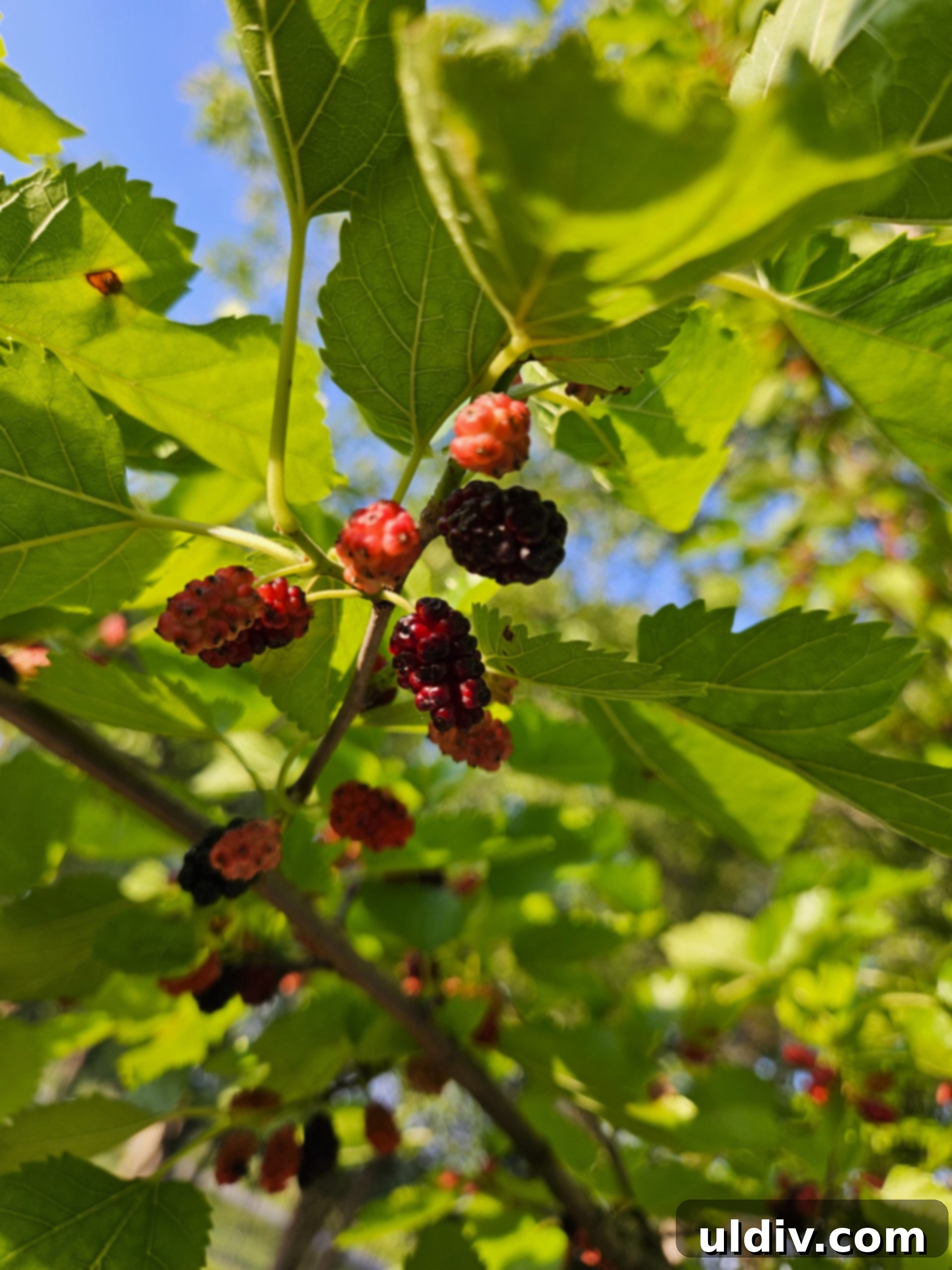

Discover the Magic of Mulberries: From Backyard Bounty to Superfood Sensation
As summer unfolds across the United States, particularly in the Midwest, a delightful phenomenon often graces our landscapes: the prolific mulberry tree. Its branches sag under the weight of abundant, ripening berries, frequently leaving dark, tell-tale stains on pavements and sidewalks below. Often seen merely as reliable ornamental trees, valued for their shade and seasonal splash of color, mulberries are, in fact, an underappreciated culinary and nutritional powerhouse. With their distinctive elongated shape and a spectrum of vibrant hues – from creamy white to ruby red and deep black – these berries are far more than just pretty additions to the garden; they are a true gift of nature, offering a unique blend of flavor, nutrition, and versatility that deserves far more recognition.
Mulberry: A Nutritional Powerhouse Hidden in Plain Sight
Beyond their aesthetic appeal and delightful taste, mulberries boast an impressive nutritional profile that positions them firmly in the superfood category. These humble berries are densely packed with essential vitamins and minerals, contributing significantly to overall health and well-being. They are notably rich in Vitamin C, crucial for immune function and skin health, and Vitamin K, vital for blood clotting and bone health. Furthermore, mulberries provide a good source of iron, important for oxygen transport in the blood, and potassium, which helps regulate blood pressure. The scientific community has taken notice, with research highlighting several potential health benefits.
As cited by Healthline, mulberries “may lower cholesterol levels, help prevent fatty liver disease, and improve blood sugar control. They also decrease oxidative stress, which may reduce cancer risk.” These profound benefits stem largely from their high concentration of antioxidants, particularly anthocyanins, which give black and red mulberries their rich color, and resveratrol, also found in grapes. These compounds combat free radicals in the body, protecting cells from damage and reducing inflammation, thereby contributing to the prevention of various chronic diseases. Incorporating mulberries into your diet is a delicious way to boost your intake of these protective nutrients.
The Versatility of Mulberry Leaves: More Than Just a Berry
The nutritional goodness of the mulberry tree doesn’t stop at its fruit. Mulberry leaves, often overlooked, are also packed with beneficial compounds and have been utilized for centuries in various cultures, particularly in traditional medicine. They are a rich source of antioxidants, vitamins, and minerals themselves. These versatile leaves can be steeped to make soothing teas, extracted into tinctures, or processed into herbal supplements, offering a different spectrum of health advantages. According to Healthline, in their article “What Is Mulberry Leaf? All You Need to Know”, mulberry leaves are being studied for their potential to help manage blood sugar levels, reduce inflammation, and even support weight management. Historically, they are perhaps most famous as the sole food source for silkworms, underpinning the silk industry for millennia. This dual utility – both the fruit and the leaves – underscores the mulberry tree’s incredible value.
The Delicate Charm: Why Mulberries Are a Local Gem
Despite their numerous advantages, mulberries often appear to lack the widespread popularity of other summer fruits like blueberries or strawberries. This perceived obscurity is primarily due to their remarkably delicate texture, which makes them highly unsuitable for long-distance transportation and commercial handling. Unlike their more robust counterparts, mulberries bruise easily and have a short shelf life once picked, making them a rare sight in mainstream supermarkets. This very fragility, however, transforms them into a cherished local treasure. Mulberries are perfect to seek out at local farmers’ markets, where they can be enjoyed fresh, often picked just hours before sale, ensuring peak flavor and ripeness. For those fortunate enough to have a mulberry tree in their backyard, the joy of fresh, sun-warmed mulberries straight from the branch is an unparalleled summer experience. It’s this ephemeral quality that makes discovering mulberries a special event, connecting consumers directly to local growers and the rhythm of the seasons.
Culinary Inspirations: Unleashing the Flavor of Mulberries
The delicate sweetness and subtle earthiness of mulberries make them an incredibly versatile ingredient in the kitchen, capturing the essence of summer in every bite. Their unique flavor profile, often described as a cross between a blackberry and a fig, makes them suitable for both sweet and savory applications. I personally love transforming these fleeting beauties into an array of delightful treats. One of my favorite methods is making vibrant jams and rich syrups, perfect for preserving the taste of summer long after the season ends. They also shine in comforting desserts like ice cream or crumbles, adding a burst of fruity goodness. Furthermore, for a refreshing twist, raw mulberries can be tossed into fresh green salads, offering a surprising pop of sweetness that complements savory notes beautifully.
As you may recall, I have previously highlighted some of my favorite ways to enjoy mulberries, particularly in the context of creating refreshing beverages. Nothing complements a sweet treat better than a glass of cold, invigorating drink, and from this perspective, I have been incredibly fortunate that the mulberry trees in our backyard have been extraordinarily prolific, yielding an abundant harvest each season. When crafting jams and syrups, I find a 2:1 fruit-to-sugar ratio works exceptionally well, allowing the natural flavor of the mulberries to truly shine while ensuring a perfect balance of sweetness and tartness.
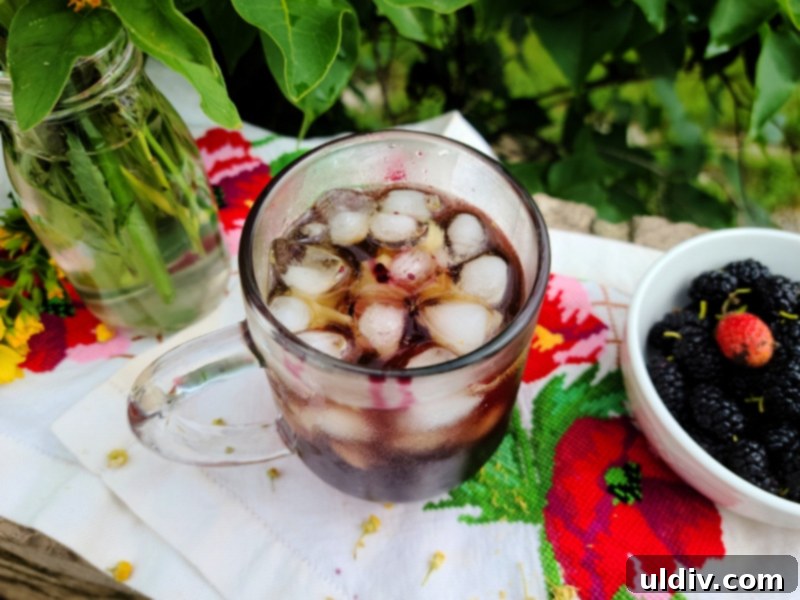
Being an avid iced tea drinker and a dedicated fruit syrup lover, I often combine these two passions to create truly exceptional refreshments. I’ve previously shared my appreciation for this combination, particularly in the iced chamomile tea pictured below. This delightful concoction features Frontier Co-op organic chamomile tea, naturally sweetened with homemade mulberry fruit syrup. The result is a close-to-nature, wonderfully floral, and incredibly thirst-quenching drink that perfectly embodies the spirit of summer. The earthy notes of chamomile beautifully balance the delicate sweetness of the mulberry, creating a harmonious and refreshing experience.
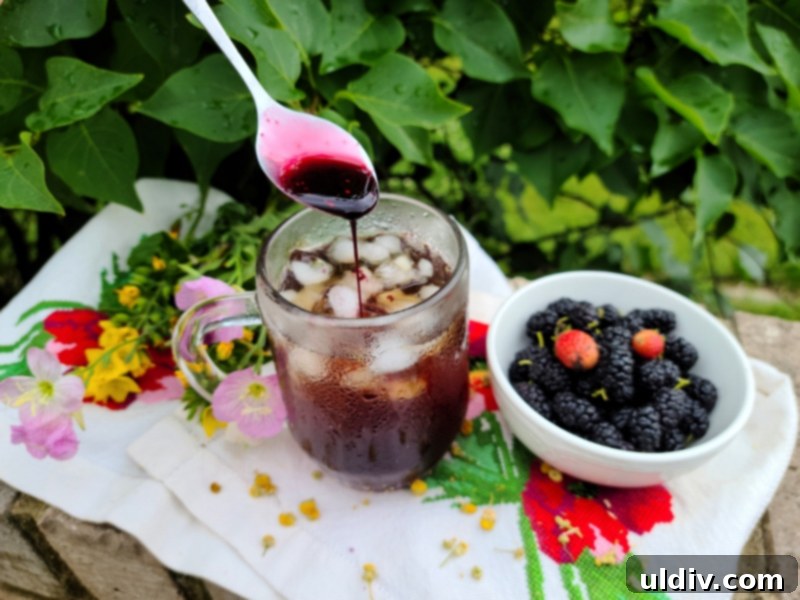
Beyond beverages, mulberries are a star in desserts. As mentioned, I also love to use them in homemade ice cream, where their vibrant flavor and soft texture create an irresistible treat. They also make an exquisite topping for store-bought ice cream, transforming a simple dessert into something truly special. For instance, creating a quick mulberry compote by gently simmering them with a touch of sugar and lemon juice can elevate any vanilla or even chocolate ice cream. Their rich color and delicate sweetness are simply delicious and refreshingly perfect for warmer days.

Foraging for Mulberries: Essential Tips for Safe Enjoyment
Foraging for wild mulberries can be a deeply rewarding experience, offering a direct connection to nature and a bounty of fresh, free fruit. However, it’s crucial to approach foraging with care and awareness to ensure both your safety and the quality of your harvest. Here are some important facts and tips to consider before you embark on your mulberry gathering adventure:
- Positive Identification is Key: Only consume foraged mulberries if you are absolutely 100% certain of their identification. While mulberries are generally easy to recognize, always double-check to avoid any mistaken identity with potentially inedible or toxic look-alikes.
- Mind the Environment: Avoid foraging berries from trees grown in busy public places, particularly alongside roads, industrial areas, or near conventionally farmed fields. These locations may expose the fruit to car exhaust pollution, pesticides, herbicides, or other harmful chemicals. Seek out trees in quieter, cleaner environments, such as private backyards, parks away from traffic, or less-traveled natural areas.
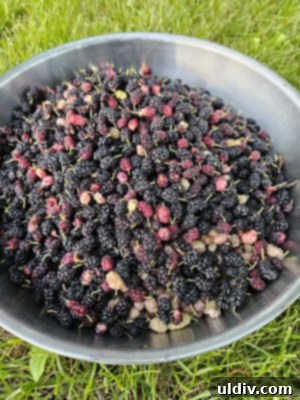
- Ripeness Matters: Always eat ripe mulberries. Ripe mulberries will be soft, plump, and easily detach from the stem. Their color will be consistent with the variety – fully black, dark red, or creamy white. Green or unripe mulberries, on the other hand, can cause stomach upset, ranging from mild discomfort to more significant digestive issues due to the presence of certain compounds that break down as the fruit matures.
- Allergy Awareness: While mulberry allergy is relatively rare, it is important to be aware of potential reactions. Individuals who are sensitive or allergic to birch pollen may experience cross-reactivity, leading to allergic reactions to mulberries. This phenomenon is known as Oral Allergy Syndrome (OAS). Symptoms can include itching or tingling in the mouth, throat, or lips. If you suspect you have a birch pollen allergy, exercise caution and consult with a healthcare professional before consuming mulberries. For more detailed information, consult reputable sources like healthline.com.
- Harvesting Techniques: Mulberries are delicate! Instead of pulling them, gently cup the ripe ones and they should fall off with minimal effort. For larger harvests, spreading a clean sheet or tarp under the tree and gently shaking the branches can be an effective way to collect a significant quantity of ripe berries quickly, minimizing damage.
Bringing Mulberries into Your Garden: The Joy of Growing Your Own
If you’re captivated by the charm and benefits of mulberries, consider planting a mulberry tree in your own garden. Mulberry trees are generally hardy, fast-growing, and relatively low-maintenance, making them an excellent choice for home growers. They offer the dual benefit of providing ample shade and a consistent supply of delicious, fresh fruit right at your fingertips. There are several species and varieties available, including white (Morus alba), red (Morus rubra), and black (Morus nigra) mulberries, each with slightly different flavor profiles and growth habits. Having your own tree ensures a consistent, organic supply of these fragile berries, allowing you to enjoy them fresh, make preserves, or experiment with various culinary creations without worrying about transport or sourcing issues. Plus, they attract a variety of local wildlife, adding another layer of natural beauty to your outdoor space.
Share Your Mulberry Stories!
Mulberries are truly a delightful and healthful addition to our natural world, offering a unique blend of flavor, nutrition, and versatility. Whether you’re foraging for them in local spots, enjoying them at a farmers’ market, or cultivating your own tree, these berries promise a taste of summer’s purest essence. Are you a fan of mulberries? Do you have a favorite recipe or a cherished memory associated with these wonderful fruits? I’d love to hear about your experiences! Please share your thoughts and recipes in the comments section below. Let’s celebrate the magic of mulberries together!