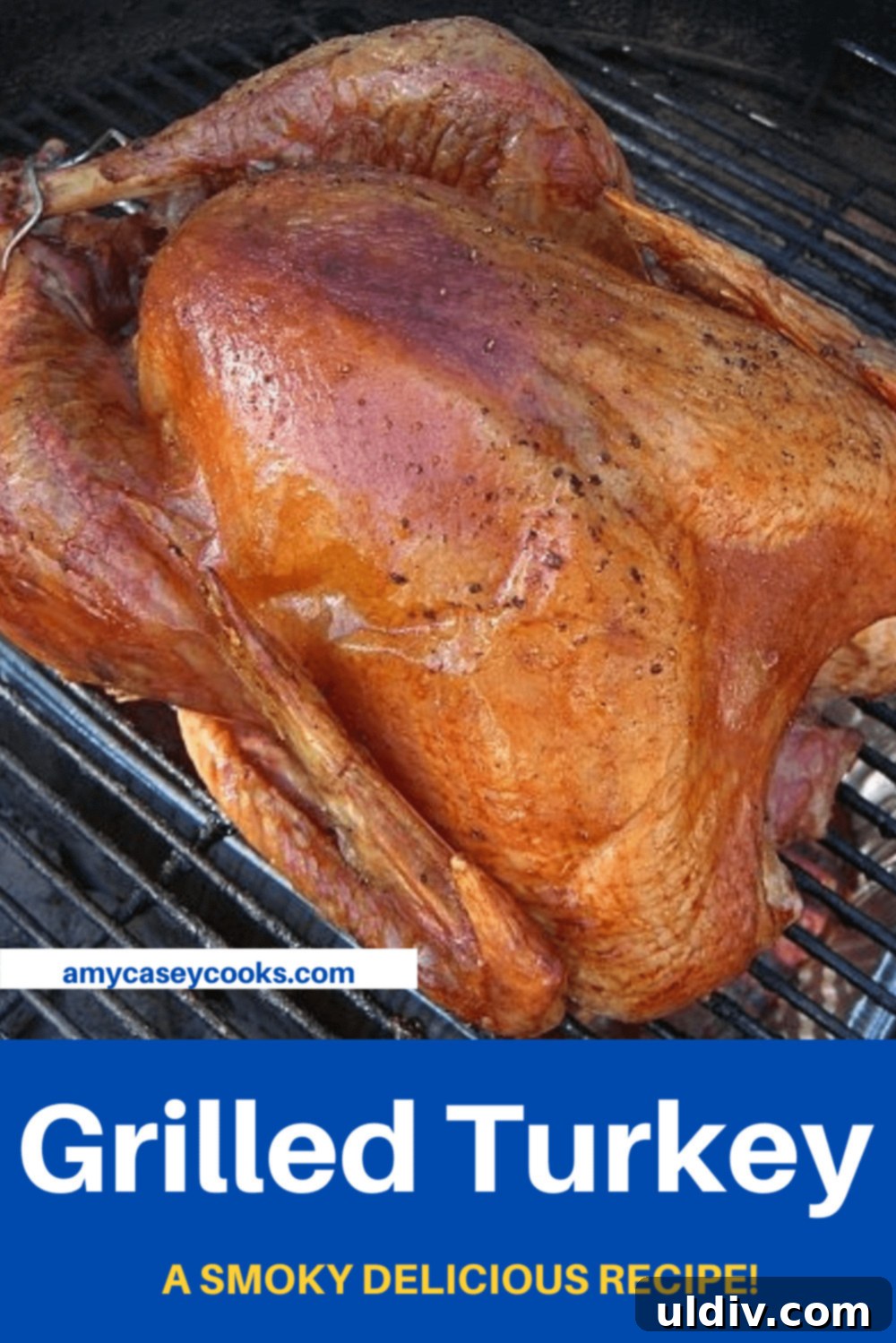
Mastering the Art of Grilling a Delicious and Juicy Whole Turkey for Thanksgiving
Transform your Thanksgiving feast this year by serving a show-stopping grilled turkey. Not only does it free up precious oven space, but it also infuses your bird with an irresistible smoky flavor that will impress every guest. Imagine juicy, tender meat with a beautifully crispy, golden-brown skin – a true holiday delight! Plus, the leftovers are incredibly versatile, perfect for dishes like Turkey a la King or these delightful slider sandwiches.
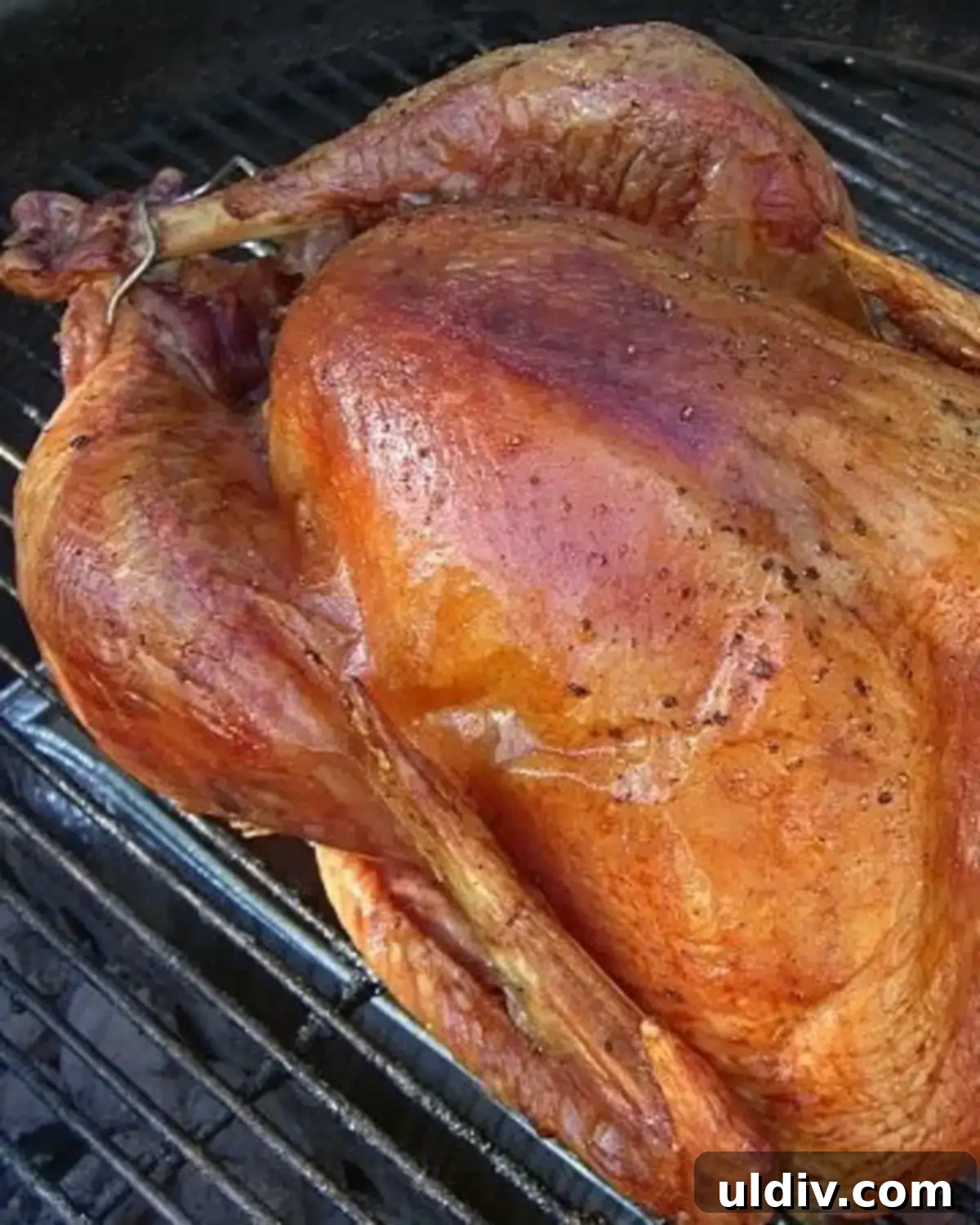
As the holiday season approaches, with Thanksgiving at its heart, families across the nation begin their culinary preparations. While the oven typically takes center stage, we invite you to explore a delicious alternative: grilling your whole turkey. This method guarantees an exceptionally juicy bird, deeply infused with a smoky essence that promises to become a cherished new holiday tradition.
For our family, grilling the Thanksgiving turkey has been a beloved custom, especially as we celebrate the holiday along the Jersey Shore. I fondly recall my father’s dedication to maintaining the perfect grill temperature, even through the occasional blustery, snowy Chicago Thanksgivings of my youth. Thankfully, the weather in our current beach town is often more agreeable, making outdoor grilling a pleasant experience.
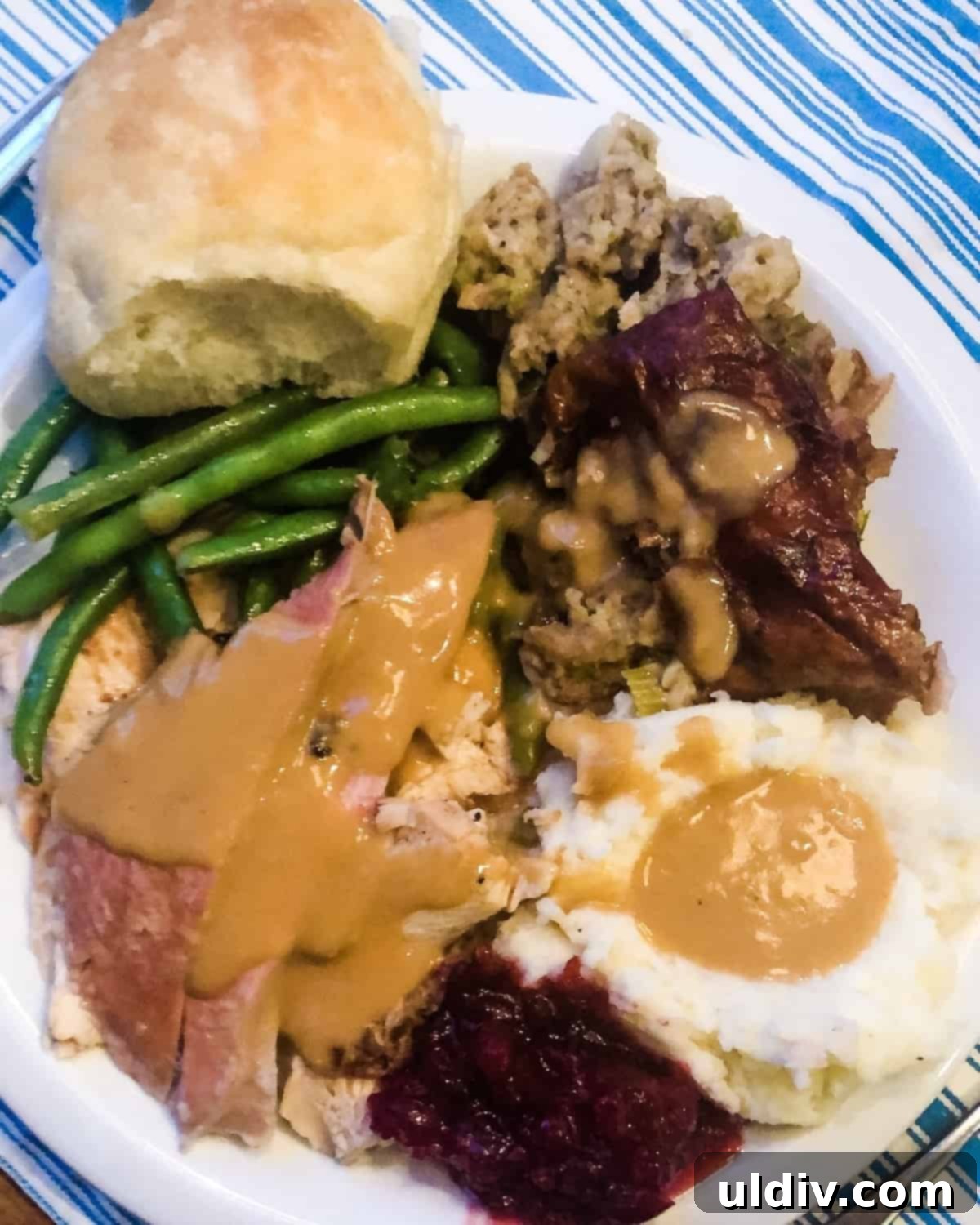
Our festive Thanksgiving feast typically begins with a comforting Creamy Mushroom Soup. The succulent grilled turkey is then proudly served alongside classic accompaniments such as my Cheddar Cheese Stuffed Potatoes, vibrant Butter Roasted Honey Carrots and Cauliflower, and aromatic Fall Squash with Cinnamon and Nutmeg. This year, make room for a grilled turkey at your table and elevate your holiday meal.
Why Grilling Your Turkey is a Game-Changer for Thanksgiving
Opting to grill your Thanksgiving turkey offers a multitude of benefits, from enhancing flavor to simplifying your holiday preparations. Here’s why this method is gaining popularity and why you’ll absolutely love it:
- Maximizes Oven Space: The oven is often the most contested appliance during holiday cooking. By moving your turkey to the grill, you free up crucial oven real estate for all those essential side dishes, casseroles, and desserts, eliminating the classic holiday juggling act. This strategic move allows for more efficient meal preparation and less stress in the kitchen.
- Unforgettable Smoky Flavor & Crispy Skin: A turkey cooked on the grill develops an unparalleled depth of smoky flavor that an oven simply cannot replicate. The indirect heat, combined with the open-air environment, renders the skin incredibly crispy and beautifully golden brown, creating a texture contrast that is truly exquisite.
- Flexible Grill Options: Whether you own a classic charcoal kettle grill or a convenient gas grill, you can achieve a perfectly grilled turkey. While many enthusiasts, myself included, prefer the authentic smoky character imparted by charcoal, a gas grill offers fantastic temperature control and consistent results.
- Effortless Cleanup: After a grand holiday feast, the last thing anyone wants is a mountain of dirty dishes. Grilling your turkey means one less large roasting pan to scrub. The majority of the cooking mess stays outdoors, contributing to a much tidier kitchen and a more relaxed post-dinner experience.
Determining the Right Turkey Size: How Much Per Person?
One of the most common questions when planning a holiday meal is how much turkey to prepare. Whether you’re hosting a large crowd or an intimate gathering, choosing the correct size bird is crucial. A good rule of thumb is to calculate about 1 pound of turkey per person if your goal is to have just enough for the meal with minimal leftovers.
However, let’s be honest – who doesn’t look forward to delicious turkey leftovers? For those who cherish post-Thanksgiving sandwiches, casseroles, or simply enjoying cold turkey straight from the fridge, aim for 1 ½ to 2 pounds per person. This ensures there will be plenty to go around during the main event and ample amounts for creative culinary delights in the days that follow.
Choosing and Safely Thawing Your Turkey
Selecting the perfect turkey and thawing it properly are foundational steps for a successful grilling experience. Most turkeys sold are frozen, so planning ahead is key.
Selecting Your Turkey:
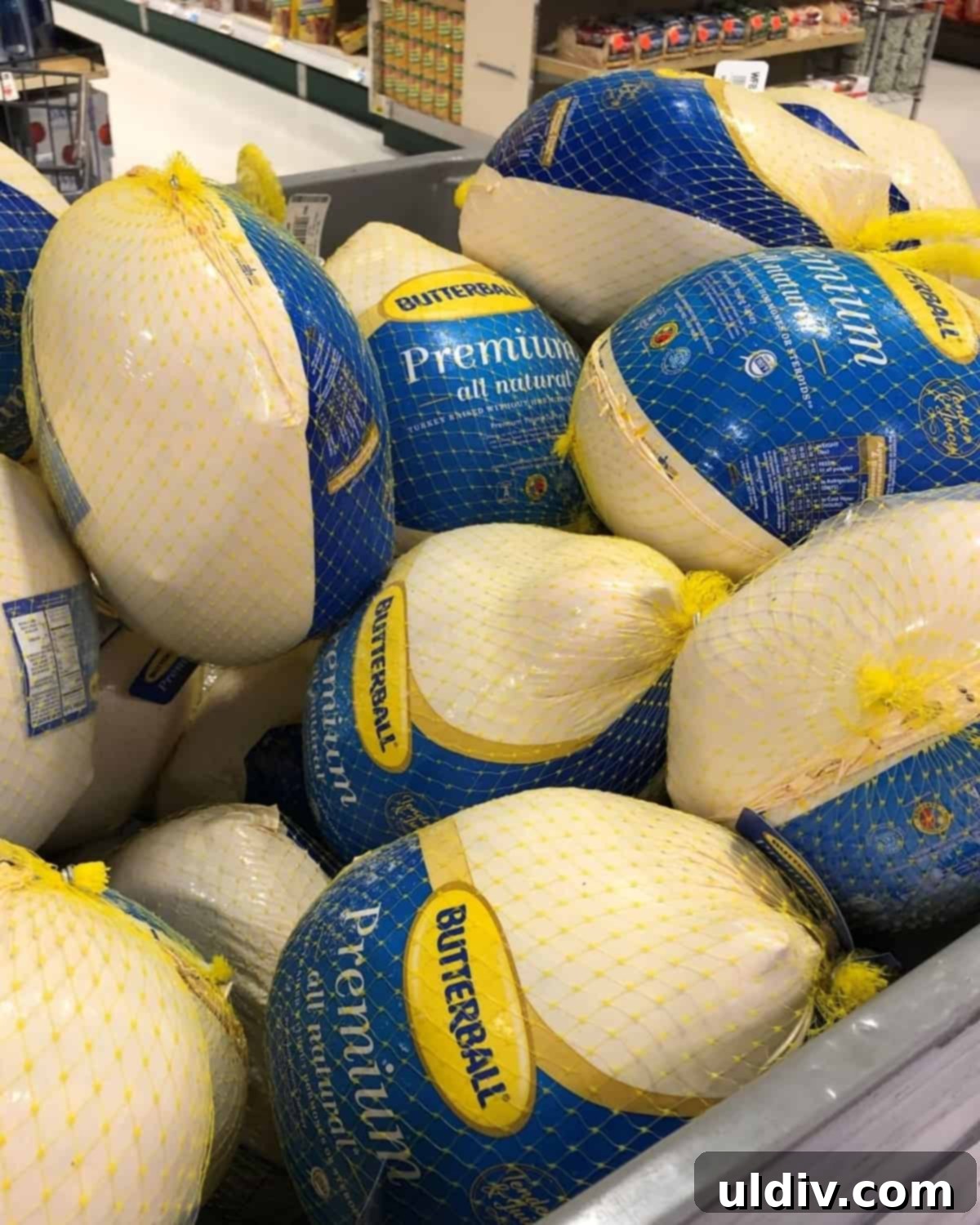
- Fresh vs. Frozen: Fresh turkeys offer immediate convenience as they don’t require thawing. However, they are often more expensive and harder to find. Frozen turkeys are readily available and more budget-friendly, but demand advance planning for proper thawing.
- Size: As discussed, consider 1.5-2 pounds per guest to ensure plenty of servings and leftovers.
- Type: While any whole turkey can be grilled, consider heritage breeds or organic options for enhanced flavor and quality, if your budget allows.
How to Thaw a Frozen Turkey:
Safety is paramount when thawing poultry to prevent bacterial growth. Choose one of these two methods:
- Slow Thaw Method (Refrigerator): This is the safest and recommended method. Plan well in advance! Place the frozen turkey, still in its original packaging, on a tray or in a pan to catch any drips. Store it in the refrigerator (at 40°F or below). Allow approximately 24 hours for every 5 pounds of turkey to completely thaw. For example, a 15-pound turkey will require about 3 days.
- Quick Thaw Method (Cold Water): If you’re short on time, this method can speed things up. Keep the turkey in its original, unopened packaging. Submerge the frozen turkey in a sink or large container filled with cold tap water. Change the water every 30 minutes to ensure it remains cold and to facilitate thawing. Allow roughly 30 minutes per pound to thaw the turkey. A 15-pound turkey would take about 7.5 hours using this method. Once thawed, cook immediately.
Preparing Your Turkey for Optimal Grilling
Once thawed, proper preparation ensures your turkey cooks evenly and delivers maximum flavor and juiciness.
- Remove Giblets and Neck: Before anything else, reach into both cavities of the turkey and remove the giblets (heart, liver, gizzards) and the neck. These are often in a small bag and can be used for gravy or discarded. Pat the turkey thoroughly dry with paper towels, inside and out. A dry surface promotes crispy skin.
- Flavor Infusion (Cavity): For an aromatic touch, place cut lemons, whole peeled garlic cloves, and fresh herbs (such as thyme, sage, and parsley) inside the turkey cavity. This will impart a subtle, fragrant flavor to the meat as it cooks. Avoid traditional bread stuffing in the cavity when grilling, as it can prevent even cooking and pose food safety risks.
- Generous Seasoning: Melt about 6 tablespoons of salted butter. Brush the entire exterior of the turkey generously with the melted butter. This helps the skin crisp up and turn golden. Then, season the turkey liberally with kosher salt and freshly ground black pepper. Don’t be shy – a good amount of seasoning is essential for flavor.
Grilling a Whole Turkey on a Charcoal Grill: A Step-by-Step Guide
For an authentic smoky flavor that truly elevates your Thanksgiving turkey, a charcoal grill is an excellent choice. My personal preference is a charcoal Weber kettle grill, as its design is ideal for indirect cooking and smoke infusion. You’ll need at least a 20-pound bag of charcoal to ensure you have enough fuel for the entire cooking process. Follow these steps for a perfectly grilled turkey:
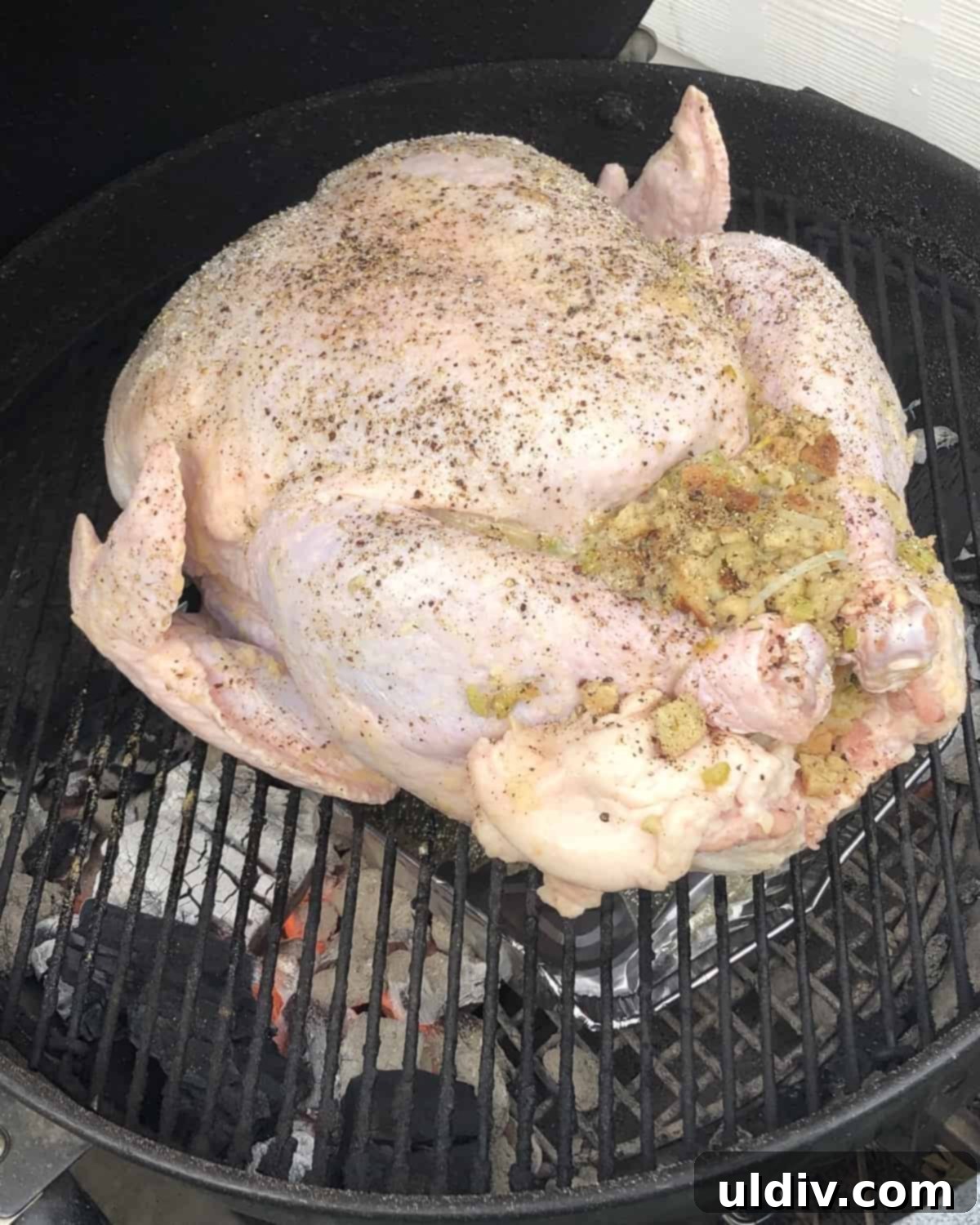
- Set Up Your Grill for Indirect Heat: Begin by removing the cooking grates from your charcoal grill and ensuring all bottom and top vents are open. Place a large, disposable foil drip pan in the center of the bottom grate. This pan will catch turkey drippings, preventing flare-ups and making cleanup easier.
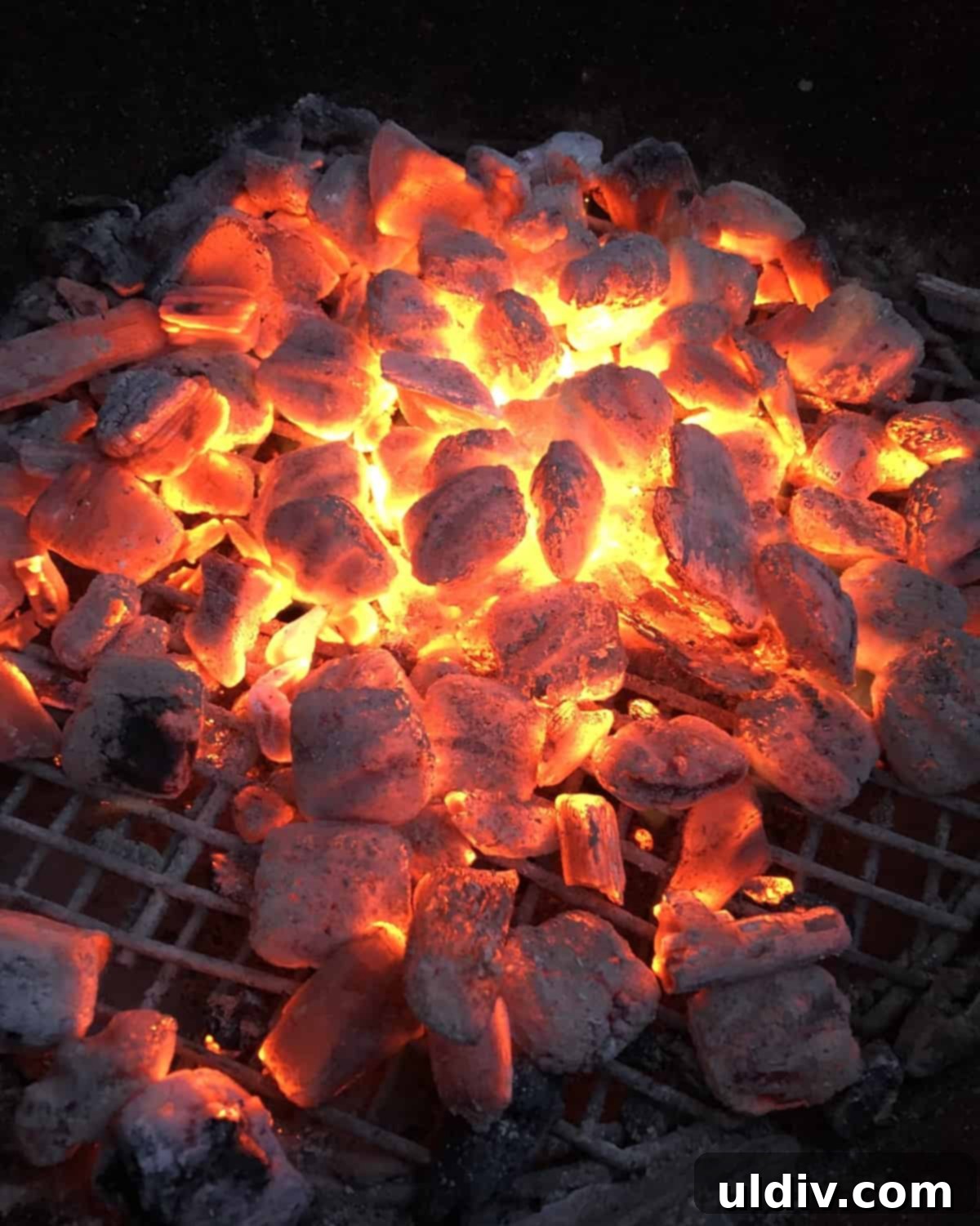
- Arrange and Light Charcoal: Line two opposite sides of the drip pan with 25 to 30 charcoal briquettes each. This creates two distinct heat zones, allowing the turkey to cook evenly with indirect heat. Light the briquettes using a chimney starter or lighter cubes. Allow them to heat for about 20 to 30 minutes, or until they are fully covered with a uniform layer of grey ash.
- Position the Turkey: Carefully place the prepared turkey directly on the top cooking grate, positioning it precisely over the drip pan in the center. The turkey should not be directly over the lit charcoal.
- Maintain Temperature and Add Fuel: Cover the grill with its lid, making sure the top vents are open to allow for airflow and temperature regulation. Aim to maintain an internal grill temperature between 325°F and 350°F. To sustain this heat, add 6 to 7 fresh briquettes to each side of the existing coals every hour. This continuous refueling ensures consistent cooking.
- Monitor Internal Temperature: The most critical step is monitoring the turkey’s internal temperature with an instant-read digital thermometer. Insert the thermometer into the thickest part of the thigh, ensuring it doesn’t touch bone. Grill the turkey until it reaches a safe internal temperature of 165°F. Typically, a grilled turkey will take about 11 to 13 minutes per pound to cook fully, but always rely on the thermometer.
- Rest Before Carving: Once the turkey reaches 165°F, carefully remove it from the grill to a clean cutting board or a large platter. Tent it loosely with foil and let it rest for at least 30 minutes before carving. This resting period allows the juices to redistribute throughout the meat, resulting in a much more tender and flavorful turkey.
Grilling a Whole Turkey on a Gas Grill: Achieving Perfection with Precision
For those who prefer the convenience and precise temperature control of a gas grill, achieving a beautifully grilled turkey is entirely feasible. With a few key adjustments, you can still enjoy that crispy skin and juicy meat. Remember to start with a full propane tank and ensure your cooking grates are clean for optimal results.
- Set Up for Indirect Grilling: Remove the main cooking grate. Place a disposable foil drip pan directly on the ceramic grates or lava rocks, positioned over the burners you intend to keep off. Replace the cooking grate. This creates an indirect cooking zone where the turkey will roast.
- Preheat Your Grill: Each gas grill’s burner setup varies, so consult your manufacturer’s directions for indirect grilling. Generally, you’ll light one or two burners on one side of the grill (or outer burners for a multi-burner grill) while leaving the burners directly under the turkey’s placement unlit. Preheat the grill for at least 15 minutes with the lid closed to ensure a stable, even temperature.
- Prepare the Turkey: Just as with a charcoal grill, remove any giblets and the neck from the turkey. Place cut lemons, garlic, and fresh herbs (thyme, sage, parsley) into the cavity. Brush the entire exterior of the turkey generously with melted butter and season liberally with kosher salt and black pepper.
- Set Target Temperature: Adjust your lit burners to achieve and maintain a consistent internal grill temperature of 350°F. Use your grill’s built-in thermometer or a separate grill thermometer placed near the turkey.
- Place and Cook the Turkey: Carefully place the prepared turkey on the grate, directly over the drip pan and the unlit burners. Close the lid, ensuring any top vents are open for proper air circulation.
- Ensure Even Cooking: Depending on your grill’s heat distribution, you might need to rotate the turkey halfway through the grilling process to ensure it cooks evenly on all sides. Monitor for any hot spots and adjust as needed.
- Monitor Internal Temperature & Rest: Use an instant-read digital thermometer to check the turkey’s internal temperature in the thickest part of the thigh, avoiding the bone. Grill until the temperature consistently reads 165°F. As a general guide, expect 11 to 13 minutes per pound, but the thermometer is your ultimate guide. Once cooked, transfer the turkey to a cutting board, tent with foil, and let it rest for about 30 minutes before carving to lock in all those delicious juices.
Expert Tips for a Perfectly Grilled Turkey
Achieving a succulent, flavorful grilled turkey is simpler than you might think, especially with a few seasoned tips:
- Shield Your Grill from Wind: Wind is the enemy of consistent grill temperature. Position your grill in a sheltered area, away from strong gusts, to maintain a stable cooking temperature between 325°F and 350°F. Fluctuations in temperature can lead to uneven cooking and extended grilling times.
- Invest in an Instant-Read Digital Thermometer: This is your most valuable tool. A high-quality instant-read thermometer allows you to quickly and accurately check the turkey’s internal temperature without keeping the grill lid open for too long. Remember, a fully cooked turkey should register 165°F in the thickest part of the thigh. Precision prevents both undercooked and overcooked meat.
- Equip Yourself with a Sturdy Barbecue Fork: Removing a large, hot turkey from the grill can be challenging. A sturdy, long-handled barbecue fork is essential for safe handling. Insert the fork securely into the turkey’s cavity to help lift and guide it smoothly from the grill to your carving board.
- Don’t Skip the Resting Period: Once the turkey is removed from the grill, resist the urge to carve it immediately. Resting the turkey for at least 30 minutes, loosely tented with foil, is crucial. This allows the muscle fibers to relax and reabsorb the juices, ensuring every slice is incredibly moist and tender.
Delectable Sides to Complement Your Grilled Turkey
A magnificent grilled turkey deserves an equally impressive spread of side dishes. Here are some of our favorite recipes that pair beautifully with the smoky flavor of a grilled bird, creating a balanced and unforgettable holiday feast:
- Roasted Carrot and Parsnip Fries
- Roasted Fall Squash with Cinnamon and Nutmeg
- Apple, Fennel, and Radish Slaw with Pecans and Blue Cheese
- Chunky Cinnamon Applesauce
- Easy Roasted Brussels Sprouts with Honey and Mustard
- Apple and Bacon Stuffed Sweet Potatoes
- Make-Ahead Thanksgiving Side Dishes
Share Your Culinary Creations!

Did you try this recipe?
I would love to hear about your experience grilling this Thanksgiving turkey! Please let me know by leaving a comment and a star rating below. Your feedback is invaluable. Don’t forget to share your beautifully grilled turkey photos on Pinterest, Instagram, and Facebook.
Thanks ~ Amy
Recipe
How to Grill a Whole Turkey
Print
Pin
Rate
20 minutes
3 hours
3 hours
20 minutes
12
214
kcal
Amy Casey
Ingredients
-
1
12-15 pound turkey -
2
lemons cut in half -
6
whole peeled garlic cloves -
About 1 cup of fresh herbs including thyme
sage and parsley -
6
tablespoons
salted butter
melted - Kosher salt
- Fresh ground black pepper
-
9
inch
by 13 inch foil drip pan
Instructions
-
Indirect grilling will be used to cook the turkey. Anticipate approximately 11 to 13 minutes of cooking time per pound.
-
For a charcoal grill:
-
Remove the cooking grates and ensure all vents are open. Place a foil drip pan in the center of the bottom grate. Line two opposite sides of the drip pan with 25 to 30 briquettes each. Light the briquettes and allow them to burn for 20 to 30 minutes, or until covered with grey ash.
-
While the charcoal is heating, prepare the turkey: remove any giblets and the neck. Place the cut lemons, garlic, and fresh herbs into the cavity. Brush the outside of the turkey with melted butter and season generously with kosher salt and pepper.
-
Carefully place the turkey on the top cooking grate directly over the drip pan. Cover the grill with its lid, ensuring all vents remain open.
-
Add 6 to 7 fresh briquettes to each side of the existing coals every hour to maintain consistent temperature.
-
Using an instant-read digital thermometer, grill the turkey until the internal temperature in the thickest part of the thigh reaches 165 degrees F.
-
Remove the turkey from the grill and transfer it to a cutting board. Let it rest for approximately 30 minutes before carving to allow juices to redistribute.
-
For a gas grill:
-
Remove the cooking grate and place a drip pan directly on the ceramic grates or lava rocks, over the burners that will remain unlit. Replace the cooking grate.
-
Consult your grill’s manufacturer directions for indirect grilling. Preheat the grill for at least 15 minutes, with some burners lit and some unlit to create an indirect cooking zone.
-
Prepare the turkey: remove any giblets and the neck. Place the cut lemons, garlic, and fresh herbs into the cavity. Brush the outside of the turkey with melted butter and season generously with kosher salt and pepper.
-
Set the grill temperature to a consistent 350 degrees F using the lit burners.
-
Place the turkey on the grate over the unlit burners and close the lid. Ensure any top vents are open.
-
Depending on your grill’s burner setup, you may need to turn the turkey halfway through grilling to ensure even cooking.
-
Using an instant-read digital thermometer, grill the turkey until the internal temperature in the thickest part of the thigh reaches 165 degrees F.
-
Remove the turkey from the grill and transfer it to a cutting board. Let it rest for approximately 30 minutes before carving.
Notes
- For consistent cooking, position your grill in an area shielded from the wind. This helps maintain an ideal grilling temperature between 325°F and 350°F.
- An instant-read digital thermometer is essential. It allows for quick and accurate temperature checks without losing too much heat by keeping the lid open. The safe internal temperature for grilled turkey is 165°F.
- A sturdy, long barbecue fork is invaluable for safely transferring the hot grilled turkey from the grill to a carving board. Insert it into the turkey’s cavity for better leverage and control.
Nutrition
Calories:
214
kcal
|
Carbohydrates:
1.2
g
|
Protein:
29.5
g
|
Fat:
9.1
g
|
Saturated Fat:
4.6
g
|
Cholesterol:
101
mg
|
Sodium:
150
mg
|
Fiber:
0.4
g
|
Sugar:
0.3
g
Did you make this recipe?
Tag @amycaseycooks on Instagram so we can all admire your work!