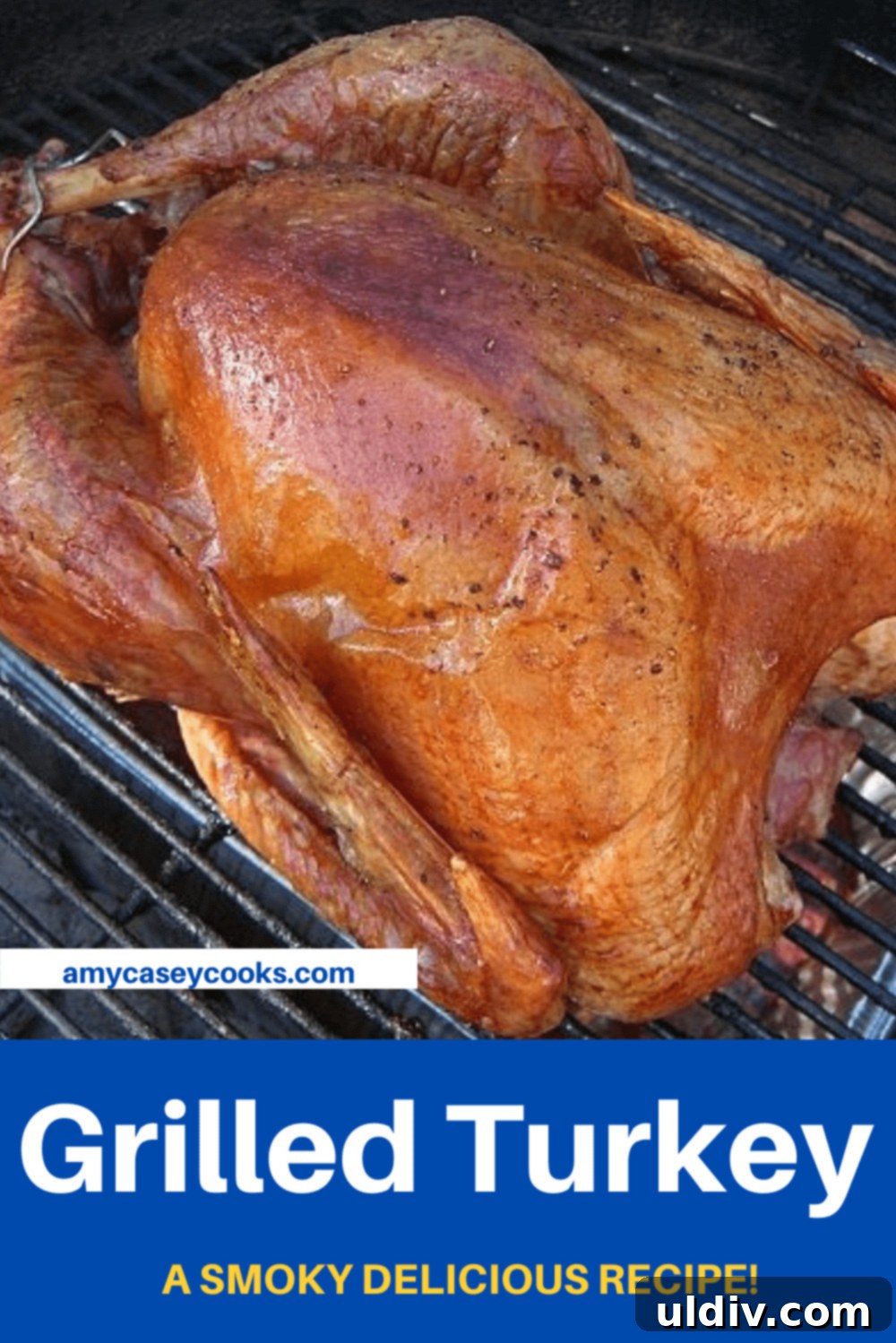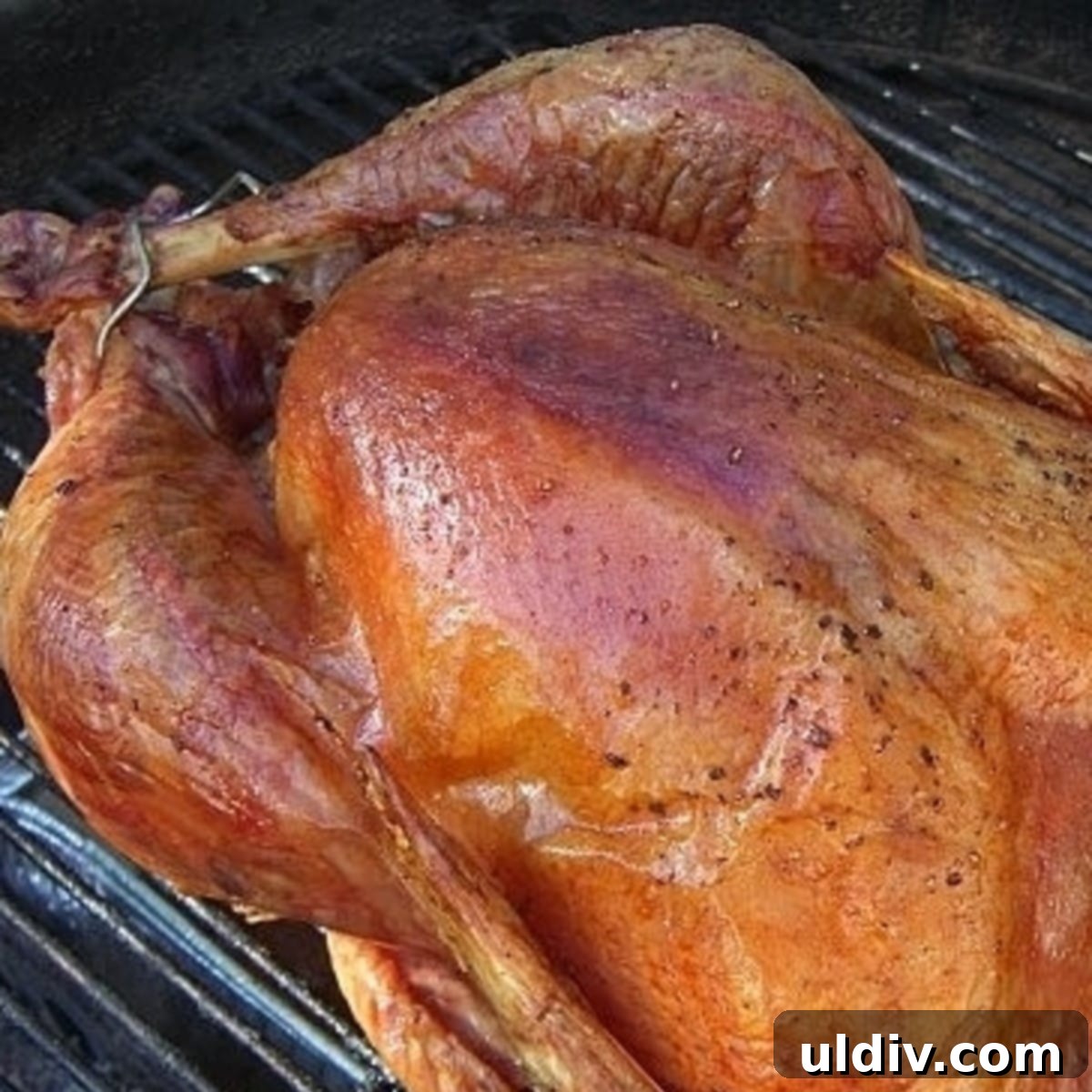
This Thanksgiving, reclaim valuable oven space by serving a magnificent **grilled turkey**. Its deep, smoky flavor will undoubtedly impress your family and friends, transforming your holiday meal into an unforgettable culinary experience! Plus, the delicious leftovers are perfect for creative dishes like creamy turkey a la king or savory turkey sliders, ensuring no delicious morsel goes to waste.
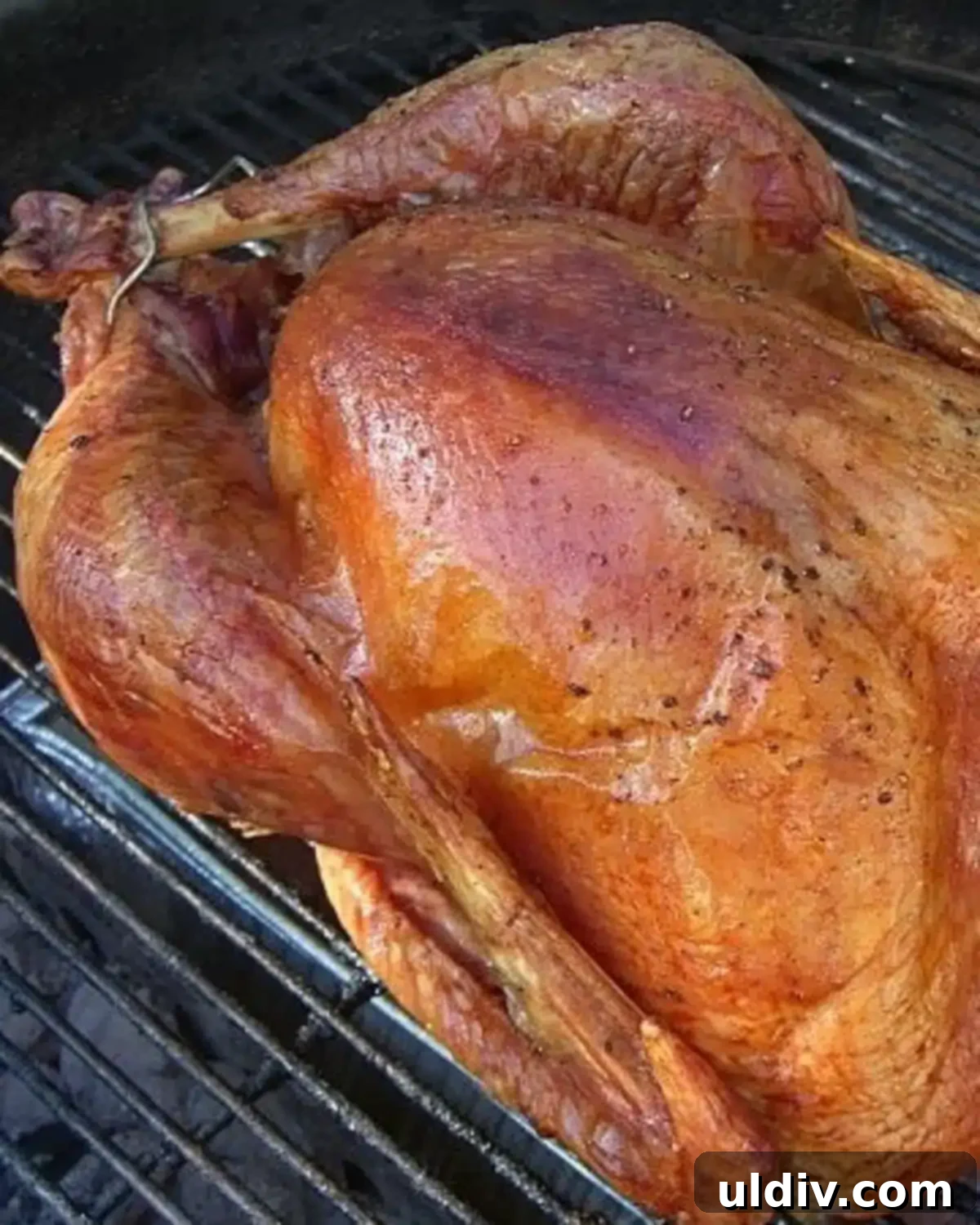
As the holiday season draws near, the excitement builds for one of the year’s most anticipated feasts. Thanksgiving is a time for gathering, gratitude, and, of course, incredible food. While the traditional oven-roasted turkey holds a special place, grilling a whole turkey offers a remarkable alternative, delivering an exceptionally juicy bird infused with an irresistible smoky aroma. This method not only elevates the flavor profile but also introduces a fun, outdoor element to your holiday preparations, creating cherished new traditions.
For my family, grilling the Thanksgiving turkey has become a beloved ritual. I recall my dad meticulously tending the grill during blustery, sometimes snowy, Chicago Thanksgivings, always striving for that perfect temperature despite the elements. Thankfully, our current beach town celebrations at the Jersey Shore often offer more agreeable weather, making the grilling experience even more enjoyable. The anticipation of that first bite of a perfectly grilled turkey, with its crispy skin and tender meat, is a highlight of our holiday.
Our Thanksgiving feast typically begins with a comforting Creamy Mushroom Soup, setting a warm tone for the meal. The star of the show, our delicious grilled turkey, is then proudly served alongside classic accompaniments such as my Cheddar Cheese Stuffed Potatoes, vibrant Butter Roasted Honey Carrots and Cauliflower, and aromatic Fall Squash with Cinnamon and Nutmeg. Each dish is carefully chosen to complement the rich flavors of the turkey, creating a harmonious and truly satisfying holiday spread.
Why You’ll Adore a Grilled Turkey This Holiday Season
Opting for a grilled turkey isn’t just a deviation from tradition; it’s an upgrade that brings a host of benefits to your holiday table and kitchen management. Here’s why grilling your turkey might just become your new favorite method:
- Free Up Essential Oven Space: During holiday meal prep, oven space becomes a precious commodity. Gravies, casseroles, roasted vegetables, and pies all demand a spot. By moving your turkey to the grill, you instantly liberate your oven, allowing you to cook all your cherished side dishes and desserts simultaneously without the dreaded logistical juggling act. This strategic move alone can significantly reduce holiday cooking stress.
- Unbelievable Flavor and Texture: A turkey cooked on the grill develops a deep, rich smoky flavor that is simply unparalleled by oven roasting. The consistent, circulating heat of the grill, especially with the addition of wood chips, imbues the meat with an incredible aroma. Beyond the flavor, the skin achieves an enviable crispiness and a beautiful golden-brown color, adding a delightful texture to every bite. This unique combination makes for a truly gourmet experience.
- Versatility with Grill Types: Whether you own a classic charcoal kettle grill or a convenient gas grill, you can achieve a perfectly grilled turkey. Both methods offer distinct advantages, and with the right approach, deliver exceptional results. My personal preference leans towards a charcoal grill for that quintessential smoky char, but gas grills provide excellent temperature control and ease of use.
- Simplified Cleanup: After the joyous chaos of a holiday feast, facing a mountain of dishes is often the least favorite part. Grilling your turkey means one less large roasting pan to scrub. The majority of the cooking takes place outdoors, reducing splatters and mess in your kitchen, making post-dinner cleanup considerably easier and quicker.
- Consistent Juiciness: The indirect grilling method, combined with proper temperature management, creates a moist cooking environment that locks in the turkey’s natural juices. This results in a consistently tender and succulent bird, from breast to thigh, far surpassing the often-dry results of an overcooked oven turkey.
- An Engaging Culinary Experience: Grilling is inherently social. It moves a significant part of the cooking process outdoors, creating an opportunity for family members to gather around, chat, and enjoy the festive atmosphere while the turkey cooks. It adds an interactive and celebratory dimension to your holiday preparations.
Determining the Right Turkey Size for Your Gathering
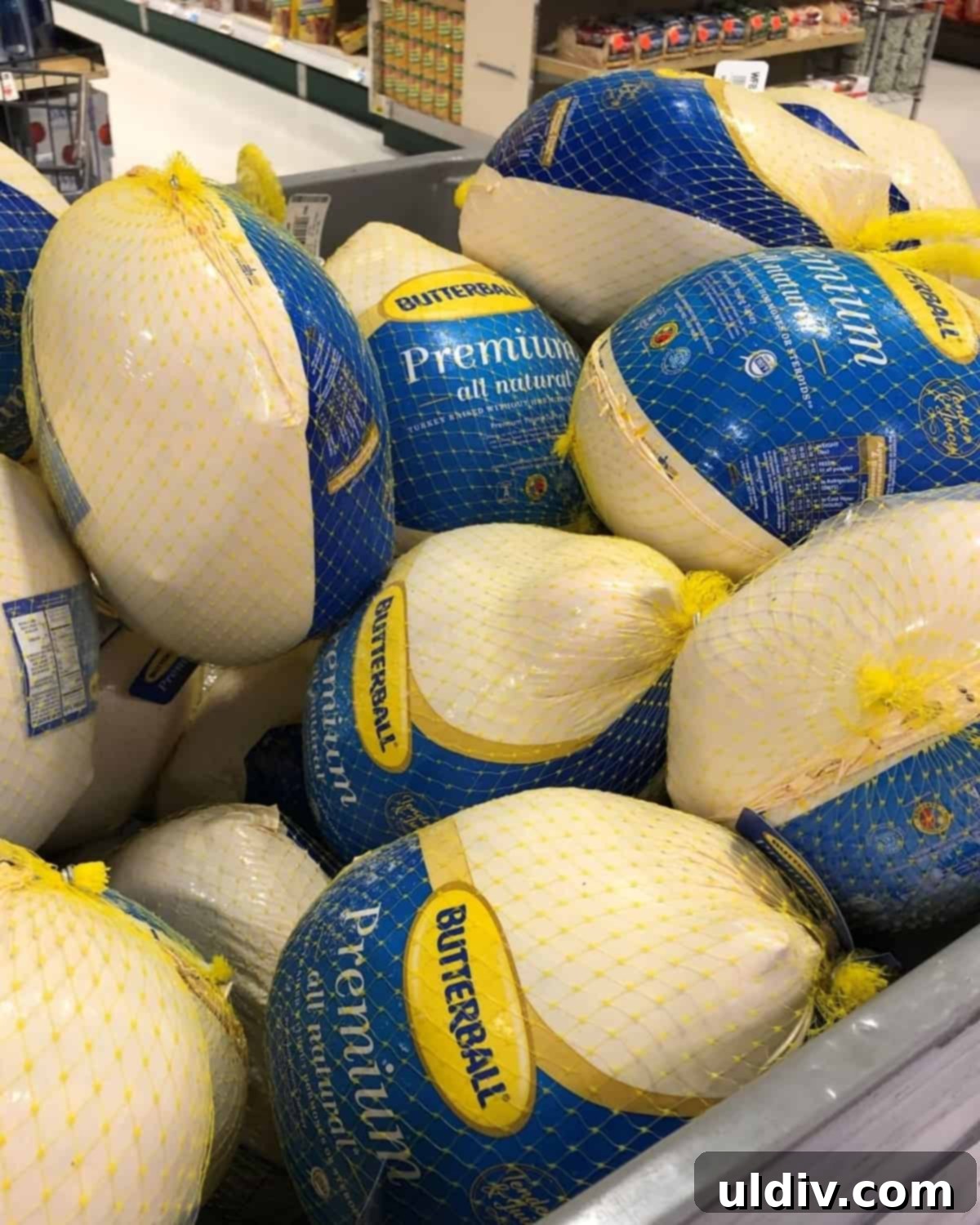
One of the first questions when planning your holiday meal is always about quantity. To ensure everyone gets their fill, whether for a grand feast or a more intimate gathering, it’s essential to select the right size turkey. A good general guideline is to plan for approximately 1 pound of uncooked turkey per person if you anticipate little to no leftovers.
However, let’s be honest, who doesn’t love Thanksgiving leftovers? For those who cherish turkey sandwiches, casseroles, or simply snacking on cold turkey straight from the fridge, it’s wise to budget a bit more. Aim for 1 ½ to 2 pounds of turkey per person. This generous estimate guarantees plenty of delicious meat for the main meal and ensures a delightful bounty of leftovers for days to come, turning one meal into several culinary opportunities.
Essential Guide: How to Safely Thaw a Frozen Turkey
If your holiday turkey is frozen, proper thawing is a critical step for both food safety and optimal cooking. Planning ahead is key, as thawing can take several days depending on the size of your bird. Here are two reliable methods:
Slow Thaw Method (Refrigerator): This is the safest and most recommended method, though it requires ample time. Plan to start thawing your turkey in the refrigerator at least a few days before grilling. A general rule of thumb is to allow 24 hours of thawing time for every 4-5 pounds of turkey. For example, a 16-pound turkey would require approximately 4 days in the refrigerator. Place the turkey in its original packaging on a rimmed baking sheet or in a large pan to catch any drips and prevent cross-contamination. Ensure your refrigerator temperature is maintained at 40°F (4°C) or below.
Quick Thaw Method (Cold Water Bath): If you’re short on time, a cold water bath can speed up the thawing process. This method requires more attention but is still safe. Keep the turkey in its original, unopened plastic wrapper. Submerge the frozen turkey in a large basin or clean sink filled with cold tap water. The crucial step is to change the water every 30 minutes to ensure it remains cold and to prevent the outer layers of the turkey from reaching unsafe temperatures. Plan on approximately 30 minutes of thawing time per pound of turkey. For instance, a 16-pound turkey would take roughly 8 hours to thaw using this method. Once thawed using this method, the turkey should be cooked immediately.
Never thaw a turkey at room temperature on the counter, as this can create a breeding ground for harmful bacteria. Always ensure your turkey is fully thawed before beginning the grilling process for even cooking and safety.
Mastering the Art of Grilling a Whole Turkey on a Charcoal Grill
For those who crave that quintessential smoky flavor, cooking a whole turkey on a charcoal grill is an experience like no other. The deep, aromatic char imparted by charcoal creates a taste profile that is truly unmatched. To ensure a successful cook, make sure you have at least a 20-pound bag of high-quality charcoal briquettes on hand. My personal favorite is a Weber charcoal kettle grill; its design consistently delivers outstanding results, making a Weber grilled turkey a holiday highlight.
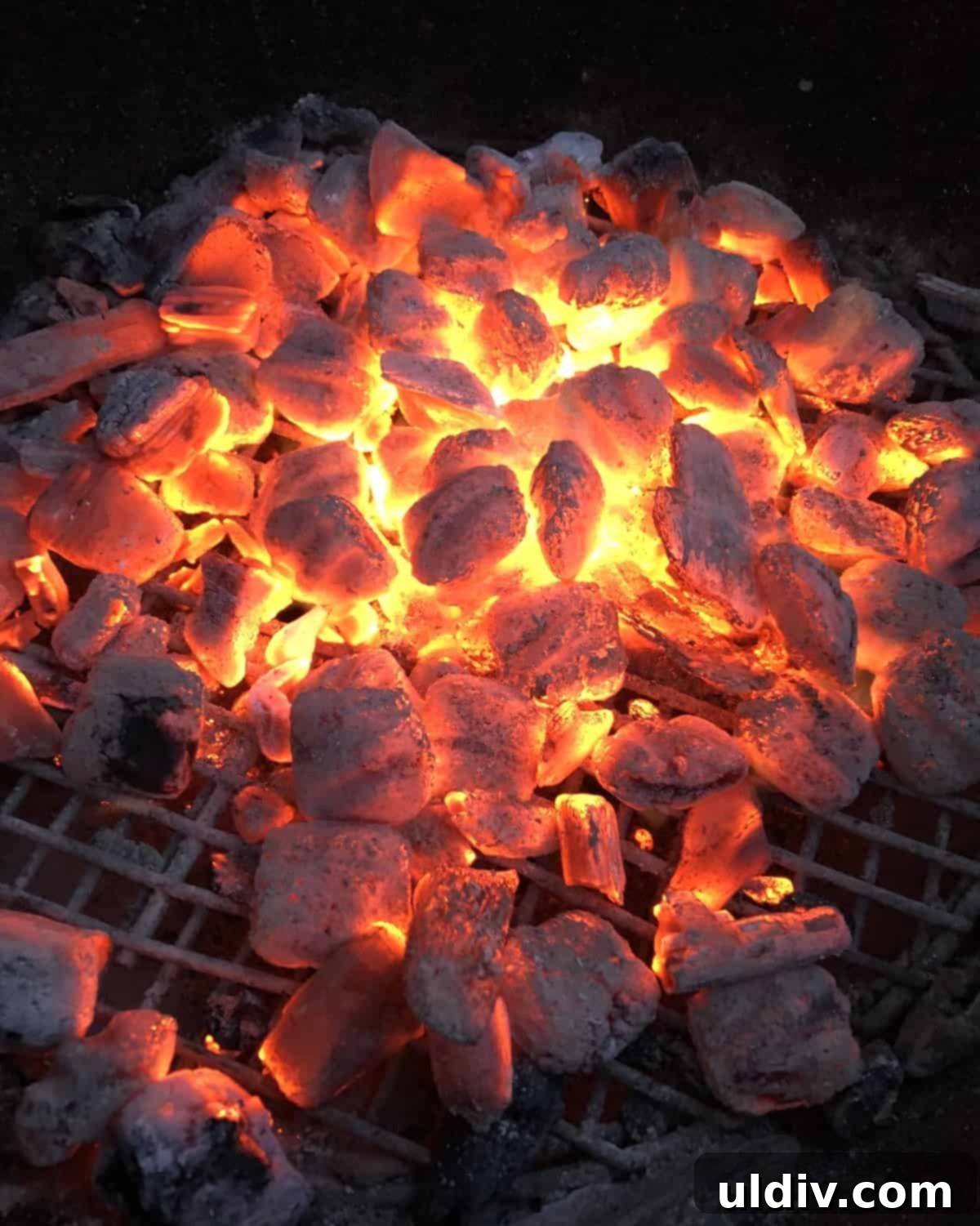
- Setting Up for Indirect Heat: Begin by removing the cooking grates and opening all the vents on your grill. Position a durable foil drip pan in the center of the bottom grate. Carefully arrange 25 to 30 charcoal briquettes in a semi-circle or line on two opposite sides of the drip pan, leaving the center clear. Light the briquettes using a chimney starter or your preferred method and allow them to burn for approximately 20 to 30 minutes, or until they are fully covered with a light grey ash. This indicates they are ready for cooking.
- Preparing the Turkey: While your charcoal heats, prepare your turkey. Remove any giblets and the neck from the cavity (these can be used for gravy). Pat the turkey dry thoroughly with paper towels – a dry surface promotes crispier skin. Stuff the cavity with aromatic ingredients like cut lemons, whole peeled garlic cloves, and a generous amount of fresh herbs such as thyme, sage, and parsley. These will infuse the turkey with subtle flavors and moisture from the inside. Brush the entire exterior of the turkey generously with melted salted butter, then season liberally with kosher salt and freshly ground black pepper. Consider applying a compound butter under the skin over the breast meat for extra moisture.
- Grilling the Turkey: Carefully place the prepared turkey directly on the top cooking grate, positioning it precisely over the drip pan in the center. This indirect heat setup is crucial for slow, even cooking. Close the grill lid immediately, ensuring that the top and bottom vents are open. This allows for proper airflow and temperature regulation. Aim to maintain an internal grill temperature between 325-350°F (160-175°C).
- Maintaining Temperature: To keep your grill at a consistent temperature, you’ll need to replenish the charcoal. Every hour, add 6 to 7 new briquettes to each side of the existing charcoal piles. You might also add a handful of wood chips (such as apple, cherry, or hickory) soaked in water for 30 minutes, placing them directly on the hot coals to enhance the smoky flavor.
- Monitoring Doneness: The cooking time for a grilled turkey is approximately 11 to 13 minutes per pound. However, the most accurate way to determine doneness is by internal temperature. Use an instant-read digital thermometer inserted into the thickest part of the thigh, avoiding the bone. The turkey is fully cooked when it reaches an internal temperature of 165°F (74°C). The breast meat should also register 165°F (74°C).
- Resting the Turkey: Once the turkey reaches the target temperature, carefully remove it from the grill and transfer it to a large carving board. Tent it loosely with aluminum foil and allow it to rest for a minimum of 30 minutes (and up to an hour) before carving. This critical resting period allows the juices to redistribute throughout the meat, ensuring a tender and moist final product. Without resting, the juices will escape when you carve, resulting in a drier turkey.
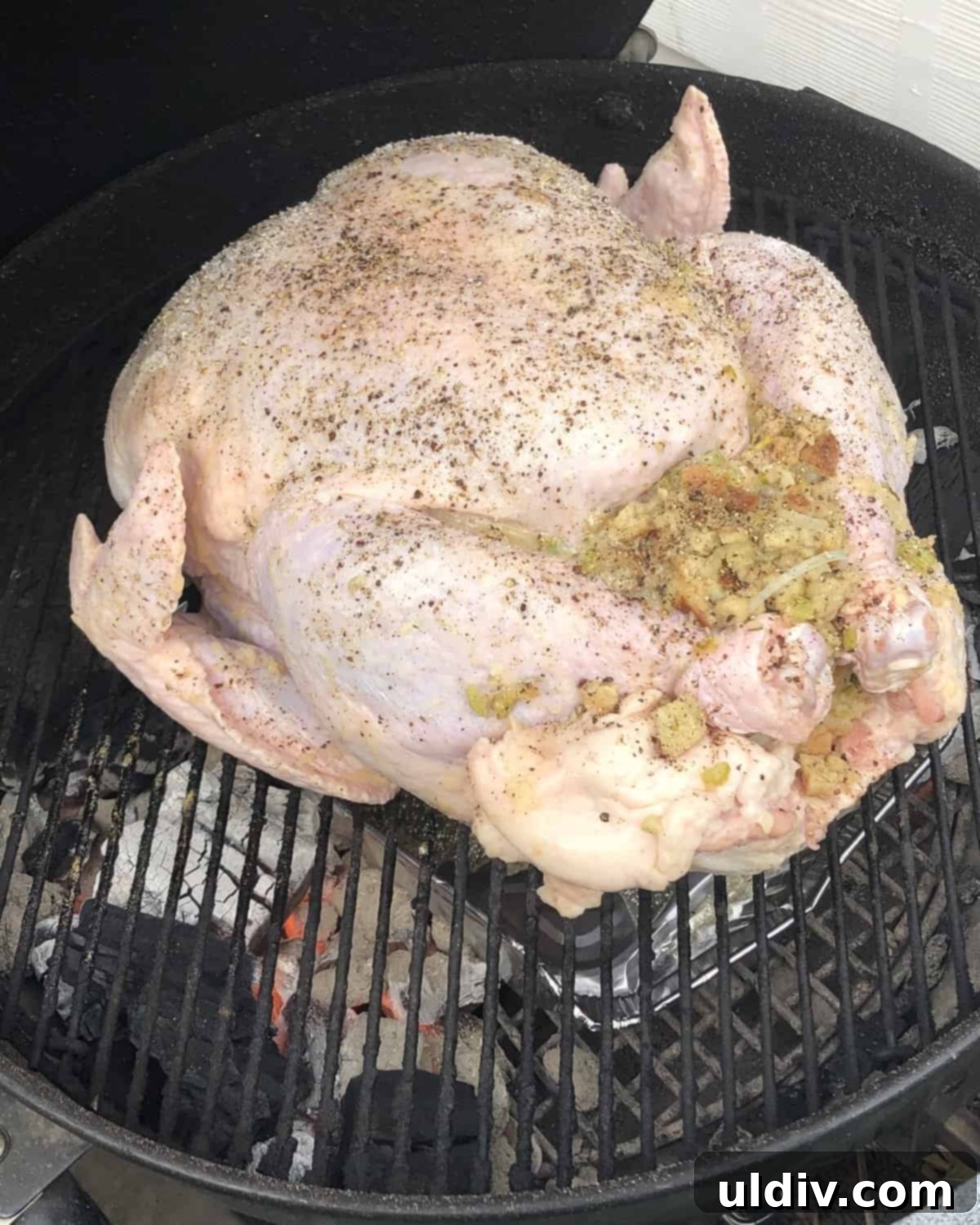
Effortless Grilling: Cooking a Whole Turkey on a Gas Grill
For a convenient and equally delicious grilled turkey, a gas grill is an excellent choice, offering precise temperature control and less hands-on management than charcoal. Before you begin, ensure your propane tank is full to avoid running out mid-cook, and thoroughly clean your cooking grates to prevent sticking and flare-ups.
- Setting Up for Indirect Heat: Start by removing the main cooking grate. Place a sturdy foil drip pan directly onto the ceramic grates or lava rocks, positioned beneath where the turkey will sit. This pan will catch drippings, making cleanup easier and preventing flare-ups. Replace the cooking grate.
- Preheating and Indirect Zone: Every gas grill has a slightly different burner configuration, so consult your manufacturer’s directions for the best indirect grilling setup. Generally, this involves turning on only the burners on one or both ends of the grill, leaving the middle burner(s) off where the turkey will rest. Preheat your grill to approximately 350°F (175°C) for at least 15 minutes with the lid closed.
- Preparing the Turkey: Just as with a charcoal grill, preparing the turkey is essential. Remove any giblets and the neck from the cavity. Pat the turkey completely dry with paper towels. Inside the cavity, place cut lemons, whole peeled garlic cloves, and a generous assortment of fresh herbs like thyme, sage, and rosemary. Brush the entire exterior of the turkey with melted butter and season generously with kosher salt and freshly ground black pepper.
- Grilling and Temperature Management: Once the grill is preheated to 350°F (175°C), carefully place the turkey on the cooking grate directly over the drip pan, ensuring it’s in the indirect heat zone. Close the lid immediately. Monitor the grill’s temperature regularly, aiming to maintain a consistent internal grill temperature of 350°F. Adjust the active burners as needed to hold this temperature.
- Even Cooking and Doneness: Depending on your grill’s burner setup and any hot spots, you might need to rotate the turkey halfway through the grilling process to ensure it cooks evenly and achieves a consistent golden-brown skin. The general cooking time is about 11 to 13 minutes per pound. Always use an instant-read digital thermometer to check for doneness. Insert the thermometer into the thickest part of the thigh, avoiding the bone. The turkey is fully cooked when it reaches 165°F (74°C). The breast meat should also register 165°F (74°C).
- The Importance of Resting: Once the turkey reaches 165°F (74°C), remove it from the grill and transfer it to a clean cutting board. Loosely tent the turkey with aluminum foil and let it rest for about 30 minutes before carving. This resting period is crucial; it allows the muscle fibers to relax and reabsorb the juices, ensuring a supremely moist and flavorful turkey. Rushing this step will result in a drier bird.
Expert Tips for a Flawless Grilled Whole Turkey
Achieving a perfectly grilled turkey is simple with a few strategic tips. These insights will help you manage your grill, ensure food safety, and make the carving process smooth and effortless:
- Choose a Shielded Grilling Spot: Wind is the enemy of consistent grill temperatures. Whenever possible, position your grill in an area that is naturally shielded from strong winds. A steady, even cooking temperature between 325°F (160°C) and 350°F (175°C) is vital for cooking the turkey thoroughly and preventing parts from drying out or burning. Wind can cause significant temperature fluctuations, leading to uneven cooking.
- Invest in an Instant-Read Digital Thermometer: This tool is your best friend when grilling a turkey (or any large cut of meat). An instant-read digital thermometer allows you to quickly and accurately check the internal temperature of the turkey without needing to keep the grill lid open for too long. Opening the lid frequently causes temperature drops and extends cooking time. The target internal temperature for a fully cooked grilled turkey is 165°F (74°C) in the thickest part of the thigh and breast. This ensures both safety and optimal juiciness.
- Utilize a Sturdy, Long Barbecue Fork: Moving a large, hot turkey from the grill to a carving board can be challenging. A sturdy, long-handled barbecue fork is an essential tool for this task. It provides the leverage and stability needed to safely lift and guide the turkey. For best control, insert the fork into the cavity of the turkey, and use a pair of tongs or a second fork to support the other end, making the transfer smooth and secure.
- Don’t Forget the Drip Pan: A foil drip pan placed underneath the turkey is crucial. It catches all the delicious juices and fat that render during cooking, which can be later used for gravy. More importantly, it prevents these drippings from falling directly onto the coals or burners, which could cause dangerous flare-ups and potentially burn the turkey’s exterior.
- Consider Brining Your Turkey: For an extra layer of moisture and flavor, consider brining your turkey before grilling. A wet brine (submerging the turkey in a salt-water solution with aromatics) or a dry brine (rubbing salt and seasonings directly onto the turkey) can dramatically improve the turkey’s tenderness and seasoning throughout, leading to an even more succulent final product.
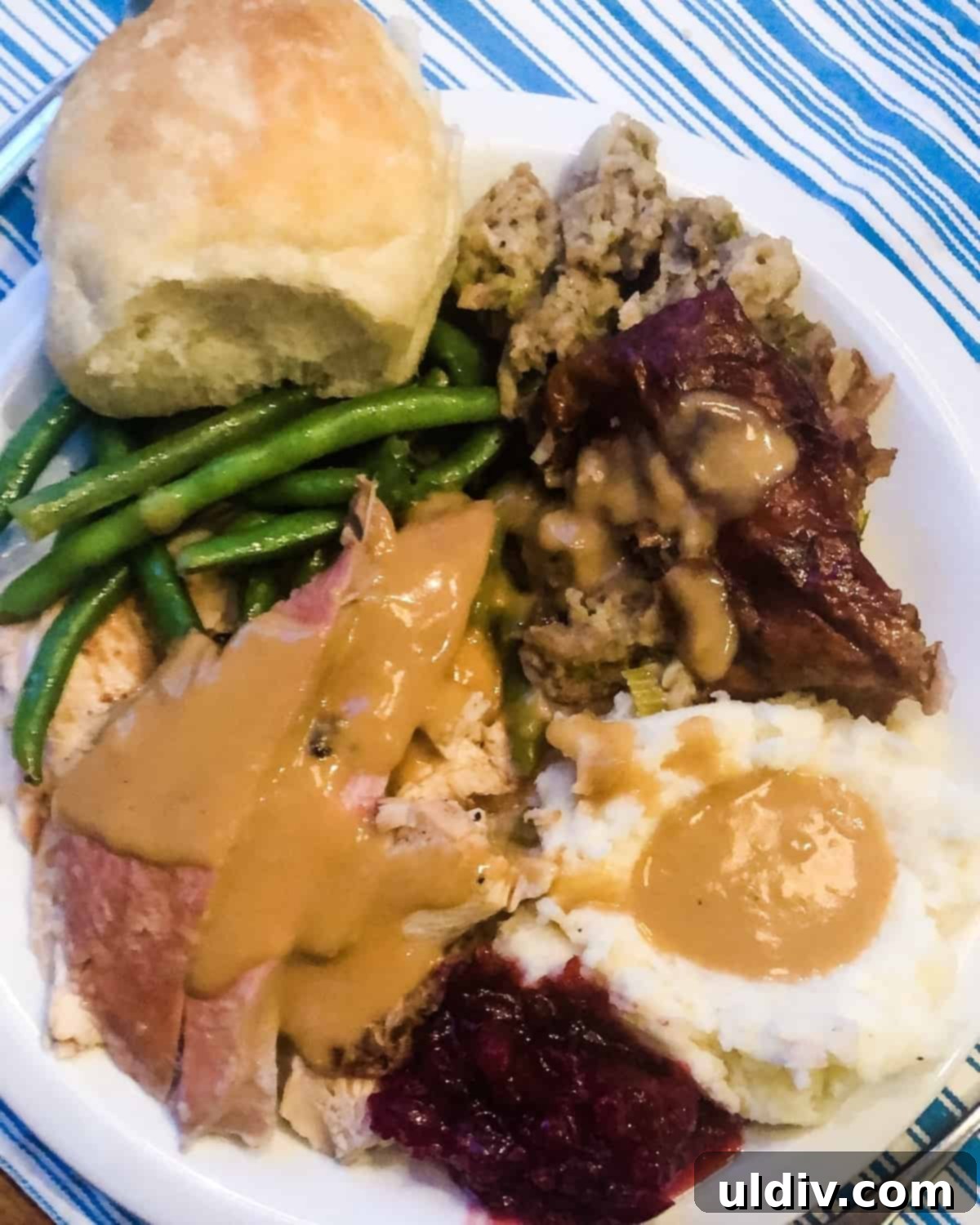
Perfect Pairings: What to Serve with Grilled Turkey
A beautifully grilled turkey deserves a stellar supporting cast of side dishes. Here are some fantastic accompaniments that will perfectly complement the smoky flavor and tender texture of your holiday centerpiece, offering a balance of savory, sweet, and tangy notes:
- Roasted Carrot and Parsnip Fries: A slightly sweet and earthy alternative to traditional potatoes.
- Roasted Fall Squash with Cinnamon and Nutmeg: A warm and comforting dish that embodies the flavors of the season.
- Apple, Fennel, and Radish Slaw with Pecans and Blue Cheese: A crisp, refreshing, and tangy slaw to cut through the richness of the turkey.
- Chunky Cinnamon Applesauce: A homemade classic that adds a touch of sweetness and spice.
- Easy Roasted Brussels Sprouts with Honey and Mustard: Caramelized and savory with a hint of sweetness, these are always a crowd-pleaser.
- Apple and Bacon Stuffed Sweet Potatoes: A hearty and flavorful dish, combining sweet potatoes with savory bacon and tart apples.
- Make-Ahead Thanksgiving Recipes: Practical options to simplify your holiday cooking schedule.
Connect With Us!

Did you try this recipe?
We’d love to hear about your grilling success! Please consider leaving a comment and a star rating below to share your experience. Your feedback helps our community! You can also share your culinary creations on Pinterest, Instagram, and Facebook.
Happy Grilling! ~ Amy
Recipe
How to Grill a Whole Turkey
Print
Pin
Rate
20 minutes
3 hours
3 hours
20 minutes
12
214
kcal
Amy Casey
Ingredients
- 1 12-15 pound turkey
- 2 lemons cut in half
- 6 whole peeled garlic cloves
- About 1 cup of fresh herbs including thyme sage and parsley
- 6 tablespoons salted butter melted
- Kosher salt
- Fresh ground black pepper
- 9 inch by 13 inch foil drip pan
Instructions
-
Indirect grilling is the recommended cooking method for a whole turkey. Plan for approximately 11 to 13 minutes of grilling time per pound of turkey.
-
For a Charcoal Grill:
-
Remove the cooking grates and open all grill vents. Place a drip pan in the center of the bottom grate. Line two opposite sides of the drip pan with 25 to 30 charcoal briquettes. Light the briquettes and let them burn for 20-30 minutes until covered with grey ash.
-
While charcoal is heating, prepare the turkey. Remove giblets and neck. Place cut lemons, garlic, and fresh herbs into the turkey cavity. Brush the turkey’s exterior with melted butter and season generously with kosher salt and pepper.
-
Place the turkey on the top cooking grate directly over the drip pan. Cover the grill with the lid, ensuring vents remain open for airflow. Maintain grill temperature between 325-350°F (160-175°C).
-
Add 6 to 7 fresh briquettes to each side of the existing coals every hour to maintain consistent heat. You may also add soaked wood chips for additional smoky flavor.
-
Using an instant-read digital thermometer, grill the turkey until the thickest part of the thigh and breast reaches 165°F (74°C).
-
Once cooked, carefully remove the turkey from the grill to a cutting board. Tent loosely with foil and let it rest for at least 30 minutes before carving to allow juices to redistribute.
-
For a Gas Grill:
-
Ensure a full propane tank and clean cooking grates. Remove the cooking grate and place a drip pan directly on the ceramic grates or lava rocks in the center. Replace the grate.
-
Follow your grill manufacturer’s instructions for indirect grilling. Preheat the grill to 350°F (175°C) for at least 15 minutes, using only the outer burners and leaving the center off.
-
Prepare the turkey by removing giblets and neck. Place cut lemons, garlic, and fresh herbs into the cavity. Brush the exterior with melted butter and season generously with kosher salt and pepper.
-
Place the turkey on the grate over the drip pan, in the indirect heat zone. Close the lid. Maintain the grill temperature at 350°F (175°C).
-
Monitor for even cooking. Based on your grill’s burner setup, you may need to rotate the turkey halfway through grilling to ensure uniform cooking and browning.
-
Using an instant-read digital thermometer, grill the turkey until the thickest part of the thigh and breast reaches 165°F (74°C).
-
Remove the turkey from the grill to a cutting board. Tent loosely with foil and let it rest for about 30 minutes before carving to ensure maximum juiciness.
Notes
- It is highly recommended to position your grill in an area that is well-shielded from wind. This helps to maintain a consistent cooking temperature throughout the grilling process, ideally between 325°F (160°C) and 350°F (175°C), which is crucial for an evenly cooked and juicy turkey.
- Always have an instant-read digital thermometer readily available. This essential tool allows you to quickly and accurately check the turkey’s internal temperature without excessively lifting the grill lid, which helps maintain heat. The goal is an internal temperature of 165°F (74°C) in the thickest part of the thigh and breast.
- A sturdy, long-handled barbecue fork is invaluable for safely transferring the hot, heavy grilled turkey from the grill to your carving board. Insert the fork securely into the turkey’s cavity to provide a firm grip and guidance.
- For added smoky flavor, consider adding wood chips (such as hickory, apple, or cherry) to your charcoal coals or a smoker box on your gas grill. Soak wood chips for about 30 minutes before adding to the heat source.
- Don’t skip the resting period! Allowing the turkey to rest for at least 30 minutes after grilling is critical. This process allows the muscle fibers to relax and reabsorb the juices, ensuring a more tender, moist, and flavorful turkey.
Nutrition
Calories:
214
kcal
|
Carbohydrates:
1.2
g
|
Protein:
29.5
g
|
Fat:
9.1
g
|
Saturated Fat:
4.6
g
|
Cholesterol:
101
mg
|
Sodium:
150
mg
|
Fiber:
0.4
g
|
Sugar:
0.3
g
Did you make this recipe?
Tag @amycaseycooks on Instagram so we can all admire your work!