
There are certain tastes that transport us instantly back to the cherished memories of childhood. For me, these memories are steeped in the warmth of summer vacations spent in the serene countryside. After energetic mornings filled with play alongside my niece, I would often retreat to my uncle’s bountiful garden. With hands still soiled from the earth and the invigorating freshness of coarse sand clinging to my mouth and hair, I would indulge in an impromptu feast unlike any other. The succulent apricots, having just fallen from the tree, were bursting with sugar-sweet moisture, their tender pulp dissolving on my tongue. Delicate red currants, with their slightly piquant flavor, were hidden like ruby jewels amongst crisp green leaves. And then there were the tomatoes – plump, slightly fuzzy to the touch, exuding a distinct herbaceous aroma, and possessing an utterly delicious natural sweetness. Biting into one of these garden treasures, the cool, refreshing juice would cascade down my chin, an experience so utterly thirst-quenching it felt like nature’s perfect elixir, embodying pure, unadulterated summer joy.
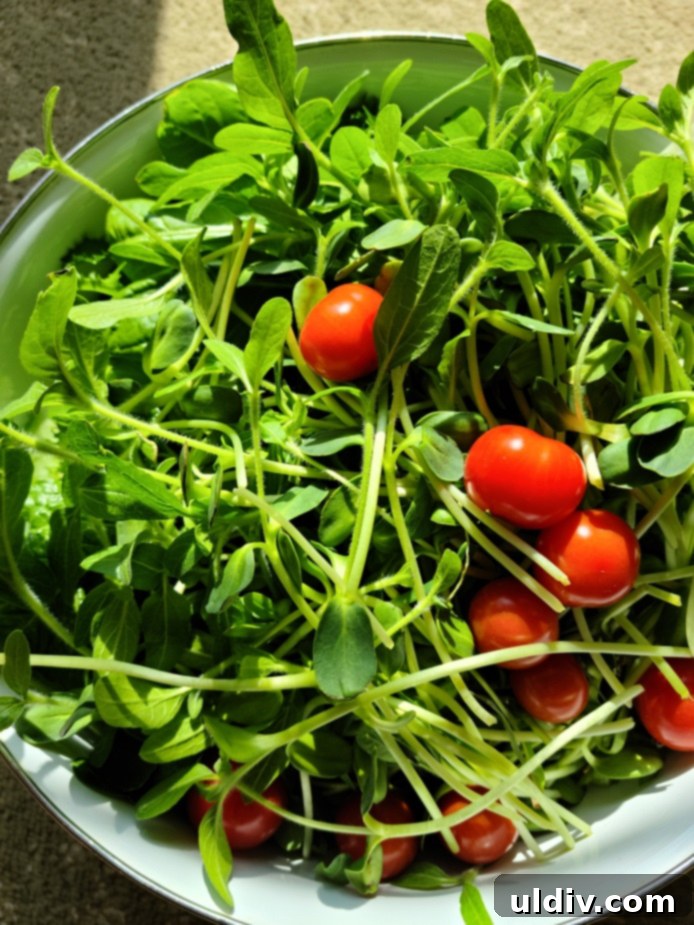
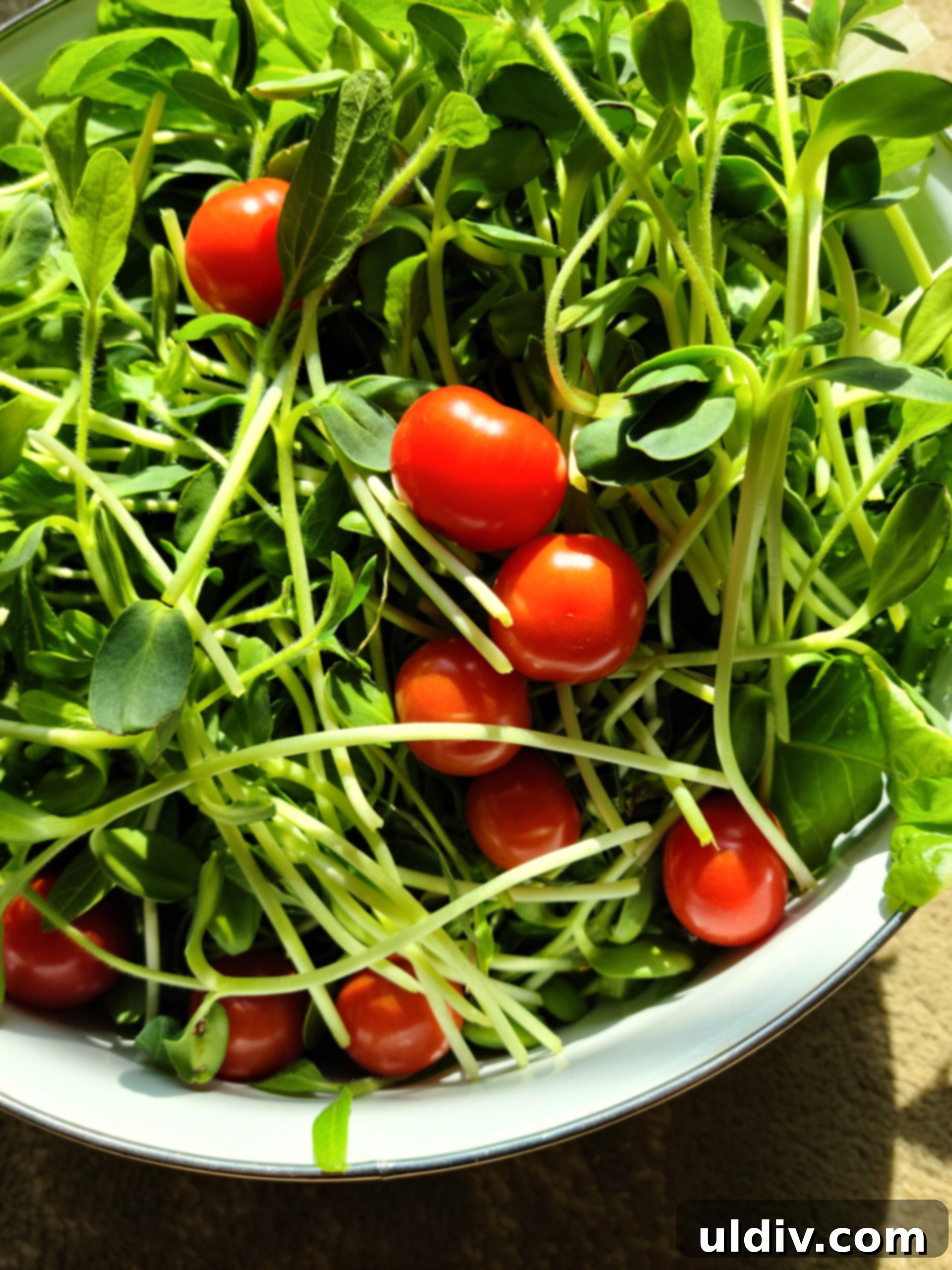
Tomatoes and microgreens grown indoors
As I matured, the vivid memory of those extraordinary childhood tomatoes sparked a desire to recreate that same unparalleled freshness within my own home and garden. This yearning led me on a fulfilling journey into the world of tomato cultivation. Over the years, I’ve experimented with growing a diverse array of tomato varieties, both indoors and outdoors, experiencing varying degrees of success and learning invaluable lessons along the way. The pursuit of that perfect, sun-kissed flavor has become a passion, reminding me that the true taste of summer can be harvested right at home.
For anyone embarking on their own tomato-growing adventure, understanding the fundamental differences between tomato types is crucial. Tomatoes are broadly categorized into two main growth habits: indeterminate and determinate. This distinction significantly impacts their size, growth pattern, care requirements, and even their suitability for different gardening spaces and culinary applications. Knowing which type you’re planting can make all the difference in achieving a successful and satisfying harvest, whether you’re aiming for a continuous yield or a concentrated bounty.
Indeterminate tomato varieties are known for their vining growth habit. These plants continue to grow, flower, and produce fruit throughout the entire growing season until the first frost. They can reach impressive heights, often exceeding six feet, and require robust support systems such as tall stakes or cages to manage their vigorous growth. While they offer a season-long supply of fresh tomatoes, their continuous growth often means they are more high-maintenance, demanding regular pruning to manage foliage and direct energy into fruit production. This characteristic makes them ideal for gardeners who desire a steady supply of fresh tomatoes for salads, sandwiches, and daily consumption over several months.
In contrast, determinate tomato varieties, often referred to as “bush” tomatoes, have a more compact and self-contained growth habit. They grow to a predetermined height, typically between three and five feet, and then stop growing. Their flowers and fruits tend to ripen all at once, or within a concentrated period, usually over two to four weeks. This synchronized ripening makes them excellent candidates for gardeners who wish to preserve their harvest, perhaps by canning sauces or making large batches of salsa. Their smaller size and less aggressive growth also make them perfect for growing in containers, raised beds, or smaller garden spaces where vertical expansion is limited, requiring less strenuous support and pruning than their indeterminate counterparts.
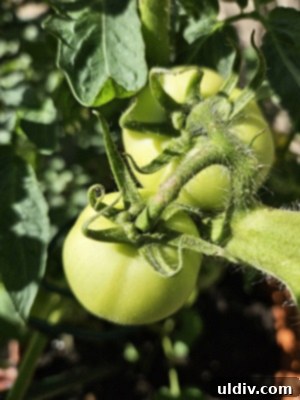
Indeterminate tomatoes we’ve been growing outdoors
The distinct growth habits of determinate and indeterminate tomatoes naturally lead to different culinary applications. Understanding these differences can guide your variety selection and ensure your garden yields exactly what you need for your kitchen. As insightfully explained in an article from thespruce.com titled “What Are Determinate and Indeterminate Tomatoes?,” if your primary goal is to make sauces, pastes, or can large quantities, you would be better served by a paste tomato variety. These tend to be determinate, boasting fewer seeds and a meatier flesh, ideal for cooking down into rich, flavorful concoctions. Conversely, if your preference is to enjoy fresh tomatoes throughout the entire season—sliced in salads, layered in sandwiches, or simply eaten out of hand—then an indeterminate variety is your go-to choice, providing a continuous supply of juicy, ripe fruit.
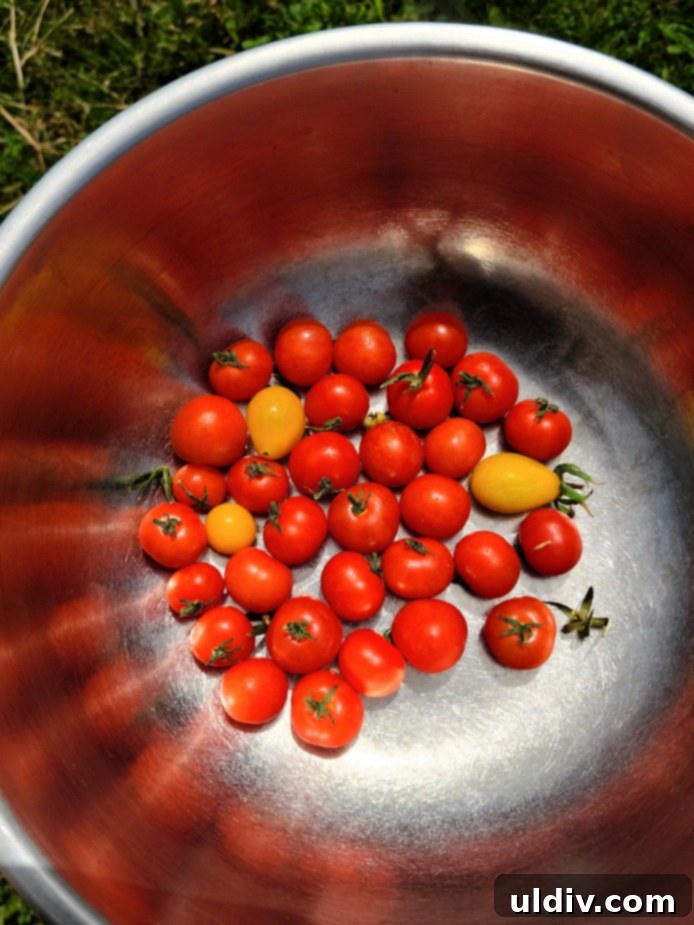
Many aspiring gardeners hesitate to grow tomatoes, often citing a perceived lack of space as a primary deterrent. However, I want to wholeheartedly encourage anyone with limited space, or even just a sunny windowsill, to explore the wonderful world of determinate tomato varieties. These compact plants are a game-changer for urban gardeners, apartment dwellers, and anyone looking to enjoy fresh tomatoes without a sprawling garden plot. Our personal experience with ‘Tiny Tim’ determinate tomatoes has been exceptionally rewarding. We’ve had remarkable success growing these delightful plants both indoors under grow lights and outdoors in containers. We sourced our seeds conveniently on Amazon, and these plants truly live up to their name. They are precious, incredibly delicious, and, of course, wonderfully tiny, making them remarkably easy to manage and care for in any setting. Their diminutive size doesn’t compromise on flavor, delivering a burst of sweetness that rivals any garden-grown fruit.
For those seeking even more in-depth knowledge and expert tips on the nuances of growing tomatoes, particularly concerning the determinate vs. indeterminate dilemma, I highly recommend consulting additional resources. The Homes & Gardens magazine offers an excellent article titled “Indeterminate vs. Determinate Tomatoes – Know the Differences with These Expert Tips.” This piece provides valuable insights from gardening professionals, helping you make informed decisions about which tomato varieties are best suited for your specific gardening goals and environmental conditions. Equipping yourself with this knowledge is a significant step towards a flourishing tomato harvest.
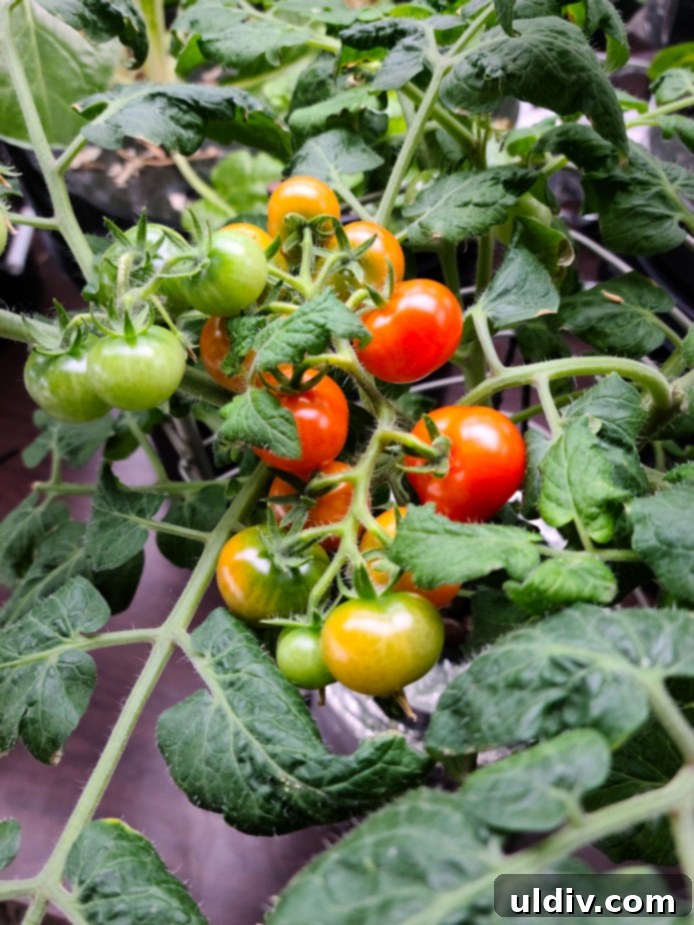
Successfully cultivating your own tomatoes, whether from seed or young plants, requires attention to a few key factors. For indoor growing, providing adequate light is paramount; grow lights can mimic the sun’s intensity, ensuring robust growth and fruit development. Choosing the right size container with good drainage, using a high-quality potting mix, and maintaining consistent watering are also critical. Indoors, manual pollination might be necessary if natural pollinators aren’t present. Gently shaking the plant or using a small brush can help distribute pollen.
When growing outdoors, selecting a sunny spot that receives at least 6-8 hours of direct sunlight daily is essential. Rich, well-draining soil amended with compost will provide the necessary nutrients. Plant your tomatoes deeply, burying part of the stem, as tomatoes can root along the buried portion, leading to stronger plants. Consistent watering, especially during dry spells and when fruits are forming, is vital to prevent blossom end rot and ensure juicy, flavorful tomatoes. Fertilizing with a balanced organic fertilizer designed for fruiting plants can also significantly boost your yield. Regular monitoring for pests and diseases will help you address any issues promptly, protecting your precious plants.
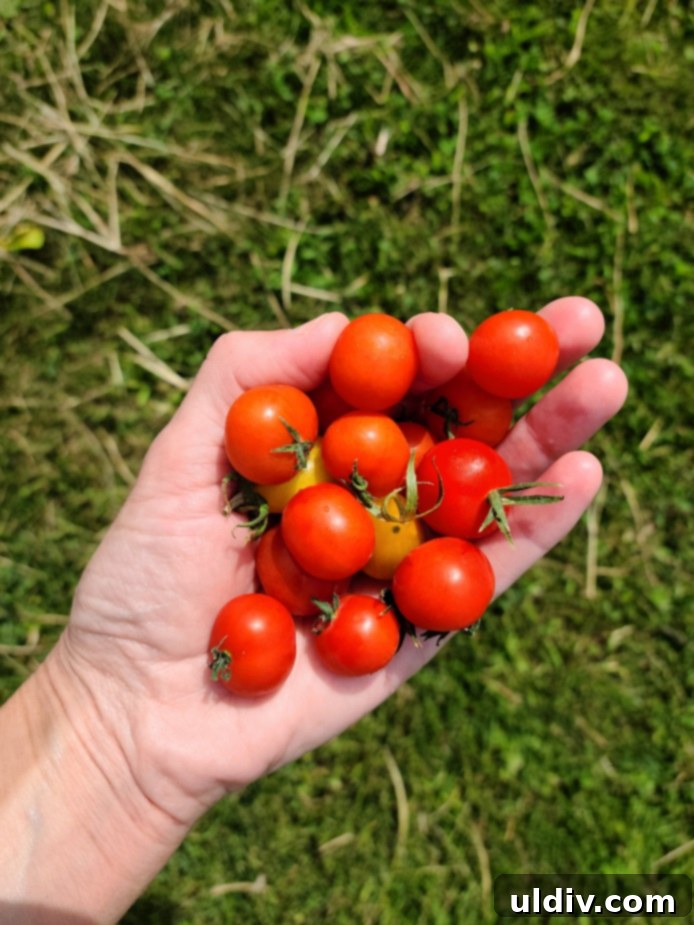
The journey from a tiny seed to a ripe, juicy tomato is incredibly rewarding. There’s a profound satisfaction that comes from plucking a warm, fragrant tomato directly from your own plant and savoring its vibrant flavor. This connection to nature and the food we eat brings a unique joy that store-bought produce rarely matches. Whether you’re growing a large indeterminate variety that towers over your garden or a compact determinate bush thriving on your patio, the experience of nurturing life and harvesting its bounty is deeply gratifying.
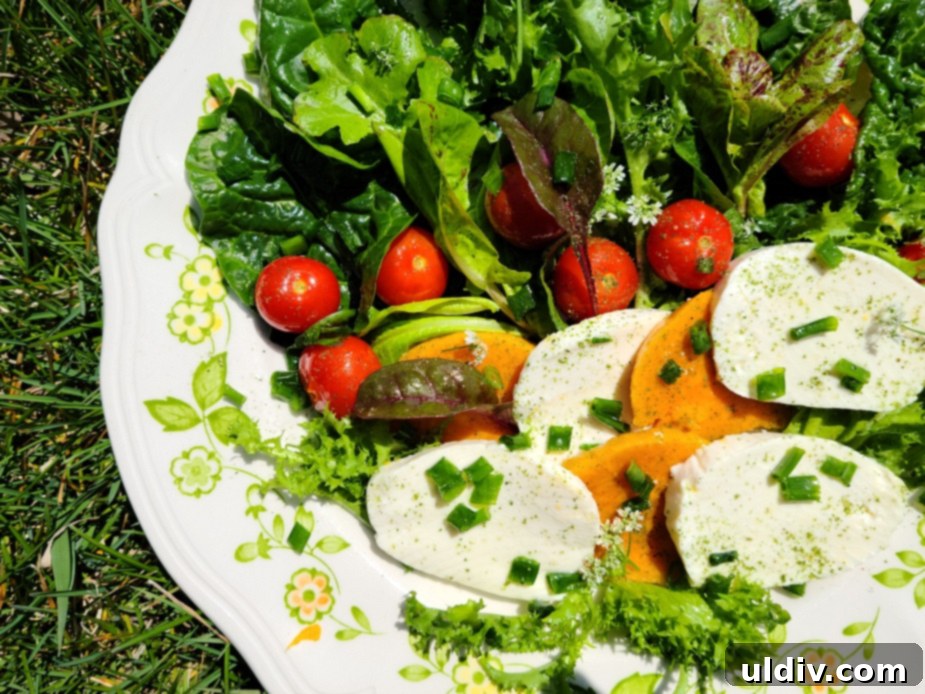
Once you’ve experienced the unparalleled taste of homegrown tomatoes, you’ll want to incorporate them into every meal. Their versatility in the kitchen is truly boundless. From simple, refreshing salads to hearty pasta sauces, the possibilities are endless. I have curated a multitude of recipe suggestions featuring tomatoes, designed to inspire your culinary creations. You can discover these diverse and delicious ideas in the recipe database located here for delightful panini and sandwiches, here for crisp and fresh salads, and here for satisfying dinner options. Unleash the full potential of your garden’s bounty and transform your fresh tomatoes into unforgettable meals.
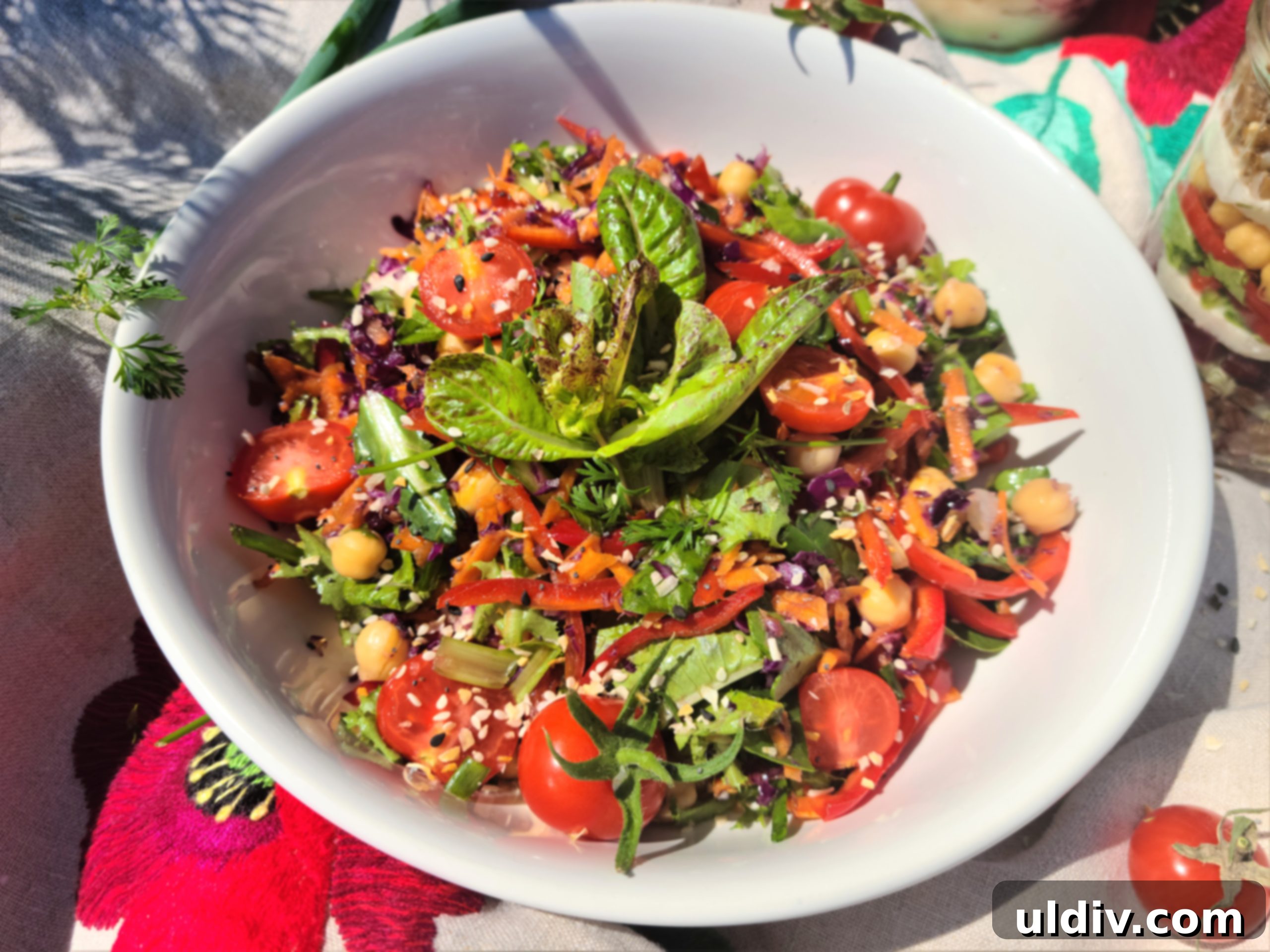
Growing tomatoes is more than just a gardening task; it’s an immersive experience that connects us to the earth and provides unparalleled culinary rewards. The joy of harvesting your own sweet, sun-ripened fruit is truly one of life’s simple pleasures, bringing a taste of summer into every dish. What are your personal experiences with growing these incredible fruits? Do you have a particular favorite tomato variety that consistently performs well in your garden? And do you primarily cultivate your tomatoes indoors, perhaps for a year-round supply, or do you prefer the traditional outdoor method, embracing the seasonal bounty? I am eager to learn from your insights, tips, and personal stories in the comments below, as every gardener has unique wisdom to share. Let’s cultivate a community of tomato enthusiasts!