
Blackcurrants: Unearthing the Story of America’s Once-Forbidden Fruit and Its Culinary Comeback
There’s something uniquely delightful about indulging in a cool, refreshing treat during the peak of summer. And when that treat involves a story as intriguing as forbidden fruit, it becomes an experience for both the palate and the mind. Our recent harvest of luscious blackcurrants led me down a fascinating rabbit hole, uncovering a little-known history of prohibition and perseverance for these vibrant berries in the United States.
The Curious Case of the Blackcurrant Ban in the US
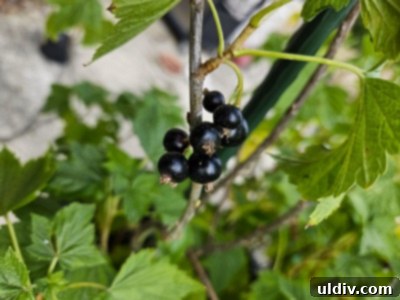
Just three years ago, my quest to find blackcurrant shrubs for my garden led me to an astonishing discovery. Google search results frequently mentioned a ban on growing blackcurrants in the US, and I couldn’t believe my eyes! As someone with roots in Europe, where blackcurrants and their myriad products – from jams and juices to the iconic Ribena in the UK – are incredibly popular and deeply embedded in culinary culture, this information was utterly baffling. My curiosity was immediately piqued; I had to learn more about this peculiar prohibition.
My research soon revealed a compelling historical narrative. In the early 20th century, specifically the 1920s, the US federal government implemented a widespread ban on the cultivation of blackcurrants. The reason behind this drastic measure was the perception that blackcurrant bushes (Ribes nigrum) acted as an intermediate host for *Cronartium ribicola*, commonly known as White Pine Blister Rust. This destructive fungal disease posed a significant threat to native white pine trees, which were, and still are, a crucial component of America’s timber industry and forest ecosystems. The concern was that eradicating blackcurrant plants would break the rust’s life cycle, thereby protecting the valuable pine forests.
For decades, this federal prohibition severely curtailed the presence and popularity of blackcurrants across the nation. While other berries like blueberries, raspberries, and strawberries flourished, blackcurrants languished in obscurity, largely absent from commercial agriculture and home gardens. The ban effectively erased them from the American palate and public consciousness, creating a stark contrast with their celebrated status in Europe.
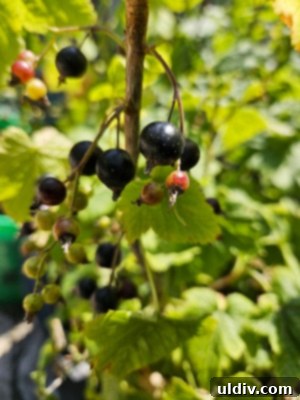
However, scientific understanding evolved, and in the 1960s, decades after its initial implementation, the federal ban was finally lifted. The responsibility for regulating blackcurrant cultivation was then devolved to individual states. This shift created a patchwork of regulations across the country. Some states, particularly those with significant white pine populations or strong historical forestry interests, maintained their own restrictions, while others embraced the opportunity to reintroduce blackcurrants.
As lucidly explained in the Library of Congress blog article, “America’s Blackcurrant Ban,” the lasting impact of this inconsistent approach is profound: “In some states, like New Hampshire, the cultivation of blackcurrants remains restricted. Less than a hundred miles away, in New York, farmers resumed cultivation in the early 2000s. This inconsistency could explain why blackcurrants still have not joined the popular ranks of their well-established fruit counterparts more than fifty years after federal growing restrictions ended.” This impeccably researched article offers a fascinating deep dive into the legal and historical nuances, and I wholeheartedly recommend it to anyone curious about this piece of American agricultural history.
The journey of blackcurrants in the US is a testament to the complex interplay of agriculture, ecology, economics, and law. Despite their long absence from the American culinary scene, these resilient berries are now slowly but surely making a comeback, championed by enthusiasts and innovative farmers in states where their cultivation is permitted.
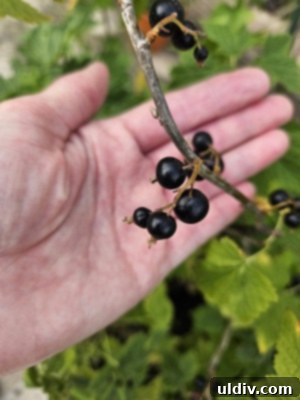
Blackcurrants: A Nutritional Powerhouse
Beyond their intriguing history, blackcurrants are celebrated worldwide for their exceptional nutritional profile, often earning them the title of “superfood.” Specialized literature consistently highlights the abundance of health-promoting compounds packed into these small, dark berries. The Healthline.com article “6 Health Benefits of Black Currant” provides an excellent overview, underscoring some of the remarkable qualities of these tiny fruits and even their leaves (which can be used to make healthful teas).
Blackcurrants are particularly renowned for their incredibly high Vitamin C content, often surpassing oranges in concentration. This makes them a powerful ally for immune system support and collagen production, crucial for healthy skin, hair, and nails. But the benefits don’t stop there. They are also rich in anthocyanins, potent antioxidants that give blackcurrants their distinctive deep purple color. These compounds are extensively studied for their anti-inflammatory properties, which can help reduce inflammation throughout the body and mitigate the risk of chronic diseases.
Furthermore, blackcurrants contribute to cardiovascular health by potentially decreasing plaque buildup in arteries and assisting in lowering blood pressure. Their high fiber content aids digestion and promotes gut health, while other antioxidants like polyphenols combat oxidative stress, protecting cells from damage caused by free radicals. This impressive array of vitamins, minerals, and phytonutrients positions blackcurrants as a truly remarkable fruit, deserving of a prominent place in a health-conscious diet. Incorporating them into your diet, whether fresh, frozen, in juice, or as a tea, is a delicious way to boost your overall well-being.
Our First Homegrown Blackcurrant Harvest: A Sweet Victory
Upon returning home from a recent family vacation, I was greeted by a delightful surprise in our garden: the blackcurrants from our bushes were finally ready to be picked! This marked our very first blackcurrant harvest, a moment of pure joy and satisfaction after waiting patiently. While the yield was modest, just a handful of precious fruits, each one felt like a tiny gem, a testament to nature’s bounty and our gardening efforts. The excitement of cultivating a fruit with such a compelling backstory made this small harvest feel incredibly significant.
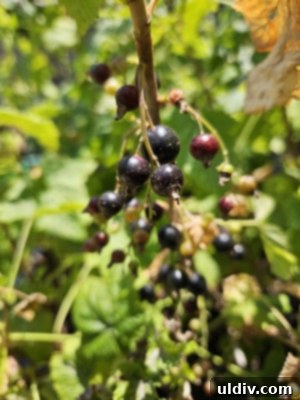
Culinary Adventures with Blackcurrants: Summer Delights
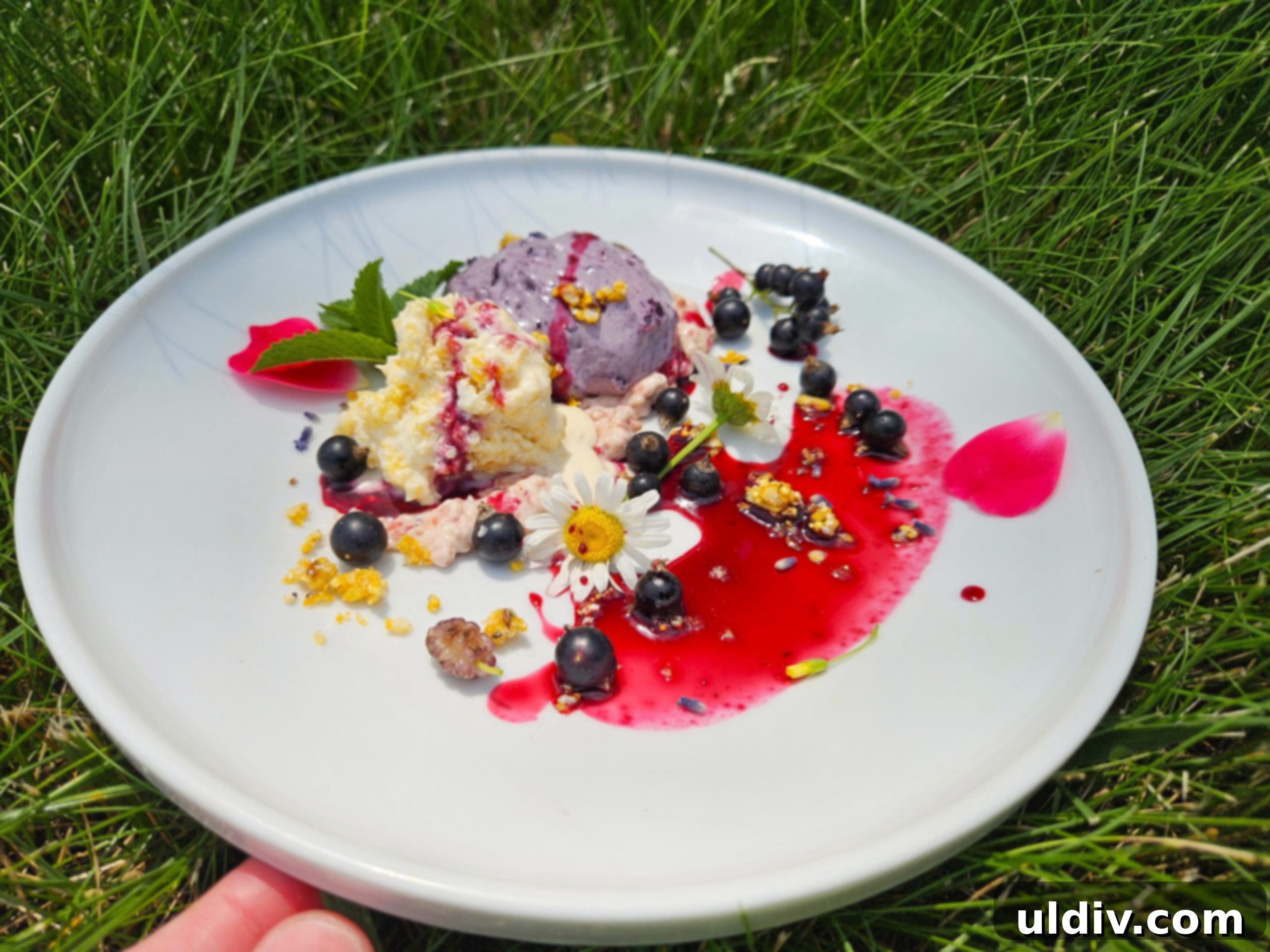
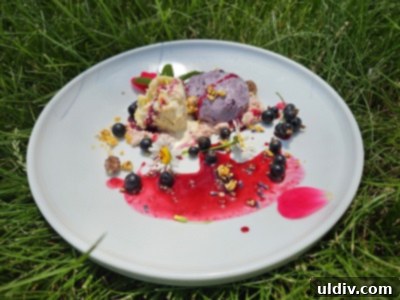
Naturally, the first thought was to transform these precious berries into something truly special. And what better way to celebrate summer’s bounty than with a refreshing dessert? I carefully used some of our homegrown blackcurrants as an exquisite garnish on a summery dessert plate. The star of the show was a scoop of creamy vanilla ice cream, generously sprinkled with Melissa’s Produce Clean Snax Coconut, Ginger & Turmeric – delightful little crunchy clusters that add a fantastic texture and exotic flavor (you can find my detailed review of these snacks here). The plate was further adorned with fresh mint leaves, sweet mulberries, and delicate edible flowers, creating a vibrant tableau of colors and flavors. The subtle tartness of the blackcurrants provided a perfect counterpoint to the sweetness of the ice cream and other elements, elevating the entire experience.
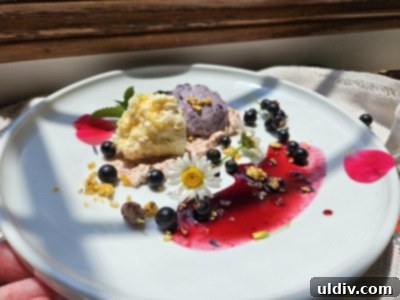
The resulting dessert was not just delicious but also a feast for the eyes. Each spoonful offered a symphony of textures and tastes – the creaminess of the ice cream, the crunch of the Clean Snax, the burst of fresh berries, and the refreshing hint of mint. It was a perfect embodiment of summer’s joy, made even more special by our homegrown blackcurrants.
Blackcurrants on Bagels: A Morning Obsession
Beyond desserts, blackcurrants have found a permanent and much-loved place in our breakfast routine, particularly as a bagel topping. I’ve developed a profound obsession with sourdough discard bagels ever since discovering Acts of Sourdough’s incredible recipe. It’s truly a game-changer for anyone looking to make delicious use of their sourdough discard. In the past two months alone, I must have baked at least ten batches of these chewy, satisfying bagels – including a batch carefully packed to accompany us on our family vacation! This recipe is not only fantastic for reducing food waste but also produces incredibly authentic and flavorful bagels that rival any bakery.
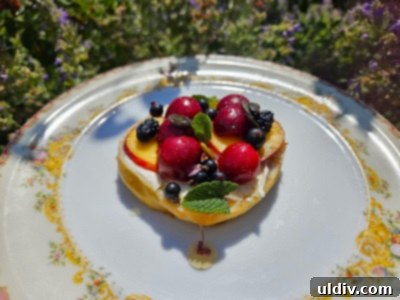
Our favorite way to enjoy them is toasting a fresh bagel, generously smearing it with rich cream cheese, and then loading it up with a vibrant medley of summer fruits. This includes sweet cherries, juicy peaches, and, of course, our cherished homegrown blackcurrants and mulberries. A scattering of fresh mint leaves adds a fragrant finish, and a delicate drizzle of homemade lilac honey completes this masterpiece. Each bite of this loaded bagel is an explosion of summer flavors – sweet, tart, creamy, and herbaceous. Seeing this colorful creation instantly fills me with happiness and anticipation for a delightful start to the day.
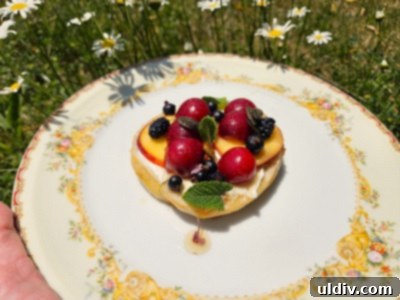
As summer inevitably begins to wane and the cooler seasons prepare to take hold, I know I will often revisit these vivid images. They serve as beautiful reminders of sun-drenched days, fresh harvests, and shared family meals. My heart will undoubtedly be full of nostalgia for these fleeting moments. I adore summer, and I often wish it could last forever. Thanks to these cherished pictures and the memories they encapsulate, I truly believe that summer’s spirit never truly leaves.
A Beloved Family Recipe: Blackcurrants in Sponge Cake
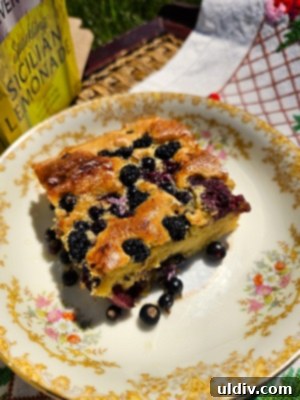
Last but certainly not least, blackcurrants recently starred in one of my all-time favorite sponge cakes – a cherished family recipe that holds immense sentimental value. This light, airy cake is the perfect canvas for showcasing the bright flavors of fresh fruit. I incorporated blackcurrants alongside other summer delights like sweet cherries, ripe mulberries, and tangy raspberries. The distinctive tartness of the blackcurrants proved to be a magnificent addition, cutting through the sweetness of the other fruits and adding a delightful zing to every bite.
The soft, tender texture of the sponge cake was ideal for highlighting the juicy goodness of this “fruitylicious” variety inside. To elevate it further, I drizzled a generous amount of fragrant lilac honey over the top, adding a subtle floral note that harmonized beautifully with the berries. And voilà! My sweet baked snack was ready, and it was undeniably, deliciously superb. This cake, bursting with the flavors of summer and a hint of spring from the lilac honey, perfectly encapsulates the joy of seasonal baking and the versatility of blackcurrants.
Share Your Blackcurrant Journey!
Whether you’re familiar with the intense flavor of blackcurrants, the sweeter notes of red currants, or the delicate taste of white currants, these berries offer a wonderful range of culinary possibilities. Do you have a favorite type of currant, or a beloved recipe that features these delightful fruits? I’d love to hear about your experiences and discoveries in the comments below! Let’s celebrate the resurgence of these incredible berries together.