

Mastering Homemade Pizza: Achieving Pizzeria Quality in Your Home Oven

There’s an undeniable magic in homemade pizza. Especially when the weather outside turns cold and snowy, the warmth of the oven and the promise of a freshly baked pizza transform the kitchen into a cozy sanctuary. More than just a meal, making pizza at home is an experience – from the tactile pleasure of kneading the dough to the art of selecting and arranging toppings, and finally, the intoxicating aroma that fills your home as it bakes. It’s a sensory journey that culminates in a truly satisfying culinary creation, a personal and family favorite that stands tall among cookies, breads, and cheesecakes.
Yet, the quest for that perfect, crispy-chewy crust and evenly cooked toppings, reminiscent of a true pizzeria, often leads home bakers to a common question: what’s the best way to bake pizza in a standard home oven? While professional brick ovens boast unparalleled heat and consistency, they are, understandably, not an option for most of us. Fortunately, renowned baker and cookbook author Peter Reinhart, in his insightful book American Pie: My Search for the Perfect Pizza, offers invaluable wisdom for transforming your everyday kitchen into a high-performance pizza station. Reinhart acknowledges the inherent limitations of home ovens, such as their lower maximum temperatures and less effective insulation, but provides a practical roadmap to overcome these challenges and achieve exceptional results.
Peter Reinhart’s Blueprint for Perfect Home Pizza
Reinhart emphasizes that while brick ovens are ideal “because of how the heat radiates and flows,” home ovens can still deliver outstanding pizza with the right techniques. His suggestions focus on maximizing the available heat and ensuring it reaches the pizza effectively. Let’s delve into his expert advice for various home baking scenarios.
Baking Without a Pizza Stone: The Sheet Pan Method
Not every kitchen is equipped with a pizza stone, and that’s perfectly fine. Reinhart offers an excellent solution for standard home ovens: utilizing a simple sheet pan. He advises brushing the pan lightly with olive oil before placing the shaped dough on it. This crucial step serves a dual purpose: it prevents the dough from sticking and, more importantly, facilitates a “frying” effect on the bottom of the crust as the oil heats up. This direct contact with hot oil creates a beautifully crisp bottom, a characteristic often hard to achieve in home ovens, while the cheese and toppings finish cooking above. For optimal results, place the sheet pan on the lowest shelf of your oven, closest to the heat source, to maximize the heat transfer to the crust.

Leveraging Your Oven’s Broiler Function
The broiler, often overlooked in pizza making, can be a powerful ally in your quest for the perfect pie. Reinhart suggests using the broiler function to preheat your oven intensely before you even introduce the pizza. This blasts the oven interior with high, top-down heat, mimicking some of the intense radiant heat of a professional pizza oven. Once your pizza is ready to go in, switch the oven to its regular baking setting. This strategy helps to ensure that both the crust and the toppings cook evenly and rapidly. The initial blast of high heat from the broiler can help achieve that desirable browning and bubbling on the cheese and toppings, while the subsequent baking cycle focuses on cooking the dough through. It’s a method that requires vigilance, as broilers can quickly burn delicate toppings, but when mastered, it significantly elevates the final product.
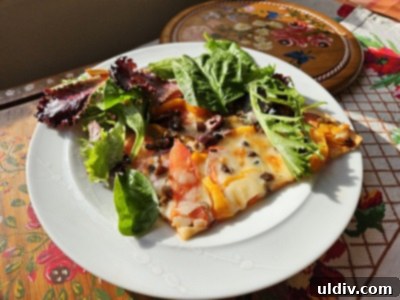
The Art of Proper Preheating: Patience is Key
When it comes to baking pizza, a quick 15-minute preheat simply won’t cut it. Reinhart strongly advocates for preheating your oven for at least 45 minutes, a significantly longer duration than what’s typically recommended for most other baked goods. This extended preheating period is critical because it allows the entire oven cavity – including the racks, walls, and any baking surfaces – to fully absorb and stabilize at the desired high temperature. This creates a much more consistent and powerful heat environment, which is essential for achieving a rapid rise (oven spring) in the crust and ensuring even cooking. A well-preheated oven acts as a reservoir of heat, providing the intense, consistent energy needed for that perfect pizzeria-style crust.
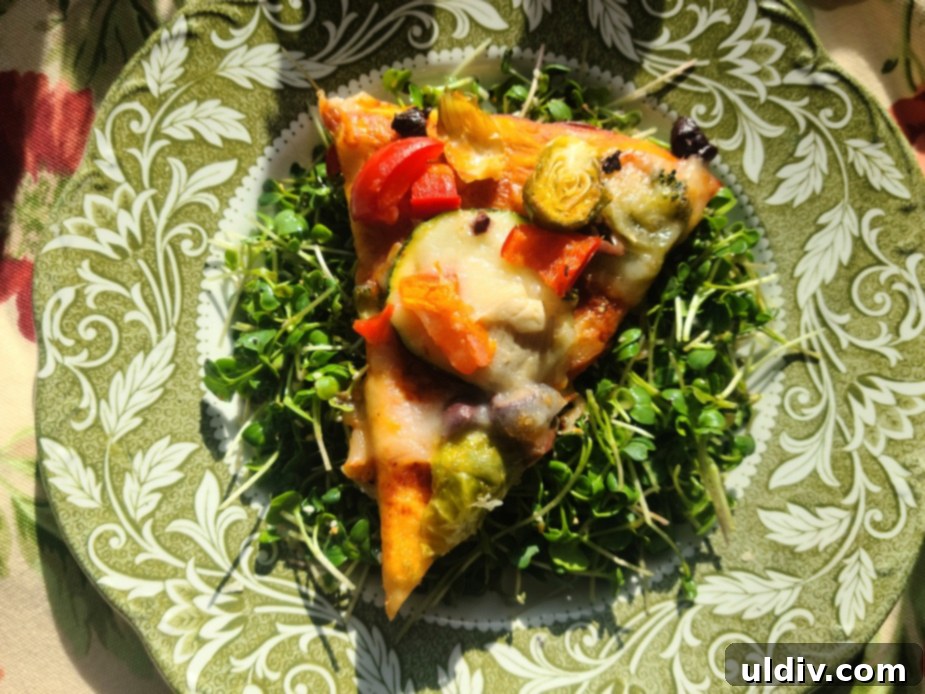
The Game Changer: Pizza Stones and Steels for Home Baking
Arguably the most impactful upgrade for home pizza baking is the addition of a pizza stone or, for an even more intense heat transfer, a pizza steel. Reinhart attests that these tools can make a “significant positive impact” on the quality of your homemade pizza. Their function is simple yet profound: they absorb and retain a tremendous amount of heat, then transfer that heat directly to the pizza crust, mimicking the super-hot surface of a brick oven floor. This intense, direct heat is what creates that desirable crispy, chewy texture and promotes rapid browning of the crust.
However, the trick, as Reinhart points out, lies in finding the optimal placement for your stone or steel within your specific oven, and this often requires a bit of experimentation. “Some ovens perform better with the stone closer to the bottom, while others do better with it on a higher shelf.” He cautions against the common assumption that the oven floor is always the best spot, noting that while it might work for some gas ovens, it’s “the least likely location for good thermodynamics in many other home ovens.” The ideal spot depends on your oven’s heating elements and how heat circulates. Start with the middle rack and adjust based on whether your crust or toppings cook too quickly or slowly.
Just like the oven itself, a pizza stone or steel requires ample time to properly absorb heat. Reinhart recommends at least one hour of preheat time for your oven and stone to reach and maintain the ideal temperature effectively. He further reiterates that combining this long preheat with an initial use of the broiler function can help bring the oven to an even more optimal temperature, creating an environment that closely simulates the intense heat of a professional pizza oven.

The Convection Oven Advantage
For those with a convection oven, Reinhart highlights another powerful tool. The convection function utilizes a fan to circulate hot air evenly throughout the oven cavity, making the distribution of heat far more efficient than conventional baking. This even, forced air heat can significantly enhance pizza baking, promoting more uniform browning and a slightly crispier crust. However, with this efficiency comes a need for careful monitoring. Reinhart warns that “any pizza will bake about 25 percent faster in a convection oven, with or without a stone, so you will need to keep your eye on it.” Adjusting baking times and potentially lowering the temperature slightly are crucial steps to prevent overcooking or burning.

Beyond Equipment: The Essence of a Great Pizza
While oven techniques and equipment are paramount, achieving the ultimate homemade pizza also touches upon other aspects. A well-hydrated, properly fermented dough provides the foundation for an incredible crust, offering a balance of chewiness and crispness. The quality and freshness of your ingredients – from the tomatoes in your sauce to the mozzarella and fresh basil – also play a significant role. Avoid overloading your pizza with too many toppings, as this can lead to a soggy crust and uneven cooking. Less is often more when it comes to pizza, allowing each flavor to shine and the crust to cook through beautifully.
My Personal Journey with Pizza Stones
Speaking from personal experience, while I confess I don’t use the convection setting of my oven as often as I probably should, I am an enthusiastic proponent of pizza stones. It’s been about 1 1/2 years since I incorporated them into my pizza-making routine, and I’ve noticed a truly significant improvement in the texture and crispness of my crusts. The difference is palpable, transforming good homemade pizza into something truly exceptional, closer to the quality I’d expect from a favorite pizzeria. The initial investment and learning curve are absolutely worth it for the consistently superior results.
Embrace the Art of Homemade Pizza
The journey to mastering homemade pizza in a standard oven is one of experimentation, patience, and a little bit of science. By applying Peter Reinhart’s expert advice, whether it’s through optimizing your sheet pan method, strategically using your broiler, committing to proper preheating, or investing in a quality pizza stone or steel, you can elevate your pizza game significantly. The joy of pulling a perfectly baked, golden-crusted, bubbling pizza from your own oven is a reward in itself. So, are you a fan of homemade pizza, or perhaps, like me, a convert to the magic of pizza stones? I’d love to hear about your experiences and tips in the comments below. Happy cooking and baking!