

Celebrating Freedom: A Comprehensive Guide to a Joyful 4th of July
As the summer sun shines brightly and anticipation fills the air, we extend our warmest wishes for a truly happy and peaceful 4th of July. This cherished federal holiday, officially known as Independence Day, holds a profound significance for all Americans. It’s a time to gather with loved ones, reflect on the nation’s foundational principles, and celebrate the enduring spirit of liberty that defines the United States. Beyond the dazzling fireworks and festive barbecues, the 4th of July is a powerful reminder of the values that bind us together as a nation.
Every year, on the fourth day of July, communities across the country burst into a vibrant tapestry of celebrations. From small town parades to grand city spectacles, the day is marked by a collective sense of pride and gratitude. It’s an opportunity to embrace the rich history that paved the way for modern American society and to look forward to a future built on freedom and unity. This guide will delve into the essence of Independence Day, exploring its historical roots, beloved traditions, and how you can make your celebration truly memorable and meaningful.
The Historical Tapestry: Why We Celebrate Independence Day
To truly appreciate the 4th of July, one must journey back to its origins. The date, July 4, 1776, marks the momentous adoption of the Declaration of Independence by the Continental Congress. This groundbreaking document, primarily authored by Thomas Jefferson, formally declared the thirteen American colonies’ separation from British rule. It was a bold and audacious step, a definitive break from monarchy, asserting the colonies’ right to self-governance and sovereignty. This act was not merely a political statement; it was a philosophical declaration of universal human rights.
The Declaration famously articulated the unalienable rights of “Life, Liberty and the pursuit of Happiness,” ideas that resonated deeply and continue to inspire movements for freedom worldwide. It was a revolutionary concept for its time, challenging the divine right of kings and asserting that governments derive their just powers from the consent of the governed. The signing of this document ignited the American Revolutionary War, a fierce struggle for independence that lasted for years but ultimately secured the freedoms we commemorate today.
The foresight and courage of the Founding Fathers, including figures like John Adams, Benjamin Franklin, and George Washington, laid the groundwork for a new nation founded on democratic principles. Their vision, enshrined in the Declaration and later the U.S. Constitution, established a republic where power resided with the people. Understanding this historical context enriches our celebrations, transforming them from mere festivities into heartfelt tributes to the sacrifices and ideals that forged the United States of America.
Enduring Traditions: How Americans Celebrate Freedom
The 4th of July is synonymous with a variety of cherished traditions that bring people together from all walks of life. These customs, passed down through generations, form the vibrant fabric of the nation’s most patriotic holiday.
Fireworks Displays: A Spectacle of Light and Sound
Perhaps the most iconic symbol of Independence Day is the spectacular fireworks display. As dusk settles, skies across the country ignite with brilliant bursts of color and thunderous booms, painting mesmerizing patterns against the night. These breathtaking pyrotechnic shows are a communal experience, drawing families and friends to parks, waterfronts, and public squares to marvel at the artistry in the sky. Professional displays, often synchronized to patriotic music, symbolize the “rockets’ red glare, the bombs bursting in air” described in “The Star-Spangled Banner,” reminding us of the nation’s arduous fight for freedom. While personal use of fireworks varies by state and locality, the shared experience of watching a grand public show remains a quintessential part of the holiday.
Patriotic Parades: Marches of Community and Pride
From bustling city avenues to quaint small-town main streets, 4th of July parades are a cornerstone of the celebration. These lively processions feature everything from marching bands playing patriotic tunes and decorated floats depicting historical scenes to local community groups, veterans, and emergency services personnel. Children wave small American flags with glee, and spectators line the streets, dressed in red, white, and blue, cheering for their neighbors and heroes. Parades are a powerful expression of community spirit and national pride, showcasing the diverse tapestry of American life united under one flag.
Backyard Barbecues and Family Gatherings: The Heart of the Celebration
Beyond the public spectacles, the 4th of July is deeply rooted in personal connections. Backyard barbecues and family gatherings are a beloved tradition, offering a chance for loved ones to come together over delicious food and camaraderie. Grills sizzle with classic American fare: hot dogs, hamburgers, ribs, and corn on the cob. Potluck spreads feature an array of salads, desserts, and refreshing beverages, often incorporating the holiday’s signature red, white, and blue colors. These relaxed, informal gatherings are where memories are made, stories are shared, and the bonds of family and friendship are strengthened, embodying the pursuit of happiness promised in the Declaration.
Flags and Decorations: A Sea of Red, White, and Blue
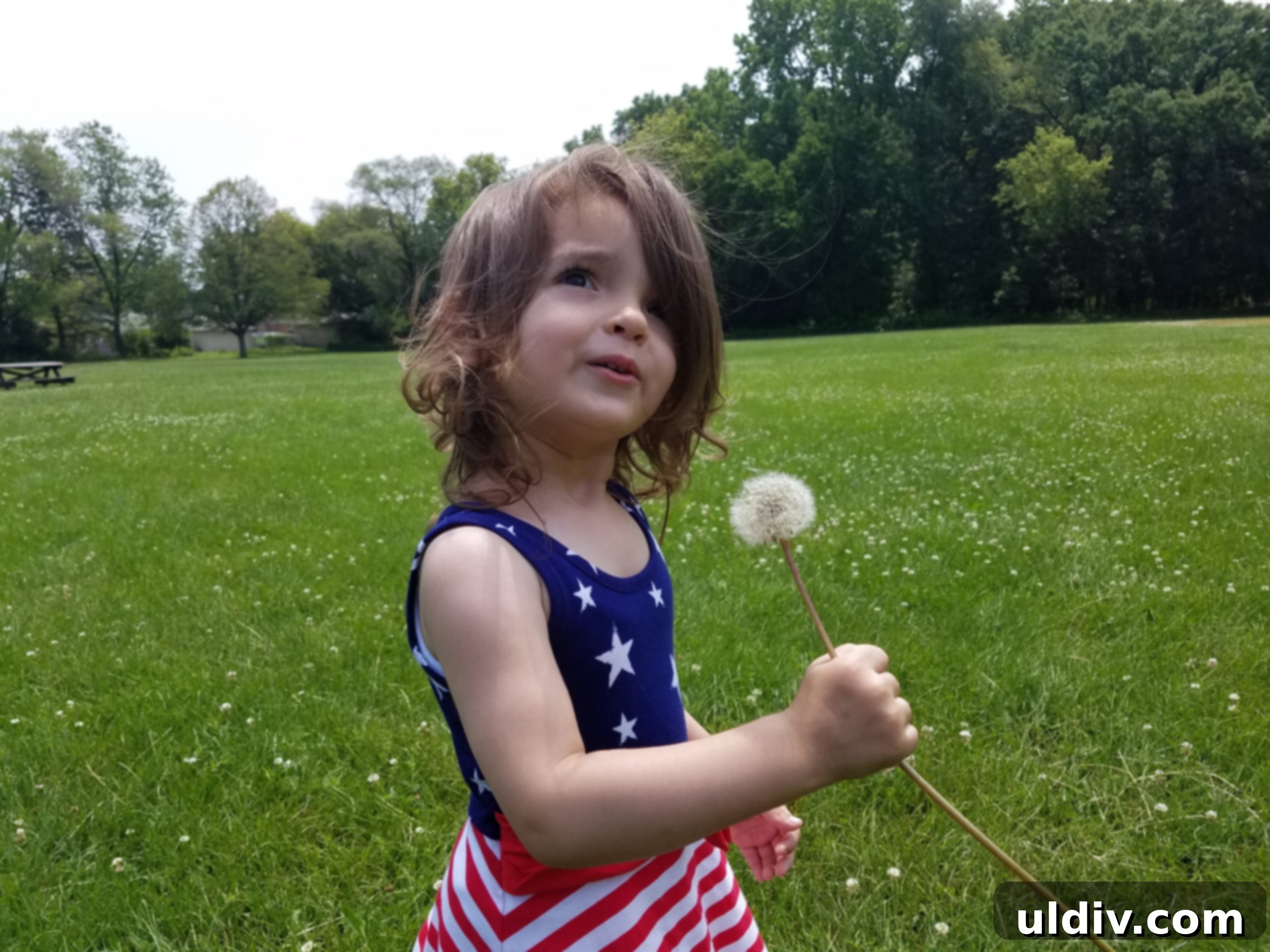
On Independence Day, homes, businesses, and public spaces are adorned with patriotic decorations. The American flag takes center stage, proudly displayed in countless forms and sizes. Bunting, streamers, balloons, and lanterns in shades of red, white, and blue transform neighborhoods into festive showcases of national pride. Children often wear patriotic clothing, and even pets might get in on the spirit with themed accessories. This visual expression of patriotism creates a festive atmosphere, visibly uniting communities in celebration of their shared heritage.
The Symbols of Freedom: What the 4th of July Represents
The 4th of July is rich with symbolism, each element serving as a powerful reminder of the nation’s values and history.
- The American Flag: With its 13 stripes representing the original colonies and 50 stars symbolizing the current states, the “Stars and Stripes” is the most potent symbol of the United States. Its colors—red for valor, white for purity, and blue for justice—evoke the principles upon which the nation was founded.
- The National Anthem: “The Star-Spangled Banner”: Penned by Francis Scott Key during the War of 1812, this anthem recounts the resilience of the American spirit during conflict. Singing or listening to it evokes a sense of shared history and perseverance.
- Iconic Landmarks: While not physically present for every celebration, images of the Liberty Bell, the Statue of Liberty, and monuments in Washington D.C. frequently appear in 4th of July imagery, serving as powerful visual reminders of freedom and democracy.
- Core Values: More than just physical symbols, the 4th of July represents enduring ideals: liberty, democracy, equality, and the unyielding pursuit of happiness for all its citizens. It’s a day to reflect on how these values continue to shape the nation.
Fostering Community and Unity on Independence Day
One of the most beautiful aspects of the 4th of July is its ability to bring people together. Regardless of background, political affiliation, or personal beliefs, the holiday provides a common ground for celebration and reflection. Community events, such as local concerts in the park, charity runs, or historical reenactments, encourage participation and foster a sense of belonging. It’s a day when neighbors connect, strangers share smiles, and the collective identity of being American is celebrated in its diverse forms. This unity is not about conformity but about appreciating the shared ideals that allow for individual freedoms to flourish within a cohesive society.
Planning Your Perfect 4th of July Celebration
To ensure your Independence Day is as joyous and memorable as possible, a little planning goes a long way. Here are some tips to help you craft the perfect celebration.
Safety First: Enjoying Fireworks Responsibly
While fireworks are a highlight, safety must always be the top priority. It is highly recommended to attend professional public displays, which are managed by experts and offer the safest and most spectacular experience. If using legal consumer fireworks where permitted, always follow local regulations, read instructions carefully, keep water nearby, and supervise children closely. Never allow young children to handle fireworks, and always maintain a safe distance from ignition points. A safe celebration is a happy celebration.
Culinary Delights: Crafting Your Festive Menu
Food is central to any great 4th of July gathering. Plan a menu that is easy to prepare and serve for a crowd. Classic BBQ fare is a must, but consider adding creative twists. Red, white, and blue themed desserts, like berry trifles, fruit skewers, or frosted cupcakes, add a festive touch. Don’t forget refreshing drinks like lemonade, iced tea, or sparkling water infused with fruit. Preparing some dishes in advance can help you relax and enjoy the day more fully with your guests.
Activities for All Ages: Beyond the Barbecue
Keep everyone entertained with a variety of activities. Lawn games like cornhole, horseshoes, or frisbee are perfect for outdoor fun. Set up a craft station for kids to make patriotic decorations or flags. Storytelling about historical events or sharing personal family traditions can add a meaningful layer to the day. Consider creating a patriotic music playlist that ranges from historical marches to modern pop. For those who enjoy an intellectual pursuit, visiting a local historical site or museum can provide a deeper connection to the nation’s past.
The Enduring Legacy: Reflecting on Freedom Today
As the fireworks fade and the laughter echoes, the 4th of July invites a moment of reflection. The principles laid out in 1776—liberty, equality, and self-governance—remain cornerstones of American society. While the nation has evolved significantly since its founding, the continuous pursuit of a “more perfect Union” is a testament to the enduring power of these ideals. Independence Day serves as a poignant reminder of the responsibilities that come with freedom: to participate actively in democracy, to uphold justice, and to strive for a society where all individuals can thrive.
It is a day to honor the sacrifices of those who fought for freedom and to acknowledge the ongoing work required to ensure those freedoms extend to everyone. This holiday encourages us to appreciate the diversity that strengthens the nation and to commit to fostering an inclusive and equitable future. It’s a time to renew our understanding of what it means to be a citizen in a democratic society.
As you celebrate this year, may your 4th of July be filled with profound happiness, cherished moments with your loved ones, and a deep sense of peace. Embrace the joyous traditions, reflect on the rich history, and let the spirit of independence inspire you. Have a truly memorable and meaningful celebration!