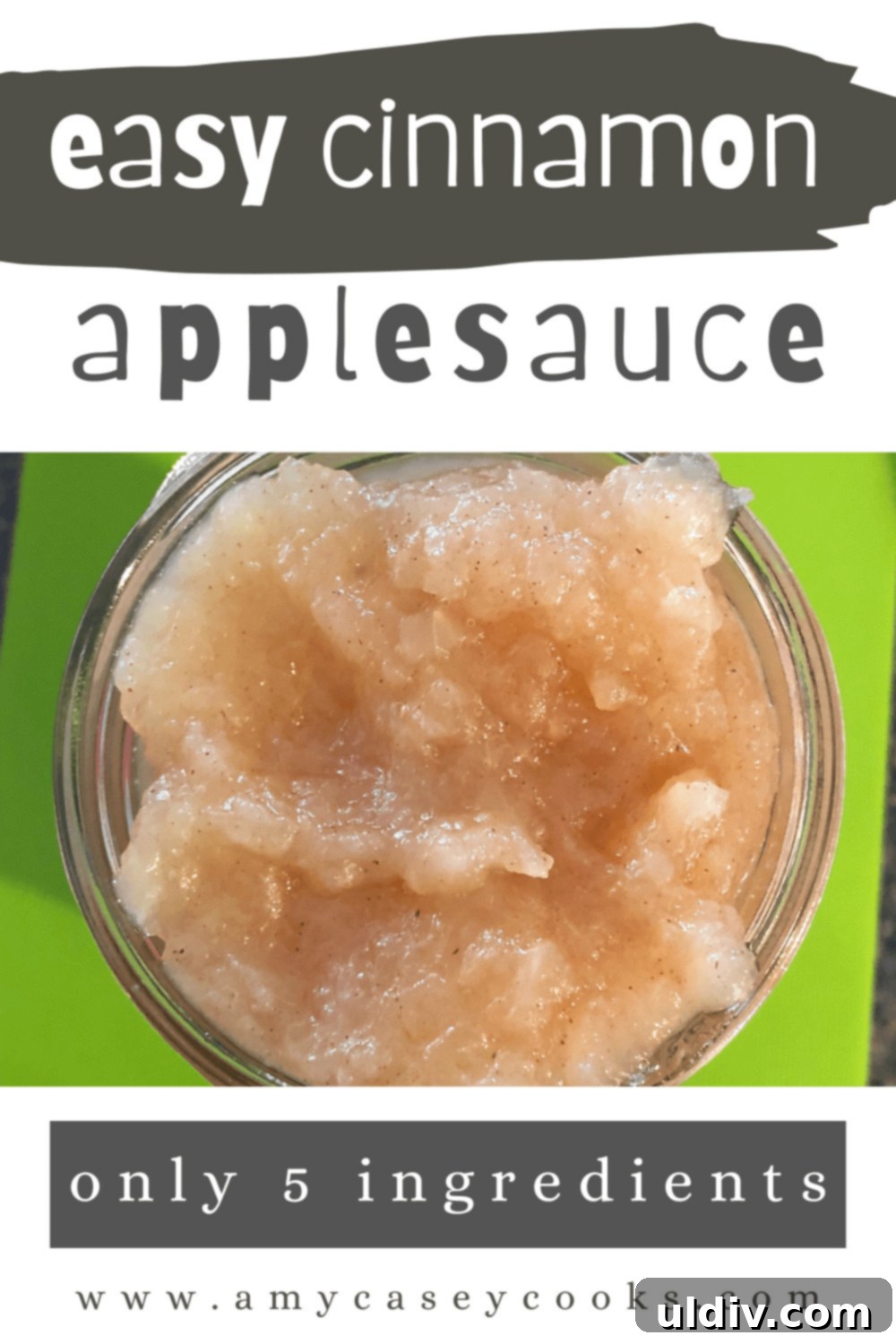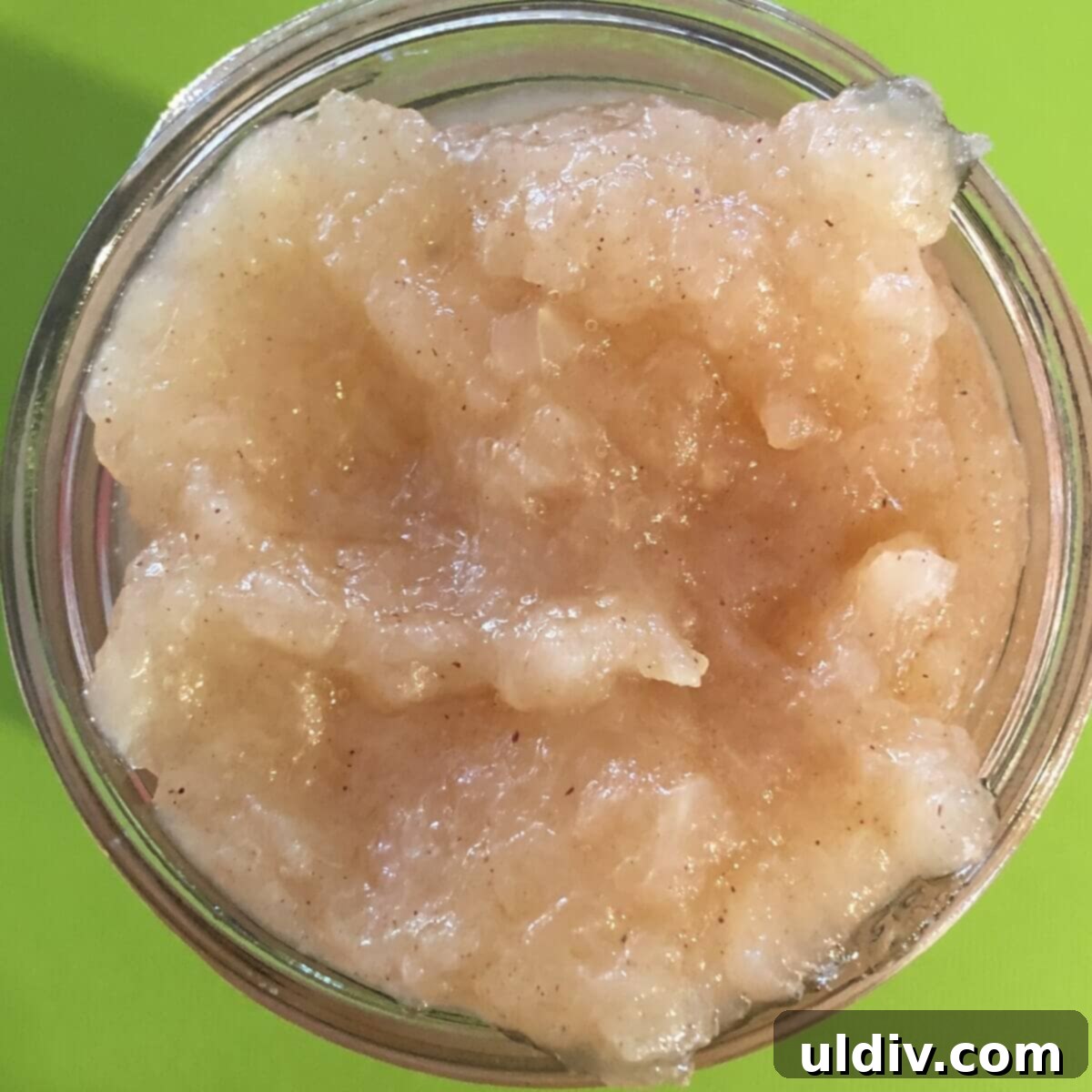
As autumn leaves begin to fall and a crisp coolness fills the air, a delightful tradition awakens in kitchens everywhere: the making of homemade applesauce. For my personal chef clients, the request for this comforting classic rolls in every year without fail, a testament to its universal appeal. This easy-to-follow recipe will show you **how to make applesauce from whole apples** in just about 30 minutes, using only five simple ingredients. The result is a vibrant, flavorful applesauce that far surpasses anything you’d find on a grocery store shelf, brimming with a wholesome, nostalgic taste that evokes cherished memories.
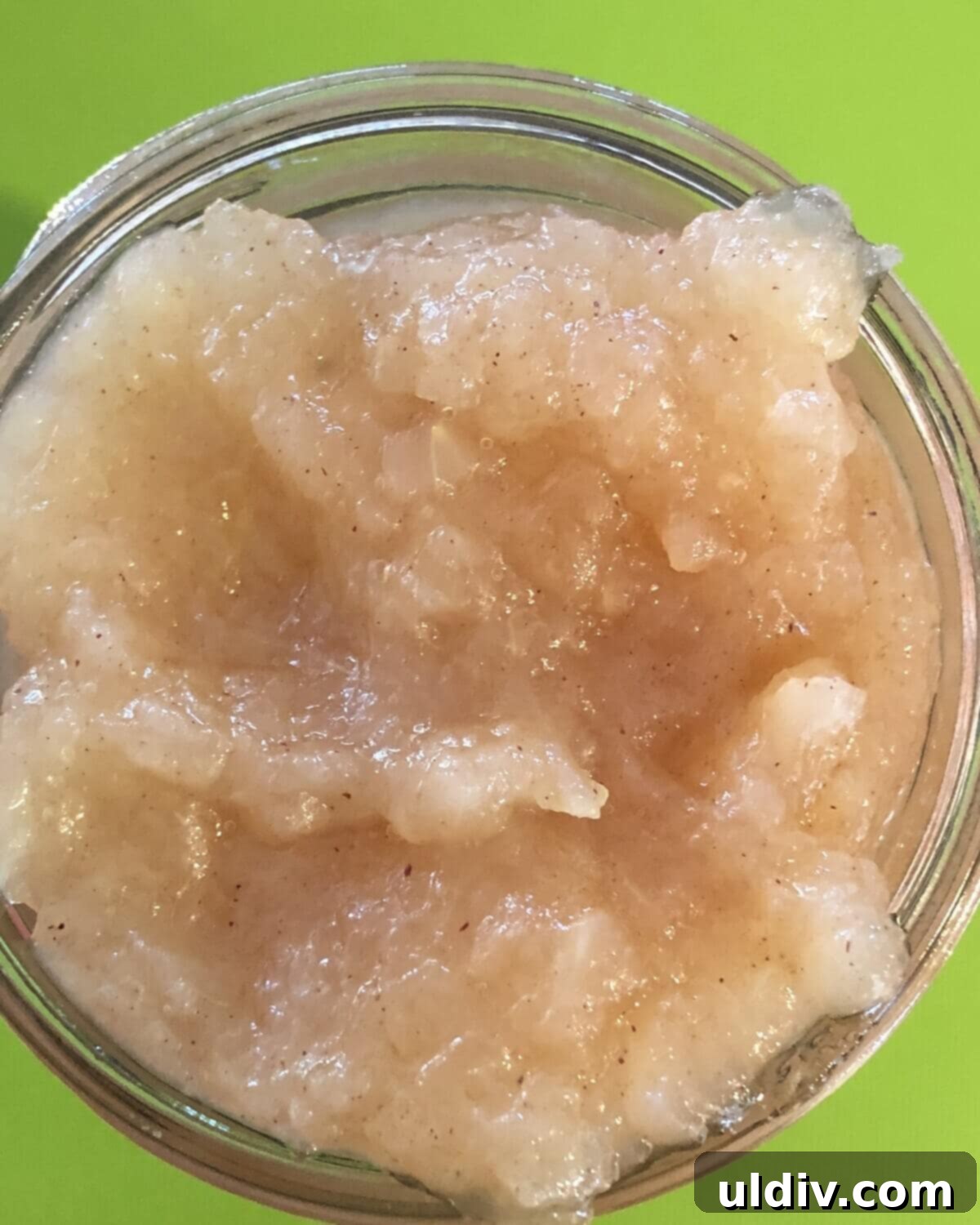
Growing up, applesauce was a staple in our home, especially during the fall season. My Mom would bring home a colossal bushel of fresh apples from a local orchard, destined to be transformed into two autumn favorites: homemade applesauce and her legendary apple crumb pie. I vividly recall the kitchen table, covered with old newspapers, upon which mountains of apple peels would accumulate. I’d watch, mesmerized, as she deftly peeled an entire apple in one long, unbroken ribbon using just a simple paring knife. The air would fill with the intoxicating aroma of apples simmering on the stovetop, a scent that instantly signaled the arrival of fall and cozy days. It’s this very aroma that transports me back to those cherished childhood moments each time I prepare this **homemade applesauce recipe** today. What began as a personal tradition soon became a highly requested item from my personal chef clients, quickly elevating it to a **must-make dish** on their fall menus.
Why You’ll Love This Homemade Chunky Applesauce Recipe
In our fast-paced lives, it’s undeniably convenient to simply grab a jar of applesauce from the grocery store. However, with the incredible array of fresh, delicious apple varieties readily available each season, taking just 30 minutes to create a batch of homemade chunky applesauce is an incredibly rewarding experience. This simple, one-pot recipe practically makes itself, requiring minimal effort for maximum flavor. Infused with the pure essence of fresh apples and a hint of warm cinnamon, you’ll discover a depth of flavor that store-bought versions simply can’t match. Once you taste the difference, you’ll never want to go back to pre-packaged applesauce again.
You’ll appreciate this delicious homemade applesauce for many reasons:
- Effortlessly Simple: The most hands-on part of this recipe is peeling and coring the fresh apples, an activity I personally find quite therapeutic. It’s a wonderful opportunity to relax your mind and let your thoughts wander while preparing a truly wholesome dish.
- Minimal Ingredients: You only need a handful of basic ingredients: fresh apples, sugar, water, cinnamon, and a touch of kosher salt. These simple components combine to create an extraordinary flavor.
- Rich, Complex Flavor Profile: Unlike the often bland taste of mass-produced applesauce, homemade versions boast a much more sophisticated taste. You get a delightful balance of sweet and tart notes, along with the natural essence of the chosen apple varieties, creating a truly memorable culinary experience.
- Incredibly Versatile: This applesauce isn’t just a snack; it’s a culinary chameleon! Serve it warm or chilled. Use it as a delightful topping for pancakes or French toast, either on its own or alongside a drizzle of pure maple syrup. Incorporate it into baking recipes as a natural sweetener or moistening agent. Spoon it over vanilla ice cream for a simple yet elegant dessert. It also makes a fantastic addition to a charcuterie board, offering a sweet counterpoint to savory cheeses, and is a classic accompaniment to savory dishes like pork chops or roasted chicken.
Ingredients & Substitutions for the Best Applesauce
Crafting the perfect batch of homemade applesauce requires only five fundamental ingredients. Should you wish to experiment, here are some thoughtful substitutions. For precise quantities, please refer to the comprehensive recipe card below.
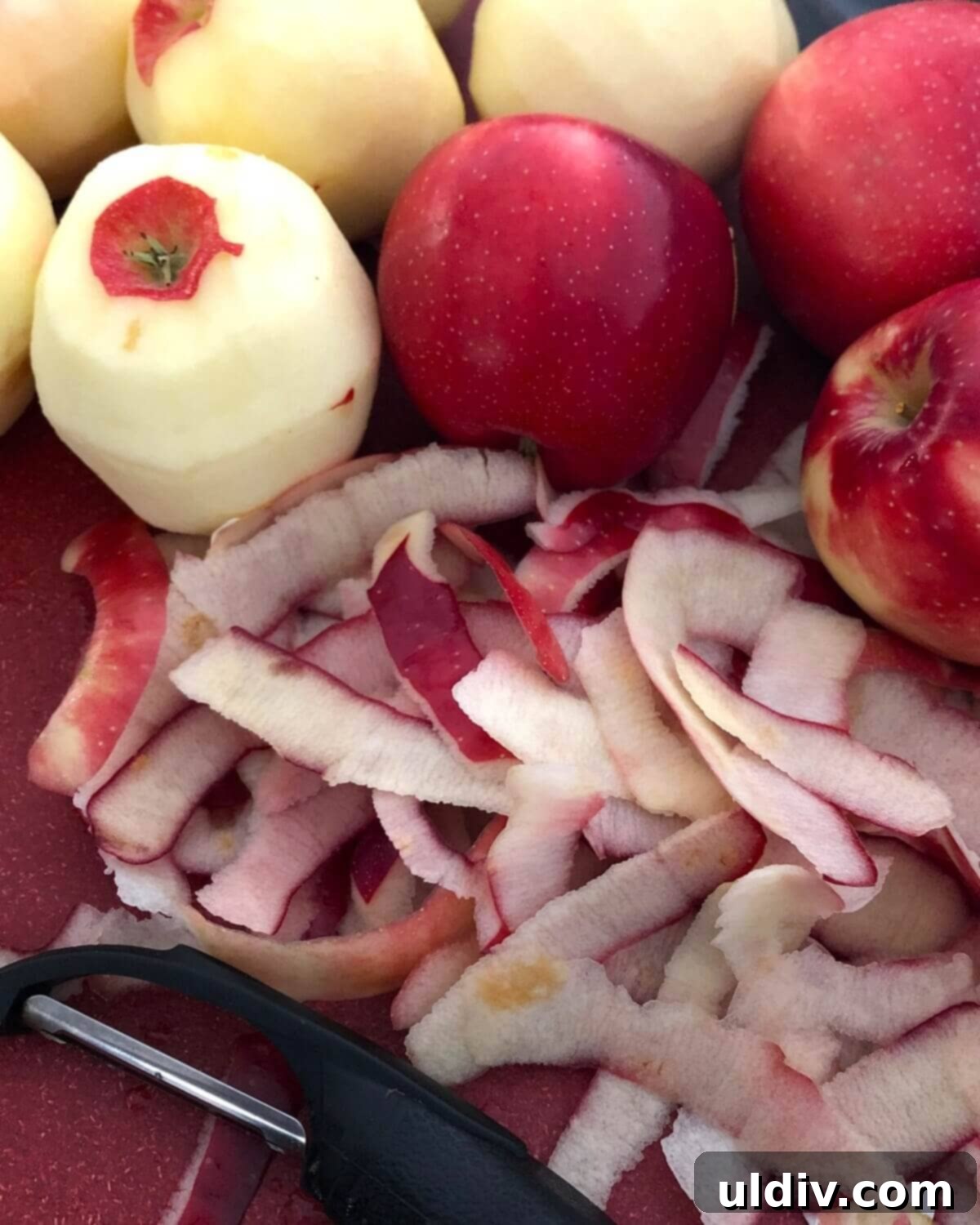
- Apples: The star of our show! Selecting the right variety makes all the difference. See my detailed tips below for choosing the best apples to achieve your desired applesauce texture and flavor.
- Granulated Sugar: This provides a touch of sweetness to balance the tartness of the apples. For a deeper, more caramel-like flavor, consider using light brown sugar or even dark brown sugar as alternatives. You can also adjust the amount to your personal preference, or use natural sweeteners like honey or maple syrup for a different character.
- Cinnamon: Ground cinnamon infuses the applesauce with its signature warm spice. For an even more intense and slow-release flavor, you can toss a whole cinnamon stick into the pot during simmering and remove it before serving. Other warm spices like a pinch of nutmeg, allspice, or ground cloves can also be added for complexity.
- Water: Essential for helping the apples break down and preventing them from sticking. For an extra boost of apple flavor, substitute part or all of the water with apple juice or apple cider. This will deepen the apple notes considerably.
- Kosher Salt: Just a small pinch of salt is crucial. It doesn’t make the applesauce taste salty, but rather enhances and brightens all the other flavors, making the sweetness and apple notes more pronounced.
What Are the Best Apples for Homemade Applesauce?
The world of apples is incredibly vast and varied, with over 2,500 different kinds grown in the United States alone! This abundance can make choosing the perfect apple for homemade applesauce seem daunting. However, after extensive research and testing, I’ve discovered that there isn’t just one “perfect” apple; rather, there are hundreds that can create a fantastic applesauce, each contributing unique qualities. Some popular choices include:
- Fuji
- Golden Delicious
- McIntosh
- Braeburn
- SweeTango
- Rome Beauty
- Cortland
- Honeycrisp
- Granny Smith (often combined with sweeter varieties for balance)
Each of these apple types brings its own unique balance of sweet, tart, or tangy notes, along with different textures when cooked, contributing to the overall character of your thick applesauce. Some apples break down quickly into a smooth consistency, while others retain more of their shape, creating a chunkier texture.
For this specific recipe, I’ve found SweeTango apples to be an exceptional choice for a couple of key reasons:
- Perfect Texture: When cooked, SweeTango apples beautifully break down, yielding a delightful consistency that is partly smooth and partly chunkier. This creates an applesauce that is both comforting and interesting to eat, with satisfying bites of tender apple.
- Balanced Flavor: The SweeTango apple offers a fantastic flavor profile, a harmonious cross between the crisp sweetness of a Honeycrisp (with subtle hints of citrus) and the tart, tender flesh of a McIntosh. Both Honeycrisp and McIntosh are highly regarded varieties for their superb cooking qualities, making SweeTango an ideal hybrid for applesauce. For even more complexity, feel free to combine two or three different apple varieties. For instance, pairing a sweeter apple like Fuji or Golden Delicious with a tarter one like Granny Smith or Cortland can result in a beautifully balanced flavor.
How to Make Homemade Chunky Applesauce: A Step-by-Step Guide
Making your own homemade chunky applesauce is a truly rewarding experience, and it’s simpler than you might think! Gather your basic ingredients and everyday kitchen tools, and follow these straightforward steps to transform whole apples into a delicious, wholesome treat. This section provides a brief overview of the process; for complete, detailed instructions and precise measurements, please refer to the recipe card below.
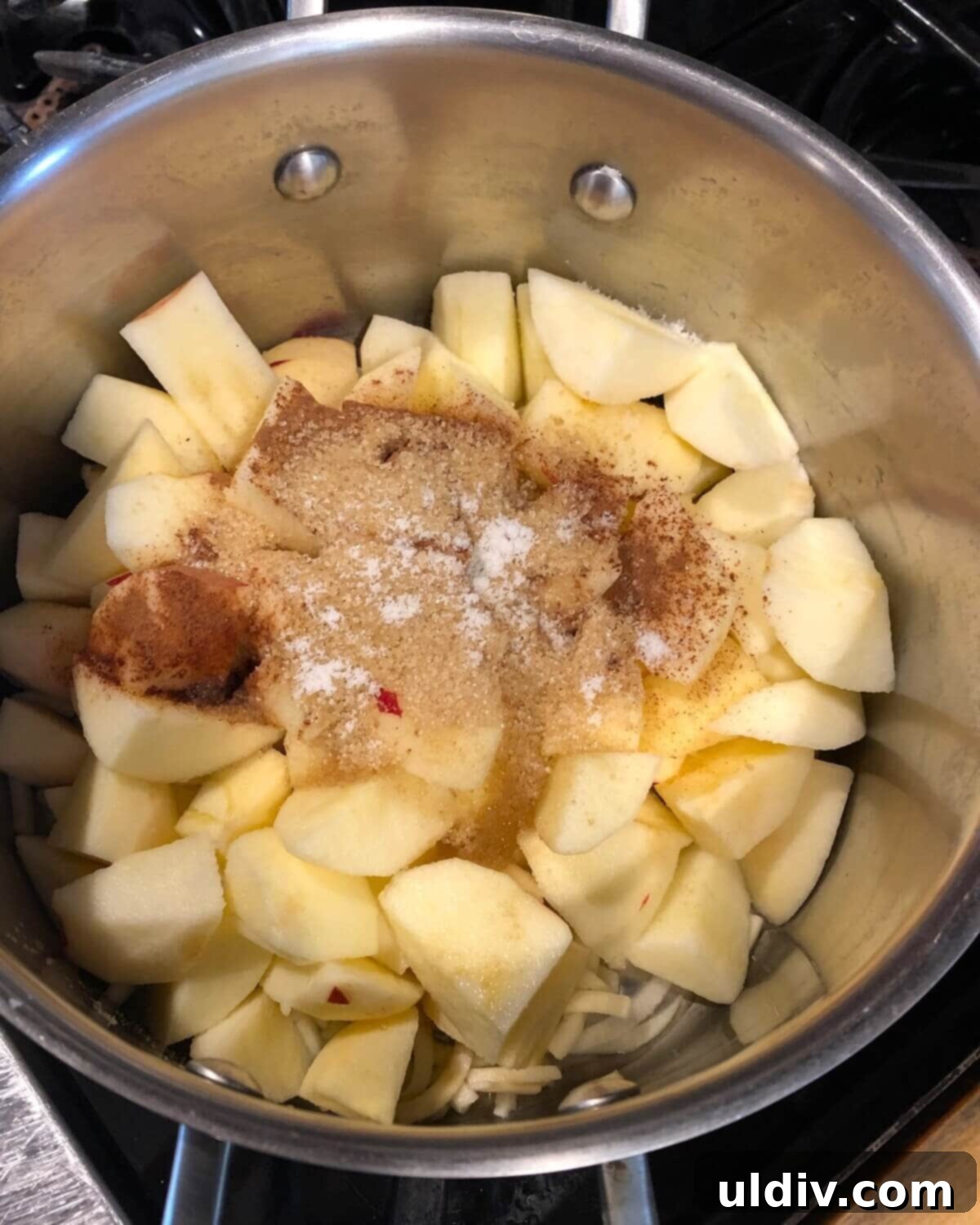
To yield approximately 1 quart (or 4 cups) of this delightful applesauce, you’ll need about 4 pounds of apples, which typically translates to around 10 medium-sized apples.
- Prepare the Apples: Begin by thoroughly washing your apples. Then, using a vegetable peeler or a sharp paring knife, carefully peel each apple. Once peeled, core the apples to remove all seeds and the fibrous core. Finally, chop the cored apples into roughly 1-inch chunks. Consistency in size helps them cook evenly.
- Combine Ingredients: Place all the chopped apple chunks into a large, heavy-bottomed pot or Dutch oven. Add the granulated sugar, ground cinnamon, kosher salt, and water (or apple juice/cider for a richer flavor).
- Simmer to Perfection: Bring the mixture to a brisk boil over medium-high heat, stirring occasionally to ensure the sugar dissolves and the spices are well distributed. Once boiling, reduce the heat to low, cover the pot tightly with a lid, and let it simmer gently for about 20 to 25 minutes. During this time, the apples will soften and begin to break down, releasing their natural juices and mingling with the spices.
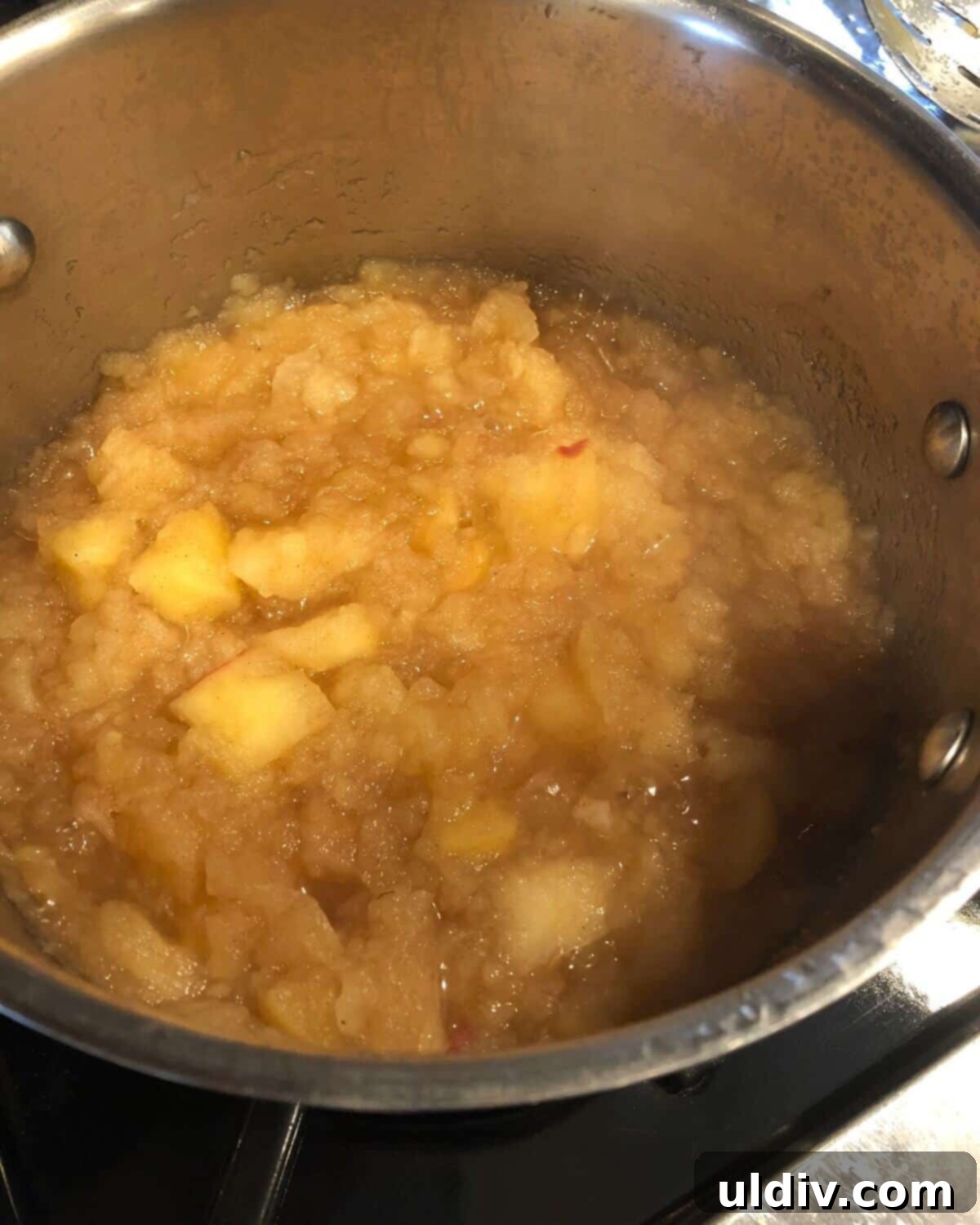
After about 20 minutes, check the apples for tenderness. They should be very soft. The finished applesauce will have a lovely texture, featuring a slightly smooth base with just enough tender apple chunks remaining to provide an interesting and satisfying mouthfeel. Stir gently to further break down any larger pieces if desired, or mash lightly with a potato masher for a chunkier consistency.
Once you’ve achieved your desired texture, remove the pot from the heat and allow the applesauce to cool completely before packaging it for storage. This cooling process allows the flavors to meld beautifully and ensures safe storage.
Hint: It’s crucial to remove all seeds and the core from the apples before cooking them. Apple seeds can contain compounds that become bitter when cooked, and the hard core pieces are simply unpleasant in applesauce.
Creative Variations to Elevate Your Applesauce
While this classic applesauce recipe is perfect as is, it also serves as a wonderful base for culinary creativity. Experiment with these variations to truly make it your own and discover new favorite flavor combinations:
- Infuse with Dried Fruit: For added sweetness, chewiness, and a burst of flavor, stir in about ½ cup of dried cranberries, blueberries, cherries, or even chopped raisins after the applesauce has finished cooking and is still warm. The residual heat will plump the dried fruit beautifully.
- Achieve a Silky Smooth Texture: If you prefer a baby-food-like consistency, or simply a velvety smooth applesauce, use an immersion blender directly in the pot to blend the cooked apples until smooth. Alternatively, you can carefully transfer the cooked applesauce to a regular blender or food processor and blend until it reaches your desired creaminess.
- Spice It Up: Beyond cinnamon, consider adding other warm spices like a pinch of ground nutmeg, a whisper of allspice, or a hint of ground cloves to the pot while simmering. For an unexpected kick, a tiny pinch of cayenne pepper can add a subtle warmth and intriguing depth without making it overtly spicy. Lemon zest or a splash of lemon juice stirred in at the end can also brighten the flavors.
- Vanilla Essence: A teaspoon of pure vanilla extract added after cooking can impart a lovely aromatic sweetness that complements the apples beautifully.
- Roasted Applesauce: For a deeper, more caramelized flavor, try roasting the apple chunks in the oven with a little sugar and cinnamon before simmering them with water. This extra step develops a richer flavor profile.
Recommended Kitchen Equipment
Having the right tools can make the process of making homemade applesauce even more enjoyable and efficient. Here’s a list of kitchen utensils and equipment I recommend for this easy applesauce recipe:
- Vegetable Peeler: Essential for quickly and safely removing apple skins. A sharp peeler makes this task a breeze.
- Chef’s Knife: A good quality, sharp chef’s knife is indispensable for coring and chopping apples efficiently.
- Cutting Boards: Always use a sturdy cutting board to protect your countertops and provide a stable surface for chopping.
- 6-Quart Pot (Dutch Oven or Stockpot): A large, heavy-bottomed pot is ideal for simmering the apples. The heavy bottom helps distribute heat evenly and prevents sticking.
- Metal Measuring Spoons: For accurately measuring the cinnamon, salt, and any other spices.
- Spatula or Wooden Spoon: For stirring the applesauce while it cooks and mashing it to your desired consistency.
- 1-Quart Glass Jars: Perfect for storing your freshly made applesauce in the refrigerator. Glass jars are durable and allow you to see the contents clearly.
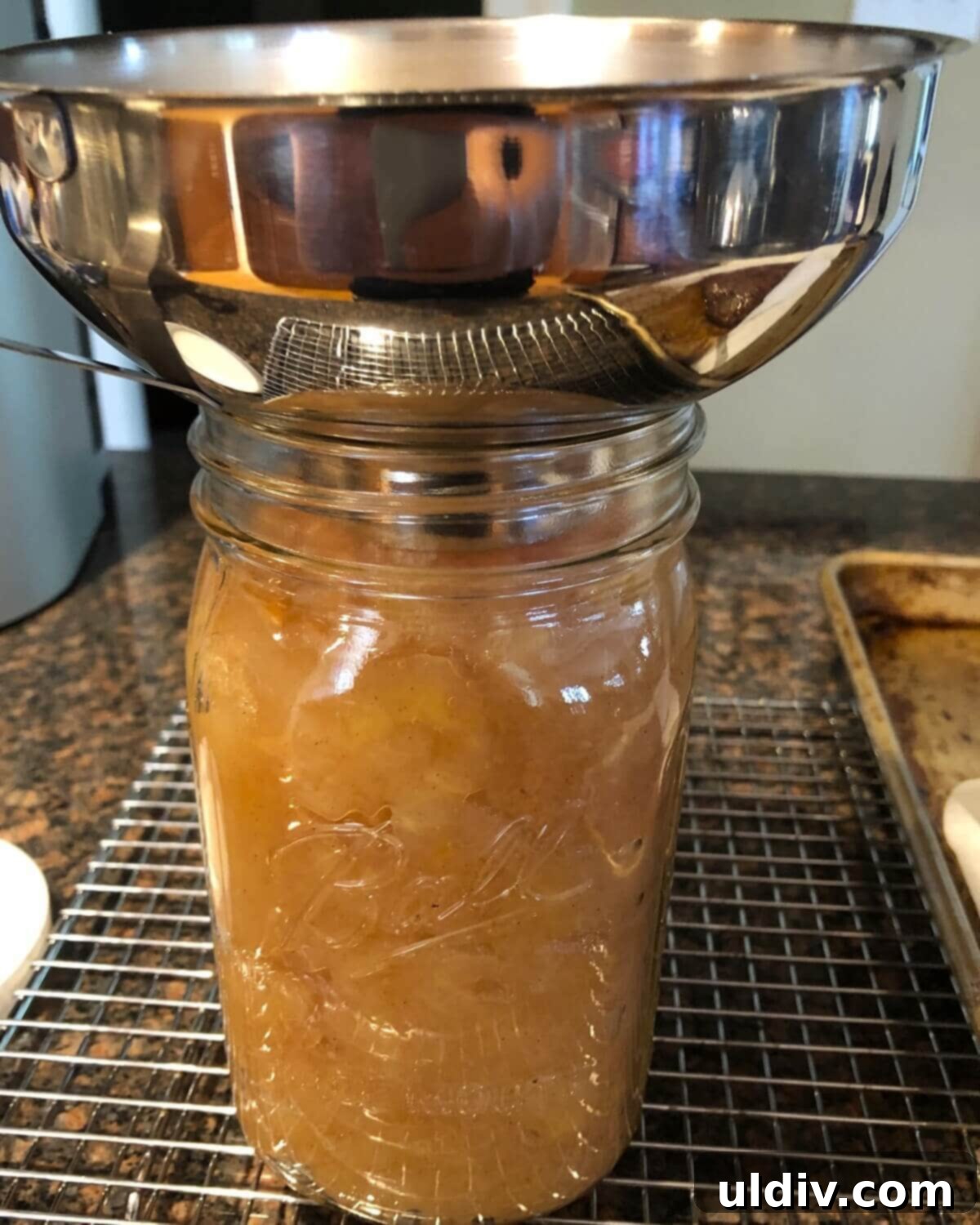
- Wide Mouth Funnel: This simple tool is incredibly helpful for transferring the applesauce into jars without making a mess, ensuring a clean and efficient canning process.
Storage Tips for Your Homemade Applesauce
Proper storage is key to enjoying your delicious homemade applesauce for as long as possible. Remember, whether you plan to refrigerate or freeze your applesauce, it must be completely cooled before packaging. This prevents condensation and inhibits bacterial growth.
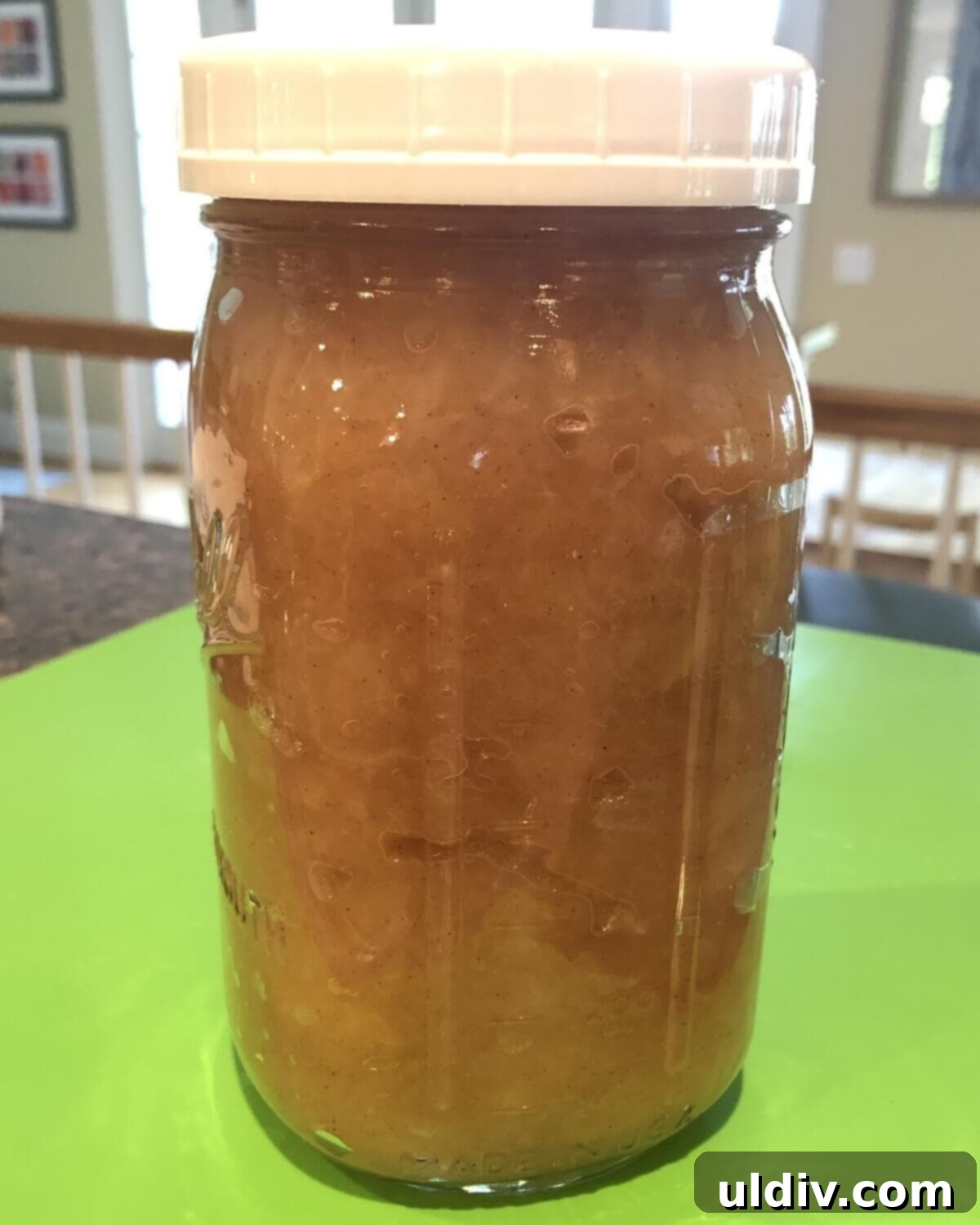
- Refrigerator Storage: Store freshly made chunky applesauce in an airtight container in the refrigerator. I highly recommend using 1-quart glass jars for this purpose. When stored correctly, your homemade applesauce will remain fresh and delicious for up to 10 days. Always ensure the lid is sealed tightly to prevent air exposure.
- Freezer Storage: For longer-term preservation, applesauce freezes beautifully. Once completely cooled, transfer the applesauce into large resealable freezer bags or freezer-safe containers. If using bags, lay them flat in the freezer until solid to save space. You can also freeze it in smaller portions (e.g., ice cube trays) for convenient individual servings. Properly frozen applesauce will maintain its quality for up to 1 year. To thaw, simply transfer it to the refrigerator overnight or gently warm it on the stovetop from frozen.
Amy’s Top Tip for Perfect Applesauce
The secret to truly outstanding homemade applesauce lies in attentive cooking. **Do not overcook the apples.** Overcooking can cause the apples to lose their vibrant, distinctive apple flavor, resulting in a bland and watery consistency. Keep an eye on the tenderness of the apples; once they’ve softened to your desired texture and are easily mashable, remove them from the heat. This ensures maximum flavor, a desirable texture, and prevents the applesauce from becoming thin and unappetizing.
Frequently Asked Questions About Homemade Applesauce
Yes, absolutely. The core contains bitter seeds and tough, fibrous portions that are undesirable in smooth or chunky applesauce. After peeling the apples, it’s best to cut large chunks of apple flesh away from the core, ensuring only the edible parts go into your pot.
Yes, indeed! Traditional applesauce made with apples, sugar, cinnamon, water, and salt is naturally gluten-free. None of these core ingredients contain gluten, making it a safe and delicious option for those with gluten sensitivities or celiac disease.
Like most fresh foods, homemade applesauce can go bad. When stored in the refrigerator, it typically remains good for up to 10 days. Signs of spoilage include an off or sour smell, visible mold, or an unusual discoloration. If you notice any of these indicators, it’s safest to discard the applesauce.
Certainly! If your apples are naturally very sweet, or if you prefer a less sweet profile, you can reduce or even omit the granulated sugar. You can also rely on natural sweetness by choosing sweeter apple varieties like Fuji or Honeycrisp, or add a touch of natural sweetener like maple syrup or honey to taste after cooking.
Yes, absolutely! Both slow cookers and Instant Pots are excellent tools for making applesauce, often with even less hands-on time. For a slow cooker, combine ingredients and cook on low for 4-6 hours or high for 2-3 hours until tender. For an Instant Pot, combine ingredients and cook on high pressure for 5-8 minutes, then allow a natural release before mashing.
More Delicious Apple-Inspired Recipes
If you’re an apple enthusiast, you’ll love exploring these other delightful recipes that highlight the versatility of this beloved fruit:
- Maple Apple Pork Tenderloin
- Pork Chops with Apples
- Apple Crumb Bars
- Apple Fennel Slaw
- Easy Overnight Oats (great with applesauce!)
One More Thing…

Did you try this recipe?
I would absolutely love to hear from you! Please let me know how it turned out by leaving a comment and a star rating below. Your feedback is incredibly valuable to me and helps other home cooks discover delicious recipes. Don’t forget to share your creations on social media by tagging me on Pinterest, Instagram, and Facebook.
Thanks a bunch! ~ Amy
Recipe: Homemade Chunky Cinnamon Applesauce
How to Make Applesauce From Whole Apples
Learn how to make applesauce from whole apples with this easy 30 minute recipe. This homemade chunky cinnamon applesauce is far superior to store-bought varieties, offering a fresh, vibrant flavor with a delightful texture. Perfect for a quick fall treat or for preserving the taste of fresh apples all year long.
Prep Time: 10 minutes |
Cook Time: 20 minutes |
Total Time: 30 minutes |
Servings: 8 (approximately 4 cups or 1 quart) |
Calories: 82 kcal |
Author: Amy Casey
Print Recipe | Pin Recipe | Rate Recipe
Equipment
- 1 quart glass jars
- 6 quart pot
- Chef’s knife
- Cutting boards
- Measuring spoons
- Peeler
- Wide mouth funnel
Ingredients
- 4 pounds apples (SweeTango or a mix of sweet and tart, peeled, cored, and cut into large chunks)
- ¼ cup granulated sugar (adjust to taste, or use brown sugar)
- ½ teaspoon ground cinnamon (or a cinnamon stick)
- ½ cup water (or apple juice/cider for richer flavor)
- ⅛ teaspoon kosher salt
Instructions
- Place all the prepared ingredients (peeled, cored, and chopped apples, sugar, cinnamon, salt, and water) in a large pot or Dutch oven over medium-high heat.
- Bring the mixture to a boil, stirring occasionally.
- Once boiling, reduce the heat to low, cover the pot tightly, and simmer gently for about 20 minutes.
- After 20 minutes, check the applesauce. The apples should be very tender and easily mashable. There should be a mix of soft chunks and a smoother consistency. Stir and mash lightly with a spoon or potato masher to achieve your desired chunkiness.
- Remove the pot from the heat and allow the applesauce to cool completely to room temperature before storing.
- For refrigerator storage, transfer the cooled applesauce into a 1-quart glass jar (a wide mouth funnel can make this process mess-free).
- Refrigerate the homemade applesauce for up to 10 days.
Notes
To store the applesauce in the refrigerator, put it in a 1-quart glass jar. A wide mouth funnel works great for keeping the mess to a minimum. Store fresh homemade applesauce in the refrigerator for up to 10 days.
Applesauce can also be frozen for longer preservation. Put the completely cooled applesauce in large resealable freezer bags or freezer-safe containers. Lay freezer bags flat to freeze until solid; this saves space. The applesauce will keep well in the freezer for up to 1 year. Thaw in the refrigerator overnight before use.
Nutritional information provided is an estimate based on the ingredients and cooking methods used in this recipe.
Nutrition
Serving: 1/2 cup | Calories: 82kcal | Carbohydrates: 22g | Sodium: 36mg | Fiber: 3g | Sugar: 18g