
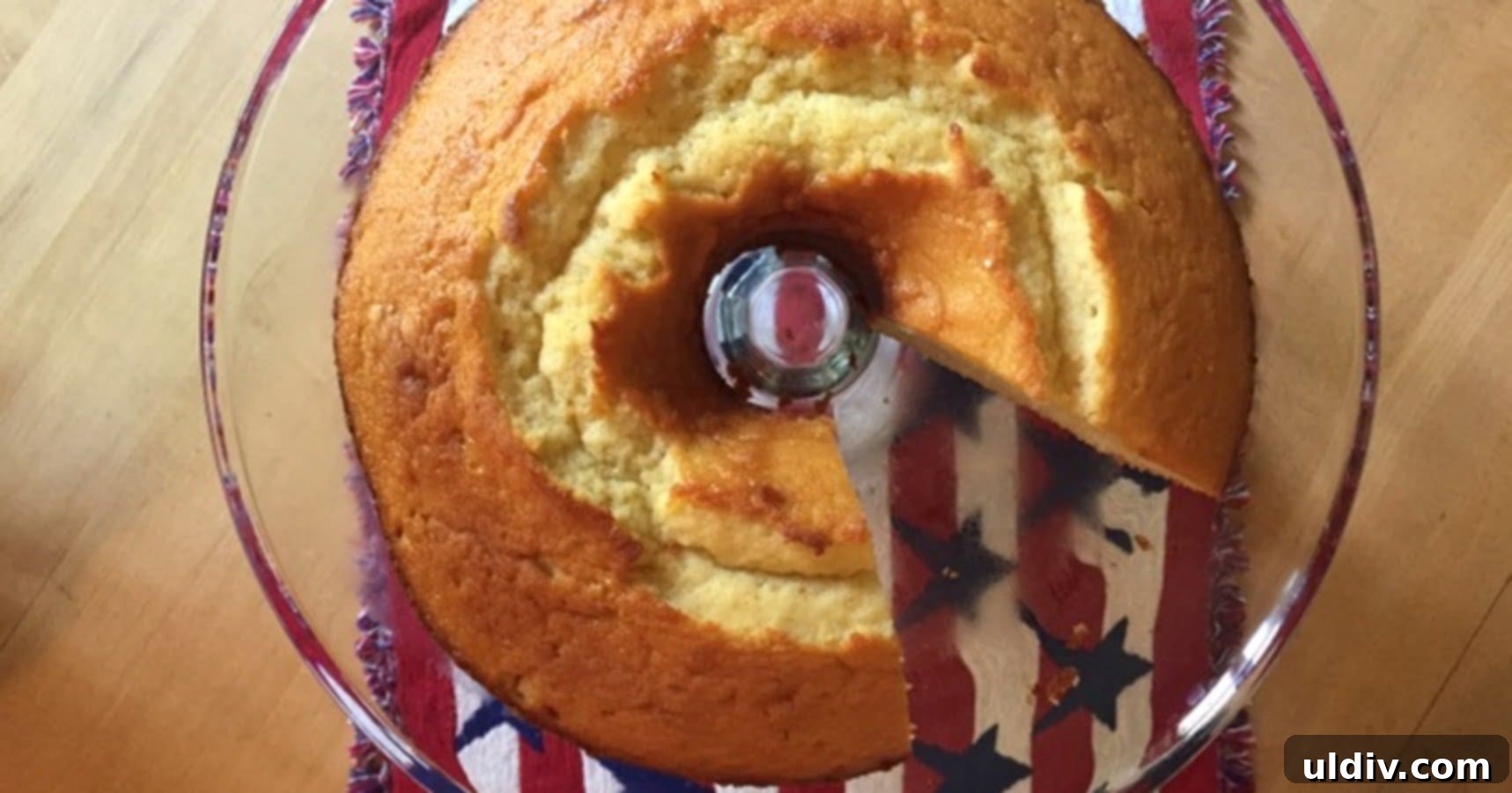
Welcome to a culinary journey back in time, where cherished family traditions are baked into every slice. This recipe for Great Aunt Rose’s Old-Fashioned Sour Cream Pound Cake isn’t just a collection of instructions; it’s a legacy. This isn’t just *any* cake; it’s a testament to timeless baking, producing a truly exceptional moist vanilla pound cake that has delighted generations. Imagine a cake with perfectly crisp, golden edges, giving way to an interior that is dense, rich, and so incredibly decadent it melts in your mouth. This isn’t merely a dessert; it’s an experience, a slice of comfort, and a taste of home.
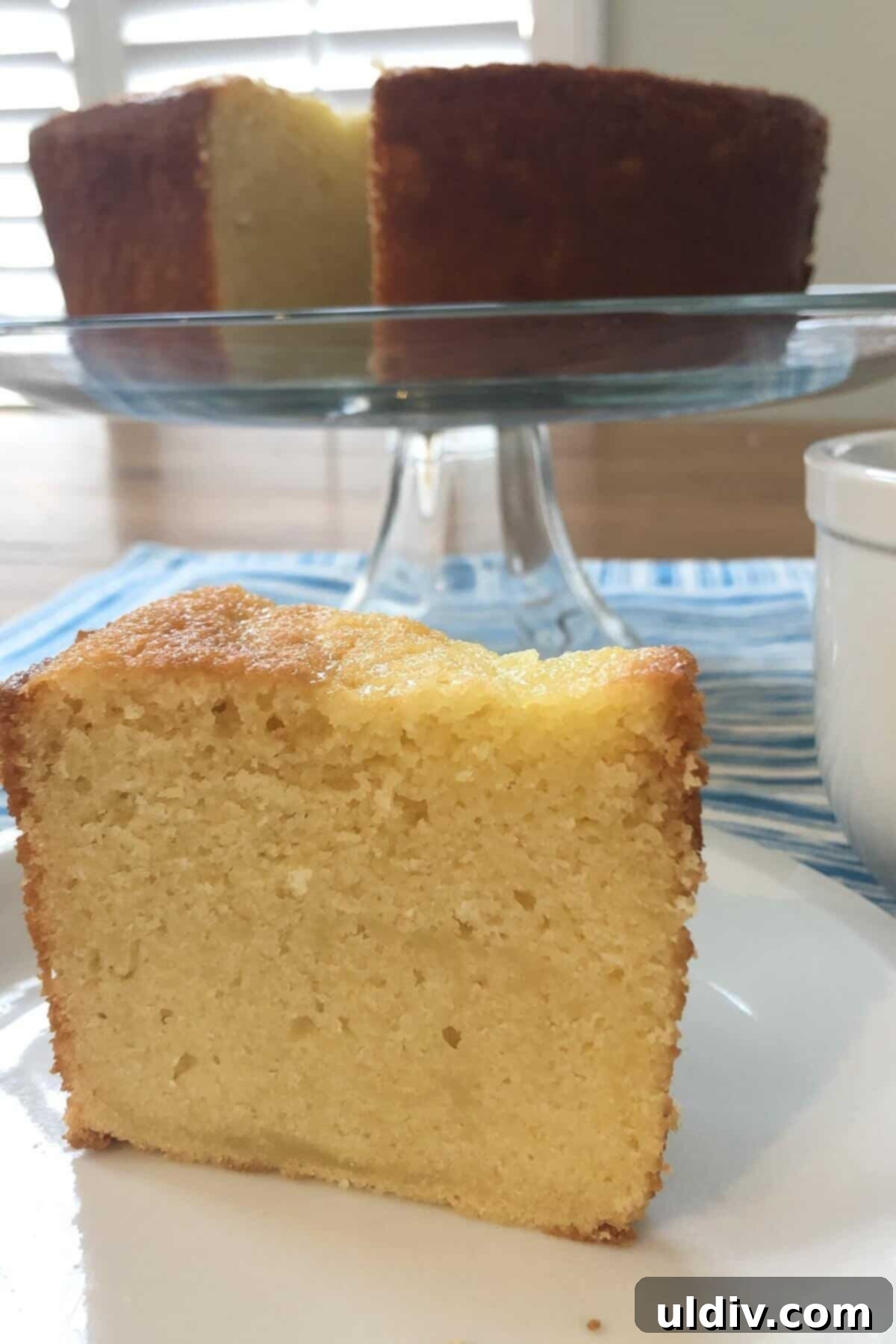
There are pound cakes, and then there is Great Aunt Rose’s. This is, without a doubt, the best pound cake you will ever bake or taste. It stands in a league of its own, transforming simple ingredients into a masterpiece of flavor and texture that truly defines what a classic pound cake should be.
Growing up, our kitchen was the heart of our home, often filled with the comforting aroma of freshly baked goods. My Mom, a true culinary artist in her own right, ensured there was always a homemade cake or a plate of soft pumpkin cookies awaiting us on the counter. Even after my siblings and I had flown the nest, a surprise visit to my parents’ home was synonymous with a sweet treat, a warm embrace, and a reminder of Mom’s boundless love. Among the myriad of delicious desserts she prepared, Great Aunt Rose’s pound cake held a special place. This super moist vanilla pound cake recipe was, and still is, a cherished family favorite, a recipe passed down through generations, each adding its touch of love and tradition.
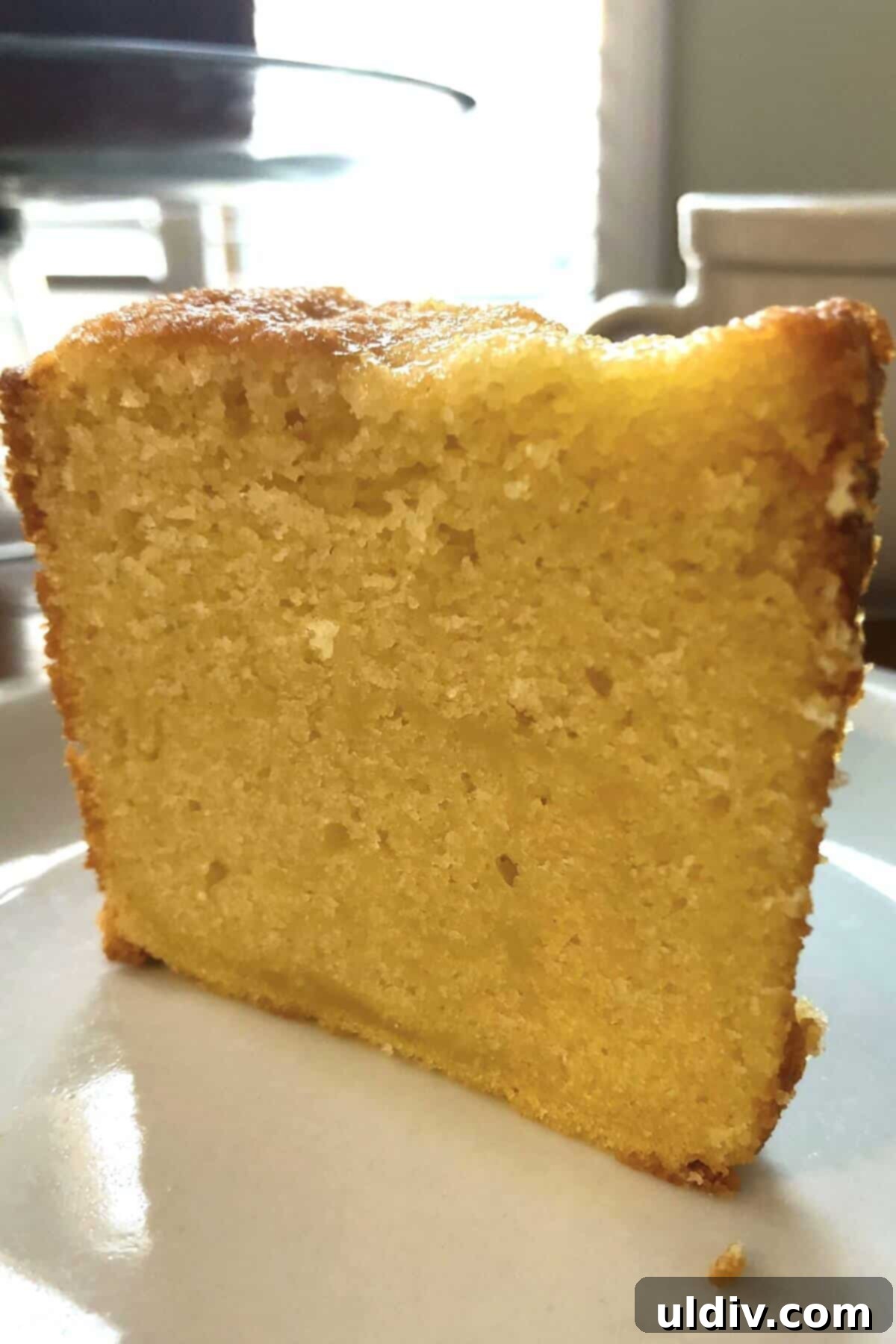
What sets this pound cake apart is its remarkable density combined with an unparalleled richness and tenderness. It possesses a melt-in-your-mouth quality that’s both satisfying and decadent. While some might expect a flavor profile similar to a standard yellow cake, this recipe elevates it entirely. The subtle yet profound vanilla notes, coupled with the unique texture imparted by the sour cream, create a flavor and mouthfeel that are infinitely magnified, leaving an unforgettable impression.
My Mom left us about three decades ago, but her spirit lives on in her recipes. She was an incredible mother, and I miss her warmth and guidance every single day. Fortunately, I inherited some of her well-loved cookbooks, their pages dog-eared and stained with years of delicious memories. Tucked within were her handwritten notes, scribbled on blank pages and margins—a secret language of ingredients, suggestions, and invaluable tips for the recipes she mastered. These books are not just cookbooks; they are heirlooms, repositories of love and culinary wisdom.
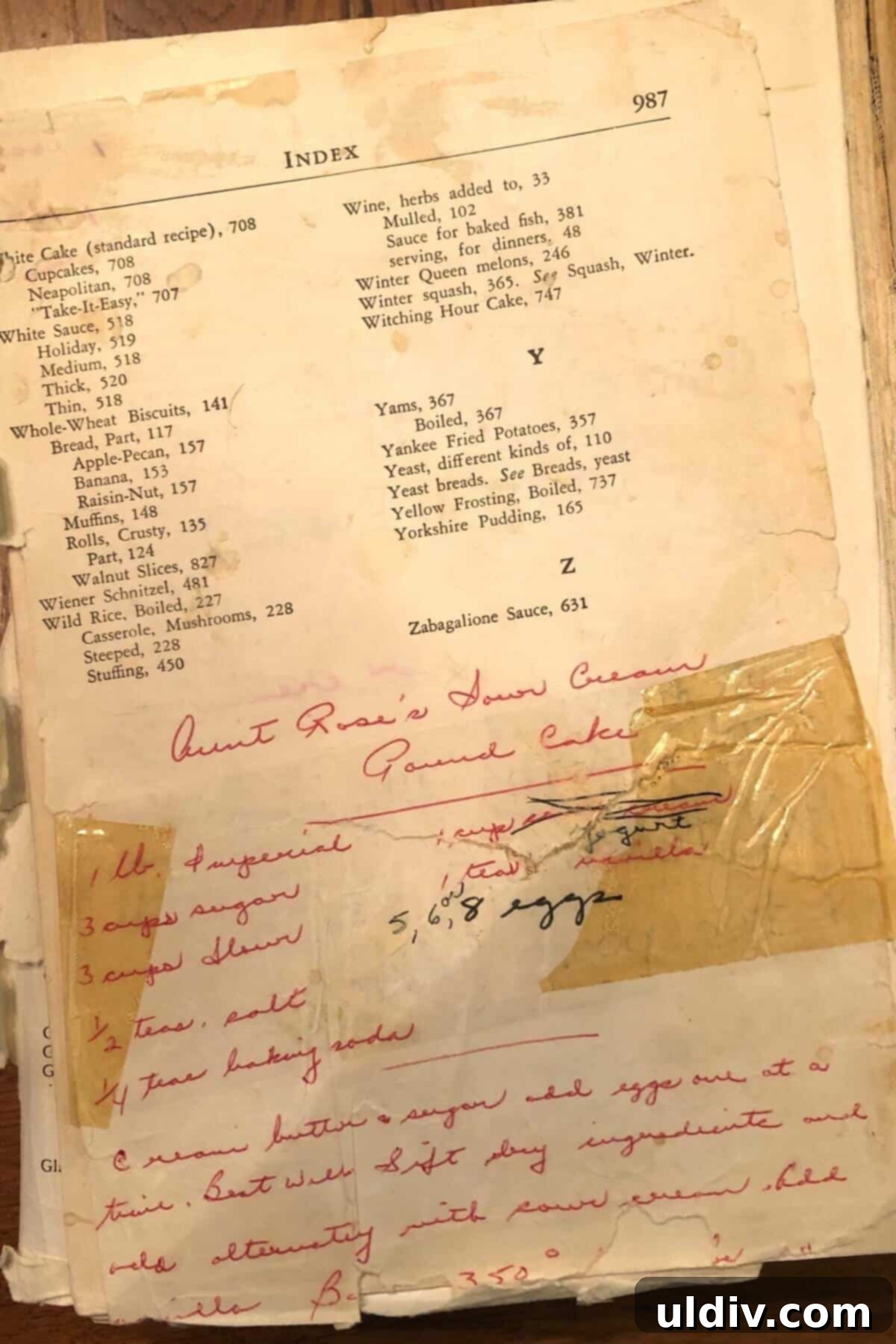
I vividly recall the specific page dedicated to Great Aunt Rose’s Sour Cream Pound Cake. It wasn’t just the recipe itself that captured my attention, but my Mom’s quirky additions to it. The list of ingredients included the usual suspects for a cake: flour, sugar, and a generous amount of vanilla. However, it notably called for Imperial margarine instead of butter, a detail that initially perplexed me but proved essential to its unique character. What truly stood out was my Mom’s notation for eggs: “Use 5, 6, or 8 eggs.” Five, six, or eight eggs? The sheer variability was baffling! I never had the chance to ask her about this peculiar range, and it remains an endearing family mystery, a testament to her intuitive, less-than-exact approach to baking perfection.
Why You’ll Fall in Love with This Sour Cream Pound Cake Recipe
This recipe isn’t just a keeper; it’s destined to become a staple in your baking repertoire. Here are countless reasons why you’ll adore making and sharing this incredible pound cake:
- Effortlessly Simple to Create ~ Forget about needing special, hard-to-find ingredients or obscure kitchen gadgets. This recipe uses everyday pantry staples and basic equipment. A stand mixer or even a simple hand mixer will make the process of combining ingredients incredibly straightforward and enjoyable. It’s an accessible recipe that promises impressive results without undue effort.
- Unforgettably Delicious ~ This isn’t just any classic pound cake. It boasts a unique, moist, and tender crumb that maintains a satisfying density. It defies the common pitfall of dry cakes, offering a consistently moist texture with a delicate, yet distinct, vanilla flavor that shines through. It’s sophisticated enough for grand celebrations and comforting enough for a simple weeknight treat, making every bite a delightful indulgence.
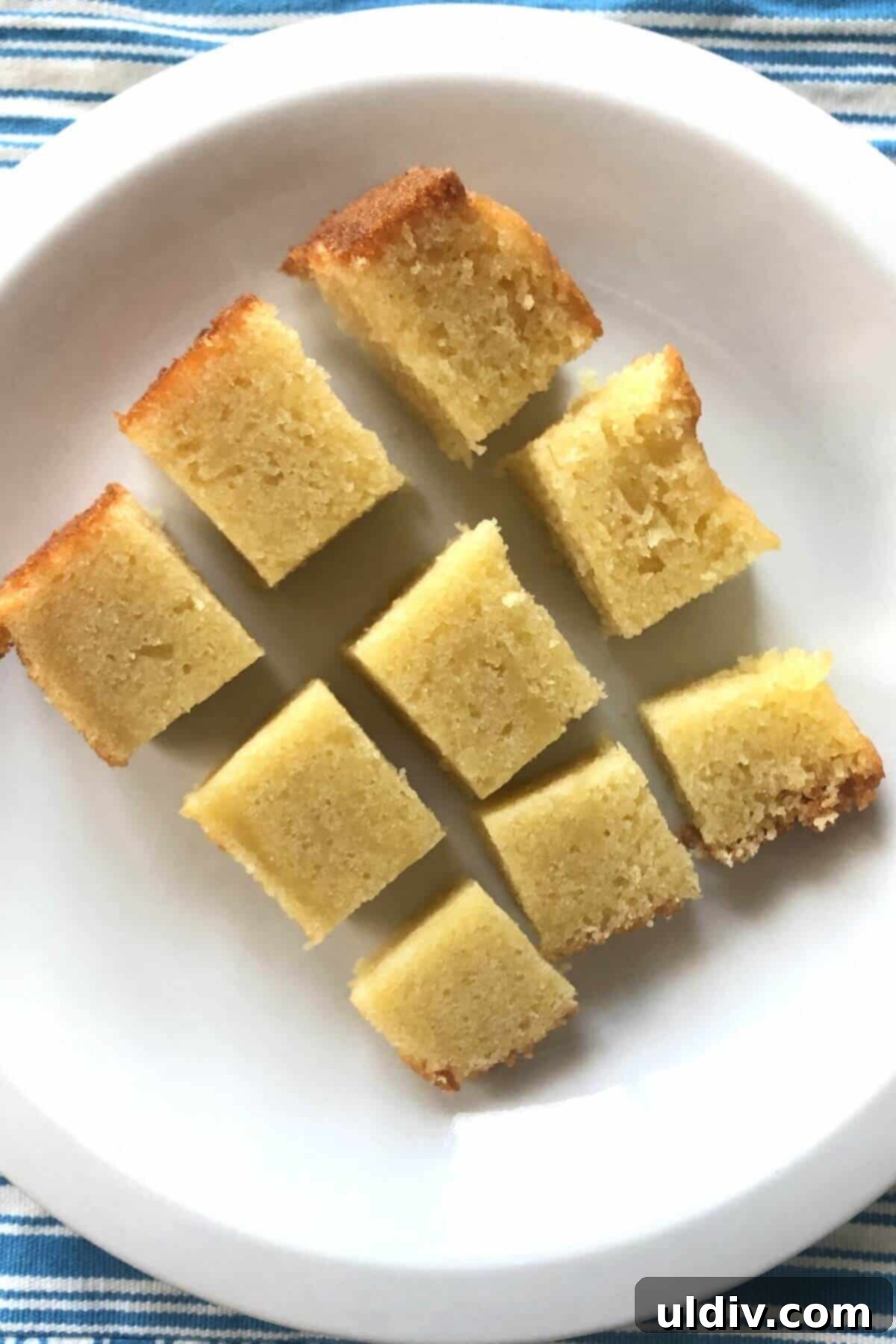
- Perfect for Planning Ahead & Freezing ~ One of the fantastic advantages of this homemade pound cake, particularly due to its use of margarine, is its impressive longevity. Unlike many butter-based cakes, this one stays incredibly fresh and delicious for 4 to 5 days when stored on a covered cake stand at room temperature. Even better, it freezes beautifully! You can bake it in advance, knowing it will retain its exquisite flavor and texture when thawed, making it ideal for meal prep or unexpected guests.
I am genuinely thrilled to share this cherished hand-me-down recipe with you. It’s more than just food; it’s a piece of our family history. So, gather your ingredients, clear your counter, and let’s get baking!
Essential Ingredients & Smart Substitutions for the Perfect Pound Cake
To achieve the best results, ensure all your ingredients are at room temperature before you begin. This allows them to emulsify and combine easily and thoroughly, resulting in a smoother batter and a more uniform, tender cake. Below are the key ingredients for this perfect pound cake, along with any possible substitutions. For precise quantities and a full breakdown, please refer to the comprehensive recipe card below.
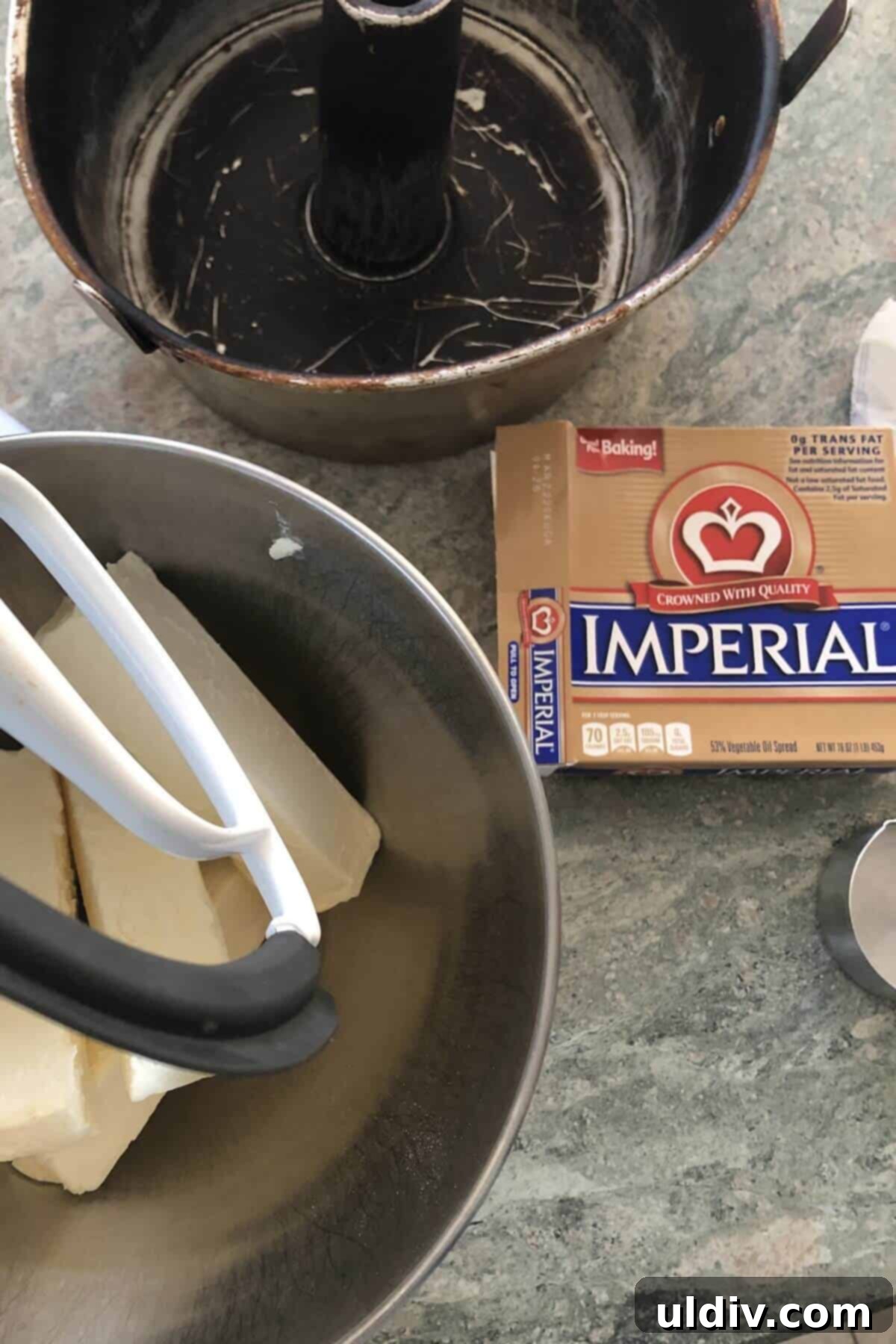
- Imperial Margarine ~ This is a non-negotiable ingredient for this specific recipe. While butter often reigns supreme in baking, this ultra-dense and moist sour cream pound cake thrives on the unique properties of Imperial margarine. I’ve experimented with butter, and the results were simply not the same – the cake lacked the characteristic texture and moisture. Margarine’s higher water content and emulsifiers contribute to a distinctly tender and long-lasting crumb that butter cannot replicate in this particular formula.
- Granulated Sugar ~ Provides sweetness, moisture, and aids in the cake’s structure.
- Large Eggs ~ Essential for structure, richness, moisture, and binding the ingredients together. Their protein content helps create a stable emulsion with the fats.
- Vanilla Extract ~ The star flavor for this classic pound cake. Use a good quality pure vanilla extract for the best taste.
- All-Purpose Flour ~ The foundation of the cake’s structure. In a pinch, you can substitute whole wheat white flour, though it may result in a slightly denser texture.
- Baking Soda ~ Works with the acidity of the sour cream to provide lift and tenderize the cake.
- Kosher Salt ~ A small but mighty ingredient that balances the sweetness and enhances all the other flavors.
- Sour Cream ~ This is the secret to the cake’s incredible moisture and delicate tanginess. Full-fat plain yogurt can be used as an alternative, offering a similar moisture profile and slight acidity, but sour cream yields the most authentic flavor.
Step-by-Step Recipe Details for Your Moist Vanilla Pound Cake
Creating this moist vanilla pound cake is a straightforward process, utilizing simple ingredients and everyday kitchen tools. This section provides a concise overview of the baking process. For complete, detailed instructions, please refer to the full recipe card at the bottom of this page.
- Prepare the Pan: Begin by preheating your oven to the specified temperature. Generously grease a 10-inch straight-sided tube pan. A fantastic tip from my Mom: use the margarine wrappers to grease the pan; they’re perfect for the job!
- Cream Wet Ingredients: In a large mixing bowl, cream together the softened margarine and granulated sugar until the mixture is light, fluffy, and pale in color. Then, add the large eggs one at a time, beating well after each addition to ensure full incorporation. Finally, stir in the pure vanilla extract until just combined.
- Combine Dry Ingredients: In a separate bowl, whisk together the all-purpose flour, baking soda, and kosher salt. This ensures the leavening agent and salt are evenly distributed throughout the dry mixture.
- Alternate Dry and Wet: With your mixer on a low speed, begin adding the sour cream alternately with the dry flour mixture to the wet ingredients. Start and end with the flour mixture. Mix until the ingredients are *just* incorporated into a smooth batter. Be mindful: overmixing the batter will develop the gluten in the flour too much, leading to a tough and rubbery cake.
- Bake to Perfection: Gently pour the prepared cake batter into your greased tube pan, spreading it evenly. Bake in the preheated oven until a long wooden skewer inserted into the thickest part of the cake comes out clean.
- Cool and Unmold: Once baked, remove the cake from the oven and allow it to cool slightly in the pan on a wire rack for about 15 minutes. This crucial resting period helps the cake firm up. After resting, carefully run a thin, sharp knife around the edges of the pan to loosen the cake, then invert it onto the cooling rack to unmold.
- Complete Cooling: Ensure the cake cools completely on the wire rack before attempting to cover it with plastic wrap or a cake dome. Cooling fully prevents condensation, which can make the cake sticky and less appealing.
Baker’s Note: When incorporating the dry ingredients and sour cream, mix only until the batter is just smooth. Overmixing is the enemy of a tender pound cake and will inevitably lead to a dense, tough, or rubbery texture. Handle with care!
Baking Tip: If your cake is browning on top too quickly but isn’t quite cooked through, simply tent it loosely with aluminum foil. This will prevent further browning while allowing the cake to continue baking evenly in the center.
Delicious Variations to Customize Your Pound Cake
While Great Aunt Rose’s recipe is perfect as is, it also serves as a wonderful canvas for creative variations. Feel free to experiment and make this recipe truly your own:
- Infuse with Flavor ~ Elevate the basic vanilla profile. For a bright, zesty lemon pound cake, add the zest and juice of one large lemon to the batter. Explore other extracts like 1 teaspoon of almond for a nutty depth or coconut extract for a tropical twist. For an adult-friendly treat, stir in 2 tablespoons of rum, brandy, or bourbon for a sophisticated, boozy pound cake.
- Add Irresistible Toppings ~ The possibilities for adornment are virtually endless! Serve slices with fresh seasonal fruit; fresh berries (strawberries, blueberries, raspberries) are always a favorite. A scoop of creamy vanilla ice cream or a dollop of homemade whipped cream adds a delightful contrast. Drizzle with warm chocolate sauce, rich caramel sauce, or tangy raspberry coulis. For a simple yet elegant finish, a light dusting of powdered sugar is always perfect.
Recommended Equipment for Flawless Pound Cake Baking
Having the right tools can truly elevate your baking experience, making it both easier and more enjoyable. For this pound cake recipe, I recommend the following essential kitchen utensils and equipment:
- Stand Mixer or Hand Mixer ~ Indispensable for creaming the margarine and sugar thoroughly and for incorporating ingredients smoothly, saving you significant arm work.
- Measuring Cups ~ For accurately measuring dry ingredients like flour and sugar.
- Metal Measuring Spoons ~ For precise measurements of smaller ingredients such as vanilla extract, baking soda, and salt.
- Rubber Spatula ~ Perfect for scraping down the sides of the bowl, ensuring all ingredients are well combined, and for folding in the final additions.
- 10-inch Tube Pan ~ The ideal pan shape for pound cakes, promoting even baking and that classic, beautiful form.
- Wire Cooling Rack ~ Essential for allowing the cake to cool evenly on all sides, preventing a soggy bottom and promoting good airflow.
Expert Tips for Pound Cake Perfection
Achieving a truly magnificent pound cake is simple when you follow a few key guidelines. Here are my expert tips to ensure your Great Aunt Rose’s Sour Cream Pound Cake turns out flawlessly every time:
Creaming is Key: Don’t rush the creaming process. Beat the margarine and sugar together until the mixture is truly light, fluffy, and pale yellow. This process incorporates air, which contributes significantly to the cake’s texture. A stand mixer makes this step incredibly easy and efficient, but a hand mixer works well too with a little more elbow grease.
Eggs Separately: Always crack your eggs into a separate small bowl before adding them to the batter, one at a time. This simple precaution ensures that if any small pieces of eggshell fall in, you can easily scoop them out without contaminating your entire batter. Nobody wants an unexpected crunch in their pound cake!
Check for Doneness Accurately: The most reliable way to check if your pound cake is ready is to insert a long wooden skewer or a thin cake tester into the very center, or thickest part, of the cake. It should come out completely clean, with no wet batter or moist crumbs attached. If the top of the cake is browning more quickly than you’d like, gently lay a piece of aluminum foil over the top of the pan to shield it while the inside finishes baking.
Patience with Unmolding: Resist the urge to unmold the cake immediately after it comes out of the oven. Allow it to cool in the pan on a wire cooling rack for approximately 15 minutes. This cooling period allows the cake to set and firm up, making it much less likely to stick or break. After 15 minutes, run a thin, sharp knife carefully around the entire edge of the pan. Place your cooling rack on top of the cake, invert both the cake and the pan together, and tap firmly on the bottom of the pan to help release the cake. Then, gently lift the pan away from your perfectly unmolded pound cake.
Frequently Asked Questions About Pound Cake
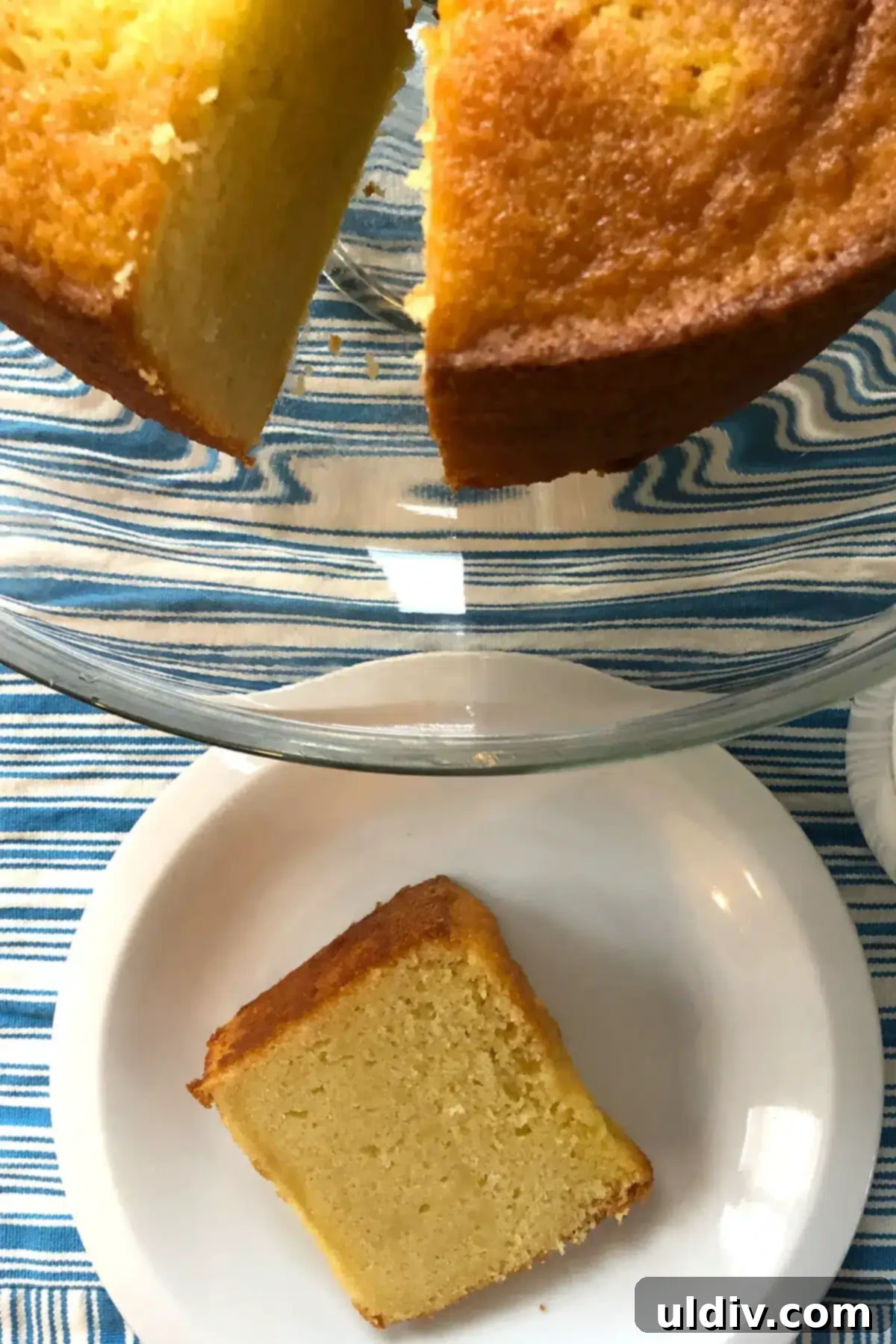
Traditionally, pound cakes earned their name from their ingredient ratios: one pound each of butter, sugar, flour, and eggs. This specific ratio results in a very dense, rich, and moist cake with a fine crumb, often served plain or with a simple glaze. Unlike lighter, airy cakes, pound cakes are known for their substantial texture and deep, satisfying flavor.
Sour cream is a magical ingredient in baking! Its acidity reacts with baking soda to provide lift, resulting in a tender crumb. More importantly, its high fat content adds incredible moisture, richness, and a subtle tanginess that enhances the overall flavor profile of the cake, preventing it from tasting overly sweet.
Absolutely! Pound cakes are excellent for making ahead. Store your baked and completely cooled pound cake lightly covered with plastic wrap or a cake dome at room temperature. It will remain wonderfully fresh and delicious for 4 to 5 days, often tasting even better the day after it’s baked as the flavors meld.
Yes, pound cakes freeze exceptionally well! To freeze, ensure the cake is completely cooled. Wrap it tightly in several layers of plastic wrap, then an additional layer of aluminum foil. Store it in an airtight container or a freezer-safe bag in the freezer for up to 3 months. When you’re ready to enjoy, thaw it at room temperature, slice, and savor!
Discover More Delectable Cake Recipes
- Muffin Cake with Blueberries
- Easy Scone Cake {Sheet Pan Cake Recipe}
- Fresh Strawberry Crumb Cake
- Double Berry Upside Down Cake
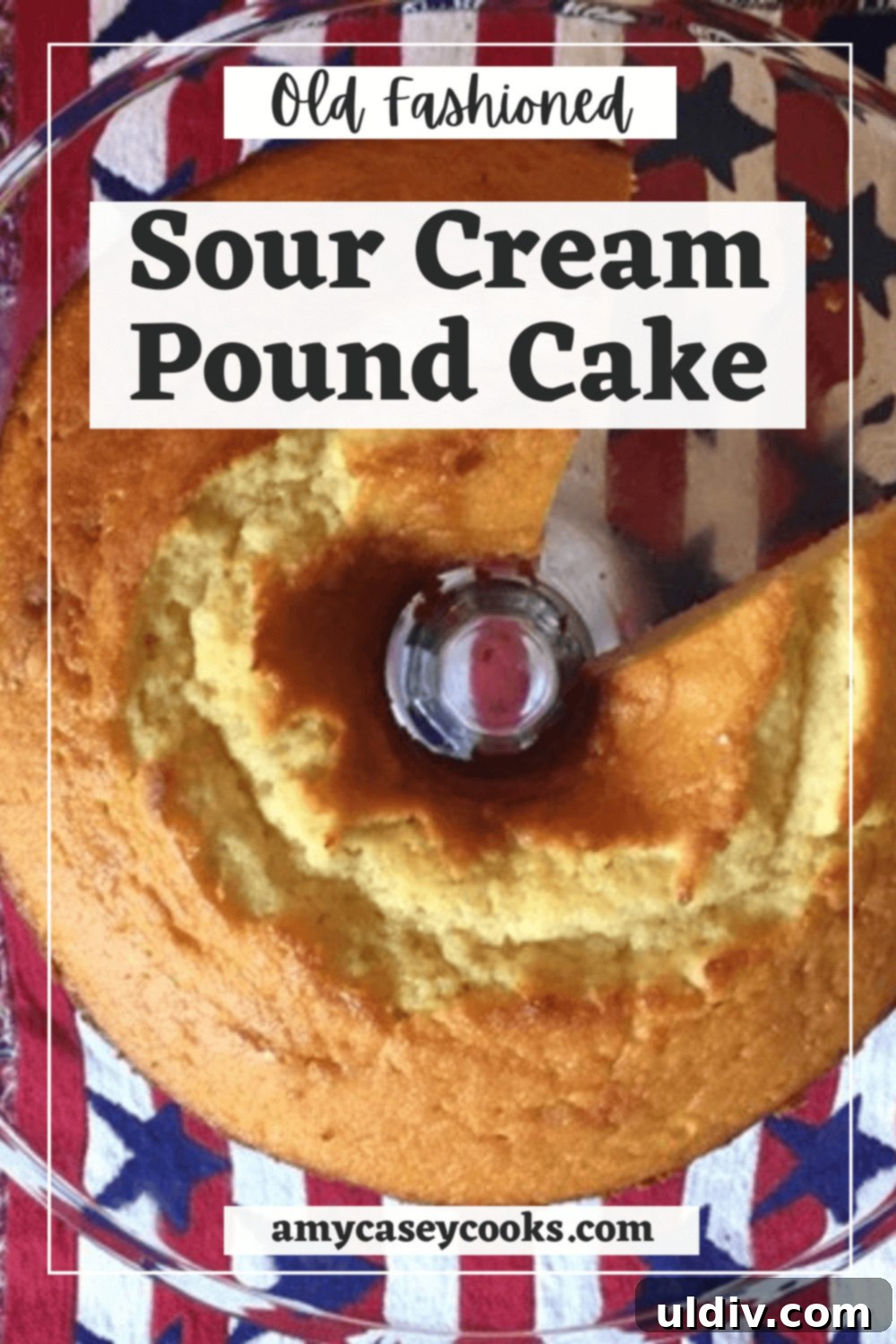
I hope you enjoy baking and savoring Great Aunt Rose’s Old-Fashioned Sour Cream Pound Cake as much as my family and I do. If you try this beloved family recipe, please consider leaving a rating and/or a comment below. Your feedback means the world to us! And don’t forget to take a photo of your beautiful creation and tag @amycaseycooks on Instagram. We can’t wait to see your delicious results!
Recipe Card
Great Aunt Rose’s Moist Vanilla Pound Cake Recipe
Print
Pin
Rate
Ingredients
- 1 pound Imperial margarine
- 3 cups granulated sugar
- 6 large eggs
- 1 teaspoon vanilla extract
- 3 cups all purpose flour
- ¼ teaspoon baking soda
- ½ teaspoon kosher salt
- 1 cup sour cream
Instructions
-
Prep pan: Preheat oven to 350 degrees F (175 degrees C). Generously grease a 10-inch straight-sided tube pan. Using margarine wrappers is a clever way to ensure complete coverage.
-
Beat margarine and sugar: In the bowl of a stand mixer fitted with the paddle attachment (or using a hand mixer), add the room temperature Imperial margarine and granulated sugar. Beat on medium-low speed for 3 to 4 minutes, until the mixture is visibly light, creamy, and pale in color.
-
Add eggs and vanilla: Crack the large eggs into a separate bowl. Add them to the margarine and sugar mixture one at a time, beating thoroughly after each addition until fully incorporated. Scrape down the sides of the bowl as needed. Stir in the vanilla extract until just combined.
-
Combine dry ingredients: In a separate medium bowl, whisk together the all-purpose flour, baking soda, and kosher salt. This ensures even distribution of the leavening and seasoning.
-
Alternate dry ingredients and sour cream: With the mixer on its lowest speed, gradually add the sour cream alternately with the dry flour mixture to the wet ingredients. Begin and end with the dry ingredients. Mix until the batter is *just* incorporated and smooth. Be careful not to overmix, as this can lead to a tough cake.
-
Transfer batter: Pour the beautifully smooth batter into the prepared tube pan, spreading it evenly with a spatula.
-
Bake cake: Bake for 60-75 minutes, or until a long wooden skewer inserted into the thickest part of the cake comes out completely clean. If the top of the cake begins to brown too quickly before it’s fully cooked, lightly tent the pan with aluminum foil to protect it.
-
Unmold cake: Once baked, remove the cake from the oven and let it cool in the pan on a wire rack for about 15 minutes. This allows the cake to set. After 15 minutes, run a thin, sharp knife around all the edges of the pan to loosen the cake. Place the cooling rack on top of the cake, carefully invert, and tap on the bottom of the pan to help release the cake. Gently remove the pan.
-
Cool cake: Transfer the unmolded cake to a cake stand or back onto the wire rack. Allow it to cool completely at room temperature before covering it with plastic wrap or a cake dome to preserve its freshness.
Notes
- Margarine, Not Butter: It’s crucial to use Imperial margarine for this recipe. While many bakers swear by butter for superior flavor, in this specific old-fashioned sour cream pound cake, margarine provides a unique texture and moisture that butter simply cannot replicate. My attempts with butter resulted in a cake that lacked the signature density and moistness that makes Great Aunt Rose’s recipe so special.
- Proper Creaming: Dedicate sufficient time to creaming the margarine and sugar. Beat them together until the mixture is light, fluffy, and visibly pale. Using a stand mixer on medium speed for 3 to 4 minutes is ideal for incorporating enough air, which contributes to the cake’s tender crumb.
- Egg Safety First: Always crack your eggs into a separate small bowl before adding them one at a time to the batter. This simple step ensures that if any small bits of eggshell accidentally fall in, you can easily remove them without compromising your entire cake batter.
- Alternating & Avoiding Overmixing: When adding the dry ingredients and sour cream, do so alternately, beginning and ending with the dry mixture. Mix only until the ingredients are just combined. Overmixing the batter will cause the gluten in the flour to overdevelop, leading to a tough, rubbery, and less desirable cake texture.
- Checking for Doneness: Use a long wooden skewer or a thin cake tester to check if the cake is fully baked. Insert it into the thickest part of the cake; if it comes out clean, the cake is done. If the top of the cake starts to brown too quickly while the inside is still baking, gently lay a piece of aluminum foil over the pan to prevent further darkening.
- Patient Unmolding: Resist the urge to unmold the cake immediately. Let it rest in the pan on a cooling rack for approximately 15 minutes. This allows the cake to contract slightly and firm up, making it easier to release. After resting, carefully run a thin, sharp knife around the entire edge of the pan. Place the cooling rack on top of the cake, invert both together, and gently tap the bottom of the pan to help loosen the cake before carefully lifting the pan away.
Nutritional information is an estimate and based on the ingredients and cooking methods used in this recipe.