
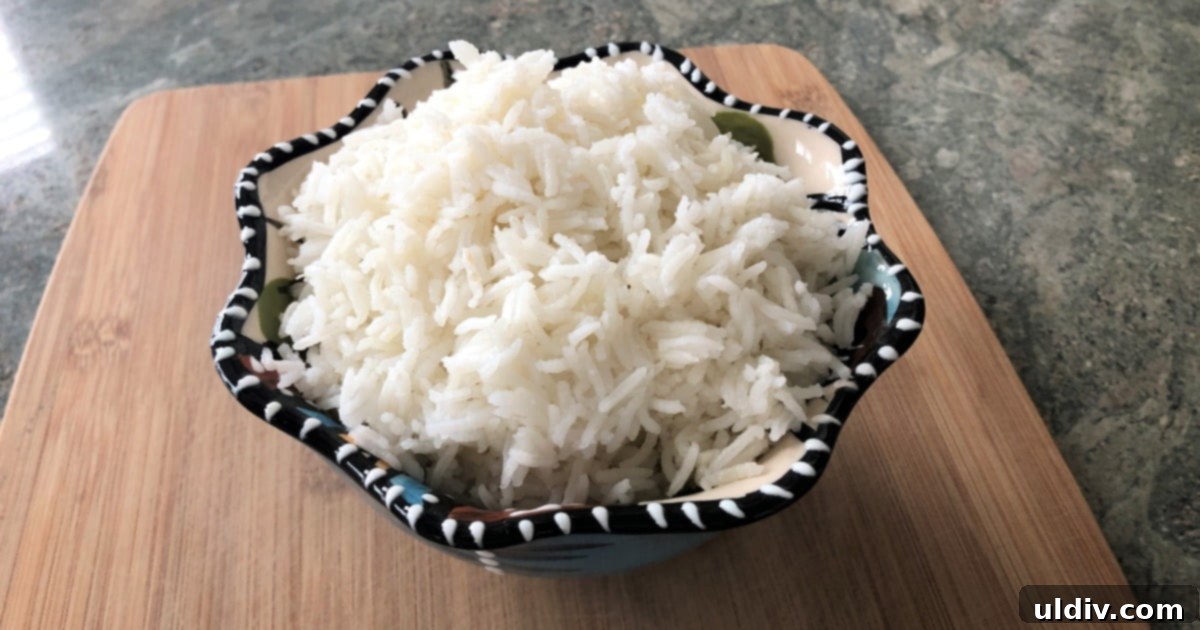
Unlock the secret to cooking consistently **fluffy white rice** on your stovetop with this comprehensive, easy-to-follow guide. Say goodbye to sticky, clumpy, or crunchy rice disasters! This foolproof method will empower you to create perfectly separated, tender grains every single time, transforming a daunting kitchen task into a simple pleasure.
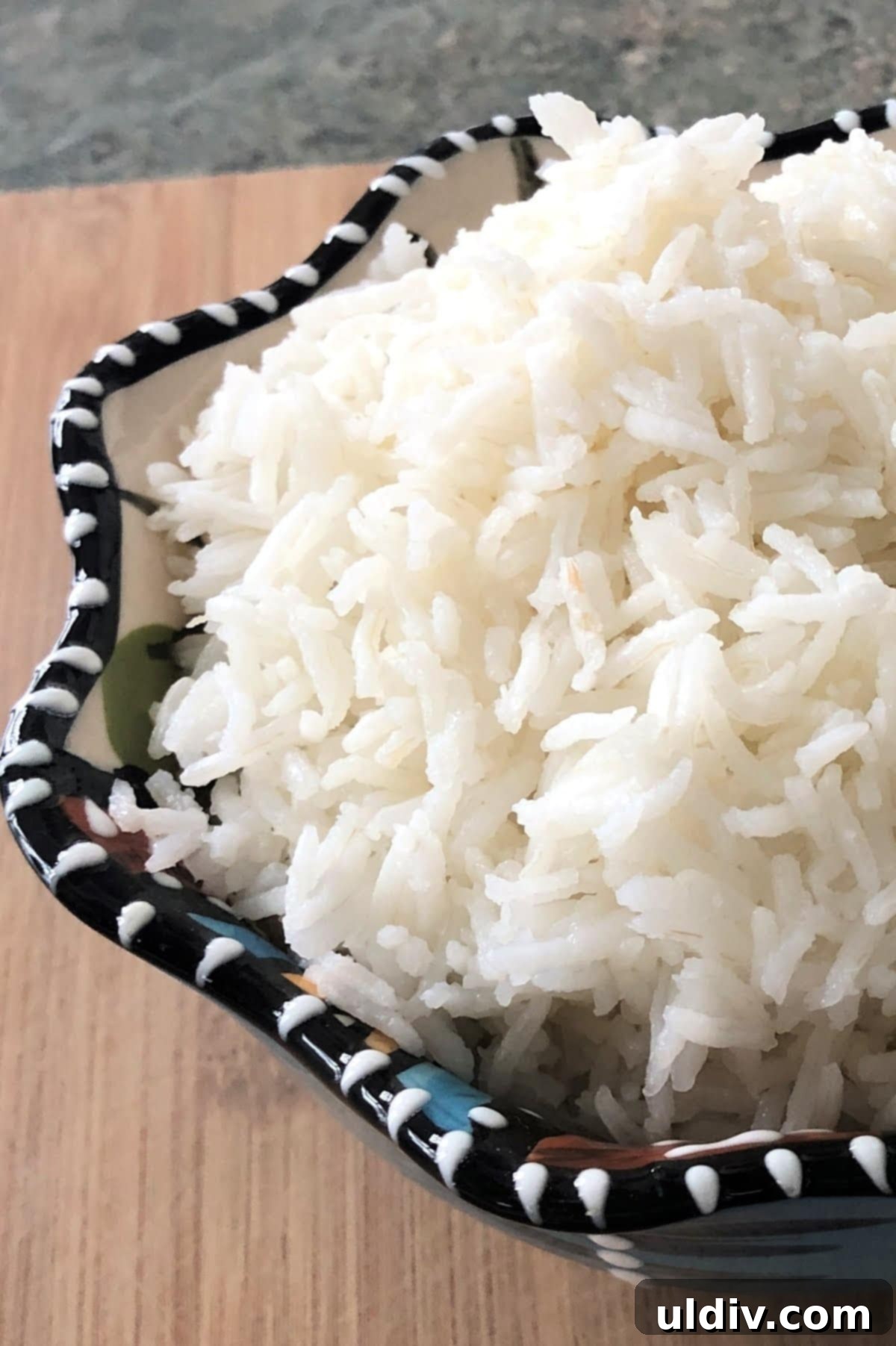
For many home cooks, preparing a simple pot of white rice can feel surprisingly challenging. Despite its humble appearance, achieving that ideal fluffy texture without it becoming a sticky mess often seems to elude even experienced chefs. Perhaps you’ve experienced the frustration of scorched bottoms, undercooked centers, or an unappetizing glue-like consistency. You’re not alone!
Through countless batches cooked for my family and personal chef clients, I’ve refined a technique that guarantees success. I understand the common pitfalls and how to avoid them. This guide distills years of experience into clear, actionable steps, turning you into a confident rice-cooking expert. Prepare to master the art of making fluffy white rice that complements any meal perfectly.
Why This Fluffy White Rice Method Guarantees Success
My journey to perfect rice has been fraught with every imaginable error: sticky, clumpy, gooey, crunchy, and even burnt batches. I’ve endured numerous boil-overs, leaving starchy messes all over my stovetop. These common mishaps often stem from a few key missteps, primarily related to heat management and moisture retention.
This method works because it addresses these issues head-on. It focuses on precise steps and understanding the science behind them, ensuring even cooking and proper starch development. You won’t need any special ingredients, expensive equipment, or complex techniques. With these simple principles, you’ll consistently achieve beautifully fluffy white rice without the drama.
The secret lies in a combination of initial preparation, controlled cooking, and a crucial resting period. Each step plays a vital role in preventing starch from turning into glue and allowing the rice grains to swell and separate perfectly. By the end of this guide, you’ll be able to whip up a batch of perfect rice with absolute confidence.
Understanding the World of Rice Varieties
With over 40,000 different varieties of rice cultivated worldwide, the sheer choice can be overwhelming. Each type has unique characteristics that influence its cooking time, water absorption, and final texture. However, for achieving fluffy rice, focusing on the grain length is most important.
Short-Grain vs. Long-Grain Rice
Short-grain rice, such as Arborio (used for risotto) and sushi rice, is plump and round. It contains a higher amount of amylopectin starch, which makes it very sticky and clumpy when cooked. This stickiness is desirable for dishes like sushi or creamy risottos, but it’s the opposite of what we want for fluffy rice.
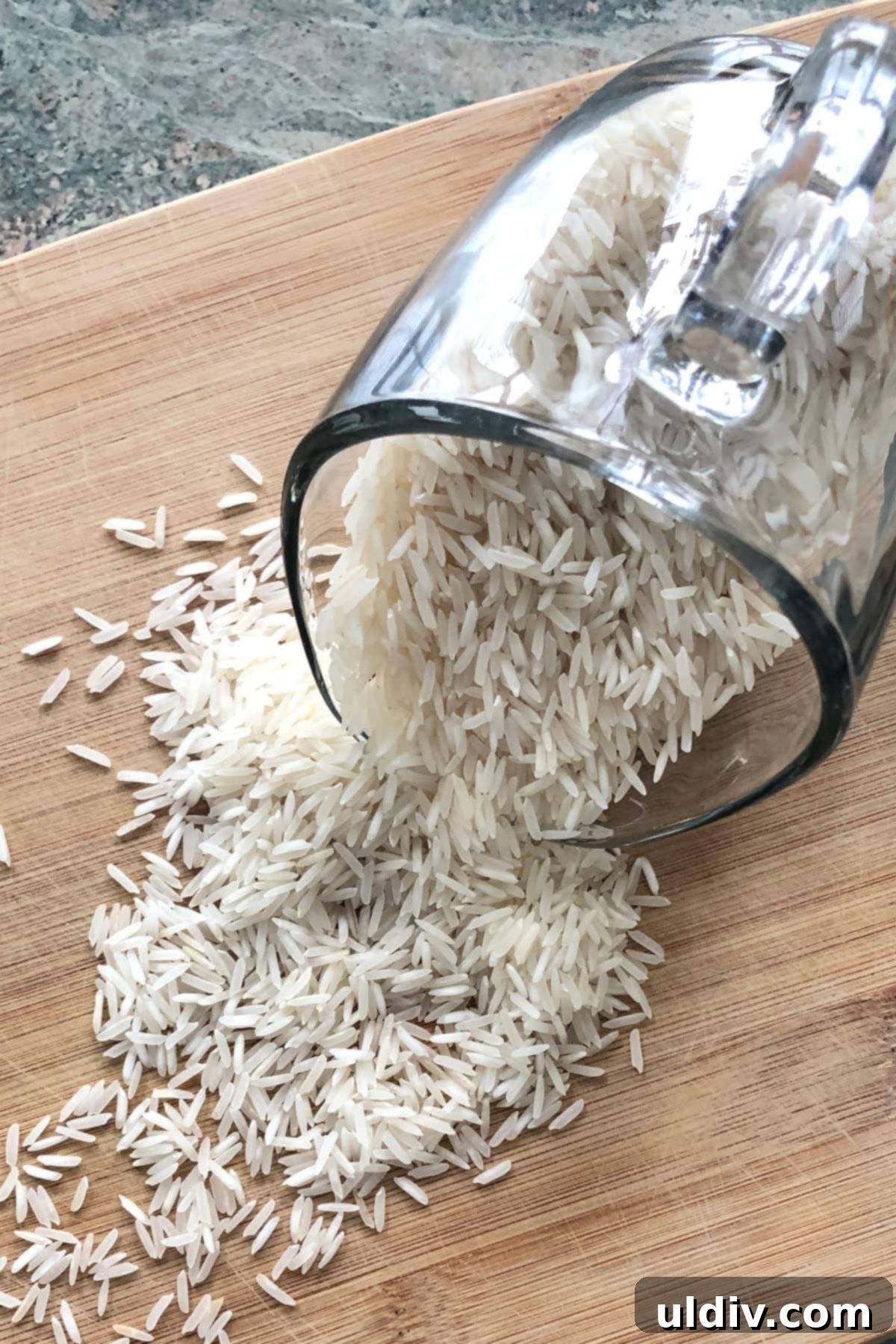
Long-grain rice, including white rice, brown rice, Basmati, and Jasmine, has slender, elongated grains. These varieties contain more amylose starch, which helps the cooked grains remain separate and fluffy. This method is primarily designed for long-grain varieties, which are my personal preference for a light and airy side dish.
For achieving the fluffiest possible results, I highly recommend using long-grain white rice, Jasmine rice, or Basmati rice. These are the three types I prepare most often, and they consistently yield excellent results with this method.
Essential Equipment for Perfect Stovetop Rice
While the method is simple, using the right tools can make a significant difference. You don’t need fancy gadgets, just a few kitchen basics:
- Heavy-Sided 1-Quart Pot with a Tight-Fitting Lid: This is arguably the most crucial piece of equipment. A heavy-bottomed pot (like stainless steel or cast iron) distributes heat evenly, preventing hot spots that can scorch the bottom while leaving the top undercooked. The tight-fitting lid is essential for trapping steam, which is critical for cooking the rice thoroughly and uniformly. A glass lid is a bonus, allowing you to observe without lifting.
- Measuring Cups: Accuracy in your rice-to-water ratio is paramount.
- Spatula or Wooden Spoon: For toasting and fluffing.
- Timer: Essential for precise cooking and resting times.
The Steps and Tips for Cooking Fluffy White Rice on the Stovetop
Follow these steps closely, and you’ll be amazed at the results. Each tip is designed to maximize flavor and achieve that coveted fluffy texture.
Step 1: Preparation – The Foundation of Fluffy Rice
- Choose Your Pot Wisely: Start with a heavy-sided 1-quart pot with a tight-fitting lid. The heavy construction ensures that heat is conducted evenly throughout the pot, preventing hot spots and ensuring every grain of rice cooks uniformly. This consistency is key to avoiding both burnt bottoms and undercooked tops.
- Measure Accurately: Use a precise 1:2 ratio of rice to water for most long-grain white varieties. For 1 cup of rice, you’ll need 2 cups of hot water.
- Consider Rinsing (Optional, but not necessary for this method): Many recipes recommend rinsing rice to remove excess starch. However, with our toasting method, rinsing isn’t strictly necessary as the oil helps to separate the grains. If you prefer to rinse, do so until the water runs clear, then drain very well.
Step 2: Toasting for Enhanced Flavor and Texture
- Lightly Toast the Rice: Heat a small amount of oil (about 1 teaspoon of olive oil or butter) in your heavy pot over medium-low heat. Add the measured long-grain rice and stir continuously for about 2-3 minutes. You should notice a subtle nutty aroma and the grains will become slightly translucent around the edges. This process, known as toasting or “pilaf style,” achieves two important things:
- Adds Depth of Flavor: The gentle toasting brings out a delicious nutty flavor in the rice.
- Prevents Sticking: The oil lightly coats each grain, creating a barrier that helps them cook separately and prevents them from clumping together, a common cause of sticky rice.
Step 3: The Boiling Point – Getting the Temperature Right
- Add Hot Water: Once the rice is lightly toasted and fragrant, carefully pour in the measured hot water. Using hot water (from a kettle or microwave) rather than cold water helps maintain a consistent temperature, allowing the rice to come to a boil more quickly and reducing overall cooking time. This small detail can prevent uneven cooking.
- Bring to a Full Boil: Increase the heat to medium-high and bring the water and rice to a vigorous, rolling boil. This ensures that the entire contents of the pot reach a high temperature before the lid is sealed and the heat is reduced. A strong boil activates the cooking process uniformly.
Step 4: The Crucial “No Peeking” Steaming Phase
- Reduce Heat and Cover Tightly: As soon as the water reaches a full boil, immediately reduce the heat to the lowest possible setting. Cover the pot with its tight-fitting lid. This is where the magic happens – the rice will now steam cook.
- **DO NOT PEEK!** I cannot stress this enough. This is one of the most critical keys to cooking perfect rice. By lifting the lid, even for a second, you allow essential steam to escape. This drop in temperature and pressure will disrupt the cooking process, leading to unevenly cooked rice (some hard, some mushy) and requiring a longer cooking time. Resist the urge to check!
- Set a Timer: Cook the rice for precisely 15 minutes on low heat, without disturbing the lid.
Step 5: Resting for Perfect Moisture Distribution
- Rest the Rice: After 15 minutes of cooking, turn off the heat completely, but **do not remove the lid**. Let the pot sit undisturbed off the heat for another 5 minutes. This resting time is my second most important key to perfect rice. During this period, any remaining moisture in the pot will evenly redistribute throughout the rice grains, ensuring they are fully hydrated, plump, and separate. This step also allows the residual heat to gently finish the cooking process, resulting in a consistently tender texture.
Step 6: Fluffing and Serving
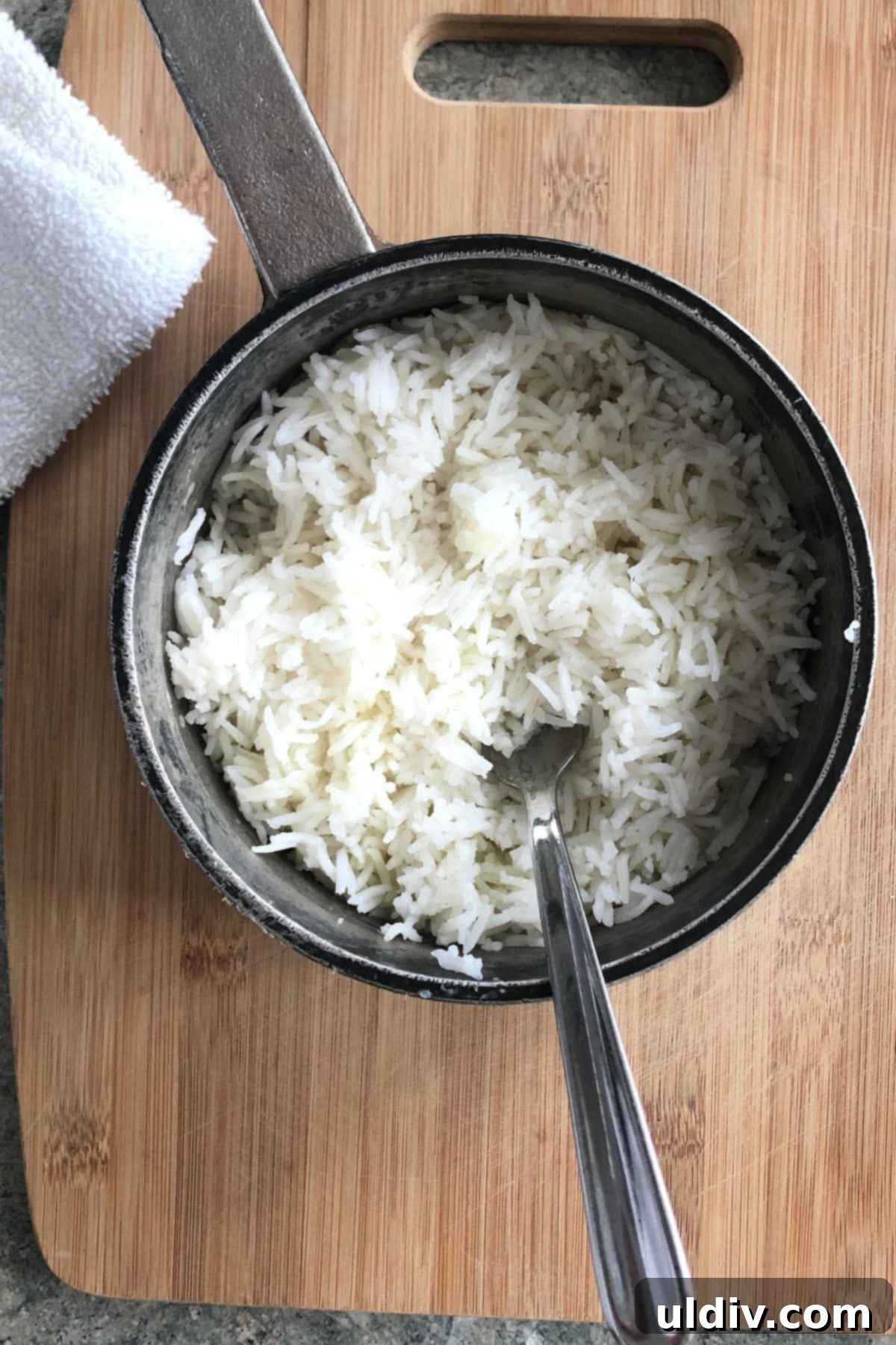
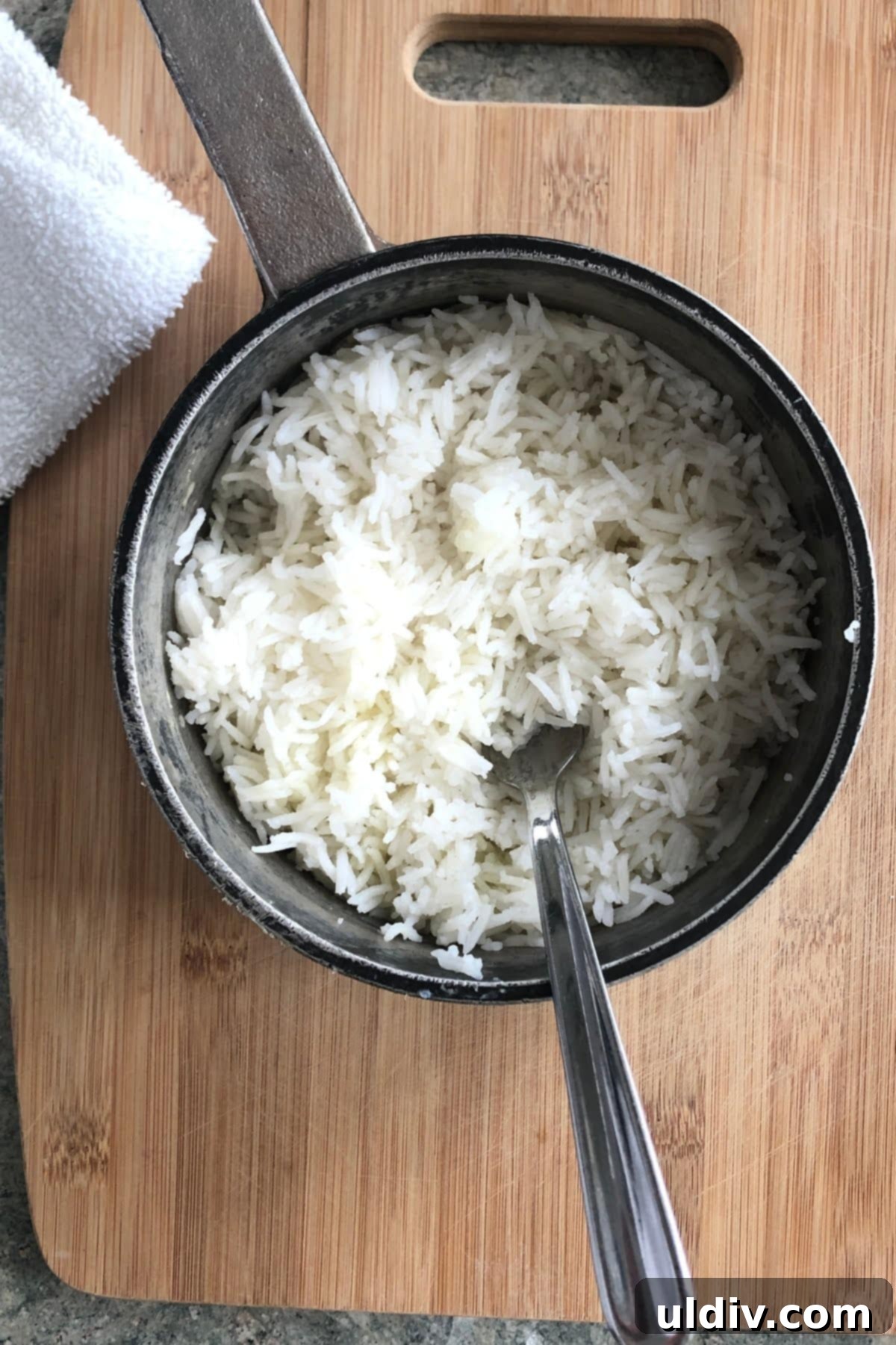
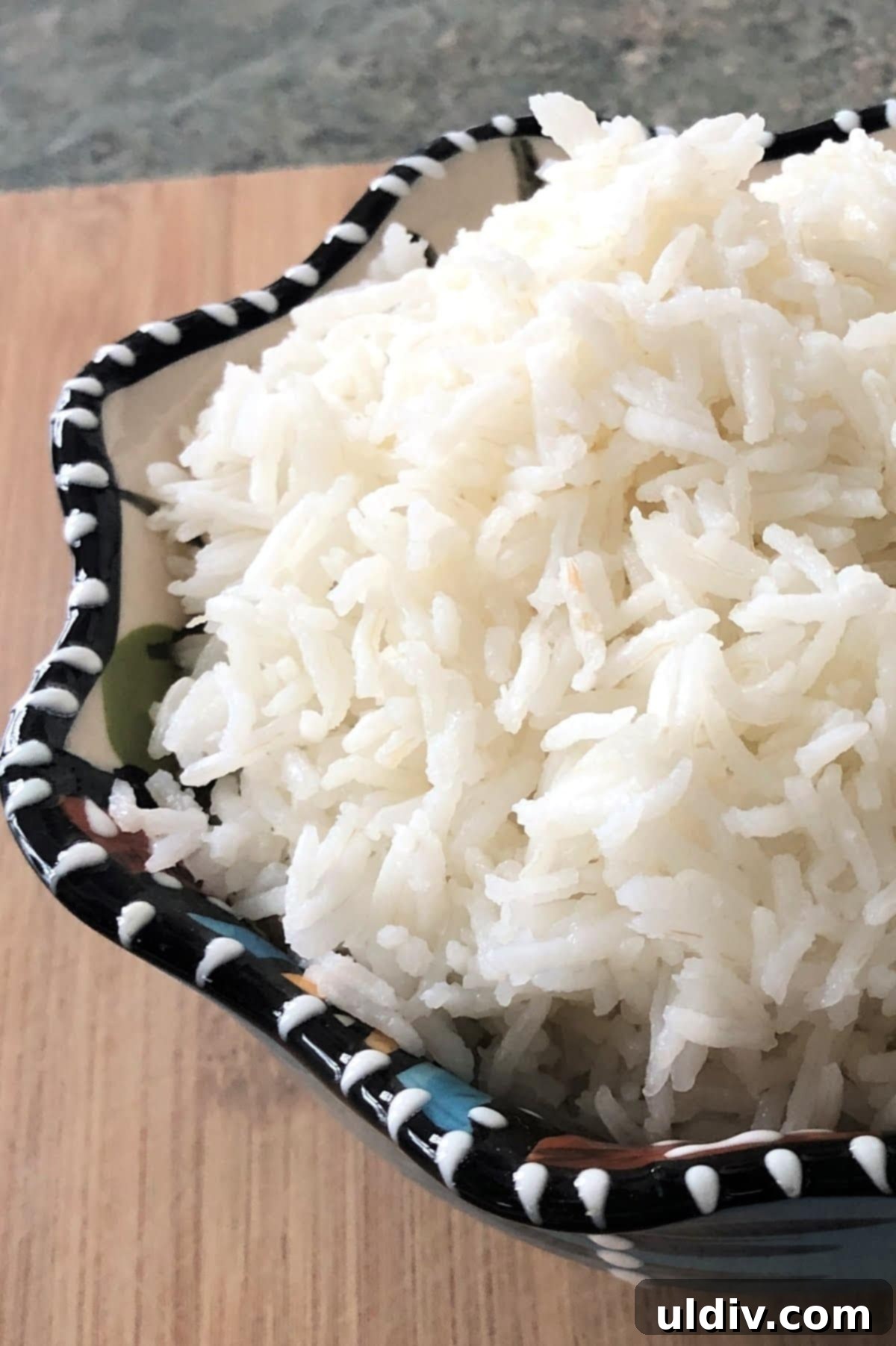
- Fluff with a Fork: After the resting time, finally remove the lid. Use a fork (not a spoon) to gently fluff the cooked rice. The fork helps to separate the grains without mashing them, allowing any excess steam to escape and further enhancing the fluffy texture. You’ll see perfectly separated, tender grains.
- Serve Immediately: Your perfectly fluffy white rice is now ready to be served as a delightful side to your favorite dishes.
Frequently Asked Questions About Cooking Rice
While some traditional methods advocate rinsing, with this specific cooking technique, there’s no strict need. The quick sautéing of the rice in olive oil at the beginning of the process helps to lightly coat and separate the individual grains, achieving the desired non-sticky outcome without the extra step of rinsing.
Once completely cooled, cooked rice can be safely stored in the refrigerator for up to 3 days. It’s crucial to cool it down quickly after cooking (within an hour) to prevent bacterial growth. Transfer the cooled rice to an airtight container. These meal prep containers are excellent for this purpose, keeping your rice fresh and ready for future meals.
The best way to reheat leftover rice is in the microwave. To prevent it from drying out, add a small amount of water (about a tablespoon per cup of rice) and loosely cover the dish with a lid or a damp paper towel. Microwave on 60% power in 30-second intervals, stirring in between, until it is thoroughly heated through. This gentle approach helps to re-introduce moisture and maintain its fluffy texture.
Recipes to Serve with Fluffy White Rice
Now that you’re armed with the keys to cooking perfect fluffy white rice, you’ll be a confident rice cooker ready to pair it with an array of delicious dishes. Elevate your culinary skills by trying out some of my favorite recipes that beautifully complement a side of perfectly cooked rice:
- Thai Curry Chicken and Rice Bowls: The aromatic flavors of Thai curry are a match made in heaven with plain white rice, soaking up all the rich sauce.
- Sizzling Hibachi Shrimp and Vegetables: Recreate your favorite Japanese steakhouse experience at home. Fluffy rice is the ideal bed for succulent shrimp and crisp vegetables.
- Coffee Rub Steak: A bold and flavorful steak benefits from the mild, balancing presence of white rice.
- Fried Rice with Chicken: This recipe is particularly fantastic for using up leftover rice, which has a firmer texture ideal for frying.
- Chicken Tikka Masala: A classic Indian dish, its creamy, spiced sauce is simply begging to be spooned over a generous portion of fluffy white rice.
Just One More Thing
I genuinely hope you find this recipe for cooking fluffy white rice incredibly helpful and that it transforms your kitchen experience. There’s immense satisfaction in mastering a basic yet essential skill like this.
If you put my method to the test, I would absolutely love to hear from you! Please consider leaving a comment below and/or giving this recipe a rating. I read every comment and do my best to reply. Also, don’t hesitate to snap a photo of your perfectly cooked rice and post it to Instagram. I love seeing your culinary creations and often feature them in my Insta stories!
For more fabulous foodie stories, instructional videos, helpful cooking tips, and inspiring recipes, be sure to check out my Facebook and Pinterest pages. Happy cooking!
Recipe
How to Perfectly Cook Fluffy White Rice
Print Recipe
Pin Recipe
Rate this Recipe
Ingredients
- 1 teaspoon olive oil
- 1 cup long grain rice (white, basmati, or jasmine)
- 2 cups hot water
Instructions
- Heat a 1-quart heavy sided pot over medium-low heat. Add the oil and the rice. Stir the rice so it is coated with the oil. Let the rice cook for about 2 minutes, until you detect a slight nutty smell.
- Pour in the 2 cups of hot water. Turn the heat to medium-high. Bring the rice and water to a full boil.
- Turn the heat to low and cover the pot with a tight-fitting lid.
- Cook the rice for 15 minutes – no peeking!
- After the cooking time, turn off the heat and let the rice rest for 5 minutes. Do not remove the lid.
- After the resting time, uncover the pot, fluff the rice with a fork and serve immediately.
Notes
- Start with a heavy sided 1-quart pot with a tight-fitting lid. The heavy pot will evenly conduct the heat, ensuring the rice cooks uniformly.
- Lightly toast the rice in a small amount of oil. This step adds extra flavor and helps to prevent the rice grains from sticking together.
- Add hot water to the rice after it has been toasted.
- Bring the water and rice to a full boil before lowering the heat to cook the rice.
- Do not peek at the rice while it is cooking. Lifting the lid allows steam to escape, which lowers the temperature inside the pot and alters the cooking time, leading to uneven results.
- After the rice is done cooking, let it sit covered and off the heat for 5 minutes. This resting time is crucial as it allows any moisture to evenly redistribute throughout the rice, resulting in perfectly fluffy grains.
- Fluff the cooked and rested rice with a fork to separate the grains and allow them to dry out a little bit before serving.