
Discovering the Charms of Celeriac: An Ode to the Underrated Root Vegetable

In the vast and varied landscape of fresh produce, some vegetables capture immediate attention with their vibrant hues or appealing forms. Others, however, possess an understated charm, requiring a closer look to reveal their true potential. Today, we turn our focus to one such humble yet magnificent ingredient: celery root, more commonly known by its elegant name, celeriac. Often overlooked in favor of its more conventionally attractive counterparts, this versatile root vegetable is a culinary powerhouse deserving of widespread recognition and a cherished spot in every kitchen.
My journey with celeriac is deeply rooted in nostalgia. Growing up, this earthy bulb was a consistent presence in our home, particularly during the colder months when seasonal variety was limited, and we relied heavily on robust pantry staples. Its distinctive aroma and adaptable nature evoke cherished memories, and to this day, I find myself drawn to its unique character. While celeriac might not win any beauty contests with its rugged exterior, its inherent beauty—its creamy texture, delicate sweetness, and subtly nutty flavor—makes it an indispensable component in a myriad of delicious and comforting dishes.
What is Celeriac? Unveiling the “Ugly Duckling” of Root Vegetables
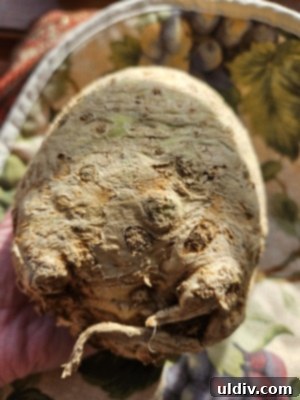
With its brownish, bulbous shape and irregularly gnarled surface, celeriac does indeed present an unconventional appearance. Its rugged, knotty exterior can sometimes lead to it being unfairly bypassed by shoppers, yet beneath this rough facade lies a tender, aromatic flesh brimming with culinary promise. Known by several names, including turnip-rooted celery or knob celery, celeriac is a distinct variety of celery specifically cultivated for its enlarged, edible hypocotyl—the swollen stem base that is frequently mistaken for a true root. Unlike other celery types grown primarily for their crisp green stalks, celeriac is harvested for this substantial, knobby bulb, making it a unique member of the vegetable family.
As The Spruce Eats aptly notes, “Celeriac, also known as celery root, turnip-rooted celery, or knob celery, is a large, bumpy, brown vegetable that’s harvested in the wintertime (…) Celeriac is a variety of celery that has a big, bulbous stem, much like an ugly, knobby turnip (hence the nickname). Unlike other types of celery, it’s harvested for the round stem (often confused as a root) instead of the green shoots.” This detailed description perfectly encapsulates the essence of this extraordinary ingredient, emphasizing that while its preparation might demand a touch more effort, the resulting culinary delights are unequivocally rewarding.

Botanical Connections: Celeriac’s Place in the Umbelliferae Family
From a botanical standpoint, celeriac enjoys close ties to some of our most familiar and cherished vegetables. According to insights from The Spruce Eats, celery root belongs to the Umbelliferae family (also known as Apiaceae), which also includes popular greens like parsley and root vegetables such as parsnips and carrots. This interesting familial connection provides a clue to its subtle yet complex flavor profile: a harmonious blend reminiscent of delicate celery and fresh parsley, underscored by earthy, nutty nuances. Its understated sweetness and distinctive aroma render it an exceptionally versatile ingredient, capable of complementing an expansive array of dishes, from hearty, slow-cooked stews to light, invigorating salads.
Nutritional Powerhouse: Why Celeriac is a Must-Have for a Healthy Diet
Beyond its intriguing flavor and remarkable adaptability, celeriac shines brightly as a nutritional powerhouse, delivering a wealth of health benefits. It is an excellent source of dietary fiber, an essential component for optimal digestive health, promoting regular bowel movements and fostering a prolonged sense of fullness, which can significantly aid in weight management. Furthermore, celeriac is impressively low in both calories and carbohydrates, positioning it as an ideal choice for individuals aiming to reduce their carbohydrate intake or effectively manage blood sugar levels. Indeed, it is frequently celebrated as a fantastic and healthy low-carb alternative to traditional potatoes.
This modest root vegetable is abundant in vital vitamins and minerals, including Vitamin K, which is crucial for proper blood clotting and maintaining strong bone health, and Vitamin C, a potent antioxidant that bolsters the immune system and contributes to radiant skin. It also supplies beneficial amounts of phosphorus, potassium, manganese, and a spectrum of B vitamins, all of which play significant roles in promoting overall well-being. Integrating celeriac into your diet is a flavorful and effortless way to elevate your nutrient intake without compromising on taste. Its naturally high water content also supports hydration, while its rich antioxidant profile helps to combat oxidative stress within the body.
Mastering Celeriac: Essential Preparation Tips for This Unique Root
Do not allow celeriac’s rugged, gnarled exterior to deter you. With a few straightforward steps, you can effortlessly prepare this delectable root for any culinary adventure. Begin by thoroughly washing the celeriac under cold running water, meticulously scrubbing away any trapped dirt from its crevices. For larger bulbs, you might find it easier to halve or quarter them before proceeding with the peeling process. A sharp, sturdy paring knife or a robust vegetable peeler is indispensable for effectively removing the tough, uneven skin. Be thorough in your peeling, ensuring all the fibrous, woody sections are discarded. Once peeled, the creamy white flesh is revealed and ready to be transformed into your desired dish. To prevent any unwelcome discoloration, it is advisable to immediately submerge the peeled celeriac in acidulated water (water with a squeeze of lemon juice) if you do not plan to use it right away.
Culinary Versatility: Exploring the Many Delicious Uses of Celeriac
The true allure of celeriac lies in its extraordinary versatility within the kitchen. It can be prepared in an impressive array of ways, adapting beautifully to diverse cooking methods and a wide range of culinary traditions. Its delicate, earthy flavor profile adeptly complements both savory and subtly sweet ingredients, making it a true delight for chefs and home cooks alike.
Raw and Refreshing: Celeriac in Salads
One of the most straightforward yet utterly delightful ways to experience celeriac is in its raw form. When finely grated or expertly julienned, its crisp texture and mild, invigorating flavor introduce a refreshing crunch to any salad. I frequently incorporate it into my autumn and winter salads, where it pairs wonderfully with other robust root vegetables like vibrant carrots, crisp apples, or even fragrant fennel. The classic celeriac remoulade, a beloved French dish featuring shredded celeriac tossed in a creamy, tangy mustard-based dressing, perfectly exemplifies its raw appeal, allowing its slightly peppery notes to truly shine when enjoyed fresh.
Creamy Comfort: Soups and Purees
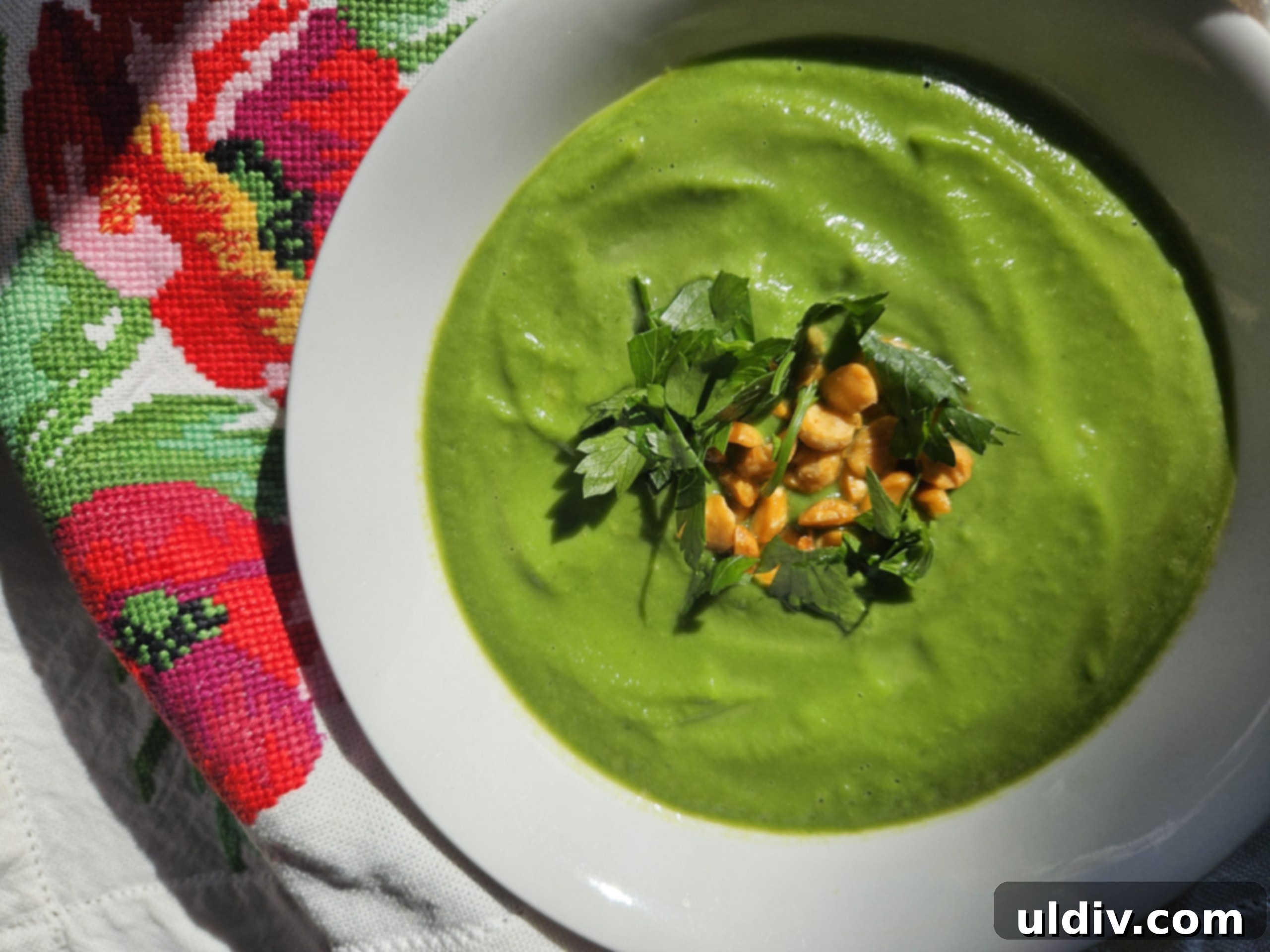
Celeriac undergoes a remarkable transformation when cooked, becoming incredibly tender and imparting a luxurious creaminess to soups and purees. Its deep, earthy flavor contributes a wonderful complexity that is both comforting and sophisticated. During my upbringing, my mother often blended it into hearty vegetarian and vegan soups, especially during the colder months. Today, I continue this cherished tradition. For instance, pictured below is a delightful vegan celery root, parsnip, and turnip green soup, showcasing its incredible potential:
Mashed celeriac offers another incredible option, whether served on its own as a low-carb alternative or artfully blended with potatoes for an enhanced flavor and texture profile. This particular technique is exceptionally useful for those looking to significantly reduce their carbohydrate intake while still enjoying a satisfyingly creamy consistency in their beloved side dishes.
Roasted and Robust: A Flavorful Side Dish
Roasting celeriac masterfully accentuates its natural sweetness and intensifies its inherent nutty flavors. When uniformly cubed or thinly sliced, it roasts beautifully alongside an assortment of other root vegetables such as carrots, parsnips, and sweet potatoes, creating a vibrant, wholesome, and incredibly flavorful side dish. Simply tossed with a drizzle of olive oil, a pinch of salt, a dash of pepper, and aromatic herbs like thyme or rosemary, roasted celeriac develops an irresistibly tender interior with delightfully caramelized edges, offering a fantastic and healthy complement to almost any meal.
Innovative Applications: Sandwiches and Beyond
Beyond its more traditional roles in soups and side dishes, celeriac can serve as an exciting and innovative ingredient in more contemporary culinary creations. I find it particularly enjoyable when incorporated into sandwiches, where its distinctive texture and subtle flavor can truly elevate a simple panini or an open-faced sandwich to new gastronomic heights. For those seeking fresh and creative inspiration, it is worth exploring recipes that ingeniously blend celeriac with other ingredients to craft unique and flavorful fillings. Consider exploring concepts such as a chicken liver pâté featuring celeriac or an inventive apple and celeriac panini – these combinations, while perhaps sounding unconventional, truly deliver on both taste and culinary innovation.
The Low-Carb Advantage: Celeriac as a Smart Potato Alternative
For individuals diligently managing their carbohydrate intake, celeriac presents itself as an outstanding and intelligent alternative to potatoes. Its remarkably similar texture when cooked, coupled with a significantly lower carbohydrate count, makes it an excellent and healthy substitute in a multitude of dishes. As the insightful article from The Spruce Eats accurately highlights, “Celery root can also step in for potatoes in some recipes to make a low-carb version. Try replacing half of the potatoes in mashed potatoes or blended potato soup.” This simple yet impactful swap can dramatically reduce the carbohydrate content of your meals without any compromise on the creamy, comforting, and satisfying mouthfeel. Imagine indulging in guilt-free mashed “potatoes” or a lighter, yet equally flavorful, hearty soup, all thanks to the humble celeriac!
Embrace the Celeriac: A Root Vegetable for All Seasons and Reasons
Celeriac, with its humble origins and surprisingly complex flavor profile, stands as a testament to the enduring truth that true beauty in food often extends far beyond its outward appearance. Its impressive nutritional density, exceptional culinary versatility, and distinct taste collectively make it a vegetable that undeniably merits broader recognition and deeper appreciation. From providing comforting warmth in hearty soups to adding a refreshing crunch in crisp salads, and serving as a smart, healthy alternative in cherished classic dishes, celeriac consistently proves its immense worth and adaptability time and again.
So, on your next visit to the local farmers’ market or grocery store, resist the urge to simply walk past that gnarled, brownish bulb. Take a moment to truly embrace the celeriac, bring it home, and embark on an exciting culinary exploration of the delightful possibilities it graciously offers. You might just uncover your new favorite root vegetable, forever changing your perspective on what healthy and delicious eating can truly be.
What Are Your Favorite Root Vegetables? Share Your Thoughts!
Do you already incorporate celery root into your cooking? What are some of your most cherished recipes, or how do you personally enjoy integrating this fantastic vegetable into your daily meals? Furthermore, what other unsung root veggies are you “rooting” for this season? We would absolutely love to hear about your creative culinary ideas, personal tips, and beloved recipes in the comments section below. Let’s collectively celebrate the incredible diversity, profound deliciousness, and inspiring health benefits that the world of root vegetables has to offer!