
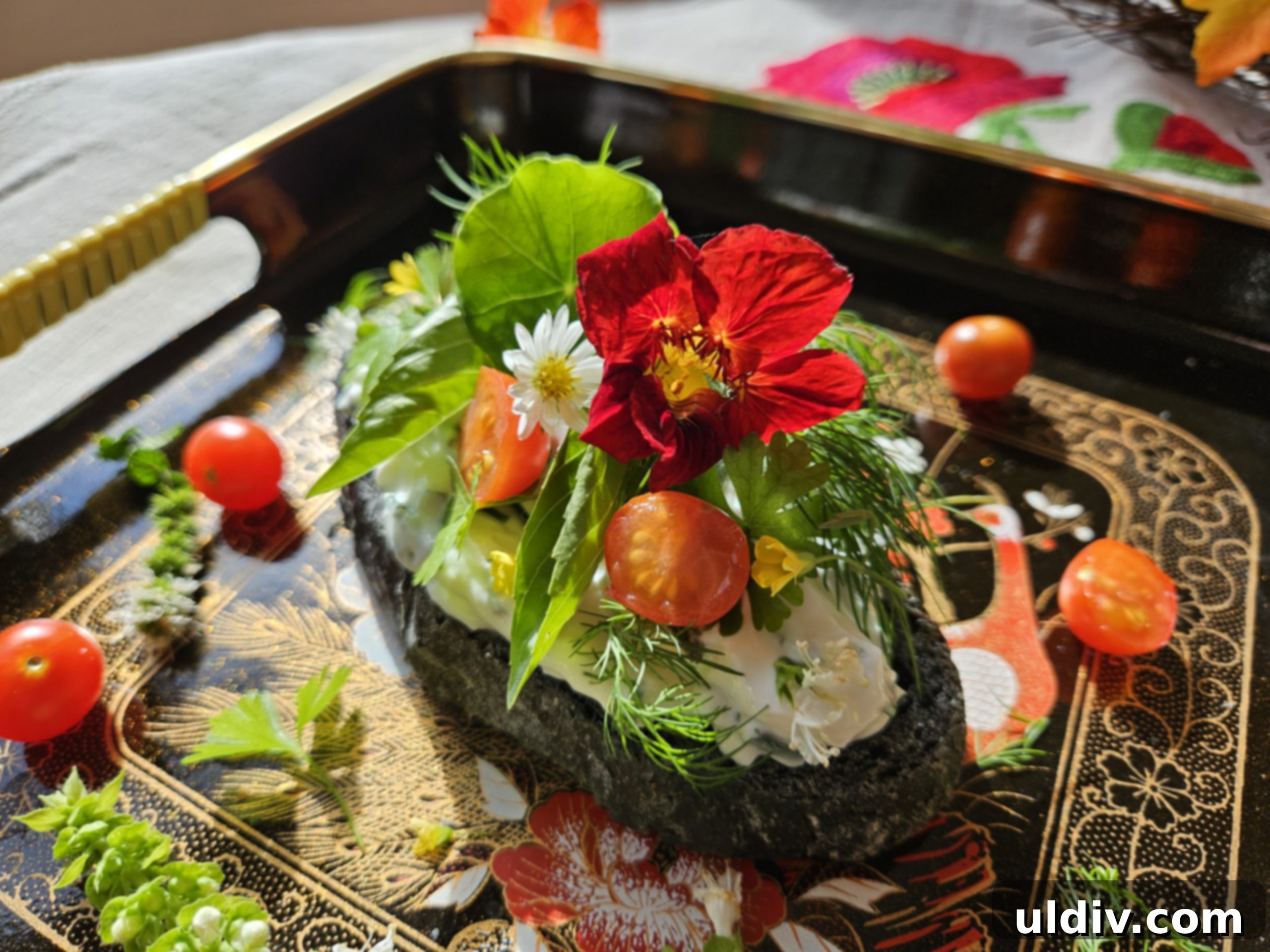
Embracing the Dark Side: Exploring Activated Charcoal in Culinary Delights and Beyond
As the crisp autumn air signals the arrival of Halloween, many of us turn to our kitchens for festive baking. This year, my culinary explorations have once again led me to an intriguing ingredient that brings a touch of dramatic flair to any dish: activated charcoal. A long-time favorite in my baking repertoire, activated charcoal offers a unique aesthetic and has a fascinating history stretching far beyond the kitchen. While I’ve showcased dishes featuring this distinctive black powder on numerous occasions, I’ve never dedicated a comprehensive article to activated charcoal itself. Prompted by this year’s Halloween baking adventures, this piece aims to shed light on its properties, uses, and some delicious inspirations as we head into the magical holiday season.
The allure of activated charcoal in baking, particularly around holidays like Halloween, lies in its ability to transform ordinary treats into visually striking masterpieces. Imagine deep black breads, mysteriously dark cupcakes, or “black velvet” desserts that perfectly capture the spooky spirit. But activated charcoal is more than just a natural food coloring; it’s a substance with a rich background in health, science, and even emergency medicine. Let’s delve into what makes this ingredient so special, and how it can be safely and creatively integrated into your culinary world.
What Exactly Is Activated Charcoal? Understanding the Science Behind the Black Powder
To truly appreciate activated charcoal, it’s essential to understand its nature. As Alina Petre explains in “What Is Activated Charcoal? Benefits and Uses” on Healthline, activated charcoal “is charcoal that has been treated with oxygen at very high temperatures to make it more porous. This treatment changes its internal structure, reducing the size of its pores and increasing its surface area. The resulting fine black powder is either sold as is or encapsulated as supplements. Activated charcoal is also added to various food and nonfood products, from ice cream to toothpaste.”
This “activation” process is key. Unlike the charcoal used for grilling, activated charcoal undergoes a specialized process that creates millions of tiny pores on its surface. This vastly increases its surface area, giving it an incredible capacity for adsorption – a process where substances bind to its surface. This unique property is what makes it so effective in various applications, from filtering water to binding toxins in the body. It’s crucial to note that activated charcoal is typically made from sources like wood, coconut shells, or peat, and then processed to be food-grade, ensuring it’s safe for consumption in controlled amounts.
A Journey Through Time: Historical and Medicinal Uses of Activated Charcoal
My personal history with activated charcoal dates back to my childhood, when my mother would administer it for an upset stomach. I vividly recall the slightly gritty texture as it went down, a memory that stands in stark contrast to the much finer, smoother powder available today. While those childhood memories were mostly about texture, modern science has indeed validated several traditional uses and uncovered new applications for activated charcoal.
For centuries, activated charcoal has been revered for its powerful adsorptive properties, particularly in medical contexts. It has long been a go-to emergency treatment for certain types of poisoning and drug overdoses. A recent study conducted by NCBI (part of NIH) scientists confirms its efficacy in specific cases, though not all. As Petre further clarifies, “It can bind to a wide variety of drugs, reducing their effects. This substance may be used to treat overdoses from both prescription drugs and over-the-counter medications.” It essentially acts as a sponge, preventing harmful substances from being absorbed into the bloodstream.
Beyond emergency poison control, activated charcoal has also shown promise in alleviating digestive discomforts like diarrhea and flatulence. Its ability to adsorb gases and toxins can help soothe an upset digestive system. Furthermore, its incredible filtration capabilities are widely utilized in water purification systems, removing impurities and contaminants to make water safer for consumption. However, Petre rightly advises caution, noting that “more research is needed for almost all applications” to fully understand its long-term effects and optimal usage.
Important Medical Disclaimer and Safety Precautions
While the medicinal applications of activated charcoal are significant, it is absolutely vital to exercise extreme caution and always consult a healthcare provider before using it for any medical condition, especially if you are taking other medications. Activated charcoal can bind to prescription drugs, over-the-counter medications, and even essential nutrients, potentially reducing their efficacy. This includes critical medications such as birth control pills, heart medications, and antidepressants. Never attempt to make activated charcoal at home, as the process is complex and homemade versions can be highly unsafe and ineffective. Always opt for high-quality, food-grade activated charcoal from reputable sources.
The Culinary Renaissance: Activated Charcoal in Modern Baking
In recent years, activated charcoal has transitioned from a medicinal staple to a trendy culinary ingredient, captivating chefs and home bakers alike with its striking aesthetic. Its ability to impart a dramatic, inky black color without significantly altering flavor makes it perfect for creating visually stunning dishes. From “goth” ice cream and black lattes to charcoal-infused breads and pastries, it has become a favorite tool for adding an element of sophisticated mystery to food.
While some culinary uses are tied to perceived “detox” benefits, it’s important to separate the marketing hype from scientific reality. The small amounts of activated charcoal used in cooking are primarily for aesthetic purposes and are unlikely to offer significant detoxifying effects. Moreover, as mentioned, regular consumption of activated charcoal in large quantities can interfere with nutrient absorption. Therefore, moderation and awareness are key when incorporating it into your diet.
Baking with Activated Charcoal: Tips and Tricks for Spooky Delights
Incorporating activated charcoal into your baked goods is surprisingly straightforward. I typically add 1-2 teaspoons of activated charcoal powder per a standard recipe batch, adjusting the quantity based on the desired intensity of the black color and the total amount of flour used. It’s best to sift the powder with your dry ingredients to ensure even distribution and prevent clumps. Activated charcoal is generally flavorless, so it won’t overpower your recipes, allowing the original flavors to shine through beautifully.
For Halloween, activated charcoal is an absolute game-changer. It allows you to create spooky, elegant, or playful treats that perfectly capture the holiday’s essence. Here are some of the creations I’ve enjoyed making:
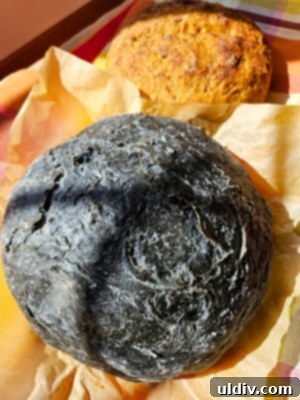
This striking activated charcoal boule I crafted for a recent Instagram challenge perfectly showcases the ingredient’s dramatic impact. The deep black crust and crumb create an intriguing contrast with any vibrant filling or topping. Imagine serving slices of this mysterious bread with bright yellow cheeses, creamy white spreads, or colorful roasted vegetables. It elevates a simple bread loaf into a conversation starter, making it an ideal centerpiece for a Halloween brunch or dinner party.
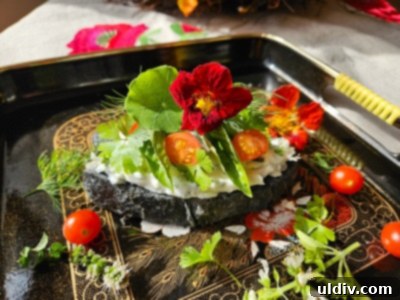
Following the boule, I created this beautiful open-faced sandwich. The rich black canvas of the activated charcoal bread provided a stunning backdrop for a cream cheese spread, adorned with the last fresh veggies, fragrant herbs, and delicate edible flowers from my garden. The visual pop of the colorful toppings against the dark bread is simply mesmerizing, proving that activated charcoal can be used to create both spooky and elegant culinary presentations.

For this year’s Halloween celebrations, I also conjured up these spookilicious cupcakes with activated charcoal. Whether the cake itself is black or just the frosting, the activated charcoal transforms them into eerie, yet delightful, treats. Imagine these adorned with orange or purple sprinkles, ghost figures, or spiderweb designs – they are guaranteed to be a hit at any Halloween gathering, combining deliciousness with a perfectly ghoulish aesthetic.

And finally, behold these pumpkin spice bars. While typically “red velvet,” on this occasion, I must confess that “black velvet” is a far more fitting description! The deep, luxurious black color imparted by the activated charcoal transforms the classic pumpkin spice flavor into something mysteriously elegant. These bars offer a sophisticated twist on a beloved autumn flavor, making them perfect for those who appreciate both traditional tastes and a dramatic presentation.
Beyond Baking: Other Culinary Adventures with Activated Charcoal
Activated charcoal’s versatility extends beyond just baking. It can be used to create visually striking black ice cream, dramatic cocktails (think a “midnight martini”), or even savory dishes like black pasta or pizza dough. Its neutral flavor profile makes it an excellent choice for adding depth of color without compromising the intended taste of your creations. Always remember to use food-grade activated charcoal and to add it incrementally to achieve your desired shade.
Final Thoughts: A Call to Creative Culinary Exploration
Activated charcoal is a truly fascinating ingredient that offers both historical significance and modern culinary appeal. Its powerful adsorptive properties have made it invaluable in emergency medicine and water filtration, while its striking black hue has captured the imagination of food enthusiasts worldwide. Whether you’re looking to create mysteriously beautiful Halloween treats or simply explore a unique aesthetic in your everyday baking, activated charcoal provides an exciting avenue for culinary creativity.
As you embark on your own activated charcoal adventures, always prioritize safety by using food-grade products and being mindful of its potential interactions with medications. With these considerations in mind, activated charcoal can be a wonderful addition to your pantry, enabling you to craft dishes that are as visually stunning as they are delicious.
What is your favorite ingredient for Halloween baking, or what unique dishes have you created with activated charcoal? Share your thoughts and recipes in the comments below, and happy Halloween!