
Mastering Home Flour Milling: A Comprehensive Guide to Freshly Ground Grains for Superior Baking
The enchanting aroma of freshly baked bread is a universal comfort, but what if we told you the journey to that perfect loaf could begin even earlier, with the distinct scent of freshly milled flour? Many home bakers and culinary enthusiasts are increasingly drawn to the idea of grinding their own grains. This pursuit is fueled by the promise of enhanced flavor, superior nutritional content, and a deeper, more intentional connection to the food we consume. However, for many, the initial investment in a dedicated grain mill often presents a significant hurdle. For years, I, too, found myself in this very predicament, admiring the concept of home milling but hesitant to commit to the expense of a specialized grain-grinding machine.
This comprehensive guide aims to demystify the world of home flour milling. We will explore both accessible, budget-friendly methods and more advanced solutions, share invaluable practical tips for baking with freshly ground flour, and help you determine if this rewarding culinary adventure is the right fit for your kitchen. Whether you’re considering a substantial investment or simply looking for innovative, cost-effective alternatives, this article will cover everything you need to know to elevate your baking experience and embrace the freshness of home-milled grains.
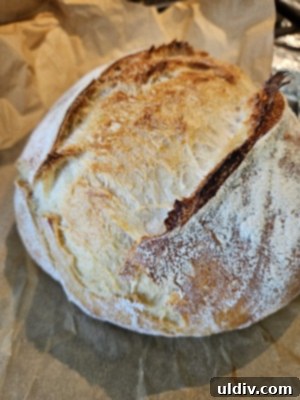
The Allure of Freshly Milled Flour: Why Choose It Over Store-Bought?
Before we delve into the mechanics of milling, let’s explore the compelling reasons why freshly milled flour is capturing the attention of home bakers, health-conscious individuals, and food connoisseurs alike:
Unparalleled Nutritional Value
When you grind grains at home, you capture and preserve every essential component of the kernel: the nutrient-rich bran, the oil-rich germ, and the starchy endosperm. Commercial milling processes often remove the bran and germ, primarily to extend shelf life and produce a finer, whiter flour. However, it is precisely the bran and germ that are packed with dietary fiber, a wide array of vitamins (especially B vitamins and vitamin E), vital minerals, beneficial healthy fats, and powerful antioxidants. Freshly milled whole grain flour retains these critical nutrients, offering a significantly more wholesome and nourishing product compared to its refined counterparts. This translates directly into more beneficial fiber for digestive health and a broader spectrum of micronutrients infused into every bite of your baked goods.
Superior Flavor and Captivating Aroma
Consider the profound difference between the robust flavor and invigorating aroma of freshly ground coffee versus pre-ground coffee – the same transformative principle applies to flour. Whole grains contain delicate volatile oils and enzymes that, once the grain is milled and exposed to air, immediately begin to oxidize and degrade. Freshly milled flour, on the other hand, boasts an exceptionally rich, complex flavor profile and a distinctively sweet, earthy aroma that is simply absent in commercially processed and aged flours. This heightened sensory experience can profoundly transform your baked goods, adding a depth and character that store-bought flour cannot replicate. Breads, pastries, cakes, and even simple cookies take on an entirely new dimension of deliciousness, showcasing the true essence of the grain.
Empowering Control Over Your Ingredients
Milling your own flour grants you ultimate control and transparency over your ingredients. You hand-pick the specific type of grain – whether it’s hard white wheat for lighter loaves, hard red wheat for a more robust flavor, ancient farro, versatile oats, or nutritious corn – and you possess complete knowledge of what goes into your flour. This level of control is particularly appealing for those who are concerned about hidden additives, chemical preservatives, or genetically modified ingredients often found in commercial products. You have the freedom to opt for certified organic, locally sourced, or unique heirloom varieties, ensuring the purity, quality, and ethical sourcing of your foundational ingredient. This deep level of transparency fosters a greater connection to your food and empowers you to make informed, healthier choices for yourself and your family.
DIY Flour: Exploring Home Grinding Methods
Embarking on the journey to freshly milled flour doesn’t necessarily demand a hefty financial outlay. There are several viable methods, each offering its own set of advantages and important considerations.
The Coffee Grinder: Your Accessible Entry Point
My personal foray into the world of home milling began not with a sophisticated, specialized machine, but with a humble coffee grinder. For those who, like me, find the cost of dedicated grain mills difficult to justify as an initial investment, a standard coffee grinder offers a surprisingly effective and highly accessible entry point into home grain milling.
- Cost-Effectiveness: Most households already possess a coffee grinder, making this a zero-cost initial investment. If not, basic models are significantly more affordable than even entry-level grain mills.
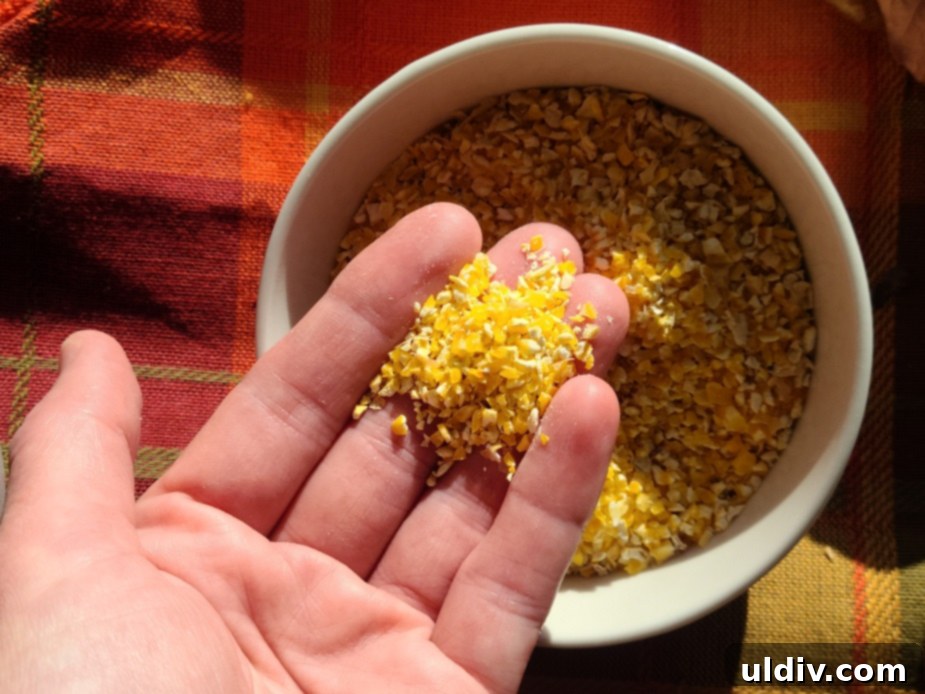
- Method: I routinely use my coffee grinder to process grains like corn, oats, and various wheat berries (including hard white wheat, hard red wheat, and farro). I primarily utilize these coarse flours in hearty soups and refreshing salads. The absolute key to success with this method is patience. It’s crucial to grind in multiple, short bursts, allowing the grinder to cool down between each round. This practice prevents overheating of the motor and significantly prolongs the appliance’s lifespan.
- Texture and Culinary Applications: While the resulting texture from a coffee grinder won’t achieve the ultra-fine “powdery” consistency of commercially milled flour, I personally find the slightly coarser appearance and satisfying mouthfeel incredibly charming and wonderfully rustic. This unique texture is absolutely fantastic for baking authentic artisan breads, preparing hearty pancakes, crafting wholesome muffins, or even as a natural thickening agent in rich stews, lending a distinctive character to all your culinary creations.
- Limitations: It’s imperative to remember that coffee grinders are not engineered for continuous, heavy-duty grain milling. They may struggle with exceptionally hard grains, produce a less consistent flour fineness, and can experience accelerated wear and tear with frequent, intense use. Always recommend a patient, deliberate, and slow approach to ensure the best results and protect your appliance.
Dedicated Grain Mills: The Professional’s Choice
For truly passionate bakers, individuals committed to a predominantly home-milled diet, or those seeking maximum efficiency and control, a dedicated grain mill represents the ultimate choice. These specialized machines are expertly engineered for the singular task of grinding grains, consistently delivering speed, superior efficiency, and an exceptionally fine, uniform flour.
- Types of Mills: Dedicated grain mills generally fall into two primary categories: impact mills and stone mills. Impact mills utilize high-speed stainless steel fins to shatter grains into flour, while stone mills employ natural or synthetic stones to meticulously grind them. Each type offers distinct benefits regarding flour fineness, operational noise levels, and overall durability.
- Advantages: Dedicated mills are designed to produce very fine, consistently textured flour rapidly and efficiently. They are built with robust components for long-term durability and can effortlessly handle a wide variety of grains, including the very hardest varieties. Many advanced models also feature adjustable settings, allowing you to customize the flour fineness from a coarse meal to an ultra-fine pastry flour. Leading brands such as NutriMill are highly regarded and popular choices among serious home milling enthusiasts.
- Investment Considerations: The primary consideration for dedicated grain mills is the cost, which can range anywhere from a few hundred to well over a thousand dollars. Other important factors to evaluate include the amount of counter space required, the noise levels generated during operation, and the ease of cleaning and maintenance.
Stand Mixer Attachments: A Practical Hybrid Solution
A popular and highly practical middle-ground option, especially for those who already own a powerful stand mixer, is the grain mill attachment. KitchenAid, for example, offers a robust all-metal grain mill attachment specifically designed for use with their iconic stand mixers.
- Benefits: These attachments are typically more affordable than investing in a standalone grain mill, and they cleverly leverage an appliance you already own, saving valuable kitchen space. They are an excellent solution for occasional milling needs and are capable of producing a decent quality flour suitable for a wide range of everyday baking requirements.
- Drawbacks: While undoubtedly convenient, stand mixer attachments can be slower than dedicated grain mills. Furthermore, continuous or heavy-duty use, especially with very hard grains, may potentially put a strain on your mixer’s motor over time. The fineness and consistency of the flour produced might also be slightly less uniform compared to a purpose-built grain mill.
- Decision Factors: If you mill occasionally, have limited kitchen space, or are working within a tighter budget for a separate appliance, a stand mixer attachment is a highly viable and practical choice. The question of whether to acquire one still weighs on my mind, as I balance the undeniable convenience against the potential limitations.
Sourcing Your Grains: The Foundation of Superior Flour
Regardless of your chosen milling method, the quality of your whole grains is of paramount importance. High-quality, fresh grains will consistently yield the most flavorful and nutritious flour.
- Where to Buy: Partnering with reputable sources for your grains is key. I frequently purchase corn, oats, and various wheat berries from Azure Standard, a company well-regarded for its bulk, organic, and non-GMO offerings. Other excellent sources include local farms and farmer’s markets, agricultural co-ops, health food stores with dedicated bulk sections, or specialized online retailers that focus on high-quality grains.
- Types of Grains: Don’t hesitate to experiment with different grain varieties! Hard white wheat is an excellent choice for producing lighter, everyday breads and pastries, while hard red wheat imparts a more robust, distinctly nutty flavor and denser crumb. Farro, an ancient wheat grain, is fantastic for adding delightful texture and earthy flavor to savory dishes or creating rustic, artisanal breads. Oats and corn can be expertly ground into flours perfect for fluffy pancakes, authentic cornbread, or as valuable gluten-free alternatives in certain recipes.
- Storage of Whole Grains: A significant advantage of whole grains is their inherently much longer shelf life compared to pre-milled flour. Always store your whole grains in airtight containers in a cool, dark, and dry pantry. For extended storage, particularly in warmer or more humid climates, refrigeration or freezing is highly recommended. These colder temperatures effectively prevent insect infestation and maintain the grains’ pristine freshness for many months, sometimes even years.
Mastering the Art of Baking with Freshly Milled Flour
Baking with freshly milled flour is a deeply rewarding experience that, while intuitive, does require a few thoughtful adjustments to your traditional recipes and established techniques. Understanding these subtle nuances will play a crucial role in ensuring your baked goods consistently turn out perfectly, achieving the desired texture, flavor, and rise.
Adjusting Liquid Content: A Critical First Step
One of the most crucial distinctions when baking with freshly milled flour is its significantly higher absorption rate. Because it retains all the bran and germ, which are highly hydrophilic, it absorbs substantially more liquid than commercially processed, refined flours. This fundamental difference means your recipes will almost certainly require adjustments:
- Start with Less Flour: A timeless baking adage holds true here: “You can always add more in, but you can’t take it back out.” It’s always prudent to begin your recipe with a slightly lesser amount of flour than called for, or, conversely, to incorporate a marginally greater amount of liquid initially.
- Observe and Adjust: As noted by melissaknorris.com, “Because the flour will absorb liquid, wait before adding more flour. Mix until it sticks together, but is still tacky or sticky to the touch of your finger.” This tactile test is an invaluable guide. After initial mixing, allow your dough or batter to rest for 10-15 minutes, providing ample time for the flour to fully hydrate before you decide if additional flour is truly necessary.
Shelf Life and Proper Storage for Optimal Freshness
As previously discussed, the very components that make freshly milled flour so nutritious – particularly the germ and its delicate, beneficial oils – also render it significantly more perishable than refined, store-bought flour. These natural oils can quickly oxidize and turn rancid when exposed to air, light, and heat, leading to off-flavors.
- Mill as Needed: The golden rule for maximizing freshness and flavor is to ideally mill only as much flour as you anticipate needing for a particular recipe or baking session.
- Proper Storage for Leftovers: If you find yourself with leftover freshly milled flour, proper storage is absolutely essential. Immediately transfer the flour to an airtight container after milling. For short-term storage (a few days to about a week), a cool, dark pantry is adequate. However, for longer periods, refrigeration or freezing is indispensable. The colder temperatures dramatically slow down the oxidation and rancidity processes, preserving the flour’s quality, flavor, and nutritional integrity for several weeks to many months.
Embrace Experimentation and Recipe Adaptation
Don’t be afraid to experiment! Freshly milled flour often behaves uniquely across different recipes and baking styles. You might discover that a slightly longer proofing time benefits yeast-leavened doughs, or for exceptionally light and airy textures, you could consider gently sifting out some of the coarser bran (though this will slightly reduce the full whole-grain benefits). Over time, through practice and observation, you will undoubtedly develop an intuitive feel for precisely how your home-milled flour performs in all your favorite recipes, allowing you to adapt with confidence and creativity.
Beyond Bread: Versatile Culinary Uses for Your Home-Milled Flour
While often primarily associated with rustic, artisanal loaves of bread, freshly milled flour is incredibly versatile and possesses the remarkable ability to enhance a vast array of culinary creations. Its distinct flavor profile and unique texture open up exciting new possibilities and dimensions in your kitchen:
- Hearty Baked Goods: Beyond foundational breads, utilize your fresh flour for making exceptionally hearty pancakes, irresistibly fluffy waffles, wholesome and moist muffins, rustic scones, and even delightfully chewy cookies. The subtle coarseness can add a delightful texture and an extra layer of flavor complexity.
- Homemade Pasta: Imagine the unparalleled satisfaction of crafting fresh pasta, perhaps with your own freshly ground durum wheat flour! The resulting texture and rich taste will be far superior to any store-bought alternative, offering a truly authentic experience.
- Natural Thickening Agent: Coarsely ground flours can function as superb natural thickeners for a variety of dishes, including comforting soups, rich stews, and savory gravies, imparting a subtle, pleasing nutty flavor that complements the dish beautifully.
- Wholesome Porridges and Hot Cereals: Grind oats, rye, or other desired grains into a coarse meal to create incredibly nutritious, hearty, and satisfying breakfast porridges and hot cereals, a perfect start to any day.
- Nutrient-Dense Baby Food: For parents seeking the healthiest and most wholesome options, freshly milled grains can be easily cooked into simple, yet exceptionally nutrient-dense, homemade baby cereals, ensuring purity and freshness for the youngest members of the family.
Balancing Convenience and Craft: My Ongoing Flour Journey
Despite the undeniable and numerous benefits of home milling, the practical reality for many home bakers, myself included, often involves a harmonious blend of both traditional and modern approaches. For the majority of my everyday baking needs, I continue to rely on the consistent quality and sheer convenience of store-bought flour, particularly the excellent range of Bob’s Red Mill flours. The decision to invest in a dedicated, high-performance grain mill or even a stand mixer attachment remains an ongoing internal debate, a constant balancing act between the occasional, profound joy of baking with truly fresh flour and the practical considerations of limited kitchen space, available time, and my overall budget.
Ultimately, the journey of home flour milling is deeply personal – it’s about empowerment, culinary exploration, and the passionate pursuit of both superior flavor and optimal nutrition. Whether you embark on this path by starting modestly with a simple coffee grinder or dive straight into the world of state-of-the-art milling equipment, the experience of transforming whole grains into your own fresh flour is profoundly satisfying, creatively stimulating, and immensely rewarding in countless ways.
For a fantastic basic bread recipe that works wonderfully with a mix of store-bought and potentially some of your very own home-milled flour, I invite you to check out my detailed post “The Best Bread Recipe for Beginners here.”
What culinary creations are you dreaming up and baking in your kitchen this season? Share your baking adventures, insights, and thoughts on home milling in the comments section below! Your experiences could inspire others on their own fresh flour journey.