
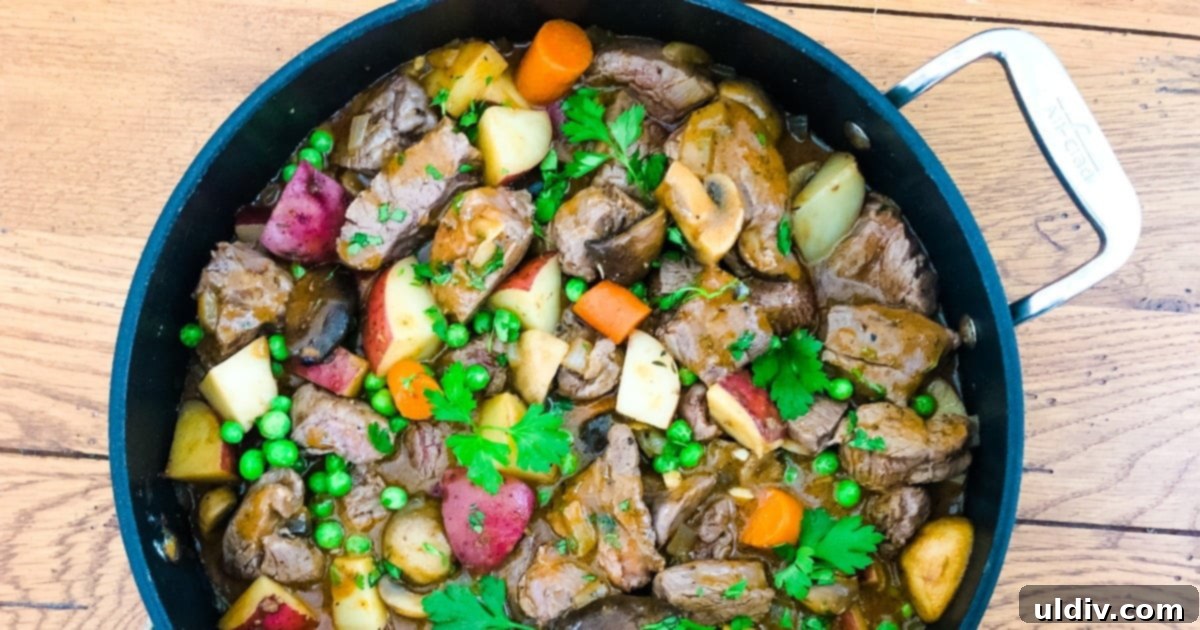
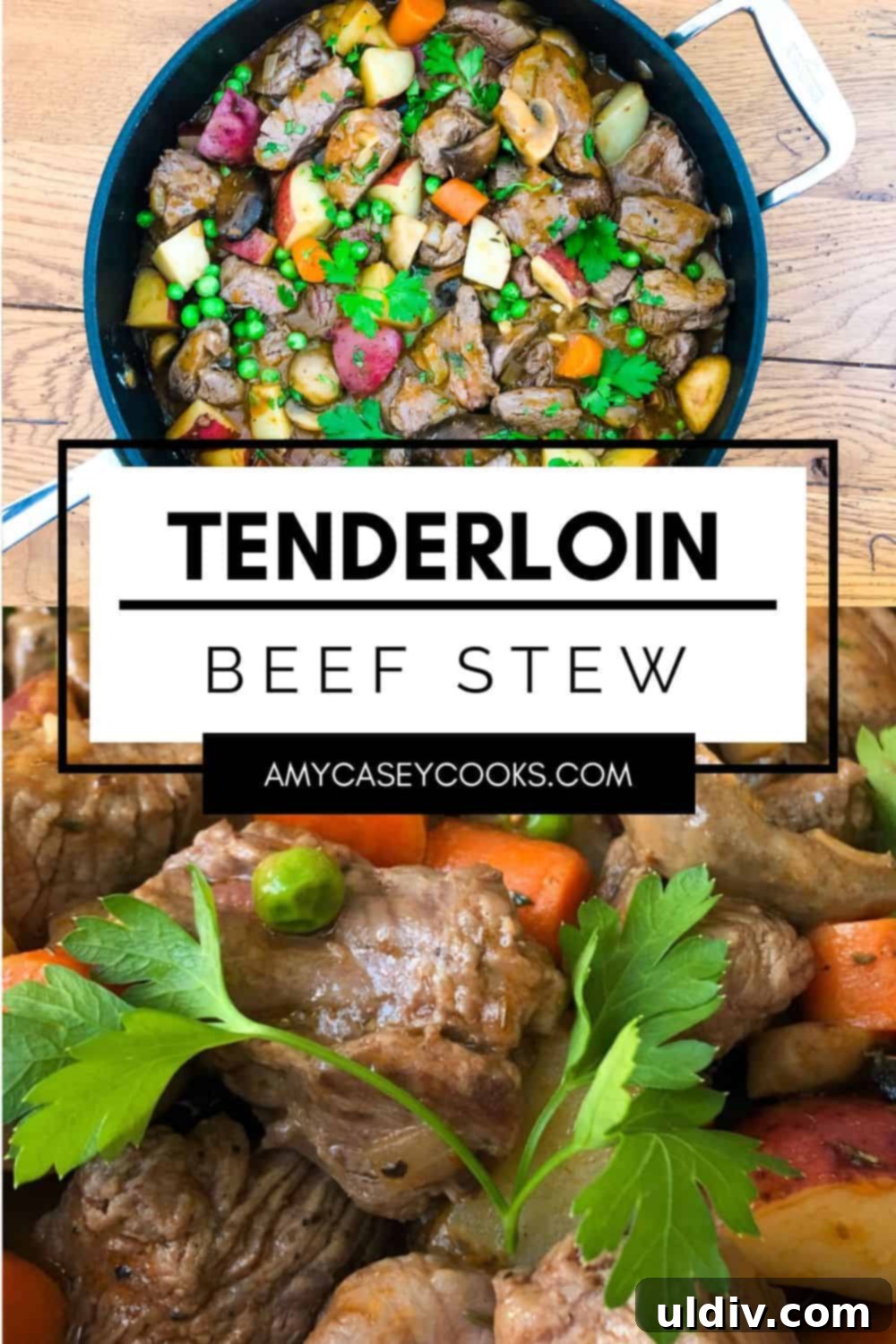
Beef Tenderloin Stew with New Potatoes and Mushrooms offers a truly elegant yet incredibly comforting one-pot dining experience. This expedited take on a beloved classic delivers all the rich, hearty flavors typically associated with slow-cooked stews, but can be on your table in a fraction of the time. Perfect for busy weeknights or a special, stress-free gathering, this recipe promises melt-in-your-mouth beef and a deeply satisfying sauce that will quickly become a household favorite.
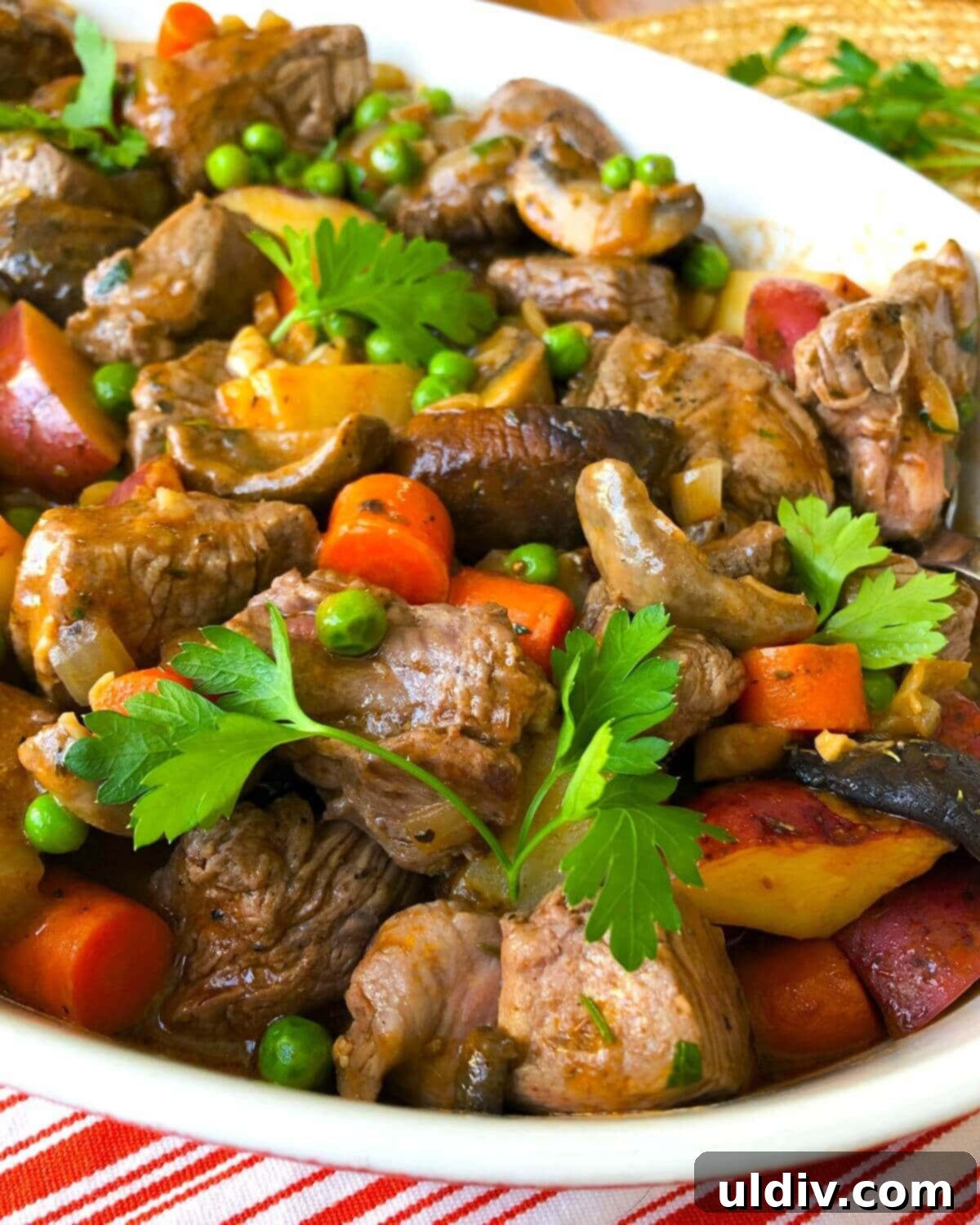
Why This Beef Tenderloin Stew is a Must-Try
There’s nothing quite like a cozy evening at home, especially when it’s accompanied by an exceptional meal. After a long week, my ideal date night involves good company, a fine bottle of wine, and a deliciously comforting dish, perhaps like my French Onion Chicken Bake or Smothered Pork Chops with Mushroom Gravy. This Beef Tenderloin Stew with Potatoes and Mushrooms perfectly fits that bill, transforming an ordinary dinner into something truly special and memorable.
While traditional beef stews often call for tougher cuts like beef chuck, requiring hours of simmering to achieve tenderness, this recipe cleverly utilizes beef tenderloin. This premium cut, known for its incredible tenderness, allows us to create an equally luxurious stew in significantly less time. The result is an ultimate comfort food that boasts succulent, melt-in-your-mouth beef, enveloped in a rich, decadent wine sauce that sings with flavor. It’s the perfect blend of gourmet appeal and everyday practicality.
Imagine tender chunks of beef, perfectly cooked potatoes, and earthy mushrooms, all swimming in a savory broth thickened to perfection. This stew isn’t just a meal; it’s an experience, offering a sophisticated twist on a rustic favorite. It’s a testament to how quick cooking doesn’t mean compromising on depth of flavor or quality.
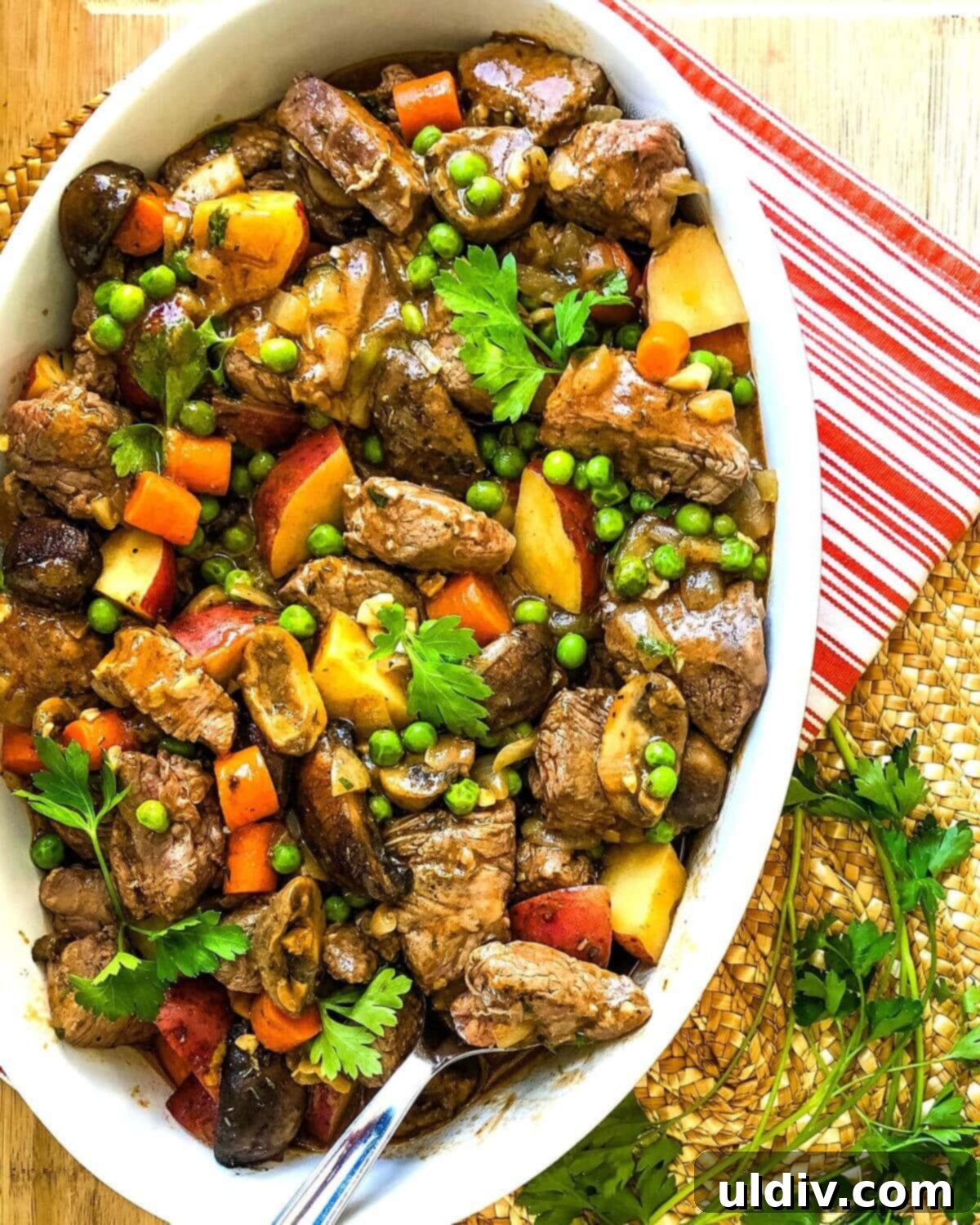
The Magic of Beef Tenderloin in Stew
Choosing beef tenderloin for this stew is the secret to its speedy preparation and unparalleled tenderness. Unlike other cuts that require extensive slow cooking to break down connective tissues, tenderloin is inherently soft and cooks quickly. This makes it an ideal choice for a weeknight meal that tastes like it simmered all day. We recommend asking your butcher for the “tail” or “end cut” of the tenderloin. These portions are typically less expensive than the prime center cuts used for filet mignon, offering exceptional value without sacrificing quality or tenderness.
The beauty of this quick-cooking method means you spend less time in the kitchen and more time enjoying your meal and company. The tenderloin absorbs the rich flavors of the broth and vegetables beautifully, resulting in a stew that is both deeply comforting and elegantly refined. This isn’t just a shortcut; it’s a smart culinary choice that elevates the entire dish.
Essential Ingredients and Clever Substitutions
Crafting this rich and flavorful beef tenderloin stew relies on a thoughtful selection of fresh ingredients. Here’s a breakdown of what you’ll need and some flexible substitutions to suit your pantry and preferences. For precise quantities, refer to the detailed recipe card below.
- Olive Oil: The base for searing and sautéing. Its fruity notes complement the beef and vegetables. Alternatives include avocado oil, grapeseed oil, or sunflower oil for similar high-heat cooking properties.
- Beef Tenderloin: The star of this quick stew. Cut into 1-inch cubes, it guarantees swift cooking and a buttery tender texture. This is crucial for the “speedy” aspect of the recipe.
- Kosher Salt: Its larger grain size enhances flavor without making the dish overly salty, allowing for better control over seasoning.
- Fresh Ground Black Pepper: Significantly more aromatic and flavorful than pre-ground pepper, it adds a vibrant kick.
- Salted Butter: Contributes a rich, creamy depth to the sautéed vegetables. If managing salt intake, unsalted butter works perfectly; just adjust the added kosher salt accordingly.
- Yellow Onion: Provides a foundational sweetness and savory base when caramelized. Vidalia onions, white onions, or delicate shallots are excellent alternatives.
- Garlic Cloves: Fresh garlic is indispensable for its pungent aroma and flavor, building layers of savory goodness. Avoid pre-minced jarred garlic for the best results.
- Baby Potatoes (New Potatoes): These small, tender potatoes cook quickly and add a lovely texture. You can also use quartered red, white, or Yukon Gold potatoes. Their waxy texture holds up well in a stew.
- Carrots: Fresh carrots are key. They add natural sweetness and vibrant color. Canned or frozen carrots tend to become mushy and compromise the texture of the stew.
- Button Mushrooms: These absorb the flavors of the stew beautifully, adding an earthy, umami depth. Cremini (baby bella) mushrooms are a fantastic substitute, offering a slightly more robust mushroom flavor.
- Fresh Thyme: Infuses the stew with an aromatic, herbaceous quality. If fresh isn’t available, 1 teaspoon of dried thyme can be used, but note that fresh herbs offer a brighter flavor.
- All-Purpose Flour: Acts as a thickening agent for the rich sauce, creating a velvety consistency.
- Tomato Paste: A concentrated burst of umami that deepens the flavor profile of the stew. A tube of tomato paste is incredibly convenient for using just the right amount without waste.
- Beef Stock: Forms the liquid base of the stew, contributing a robust, savory backbone. Use your favorite high-quality homemade or store-bought beef stock.
- Red Wine Vinegar: A splash of acidity is vital to brighten the flavors, cutting through the richness of the beef and sauce. Balsamic vinegar or white wine vinegar can be used as alternatives, each offering a slightly different nuance.
- Dijon Mustard: Adds a subtle tang and emulsifies the sauce, enhancing its richness without overpowering the other flavors. Stone ground mustard or even a touch of yellow mustard can work in a pinch.
- Frozen Peas: Introduced at the end, they add a pop of color, sweetness, and a fresh texture contrast.
- Fresh Parsley: A garnish that adds a burst of fresh flavor and a vibrant green visual appeal. Dried parsley can be used for convenience, but fresh is always preferred for garnish.

The Cooking Process: Step-by-Step
Making this quick beef tenderloin stew is straightforward and rewarding. Here’s a detailed overview of the process, ensuring a perfect result every time. For comprehensive, print-friendly instructions, please refer to the recipe card below.
- Sear the Beef Tenderloin: Begin by heating a large, heavy-bottomed sauté pan or Dutch oven over medium-high heat. Add 1 tablespoon of olive oil. Season your cubed beef tenderloin generously with kosher salt and fresh ground black pepper. Once the oil is shimmering, add the beef to the pan in a single layer, searing for approximately 3-4 minutes in total, turning occasionally, until lightly browned on all sides. This quick sear locks in flavor and creates a beautiful crust. The interior of the meat should still be medium-rare at this stage, as it will finish cooking in the stew. Remove the seared beef from the pan and set it aside.
- Sauté the Aromatics and Vegetables: Reduce the heat slightly if needed, then add the remaining olive oil and the butter to the same pan. Add the diced yellow onion, chopped garlic, quartered baby potatoes, diced carrots, and quartered mushrooms. Season with another pinch of salt and pepper, along with the fresh thyme sprigs. Sauté these vegetables for 6-8 minutes, stirring frequently, until the onions become translucent and the mushrooms begin to soften and release their moisture. This step is crucial for building the foundational flavor of the stew.
- Build the Flavorful Sauce: Sprinkle the all-purpose flour over the sautéed vegetables and stir well for about 1 minute to cook off the raw flour taste. Then, add the tomato paste, stirring it into the vegetable mixture until fully combined. This creates a rich roux that will thicken the sauce and add depth of flavor.
- Simmer to Perfection: Pour in the beef stock, red wine vinegar, and Dijon mustard. Stir thoroughly to incorporate all ingredients and bring the mixture to a gentle boil. Once boiling, reduce the heat to a simmer, cover the pot, and let it cook for 20-25 minutes, or until the potatoes are fork-tender. Stir the stew occasionally to prevent sticking and ensure even cooking.
- Finish and Serve: Carefully return the seared beef tenderloin cubes to the pan, along with any accumulated juices. Add the frozen peas. Heat the stew through for just a few minutes, ensuring the beef is warmed but not overcooked (it should be perfectly tender, melting in your mouth). Taste and adjust seasoning with additional salt and pepper if needed. Ladle into bowls, sprinkle generously with fresh chopped parsley, and serve immediately.
Hint: The key to irresistibly tender beef in this stew is to avoid overcooking the tenderloin. Sear it quickly to medium-rare, and then only gently heat it through at the end of the cooking process. This preserves its natural tenderness and ensures every bite is succulent and flavorful.
Delicious Variations to Explore
While this beef tenderloin stew is perfect as is, it also lends itself beautifully to creative variations. Experiment with these ideas to tailor the recipe to your taste:
- Add a Spicy Kick: For those who enjoy a bit of heat, stir in a pinch of red pepper flakes along with the vegetables. Start with a quarter teaspoon and add more to taste.
- Introduce Smokiness: Elevate the stew’s depth of flavor by stirring in 1 teaspoon of smoked paprika when you add the tomato paste. This imparts a wonderful, earthy smokiness that complements the beef beautifully.
- Change the Protein: If beef tenderloin isn’t available or you’re looking for an alternative, pork tenderloin can be substituted using a similar cooking method. Ensure it’s cut into uniform pieces for even cooking.
- Herb Alternatives: Beyond thyme, consider adding a sprig of fresh rosemary or a bay leaf during the simmering stage for a different aromatic profile. Remove bay leaf before serving.
- Vegetable Boost: Feel free to add other quick-cooking vegetables like diced celery, green beans, or even some spinach wilted in at the very end.
Recommended Kitchen Equipment for Stew Perfection
Having the right tools can make your cooking experience more enjoyable and efficient. For this delightful beef tenderloin stew, I recommend the following kitchen essentials:
- Chef’s Knife: A sharp, versatile knife is indispensable for preparing the beef and all the vegetables quickly and safely.
- Cutting Boards: Use separate cutting boards for meat and vegetables to ensure proper food hygiene.
- Metal Measuring Spoons and Cups: Essential for accurate ingredient measurements, which is key to consistent results in cooking.
- Large Sauté Pan or Dutch Oven: A heavy-bottomed pan with high sides is crucial for even searing and simmering, making it truly a one-pot wonder.
- Rubber Spatulas or Wooden Spoons: Ideal for stirring, scraping the bottom of the pan, and preventing food from sticking or burning.
- Tongs: Very helpful for turning the beef cubes during searing without piercing the meat.
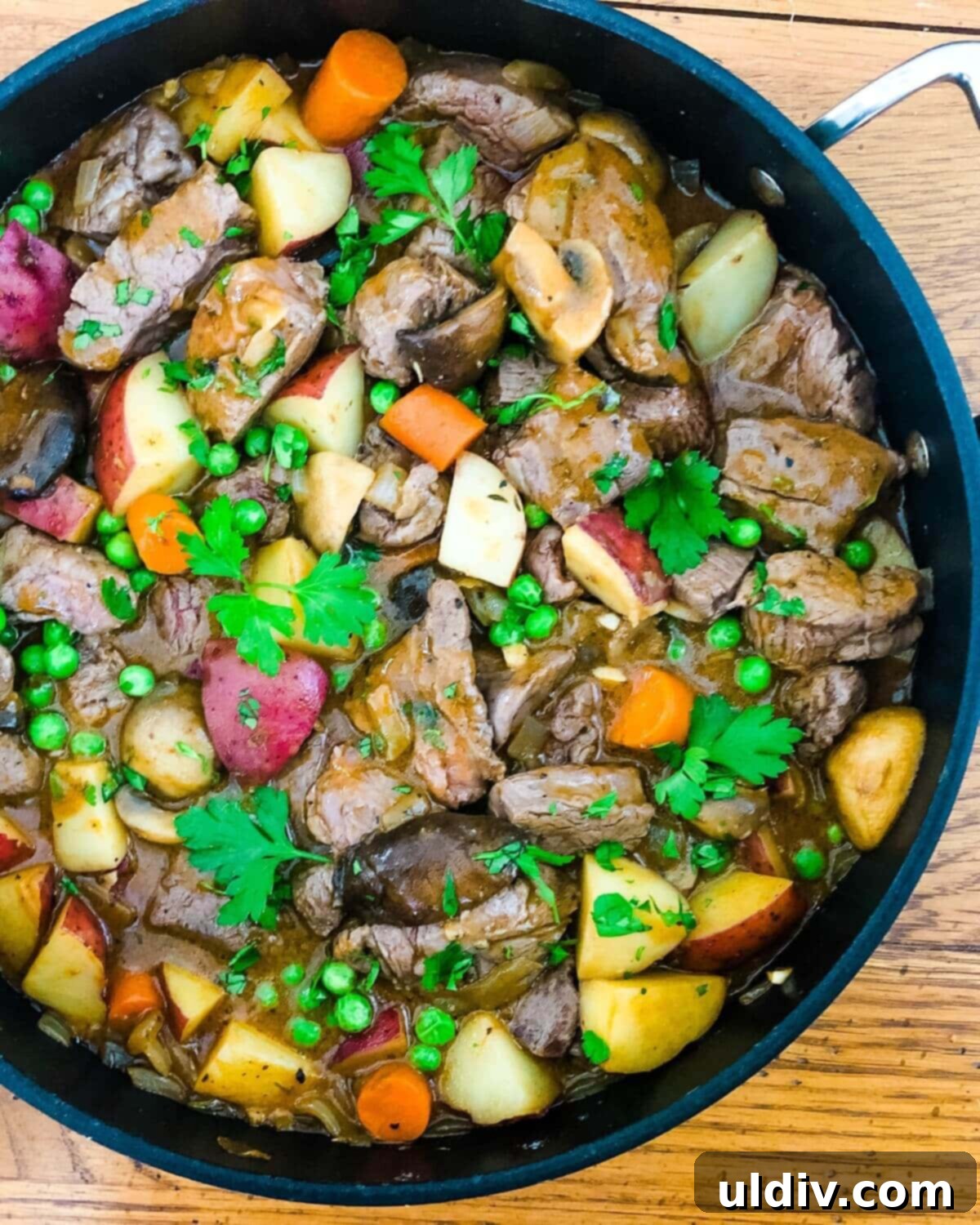
Top Tip: For Ultimate Tenderness
The hallmark of this beef tenderloin stew is its incredibly tender beef. The most critical factor in achieving this melt-in-your-mouth texture is to avoid overcooking the beef tenderloin. Unlike other stew cuts that benefit from prolonged cooking, tenderloin can become tough and dry if cooked for too long.
Ensure that during the initial searing step, you aim for a medium-rare doneness inside the cubes. This means a quick, high-heat sear for just 3-4 minutes in total. When you return the seared beef to the stew at the very end, simply heat it through for a few minutes until it reaches your desired temperature, typically medium. This method locks in the juices and preserves the tenderloin’s luxurious texture, making every bite a delight.
Frequently Asked Questions
Absolutely! Like many stews, the flavors often meld and deepen overnight, making it even more delicious the next day. Once cooled, store the stew in an airtight container and refrigerate for up to 3 days. To reheat, gently warm it over low heat on the stove, adding a splash more beef stock if the sauce has become too thick. Be careful not to aggressively boil or overcook the beef tenderloin when reheating to maintain its tenderness.
Beef tenderloin is chosen specifically for this recipe because of its inherent tenderness and quick cooking time. This allows the stew to be ready in less than an hour, making it ideal for a quick yet elegant meal. As a bonus, you can often ask your butcher for the “end cut” or “tail” of the tenderloin, which is typically less expensive than the center cut portions (like filet mignon) but offers the same exquisite tenderness for stewing.
Yes, this stew freezes wonderfully! Once completely cooled, transfer the stew to freezer-safe containers or heavy-duty freezer bags. It can be stored in the freezer for up to 3 months. When ready to enjoy, thaw overnight in the refrigerator and then gently reheat on the stovetop over low heat, adding a little extra beef stock or water if the sauce is too thick.
If you find your stew sauce isn’t as thick as you’d like, you can create a quick slurry. In a small bowl, whisk together 1 tablespoon of all-purpose flour or cornstarch with 2 tablespoons of cold water until smooth. Stir this mixture gradually into the simmering stew, allowing it to cook for a few minutes to thicken. Repeat if necessary until the desired consistency is achieved.
Perfect Pairings: What to Serve with This Elegant Stew
A hearty and flavorful beef tenderloin stew deserves equally delightful accompaniments. The rich, savory notes of this dish pair wonderfully with a variety of sides that complement its robust profile and add balance to your meal.
A crusty loaf of artisanal bread is almost mandatory, perfect for soaking up every last drop of the exquisite sauce. Consider a rustic sourdough or a classic baguette. For a touch of freshness, a vibrant green salad is an excellent choice. A simple salad of crisp romaine lettuce, halved cherry tomatoes, and diced cucumber, lightly tossed with a tangy balsamic vinaigrette, provides a refreshing contrast to the stew’s richness.
Beyond bread and salad, here are some other delicious ideas to complete your dining experience:
- Crispy Everything Bagel Puff Pastry Cheese Twists
- Savory Chaffles with Almond Flour
- How to Cook Perfectly Fluffy White Rice {No Fail}
- Rustic Irish Soda Bread with Cranberries and Currants
Explore More Comforting Stew Recipes
If you’re a fan of hearty, one-pot meals, there’s a world of stews waiting to be discovered. From classic international flavors to quick and easy weeknight options, stews offer a satisfying and comforting dining experience. Here are a few more stew recipes from my collection that you might enjoy:
- Irish Lamb Stew with Guinness
- Pork Tenderloin Stew Recipe with Bacon
- Instant Pot Spicy Asian Beef Stew
- Easy Crock Pot Ratatouille
Share Your Creation!
If you embark on the delightful journey of making this Beef Tenderloin Stew with New Potatoes and Mushrooms, I would absolutely love to hear about your experience! Your feedback and comments are incredibly valuable, and I do my best to respond to every single one.
Don’t forget to leave a comment below and, if you’re feeling inspired, give this recipe a star rating. It helps other home cooks discover and enjoy this fantastic meal. And for a truly special touch, snap a photo of your beautiful stew and share it on Instagram! Tag @amycaseycooks so I can admire your culinary masterpiece and even feature it in my Insta stories. I truly love seeing all your delicious creations!
For more fabulous foodie stories, cooking tips, videos, and new recipes, be sure to check out my Facebook and Pinterest pages. And to ensure you never miss a new recipe, sign up for my newsletter today!
Recipe
Beef Tenderloin Stew with Potatoes and Mushrooms
Print
Pin
Rate
Ingredients
- 2 tablespoons olive oil divided
- 1 ½ pounds beef tenderloin cubes about 1-inch each
- Kosher salt and pepper to taste
- 1 tablespoon salted butter
- 1 medium onion diced, about 1 cup
- 3 garlic cloves chopped
- 12 small or baby potatoes quartered, about 3 cups
- 1 medium carrot diced, about 1 cup
- 10 ounces mushrooms quartered, about 2 cups
- 2 large sprigs fresh thyme or 1 teaspoon dried thyme
- 1 tablespoon all purpose flour
- 1 tablespoon tomato paste
- 1 cup beef stock
- 1 tablespoon red wine vinegar
- 2 teaspoons Dijon mustard
- 1 cup frozen peas
- 2 tablespoons chopped fresh parsley
Instructions
-
Heat a large sauté pan over medium-high heat and add 1 tablespoon of the olive oil. Season the beef with salt and pepper. Add to the pan and sear on each side for about a total of 3 to 4 minutes. You want the meat to be medium-rare. Remove from pan and set aside.
-
Add the remaining oil and the butter to the pan. Add the onion, garlic, potatoes, carrots, mushrooms, and thyme. Season with salt and pepper. Sauté the vegetables for 6 to 8 minutes or until the onions and mushrooms begin to soften. Stir frequently.
-
Add the flour and tomato paste and stir until combined with the vegetables.
-
Stir in the beef stock, red wine vinegar, and Dijon mustard and bring to a gentle boil. Reduce to a simmer, cover the pot and continue cooking for 20 to 25 minutes or until the potatoes are tender. Stir the stew occasionally.
-
Return the seared beef tenderloin to the pan and any accumulated juices along with the peas. Heat the stew through. Season to taste with salt and pepper. Sprinkle with parsley and serve.
Notes
- Sear the beef tenderloin cubes until lightly browned on all sides; they should be medium-rare to ensure ultimate tenderness.
- Sautéing the onion, garlic, potatoes, carrots, and mushrooms builds a rich flavor base for the stew.
- Simmer the vegetables in a robust beefy sauce enhanced with fresh herbs, concentrated tomato paste, a touch of red wine vinegar, and Dijon mustard.
- Add the seared beef tenderloin back to the pan along with vibrant green peas and fresh chopped parsley at the end, just to heat through, preserving the beef’s tender texture and adding a fresh finish.