
Rediscovering the Enchantment of Edible Violets: A Springtime Delicacy
While the vibrant yellow of dandelions and the intoxicating fragrance of lilacs often capture our attention during spring, there’s another equally enchanting, yet frequently overlooked, edible flower that graces our landscapes: the humble violet. These delicate purple blossoms are more than just a pretty sight; they are a treasure trove of flavor and nutrition, waiting to be rediscovered.
Childhood Memories and the Wild Call of Nature
My earliest memories are steeped in the simple joys of nature. Back in an era devoid of the ubiquitous screens of computers and cellphones, our family entertainment was boundless outdoor exploration. I vividly recall countless afternoons spent with my parents in the local forest, a verdant sanctuary where every rustle of leaves held a story. We’d wander, forage, and bathe in the gentle warmth of the spring sunshine, creating an indelible tapestry of shared experiences and lessons learned. It was during these idyllic excursions that my fascination with wild edible greens began to blossom, and the delicate violet quickly captured my heart.
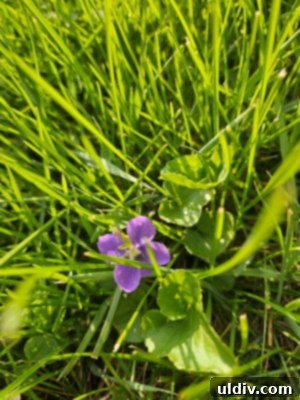
I would carefully gather these fragrant blooms alongside other springtime bounty like stinging nettle, dandelions, and pilewort (*Ficaria verna*). We’d return home, our hands full of aromatic greenery, ready to transform them into wholesome spring dishes or simply to adorn our somewhat impersonal apartment with a touch of nature’s beauty. It’s a stark contrast to today’s perception, where many of these incredible plants are dismissed as mere weeds or invasive species, their elimination actively encouraged. For me, however, they remain cherished symbols of those cherished memories, and I continue to advocate for their nutritional benefits and versatile culinary uses, striving to raise awareness of their often-forgotten value.
The Allure and Benefits of Violets
Botanical Overview and Identification
Violets, primarily belonging to the *Viola* genus, are distinguished by their heart-shaped leaves and their beautiful, often vibrant, purple, blue, or sometimes white flowers. The most common edible varieties in North America include the Common Blue Violet (*Viola sororia*) and the Sweet Violet (*Viola odorata*), known for its distinct fragrance. They typically grow in moist, shady areas like woodlands, meadows, and even lawns, making them accessible for many foragers.
A Nutritional Powerhouse
Far from being just a pretty face, violets are packed with impressive nutritional benefits. Their leaves and flowers are rich in Vitamin C, often surpassing the content found in oranges, making them excellent immune boosters. They also contain significant amounts of Vitamin A, essential for vision and skin health, along with various minerals. Beyond vitamins, violets are potent sources of antioxidants, particularly flavonoids and anthocyanins, which combat free radicals and possess anti-inflammatory properties. Incorporating them into your diet can contribute to overall well-being and provide a natural boost of vitality.
A Symbol of Spring and Resilience
Violets are among the first wildflowers to appear as winter retreats, bravely pushing through the lingering chill to announce the arrival of spring. Their delicate appearance belies a remarkable resilience, thriving in various conditions. Their early emergence makes them a welcome sight for pollinators and a heartwarming signal for nature enthusiasts that warmer, more abundant days are ahead. Symbolically, violets are often associated with humility, modesty, and everlasting love, adding another layer of depth to their natural beauty.
Foraging Violets Responsibly and Safely
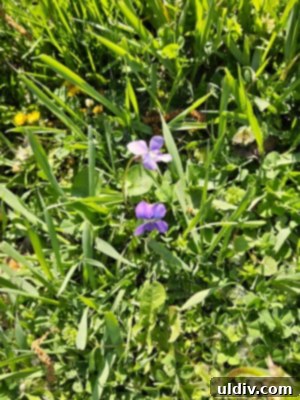
Foraging for wild edibles is a rewarding experience, but it demands caution and respect for nature. When it comes to violets, a few key guidelines ensure both your safety and the sustainability of these wonderful plants.
Identification is Key
Always be 100% certain of your identification. While common edible violets have distinctive heart-shaped leaves and characteristic five-petaled flowers, familiarize yourself with local varieties. Fortunately, edible violets don’t have many deadly look-alikes, but it’s crucial to confirm. Consult a reliable field guide or an experienced local forager if you are unsure.
Where and When to Harvest
Violets thrive in shady, moist environments, often found at the edges of woodlands, under trees, and in undisturbed lawns. The best time to harvest them is in early to mid-spring, when the flowers are abundant and fresh. Avoid foraging in areas that may have been sprayed with pesticides or herbicides, such as roadsides, conventional lawns, or agricultural fields. Seek out wild, untainted patches for the purest harvest.
Sustainable Foraging Practices
Practicing sustainable foraging means taking only what you need and leaving plenty behind for wildlife and future growth. When collecting violets, pick only the flowers and a few leaves from scattered plants, rather than stripping an entire patch. This ensures that the plant can continue to reproduce and thrive, maintaining its presence in the ecosystem for years to come.
Culinary Magic: Bringing Violets to Your Kitchen
So, what culinary wonders can you craft with these beautiful spring blooms? The possibilities are surprisingly diverse, extending far beyond a simple garnish. A fresh, vibrant salad is certainly a fantastic starting point!
Beyond the Salad Bowl: A Springtime Feast
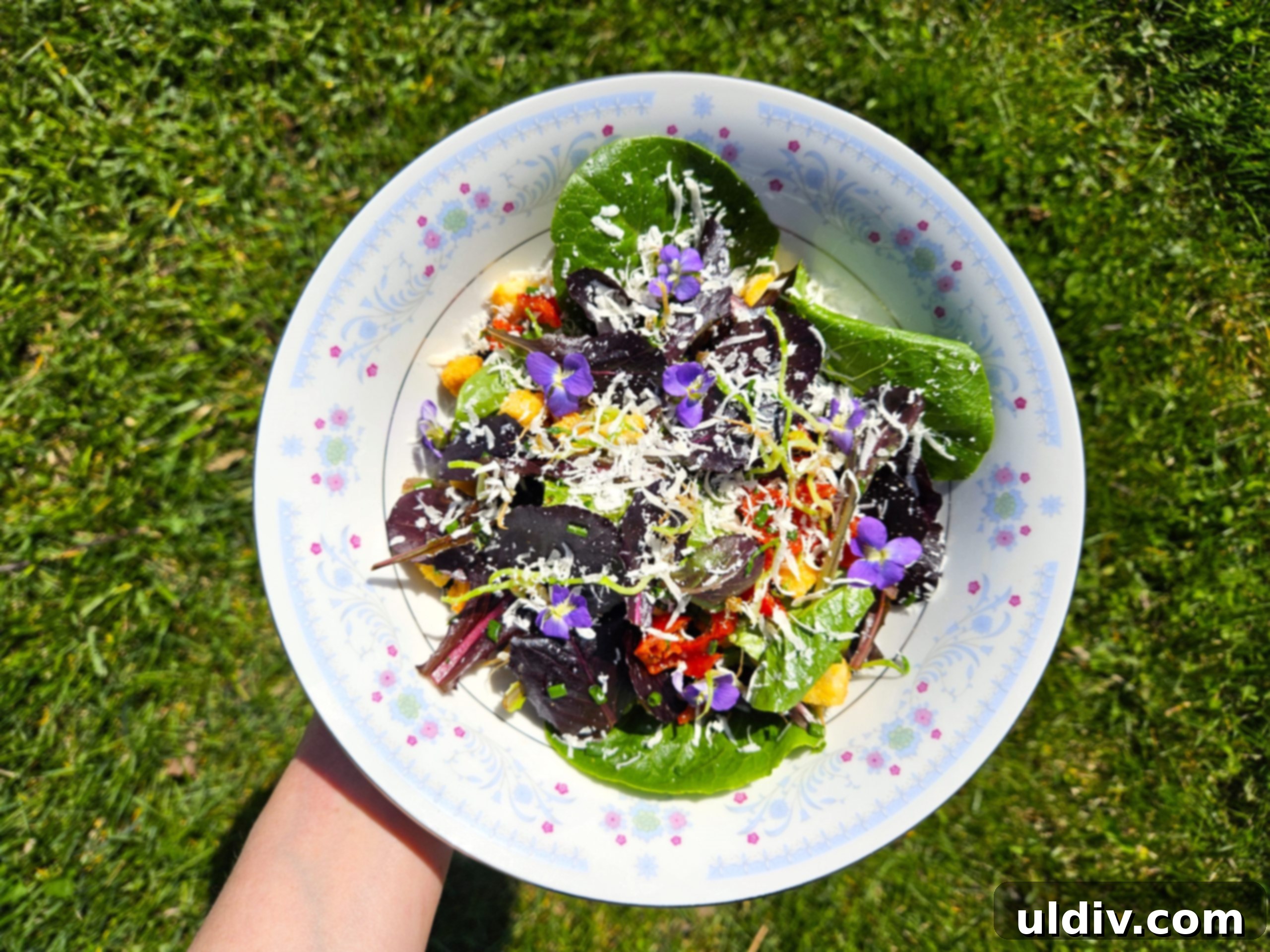
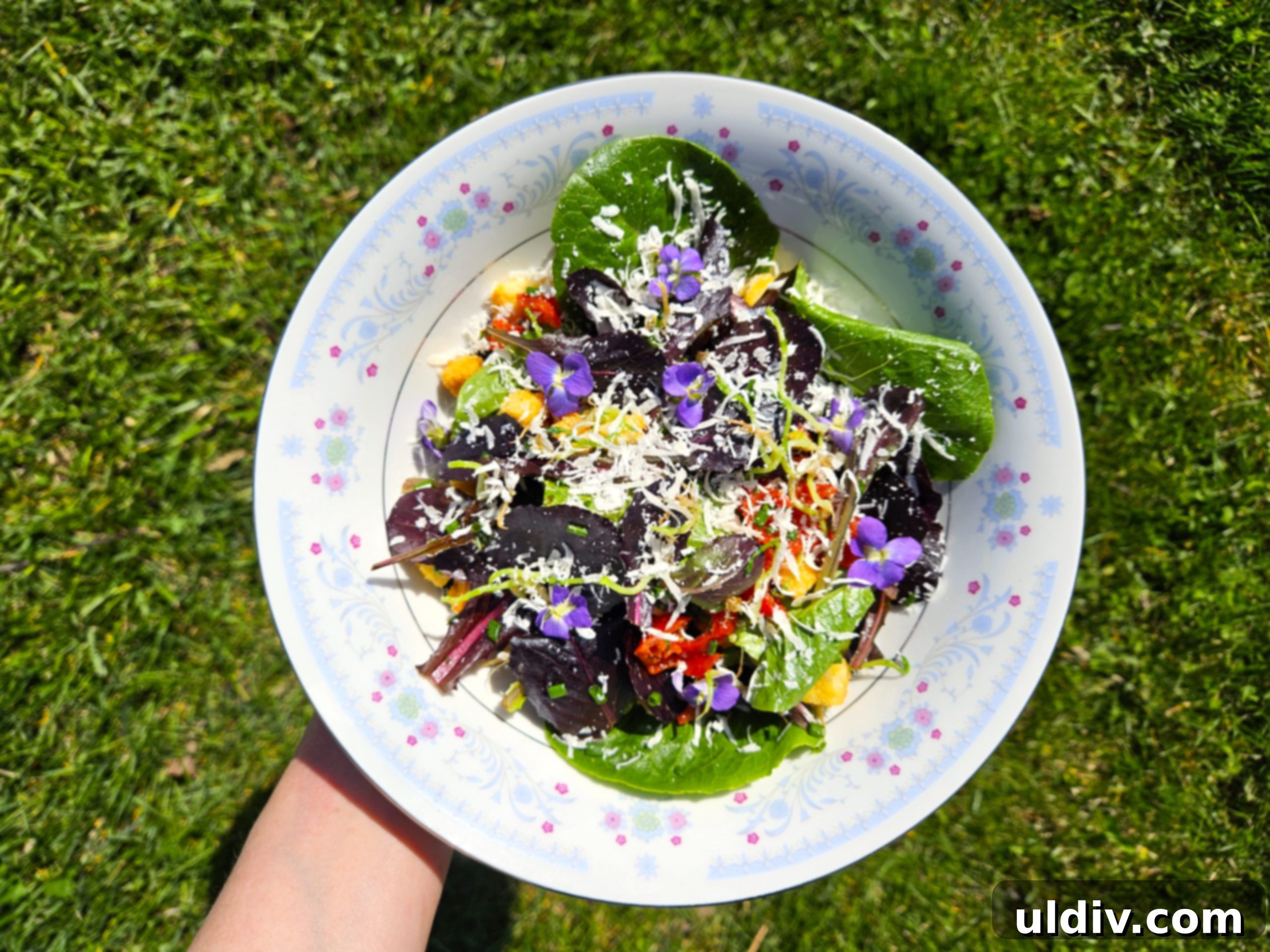
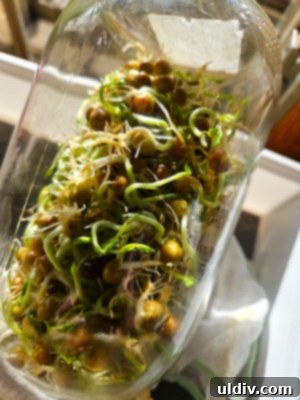
The spring-inspired salad featured here is a testament to the versatility of violets. Imagine a bed of crisp, mixed greens, vibrant bell peppers, crunchy croutons, and a delightful scattering of homegrown sprouts and fresh chives, all crowned with the exquisite beauty of edible violet flowers. Having just embarked on our journey of growing sprouts, this particular salad marked their exciting debut in our kitchen – and the result was absolutely delicious! A generous dusting of freshly grated Parmesan cheese completes this simple yet elegant meal. The aromatic beauty of the violets, combined with the refreshing crunch of the greens and the nutty texture of the sprouts, creates an irresistible symphony of flavors and textures, perfectly encapsulating the essence of spring. There’s a special kind of joy that comes with sunny skies, lush green grass, and the simple pleasure of capturing the beauty of edible flowers outdoors.
Classic Violet Preparations
Violets lend themselves beautifully to several classic preparations that capture their delicate flavor and stunning color:
- Violet Syrup: A truly magical creation, violet syrup is incredibly versatile. Collect a generous amount of flowers, steep them in hot water, strain, and then combine the infused liquid with sugar. The resulting vibrant purple syrup can be drizzled over pancakes, added to sparkling water for a refreshing drink, used in cocktails, or even incorporated into desserts.
- Candied Violets: These delicate, sugared flowers are exquisite edible decorations for cakes, pastries, or even a fancy cheese board. Simply brush fresh violets with a thin layer of egg white, then gently dust them with superfine sugar and allow them to dry completely.
- Violet Sugar: For a simpler infusion, layer fresh violet flowers with granulated sugar in an airtight jar. Over time, the sugar will absorb the violets’ subtle fragrance and flavor, perfect for sweetening tea or baked goods.
- Violet Vinegar: Infuse white wine vinegar with fresh violet flowers for a beautifully colored and delicately flavored dressing base, ideal for spring salads.
Creative Culinary Uses
Beyond these classics, violets offer a playground for culinary creativity:
- Desserts: Incorporate fresh or candied violets into cheesecakes, panna cottas, tarts, or even homemade ice cream and sorbets for a touch of elegance and unique flavor. Violet jelly is another delightful treat.
- Beverages: Beyond syrup, make a soothing violet tea by steeping fresh or dried flowers. They can also add a floral note to lemonades or craft cocktails.
- Savory Dishes: Don’t limit violets to sweet applications. Their subtle peppery notes (especially the leaves) can enhance light spring soups, pasta dishes, or as a garnish for soft cheeses and spreads.
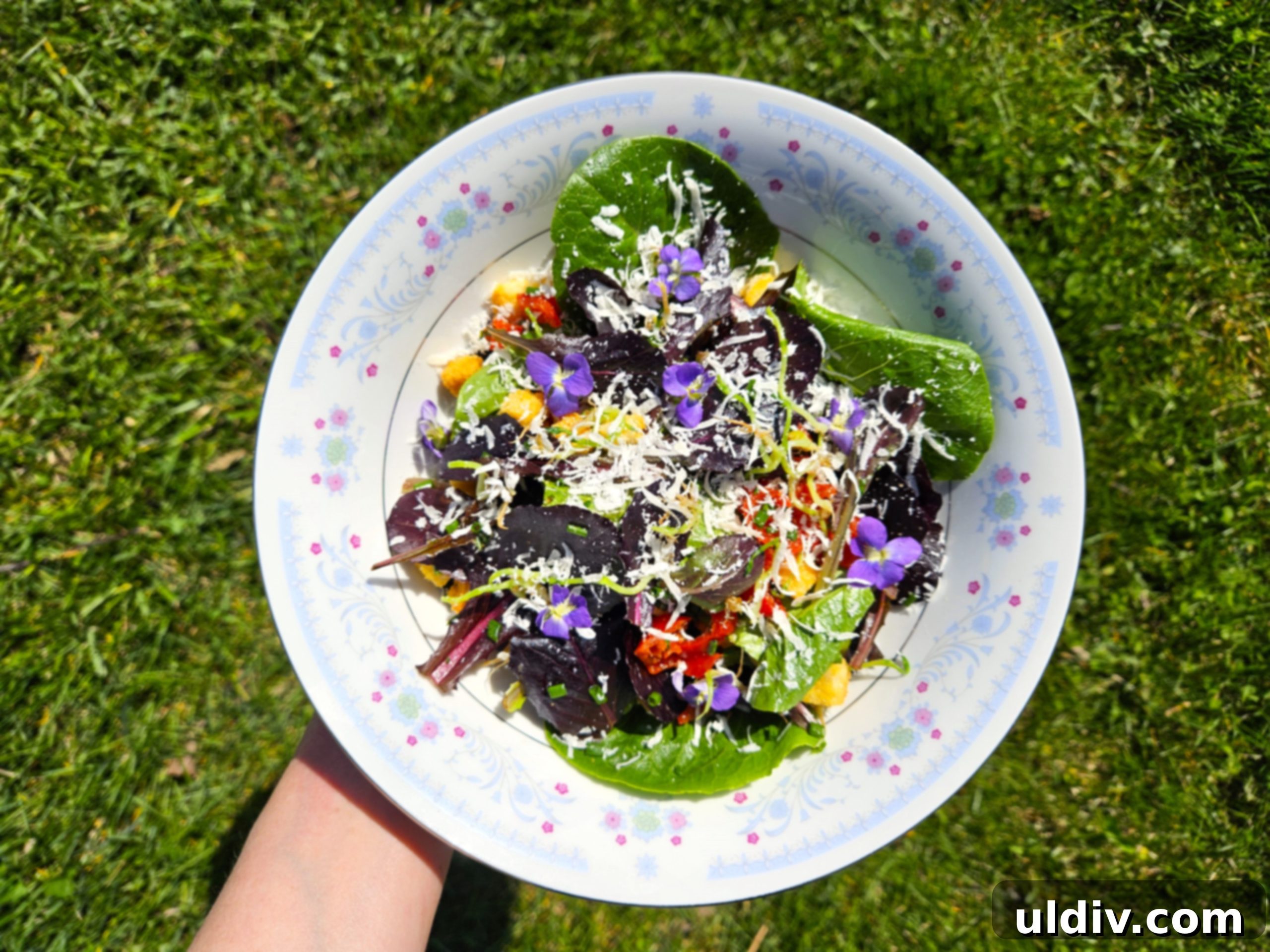
Sometimes, a simple salad for dinner is the perfect reward at the end of a busy day, especially when the thought of preparing an elaborate meal feels daunting. It’s these small, thoughtful variations and connections to nature that infuse our lives with unexpected meaning and a charmed beauty. The aesthetic appeal and delicate flavor of violets can elevate even the most straightforward meal into a special occasion.
The Medicinal Legacy of Violets
Traditional Remedies
Historically, violets have been valued not just for their beauty and culinary appeal, but also for their medicinal properties. Traditional herbal medicine has long utilized violets for their soothing qualities. They were commonly employed as a remedy for coughs, colds, and sore throats, attributed to their demulcent properties which help soothe irritated mucous membranes. Both the flowers and leaves were used in teas or poultices to address various ailments, including mild pain relief and skin inflammations.
Modern Applications and Disclaimer
While modern scientific research continues to explore the full extent of violet’s therapeutic benefits, their rich antioxidant and anti-inflammatory compounds suggest a promising role in natural wellness. However, it is crucial to remember that this information is for educational purposes only and should not be considered medical advice. Always consult a healthcare professional before using any herb for medicinal purposes, especially if you have existing health conditions or are taking other medications.
For more extensive accounts of violets and their medicinal and culinary uses, you can explore resources such as Forager Chef and Chestnut Herbs, which offer deep dives into their fascinating history and applications.
Embracing the Edible Flower Trend
The growing interest in edible flowers signals a broader appreciation for nature’s bounty and a desire to connect more deeply with our food sources. Violets, with their striking color, delicate fragrance, and subtle flavor, are perfectly poised to lead this trend. They add not only aesthetic charm but also a nutritional boost to any dish, transforming ordinary meals into extraordinary culinary experiences. Incorporating edible flowers like violets encourages mindful eating, celebrates seasonality, and offers a unique way to explore the flavors and beauty of the natural world.
Share Your Violet Adventures!
Do you regularly incorporate edible flowers into your cooking? Have you discovered a particularly creative or favorite way to use violets in your kitchen? I would love to hear about your experiences and cherished recipes. Please share your thoughts and violet adventures in the comments below!