
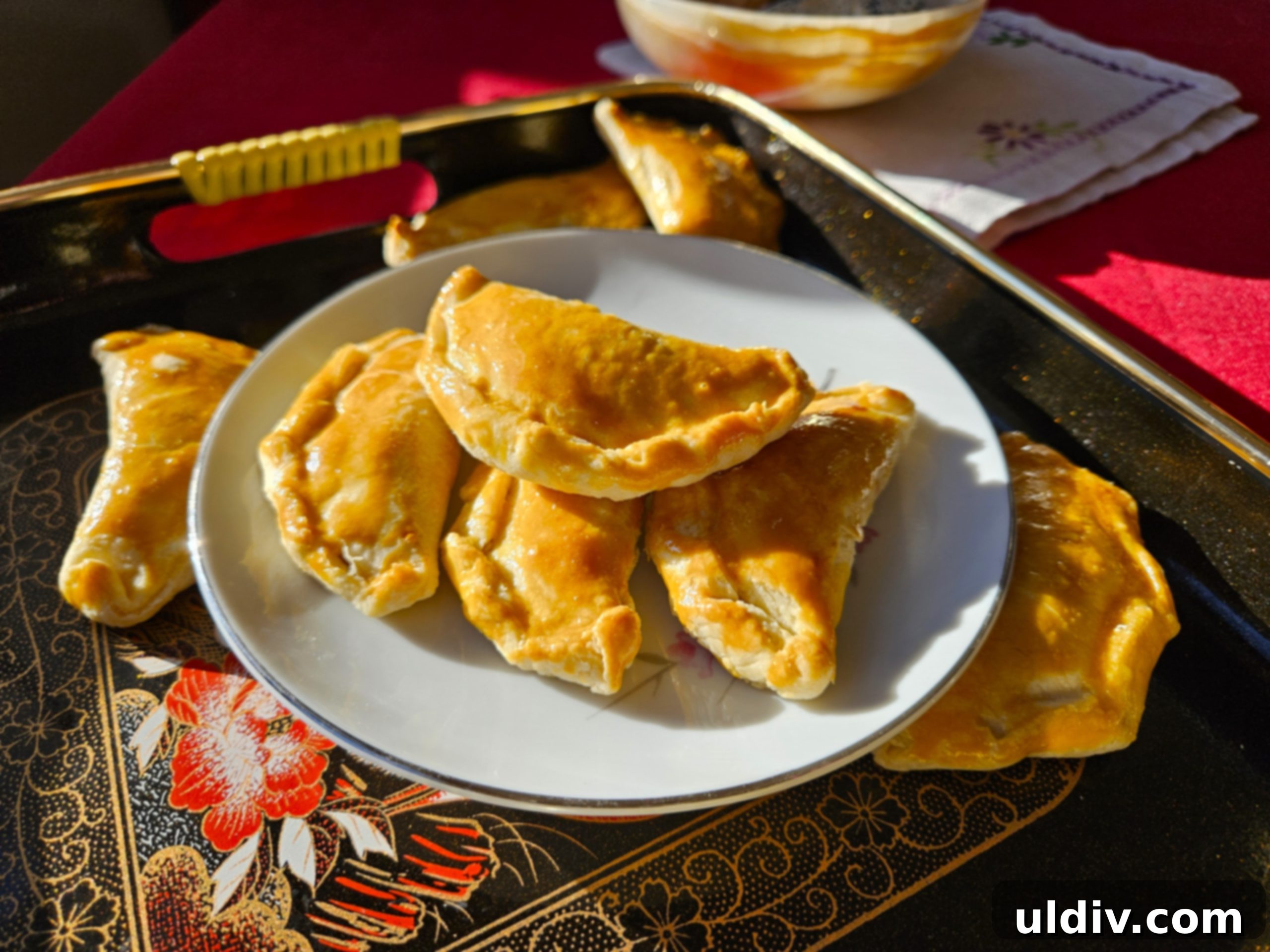
Savoring Lunar New Year: A Delightful Recipe for Baked Cantonese Sweet Dumplings (Gok Zai 油角)
As the vibrant celebrations of Lunar New Year approach, there’s a special kind of magic that fills our homes, especially in the kitchen. For me, it’s a time to reconnect with cherished traditions and share the joy of homemade treats. If you’re searching for an extraordinary dessert to grace your Lunar New Year feast, look no further! I’m thrilled to share a recipe for Cantonese sweet dumplings, known as Gok Zai (油角), that are not only incredibly delicious but also steeped in wonderful symbolism.
This year, the inspiration for these scrumptious sweets comes from my talented Instagram foodie friend, Jessie @jessie_inthekitchen. She recently shared her fantastic recipe for these delightful dumplings on her website, and I simply couldn’t resist trying them. They proved to be the perfect way to kick off my Lunar New Year 2024 baking, bringing warmth and flavor to our home.
The Cultural Significance of Gok Zai: More Than Just a Sweet Treat
Lunar New Year, also known as Chinese New Year or Spring Festival, is a time of renewal, family reunions, and wishes for good fortune. Food plays an indispensable role in these celebrations, with many dishes carrying auspicious meanings. Gok Zai, literally meaning “oil corner” or “oil horn,” are a beloved traditional snack, especially popular in Cantonese culture. They are more than just a dessert; they are a symbol of prosperity and a sweet embodiment of good wishes for the year ahead.
These petite, crescent-shaped pastries are typically enjoyed during the festive period, often prepared in large batches by families gathering together, an activity that itself fosters bonding and strengthens familial ties. The act of making and sharing Gok Zai is a beautiful tradition that passes down culinary heritage and embodies the spirit of togetherness and hope for a prosperous future. While variations exist across different regions and families, the core essence of a sweet, crispy, and symbolic treat remains.
A Symbol of Prosperity: The “Plump Coin Purse” Analogy
What makes Gok Zai so special beyond their exquisite taste is their profound symbolism. Stuffed with a delightful mixture of sugar, peanuts, and sesame seeds, these dumplings are known for their nutty aroma and satisfying crispiness. Their appearance is often compared to a “mini curry puff” due to their crimped edges and golden hue. However, from a different, more traditional perspective, their plump, crescent shape strikingly resembles a small, full coin purse.
This imagery is particularly significant during Lunar New Year. A plump coin purse symbolizes an abundance of wealth and good fortune. The fuller the dumpling, the better, as it signifies a year filled with prosperity and plenty. By enjoying these sweet dumplings, families hope to usher in a year of financial stability, success, and overflowing happiness. Some recipes even include shredded coconut in the filling, adding another layer of texture and a subtle tropical note, while reinforcing the idea of a diverse bounty.
Embracing a Healthier Tradition: The Baked Gok Zai Method
Traditionally, Gok Zai are deep-fried to achieve their signature crisp texture and golden color. While undeniably delicious, deep-frying can be a bit messy and, for some, a less desirable cooking method. This is where Jessie’s innovative approach shines! In her recipe, she beautifully adapts the traditional method to a baking one, offering a lighter yet equally satisfying alternative. This baking method yields dumplings that are wonderfully flaky, crisp, and golden brown, without the need for excessive oil.
I was particularly excited to try this baked version. With my kitchen remodeling finally complete earlier this week and daily access to my oven restored, it was the perfect opportunity to resume my usual baking schedule. These baked sweet dumplings allowed me to enjoy the same delightful flavors and symbolism with a slightly healthier twist. Jessie’s original recipe, which inspired this post, can be found here. A heartfelt thank you to Jessie for sharing such a brilliant and thoughtful adaptation!
Gathering Your Ingredients: Tips for the Best Gok Zai
The beauty of Gok Zai lies not only in their taste and symbolism but also in their simplicity and the accessibility of their ingredients. This recipe is economical and excellent for using items you can readily find in most grocery stores. However, a few tips can elevate your baking experience and ensure the best results:
- Peanuts: I usually opt for raw blanched peanuts, which I often buy in bulk from local grocery stores like Fresh Farms and Rich’s Fresh Market. Buying in larger quantities is often more cost-effective. Peanuts are a staple in my household, so a 3lb bag doesn’t last long! Roasting them fresh for the recipe enhances their flavor and aroma significantly.
- Sesame Seeds: Both black and white sesame seeds are used in this recipe, adding depth of flavor and visual appeal. Like peanuts, they benefit immensely from a quick toast. When buying sesame seeds, especially in larger quantities, I recommend storing them in airtight glass jars in the refrigerator. This is crucial because sesame seeds contain natural oils that can go rancid fairly quickly at room temperature. If you don’t use them often, buying smaller amounts is always a good idea to maintain freshness.
- Flour & Butter: Good quality all-purpose flour and cold butter are key for a flaky pastry. The butter should be cut into small cubes and kept cold, as this helps create the desired crumbly texture when blended with flour.
Mastering the Dough: A Flaky Foundation
The dough for these Cantonese sweet dumplings is simple yet crucial for that irresistible flaky crust. It involves a basic combination of all-purpose flour, cold butter, an egg, and a touch of water. The technique is similar to making pie crusts or shortcrust pastries, where cold butter is cut into the flour. This process prevents the butter from fully integrating, leaving small pockets that, when baked, create steam and result in a wonderfully light and flaky texture.
After blending the cold butter into the flour until it resembles coarse crumbs, an egg is added, followed by water, gradually. The key here is to knead the dough just enough until it’s smooth and soft, but avoid overmixing. Overmixing can develop too much gluten, leading to a tough dough rather than a tender, flaky one. Once kneaded, the dough needs a short rest period of about 30 minutes. This allows the gluten to relax, making the dough easier to roll out evenly and preventing it from shrinking back.
Assembling Your Prosperity Dumplings: Art and Patience
Once your dough has rested and your aromatic peanut and sesame filling is ready, the assembly begins – a truly enjoyable part of the process. Roll out the dough to a thin, even layer, aiming for about 2mm thickness. A 2-inch cookie cutter, lightly dusted with flour, is perfect for cutting out uniform circles. Precision here helps ensure even baking. Each dough disc then gets a generous spoonful of the sweet, nutty filling placed in its center.
The next step is to fold each disc in half, creating that iconic crescent shape. Firmly seal the edges to prevent the filling from escaping during baking. This is also where you can add a decorative touch: tucking the edges inward to form charming patterns. This traditional crimping not only seals the dumpling securely but also adds to its aesthetic appeal, contributing to the “plump coin purse” look. Once shaped, arrange your dumplings on a baking pan lined with parchment paper, ready for their golden transformation.
Jessie’s Baked Cantonese Sweet Dumplings (Gok Zai) Recipe
Print Recipe
Jessie’s Cantonese Sweet Dumplings
Prep Time: 30 mins
Cook Time: 20 mins
Resting Time: 30 mins
Total Time: 1 hr 20 mins
Servings: 4 people
Ingredients
- 2 cups raw blanched peanuts
- 1/2 cup granulated sugar
- 2 tbsp black sesame seeds
- 2 tbsp white sesame seeds
- 2.4 cups all purpose flour
- 1/2 cup cold butter, cut into small cubes
- 1 egg
- 1/3 cup water
- 1 egg yolk (for egg wash)
Instructions
- Preheat your oven to 350F (175C). Spread the raw blanched peanuts in a single layer on a baking tray. Bake for 10 minutes, or until they achieve a lovely golden brown color and become fragrant. While the peanuts are baking, spread the black and white sesame seeds thinly in a medium-sized frying pan. Cook the sesame seeds over medium heat for two to three minutes, or until they are fragrant and lightly golden brown. Make sure to move the sesame seeds around the pan every 30 seconds to ensure even toasting and to prevent any burning.
- Once the peanuts are baked, remove them from the oven and allow them to cool completely. After cooling, chop them finely in a food processor until they resemble coarse crumbs. In a mixing bowl, combine the ground roasted peanuts, the toasted sesame seeds, and the granulated sugar. Mix well to create your delicious filling. Set this mixture aside.
- To prepare the dough, combine the all-purpose flour and the cold butter (cut into small cubes) in a mixing bowl. Use your fingertips to blend the butter into the flour until the mixture resembles coarse crumbs. This method helps create a flaky pastry. Add the whole egg and mix it thoroughly into the flour mixture. Gradually add the water, a little at a time, and knead the dough until it becomes smooth and soft. Be careful not to overmix the dough, as this can make it tough. Once the dough is smooth, set it aside to rest for 30 minutes. This resting period allows the gluten to relax, making the dough easier to roll.
- After the dough has rested, roll it out on a lightly floured surface to a thin layer, approximately 2mm thick. Dust a 2-inch cookie cutter with a little flour to prevent sticking, and use it to cut the dough into uniform circles. Place a spoonful of your prepared peanut and sesame filling in the center of each dough disc. Fold the dough disc in half over the filling, firmly seal the edges by pressing them together, and then tuck the edges inward to create beautiful patterns, resembling a small coin purse. Place the shaped dumplings on a baking pan that has been lined with parchment paper.
- In a small bowl, beat the remaining egg yolk to create an egg wash. Lightly brush the egg wash onto both sides and along the edges of the assembled dumplings. This will give them a beautiful golden sheen when baked. Bake the dumplings in the preheated oven for 15 to 20 minutes, or until they are golden brown and cooked through. Once baked, remove the dumplings from the oven and let them cool completely on a wire rack.
- Enjoy your homemade Cantonese Sweet Dumplings! These delightful treats can be stored in an airtight container at room temperature for up to two weeks, making them perfect for enjoying throughout the Lunar New Year celebrations.
Baking to Golden Perfection & Storage Tips
The final step in creating these magnificent Gok Zai is baking them to a beautiful golden perfection. The egg wash, applied just before baking, plays a crucial role, giving the dumplings a lovely sheen and a rich golden color that is visually appealing and indicative of a perfectly cooked pastry. Keep a close eye on them during the last few minutes of baking, as ovens can vary. Once they emerge from the oven, allow them to cool completely. This not only makes them easier to handle but also helps their flavors and textures set. When stored in an airtight container, these crispy, nutty dumplings will stay fresh and delicious for up to two weeks, making them an ideal make-ahead treat for your festivities.
A Sweet Ending to Your Lunar New Year Feast
These baked Cantonese sweet dumplings are truly melt-in-your-mouth delicious, with a delightful blend of flaky crust and a rich, aromatic peanut and sesame filling. I confess, I may have eaten quite a few in one sitting after that first batch – but who’s counting when it’s Lunar New Year? The combination of traditional flavors, meaningful symbolism, and a healthier baking method makes them an absolute standout for any festive table.
I hope you enjoy making and sharing these wonderful Gok Zai with your loved ones this Lunar New Year. They are a delicious way to celebrate and invite good fortune into your home. Do you have a favorite Lunar New Year dish or a special family tradition you look forward to each year? I’d love to hear about it! Please share your thoughts and recipes in the comments below. Happy Lunar New Year, dear friends, and enjoy your day and weekend!