
Unveiling the Mystery: The Science and Art of Preventing Skin on Puddings and Custards
There’s a unique comfort in a bowl of creamy rice pudding, a rich vanilla custard, or a decadent pastry cream. For many, myself included, the delightful “skin” that forms on top as these beloved desserts cool is an anticipated treat, offering a slightly chewy texture that contrasts beautifully with the smooth goodness beneath. However, in professional culinary settings, or for those who prefer an unblemished, silky-smooth finish, this film can be undesirable. So, what exactly causes this intriguing phenomenon, and how can we master the art of preventing it?
The Culinary Conundrum: Understanding Why Skin Forms on Milk-Based Dishes
The formation of a skin on heated milk and milk-based desserts is a fascinating example of food science at play. As Emma Christensen explains in her informative article “Food Science: Why Skin Forms on Milk” on The Kitchn, milk is a complex emulsion primarily composed of water, proteins (predominantly casein and whey), and fat. When milk is subjected to heat, several processes occur simultaneously that contribute to this distinctive skin formation.
Firstly, the water content in the milk begins to evaporate from the surface. As water molecules escape into the air, the remaining components – proteins and fats – become increasingly concentrated. This concentration effect is crucial. Secondly, and perhaps more significantly, the delicate proteins in milk, particularly whey and casein, are highly sensitive to temperature. Once milk reaches a temperature of approximately 150°F (65°C) or higher, these proteins begin to denature and coagulate. Think of it like cooking an egg white: the clear liquid transforms into a solid as heat is applied. In milk, this protein coagulation occurs at the surface, where the milk is most directly exposed to air and evaporation. The combined effect of evaporating water and coagulating proteins creates a thin, semi-solid film right on top of your creamy soups, puddings, custards, and even a simple mug of hot chocolate.
This process is entirely natural and harmless, but understanding its mechanics empowers us to either embrace it or prevent it, depending on our culinary preference.
Embrace or Eliminate: Your Choice in Preventing Milk Skin
Whether you adore the chewy layer or prefer a perfectly smooth consistency, preventing milk skin is a common culinary challenge that thankfully has straightforward solutions. The methods essentially interrupt the two primary factors contributing to its formation: water evaporation and protein coagulation at the surface. By controlling these elements, you can achieve the desired texture for your delicious creations.
Strategy 1: Creating an Airtight Barrier to Prevent Evaporation
One of the most effective and widely recommended methods for preventing skin formation is to create a physical barrier between the surface of your milk-based dish and the ambient air. This technique directly combats water evaporation, which is a significant component of skin development.
- The Plastic Wrap Method: As soon as you remove your pudding, custard, or soup from the heat, immediately cover its surface with a piece of plastic wrap. The key here is to ensure the plastic wrap makes direct contact with the entire surface of the dish. There should be no air pockets or gaps between the food and the wrap. This tight seal effectively traps any evaporating moisture, preventing it from escaping and keeping the surface moist. Without this continuous loss of water, the proteins and fats cannot concentrate and coagulate into a distinct film.
- Parchment Paper Alternative: For those who prefer to avoid plastic or when dealing with extremely hot dishes, parchment paper can serve as an excellent alternative. Cut a circle of parchment paper that matches the diameter of your pot or bowl. Gently lay it directly onto the surface of the hot liquid, ensuring full contact. Like plastic wrap, parchment paper acts as a barrier, preventing evaporation and maintaining moisture at the surface. This method is particularly useful when cooling down dishes slowly.
Both of these barrier methods work by maintaining a humid environment directly above the food, thereby inhibiting further evaporation and subsequent protein concentration and coagulation.
Strategy 2: The Agitation Technique – Stirring for Uniformity
Another highly effective approach involves continuous or frequent agitation, specifically stirring. This method addresses both protein coagulation and uneven temperature distribution.
- During Heating: While your milk-based dish is heating, stir it frequently. This constant movement prevents proteins from settling and clumping together at the surface. It also ensures that the heat is distributed evenly throughout the liquid, reducing the chances of localized hot spots where protein coagulation might accelerate.
- During Cooling: The battle against skin doesn’t end when the heat is turned off. As your pudding or custard cools, continue to stir it occasionally. This ongoing agitation breaks up any protein clumps that might start to form, keeping them suspended within the liquid rather than allowing them to coalesce into a surface film. Furthermore, stirring helps to equalize the temperature throughout the dish, ensuring that the surface doesn’t cool and concentrate too rapidly compared to the interior.
While stirring might require a bit more attention, it’s a time-tested technique that results in an incredibly smooth and uniform texture, often preferred for classic custards and sauces like béchamel.
Additional Tips for a Flawless Finish
Beyond the primary prevention methods, a few other considerations can contribute to a skin-free result:
- Temperature Control: Avoid overheating milk. While some dishes require bringing milk to a simmer, prolonged boiling can intensify protein denaturation and water evaporation, making skin formation more likely.
- Fat Content: Interestingly, higher fat content in milk (like whole milk or cream) can sometimes lead to a less pronounced skin, as the fat molecules can interfere with protein interactions at the surface. However, this is not a guaranteed solution and often depends on the specific recipe.
- Cooling Speed: Rapid cooling can sometimes encourage quicker skin formation. If using the stirring method, allowing the dish to cool gradually while stirring can be beneficial.
A Journey Through Taste: The Timeless Allure of Rice Pudding
These scientific principles and prevention techniques often come to mind when I recall my mom making rice pudding many years ago. The ingredients were beautifully simple: just rice, milk, sugar, and a hint of cinnamon. Yet, the end result was nothing short of magical. In our humble kitchen, these minimal components combined to deliver much-needed warmth and comforting goodness, always complete with that chewy, satisfying film on top – which, to me, was often the best part! It was a simple pleasure, a testament to how humble ingredients, when combined with care, can create profound culinary memories.
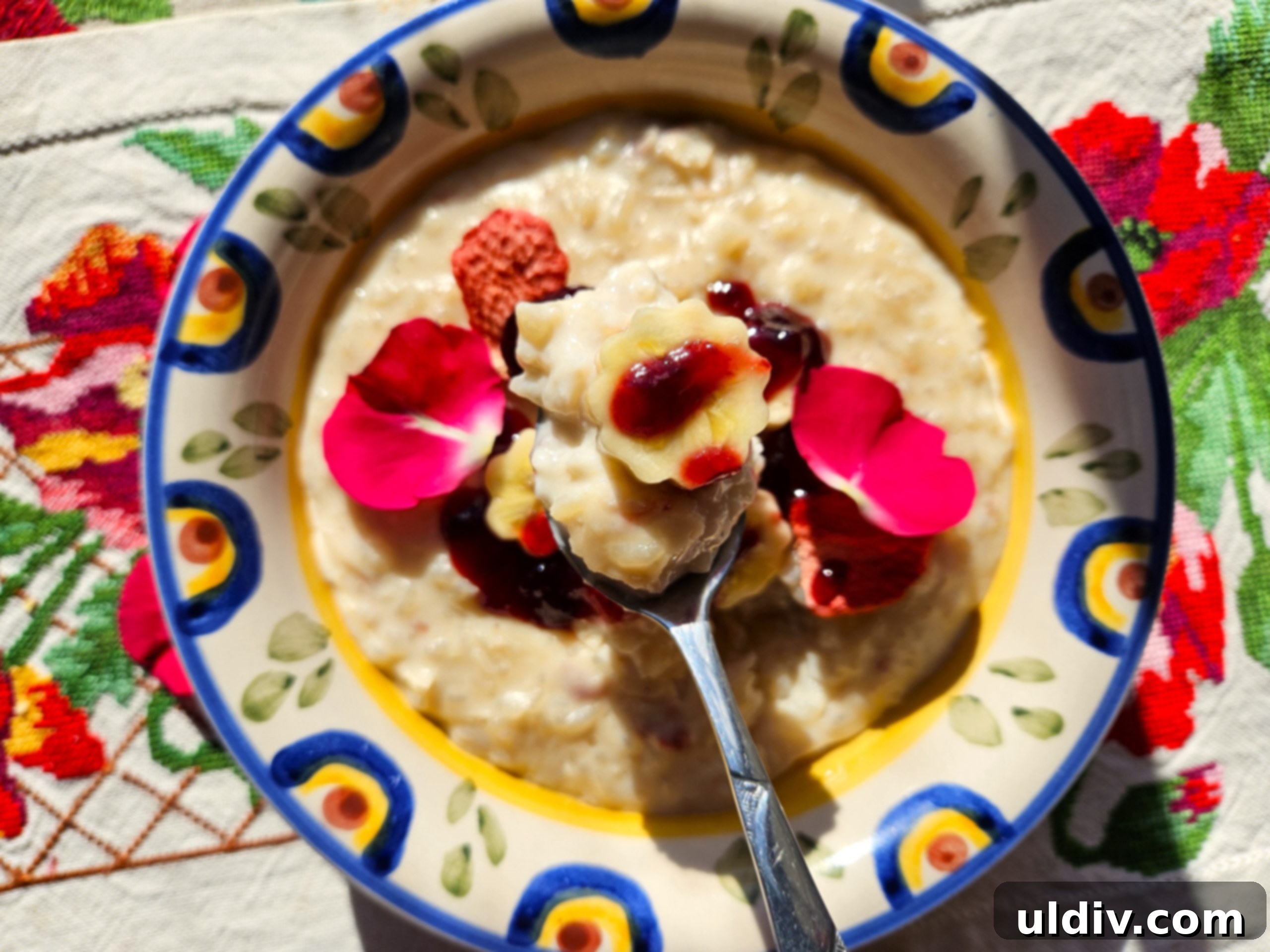
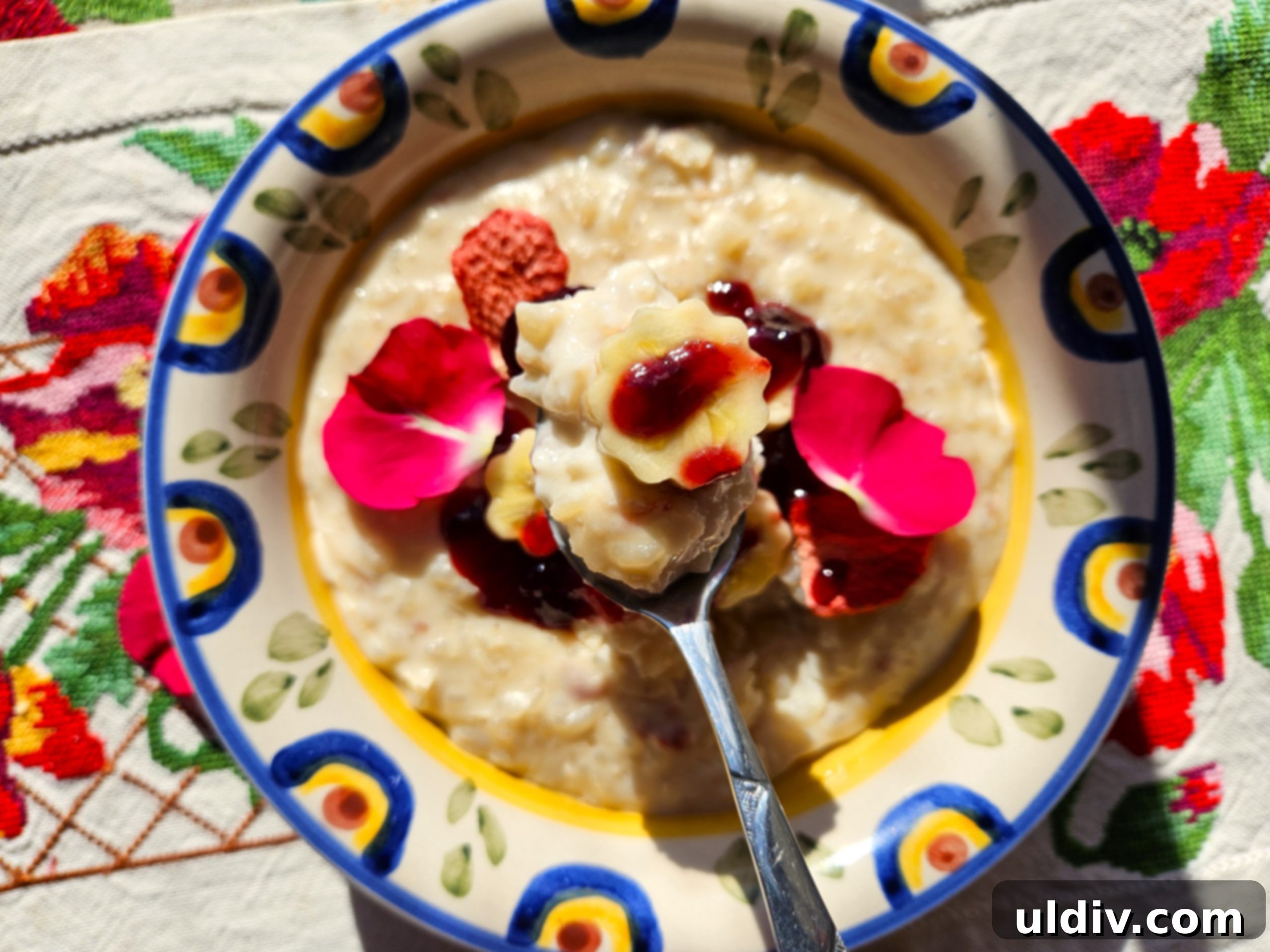
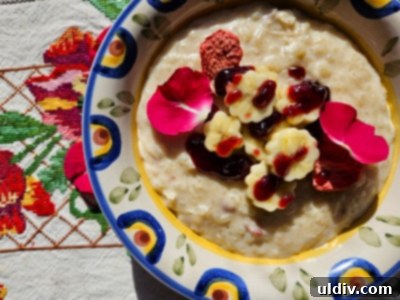
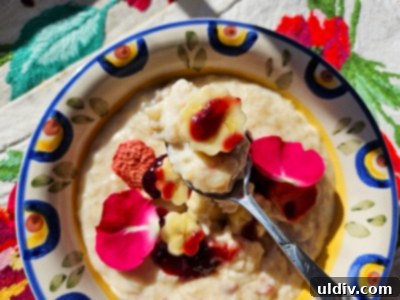
Fast forward to today, and the rice puddings I encounter, like the ones pictured here, often present a more elaborate affair. Overflowing with vanilla richness and abundant fruit toppings – elegant flower-shaped banana slices, vibrant sour cherry preserve, and delicate freeze-dried strawberries – they are undeniably different from the humble bowls I grew up eating. Yet, the fundamental principles remain unchanged. Whether you’re aiming for a minimalist, comforting dish or a gourmet spectacle, the core elements of taking simple ingredients, adding them slowly, stirring frequently, and watching the smiles blossom on children’s faces with each and every creamy spoonful, hold true. It’s a dish that transcends generations and cultural boundaries, universally loved for its comforting texture and adaptable flavors.
Crafting Your Perfect Bowl: Tips for Homemade Rice Pudding
Making rice pudding at home is a rewarding experience, allowing for endless customization. Here are some tips to guide you toward your perfect bowl:
- Choose Your Rice Wisely: Short-grain rice, like arborio or sushi rice, is often preferred for its starch content, which helps create a creamy texture. Long-grain rice can also be used but may result in a slightly looser pudding.
- Milk Matters: Whole milk provides the richest, creamiest result. For a lighter version, you can use 2% milk, but adjust cooking time slightly. A splash of heavy cream at the end can elevate the indulgence.
- Sweetness and Flavor: Granulated sugar is standard, but you can experiment with brown sugar, maple syrup, or honey for different flavor profiles. Vanilla extract is a classic addition, often stirred in at the end. Spices like cinnamon, nutmeg, cardamom, or even a hint of star anise can add depth. Lemon or orange zest provides a refreshing brightness.
- Cooking Methods:
- Stovetop: The most common method involves simmering rice in milk, stirring frequently until tender and creamy. This method gives you excellent control over consistency.
- Oven-Baked: A “baked rice pudding” offers a hands-off approach, often resulting in a thicker, slightly firmer pudding with a lovely caramelized top (if not covered).
- Toppings Galore: This is where you can truly make it your own! Fresh fruits (berries, bananas, peaches), dried fruits (raisins, cranberries), nuts (almonds, pistachios), preserves, chocolate shavings, or a simple dusting of cinnamon are all fantastic choices.
Beyond Puddings: The Broad Reach of Milk Skin Science
It’s important to remember that the principles governing milk skin formation extend beyond just puddings and custards. Creamy soups, hot chocolate, and even béchamel sauce can develop a similar film if left uncovered or unstirred during cooling. The scientific explanation – water evaporation and protein coagulation – remains consistent across all these applications. Therefore, the prevention strategies discussed here are broadly applicable, allowing you to achieve a smooth, appealing consistency in a wide array of your culinary endeavors.
Your Culinary Adventures: Share Your Wisdom!
Are you a devoted fan of rice pudding? Do you have a cherished family recipe or a clever trick for preventing milk skin that you swear by? Perhaps you’re one of those who secretly (or not so secretly) loves the skin! We’d love to hear about your experiences and preferences. Share your favorite recipes, cooking tips, and any thoughts on this intriguing culinary phenomenon in the comments below. Let’s create a community hub for all things creamy and delicious!
Understanding the science behind our food not only enhances our cooking skills but also deepens our appreciation for the simple magic that happens in our kitchens every day. Whether you prefer your pudding with or without its unique “skin,” mastering these techniques ensures your dishes are always perfect for your palate.