
Embrace Nature’s Golden Healer: Calendula’s Journey from Garden to Gourmet
What’s the first thing you reach for when a pesky mosquito bite leaves an itchy mark on your skin? For many, the answer lies in the soothing embrace of nature’s remedies. In my family, calendula cream has been our trusted ally for generations, a go-to solution for everything from minor scrapes and bruises to daily skin hydration. Just yesterday, after a delightful walk in the park, calendula cream worked its magic, providing gentle relief for my daughter’s mosquito bites. This remarkable herb, often known as pot marigold, holds a special place in our home for its profound healing capabilities and unexpected culinary versatility.
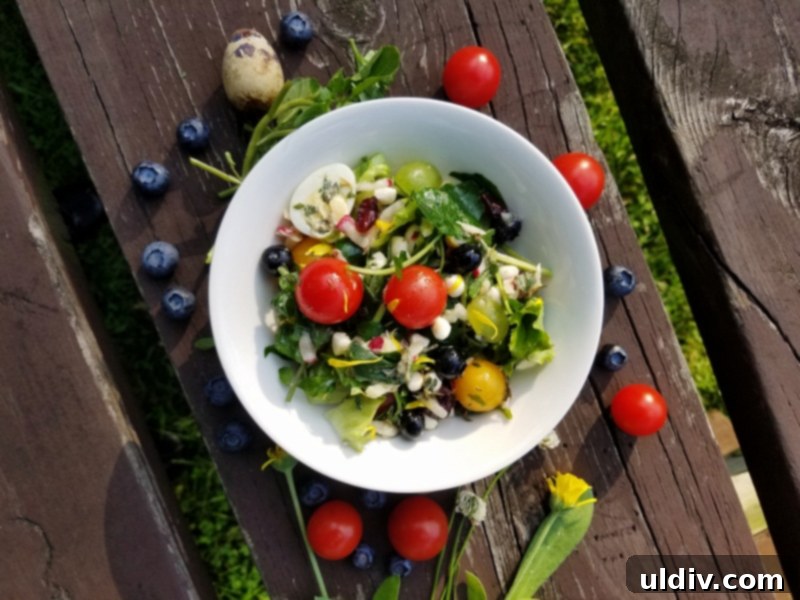
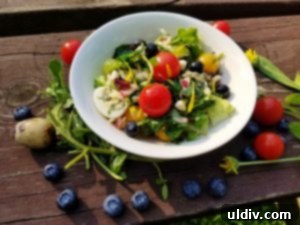
Calendula’s significance extends far beyond personal anecdotes. In 2008, the International Herb Association officially recognized calendula as the “Herb of the Year,” a testament to its exceptional healing properties and its often-overlooked culinary value. Yes, you read that correctly – culinary value! The vibrant petals of calendula flowers are not just beautiful; they are edible. They can be enjoyed raw, adding a burst of color and a unique flavor to salads, or cooked into hearty soups and stews. Driven by my family’s desire for fresh, exciting summer dishes, I recently incorporated calendula petals into the salad pictured above. Their distinct tangy, slightly peppery taste transformed a simple summer salad into an unforgettable culinary experience, layered with nuanced flavors perfect for vegetarians and non-vegetarians alike. This is truly a salad that leaves a lasting impression!
The Power of Calendula: A Versatile Herb
Beyond the Garden: Calendula’s Esteemed Recognition
Calendula officinalis, or pot marigold, is much more than just a pretty face in the garden. Its recognition as “Herb of the Year” underscored centuries of traditional use across diverse cultures. From ancient Roman and Greek civilizations to Ayurvedic and traditional Chinese medicine, calendula has been revered for its potent medicinal qualities. This bright, sun-kissed flower has been historically used to treat a myriad of ailments, a legacy that continues to resonate in modern herbalism and natural wellness practices.
Calendula’s Healing Touch: From Ancient Remedies to Modern Skincare
The therapeutic benefits of calendula are primarily attributed to its anti-inflammatory, antiseptic, and wound-healing properties. Rich in flavonoids, triterpenes, and carotenoids, calendula extracts promote skin repair by stimulating collagen production and enhancing blood flow to affected areas. When applied topically, calendula cream or gel provides immediate relief for irritated skin, making it ideal for soothing minor burns, insect bites, rashes, eczema, and even diaper rash. Its gentle yet effective action helps reduce redness, swelling, and discomfort, facilitating a faster recovery. This natural powerhouse has earned its reputation as a cornerstone in natural skincare, offering a gentle, plant-based alternative for maintaining healthy, resilient skin for all ages.
A Culinary Delight: The Unexpected Flavors of Pot Marigold
While calendula’s skincare benefits are widely celebrated, its role in the kitchen often surprises many. The petals, with their beautiful orange and yellow hues, offer a distinctive flavor profile that ranges from mildly tangy to subtly bitter with a hint of pepper. This makes them a fascinating ingredient for adventurous cooks looking to infuse their dishes with both visual appeal and complex taste. Beyond salads, calendula petals can be scattered over omelets, stirred into grain bowls, used as a natural food coloring for rice or pasta, or even incorporated into baked goods for a unique floral note. They add not just flavor, but also a touch of gourmet elegance and a boost of antioxidants to any meal. Experimenting with calendula in your cooking opens up a world of creative possibilities, transforming ordinary dishes into extraordinary culinary creations.
Boiron and the Homeopathic Approach: A Natural Path to Wellness
My journey with calendula and its broader applications was recently deepened by attending a Boiron blogger event. As someone who has lived a significant portion of my life in Europe, I was already well-acquainted with Boiron, the esteemed French company that stands as a leader in homeopathy and a household name across the “old continent.” Homeopathy, at its core, is a natural system of medicine focused on stimulating the body’s innate healing responses. It operates on the principle of “like cures like,” using highly diluted natural substances derived from plants, animals, and minerals to treat minor ailments such as allergies, coughs, colds, flu symptoms, muscle pain, and skin issues like cuts and scrapes.
Calendula in Homeopathy: Boiron’s Expertise
Boiron was founded in 1932 by pharmacist brothers Jean and Henri Boiron, and their commitment to natural healing has continued through generations. At the event, Michèle Boiron, daughter of Jean Boiron and an accomplished pharmacist herself, shared insights into her experiences within the industry and elaborated on the philosophical underpinnings of homeopathy. Notably, calendula is a star ingredient in a wide range of Boiron products, including their popular creams and gels. These formulations are specifically designed to treat various skin irritations, minor cuts, and burns naturally. Boiron’s dedication to harnessing the gentle power of calendula provides a reliable and accessible option for those seeking effective, natural relief for everyday skin concerns.
The Quest for Fresh Calendula: Sourcing Nature’s Gold
Finding fresh calendula, a plant that thrives in the warm Mediterranean soil and climate, proved to be an unexpected challenge in the Chicagoland area. Its delicate nature and specific growing requirements mean it isn’t readily available at every local market. This led me on a determined investigative search, navigating through local nurseries and specialty plant shops. The effort was well worth it when I finally discovered a thriving patch of calendula at Urhausen Greenhouses in Lincolnwood. The joy of this discovery was immense, like striking gold!

And there it was! The object of my search, standing before me in all its natural splendor:

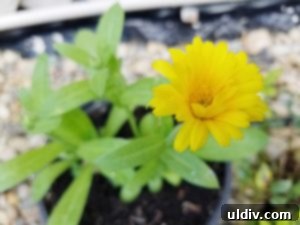
The plant exhibited a delicate balance of bright yellow and orange flowers against a backdrop of velvety, elongated leaves. It was truly a sight to behold, a testament to nature’s artistry.
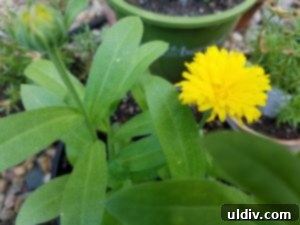
Each bloom was a tiny marvel, promising both beauty and bounty.
Beyond Calendula: Discovering More Herbal Treasures
The visit to Urhausen Greenhouses revealed more than just calendula. It was a treasure trove of nature’s remedies, showcasing an array of beneficial plants. Unsurprisingly, calendula wasn’t the only partially edible plant we encountered. A dedicated section was flourishing with echinacea, Mother Nature’s renowned remedy for the common cold and a powerful immune booster. The sight of these robust plants immediately sparked ideas for future herbal explorations, perhaps even brewing some homemade echinacea tea. I’m definitely planning a return trip to explore this section in more detail and learn about other wonderful herbs that can enhance our well-being naturally.

Crafting the Perfect Summer Salad: A Recipe with Edible Flowers
The Heart of the Salad: Calendula’s Distinctive Flavor Profile
To truly appreciate the natural beauty and unique flavor of the calendula I found, I decided its petals belonged in a fresh, vibrant salad. Given the flowers’ subtly bitter notes, I paired them with a mild greenleaf lettuce to create a harmonious balance. This thoughtful combination allows the distinctive tang and peppery undertones of the calendula to shine without overwhelming the palate, resulting in a complex yet refreshing taste experience.
Elevating the Experience: The Art of the Dressing
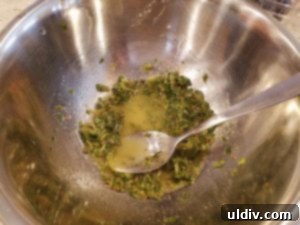
No salad is complete without the perfect dressing to tie all the flavors together. For this summer delight, I crafted a simple yet aromatic vinaigrette. I combined fresh thyme and oregano, hand-picked from my own mini herb garden, with quality vegetable oil, crisp white wine vinegar, and classic yellow mustard. This blend offers a bright, herbaceous counterpoint to the salad’s ingredients. For those desiring an even richer, more golden hue and a pronounced Mediterranean essence, substituting extra virgin olive oil would elevate the dressing’s depth and character beautifully.
A Symphony of Summer: Assembling Your Edible Garden
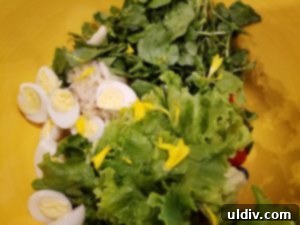
The delicate calendula petals found their place amidst a generous medley of seasonal flavors, creating a vibrant tapestry of tastes and textures. Alongside the mild greenleaf lettuce, I added an assortment of sweet red and yellow cherry tomatoes, plump green grapes, and juicy blueberries for bursts of fruitiness. To introduce crunch and a refreshing bite, I incorporated freshly grated radish and jicama. A handful of fresh watercress rounded out the greens, offering its signature peppery kick (for more innovative uses of watercress, be sure to check out my recent post here). For a wholesome protein boost, five hard-boiled quail eggs, halved, were gently nestled among the greens, while a sprinkling of dried cranberries provided a welcome touch of tangy sweetness. Each ingredient was chosen to contribute to a balanced, visually stunning, and supremely satisfying salad.
The Finishing Touch: Perlini Mozzarella
In my culinary philosophy, a salad often feels incomplete without a touch of cheese! For this particular creation, I opted for perlini mozzarella, those exquisite tiny gems of creamy goodness, to serve as both a flavorful and stylish decorative element. I sourced these sought-after pearls of fresh mozzarella from Caputo Cheese Market. If perlini aren’t available at your local grocer, ciliegini (slightly larger mozzarella balls) make an excellent and equally delicious substitute, maintaining the delightful texture and mild flavor that complements the salad so perfectly.
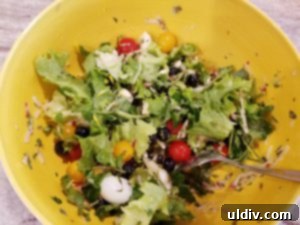
The Calendula Summer Salad: A Flavorful Conclusion
Behold the final product: a bowl brimming with the essence of summer!
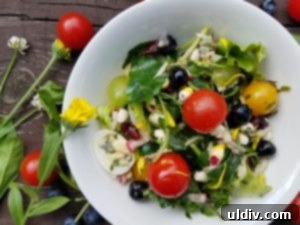
This exquisite salad, perfect as a light standalone meal or a vibrant accompaniment to a larger spread, maintains its delightful freshness when stored in the refrigerator for up to two days. For optimal flavor and texture, allow it to chill for at least 30 minutes before serving. As you bite into the juicy, refreshing tomatoes and savor the sweet kiss of blueberries, the subtle yet distinctive sharpness of the calendula emerges, revealing its delicious depth. The interplay of sweet, tangy, and peppery notes creates a truly harmonious experience that invigorates the senses. Don’t hesitate – prepare this extraordinary salad now, and you’ll find yourself falling in love with its unique charm again and again.
Calendula Summer Salad Recipe
This recipe yields 2 portions and takes approximately 20 minutes to prepare.
Ingredients:
- Petals from 3 calendula flowers
- 10 red cherry tomatoes
- 10 yellow cherry tomatoes
- 10 green grapes, halved
- 1/4 cup blueberries
- 1 tbsp dried cranberries
- 1 tbsp grated pink radish
- 1/4 cup grated jicama
- 1/4 cup perlini mozzarella
- 1 cup chopped greenleaf lettuce
- 1 cup chopped watercress
- 5 quail eggs, halved
- 3 tbsp vegetable oil
- 1 tbsp white wine vinegar
- 1 tsp yellow mustard
- 1 tbsp chopped fresh oregano
- 1 tbsp chopped fresh thyme
- Salt and pepper to taste
Instructions:
- Prepare the Dressing: In a medium-sized bowl, combine the vegetable oil, white wine vinegar, yellow mustard, chopped fresh oregano, and chopped fresh thyme. Mix thoroughly with a spoon until well combined. Season with salt and pepper to taste.
- Assemble the Salad: Place all the remaining ingredients (calendula petals, cherry tomatoes, grapes, blueberries, dried cranberries, grated radish, grated jicama, perlini mozzarella, greenleaf lettuce, watercress, and halved quail eggs) in a large salad bowl.
- Dress and Mix: Pour the prepared dressing evenly over the salad ingredients. Gently toss to ensure all components are well coated. Add additional salt and pepper if desired, according to your preference.
- Chill and Serve: For the best results and to allow the flavors to meld beautifully, let the salad chill in the refrigerator for at least 30 minutes before serving.
- Enjoy!