
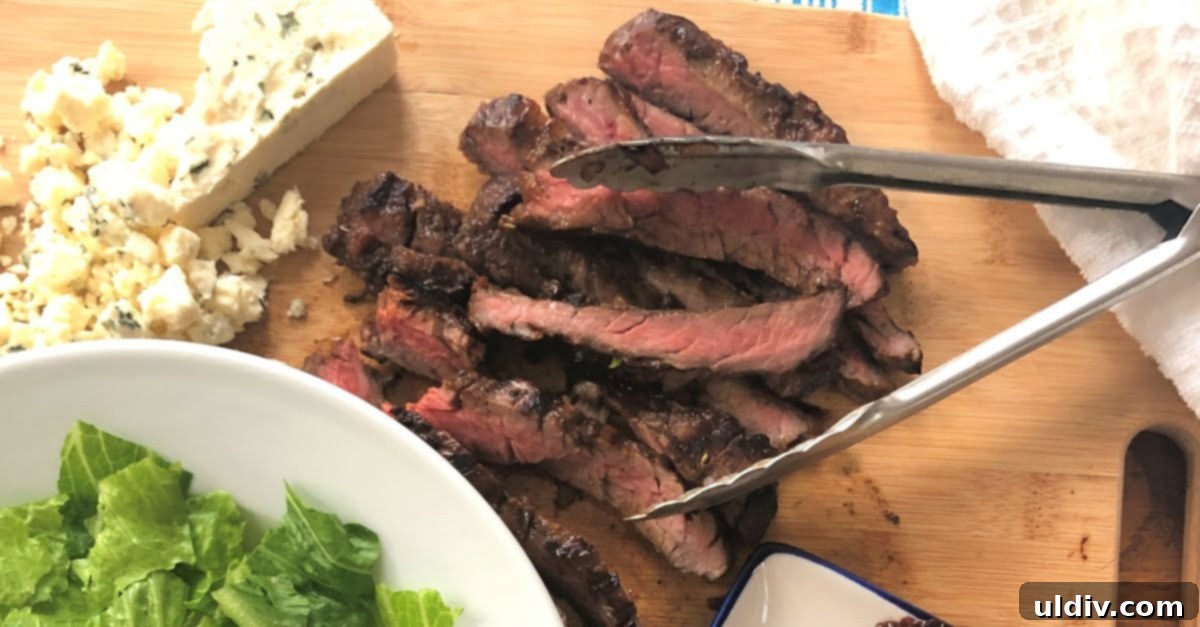
The Ultimate Balsamic Steak Marinade: Your Secret to Exceptional Grilling
Discover the absolute best Balsamic Steak Marinade recipe, a culinary gem that promises to transform your grilling experience. This remarkably versatile marinade not only elevates the flavor of steak but also works wonders with chicken, pork, and fish. Beyond its primary use, it doubles as a delightful drizzle over grilled vegetables or a tangy vinaigrette for your favorite salads, making it an indispensable component of your kitchen repertoire.
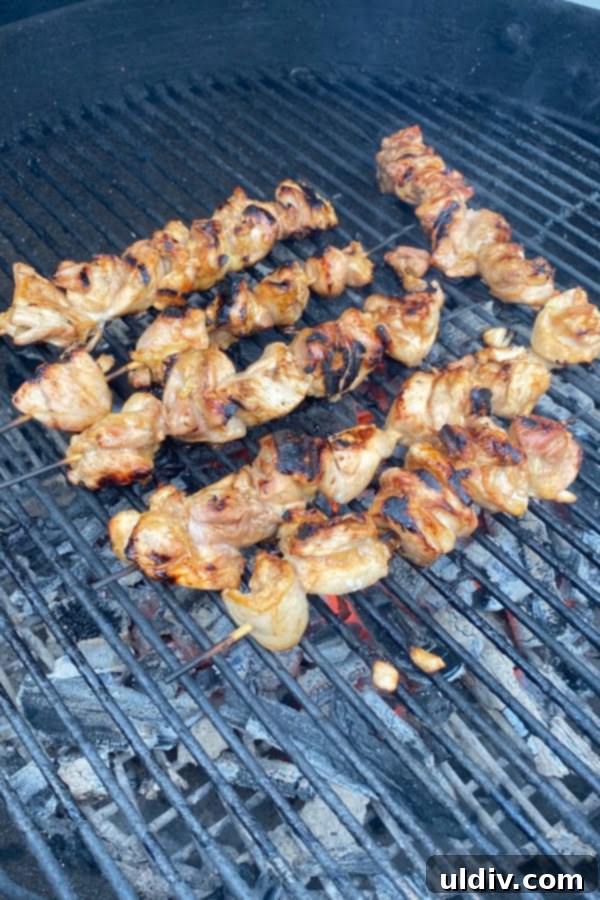
As summer arrives with its bright, sunny skies and inviting warm temperatures, there’s nothing quite like the allure of heading outdoors to fire up the grill. Imagine the sizzle of perfectly marinated chicken breasts, the rich aroma of salmon fillets, the robust flavor of flank steak, or the tender succulence of pork tenderloin. And let’s not forget the vibrant array of thickly sliced zucchini, sweet onions, and colorful bell peppers, all ready to embrace the smoky embrace of hot coals. This marinade is crafted to ensure every bite is bursting with flavor, making your outdoor cooking endeavors truly unforgettable.
This multipurpose marinade isn’t just about incredible taste; it’s about simplifying your meal preparation. Its ease of creation belies its profound impact, adding layers of complex flavor to any dish. The true beauty of a well-crafted marinade lies in its ability to effortlessly infuse food with an exciting depth that makes every meal feel like a special occasion. Forget bland meals; this recipe ensures a delicious feast on the grill is always within reach, proving that extraordinary flavor doesn’t have to mean complicated cooking.
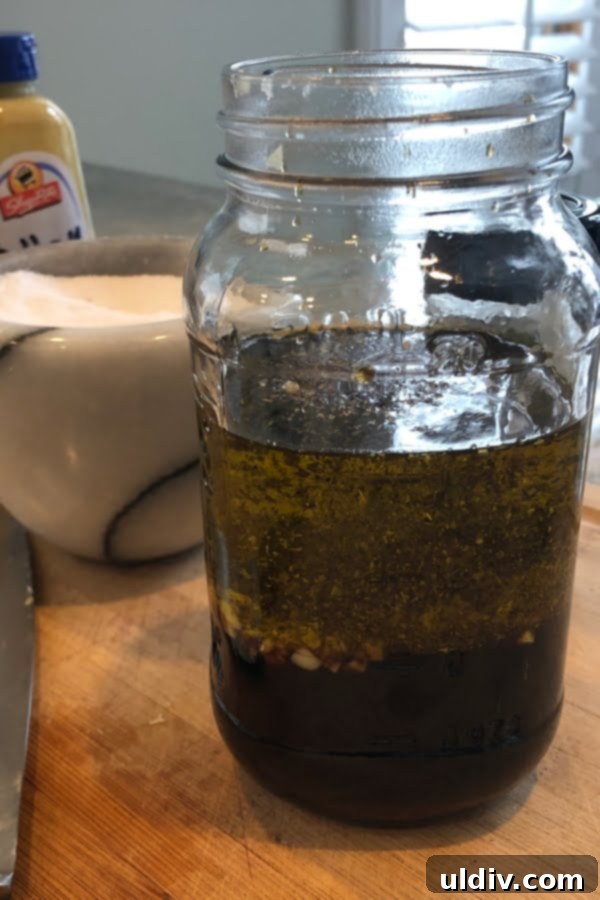
At the heart of this exceptional marinade is a meticulously balanced base of rich balsamic vinegar and luxurious extra virgin olive oil. This carefully developed concoction masterfully incorporates all the essential elements of a truly great marinade. It delivers a delightful symphony of salty, sweet, savory, spicy, and sour notes, creating a complex flavor profile that tantalizes the palate. Each ingredient plays a crucial role in achieving this perfect harmony, setting the stage for an extraordinary culinary experience.
The Art and Science of Marinating
Marinating is more than just soaking food in liquid; it’s a culinary technique that tenderizes, flavors, and often helps to create a beautiful crust during cooking. The acidic components, like balsamic vinegar, work to break down tough muscle fibers, resulting in a more tender product. The oil acts as a carrier for fat-soluble flavors and helps to retain moisture during high-heat cooking. Salts enhance natural flavors and aid in moisture retention, while sugars contribute to caramelization and browning, adding a delicious depth of flavor to the cooked surface. This marinade’s unique blend ensures both optimal flavor penetration and tender results, transforming ordinary ingredients into gourmet delights.
Essential Ingredients for a Flavorful Marinade
Creating this superb marinade requires a selection of high-quality ingredients, each playing a vital role in its exquisite flavor profile. Here’s a closer look at what you’ll need and why:
- Balsamic Vinegar: This is the star ingredient, providing a rich, tangy, and slightly sweet base. Its acidity is key for tenderizing meats and infusing a deep, complex flavor.
- Reduced Sodium Soy Sauce: Adds a crucial umami depth and a touch of saltiness without overwhelming the overall flavor. The reduced sodium version allows for better control over the final salt content.
- Brown Sugar: Contributes a delightful sweetness and helps with caramelization during grilling, leading to a beautiful, slightly charred exterior.
- Worcestershire Sauce: A secret weapon for adding a profound savory and tangy dimension, complementing the beefy flavors of steak beautifully.
- Dijon Mustard: Offers a subtle pungency and creaminess, acting as an emulsifier to bind the oil and vinegar, ensuring a consistent flavor distribution.
- Fresh Garlic: Minced garlic provides an indispensable aromatic foundation, infusing a pungent, savory kick that is essential to the marinade’s character.
- Dried Oregano, Thyme, and Basil: This classic blend of dried herbs delivers an aromatic, earthy, and slightly peppery Mediterranean essence, enhancing the marinade’s overall freshness and depth.
- Kosher Salt and Freshly Ground Pepper: Fundamental for seasoning. Kosher salt provides a clean, natural salinity, while freshly ground black pepper adds a sharp, spicy note.
- Extra Virgin Olive Oil: The healthy fat component, it helps to carry the flavors, prevents the meat from drying out, and ensures a succulent finish.
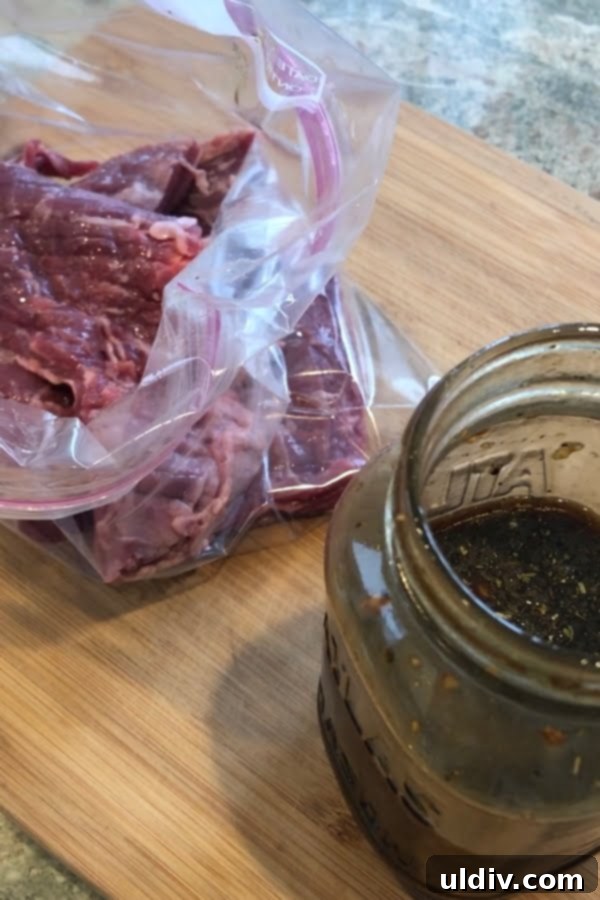
I often whip up a generous batch of this balsamic steak marinade, allowing it to work its magic and simplify my cooking process. I portion some out to marinate various meats and vegetables, typically separating them into gallon-sized resealable plastic bags for individual flavor infusion. For a complete meal, I also use a portion of this versatile mixture as a vinaigrette to toss a fresh salad of crisp greens, juicy cherry tomatoes, refreshing cucumbers, and creamy fresh mozzarella. This makes meal prep incredibly efficient and ensures a cohesive flavor theme across the entire dinner spread.
For convenient future use, store any leftover marinade in an airtight container in the refrigerator for up to two weeks. Mason jars are particularly handy for this, providing an ideal storage solution for the versatile mixture. Always give the marinade a good stir or shake before each use to ensure the ingredients are well combined. For an even longer-term solution, consider making a double batch and freezing it in one-cup portions in resealable plastic bags. This frozen marinade can be stored for up to three months, making spontaneous grilling sessions a breeze with minimal effort.
Mastering Marinade Techniques: Expert Tips for Success
Achieving perfectly marinated dishes involves more than just mixing ingredients. Follow these expert tips to ensure successful marinating every time, enhancing both flavor and food safety:
- Effortless Mixing and Pouring: To minimize mess and simplify the process, mix all your marinade ingredients in a large measuring cup, ideally a four-cup size. The spout makes pouring into bags or containers incredibly easy and clean.
- Efficient Marinating with Resealable Bags: Utilize gallon-sized resealable plastic bags for marinating. Place each type of food (meat, poultry, fish, or vegetables) in its own separate bag. Pour in enough marinade to generously coat the contents – approximately half a cup of marinade is generally sufficient for one pound of meat or vegetables. Seal the bag, ensuring you press out as much air as possible. Gently massage the bag to evenly distribute the marinade, ensuring every surface is coated. After marinating, simply toss the bags for a fuss-free cleanup, eliminating extra dishes.
- Always Refrigerate: It is paramount to always marinate food in the refrigerator. Bacteria can multiply rapidly at room temperature, posing a significant food safety risk. Ensure your food remains at a safe temperature throughout the marinating process.
- Optimal Marinating Times: Pay close attention to marinating durations, as different foods require varying times. Seafood, being more delicate, should be marinated for no more than 30 minutes to prevent it from breaking down. Chicken, steak, and pork generally need at least 30 minutes to absorb flavors, but can safely marinate for up to four hours for deeper flavor penetration. Avoid over-marinating, especially with acidic marinades, which can lead to a mushy texture.
- Marinade Safety: After it has been in contact with raw meat or seafood, it is safest to discard the used marinade. However, if you wish to use it as a basting sauce or dipping sauce, you can make it safe by boiling it vigorously for three to five minutes, or until it reaches an internal temperature of at least 165 degrees Fahrenheit (74 degrees Celsius). This process effectively kills any harmful bacteria. Once cooked, the sauce can be brushed onto meats as they cook or served on the side for dipping.
Beyond the Marinade: More Irresistible Grill Recipes
If you’re passionate about grilling and looking for more inspiration, explore these fantastic recipes that will make your outdoor cooking adventures even more exciting:
- Grilled Balsamic Chicken Sandwiches
- Grilled Pork Tenderloin with Berry Bacon Sauce
- Classic Smash Burgers
- Chipotle Honey Orange Sauce for Pork Tenderloin
- Perfectly Grilled Whole Turkey
Share Your Culinary Creations!
If you embark on the journey of making this balsamic marinade recipe, I would be absolutely thrilled to hear from you. Your feedback and creations truly inspire me! Please take a moment to leave a comment below and consider giving this recipe a rating. I genuinely strive to reply to all your comments and value your input. And don’t forget to snap a photo of your magnificent dish and post it to Instagram! I love seeing all your culinary masterpieces and will gladly share them in my Insta stories.
For more fabulous foodie stories, engaging videos, insightful cooking tips, and a plethora of delicious recipes, be sure to check out my Facebook and Pinterest pages. Join our vibrant community and let’s continue to explore the joy of cooking together!
Recipe Card
Balsamic Steak Marinade
Print
Pin
Rate
Equipment
-
Mason Jar
Ingredients
- ½ cup balsamic vinegar
- ½ cup extra virgin olive oil
- 2 tablespoons reduced sodium soy sauce
- 2 tablespoons brown sugar
- 2 tablespoons Worcestershire sauce
- 1 tablespoon Dijon mustard
- 3 garlic cloves minced
- 1 teaspoon dried oregano
- 1 teaspoon dried thyme
- 1 teaspoon dried basil
- 1 teaspoon kosher salt
- ½ teaspoon freshly ground black pepper
Instructions
-
In a mason jar with a tight-fitting lid, add all the ingredients.
-
Secure the lid tightly onto the jar and shake the ingredients vigorously until they are thoroughly combined and emulsified.
-
Store the prepared marinade in the refrigerator for up to two weeks, ensuring optimal freshness. Alternatively, for longer storage, the marinade can be transferred to resealable plastic bags and frozen for up to three months.
Notes
- Always marinate food in the refrigerator. This is crucial for preventing rapid bacterial growth at room temperature and ensuring food safety.
- Be mindful of marinating times. Delicate seafood should be marinated for no more than 30 minutes. Chicken, steak, and pork require a minimum of 30 minutes, and can be marinated for up to 4 hours for richer flavor.
- For safety, it’s generally best to discard the marinade after it has been used with raw meats. If you wish to use it as a sauce, it must be boiled for 3 to 5 minutes until it reaches an internal temperature of at least 165 degrees F (74 degrees C) to eliminate any bacteria. This cooked sauce can then be safely used for basting or as a dipping sauce.