
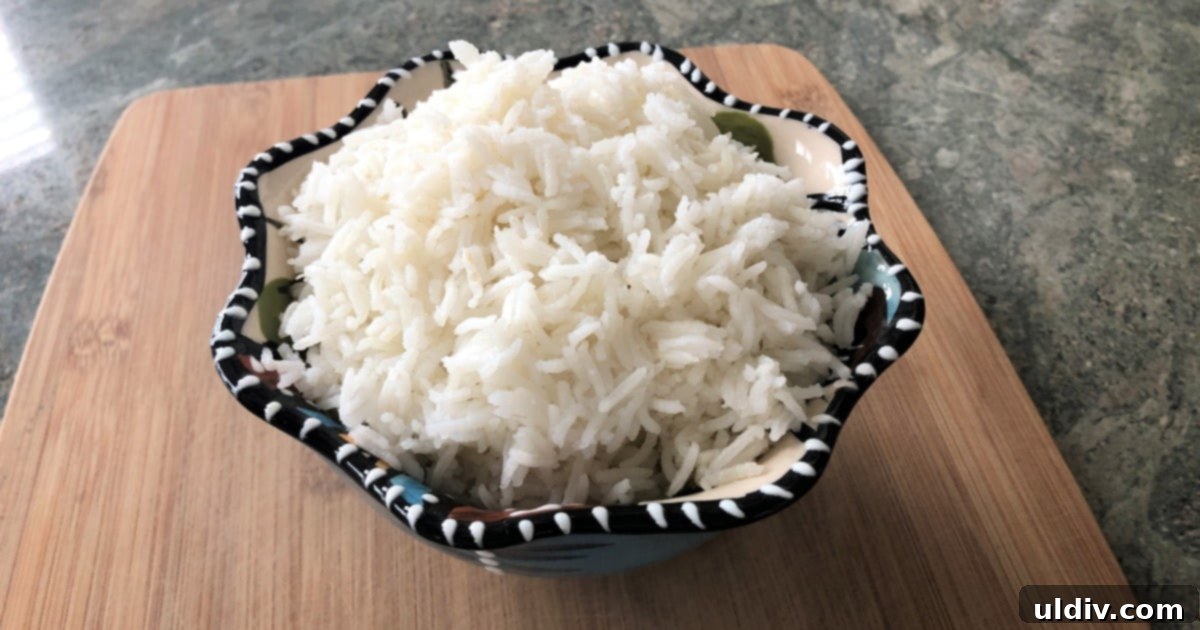
Unlock the secret to consistently perfect, **fluffy white rice** prepared right on your stovetop. This comprehensive guide reveals a truly foolproof method that ensures a delightful, non-sticky texture every single time, transforming a staple ingredient into a culinary triumph!
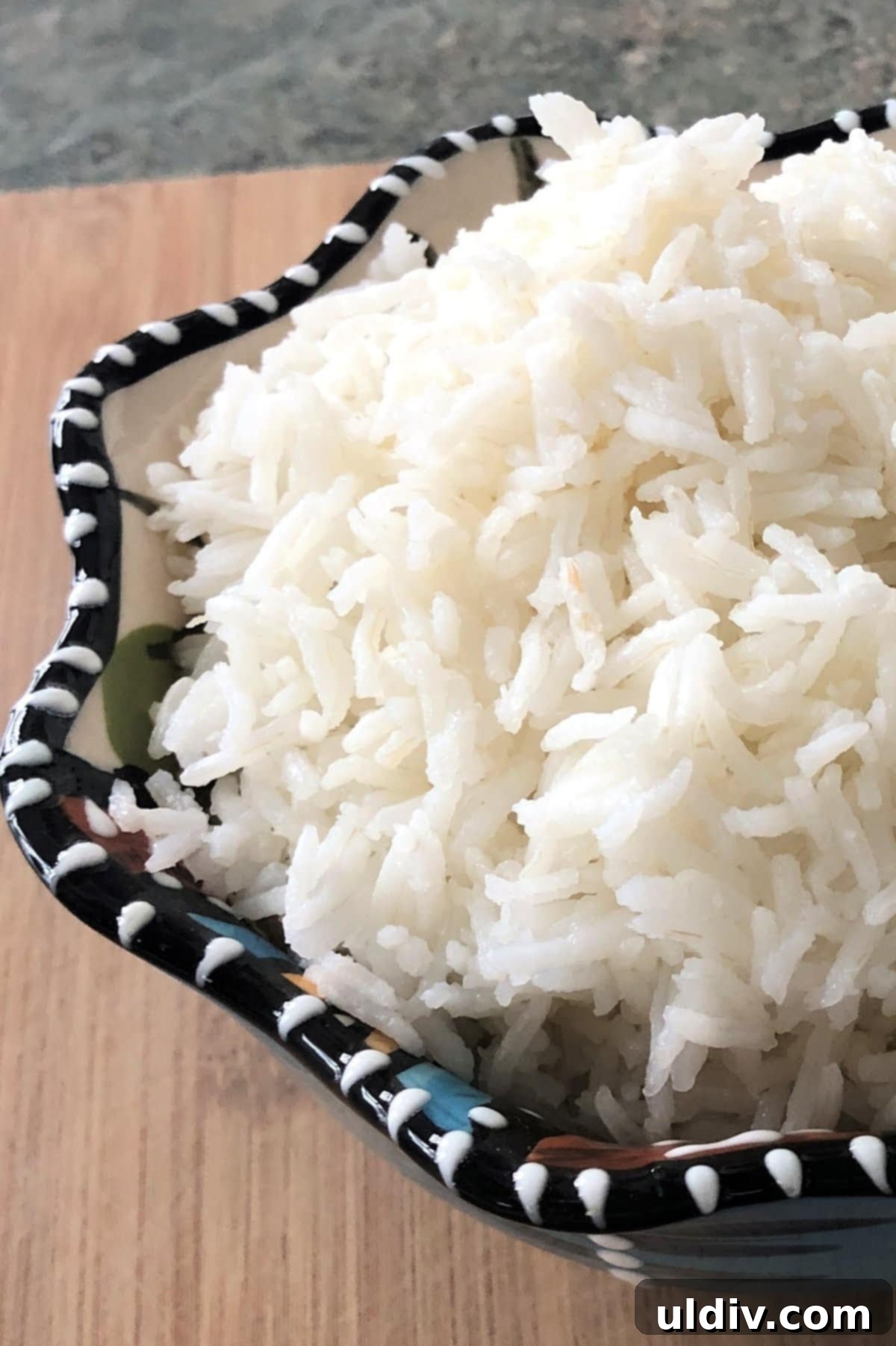
For many home cooks, achieving ideal fluffy white rice on the stovetop feels like an elusive culinary mystery. This seemingly simple ingredient, a cornerstone of countless cuisines worldwide, often presents unexpected challenges. From overly sticky grains to undercooked crunchy bits, or worse, a gooey, scorched mess, cooking rice can be a daunting task for even seasoned kitchen enthusiasts.
With years of experience preparing countless pots of rice for my family and personal chef clients, I’ve refined a method that consistently delivers exceptional results. No more guessing, no more failed attempts. Follow this expert guide, and you’ll soon become a confident rice cooker, producing perfectly fluffy white rice that complements any meal with ease and elegance.
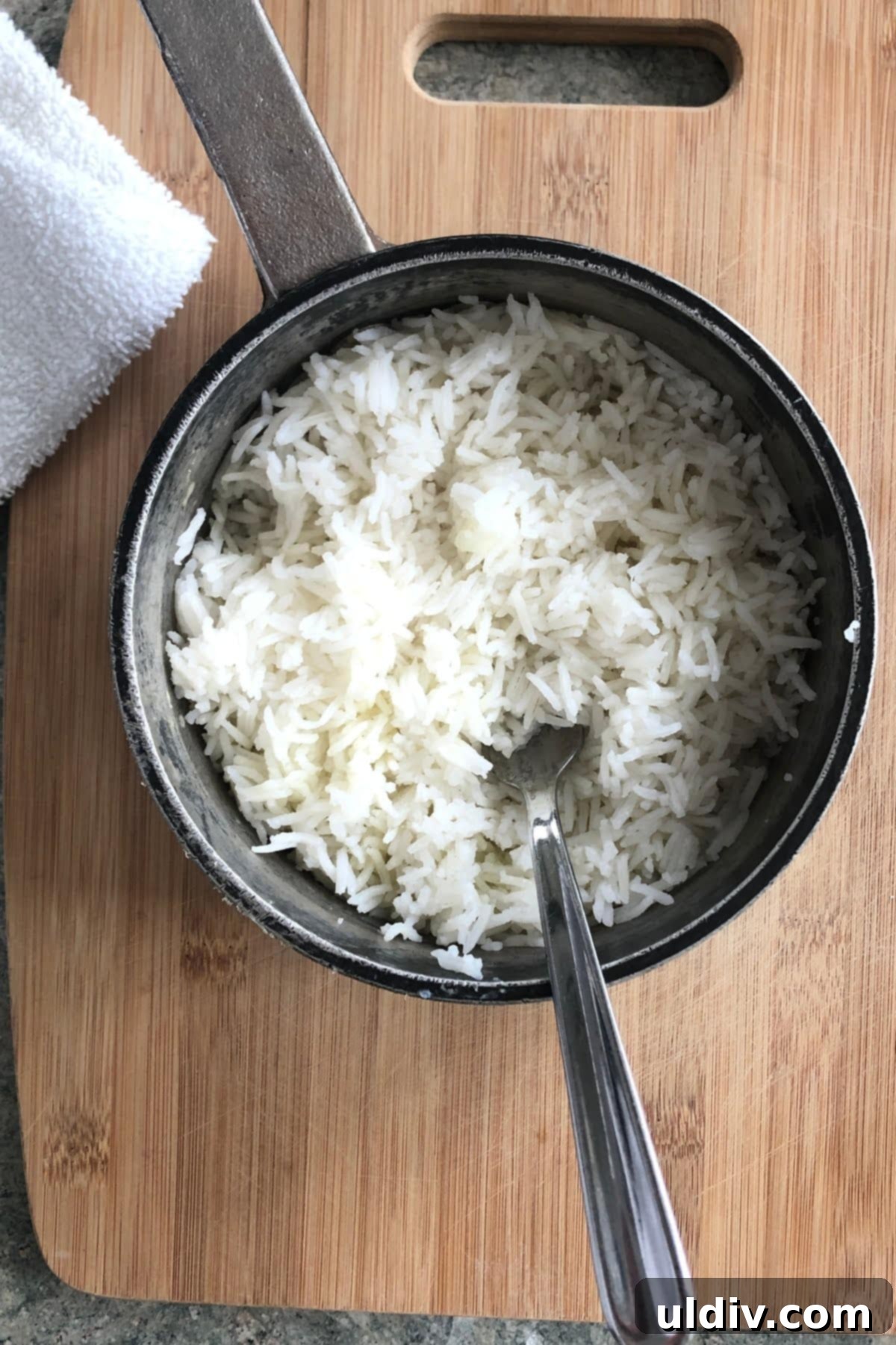
Table of Contents
- Why This Fluffy White Rice Recipe Works
- Understanding Different Types of Rice
- Essential Equipment for Perfect Rice
- Step-by-Step Guide to Stovetop White Rice
- Common Troubleshooting Tips
- Flavor Variations and Enhancements
- Frequently Asked Questions
- Recipes to Serve with Fluffy White Rice
- Just One More Thing
- Full Recipe Card
Why This Fluffy White Rice Recipe Works
Are you familiar with the disappointment of serving rice that’s sticky, clumpy, gooey, or even crunchy? My early attempts at perfecting rice often resulted in these undesirable textures. Overcooking or using too much heat led to boil-overs, sticky bottoms, and frustrating cleanup. It seemed a simple grain could be incredibly temperamental.
This method eliminates those mishaps by focusing on key principles that ensure even cooking and proper hydration. We bypass the pitfalls of traditional methods by introducing specific steps designed to prevent starchiness and promote separate, fluffy grains. There are no fancy gadgets required, nor any elusive ingredients. Just a few simple, intentional adjustments to your cooking process, and you’ll consistently achieve beautifully fluffy white rice.
Understanding Different Types of Rice
With an astonishing number of rice varieties globally—over 40,000 different types—it’s easy to feel overwhelmed. For cooking truly fluffy white rice, understanding the distinction between grain lengths is crucial.
- Short-grain rice: Varieties like Arborio (risotto rice) and sushi rice are known for their high starch content and sticky texture when cooked. This stickiness is desirable for dishes like risotto or sushi, but not for a fluffy side dish.
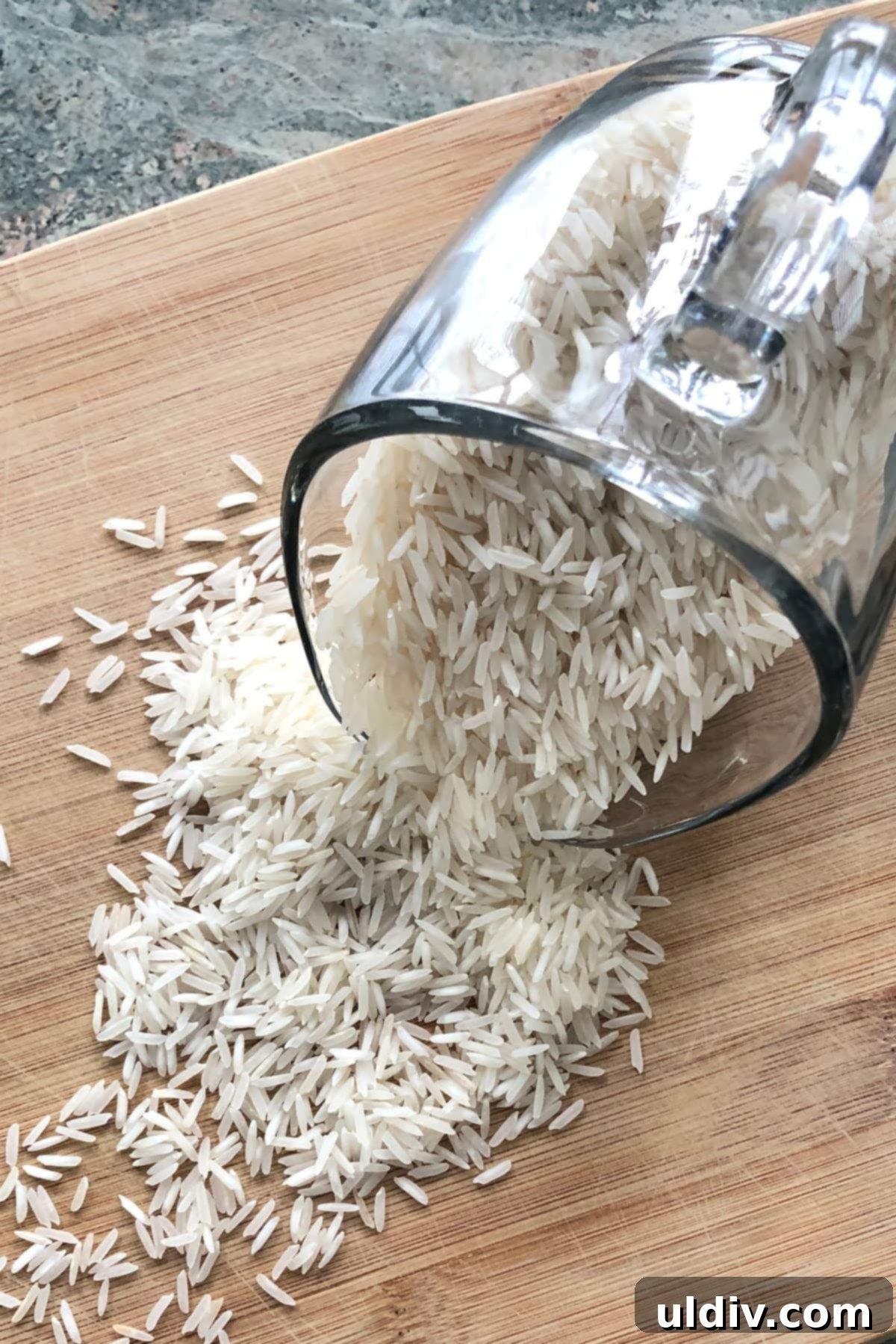
- Long-grain rice: This category includes common white rice, Basmati, and Jasmine rice. These varieties typically have a lower starch content and tend to cook up into separate, distinct grains, making them ideal for a fluffy result.
For this foolproof stovetop method, I highly recommend using long-grain varieties. My personal favorites, and the ones I prepare most frequently, are classic white long-grain, aromatic Jasmine rice, and fragrant Basmati rice. Their inherent qualities make them perfect candidates for achieving that sought-after fluffy, non-sticky texture.
Essential Equipment for Perfect Rice
While you don’t need specialized gear, having the right basic equipment can significantly impact your rice-cooking success. Here’s what I recommend:
- Heavy-Sided 1-Quart Pot: A pot with a thick, heavy bottom (like cast iron enamel or a good quality stainless steel pot) is crucial. This ensures even heat distribution, preventing hot spots that can lead to unevenly cooked or burnt rice. A 1-quart size is ideal for 1 cup of dry rice, which yields 4 servings.
- Tight-Fitting Lid: This is non-negotiable! A lid that fits snugly is essential to trap steam, which is what cooks the rice. If your lid is loose, steam will escape, altering cooking times and leading to dry or undercooked rice.
- Measuring Cups: Accurate measurements for both rice and water are paramount. Standard dry and liquid measuring cups will suffice.
- Wooden Spoon or Spatula: Useful for stirring the rice during toasting and for fluffing it at the end.
Step-by-Step Guide to Stovetop White Rice
Mastering fluffy rice is all about understanding each step and why it’s important. Follow these detailed instructions for perfectly cooked grains every time.
- Step 1: Prepare Your Pot and Rice
Begin with a heavy-sided 1-quart pot and its tight-fitting lid. The heavy construction of the pot is key; it ensures the heat is distributed uniformly across the bottom and up the sides, allowing your rice to cook evenly without scorching. Add a small amount of olive oil (or your preferred cooking oil) to the pot.
- Step 2: Lightly Toast the Rice for Enhanced Flavor
Place your pot over medium-low heat. Add the measured long-grain rice to the oil. Stir the rice gently to ensure each grain is lightly coated with the oil. Continue to cook, stirring occasionally, for about 2 minutes. You’ll notice the grains becoming slightly translucent at the edges, and a subtle, nutty aroma will begin to fill your kitchen. This toasting step not only adds a wonderful depth of flavor but also helps to separate the rice grains, preventing them from clumping together later.
- Step 3: Add Hot Water for Consistent Cooking
After toasting, carefully pour hot water into the pot with the rice. Using hot water rather than cold water is a small but significant detail. It helps maintain a consistent temperature, bringing the mixture back to a boil more quickly and ensuring a more even cooking process from the start.
- Step 4: Bring to a Full Boil
Increase the heat to medium-high and bring the water and rice to a vigorous, full boil. You should see active bubbling across the entire surface. This initial boil is crucial for activating the starch and initiating the cooking process effectively before reducing the heat.
- Step 5: Reduce Heat and Cover – NO PEEKING!
Once a full boil is achieved, immediately reduce the heat to the absolute lowest setting. Then, cover the pot with its tight-fitting lid. This is perhaps the most critical instruction: **DO NOT LIFT THE LID OR PEEK AT THE RICE WHILE IT COOKS.** Seriously. Every time you lift the lid, precious steam escapes. This steam is what cooks the rice evenly. Losing it drops the internal temperature of the pot, extending the cooking time and potentially resulting in undercooked grains. Just set a timer and trust the process.
- Step 6: The Essential Resting Period
After the recommended cooking time (typically 15 minutes for white rice), turn off the heat completely, but **leave the lid on and let the rice rest for an additional 5 minutes.** This resting period is my second most important key to perfect rice. During this time, the residual steam and heat continue to cook the rice gently, allowing any remaining moisture to be evenly absorbed and redistributed throughout the grains. This prevents a watery bottom and ensures uniformly fluffy rice.
- Step 7: Fluff and Serve
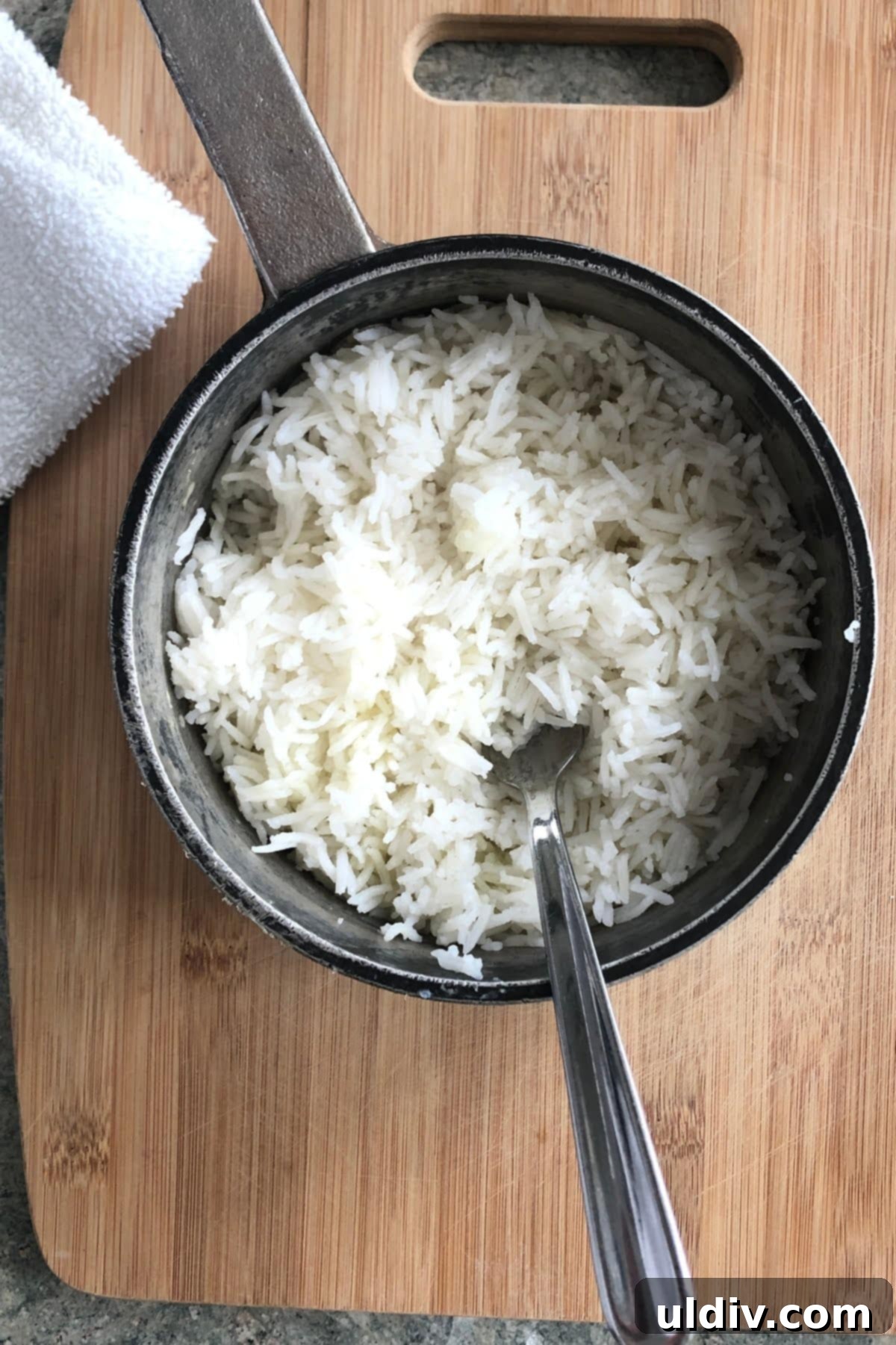
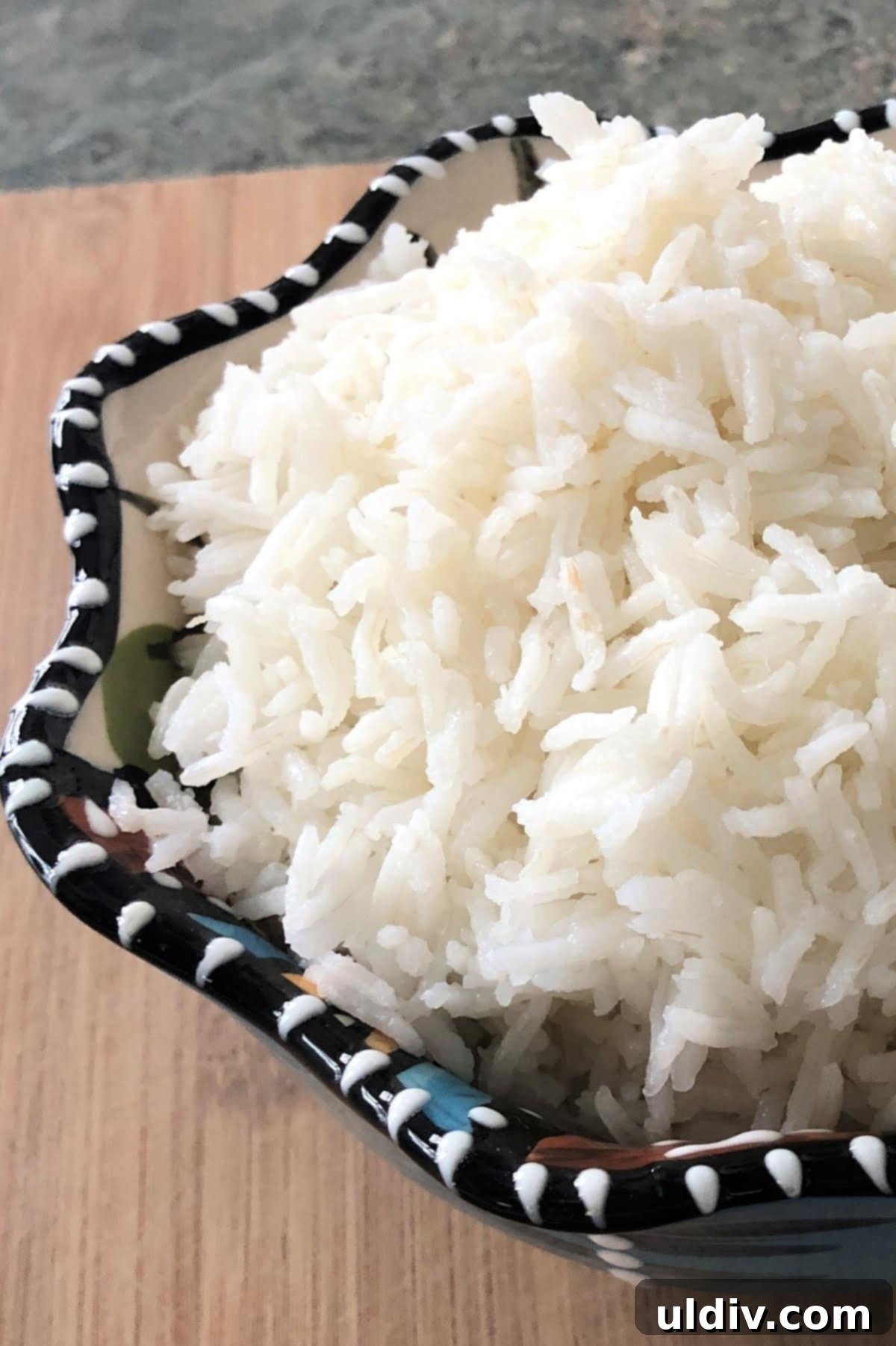
Once the resting time is complete, remove the lid. Using a fork, gently fluff the cooked and rested rice. This action helps to separate the individual grains, releases any lingering steam, and allows them to dry out slightly, enhancing their light and fluffy texture. Your perfectly cooked white rice is now ready to serve!
Common Troubleshooting Tips
Even with a foolproof method, sometimes things don’t go exactly as planned. Here are solutions to common rice cooking problems:
- Rice is too wet/sticky: This usually means too much water or not enough cooking/resting time. Next time, ensure your lid is tight-fitting. If it’s slightly wet, you can uncover it and cook on very low heat for a few more minutes, stirring gently, or simply let it sit longer (covered and off heat) to absorb more moisture.
- Rice is too dry/crunchy: Not enough water, too much heat, or the lid wasn’t tight enough, causing steam to escape. If it’s still crunchy, add a tablespoon or two of hot water, cover tightly, and cook on very low heat for an extra 5 minutes.
- Rice is burnt at the bottom: Heat was too high during the simmering phase. Ensure your stove is set to the absolute lowest possible heat after boiling. A heavy-bottomed pot also helps to prevent this.
- Rice is clumpy: This often happens if the rice wasn’t toasted, or if it was stirred too much after covering. The oil coating during toasting helps prevent clumping.
Flavor Variations and Enhancements
While plain fluffy white rice is wonderful, you can easily elevate its flavor profile:
- Salt: Always add a pinch of salt to the water (about ½ teaspoon per cup of rice) to enhance the natural flavor of the rice.
- Butter or Ghee: Adding a teaspoon of butter or ghee during the toasting phase or after fluffing adds richness and a beautiful aroma.
- Herbs & Spices: Infuse flavor by adding a bay leaf, a few cardamom pods, a cinnamon stick, or a pinch of saffron to the water before cooking. Fresh herbs like cilantro or parsley can be stirred in after fluffing.
- Broth Instead of Water: For a more savory rice, substitute chicken, vegetable, or beef broth for the hot water. This adds significant depth of flavor, perfect for pairing with main dishes.
- Garlic or Onion: Sauté minced garlic or finely chopped onion in the oil before adding the rice for an aromatic base.
Frequently Asked Questions
For this particular method, rinsing the rice is not strictly necessary. The quick sautéing of the rice in olive oil helps to separate the grains effectively, preventing stickiness that rinsing often aims to mitigate. However, if you prefer, a quick rinse under cold water until it runs clear won’t harm the recipe, but ensure the rice is well-drained before toasting.
Completely cooled cooked rice can be safely stored in an airtight container in the refrigerator for up to 3 days. It’s important to cool the rice quickly after cooking to prevent bacterial growth. Spread it out on a tray or plate to cool faster before transferring to a container.
The best way to reheat leftover rice is in the microwave or on the stovetop. For the microwave: Add a small amount of water (about a tablespoon per cup of rice) to the rice, loosely cover it with a lid or damp paper towel, and microwave on 60% power at 30-second intervals, stirring occasionally, until heated through. For the stovetop: Place rice in a saucepan with a tablespoon of water, cover, and heat over low flame, stirring occasionally until warmed.
While this guide focuses on stovetop cooking, many of the principles (like proper water ratio and resting time) apply to rice cookers as well. However, the toasting step is unique to the stovetop method and contributes significantly to the flavor and texture. If using a rice cooker, omit the toasting and follow your appliance’s instructions for water ratio and cooking time, still allowing for a resting period.
This specific recipe is tailored for white long-grain rice (Basmati, Jasmine, etc.). Brown rice requires a different water-to-rice ratio and a longer cooking time due to its intact bran layer. While some principles of stovetop cooking remain similar, you would need to adjust the water, cooking duration, and potentially the resting time for brown rice to achieve optimal results.
Recipes to Serve with Fluffy White Rice
Now that you’re armed with the keys to cooking perfect white rice, you’ll be a confident rice cooker ready to pair it with a variety of delicious meals. Elevate your culinary skills by serving your perfectly fluffy rice with some of these delightful recipes:
- Thai Curry Chicken and Rice Bowls: The creamy, spicy curry is a fantastic complement to plain white rice.
- Sizzling Hibachi Shrimp and Vegetables: A vibrant, flavorful dish that truly shines with a side of fluffy rice.
- Coffee Rub Steak: The rich, savory notes of this steak are perfectly balanced by simple white rice.
- Fried Rice with Chicken: An excellent choice for utilizing any leftover fluffy rice, transforming it into a new, delicious meal.
- Chicken Tikka Masala: This classic Indian dish is almost incomplete without a generous serving of soft, absorbent rice.
Just One More Thing
I genuinely hope you find this guide on how to cook fluffy white rice helpful and that it transforms your rice-making experience. I absolutely love hearing from you all and seeing your culinary creations! If you use this recipe, please take a moment to leave a comment below and consider giving it a rating – I make every effort to reply to each one.
Don’t forget to snap a photo of your perfectly fluffy rice and post it to Instagram, tagging @amycaseycooks. I’d be thrilled to share your photos in my Insta stories! Also, be sure to check out my Facebook and Pinterest pages for a wealth of foodie stories, cooking videos, invaluable kitchen tips, and more delicious recipes to inspire your next meal.
Recipe Card: Perfectly Fluffy White Rice
How to Perfectly Cook Fluffy White Rice
Print
Pin
Rate
15 minutes
20 minutes
4
servings
179
kcal
Amy Casey
Ingredients
- 1 teaspoon olive oil
- 1 cup long grain white rice (such as Basmati or Jasmine)
- 2 cups hot water
- ¼ teaspoon salt (optional, to taste)
Instructions
-
Heat a 1-quart heavy-sided pot over medium-low heat. Add the olive oil. Once shimmering, add the long-grain rice and salt (if using). Stir the rice to ensure each grain is coated with oil. Cook for about 2 minutes, stirring occasionally, until you detect a slight nutty smell and the grains become slightly translucent.
-
Pour in the 2 cups of hot water. Increase the heat to medium-high and bring the rice and water to a full, rolling boil.
-
Immediately reduce the heat to the absolute lowest setting. Cover the pot with a tight-fitting lid.
-
Cook the rice for 15 minutes. **Do not lift the lid or peek during this time!**
-
After 15 minutes, turn off the heat completely. **Leave the pot covered and let the rice rest for an additional 5 minutes.** This resting period is crucial for perfect texture.
-
After the resting time, uncover the pot. Using a fork, gently fluff the rice to separate the grains. Serve immediately and enjoy your perfectly fluffy white rice!
Notes
- Use a Heavy Pot: A heavy-sided 1-quart pot with a tight-fitting lid will evenly conduct heat, ensuring the rice cooks uniformly.
- Toast the Rice: Lightly toasting the rice in oil before adding water enhances flavor and helps prevent the grains from sticking together.
- Hot Water is Key: Adding hot water helps maintain a consistent temperature for better cooking.
- Full Boil First: Bring the water and rice to a full boil before lowering the heat to ensure proper initial cooking.
- No Peeking: Avoid lifting the lid during cooking! Steam escape will lower the temperature and alter cooking time, leading to inconsistent results.
- Resting Time: After cooking, let the rice sit covered and off the heat for 5 minutes. This allows moisture to redistribute, resulting in perfectly fluffy grains.
- Fluff with a Fork: Gently fluff the cooked and rested rice with a fork to separate the grains and release excess steam.
Nutrition
Calories:
179
kcal
|
Carbohydrates:
37
g
|
Protein:
3.3
g
|
Fat:
1.5
g
|
Saturated Fat:
0.3
g
|
Sodium:
2
mg
|
Fiber:
0.6
g
|
Sugar:
0.1
g
Did you make this recipe?
Tag @amycaseycooks on Instagram so we can all admire your work