

The Resurgence of Bison Meat: A Sustainable and Nutritious Choice
In an increasingly health-conscious and environmentally aware world, the demand for bison meat has witnessed a remarkable surge. Celebrated for its lean, vibrant red appearance and surprisingly light texture, bison is widely praised not only for its superior nutritional profile but also for its distinctive natural sweet taste. Beyond these immediate benefits, however, this unique meat has garnered significant attention due to the bison’s inherent sustainability, painting a particularly compelling picture for modern consumers seeking ethical and ecological food choices.
The journey of bison from near extinction to a symbol of regenerative agriculture is a testament to dedicated conservation efforts and a growing appreciation for nature’s wisdom. As consumers become more discerning about the origin and impact of their food, bison stands out as a protein source that aligns perfectly with a responsible lifestyle. This article delves into the various facets that make bison meat a standout choice: its deep connection to sustainable farming, its impressive health benefits, and its exquisite culinary appeal.
Bison: Nature’s Architect for Regenerative Agriculture
At the heart of bison’s rising popularity is its profound connection to regenerative agriculture – a holistic land management practice focused on improving soil health, biodiversity, and ecosystem resilience. According to the American National Bison Association (a non-profit established in 1995 to educate the public on bison and ensure its preservation, production, and marketing), raising bison seamlessly integrates into this framework. Regenerative practices are designed to “increase soil biodiversity and organic matter, leading to more resilient soils that can better withstand climate change impacts like flooding and drought.”
The Association further explains that “healthy soils lead to stronger yields and nutrient-rich crops, without the need for synthetic fertilizers and/or pesticides.” Crucially, these revitalized soils “promote the growth and health of the animals that graze on those plants and grasses, while restoring important carbon-capturing grasslands in the process.” Bison are truly nature’s perfect fit for this approach to holistic management, primarily due to their intrinsic grazing behavior.
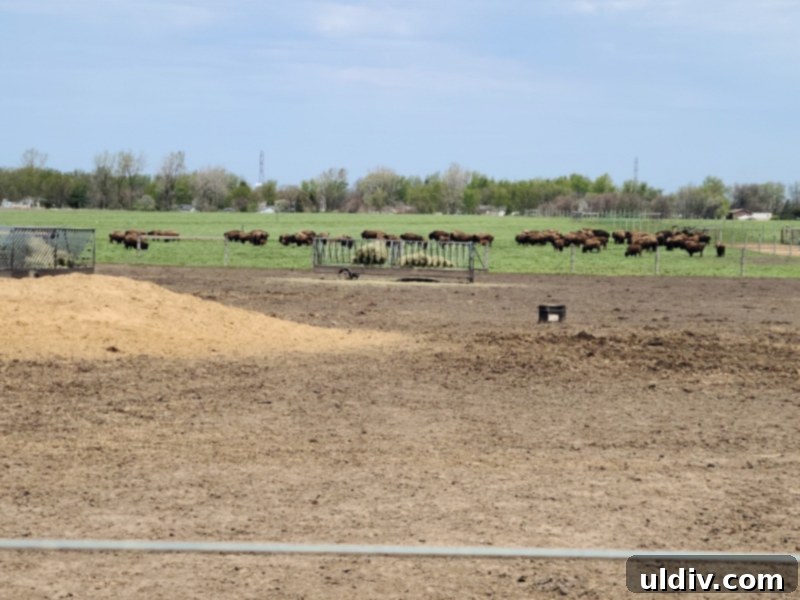
Unlike domesticated livestock, bison remain largely undomesticated, allowing them to interact with their environment precisely as nature intended. The American National Bison Association highlights that “today’s bison still graze in herds, moving across the land, and only briefly stopping by the watering holes, reducing the damaging impact of hooves along riparian areas.” This migratory grazing prevents overgrazing in any single area, promoting diverse plant growth and allowing grasslands to recover naturally. In stark contrast, domesticated species have largely lost much of that natural behavior, often standing and grazing in one spot, or lounging around stream beds and ponds on hot days, which can compact soil, erode banks, and contaminate water sources.
This inherent synergy between bison and their environment led the American National Bison Association to trademark the powerful slogan “Regenerative by Nature,” aptly highlighting bison’s unparalleled innate sustainability and their vital role in ecosystem restoration. Their natural instincts ensure a symbiotic relationship with the land, fostering a healthier planet one pasture at a time.
A History of Resilience: The Bison Conservation Success Story
While bison are now recognized for their ecological contributions, their history in North America has not always been so favorable. Centuries of unrestricted hunting, coupled with devastating diseases, led to the near decimation of the species just 125 years ago. From tens of millions, their numbers plummeted to a mere few hundred, bringing this majestic animal to the brink of extinction. It was a stark reminder of humanity’s impact on wildlife and ecosystems.
Thankfully, in recent decades, a monumental shift has occurred. The conservation and restoration of the North American bison have rightfully come to the forefront, forging a powerful partnership among public, private, and tribal bison herds across the continent. This collaborative effort has been instrumental in reversing the catastrophic decline. Governments, conservation organizations, and Native American tribes, for whom bison hold immense cultural and spiritual significance, have worked tirelessly to re-establish herds and protect their habitats.
Today, this inspiring conservation success story continues to unfold. There are approximately 400,000 bison roaming North America, a testament to what can be achieved through dedicated collective action. This significant recovery signifies an ongoing paradigm shift, moving beyond mere preservation towards active restoration and sustainable coexistence. The re-establishment of bison herds doesn’t just increase their numbers; it revitalizes entire ecosystems, restoring ecological balance and cultural heritage.
Nutritional Powerhouse: Why Bison is the Healthier Protein Choice
Beyond its environmental credentials, bison meat is a nutritional marvel. It is remarkably nutrient-dense and rich in vital Omega-3 fatty acids, which are known for their anti-inflammatory properties and benefits for heart and brain health. According to the USDA, bison stands out as a superior choice compared to conventional meats. It boasts significantly less fat and calories, less cholesterol, and higher amounts of protein, iron, and vitamin B-12 than beef, pork, chicken, and even salmon.
This impressive nutritional profile isn’t a coincidence; it’s a direct result of how bison are raised. Bison are handled as little as possible, reflecting their wild nature. They are not domesticated animals confined to feedlots but spend their entire lives grazing freely on vast grasslands. This natural, stress-free existence, combined with a grass-fed diet, contributes profoundly to the lean and nutrient-rich quality of their meat. Furthermore, it’s crucial to note that no antibiotics or growth hormones are given to bison, ensuring a pure, wholesome product free from artificial additives. This commitment to natural rearing practices not only benefits the animals but also guarantees a cleaner, healthier protein source for consumers.
Culinary Adventures with Bison: From Farm to Table
My personal culinary journey recently led me to experiment with bison in an exciting Instagram foodie challenge. These regular challenges and collaborations have become a fantastic way to expand my cooking skills, learn new techniques, and keep my creativity flowing in the kitchen. The particular challenge where I featured bison was called “Trompe L’oeil,” or “Trick of the Eye” – essentially, creating dishes that aren’t what they seem. During my research for this challenge, I discovered intricate creations online, such as hand-shaped cakes or panna cotta designed to look like an ashtray, which were clearly beyond my current level of expertise.
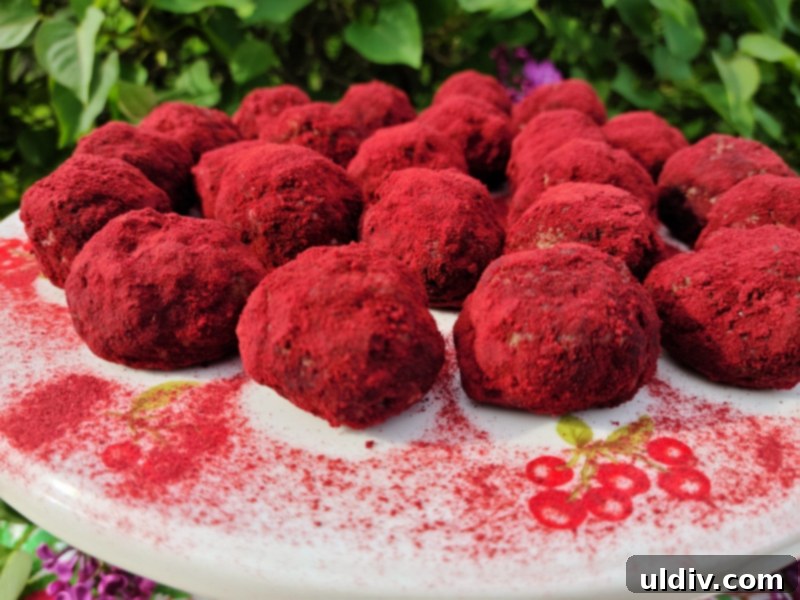
However, the concept of crafting truffle-looking meatballs immediately resonated as something achievable yet delightfully deceptive. The idea was simple: present savory bison meatballs in a way that mimicked the appearance of luxurious chocolate truffles, surprising the palate and delighting the eye. This kind of playful cooking makes the culinary experience even more engaging.
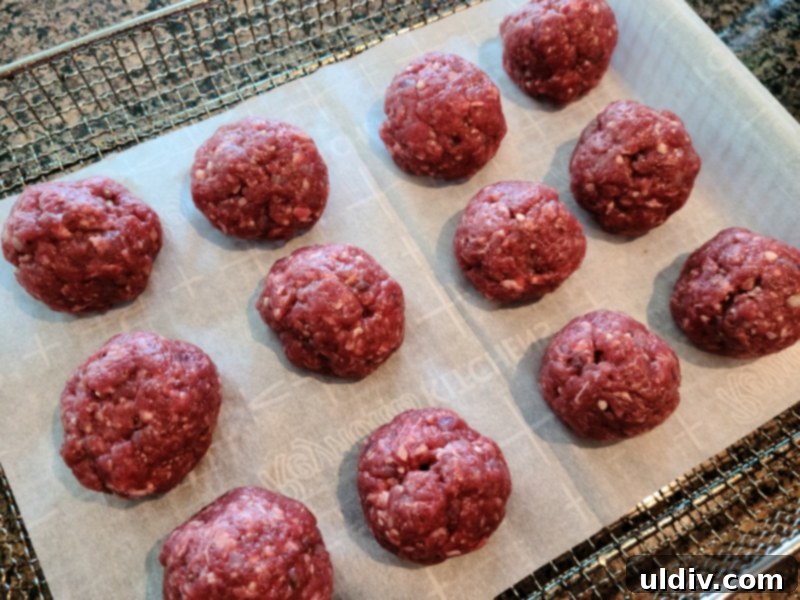
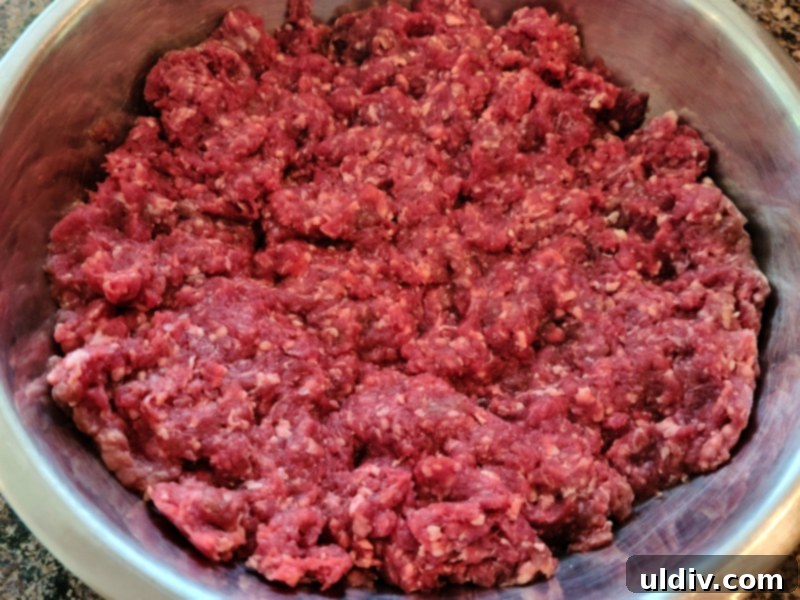
I sourced my ground bison from Broken Wagon in Hobart, Indiana, and was incredibly excited to find such a reputable bison farm so close to home! Typically, when making ground meat dishes, I blend a substantial amount of vegetables with the meat (usually a ratio of about 60% meat to 40% veggies) to add fiber and nutrients. But for this specific “Trompe L’oeil” challenge, to ensure the appearance of the “truffles” would effectively trick my Instagram audience, I opted for a simpler mixture. I used only ground bison with finely minced onion, garlic, and a selection of complementary spices, focusing purely on flavor and texture without any visual distractions from vegetables.
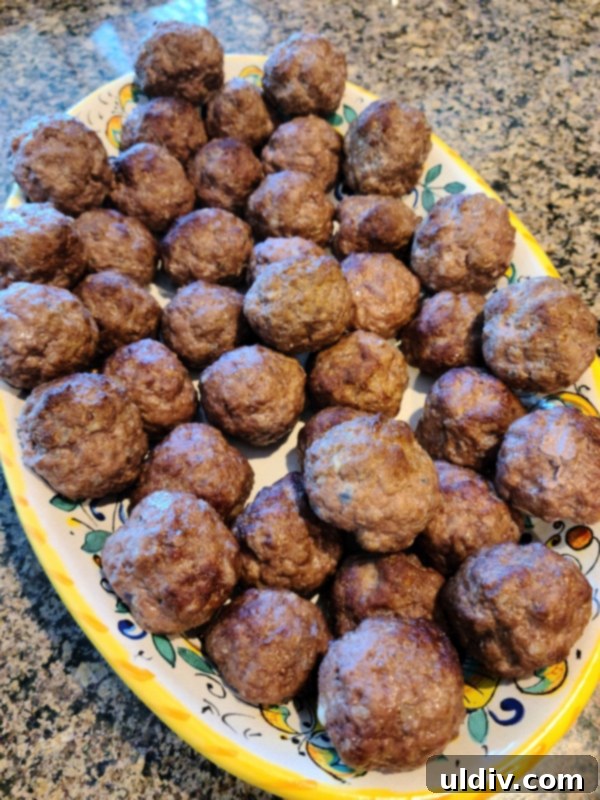
No nuts or chocolate, of course – these were savory delights!
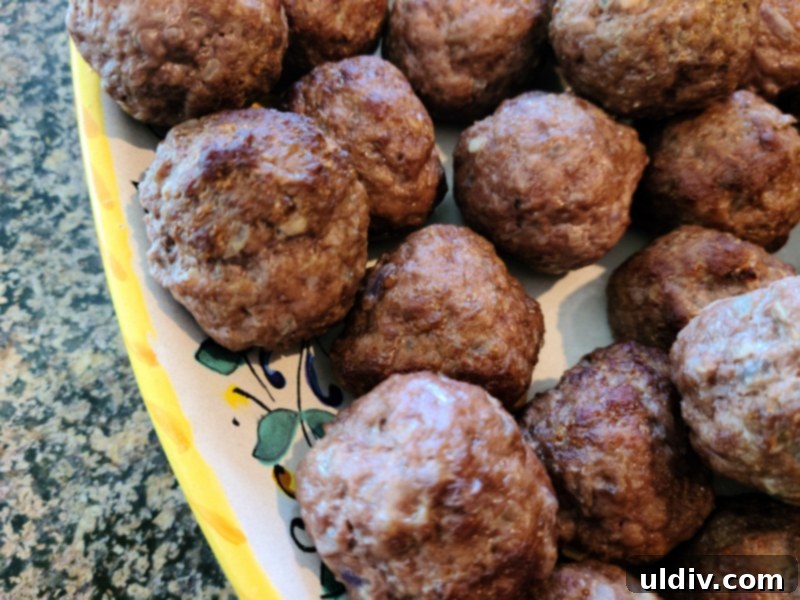
To cook these unique “truffles,” I air-fried my meatballs for a mere 10 minutes. Due to bison’s inherent leanness, it is remarkably easy to overcook, which can quickly lead to dryness. Therefore, a very short cooking time is absolutely crucial to preserve its tender texture and exquisite flavor. After cooking, I coated them with Suncore Foods’ organic beetroot powder. The earthy, slightly sweet notes of the beetroot powder perfectly complemented the natural lean sweetness of the bison, creating a super delicious and surprisingly satisfying flavor combination that delighted both the eye and the palate.
The Unforgettable Flavor and Texture of Bison
My research into bison deepened my appreciation for this magnificent animal, and I was particularly pleased to learn about the extensive conservation efforts undertaken to preserve its majesty and innate sustainability. The process of raising and slaughtering bison involves strict control over the procedures used, aiming to respect the natural beauty and wild spirit of this symbolic animal – America’s original red meat. This ethical approach is truly wonderful, reflecting a growing consciousness for animal welfare and environmental impact in our food systems.
Equally wonderful is the quality and flavor of the meat itself. Often described as sweet, lean, and light as a feather, bison meat possesses a unique character that sets it apart. Crucially, it is not gamey, a common misconception, but rather offers a clean, earthy taste that is remarkably easy to eat and almost creamy in texture. When cooked properly – which typically means a shorter cooking time due to its leanness – there is no toughness or grittiness. Instead, it yields a softness akin to that of a delicate sponge cake. There’s very little resistance when you sink your teeth into it, literally – the texture is incredibly smooth and utterly satisfying.
Meanwhile, the natural sweet flavor gently coats your mouth in the most pleasant of ways, leaving you in awe of its unique vibrancy and unparalleled leanness. Bison is truly a complete package: delicious, highly nutritious, bold in its natural essence, and beautiful in its contribution to ecological balance. It is undoubtedly one of Mother Nature’s most precious and exciting gifts to our plates and our planet.

Share Your Bison Experience
Have you ever had the pleasure of tasting bison meat? How did you prepare it, and what was your experience like? I’d love to hear about your culinary adventures and thoughts on this remarkable protein. Please share your insights and recipes in the comments below!