
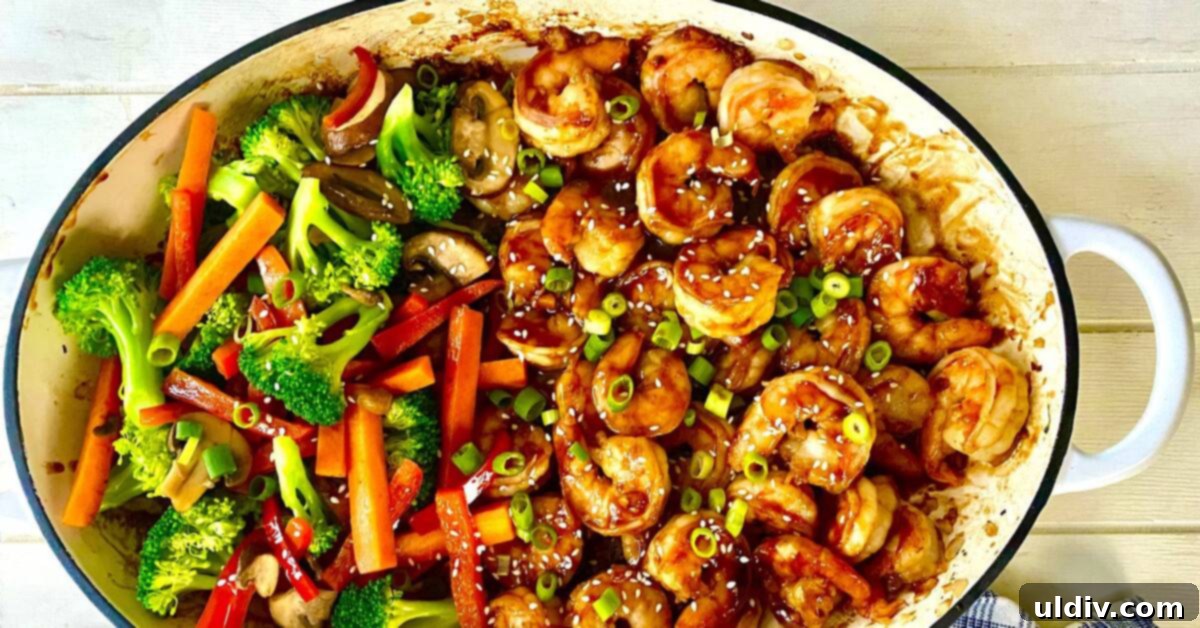
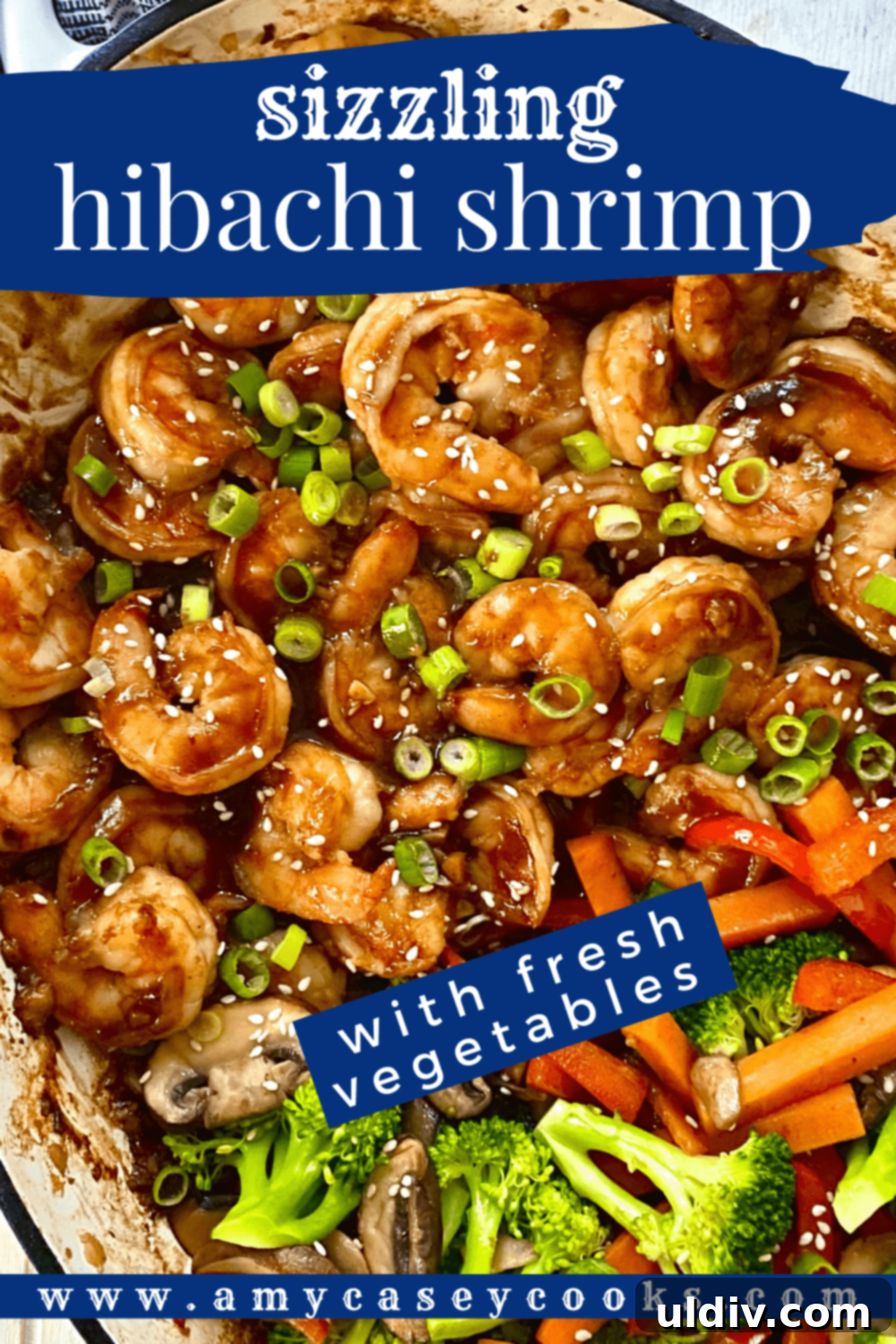
Craving the vibrant flavors and exciting sizzle of hibachi without leaving your home? Look no further! This ultimate guide to crafting Sizzling Hibachi Shrimp and Vegetables will transform your kitchen into your favorite Japanese steakhouse. In just about 30 minutes, you’ll create a magnificent dish featuring succulent, tender shrimp, crisp-tender mushrooms, carrots, colorful bell peppers, and fresh broccoli, all bathed in a savory, perfectly balanced sweet-and-salty Asian-inspired sauce. Forget expensive restaurant bills and long waits; this homemade hibachi experience is not only more delicious and healthier but also incredibly budget-friendly.
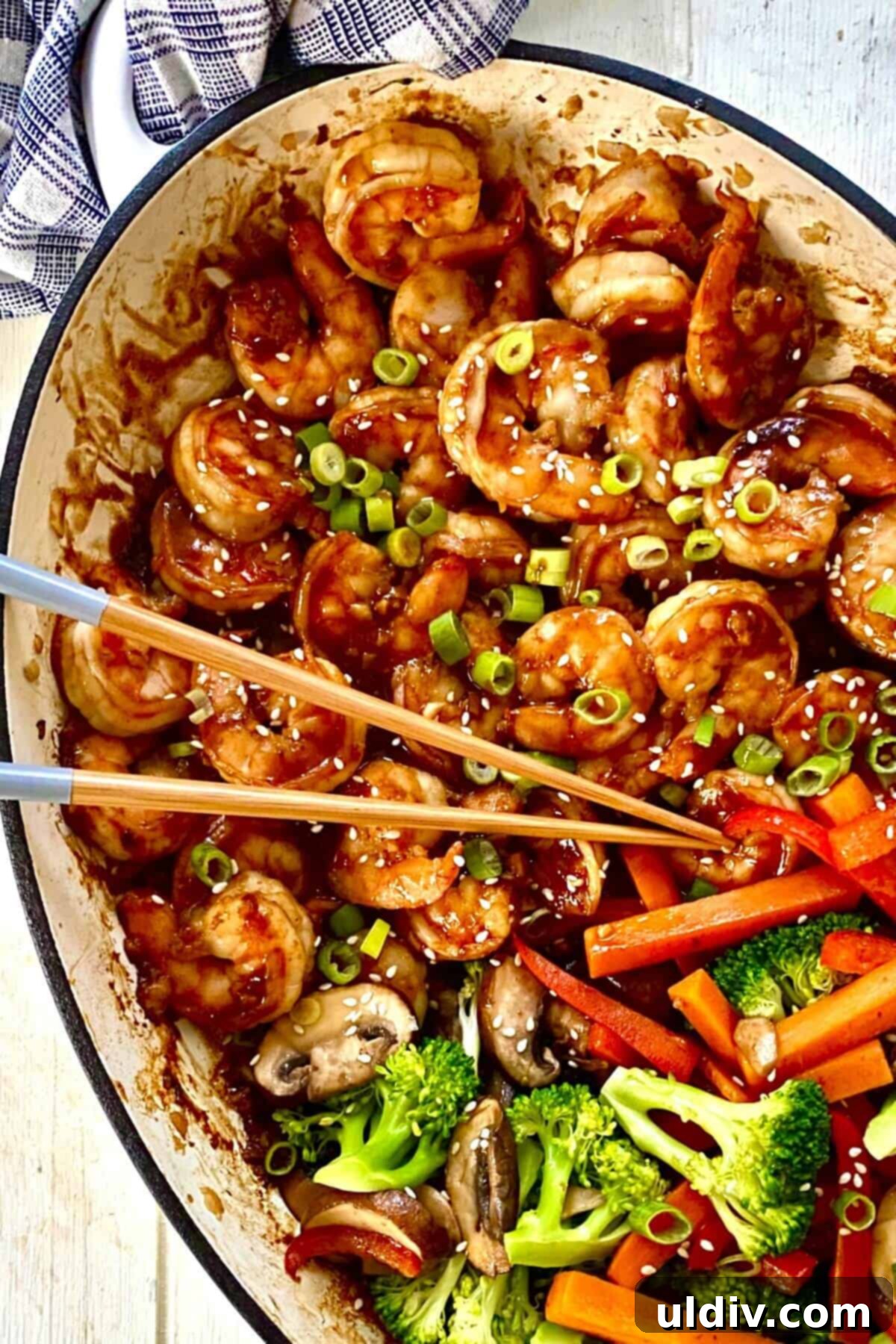
The allure of a hibachi restaurant extends beyond just the food. It’s the theatrical performance, the chef’s knife skills, the flying broccoli, and the sake shots that create an unforgettable dining adventure. I still remember catching a stream of sake shot across the room, though my broccoli-catching skills left something to be desired!
While I can’t guarantee you’ll replicate the flying shrimp or flaming onion volcanoes at home (unless you’re feeling particularly adventurous and daring, at your own risk!), I can promise you’ll capture every bit of that beloved hibachi flavor. This recipe brings all the sensational tastes you adore from a Japanese steakhouse directly to your dining table, minus the fancy tricks.
Why You’ll Love This Homemade Hibachi Shrimp Recipe
There are countless reasons to fall in love with making hibachi shrimp and vegetables in your own kitchen. This recipe isn’t just a meal; it’s an experience that delivers on flavor, convenience, and health. Here’s why it’s destined to become a staple in your meal rotation:
- Unbeatable Flavor Profile: Our hibachi shrimp recipe perfectly balances the smoky, sweet, and savory notes that define authentic hibachi cuisine. Tender shrimp are expertly seared with aromatic garlic and ginger, then coated in a rich, umami-packed sauce. The vegetables, cooked to a delightful tender-crisp texture, provide the ideal counterpoint, absorbing all the incredible flavors while retaining their natural crunch. It’s a symphony for your taste buds, truly better than many restaurant versions.
- Quick & Easy Weeknight Meal: Forget long cooking times or complicated techniques. This dish comes together in approximately 30 minutes from start to finish. With a little bit of pre-chopping, you can have a gourmet-quality meal on the table faster than ordering takeout. It’s the perfect solution for busy evenings when you crave something special without the fuss.
- Healthier Than Restaurant Fare: When you cook at home, you’re in control of every ingredient. You can choose reduced-sodium soy sauce, use healthier oils, and adjust the amount of sweetener to your preference. This homemade version is packed with fresh vegetables and lean protein, making it a nutritious choice that still feels indulgent. Enjoy a guilt-free feast!
- Budget-Friendly Dining: Eating out at a hibachi restaurant can be quite costly, especially for a family. Preparing this dish at home slashes the price tag significantly, allowing you to enjoy a luxurious meal at a fraction of the cost. Save your money for other treats and still get that restaurant-quality experience.
- Fully Customizable: While shrimp and a classic medley of vegetables are fantastic, this recipe is incredibly versatile. You can easily swap out vegetables based on what’s in season or what you have on hand, or even experiment with different proteins like chicken, beef, or tofu. It’s a recipe that encourages creativity and caters to all tastes.
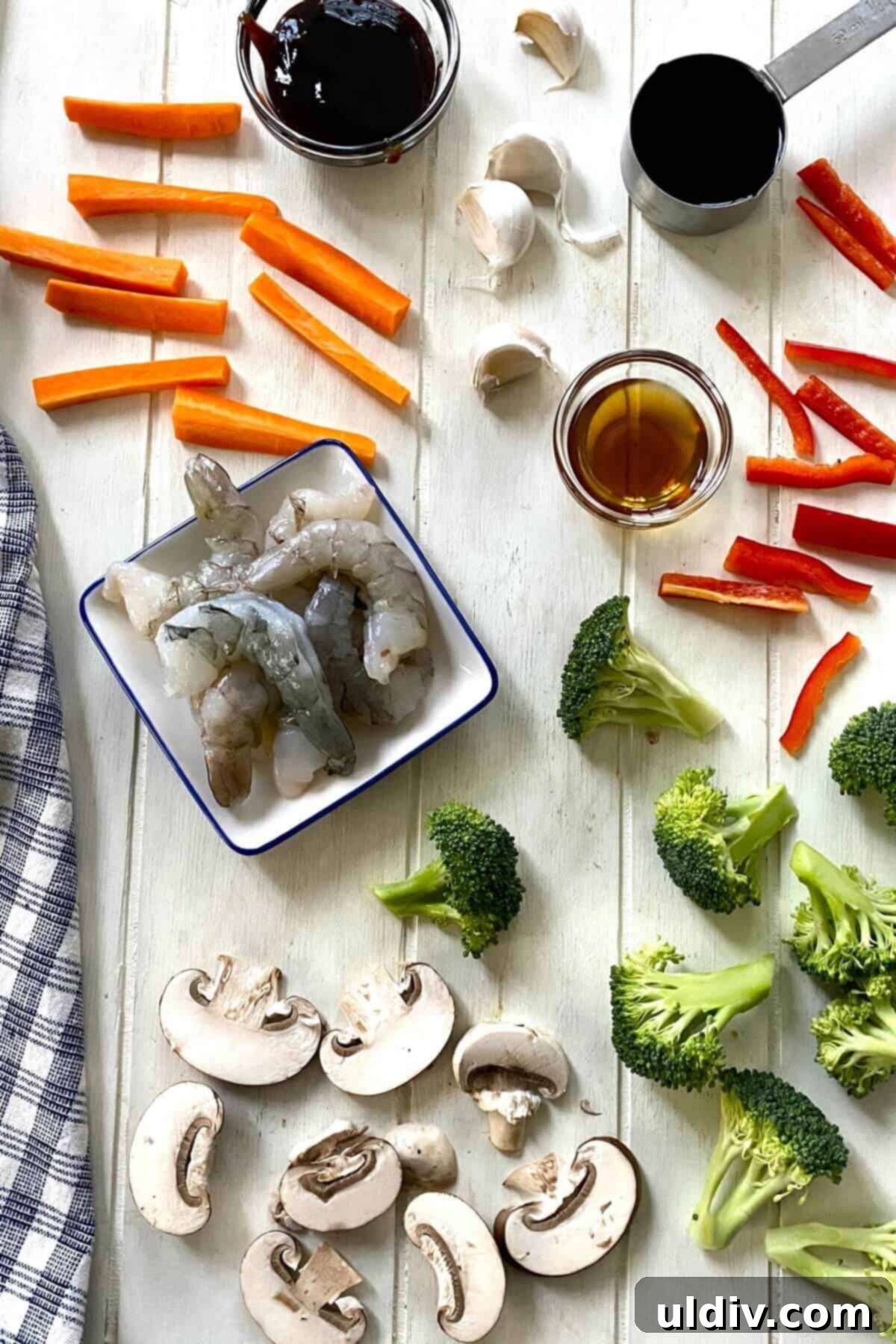
Essential Ingredients for Authentic Hibachi Flavor
Crafting the perfect hibachi dish starts with high-quality ingredients. Each component plays a crucial role in building the layered flavors and textures that make this recipe so irresistible. Here’s a closer look at what you’ll need:
For the Signature Hibachi Sauce:
- Reduced Sodium Soy Sauce: Forms the salty, umami backbone of the sauce. Using reduced sodium allows you to control the overall saltiness and is generally a healthier choice.
- Hoisin Sauce: This thick, sweet, and tangy sauce brings a beautiful complexity and glossy finish. It’s essential for that rich, characteristic hibachi sweetness.
- Toasted Sesame Oil: Aromatic and nutty, a little goes a long way. It provides a distinct depth of flavor that is synonymous with Asian cooking.
- Oyster Sauce: This is truly the “secret weapon” for achieving that unmistakable, rich umami depth found in restaurant hibachi. Don’t skip it! It adds a savory, slightly sweet, and complex flavor that ties everything together. It’s also fantastic in dishes like beef stir fry and spicy jalapeno chicken stir fry, and it elevates my fried rice recipe to a new level.
- Cornstarch: Used as a thickening agent, cornstarch gives the sauce its ideal silky consistency, allowing it to cling beautifully to the shrimp and vegetables.
Main Components:
- Large Peeled and Deveined Shrimp: Opt for large shrimp (21-25 count or larger) for a substantial bite. Ensuring they are peeled and deveined saves valuable prep time. Frozen shrimp work perfectly; just make sure to thaw them completely and pat them dry before cooking.
- Garlic: Freshly chopped garlic is a must! It infuses the dish with its pungent, savory aroma and flavor.
- Ginger Root: Minced fresh ginger adds a warm, zesty, and slightly spicy note that brightens the entire dish.
Crisp-Tender Vegetables:
- Carrots: Sliced into matchsticks, carrots add natural sweetness, vibrant color, and a pleasant crunch.
- Red Bell Pepper: For a pop of color and a mild, sweet flavor. Matchsticks or thin slices work best. Feel free to use other colors like yellow or orange bell peppers for variety.
- Mushrooms: Sliced mushrooms (cremini or button) absorb the sauce wonderfully, adding an earthy, savory element to the medley.
- Broccoli: Cut into small florets, broccoli provides a healthy, green component with a satisfying bite. Blanching it briefly before stir-frying ensures it’s perfectly tender-crisp.
Garnish for Perfection:
- Scallions: Thinly sliced scallions (green onions) add a fresh, mild oniony flavor and a beautiful contrasting color.
- Sesame Seeds: A sprinkle of toasted sesame seeds provides a subtle crunch and a final touch of nutty flavor, enhancing the overall presentation and taste.
For the precise quantities of each ingredient, please refer to the complete recipe card below.
Mastering the Hibachi Technique: Step-by-Step Details
The secret to any quick and delicious stir-fry, including this hibachi shrimp, lies in meticulous preparation, often referred to as “mise en place.” Have all your ingredients chopped, measured, and ready to go before you even turn on the stove. This ensures a smooth cooking process and prevents anything from burning while you’re scrambling for the next item.
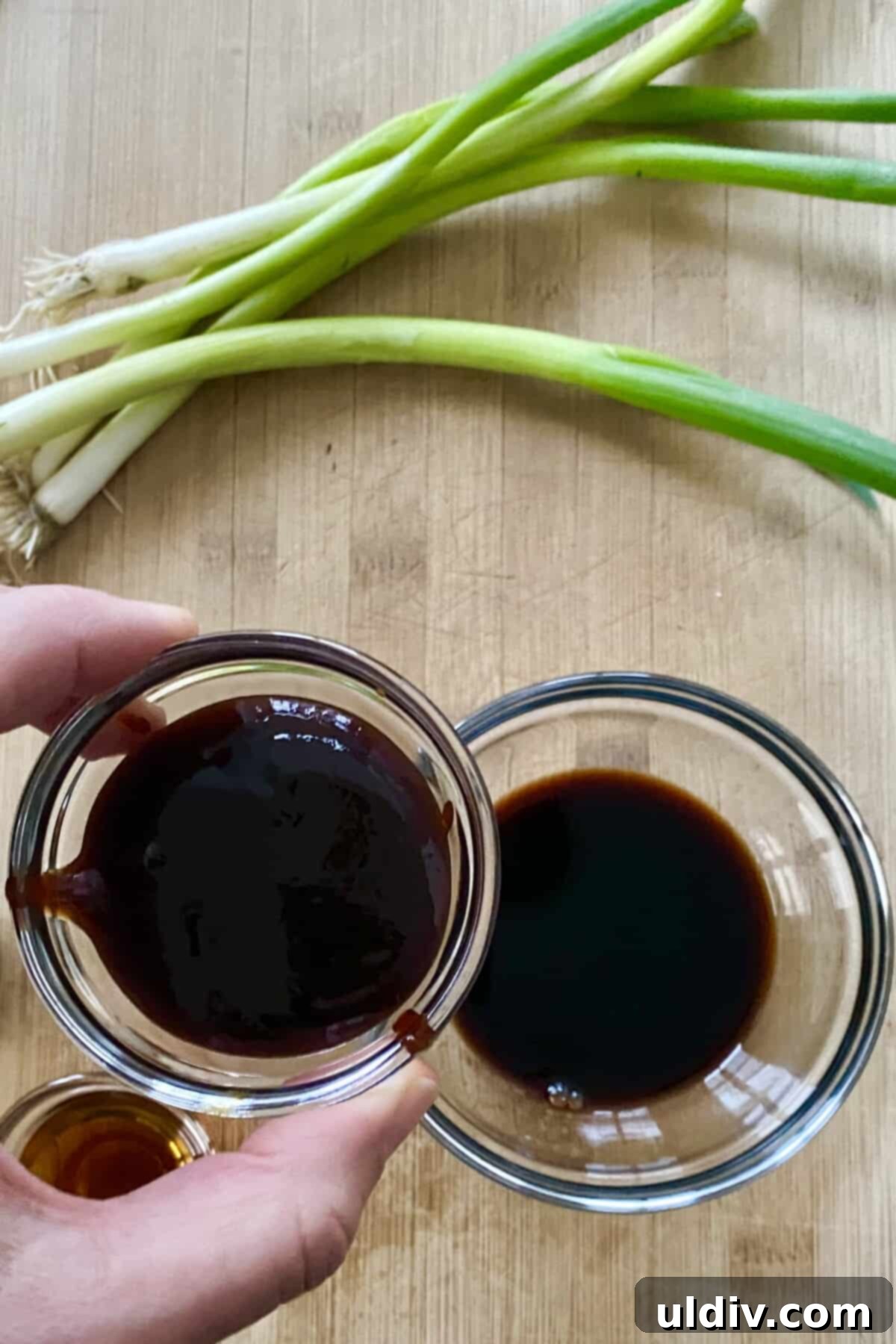
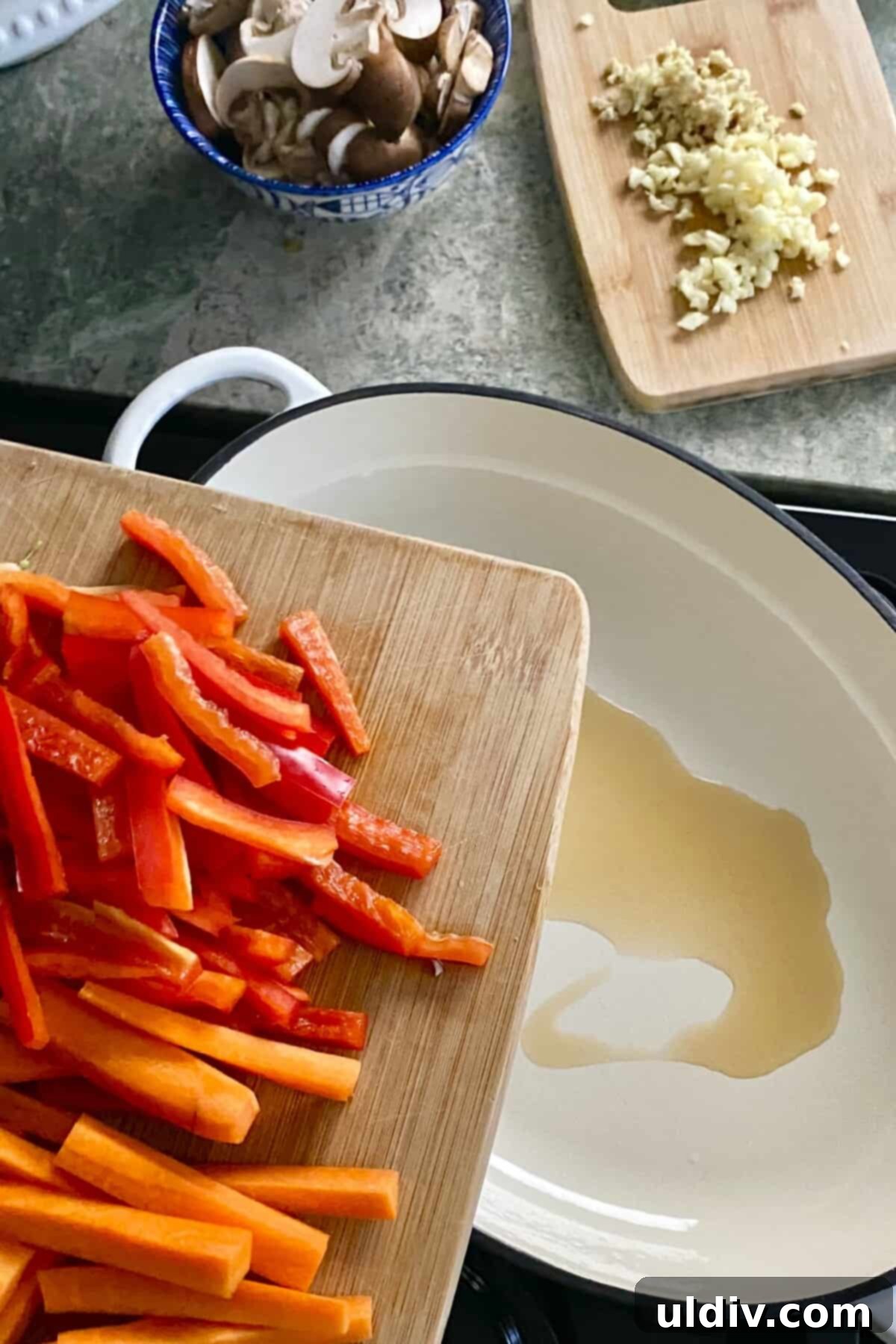
Follow these detailed steps to create your perfect hibachi meal:
- Prepare the Hibachi Sauce: In a small bowl, whisk together the reduced sodium soy sauce, hoisin sauce, oyster sauce, 1 tablespoon of toasted sesame oil, and cornstarch. Stir vigorously until the cornstarch is fully dissolved and there are no lumps. Set this intensely flavored sauce aside; it’s ready for action when the time comes.
- Sauté the Main Vegetables: Heat 1 tablespoon of the toasted sesame oil in a large sauté pan or wok over medium-high heat. Add the matchstick carrots, red bell peppers, and sliced mushrooms. Sauté them quickly for 3 to 4 minutes, stirring constantly. You want them to be tender-crisp, retaining a slight bite and vibrant color. Transfer these sautéed vegetables to a serving platter and cover loosely with foil to keep them warm while you cook the rest of the dish.
- Blanch the Broccoli: While the other vegetables are sautéing, bring a small pot of water to a rolling boil. Add the broccoli florets and cook for just 2 minutes. This quick blanching ensures the broccoli is perfectly tender-crisp and retains its beautiful green color. Promptly remove the broccoli from the boiling water with a slotted spoon or drain it, then transfer it to a plate lined with paper towels to absorb any excess moisture. Add the blanched broccoli to the platter with the other vegetables and cover lightly with foil.
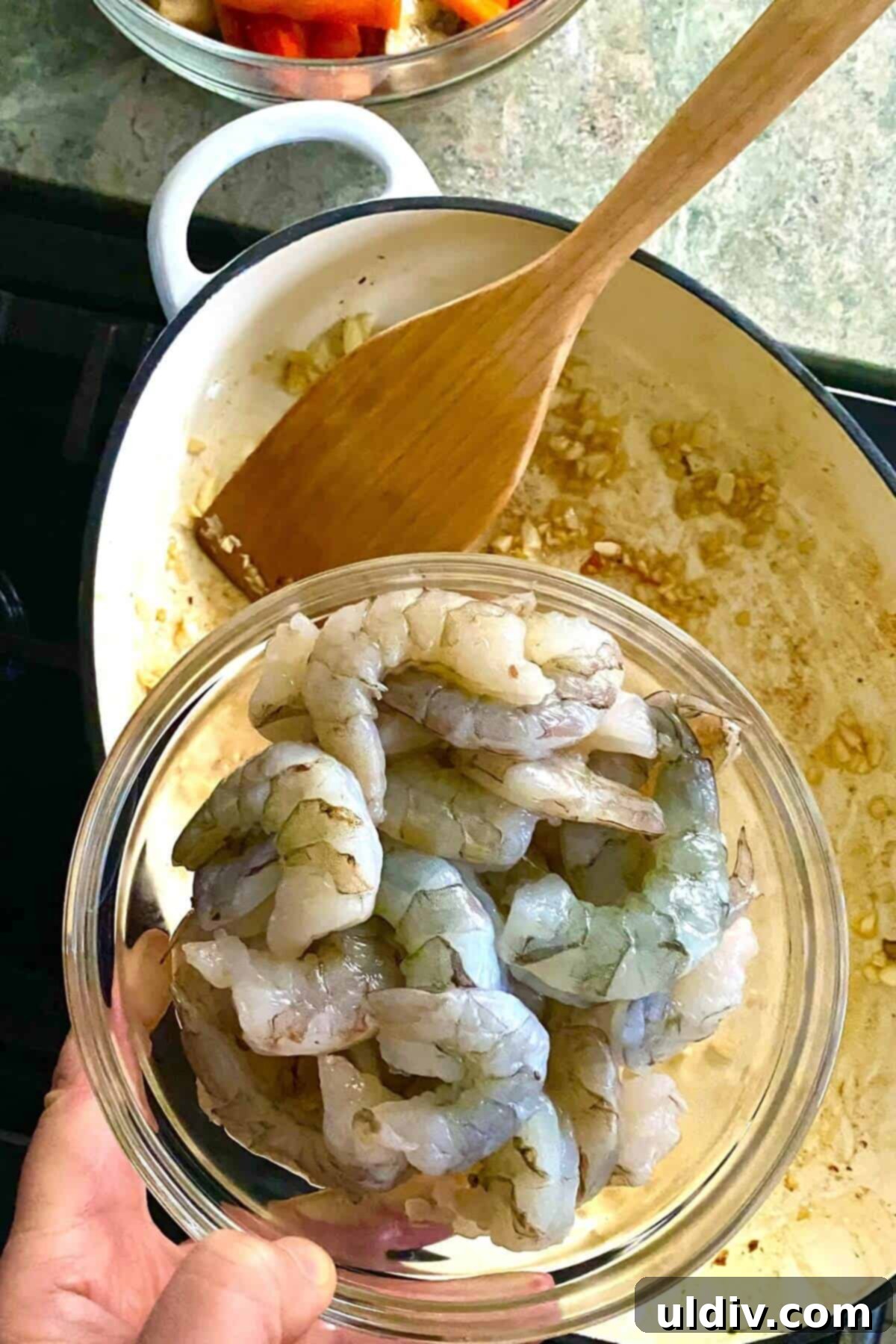
- Sauté the Aromatics: Using the same sauté pan (no need to clean it!), add the remaining tablespoon of toasted sesame oil. Once shimmering, add the chopped garlic and minced ginger root. Sauté for a mere 30 seconds, stirring continuously, until fragrant. Be careful not to burn the garlic!
- Cook the Shrimp: Add the peeled and deveined shrimp to the pan with the aromatics. Sauté for approximately 2 minutes per side, or until they turn pink and opaque. Shrimp cook very quickly, so watch them closely to avoid overcooking.
- Combine with Sauce: Pour the prepared hibachi sauce over the shrimp in the pan. Toss everything together to ensure the shrimp are thoroughly coated in the luscious sauce. Cook for another minute or so, allowing the sauce to thicken slightly and beautifully glaze the shrimp.
- Serve & Garnish: Transfer the saucy hibachi shrimp to the platter with the warm vegetables. If there’s any remaining sauce in the pan, be sure to pour it over the vegetables—don’t let that flavor go to waste! Finally, sprinkle generously with thinly sliced scallions and toasted sesame seeds for a fresh finish and added texture. Grab your chopsticks and serve immediately!
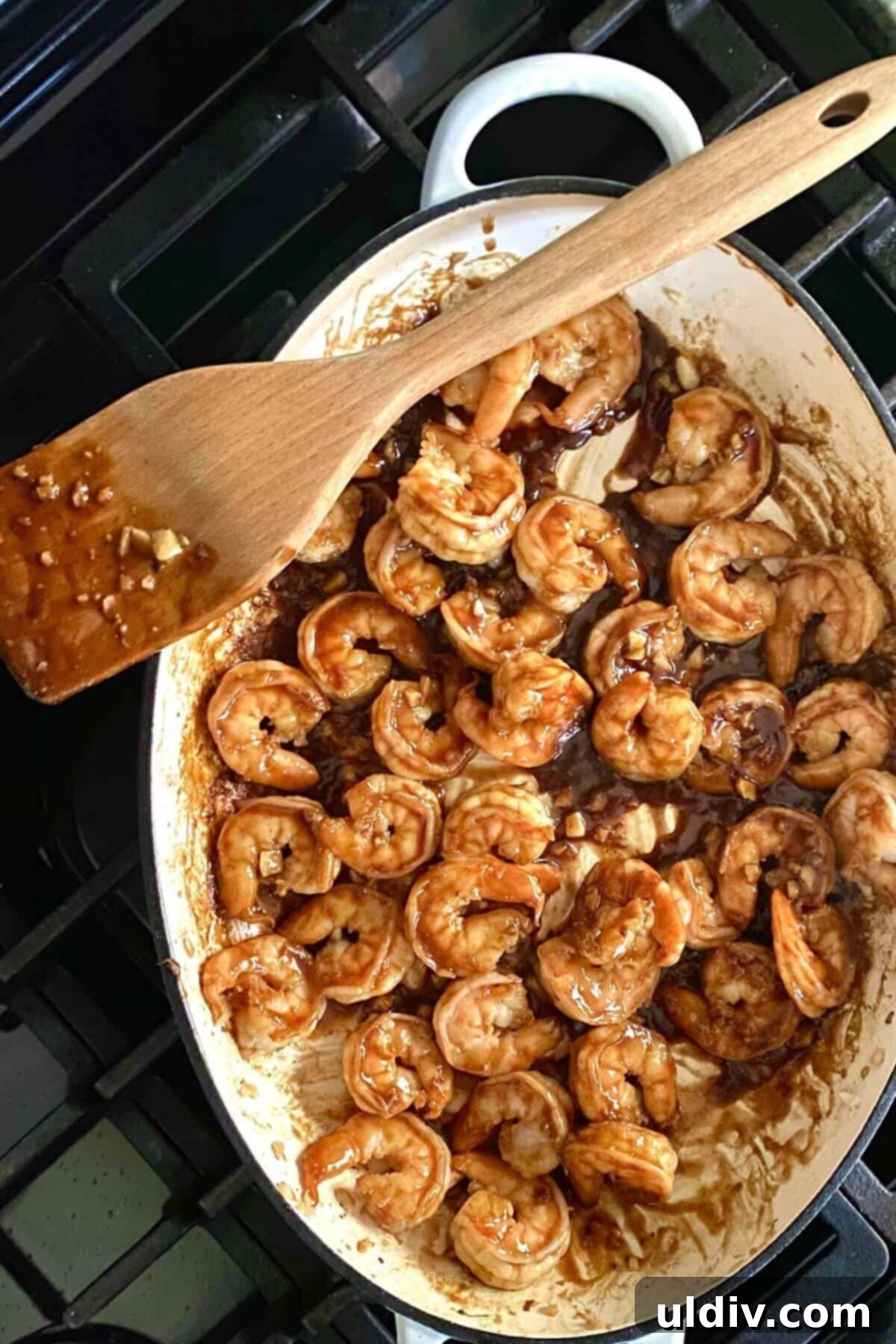
Expert Tips for Hibachi Perfection and Customization
To ensure your homemade hibachi shrimp and vegetables are a resounding success every time, and to inspire you to make it your own, consider these expert tips and variations:
- The Golden Rule: Mise en Place! I cannot stress this enough. Before you even think about turning on the heat, have all your vegetables chopped, shrimp peeled and deveined, and sauce ingredients measured and mixed. This dish cooks rapidly, and having everything prepped makes the process seamless and stress-free.
- Avoid Overcooking the Shrimp: Shrimp cook very quickly. Overcooked shrimp become rubbery and lose their delicate texture. Cook them just until they turn pink and opaque, usually 2-3 minutes per side depending on size. They will continue to cook slightly when the hot sauce is added.
- Experiment with Vegetables: This recipe is incredibly versatile. Feel free to swap or add other quick-cooking vegetables. Great additions include snap peas, snow peas, sliced zucchini, bok choy, thinly sliced onions, or water chestnuts for extra crunch. Adjust cooking times as needed to achieve that tender-crisp texture for each vegetable.
- Protein Alternatives: While shrimp is fantastic, you can easily substitute or add other proteins. Thinly sliced chicken breast or thighs, tender strips of beef (like sirloin or flank steak), or even firm tofu can be cooked in the same manner. Ensure chicken and beef are cooked through before adding the sauce.
- Level Up Your Rice: Hibachi shrimp is practically begging to be served with a side of fluffy rice. I always make a pot of my perfectly fluffy rice to soak up all that delicious sauce. For an extra treat, turn it into homemade fried rice by sautéing it with a little butter, soy sauce, and a cracked egg.
- Spice it Up: If you enjoy a kick, add a pinch of red pepper flakes to the pan with the garlic and ginger, or a drizzle of sriracha sauce directly into your hibachi sauce mixture. A dash of chili oil at the end also works wonders.
- Embrace the Wok: While a large sauté pan works well, a traditional wok is ideal for stir-frying. Its high sides and rounded bottom allow for even heat distribution and easy tossing, achieving that coveted “wok hei” (breath of the wok) flavor.
- Recreate the Hibachi Fun: If you want to add a touch of restaurant theatrics, consider getting a squirting boy oil dispenser. It’s just like the one hibachi chefs use and can add a playful element to your cooking!
- Meal Prep Friendly: This dish makes excellent leftovers. Store any remaining hibachi shrimp and vegetables in an airtight container in the refrigerator for up to 3 days. Reheat gently in a pan or microwave.
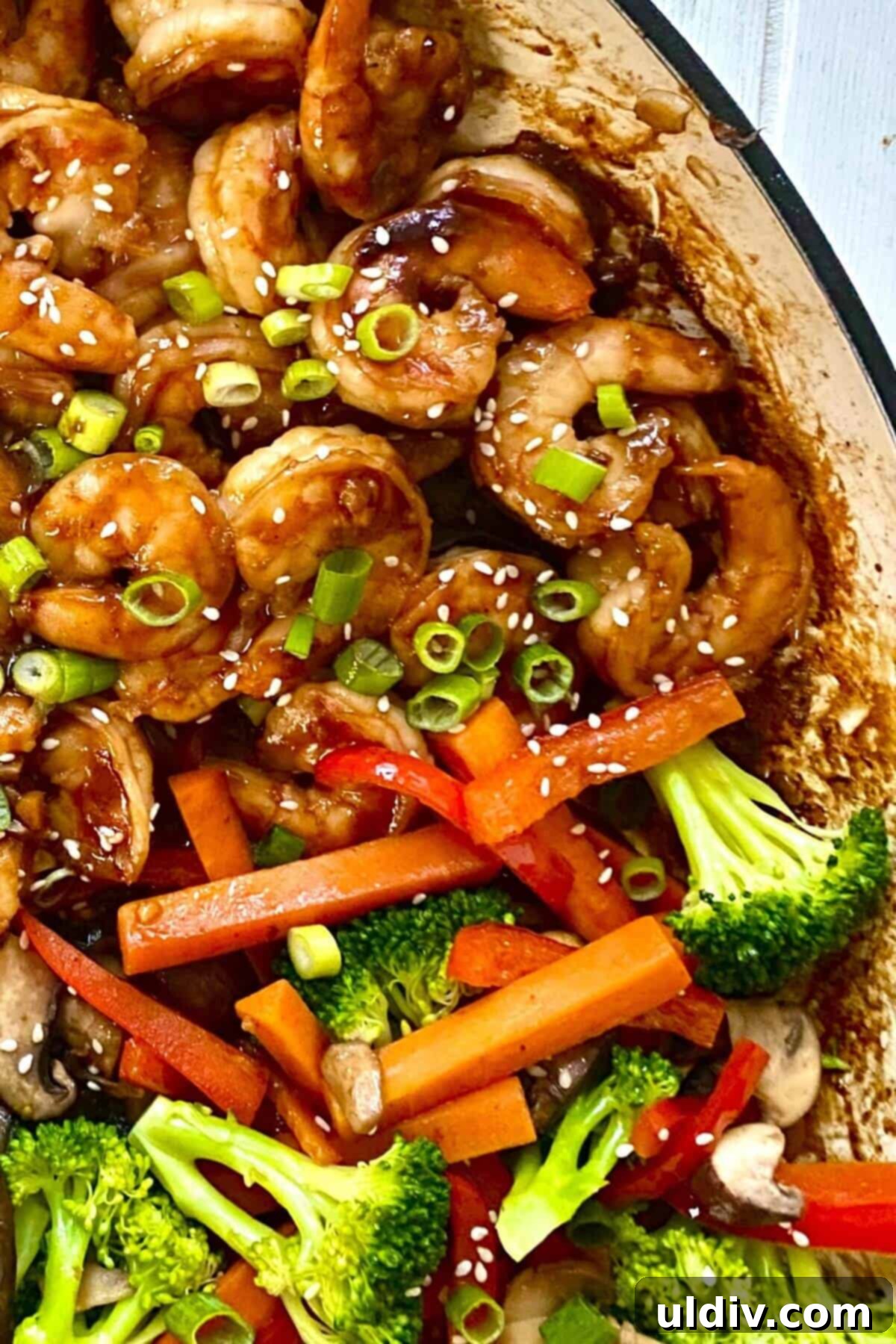
More Delicious Asian-Inspired Recipes to Explore
If you loved this hibachi shrimp and vegetables recipe, you’re in for a treat! Here are more of my favorite Asian-inspired dishes that are perfect for expanding your culinary repertoire:
- Fresh Vegetable Spring Rolls with Peanut Sesame Dipping Sauce: Light, refreshing, and bursting with fresh flavors.
- Spicy General Tso’s Meatballs: A fun and flavorful twist on a takeout classic.
- Instant Pot Spicy Asian Beef Stew: Comfort food with an exotic, spicy kick.
- Cashew Beef and Rice Lettuce Wraps: Healthy, crispy, and incredibly satisfying.
Share Your Hibachi Success!
I absolutely love hearing from you! If you tried this mouth-watering hibachi shrimp and vegetables recipe, please take a moment to leave a comment below and share your experience. Your feedback is invaluable, and I do my best to reply to every single one. Don’t forget to give the recipe a star rating too!
If you snap a photo of your culinary creation, be sure to post it to Instagram and tag me @amycaseycooks. I love seeing all your beautiful dishes and will often feature them in my Insta stories! For more fabulous foodie stories, cooking tips, videos, and new recipes, connect with me on Facebook and Pinterest. And to make sure you never miss a single delicious recipe, sign up for my newsletter!
Recipe Card

Sizzling Hibachi Shrimp and Vegetables
Skip the restaurant and make Hibachi Shrimp and Vegetables at home. In about 30 minutes you’ll have a delicious dish with tender shrimp, mushrooms, carrots, bell peppers, and broccoli in savory, salty and sweet Asian inspired sauce. It’ll be better than at any restaurant and at a fraction of the price.
5 from 9 votes
Pin Recipe
Rate This
Ingredients
- ¼ cup reduced sodium soy sauce
- 3 tablespoons hoisin sauce
- 1 tablespoon oyster sauce
- 3 tablespoons toasted sesame oil, divided
- 1 teaspoon cornstarch
- 1 large carrot, peeled and cut in matchsticks, about 1 cup
- 1 red bell pepper, cut in matchsticks, about 1 cup
- 8 ounces mushrooms, sliced
- 1 medium head of broccoli, cut in florets, about 3 cups
- 4 garlic cloves, chopped
- 1 tablespoon of minced ginger root
- 2 pounds of large shrimp, peeled and deveined
- 2 scallions, thinly sliced
- 1 teaspoon sesame seeds
Instructions
- In a small bowl, combine the soy sauce, hoisin sauce, oyster sauce, 1 tablespoon sesame oil, and cornstarch. Stir until the cornstarch dissolves. Set aside.
- In a large sauté pan over medium-high heat, add 1 tablespoon of the sesame oil. Add the carrots, red bell peppers, and mushrooms. Sauté for 3 to 4 minutes, stirring frequently. Remove the vegetables to a serving platter and cover with foil to keep warm.
- Bring a pot of water to a boil. Add the broccoli florets and cook for 2 minutes. Remove the broccoli from the pot and drain on a paper towel-lined plate. Place on the platter with the other vegetables. Cover lightly with foil to keep warm.
- In the same sauté pan, add the remaining sesame oil. Add the chopped garlic and minced ginger root and sauté for 30 seconds, stirring constantly until fragrant.
- Add the shrimp and sauté for about 2 minutes per side, or until pink and opaque. Add the prepared sauce and toss with the shrimp to coat. Cook for about another minute, allowing the sauce to thicken slightly. Add the shrimp to the platter with the vegetables. If there is any sauce remaining in the pan, pour it over the vegetables.
- Sprinkle the hibachi shrimp and vegetables with the thinly sliced scallions and sesame seeds. Serve immediately.
Video
Notes
- Always prep all ingredients (mise en place) before starting to cook, as this dish comes together very quickly.
- Do not overcook the shrimp; they will become rubbery. Cook just until pink and opaque.
- For an added touch of fun, use a squirting boy oil dispenser for the sesame oil, just like the hibachi chefs!
- Serve your hibachi shrimp and vegetables with a side of fluffy steamed rice to complete the meal.
Nutrition
Calories: 374kcal |
Carbohydrates: 23.5g |
Protein: 48.4g |
Fat: 11.5g |
Saturated Fat: 1.6g |
Cholesterol: 324mg |
Sodium: 1075mg |
Fiber: 4g |
Sugar: 8.2g
Did you make this recipe?
Tag @amycaseycooks on Instagram so we can all admire your work!