
Discovering Sakata Melons: A Home Gardener’s Sweetest Autumn Delight
As the crisp air of October settles in, our garden bids farewell to the warmth of summer, bracing for its inaugural frost. This transitional period, brimming with both beauty and urgency, always prompts me to make the most of our dwindling harvest, ensuring that every last fruit and vegetable is either savored fresh or carefully preserved before the cold season fully takes hold. Amidst this flurry of autumnal activity, one particular gem stands out as a true highlight of this year’s gardening endeavors: the extraordinary Sakata melon. This sweet, succulent fruit has not only delighted my palate but has also become a cherished discovery, proving to be one of the sweetest and most rewarding varieties I’ve ever had the pleasure of growing.
Its vibrant flavor and unexpected resilience have made it an unforgettable part of our garden’s story, inspiring a deeper appreciation for heirloom varieties and the simple joys of home cultivation. This article delves into the fascinating world of Sakata melons, sharing my personal journey from discovery to harvest, and offering insights into why this Japanese heirloom might just be the next star in your own home garden.
What Makes Sakata Melons So Special?
Sakata’s Sweet melons, as they are often referred to, hail from the lush landscapes of Japan, specifically popularized by the Sakata Seed Corporation in Yokohama City, Kanagawa Prefecture. This rich heritage contributes to their unique appeal as an heirloom variety, cherished primarily by home gardeners rather than commercial cultivators. While much of this melon’s precise historical lineage remains shrouded in a bit of mystery, its enduring presence in seed catalogs across China and the United States speaks volumes about its undeniable charm and popularity among those who appreciate rare and distinctive produce.
One of the defining characteristics that sets the Sakata melon apart is its notably short shelf life. This particular trait, while making it unsuitable for large-scale commercial production and long-distance shipping, is precisely why it thrives as a home garden cultivar. For the backyard grower, this means harvesting a fruit at its peak ripeness, offering a flavor and aroma that commercial varieties simply cannot match. Its delicate nature ensures that each melon is a treasure, meant to be enjoyed swiftly after picking, delivering an unparalleled freshness that is a hallmark of truly garden-fresh produce. This focus on immediate consumption makes it an exclusive experience for those who choose to grow it themselves, adding to its allure as a truly special fruit.
My Personal Journey: From Seed Library to Sweet Harvest
My own introduction to the delightful Sakata melon was serendipitous, beginning with a visit to my local library. Nestled among various seed packets, I stumbled upon Sakata seeds, an intriguing find that immediately piqued my curiosity. I knew very little about this specific fruit at the time, but the thrill of cultivating something new and exotic was irresistible. This initial spark of curiosity soon blossomed into a fulfilling gardening adventure.
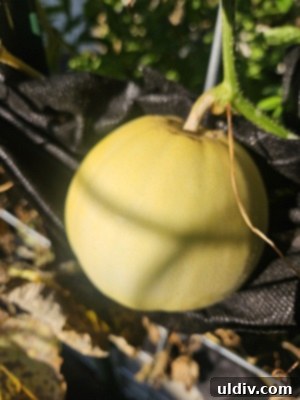
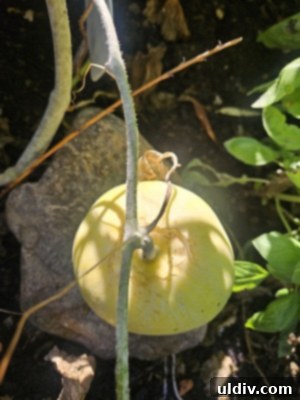
From the moment I planted them, these melons proved to be incredibly rewarding. I quickly learned that the Sakata melon is a remarkably resilient and wonderfully productive variety. It adapted well to our garden’s conditions, growing with a vigor that surprised and pleased me. The plants flourished, yielding an abundant harvest that exceeded my expectations. The most exciting part of the growing cycle was observing the transformation of the melons themselves. As they approached their peak ripeness, their skins gradually shifted to a beautiful pale yellow hue. This visual cue was perfectly complemented by an unmistakable, intoxicatingly sweet aroma that began to waft through the garden, signaling that these precious fruits were finally ready for harvesting. This natural process, guided by scent and color, is a truly magical part of growing your own food, connecting you deeply to the rhythms of nature and the satisfaction of a successful harvest.
The Unforgettable Flavor and Culinary Versatility
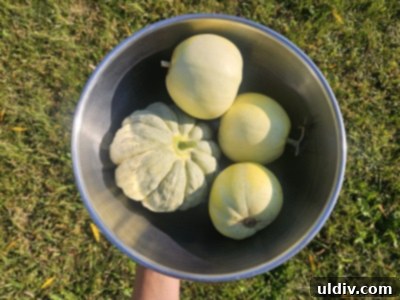
What truly sets the Sakata melon apart is its exquisite flavor profile and unique characteristics. I am particularly enchanted by their miniature size, which makes them incredibly convenient and delightful to eat. Moreover, their rind is entirely edible, meaning there’s no need to peel them. I’ve found immense joy in simply washing them and eating them whole, much like an apple – a truly delightful and fuss-free way to enjoy this sweet treat. The convenience of their small size and edible skin makes them an ideal snack, perfect for a quick, healthy bite on the go or a refreshing addition to any meal.
The flavor itself is a symphony of sweetness that reminds me of a perfectly ripened honeydew, yet with an added depth and intensity. This sweetness is beautifully balanced by a remarkable juiciness that rivals that of a crisp watermelon, creating a truly refreshing experience. It’s a delightful combination that offers the best of both worlds – the rich, floral notes of honeydew with the quenching hydration of watermelon. This unique taste makes the Sakata melon a versatile ingredient, equally at home in a simple fruit salad or as the star of a more complex dish.
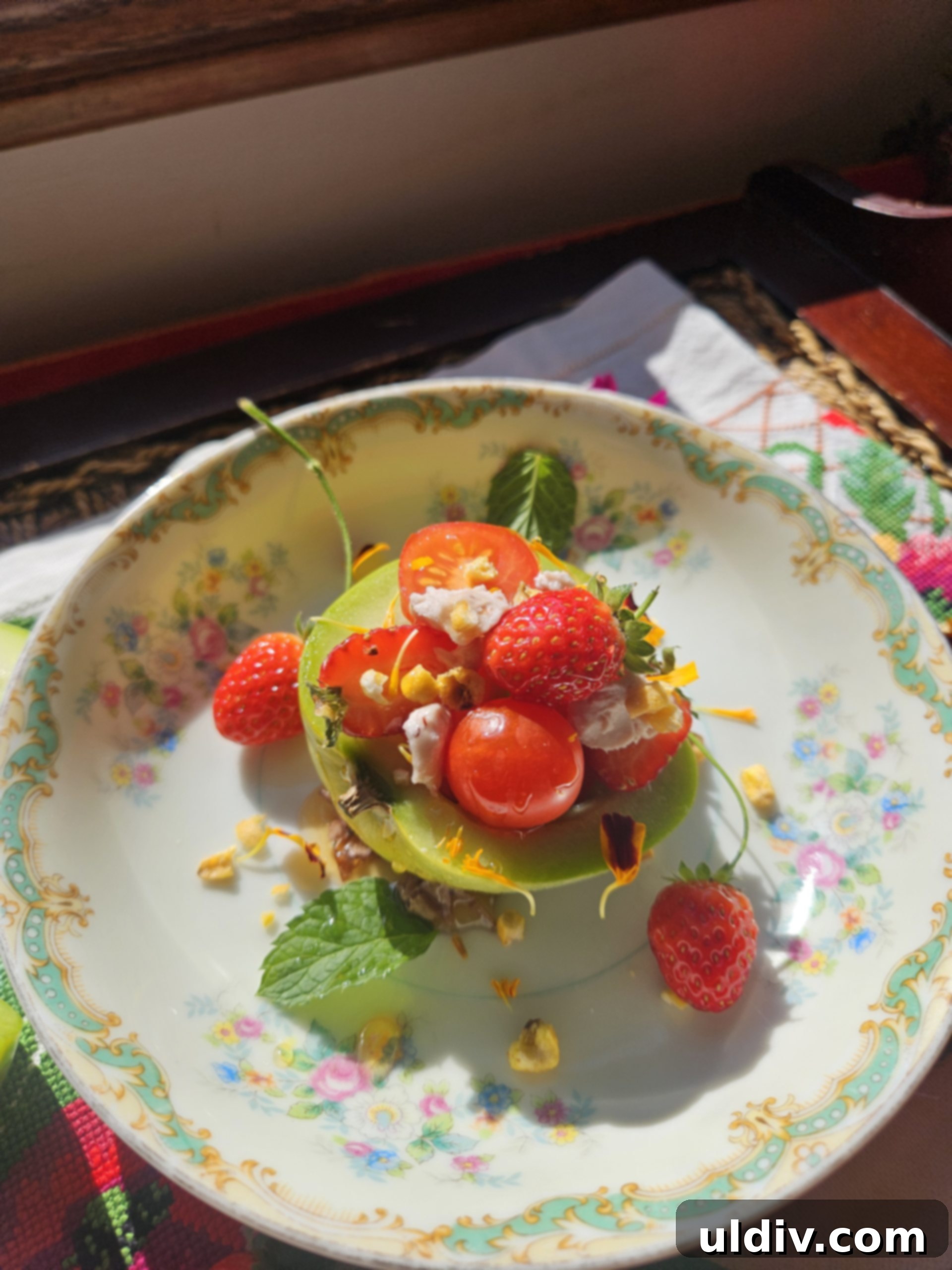
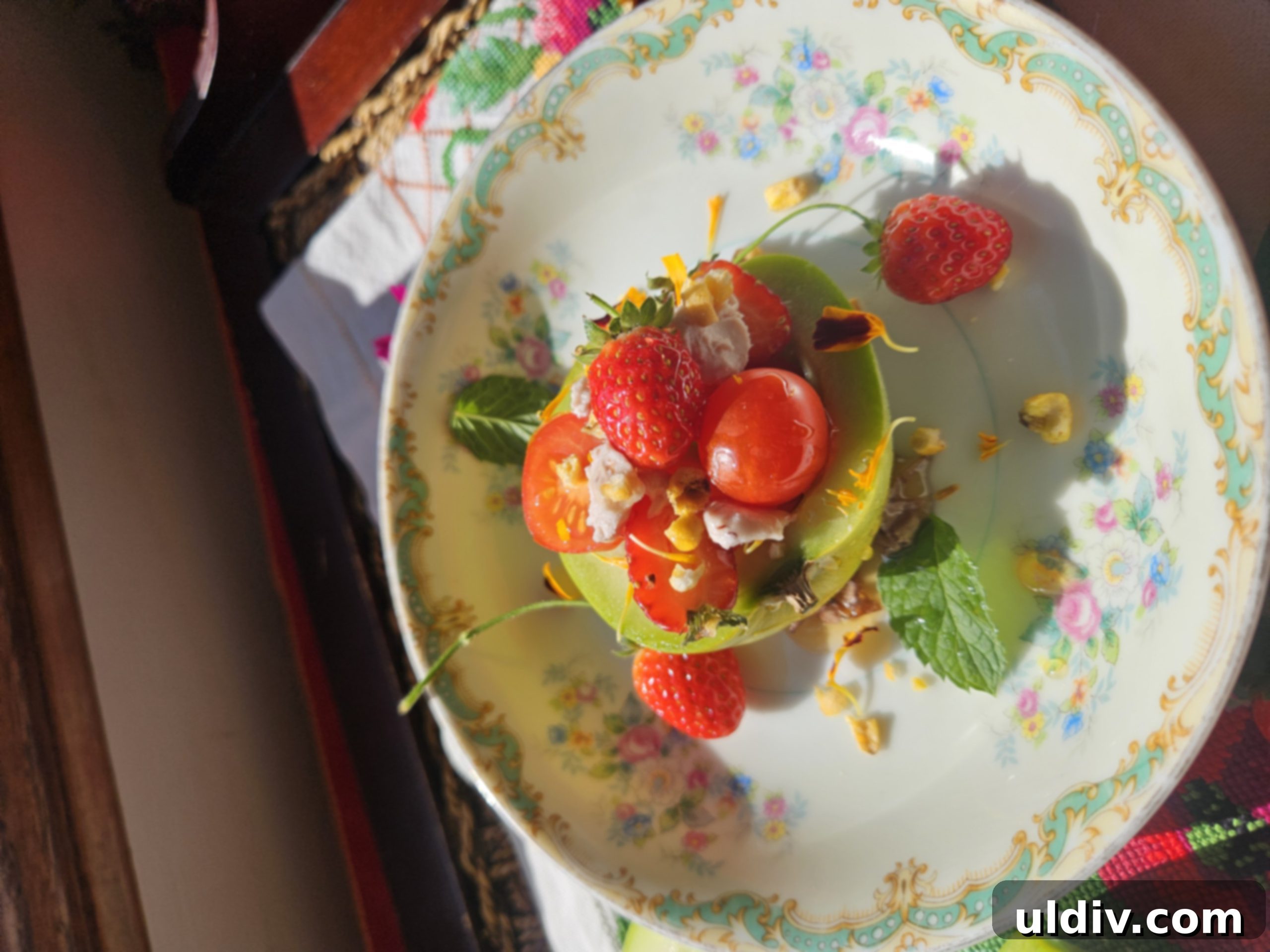
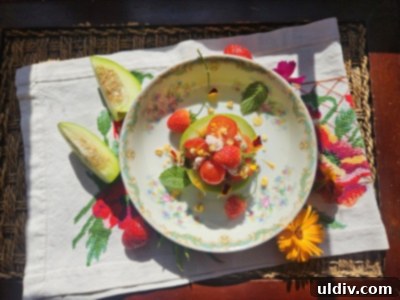
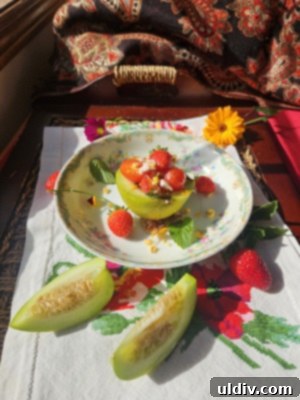
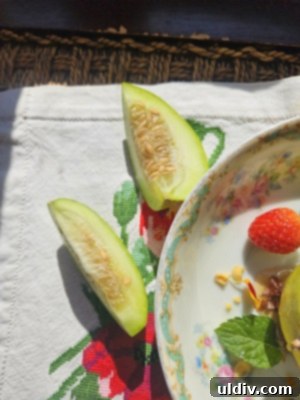
Beyond enjoying them simply, I’ve had fun experimenting with Sakata melons in various culinary combinations, pairing them with other fresh fruits and herbs directly from our garden. One of my favorite breakfast creations features slices of Sakata melon alongside plump cherry tomatoes, juicy strawberries, and a dollop of creamy goat cheese infused with Amarena cherries – an unexpectedly delicious find from Aldi. A sprinkle of fresh mint from the garden adds a vibrant zest, while a topping of LOVE CORN (which I’ve previously raved about here) provides a satisfying crunch. A final drizzle of aromatic lilac honey ties all the flavors together, creating a balanced and incredibly satisfying start to the day. The compact nature, inherent resilience, and delightful portability of Sakata melons make them a truly exceptional culinary discovery, consistently brightening my autumn days and fueling my excitement and anticipation for next year’s growing season.
Embracing the Home Gardening Experience
Growing unique heirloom varieties like the Sakata melon is a testament to the unparalleled joy and satisfaction that comes with home gardening. There’s an inherent pleasure in nurturing a plant from a tiny seed to a bountiful harvest, especially when that harvest yields something as distinctive and delicious as these Japanese melons. The experience goes beyond just acquiring fresh produce; it’s about connecting with nature, understanding the cycles of growth, and appreciating the resilience of life.
The decision to cultivate varieties like Sakata melons, which are not typically found in commercial grocery stores due to their delicate nature and short shelf life, opens up a world of exclusive flavors and textures. It allows gardeners to savor produce at its absolute peak, enjoying a freshness and taste that simply cannot be replicated by mass-produced alternatives. This direct connection to the food we eat fosters a deeper appreciation for its origins and the effort involved in bringing it to our tables. Moreover, the act of gardening itself is a therapeutic and rewarding endeavor, offering a sense of accomplishment and a quiet space for reflection.
As the days grow shorter and the first frosts hint at winter’s approach, I find myself already contemplating the possibilities for next year’s growing season. The success with Sakata melons has ignited a renewed enthusiasm for exploring other uncommon varieties and expanding our garden’s diversity. It’s a continuous cycle of learning, experimenting, and celebrating the abundance that our own backyard can provide. The lessons learned and the delicious fruits reaped this year only deepen my commitment to this enriching hobby, proving that the most extraordinary discoveries often lie within the simplest of pursuits.
Discovering the Treasure Trove of Seed Libraries
My discovery of Sakata melon seeds at my local library highlights an invaluable, yet often overlooked, resource for gardeners and aspiring growers alike: the seed library. These wonderful community initiatives are popping up in libraries across the country, serving as vibrant hubs for seed sharing, education, and the preservation of biodiversity. Seed libraries empower individuals to grow their own food, learn about seed saving, and experiment with a wider array of plant varieties, including unique heirlooms that might otherwise be difficult to find.
If you’re inspired by the story of the Sakata melon and eager to embark on your own gardening adventure, I wholeheartedly encourage you to explore whether your local library offers a seed library program. It’s a fantastic way to acquire free seeds, often varieties that are well-suited to your local climate, and to connect with a community of fellow gardeners. These programs not only provide access to seeds but also foster knowledge exchange, workshops on gardening techniques, and the important practice of seed saving, which helps maintain genetic diversity in our food systems.
For those in the Chicago area, the Chicago Public Library system is a prime example of this fantastic resource, with seed libraries located at various branches. You can find more information about their specific locations and offerings here. Even if you’re not in Chicago, a quick search for “seed library near me” or a call to your local public library could uncover a similar program in your community. Engaging with a seed library is not just about getting free seeds; it’s about becoming part of a sustainable gardening movement and experiencing the thrill of growing something truly special.
Embrace the Sweetness: Your Next Gardening Adventure Awaits
The Sakata melon has undoubtedly earned its place as one of my most cherished garden discoveries. Its exceptional sweetness, delightful miniature size, and the joy it brought to our garden from spring planting to autumn harvest have made it a truly memorable experience. This heirloom variety, with its unique Japanese heritage and suitability for home gardens, offers a taste sensation that supermarket melons simply cannot replicate. It’s a testament to the rewards of curiosity, the benefits of community resources like seed libraries, and the profound satisfaction derived from growing your own food.
As we wrap up another season and look ahead with eager anticipation to the next, I hope my journey with the Sakata melon inspires you to explore new varieties, visit your local seed library, and perhaps even cultivate your own patch of sweetness. There’s a world of flavor waiting to be discovered, and often, the most extraordinary fruits are the ones you grow yourself.
Do you have a favorite melon variety that you love to grow or enjoy? Perhaps an heirloom gem, a compact charmer, or a flavor explosion that consistently brightens your days? I would love to hear about your experiences and recommendations. Share your insights and favorite melon stories in the comments section below – let’s inspire each other for the gardening seasons to come!