

The Ultimate Guide to Storing Nuts and Seeds: Keep Them Fresh, Nutritious, and Delicious Longer

Nuts and seeds are nutritional powerhouses, packed with healthy fats, protein, fiber, vitamins, and minerals. They’re a fantastic addition to almost any diet, whether sprinkled over your morning cereal, blended into smoothies, or enjoyed as a satisfying snack. However, their very nature – particularly their high content of beneficial oils – makes them susceptible to spoilage if not stored correctly. While a great deal on bulk poppy seeds might seem tempting, it’s crucial to understand the nuances of proper storage to ensure you’re getting the most out of your purchase, both nutritionally and economically.
This comprehensive guide will delve into the best practices for storing nuts and seeds, helping you prevent rancidity, extend their shelf life, and maintain their delicious flavor and vital nutrients. Say goodbye to stale, bitter nuts and hello to lasting freshness!
Why Proper Storage of Nuts and Seeds is Crucial
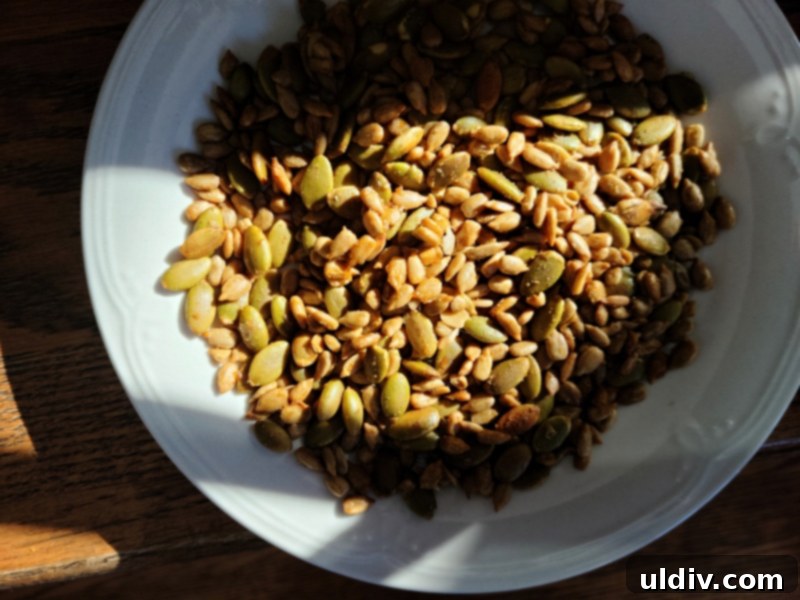
The primary enemy of nuts and seeds, especially those rich in polyunsaturated fats, is rancidity. This process occurs when fats oxidize due to exposure to light, heat, and air. The result is an unpleasant, bitter, or sour taste and smell, which can not only ruin your culinary creations but also diminish the nutritional value of these wholesome ingredients.
Understanding Rancidity: The Silent Nutrient Killer
- Oxidation of Fats: The healthy fats in nuts and seeds, particularly Omega-3 and Omega-6 fatty acids, are delicate. When exposed to oxygen, a chemical reaction occurs that breaks down these fats, creating compounds that produce off-flavors and odors.
- Loss of Nutrients: Rancidity doesn’t just affect taste; it degrades essential vitamins (like Vitamin E, a potent antioxidant often found in nuts) and can lead to the formation of potentially harmful free radicals.
- Economic Impact: Spoiled nuts and seeds are wasted food and wasted money. Proper storage ensures your investment pays off in continued enjoyment and health benefits.
Key Factors Affecting Nut and Seed Longevity
To effectively store nuts and seeds, it’s essential to understand the environmental factors that accelerate their spoilage:
- Heat: Warm temperatures significantly speed up the oxidation process. This is why a cool environment is paramount for effective storage.
- Light: Exposure to direct sunlight or even ambient light can contribute to fat degradation. Dark storage is always preferred.
- Air/Oxygen: Oxygen is the main catalyst for rancidity. Minimizing air exposure is a cornerstone of good storage.
- Moisture: While less directly related to rancidity, moisture can lead to mold growth and bacterial contamination, ruining your product just as quickly.
Effective Strategies for Storing Nuts and Seeds
Extending the shelf life of nuts and seeds is simpler than you might think, primarily revolving around controlling the elements mentioned above. Here are the most effective methods:
1. Refrigeration: Your Mid-Term Freshness Solution
For most nuts and seeds intended for use within a few weeks to a few months, the refrigerator is your best friend. The cool temperature significantly slows down the oxidation process without freezing the fats solid.
- How to Store: Always use airtight containers. Glass jars with tight-fitting lids, heavy-duty resealable freezer bags (with as much air squeezed out as possible), or vacuum-sealed bags are ideal. This prevents them from absorbing odors from other foods in the fridge.
- What to Store: Almost all nuts and seeds benefit from refrigeration. This includes walnuts, pecans, almonds, cashews, flax seeds, chia seeds, hemp seeds, pumpkin seeds, and sunflower seeds.
- Shelf Life: Depending on the type, nuts and seeds can stay fresh in the refrigerator for 2-6 months.
2. Freezing for Longevity: The Ultimate Long-Term Storage
If you purchase nuts and seeds in larger quantities or want to store them for extended periods, the freezer is the gold standard. Freezing effectively halts the oxidative process, keeping your products fresh for up to a year or even longer.
- How to Store: Again, airtight, freezer-safe containers are critical. Freezer-safe bags, vacuum-sealed bags, or rigid containers prevent freezer burn and odor absorption. You don’t need to thaw them before using in most recipes; simply measure out what you need.
- What to Store: This method is excellent for all types of nuts and seeds. Raw nuts and seeds freeze particularly well. If you have ground flaxseed or chia seeds, freezing is highly recommended as their increased surface area makes them more prone to rancidity.
- Shelf Life: Properly stored nuts and seeds can last 6 months to over a year in the freezer.
- Thawing Tips: While many can be used directly from frozen, allowing them to come to room temperature for 15-30 minutes before consuming raw can enhance their texture and flavor.
3. Cool, Dark Pantry or Basement: For Short-Term & Certain Types
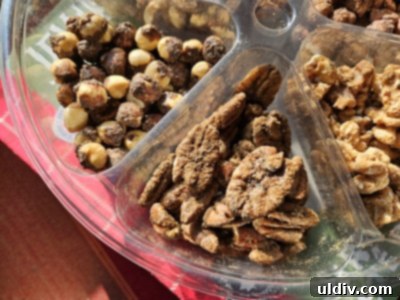
For nuts and seeds that you plan to consume within a few weeks, or for those with more stable fat profiles (like peanuts in their shell), a cool, dark pantry or basement can suffice. The key is “cool” – ideally below 70°F (21°C).
- Airtight is Key: Even in a pantry, an airtight container is non-negotiable to protect against air and moisture.
- In-Shell Advantage: Nuts stored in their shells (e.g., walnuts, pecans, peanuts) have a natural protective barrier against oxidation and can last longer at room temperature than shelled varieties. This is a smart choice if you have the patience to shell them as needed.
4. Vacuum Sealing: A Specialized Approach
Vacuum sealing is often recommended for removing oxygen and significantly slowing down spoilage. While the theory behind it is sound, feedback on its effectiveness for nuts and seeds can be mixed, as I’ve encountered in various reviews. The primary benefit is oxygen elimination, which is a major factor in rancidity.
- Considerations: If you have a good quality vacuum sealer and bags designed for freezer storage, it can certainly enhance the shelf life, especially for delicate nuts and seeds. However, ensure the bags are thick enough to prevent piercing by sharp nut edges.
- My Take: While I can’t definitively vouch for vacuum sealing as a universal superior method for all nuts and seeds, it’s an option worth exploring if you’re committed to long-term storage and have the equipment. Combine it with freezing for the best results.
Specific Tips for Popular Nuts and Seeds
While the general rules apply, some nuts and seeds have unique characteristics:
- Flax and Chia Seeds: These are extremely rich in Omega-3s and are very delicate. Always store them in the refrigerator or freezer, especially if ground. Ground seeds have a much shorter shelf life due to increased surface area exposure to air.
- Walnuts and Pecans: High in polyunsaturated fats, these are particularly prone to rancidity. Always refrigerate or freeze them for optimal freshness.
- Almonds and Cashews: While more stable than walnuts, they still benefit greatly from refrigeration or freezing, especially if you buy them raw. Roasted nuts tend to have a slightly shorter shelf life.
- Peanuts: In their shell, peanuts can last longer at room temperature. Shelled raw or roasted peanuts should be refrigerated or frozen for best results.
Recognizing Signs of Spoilage
Even with the best storage practices, it’s good to know how to spot rancidity:
- Smell: The most obvious sign. Rancid nuts and seeds will have a distinct paint-thinner, play-dough, bitter, or sour smell.
- Taste: If the smell doesn’t give it away, a bitter, sour, or metallic taste is a clear indicator. Trust your palate; if it tastes off, don’t eat it.
- Appearance: While less common for rancidity itself, look for signs of mold, discoloration, or a dry, shriveled appearance that might indicate age or improper storage.
The Nutritional Powerhouse: Why We Love Nuts & Seeds
Beyond extending their shelf life, remembering why we consume nuts and seeds reinforces the importance of proper storage. These tiny powerhouses offer immense health benefits:
- Heart Health: Rich in monounsaturated and polyunsaturated fats (including Omega-3s), they help lower bad cholesterol and reduce the risk of heart disease.
- Antioxidants: Many nuts and seeds, like walnuts and pecans, are packed with antioxidants that combat oxidative stress and inflammation.
- Fiber for Digestion: High fiber content aids digestion, promotes gut health, and helps regulate blood sugar levels.
- Protein Power: An excellent source of plant-based protein, crucial for muscle repair and overall body function.
- Vitamins and Minerals: They supply a wealth of essential nutrients like Vitamin E, magnesium, zinc, iron, and B vitamins, vital for energy, immunity, and bone health.
I personally incorporate nuts and seeds into my daily routine, adding flax and hemp seeds to my morning coffee (yes, it’s a game-changer!), enjoying sunflower and pumpkin seeds with cereal or as a standalone snack, and indulging in plentiful raw peanuts in the afternoon. Over the years, I’ve shared numerous insights into the nutritional benefits of nuts and seeds, as well as reviews of relevant brands. You’re welcome to check out my latest review, featuring Jewels under the Kilt, which can be found here.
Incorporating Nuts and Seeds into Your Diet Creatively
With a reliable storage system in place, you can confidently experiment with integrating more nuts and seeds into your meals:
- Breakfast Boost: Sprinkle on oatmeal, yogurt, or blend into smoothies for added texture and nutrients.
- Salad Toppers: Toasted nuts or seeds add a delightful crunch to any salad.
- Baking and Cooking: Incorporate them into bread, muffins, energy bars, or as a crunchy coating for fish or chicken.
- Homemade Nut Butters & Milks: Freshly made almond, cashew, or sunflower seed butter and plant-based milks are incredibly flavorful and nutritious.
- Snacking: A handful of nuts or seeds is a perfect grab-and-go snack to keep you energized.
Conclusion: Investing in Freshness
Properly storing nuts and seeds is an investment in your health, your palate, and your wallet. By understanding the causes of spoilage and implementing simple storage techniques like refrigeration and freezing in airtight containers, you can significantly extend their freshness and preserve their valuable nutrients. Don’t let your healthy staples go to waste; give them the care they deserve.
How do you store your nuts and seeds to prolong their shelf life? Share your best tips and tricks in the comments below – I’d love to hear them!