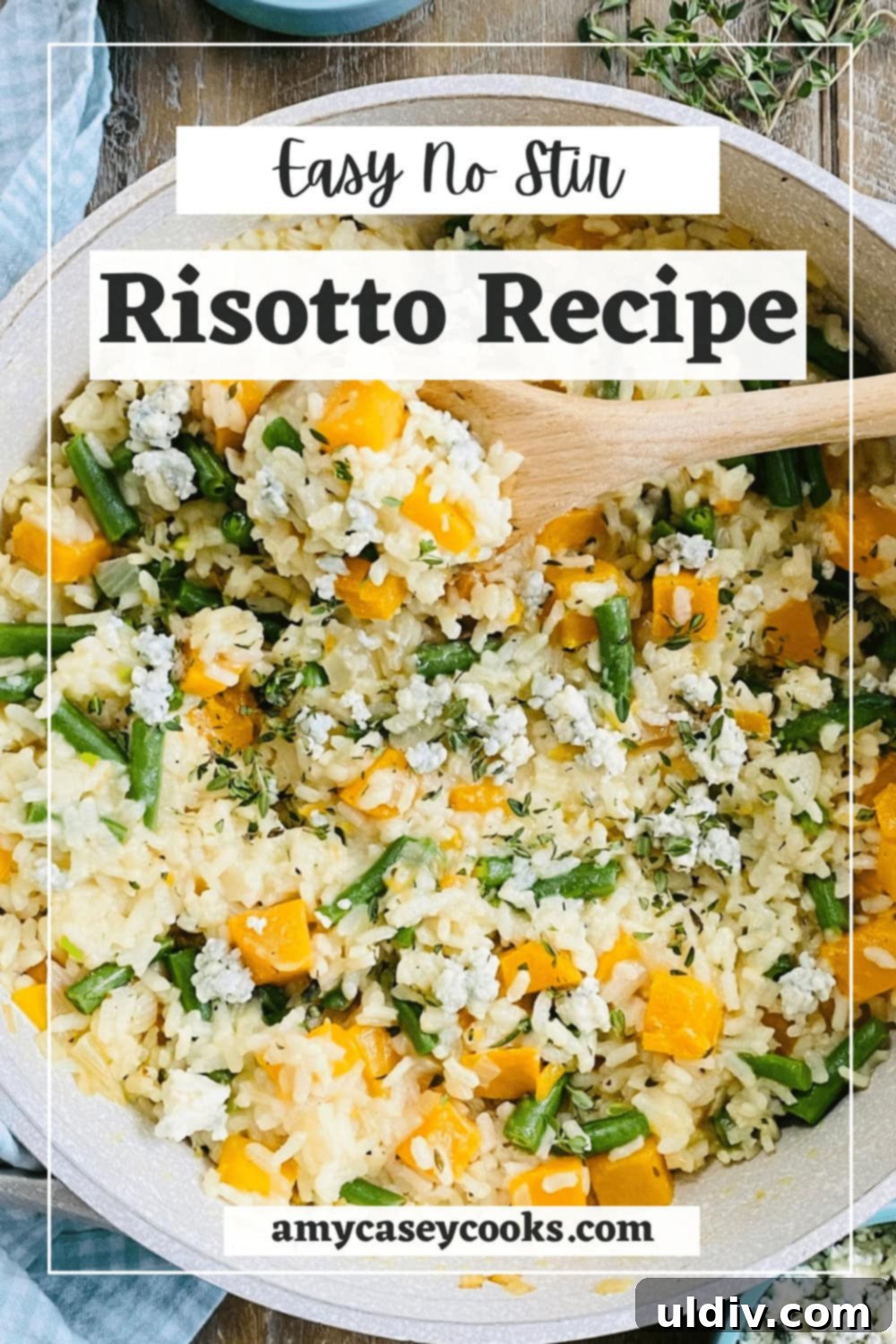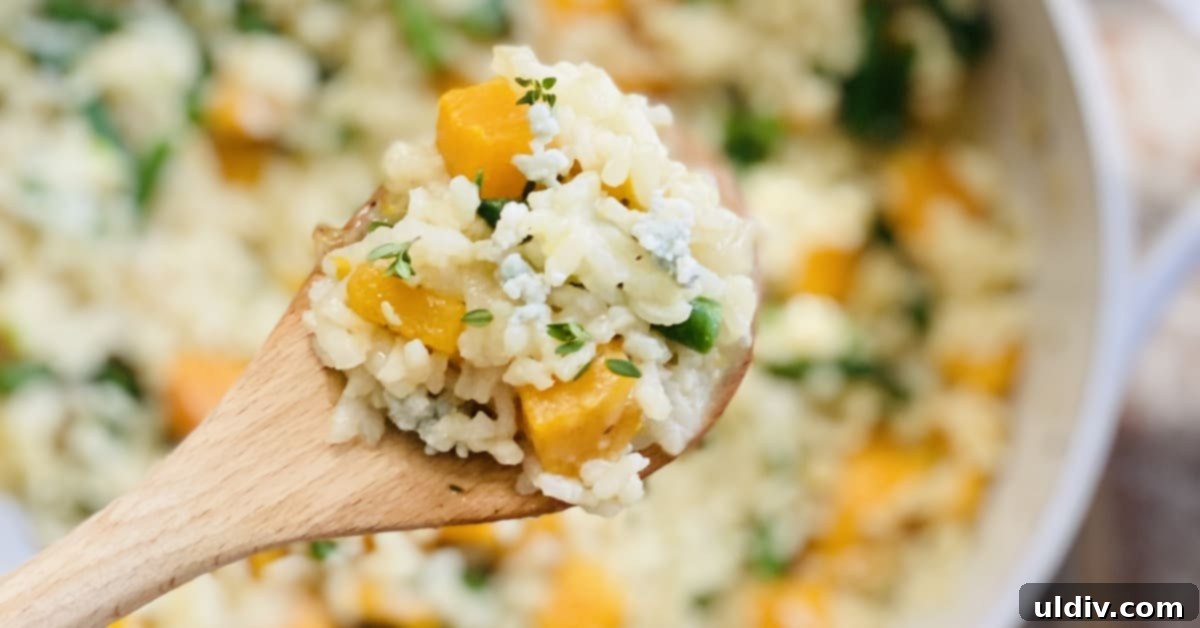
Transform your weeknight dinners and impress your guests with this incredibly easy and luxuriously creamy Butternut Squash Risotto recipe. Forget the tedious, constant stirring often associated with traditional risotto; this innovative approach delivers a perfectly cooked, flavorful dish with minimal effort. Ideal as a hearty one-pan main course or an elegant side dish, it’s a culinary delight that fits seamlessly into any occasion.
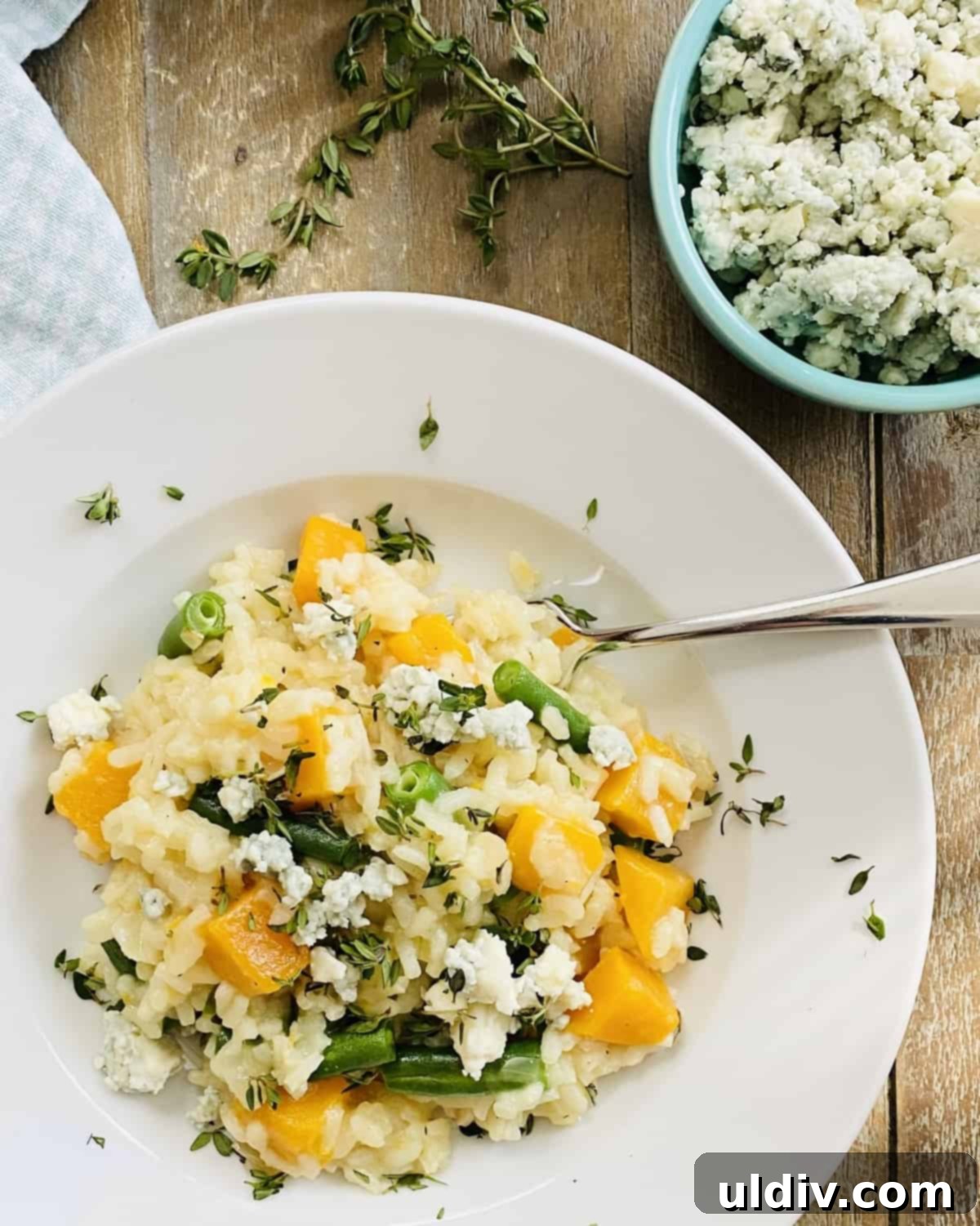
Discover the Effortless Charm of This Easy Risotto Recipe
For many home cooks, the idea of making risotto evokes images of endless stirring, a demanding process that often feels more like a kitchen chore than a joyful cooking experience. I, too, once harbored reservations about preparing risotto, recalling frustrating attempts that resulted in either undercooked, crunchy grains or an over-stirred, mushy mess. The traditional method, with its slow, deliberate addition of stock, spoonful by spoonful, and constant agitation, seemed to demand an attention span I simply didn’t possess on busy evenings.
My kitchen journey with risotto was often fraught with peril. A moment’s lapse in attention, and the heat would be too high, absorbing the stock prematurely and leaving the rice stubbornly al dente in the most unappetizing way. Conversely, a too-low flame, coupled with my dutiful but ultimately misguided stirring, would often lead to a pot of gloopy, overcooked rice, devoid of that distinctive creamy yet slightly firm texture. It was a cycle of disappointment, one I was determined to break.
That’s why discovering this “no-stir” risotto technique was nothing short of a revelation. This ingenious method liberates you from the stove, transforming a notoriously labor-intensive dish into a remarkably simple one. With a mere 10 minutes of active preparation, followed by a hands-off 20-minute simmer, you can achieve a truly perfect, restaurant-quality creamy rice dish. This lazy risotto has since become a cherished staple in my kitchen, proving that gourmet flavors don’t always require endless fuss.

A Symphony of Flavors and Textures
Beyond its ease of preparation, this butternut squash risotto truly shines with its vibrant combination of ingredients. The star, of course, is the butternut squash, which infuses the dish with its naturally sweet and slightly nutty flavor, complemented by an appealing earthy undertone. As it gently cooks down with the rice, it softens to a tender, melt-in-your-mouth consistency, adding both richness and a beautiful golden hue to the risotto.
To balance the sweetness of the squash, we incorporate crisp, bright green beans. These add a delightful pop of color and a refreshing, subtly vegetal crunch that provides a wonderful textural contrast to the creamy rice. Furthermore, the robust flavors of two distinct cheeses—sharp Parmesan and tangy blue cheese—lend a sophisticated depth. Parmesan contributes its classic umami and salty notes, while the blue cheese introduces a pungent, complex edge that elevates the entire dish, making each spoonful a memorable experience. This harmonious blend of sweet, savory, and sharp flavors makes this easy risotto recipe an absolute standout.
Essential Ingredients and Creative Substitutions for Your Risotto
Crafting the perfect butternut squash risotto begins with selecting quality ingredients. While the core components are simple, thoughtful choices and smart substitutions can significantly impact the final flavor profile. Here’s a detailed look at what you’ll need and how you can adapt the recipe to your preferences or what you have on hand:

- Reduced Sodium Chicken Stock: This is the liquid foundation of our risotto, imparting a rich, savory depth. Using reduced-sodium stock allows you to control the seasoning precisely. For a delightful vegetarian or vegan version, simply swap in a high-quality reduced sodium vegetable stock. The quality of your stock truly makes a difference in the overall flavor.
- Salted Butter: Butter provides a foundational richness and helps sauté the aromatics beautifully. If you’re using unsalted butter, remember to adjust the salt content to taste throughout the cooking process. You can also use olive oil for a lighter touch, though butter adds unparalleled flavor.
- Onion: The humble onion forms the aromatic base. Yellow or Vidalia onions are excellent choices, as they sweeten and soften without altering the color of the risotto. Avoid red onions, as their vibrant hue can unfortunately tint the final dish an unappealing purple.
- Butternut Squash: The namesake ingredient, offering sweetness and a beautiful creamy texture when cooked. Ensure it’s peeled and cubed into bite-sized pieces for even cooking. Other hard squashes like acorn, delicata, or carnival squash make equally delicious and visually appealing substitutes, each offering a slightly different nuance.
- Fresh Thyme: Fresh herbs always elevate a dish. Thyme’s earthy, slightly floral notes pair wonderfully with butternut squash. If fresh thyme isn’t available, a teaspoon of dried thyme can be used in a pinch (use half the amount of dried for fresh).
- Arborio Rice: The essential risotto rice, known for its high starch content. More on this “superstar” below!
- Dry White Wine: A splash of dry white wine (such as Chardonnay, Pinot Grigio, or Sauvignon Blanc) adds a layer of acidity and complexity, deglazing the pan and enhancing the overall flavor. If you prefer to omit alcohol, a little extra stock or a tablespoon of white wine vinegar can provide a similar bright lift.
- Green Beans: These add a welcome crunch, freshness, and vibrant color. Cut them into 1-inch pieces. For a fun twist, green peas or asparagus tips can be fantastic alternatives, especially in spring.
- Parmesan Cheese: Freshly grated Parmesan is a must for its salty, nutty, umami notes. Always grate your own for the best flavor and melting quality.
- Kosher Salt and Freshly Ground Black Pepper: These fundamental seasonings are crucial for bringing out the best in all the ingredients. Freshly ground pepper, particularly, offers a more aromatic and potent flavor than pre-ground. A pepper mill is a simple but worthwhile investment.
- Blue Cheese: This is the secret ingredient that truly elevates this risotto. Its pungent, salty character creates an exciting contrast with the sweet squash. Gorgonzola or Roquefort are excellent, robust choices. For a milder flavor, crumbled feta cheese offers a lovely briny alternative.
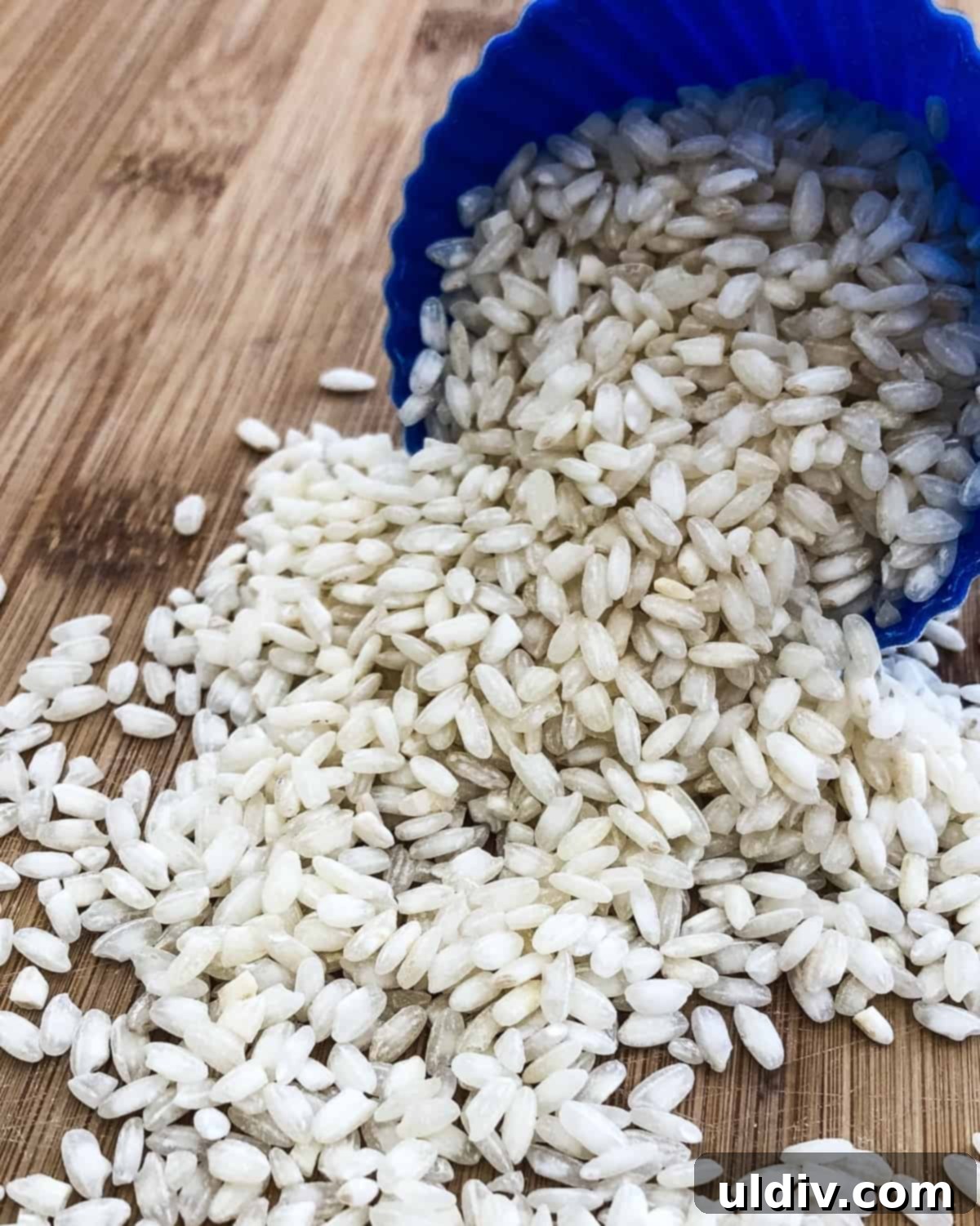
Understanding the Magic of Arborio Rice
Arborio rice, an Italian short-grain rice, is not just an ingredient; it’s the undisputed superstar of any risotto dish. What makes it so uniquely suited for this creamy preparation? The secret lies in its exceptional starch content. Arborio rice is particularly rich in amylopectin, a type of starch that is easily released when cooked. Unlike other rice varieties, Arborio’s grains swell and absorb a significant amount of liquid while still retaining a distinct, firm bite at their core – a quality known as ‘al dente.’
As the rice cooks and releases its amylopectin, it creates a luscious, velvety sauce that coats each individual grain, resulting in the characteristic creamy texture of risotto. This process is amplified in traditional risotto by constant stirring, which agitates the starch. However, in our no-stir method, the ample liquid and slow simmer still allow for sufficient starch release to achieve that desired creaminess without the elbow grease. When properly prepared, each grain of Arborio rice becomes slightly chewy and firm, surrounded by a rich, savory emulsion that is truly irresistible.

Crafting Your Creamy Butternut Squash and Green Bean Risotto: A Simple Guide
This easy risotto recipe is truly a gift, especially for culinary novices or those who appreciate gourmet flavors without the fuss. It was a hugely popular autumn dish during my time as a chef at a charming gourmet café, and its simplicity made it a favorite in my professional kitchen just as it will be in yours. Let’s walk through the steps to create this creamy masterpiece.
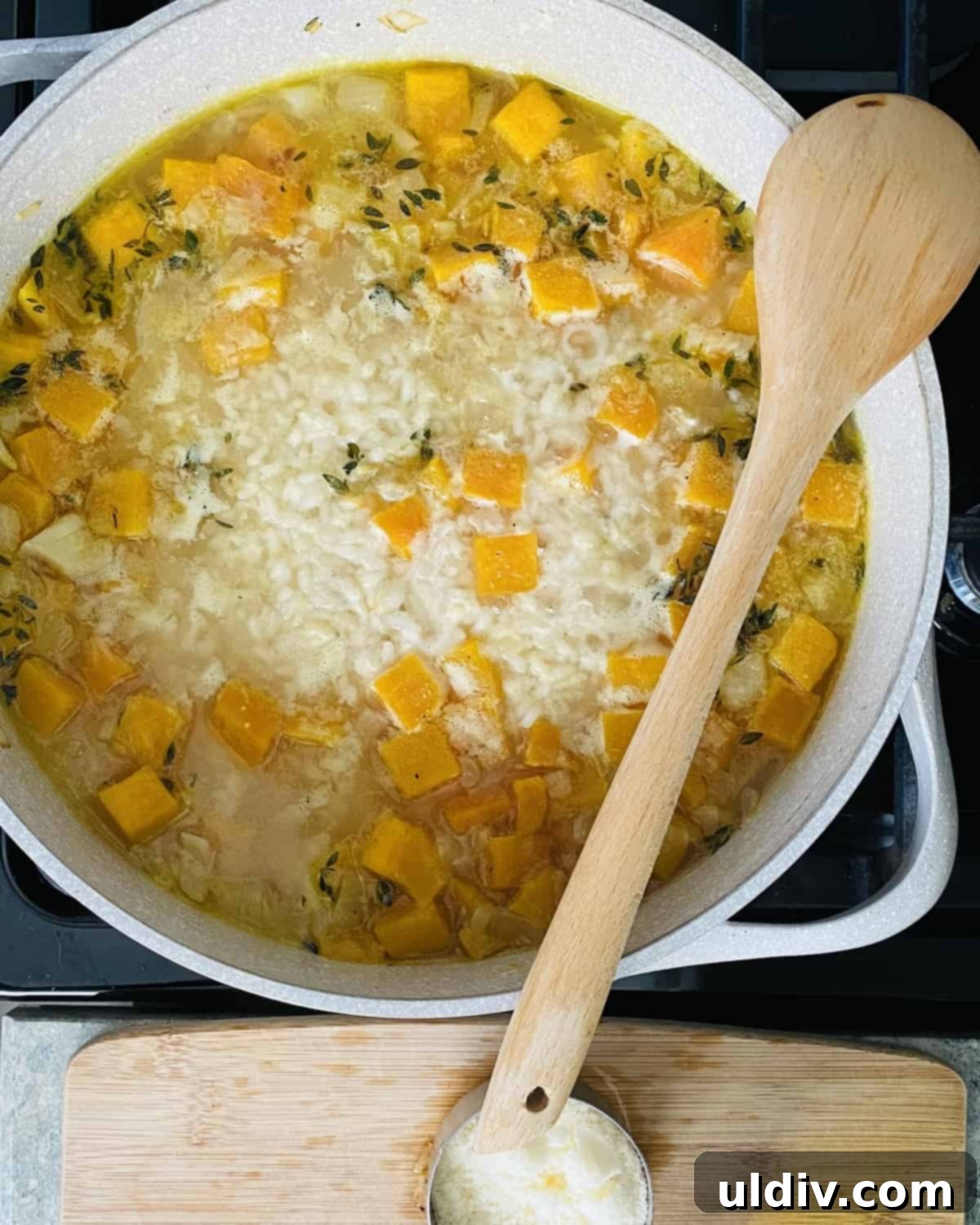
1. Prepare the Stock: Begin by heating your chicken or vegetable stock in a separate saucepan. Bring it to a gentle boil, then immediately reduce the heat, cover, and keep it warm. Using warm stock is a small but crucial step that prevents shocking the rice, allowing for more even and consistent cooking.
2. Sauté the Aromatics and Squash: In a large, heavy-bottomed sauté pan or Dutch oven, melt the butter over medium heat. Add the chopped onion, a pinch of kosher salt, and a few grinds of fresh black pepper. Sauté the onion until it becomes beautifully translucent and tender, usually about 5 minutes. Next, introduce the peeled and cubed butternut squash and 2 teaspoons of fresh thyme. Continue to sauté for another 3 to 4 minutes, allowing the squash to slightly soften and develop a subtle golden-brown edge, intensifying its natural sweetness.
3. Toast the Rice: Add the Arborio rice to the pan with the sautéed vegetables. Stir it constantly for about 2 minutes, allowing the grains to become slightly transparent at the edges but remain opaque in the center. This “toasting” process, known as ‘tostatura,’ helps to seal the rice grains, preventing them from becoming mushy and ensuring they retain their characteristic al dente texture.
4. Deglaze with Wine: Pour in the dry white wine and cook, stirring occasionally, until it has almost completely evaporated. The wine’s acidity deglazes the pan, lifting any flavorful browned bits from the bottom and adding a layer of complexity to the risotto.
5. The No-Stir Magic: Now for the most exciting part of this easy recipe! Add *all* of the warm chicken stock to the sauté pan at once. Yes, you read that right – all at once! Bring the entire mixture to a boil, then immediately reduce the heat to a gentle simmer. Cover the pan and let it cook undisturbed for approximately 20 to 22 minutes. You’ll only need to stir it once or twice during this time to ensure even cooking and to prevent sticking. This hands-off approach allows the Arborio rice to slowly absorb the stock, releasing its starches and transforming into a wonderfully creamy consistency, while the butternut squash becomes tender and deliciously earthy. Once the rice is just tender and the risotto is creamy, turn off the heat, cover the pan, and let it rest for 5 minutes. This resting period allows the flavors to meld and the risotto to reach its peak creaminess.
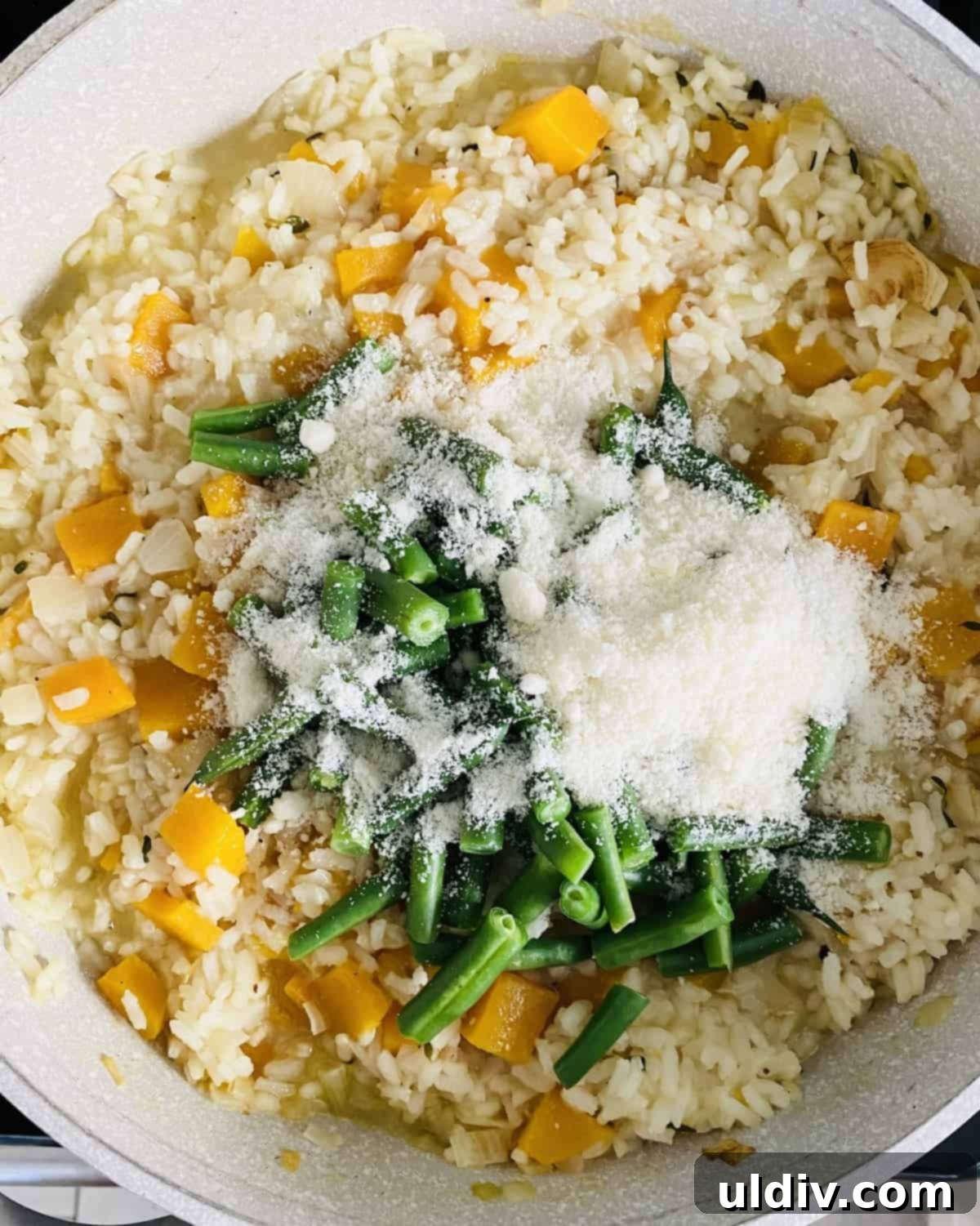
6. The Finishing Touches: Finally, stir in the steamed green beans and the freshly grated Parmesan cheese. Taste the risotto and adjust the seasoning with kosher salt and freshly ground black pepper as needed. Just before serving, sprinkle generously with crumbled blue cheese and the remaining 2 teaspoons of fresh thyme for an aromatic flourish. Serve immediately and savor every creamy, flavorful bite!

Chef Amy’s Essential Tips for Perfect Risotto
Even with an easy, no-stir recipe, a few key insights can elevate your butternut squash risotto from great to absolutely extraordinary. These tips are gleaned from years in the kitchen, designed to ensure your success every time:
- Choose Your Stock Wisely: The quality of your stock is paramount. Chicken stock provides a rich, savory foundation that enhances the overall depth of flavor. However, to easily adapt this to a vegetarian or vegan dish, use a high-quality vegetable stock. Opt for reduced-sodium varieties to have full control over the saltiness of your final dish.
- Uniform Squash Cubes are Key: For perfectly cooked butternut squash that’s tender but not mushy, ensure you cut it into consistent, bite-sized pieces. This uniformity guarantees that the squash cooks evenly in the same amount of time as the Arborio rice, integrating seamlessly into the creamy texture without any undercooked or overcooked bits.
- Fresh Herbs for Superior Flavor: While dried thyme can be an acceptable substitute in a pinch, fresh thyme truly imparts a brighter, more aromatic, and nuanced flavor to the risotto. If using dried, remember to use about half the amount of fresh, as dried herbs are more concentrated. Consider adding a sprig of fresh rosemary or sage for a complementary autumnal note.
- Don’t Skimp on the Cheese: The Parmesan and blue cheese are not just toppings; they are integral to the flavor and creaminess. Always use freshly grated Parmesan from a block for superior melting and taste. The crumbled blue cheese adds a bold, tangy contrast that makes this risotto special, so don’t be shy with it!
- Rest is Best: After the risotto has finished simmering, resist the urge to serve it immediately. Cover the pan and let it rest for 5 minutes off the heat. This crucial step allows the residual heat to finish cooking the rice gently, helps the starches to fully emulsify, and results in an even creamier, more cohesive risotto.

Serving Suggestions and Perfect Pairings
This creamy butternut squash and green bean risotto is versatile enough to be a complete meal on its own, but it also shines beautifully as a sophisticated side dish. For a light dinner, pair it with a simple green salad dressed with a bright vinaigrette. If you’re looking to make it a more substantial main course, it complements roasted chicken, pan-seared scallops, or grilled pork tenderloin wonderfully. The rich, earthy flavors of the risotto also pair exceptionally well with autumnal beverages. Consider serving it with a crisp, dry white wine like a Pinot Grigio or Sauvignon Blanc, which will cut through the richness. For non-alcoholic options, a sparkling cider or a lightly sweetened iced tea would be delightful.
Reheating Risotto: Keeping it Delicious
While risotto is always best enjoyed fresh off the stove, you can certainly savor leftovers with a few simple reheating tricks. The key is to restore its creamy texture without overcooking the rice. Follow these steps to enjoy delicious reheated risotto:
- For each cup of leftover risotto you plan to reheat, measure out about ¼ cup of reduced sodium chicken stock (or vegetable stock).
- Pour the stock into a small saucepan and bring it to a gentle boil over medium heat.
- Once boiling, reduce the heat to low and add the cold risotto.
- Gently stir the risotto, allowing it to slowly absorb the warm stock. Continue stirring until the rice is heated through and has regained its creamy consistency. Avoid high heat or aggressive stirring, which can break down the rice grains.
- Serve the reheated risotto immediately, optionally garnished with a sprinkle of additional Parmesan and crumbled blue cheeses for an extra boost of flavor.
Explore More Delicious Side Dish Recipes
If you loved this easy risotto, you might enjoy exploring other flavorful side dishes that complement a variety of meals, from holiday feasts to everyday dinners. Expand your culinary repertoire with these enticing options:
- Apple and Bacon Stuffed Sweet Potatoes with Pomegranate
- Roasted Carrot and Parsnip Fries
- Easy 20 Minute Cauliflower Rice Pilaf
- Roasted Fall Squash with Cinnamon and Nutmeg
- Easy Roasted Brussels Sprouts with Honey and Mustard
Your Feedback Matters!

Did you try this irresistible recipe?
I would absolutely love to hear about your experience! Please consider leaving a comment and a star rating below to share your thoughts and help other home cooks. Don’t forget to share your culinary creations on social media by tagging us on Pinterest, Instagram, and Facebook. Your engagement means the world!
Happy cooking! ~ Amy
Recipe
Butternut Squash Risotto Recipe
Print
Pin
Rate
Ingredients
- 5 ¼ cups reduced sodium chicken stock or reduced sodium vegetable stock
- 2 tablespoons salted butter
- 1 cup chopped onion
- 2 cups peeled and cubed butternut squash cut into bite-sized pieces
- 4 teaspoons chopped fresh thyme divided
- 1 ½ cups Arborio rice
- ⅓ cup dry white wine
- 1 ½ cups green beans cut in 1-inch pieces and steamed
- ⅓ cup freshly grated Parmesan cheese
- Kosher salt
- Pepper
- ⅓ cup crumbled blue cheese
Instructions
-
Bring stock to boil in large saucepan then turn off heat, cover and set aside. This ensures the stock is warm and ready to be absorbed by the rice, promoting even cooking.
-
Melt the butter in a large, heavy-bottomed sauté pan or Dutch oven over medium heat. Add chopped onion, a pinch of kosher salt, and a few grinds of fresh pepper. Sauté until the onion is tender and translucent, about 5 minutes, forming a flavorful aromatic base.
-
Add the peeled and cubed butternut squash along with 2 teaspoons of fresh thyme to the pan. Sauté for an additional 3 to 4 minutes, stirring occasionally, until the squash just begins to turn golden brown at the edges and slightly softens.
-
Stir in the Arborio rice and cook for 2 minutes. This “tostatura” step lightly toasts the rice grains, helping them retain their shape and contributing to the risotto’s final texture.
-
Pour in the dry white wine and simmer, stirring gently, until the wine has almost entirely evaporated, about 1 minute. This deglazes the pan and adds depth of flavor.
-
Slowly add all of the warm stock to the pan at once. Bring the mixture to a boil, then immediately reduce the heat to a gentle simmer. Cook uncovered for 20 to 22 minutes, stirring only once or twice during this period. The rice will absorb the stock and become tender, and the risotto will thicken to a creamy consistency. Turn off the heat, cover the pan with a lid, and let the risotto rest for 5 minutes to allow the flavors to meld and for maximum creaminess.
-
Gently stir the steamed green beans and freshly grated Parmesan cheese into the risotto. Taste and season generously with kosher salt and freshly ground black pepper to your preference.
-
Before serving, sprinkle the creamy risotto with the crumbled blue cheese and the remaining 2 teaspoons of fresh thyme. Serve hot and enjoy!
Video
Notes
- Chicken stock adds rich flavor to this easy risotto recipe. To make vegan or vegetarian risotto, use vegetable stock.
- Cut the butternut squash in bite sized pieces to ensure that it cooks in the same amount time as the rice.
- Fresh thyme is my first choice, but dried thyme is an acceptable substitution.
Nutrition