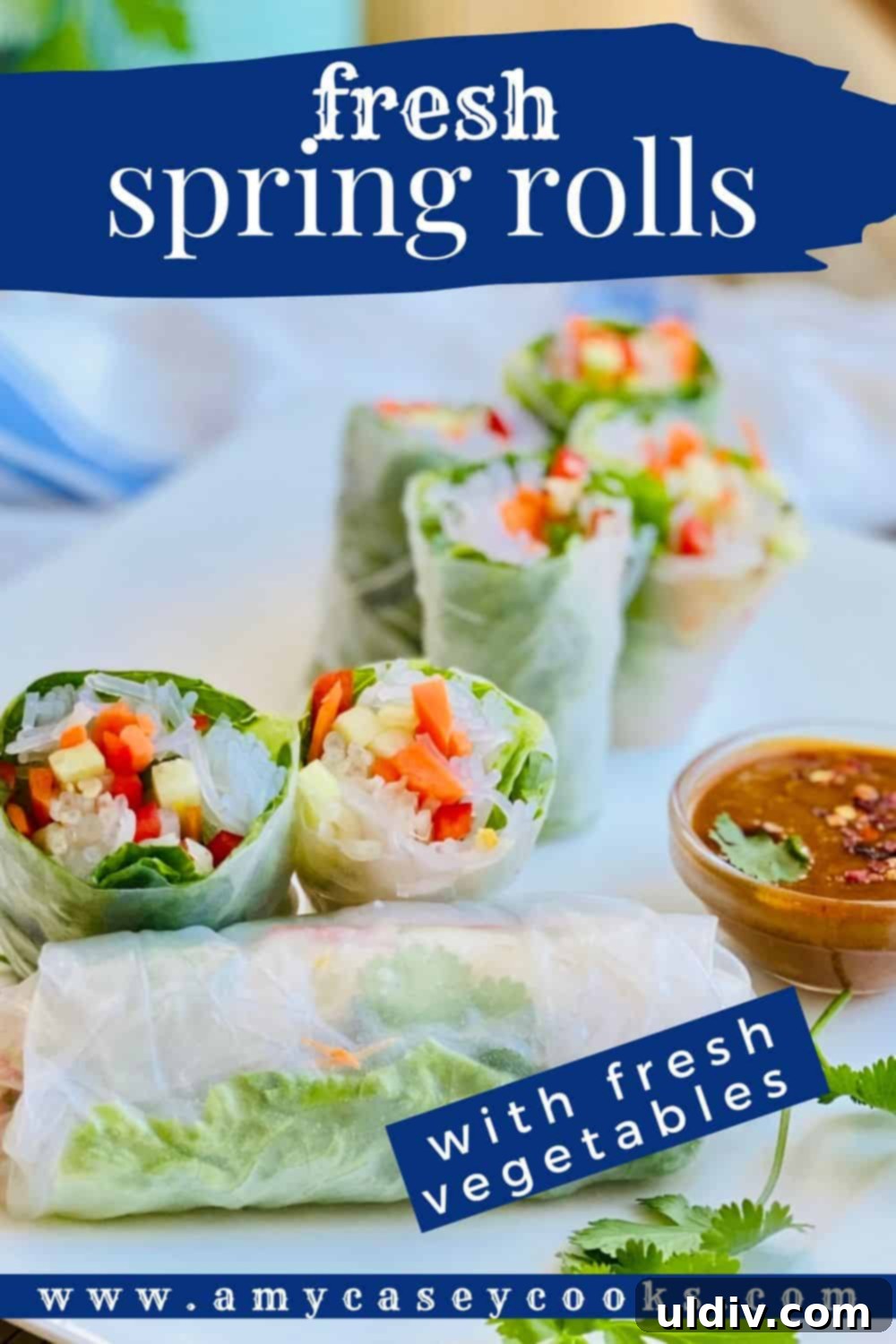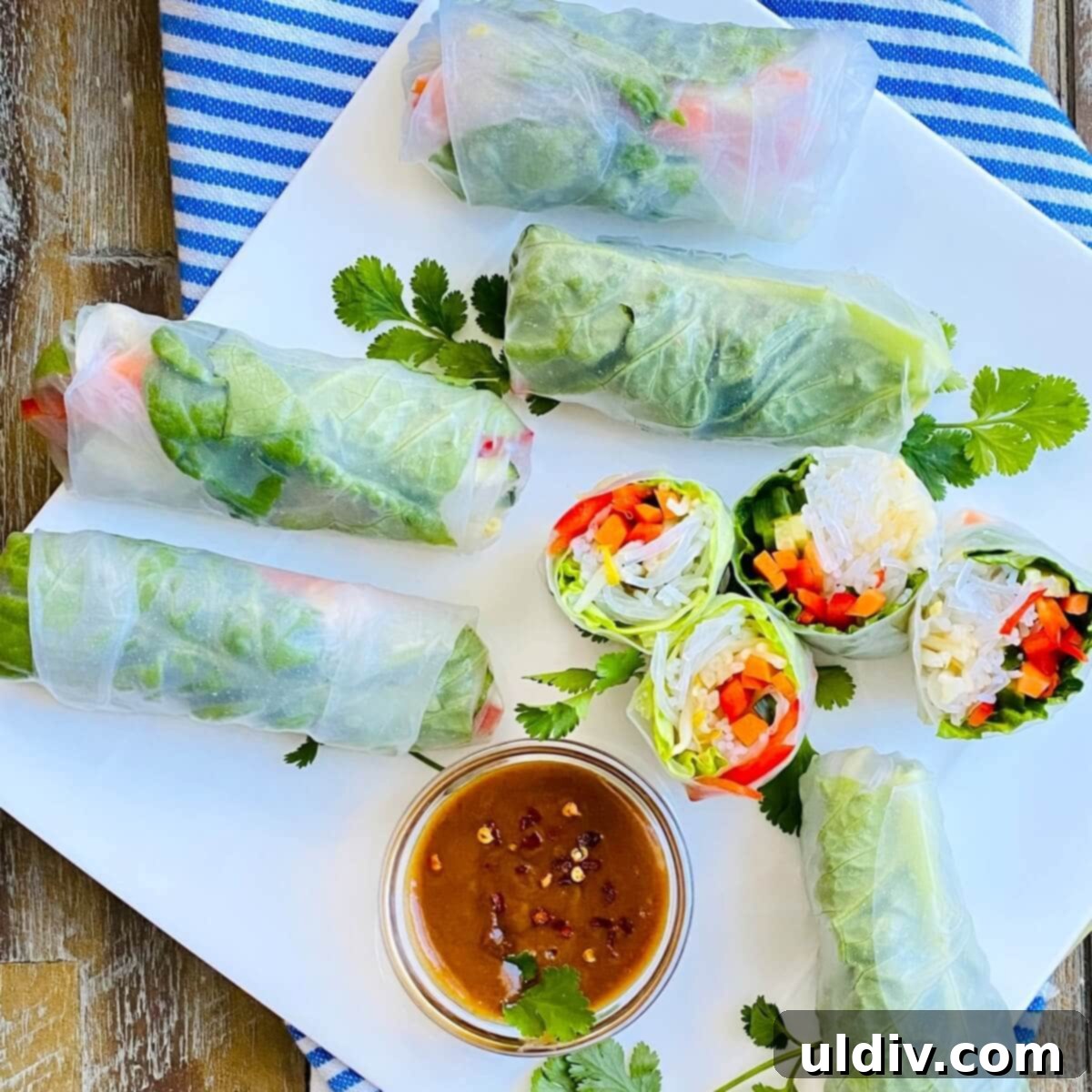
Fresh & Healthy Vegetable Spring Rolls with Peanut Sauce: Your New Favorite Recipe!
Discover the ultimate refreshingly healthy meal with these incredible Vegetable Spring Rolls. Crafted to perfection for my personal chef clients, this recipe ensures each roll is bursting with fresh flavor, even when prepared in advance. After numerous tests and tweaks, I’ve perfected a recipe that’s not just easy to make but also promises a delightful culinary experience. Get ready to fall in love with this vibrant, guilt-free dish!
Hear From Our Readers
There’s nothing quite like a crisp, refreshing salad! The combination of cool lettuce, juicy cherry tomatoes, crunchy cucumbers, sweet bell peppers, and savory cheddar cheese, all tossed with my homemade creamy cilantro lime dressing, is simply divine. It’s a culinary staple that I truly cherish.
However, even the most devoted salad lovers can sometimes yearn for a fresh twist. When I find myself craving an exciting alternative to my usual greens, I turn to these delightful fresh spring rolls, also known as *gỏi cuốn*. These Vietnamese-inspired rolls are a fantastic way to enjoy a medley of vegetables in a fun, handheld format. They also make a perfect appetizer or side dish, especially alongside a comforting bowl of my Better Than Takeout Fried Rice with Chicken.
This Vegetable Spring Rolls recipe offers a brilliantly fresh and healthy alternative to traditional fried egg rolls. For over two decades, these vibrant vegetable spring rolls have been a consistent favorite among my personal chef clients, praised for their light, wholesome nature and their irresistible flavor. Prepare to discover a truly enjoyable and innovative method for incorporating more fresh vegetables into your diet.
Table of Contents
- Why You’ll Love These Veggie Spring Rolls
- Essential Vegetable Spring Roll Ingredients
- Step-by-Step Guide: How to Make Vegetable Spring Rolls
- Expert Tips for Perfect Veggie Spring Rolls
- Frequently Asked Questions
- What to Serve with Vegetable Spring Rolls
- Full Recipe Card
Why These Veggie Spring Rolls Will Become Your Go-To Dish
Fresh vegetable spring rolls are more than just a meal; they’re an experience. Here’s why this recipe will quickly earn a permanent spot in your culinary repertoire:
- An Engaging Culinary Adventure: Once you master the rolling technique, creating these vibrant salad rolls becomes an incredibly easy and deeply satisfying process. It’s a wonderfully unique and interactive way to ensure you and your loved ones enjoy your daily dose of fresh vegetables. Plus, they are beautiful to look at!
- Pure Lightness, Health, and Refreshment: The ingredients chosen for these vegan Vietnamese fresh rolls are specifically selected for their vibrant freshness, inherent health benefits, and crisp textures. Packed with essential vitamins, rich in dietary fiber, and naturally low in calories and fat, they represent the epitome of guilt-free indulgence. They serve as an exceptional light lunch, a wholesome snack, or a delightful appetizer that will leave you feeling energized and refreshed.
- Endless Versatility and Customization: The true beauty of spring rolls lies in their adaptability. The best spring rolls are always those that are generously filled with *your* absolute favorite fresh vegetables. The potential combinations are virtually limitless! Beyond just vegetables, you can easily elevate your rolls by adding small, cooked pieces of lean protein such as chicken, steak, pork, fish, or succulent shrimp, making them a complete and satisfying meal.
- Ideal for Meal Prep: These spring rolls are excellent for making ahead, making your healthy eating goals achievable even on busy weekdays. Their ability to stay fresh for up to 24 hours in the refrigerator means you can have a nutritious, ready-to-eat meal or snack at your fingertips.
- A Crowd-Pleaser for All Occasions: Whether you’re hosting a casual get-together, packing lunches, or simply seeking a light dinner, these spring rolls are universally loved. Their fresh flavors and appealing presentation make them a hit with both adults and children, proving that healthy food can be incredibly delicious and fun.
Gathering Your Vegetable Spring Roll Ingredients
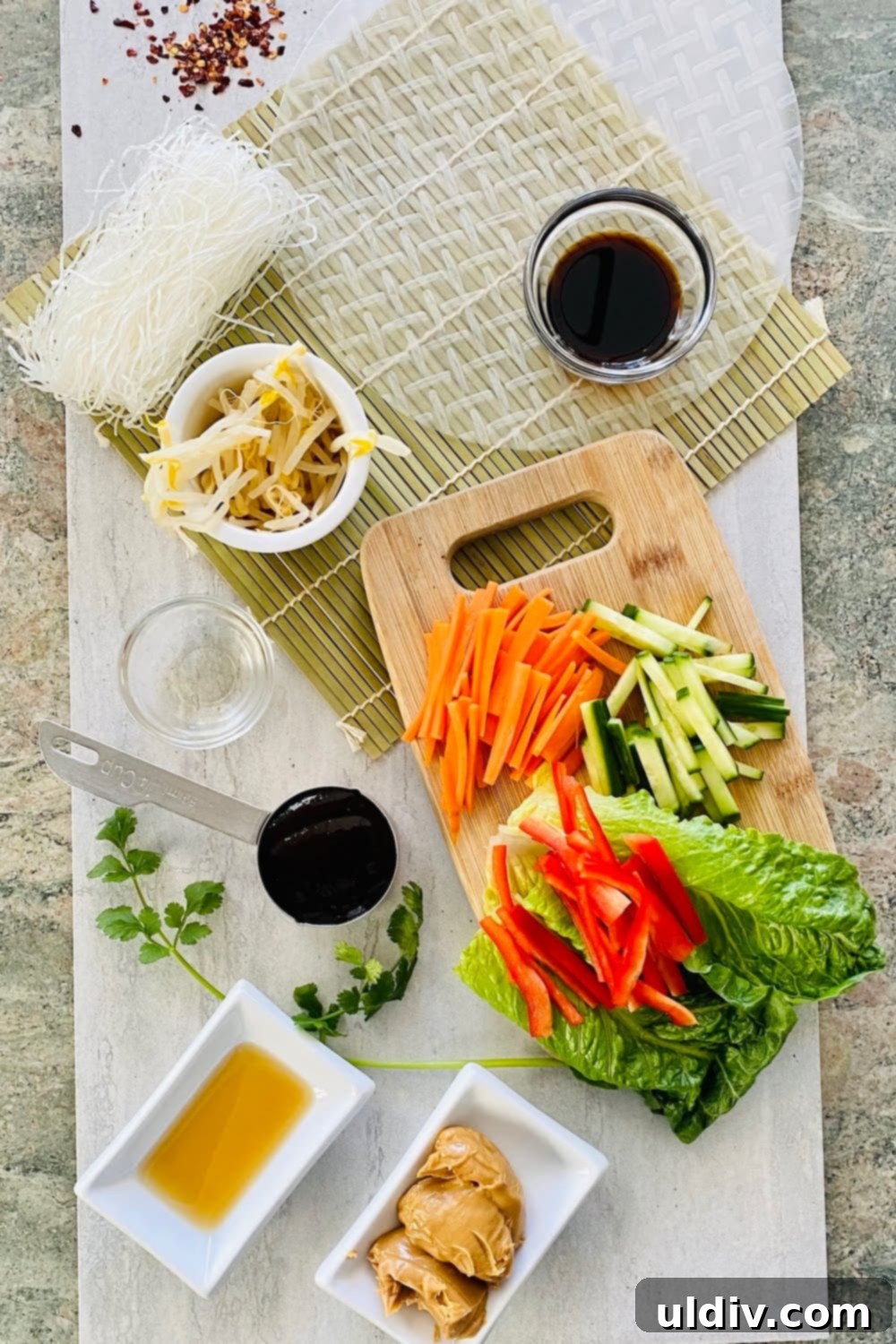
Crafting delicious Vietnamese vegetable spring rolls requires an assortment of incredibly fresh produce and a few essential pantry staples. Each ingredient plays a vital role in creating the perfect balance of flavors and textures. For the complete list of quantities, please refer to the detailed recipe card at the end of this post.
For the Spring Rolls:
- Spring Roll Wrappers: These delicate, translucent rice paper wrappers are the foundation of your rolls. You can easily find them in the international aisle of most well-stocked grocery stores or at any Asian supermarket. Look for round or square varieties, ensuring they are designed for fresh spring rolls, not fried.
- Romaine Lettuce: Provides a crisp and refreshing base. Boston bibb or butter lettuce also work beautifully, offering a softer texture, while iceberg lettuce can be used for an extra crunch.
- Thin Bean Threads: Also known as cellophane or glass noodles, these are incredibly fine, transparent noodles that add a delightful chewiness. If you can’t find them, angel hair rice noodles make an excellent alternative, offering a similar light texture.
- Carrots: Sliced into thin matchsticks, carrots contribute a vibrant color and a satisfying, sweet crunch.
- Cucumber: English cucumbers are ideal due to their fewer seeds and thinner skin, easily sliced into refreshing matchsticks that add a cool, crisp element.
- Red Bell Pepper: Adds a touch of sweetness and a beautiful pop of color. Yellow or orange bell peppers are also fantastic options. I recommend avoiding green bell peppers as their flavor tends to be more bitter and less sweet, which might overpower the delicate freshness of the other ingredients.
- Bean Sprouts: These slender sprouts offer a wonderfully crisp texture and a subtle, earthy flavor, characteristic of authentic Vietnamese spring rolls.
- Fresh Cilantro: Provides a bright, herbaceous note that is quintessential in many Southeast Asian dishes. If you are among those who find cilantro’s flavor soapy (a genetic predisposition!), fresh parsley is a great substitute, or you can simply omit it entirely.
For the Irresistible Peanut Sesame Dipping Sauce:
- Hoisin Sauce: A thick, fragrant sauce used in Chinese cuisine, hoisin brings a sweet and savory depth to the dipping sauce.
- Toasted Sesame Oil: Offers a rich, nutty aroma and flavor that is distinctively Asian. A little goes a long way to enhance the sauce’s complexity.
- Smooth Peanut Butter: Essential for that creamy, velvety texture and rich peanut flavor. I strongly recommend traditional smooth peanut butter, as its consistent texture blends seamlessly with the other sauce ingredients. Crunchy or natural peanut butters may not yield the same silky smooth consistency in the dipping sauce.
- Natural Rice Vinegar: Provides a gentle tang that balances the richness of the peanut butter and hoisin. Since only a small amount is used, a seasoned rice vinegar can also be a convenient option.
- Reduced Sodium Soy Sauce: My personal preference is to use a low-salt version to control the overall sodium content, as regular soy sauce can be quite intense. Feel free to adjust to your taste.
- Red Pepper Flakes: Allows you to introduce a customizable kick of heat to the sauce, adding a delightful spicy contrast.
How to Craft Your Own Delicious Vegetable Spring Rolls
Creating fresh veggie spring rolls is a rewarding process that primarily involves careful chopping and thoughtful assembly. The best part? No cooking is required for the rolls themselves! The ultimate secret to effortlessly making these vibrant spring rolls is to prepare all your ingredients in advance. This “mise en place” approach ensures a smooth and enjoyable rolling experience. While a step-by-step video is available in the full recipe card below, here’s a detailed breakdown to guide you.
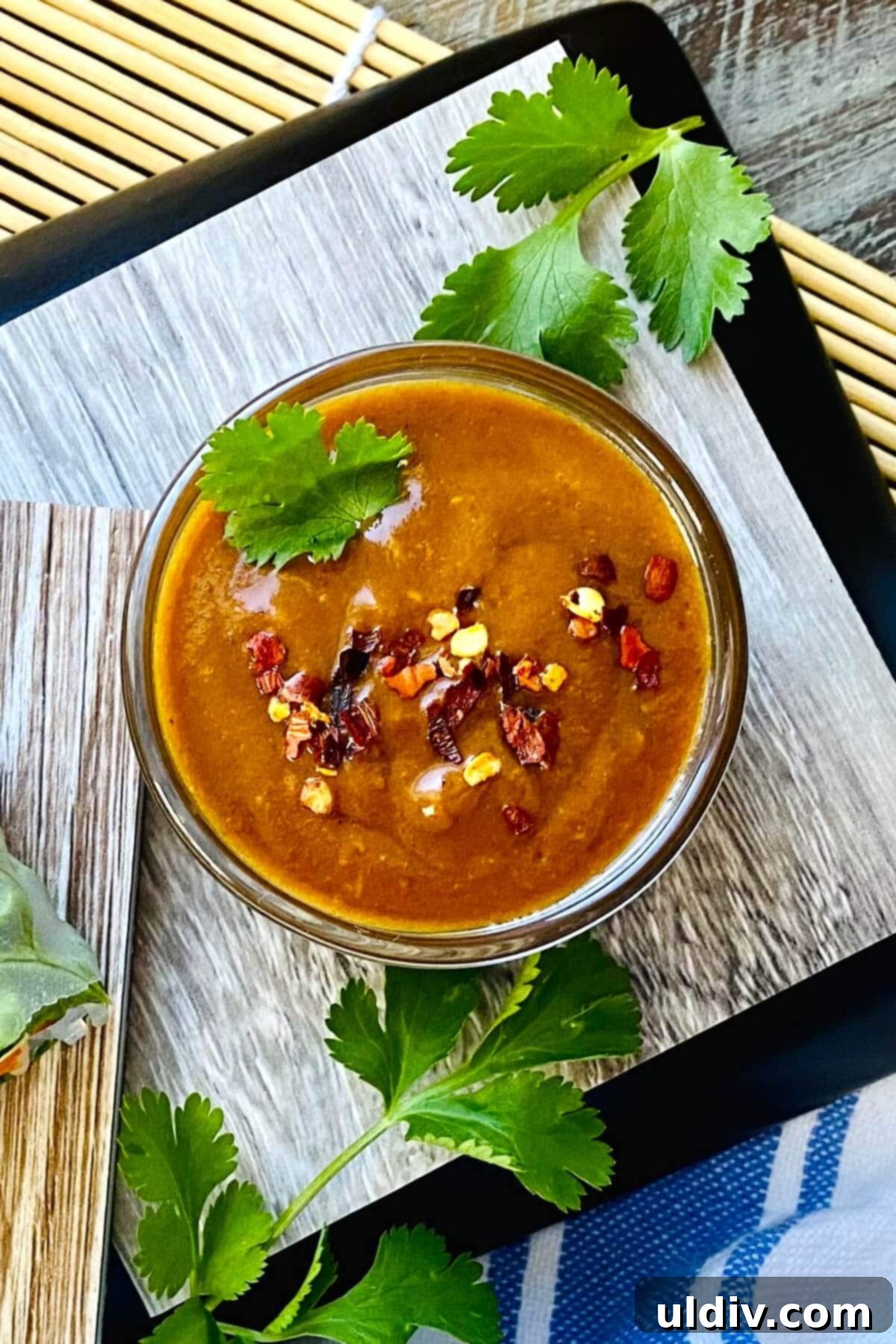
Step 1: Prepare the irresistible Peanut Sesame Dipping Sauce. In a small mixing bowl, combine the hoisin sauce, smooth peanut butter, reduced sodium soy sauce, rice vinegar, toasted sesame oil, and red pepper flakes. Whisk all the ingredients together vigorously with a fork until you achieve a beautifully smooth and uniform consistency. If the sauce appears too thick, gradually stir in two to three tablespoons of warm water until it reaches your desired velvety dipping consistency. Set this flavorful sauce aside for later.
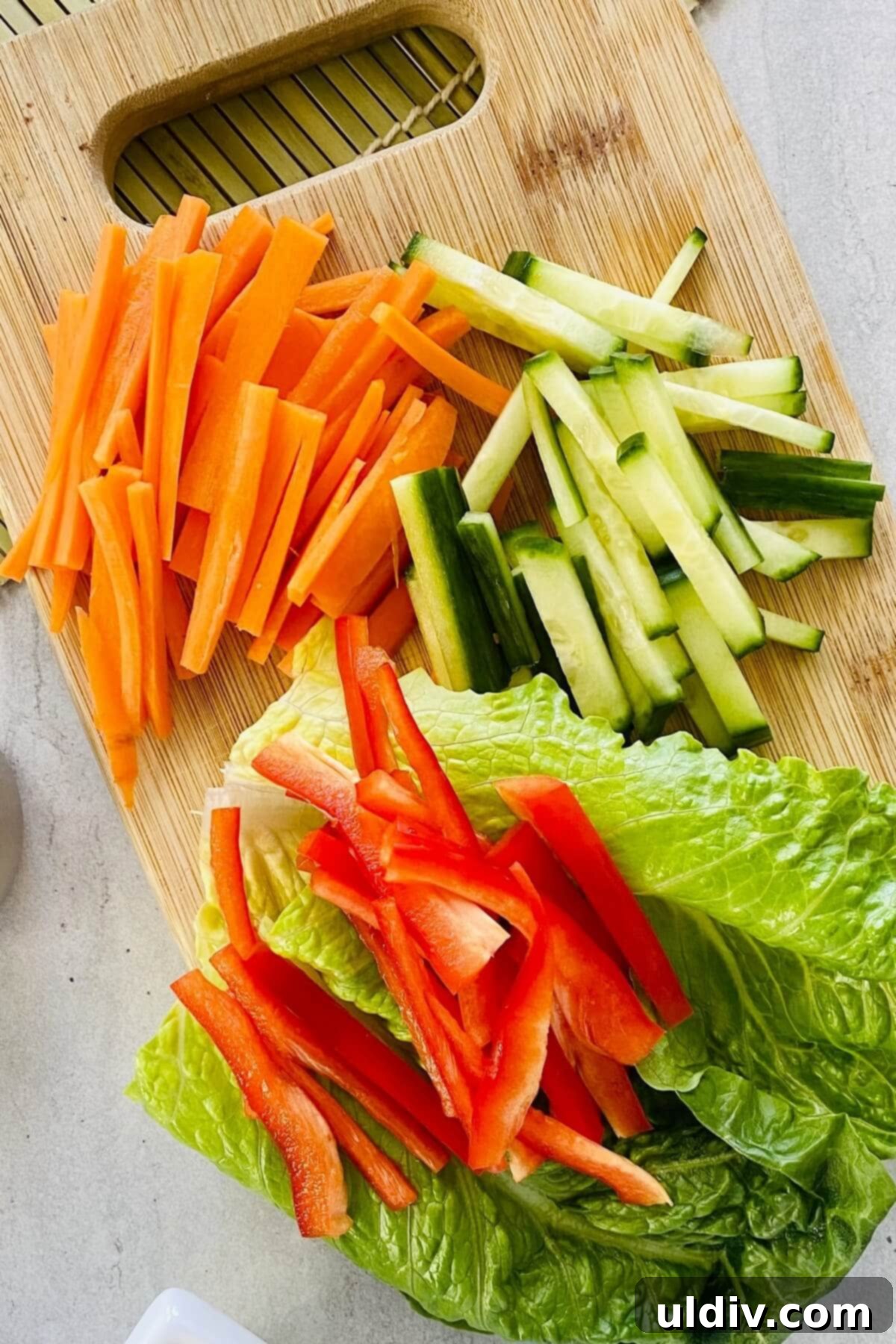
Step 2: Meticulously prepare all your filling ingredients. The cornerstone of successful spring roll making is having all your components ready to go before you begin rolling. Take the time to wash, peel, and thinly slice all your vegetables into uniform, thin matchsticks, approximately 2 to 3 inches in length. This precision ensures easy rolling and a beautiful presentation. Cook your thin bean threads according to package directions, typically boiling for 3-5 minutes, then rinse them thoroughly with cold water to prevent sticking and drain them exceptionally well to avoid any sogginess in your rolls.
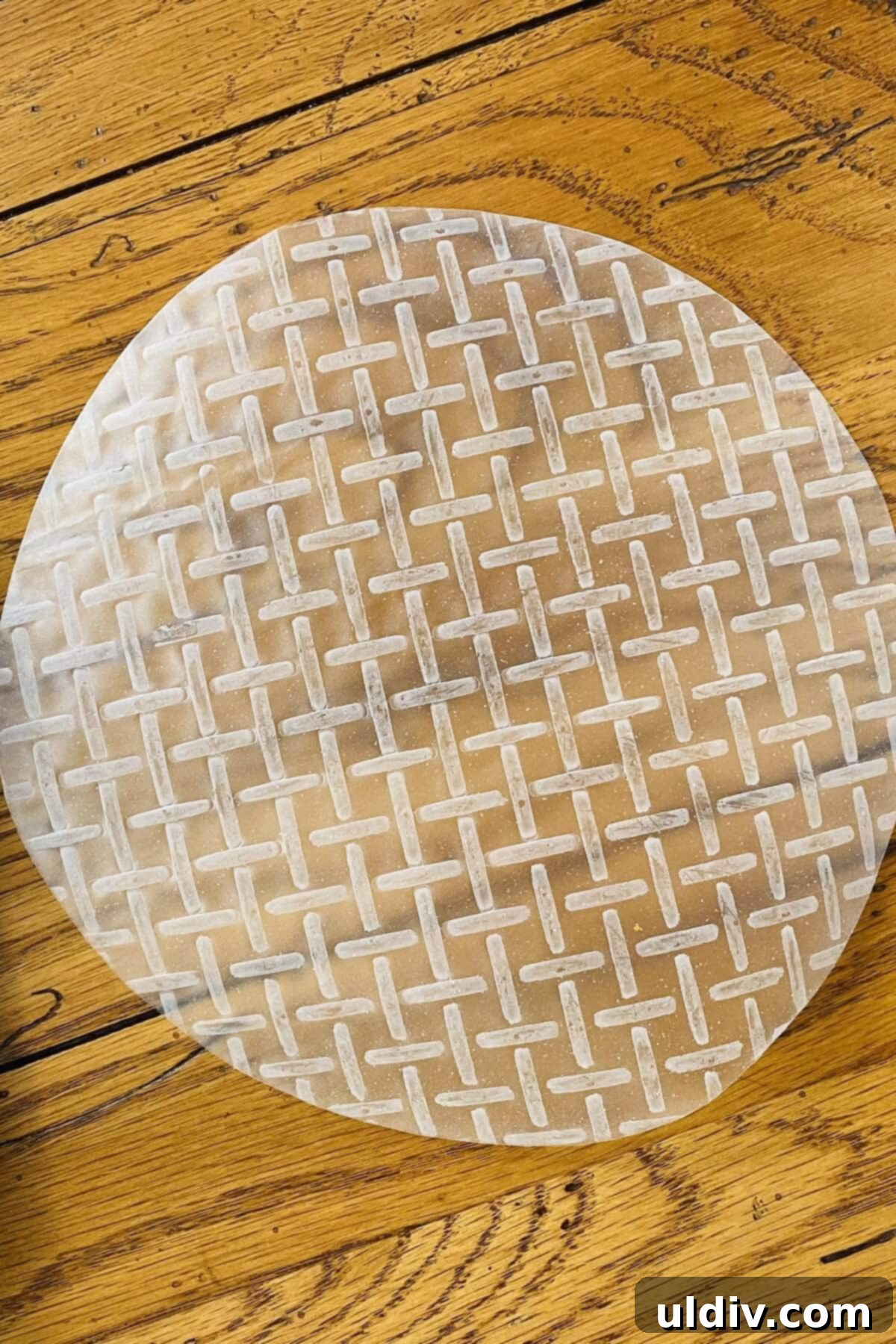
Step 3: Soften your spring roll wrappers. Fill a large pie plate or a shallow dish with warm water. This provides ample space for dipping. Gently immerse one spring roll wrapper into the warm water for about 5 to 7 seconds. The exact time can vary slightly depending on the wrapper’s thickness, but the goal is for it to become soft and pliable, yet still firm enough to handle without tearing. Carefully transfer the softened wrapper to a clean, slightly damp work surface.
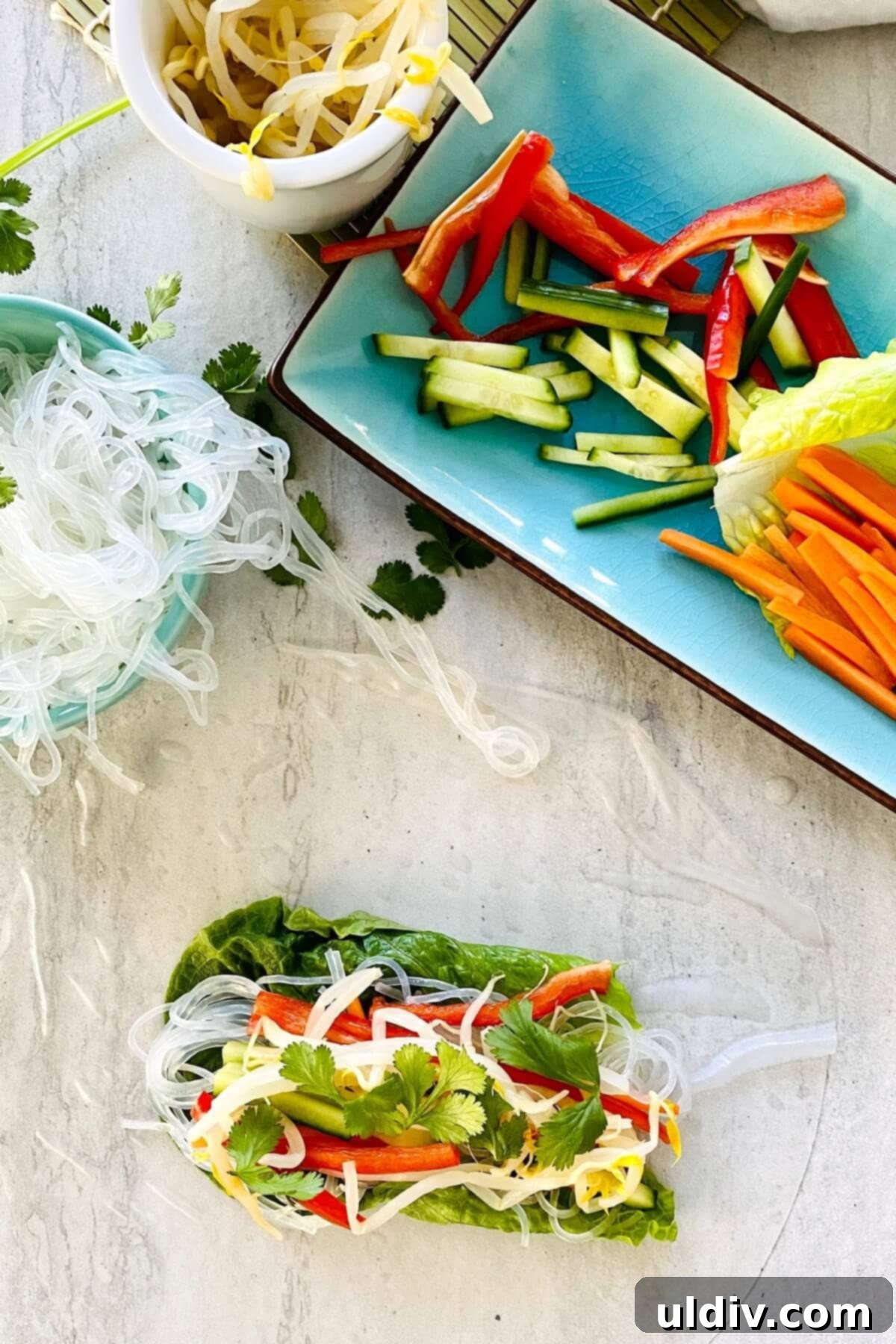
Step 4: Thoughtfully arrange the filling on the wrapper. On the lower half of your softened wrapper, carefully layer a lettuce leaf. This acts as a barrier and adds a lovely visual element. On top of the lettuce, stack a modest amount of your cooked thin bean threads, followed by the colorful matchsticks of carrots, cucumber, and red pepper. Finish with a handful of fresh bean sprouts and a few aromatic cilantro leaves. Avoid overfilling, as this can make the rolls difficult to close neatly.
Step 5: Master the art of rolling your spring roll. Begin by folding in the two sides of the wrapper over the assembled ingredients. Next, take the end of the wrapper closest to you and fold it tightly over the filling. Using your fingers, gently tuck the ingredients in to ensure the roll remains neat and snug. Continue to roll the wrapper upwards, away from you, applying gentle pressure to create a firm, cylindrical spring roll. Repeat this process for all remaining wrappers and fillings.
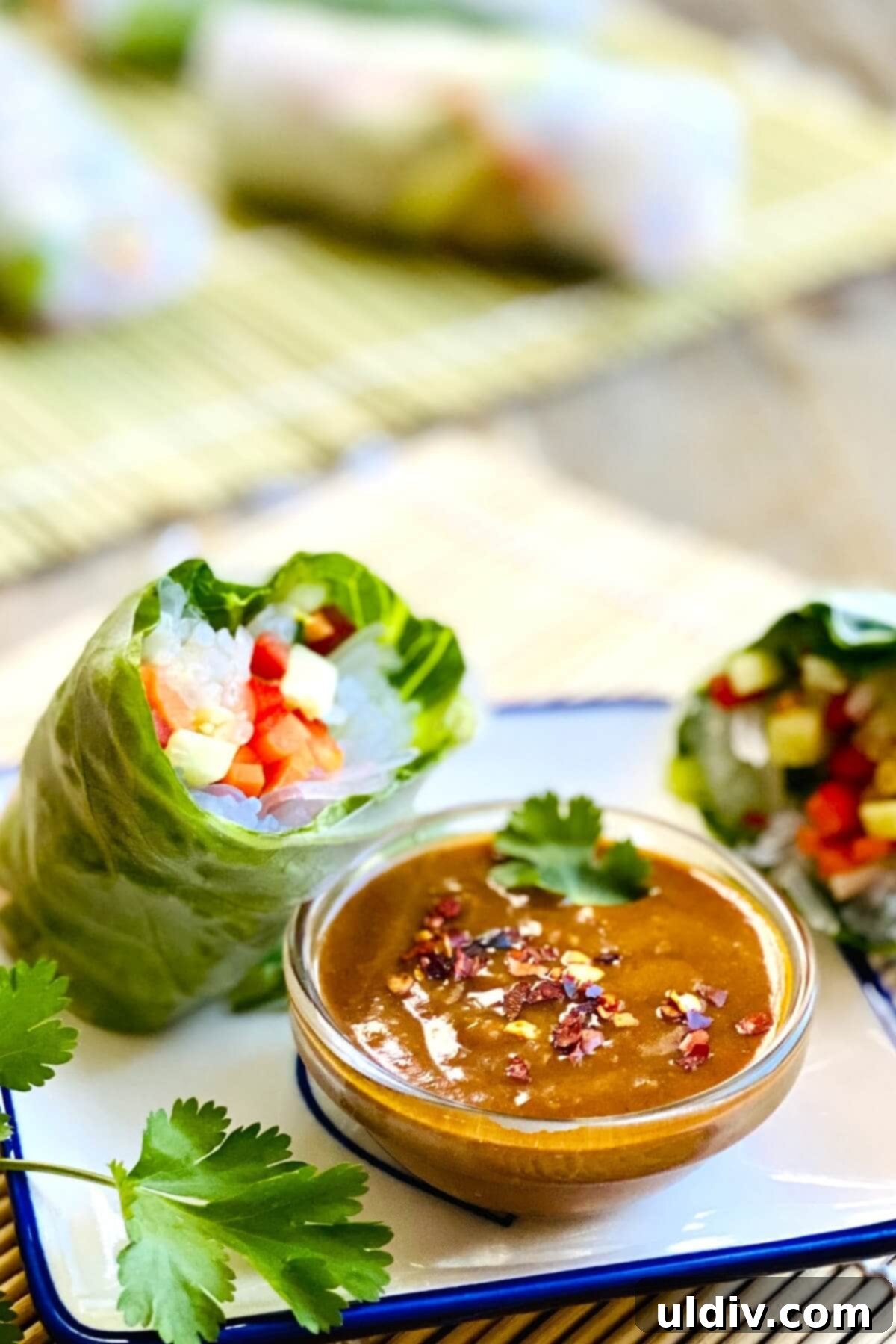
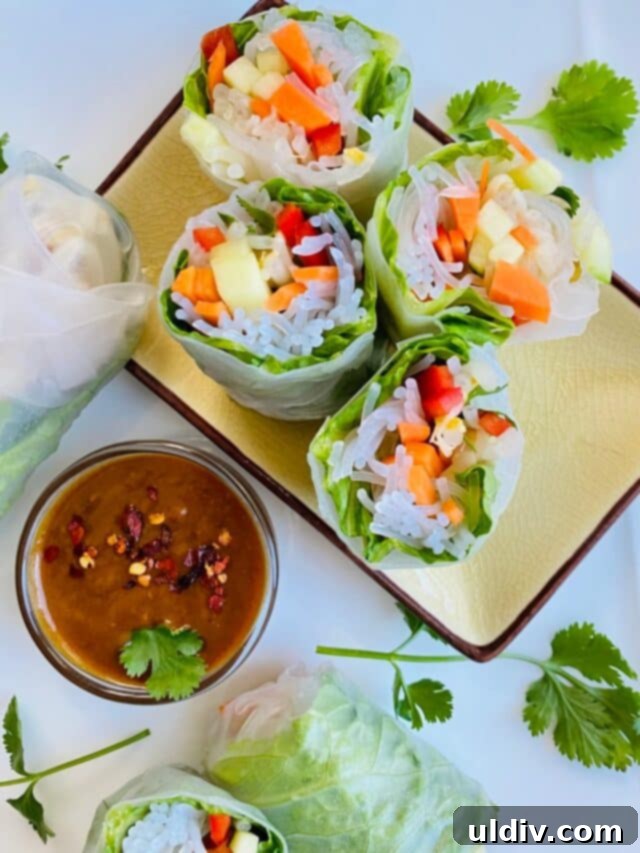
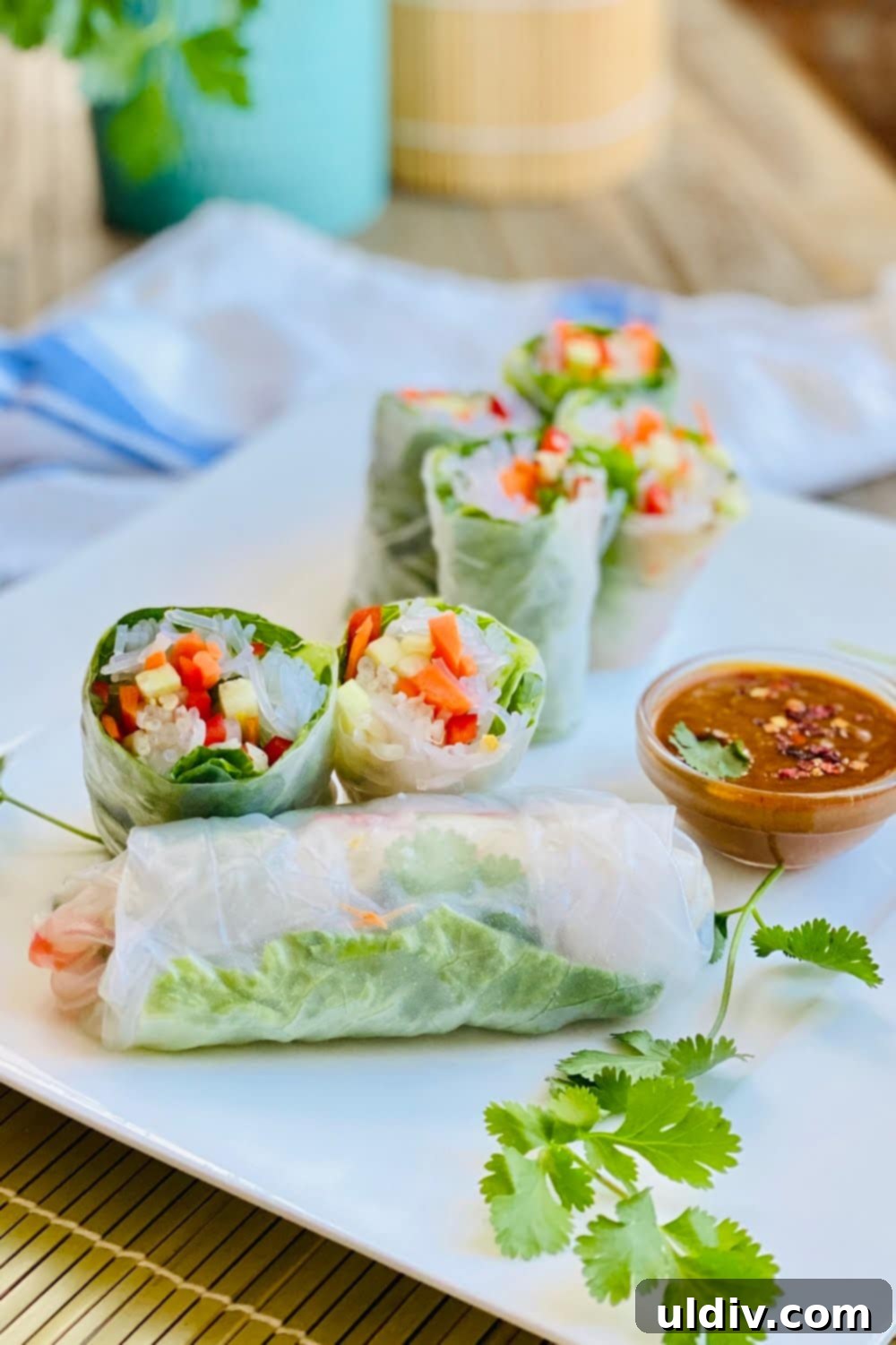
Step 6: Serve and savor your fresh creations. Once all your spring rolls are beautifully rolled, arrange them artfully on a decorative ceramic platter. You can serve them whole or, for a more elegant presentation and easier dipping, slice them in half diagonally. Present them alongside the prepared Peanut Sesame Dipping Sauce, allowing everyone to enjoy this fresh, vibrant, and delicious culinary experience.
Amy’s Expert Tips for Crafting Flawless Veggie Spring Rolls
Achieving perfectly rolled and flavorful spring rolls is simple with these helpful tips:
- Uniform Slicing is Key: Ensure all your vegetables are thinly sliced into consistent matchsticks, ideally 2 to 3 inches in length. This uniform size is crucial for both the aesthetic appeal and the ease of neatly assembling and rolling your spring rolls.
- Proper Noodle Preparation: When cooking the bean threads, boil them for approximately 3 to 5 minutes until tender. Immediately after cooking, rinse the noodles thoroughly with cold water. This crucial step prevents them from sticking together and helps maintain their individual strands. Furthermore, ensure they are drained exceptionally well to prevent any excess moisture from making your spring rolls soggy.
- Optimal Wrapper Softening: Quickly dip each spring roll wrapper in warm water for just a few seconds until it becomes soft and pliable. Be cautious not to leave them in the water for too long, as overly saturated wrappers can become excessively sticky and prone to tearing during the rolling process.
- Strategic Filling Placement: Always place your filling ingredients on the lower half of the spring roll wrapper. This positioning provides ample space for the initial fold and allows you to create a tight, secure roll without ingredients spilling out.
- Mastering the Roll: After placing the filling, fold in the two sides of the wrapper inward, then bring the end closest to you up and over the filling. As you continue to roll, use your fingers to gently tuck in the ingredients, ensuring the roll is snug and firm. A tightly rolled spring roll holds its shape beautifully and is much easier to eat.
- Work on a Damp Surface: A slightly damp cutting board or a clean, damp cloth can prevent the softened wrappers from sticking too much, making the rolling process smoother.
- Don’t Overfill: While tempting to pack in as many veggies as possible, overfilling can lead to ripped wrappers and difficulty rolling. Aim for a moderate amount of filling for easy, neat rolls.
Frequently Asked Questions About Fresh Spring Rolls
Absolutely! Fresh vegetable spring rolls are indeed a powerhouse of nutrition, essentially functioning as a vibrant, handheld salad. They are naturally low in calories and fat, yet generously packed with essential fiber, a wide array of vitamins, and vital minerals from all the fresh vegetables. To keep them optimally healthy, just be mindful of the quantity of peanut sesame dipping sauce, as it can add calories. These rolls are a fantastic way to enjoy a nutritious, satisfying meal without compromising on flavor.
These fresh spring rolls are designed to be served cold, maximizing the crispness and refreshing qualities of their raw vegetable fillings. This is a key distinction from fried egg rolls or fried spring rolls, which are traditionally served hot and crispy. The cool temperature enhances the vibrant flavors and textures, making them an ideal choice for a light lunch or a warm-weather appetizer.
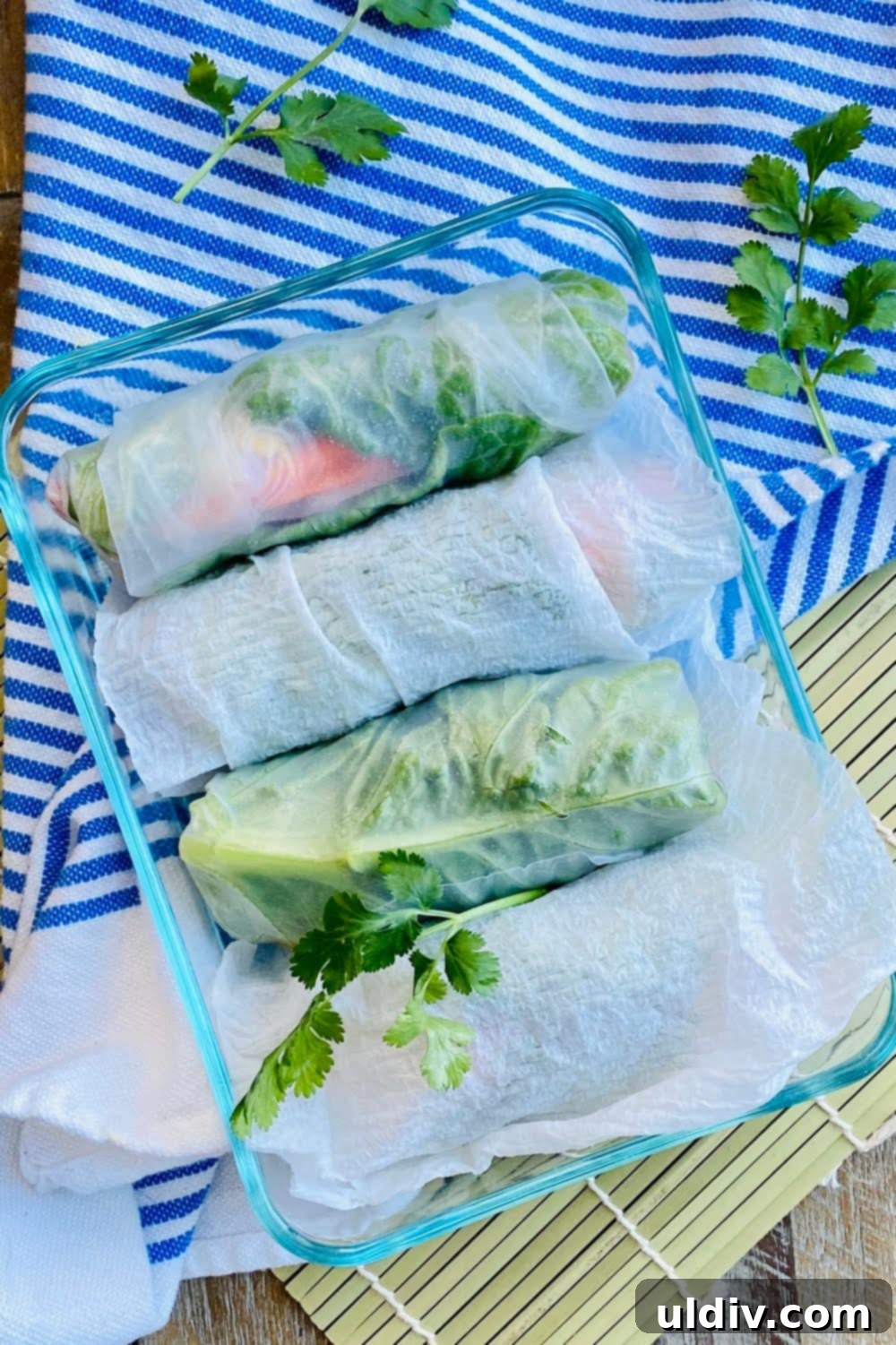
Yes, absolutely! This fresh spring rolls recipe is perfect for meal prepping and can be made up to 24 hours ahead of time without losing their delightful freshness. To store them properly, arrange the rolls on a large platter or within meal prep containers. It’s crucial to ensure there is a small amount of space between each roll, as the rice paper wrappers tend to stick together if they are too close. Lightly cover the rolls with a damp paper towel, then seal the container or platter with a sheet of plastic wrap to maintain moisture. Store them in the refrigerator until ready to serve. When you’re ready to enjoy, simply remove the paper towel and plastic wrap, perhaps garnish with a few fresh cilantro sprigs for an added touch, and serve with the accompanying dipping sauce.
Certainly! While this recipe focuses on vegetables, these fresh spring rolls are incredibly versatile. You can easily incorporate cooked, thinly sliced chicken, shrimp, pork, beef, or even tofu to boost the protein content and make them a more substantial meal. Ensure any protein added is cooled before rolling to maintain the freshness of the other ingredients.
Look for “rice paper wrappers” or “bánh tráng” typically found in the Asian section of your grocery store or at an Asian market. They usually come in round or square shapes and are very thin and brittle when dry. Make sure the package specifies they are for fresh spring rolls, as some are thicker and intended for frying.
Perfect Pairings: What to Serve with Vegetable Spring Rolls
While these fresh vegetable spring rolls are wonderfully satisfying on their own, they also pair beautifully with a variety of Asian-inspired dishes to create a more complete and diverse meal. Here are some fantastic suggestions:
- Garlic Sesame Noodles: The savory, umami-rich flavors of garlic sesame noodles complement the fresh crispness of the spring rolls perfectly, creating a balanced and delightful meal.
- Luxurious Lobster Noodles: Elevate your dining experience by serving these light spring rolls alongside rich and flavorful lobster noodles. The delicate seafood and fresh vegetables create a harmonious culinary ensemble.
- 30-Minute Baked and Glazed Teriyaki Turkey Meatballs: The sweet and savory notes of teriyaki meatballs offer a wonderful contrast to the fresh spring rolls, adding a hearty protein element that makes for a satisfying dinner.
- Spicy General Tso’s Meatballs: For those who enjoy a little heat, pairing your spring rolls with spicy General Tso’s meatballs creates an exciting flavor adventure. The coolness of the rolls perfectly balances the zest of the meatballs.
- Simple Steamed Rice: Sometimes, the best pairing is the simplest. A bowl of fluffy steamed rice can provide a comforting base that allows the vibrant flavors of the spring rolls to truly shine.
- Light Asian Soup: A clear broth soup, such as a simple miso soup or a clear vegetable broth, can be a soothing accompaniment, adding warmth and depth without overpowering the fresh flavors.
A Final Thought from Amy

Did you create this delicious recipe?
I would absolutely love to hear about your experience! Please let me know how it turned out by leaving a comment and a star rating below. Your feedback brightens my day! Don’t forget to share your culinary creations on Pinterest, Instagram, and Facebook, and be sure to tag me!
Happy cooking! ~ Amy
Recipe Card
Fresh Vegetable Spring Rolls Recipe
5 from 11 votes
Print
Pin
Rate
30 minutes
30 minutes
10
rolls
267
kcal
Amy Casey
Ingredients
For the Peanut Sesame Dipping Sauce:
- ¼ cup hoisin sauce
- 3 tablespoons smooth peanut butter
- 1 tablespoon reduced sodium soy sauce
- 1 teaspoon natural rice vinegar
- ½ teaspoon toasted sesame oil
- ¼ teaspoon red pepper flakes
- 2-3 tablespoons of warm water
For the Spring Rolls:
- 10 rice paper spring roll wrappers
- 5 large romaine or Boston bibb lettuce leaves torn in half
- 2 ounces cooked thin bean threads
- 2 medium carrots peeled and cut in 2-3 inch thin matchsticks
- ½ English cucumber cut in 2-3 inch thin matchsticks
- 1 red pepper cut in 2-3 inch thin matchsticks
- 1 14 ounce can bean sprouts, drained
- Fresh cilantro leaves
Instructions
-
In a small bowl, combine the hoisin sauce, peanut butter, soy sauce, rice vinegar, toasted sesame oil, and red pepper flakes. Stir with a fork until the sauce is smooth and well combined. Gradually stir in 2 to 3 tablespoons of warm water until the sauce reaches your desired smooth, dippable consistency. Set aside.
-
To begin assembling the spring rolls, ensure all your filling ingredients are prepped, chopped, and readily accessible on your work surface. Prepare a large, shallow dish or pie plate with warm water for softening the wrappers.
-
Immerse one rice paper spring roll wrapper in the warm water for approximately 5-7 seconds. The wrapper should become soft and pliable, but not overly saturated or sticky. Carefully transfer it to a clean, slightly damp work surface.
-
On the bottom half of the softened wrapper, place a single lettuce leaf. Layer a modest amount of the cooked bean threads, followed by the thin matchsticks of carrots, cucumber, red pepper, bean sprouts, and a few fresh cilantro leaves. Remember not to overfill.
-
To roll the spring roll, first fold in the two sides of the wrapper over the filling. Then, fold the bottom end of the wrapper (closest to you) tightly up and over the ingredients. Using your fingers, gently tuck in the ingredients as you continue to roll the wrapper upwards, away from you, creating a neat and snug cylindrical roll. Continue this filling and rolling process with the remaining wrappers and ingredients.
-
Arrange the finished spring rolls on a platter. Serve immediately with the prepared Peanut Sesame Dipping Sauce. You may cut them in half diagonally for an easier bite and a beautiful presentation.
Recipe Video
For a visual guide to making these delicious spring rolls, please check out the video demonstration available on my website!
Notes
- Ensure all vegetables are thinly sliced into 2 to 3-inch matchsticks. This slim size greatly assists in easy assembly and creates a neat spring roll.
- Cook the bean threads for 3 to 5 minutes in boiling water until tender. Rinse immediately with cold water to prevent sticking, and drain them thoroughly to avoid soggy rolls. These noodles are typically found in the Asian section of your grocery store.
- Allocate a large, clean work surface for assembling and rolling your vegetable spring rolls. This will make the process much smoother and more efficient.
- Quickly dip the rice paper wrappers in warm water to soften them. Over-soaking will make them too fragile and prone to tearing.
- Always place your chosen filling ingredients on the lower half of the spring roll wrapper. Fold in the two sides first, then roll the bottom end up and over, ensuring the roll is tight and snug for best results.
Nutrition
Serving:
2
rolls
|
Calories:
267
kcal
|
Carbohydrates:
38.8
g
|
Protein:
8.9
g
|
Fat:
7
g
|
Saturated Fat:
1.2
g
|
Sodium:
470
mg
|
Fiber:
3.2
g
|
Sugar:
9
g
Did you make this recipe?
Tag @amycaseycooks on Instagram so we can all admire your work!