
Addressing the Global Challenge of Food Waste: A Call to Action for Sustainable Living
In our increasingly interconnected world, the stark reality of food waste continues to be a pressing global issue, demanding our immediate attention and concerted efforts. Recent communications have served as an unsettling reminder of the sheer volume of edible food that is lost or discarded across the supply chain, ultimately contributing to significant environmental, economic, and social burdens.
According to comprehensive data compiled by the United Nations, a staggering 13.2 percent of all food produced globally is lost between the critical stages of harvest and its arrival at retail outlets. This “food loss” represents an enormous squandering of resources – land, water, energy, and labor – before the food even reaches consumers. Further compounding this problem is “food waste,” with an estimated 19 percent of total global food production being discarded in households, food service establishments, and retail sectors collectively. This means nearly one-fifth of the food that successfully navigates the initial stages of the supply chain is simply thrown away after it has been prepared for, or made available to, the end-user.
The situation is particularly pronounced in developed nations. The U.S. Department of Agriculture (USDA) estimates that between 30-40 percent of the entire food supply in the United States goes to waste. To put this into a tangible context, these losses translated to approximately 133 billion pounds and an astonishing $161 billion worth of food in 2010 alone. These figures, which have been consistently reaffirmed in numerous reports over the past decade, paint a vivid picture of systemic inefficiency and underscore the urgent need for more sustainable practices at every level, from farm to fork. The economic cost is immense, the environmental footprint significant, and the ethical implications profound, especially when considering global food insecurity.
From Personal Scarcity to Abundant Harvest: A Deep-Rooted Commitment to Preventing Waste
For me, the concept of food waste transcends mere statistics; it resonates on a profoundly personal level. My early years were marked by limited and often unpredictable access to food, an experience that instilled within me a deep-seated respect for every ingredient and a fervent aversion to waste. This formative background means that the sight of spoiled food or unnecessary discards is not just an inconvenience, but a stark reminder of past hardship. Consequently, I find myself genuinely upset on those rare occasions when I inadvertently allow food to spoil, instantly recalling the profound hunger and scarcity of my childhood.
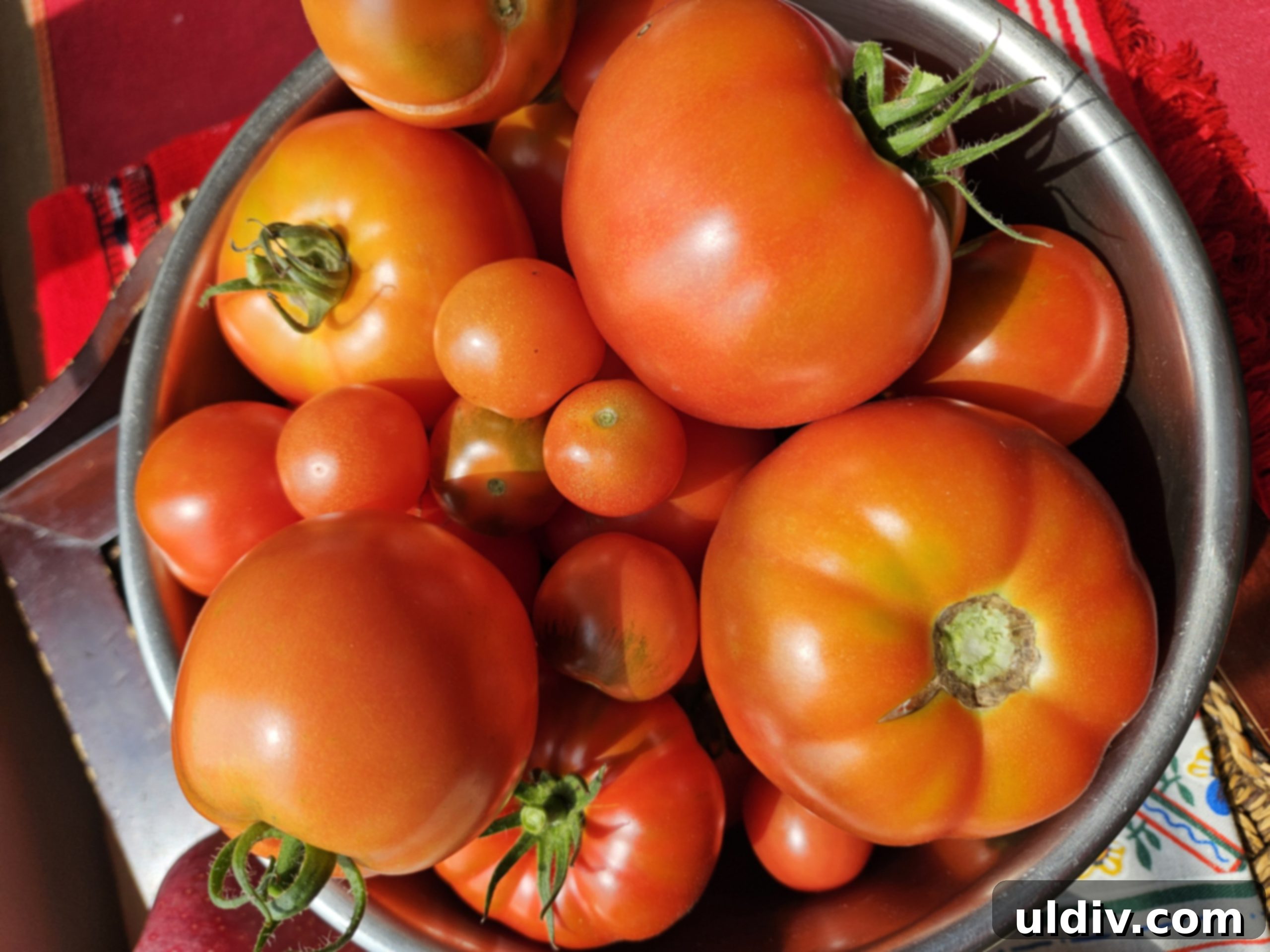
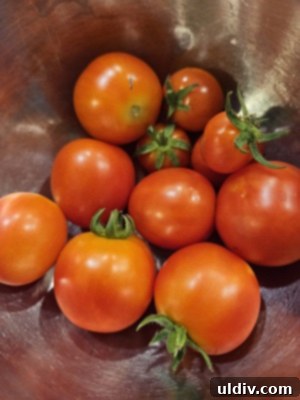
It was with these poignant memories and the unsettling global statistics firmly in mind that I recently found myself amidst an incredibly bountiful harvest from our garden. Specifically, our tomato plants have been overflowing, yielding an exceptional crop of ripe, juicy tomatoes. This abundance, while a joyous outcome of diligent gardening, also presents a delicious challenge: ensuring that not a single one of these vibrant fruits goes to waste. The sheer volume of tomatoes means that preserving them for future enjoyment is not just a culinary task but a personal commitment to the principles of sustainability and resourcefulness that have guided my life. My kitchen has, in essence, transformed into a mini-preservation factory, dedicated to extending the taste of summer well into the colder months.
Embracing Abundance: The Versatility of Freezing Tomatoes
With an exceptional yield of tomatoes from our garden this season, my primary strategy for preventing waste and ensuring year-round enjoyment is freezing. This method allows us to capture the fresh, vibrant flavors of summer and incorporate them into comforting soups, hearty stews, and rich sauces throughout the coming months, long after the garden has ceased producing. My personal approach to freezing tomatoes is straightforward and efficient: I thoroughly wash them, dice them into convenient pieces, and then freeze them with their skins still on. This minimalist technique saves preparation time while still yielding excellent results for most cooked applications.
However, the beauty of tomato preservation lies in its adaptability. The culinary world offers a spectrum of methods for freezing tomatoes, each with its own advantages tailored to specific needs and desired outcomes. Some individuals prefer to freeze tomatoes whole, often opting to peel them later once thawed, finding this method surprisingly efficient. Others undertake blanching prior to freezing, a technique primarily used to loosen the skins for effortless removal, resulting in a smoother product ideal for purees and refined sauces. Whether you choose to freeze them whole, diced, with or without skins, or after blanching, understanding these various techniques empowers you to select the best preservation strategy, ensuring that your garden’s bounty transforms into delicious and sustainable meals all year long.
Expert Insights: Simplifying Tomato Freezing for Every Home Cook
To ensure optimal preservation and quality when freezing tomatoes, turning to expert advice can provide invaluable guidance. Jessica Farthing of Southern Living offers practical and clear instructions, demystifying the process for home cooks of all experience levels. Her insights clarify common concerns and highlight the flexibility of freezing as a preservation method.
- Farthing emphasizes the inclusive nature of freezing, stating, “You can freeze any kind of tomato, from Roma to heirloom to cherry. That’s great news for busy home cooks as freezing is the easiest method of preserving tomatoes.” This versatility is incredibly beneficial, meaning that regardless of the specific varieties flourishing in your garden—be it the small, sweet cherry tomatoes or the large, meaty heirlooms—they are all prime candidates for successful freezing. This makes freezing an accessible and highly practical solution for managing any abundant tomato harvest.
- Addressing the common question of peeling, she advises, “You do not have to peel tomatoes before freezing. However, tomato skin can be more bitter than the sweet flesh of the fruit, making it less desirable for sauces. If you’d like those purees to be smooth, skinning is a great method to lessen the chunks found after cooking a whole tomato.” This insight is key for those prioritizing texture in their culinary creations. While skipping the peel saves time, opting for peeled tomatoes before or after freezing is a strategic choice for achieving silky-smooth sauces and purees, enhancing their overall palatability and presentation.
- The topic of blanching often causes confusion, but Farthing provides clear directives: “Blanching is perfect for easily peeling tomatoes before freezing. However while most vegetables, including corn on the cob, need to be blanched before freezing, it is not a requirement for tomatoes. If you’re using tomatoes within just a few months of freezing, you can skip the blanching method and just put them straight into the freezer after a good wash. If the tomatoes stay longer in cold conditions, the enzymes in the skin can change its color, texture, and flavor. It’s best to blanch if you’re planning on storing them for a while.” This detailed explanation clarifies that blanching serves a dual purpose: it aids in easier peeling and helps maintain the quality of tomatoes during prolonged freezer storage. For shorter storage periods, simply washing and freezing is perfectly acceptable, making the process highly adaptable to individual needs and storage durations.
Detailed Methods for Freezing Tomatoes: Maximizing Flavor and Longevity
To truly master the art of tomato preservation, understanding and applying various freezing techniques can significantly elevate your culinary output. Each method is designed to cater to different end-uses, ensuring your preserved tomatoes are perfectly suited for your favorite recipes.
1. Freezing Whole Tomatoes (Blanched or Unblanched)
This method offers the ultimate simplicity. For unblanched whole tomatoes, begin by washing them thoroughly and removing the core. Arrange them in a single layer on a parchment-lined baking sheet, ensuring they do not touch, and freeze until completely solid. Once frozen, transfer the individual tomatoes to durable freezer-safe bags or containers, expelling as much air as possible to minimize freezer burn. This technique is particularly convenient as the skins will easily slip off once the tomatoes are thawed, or even during the cooking process. For those who prefer blanched whole tomatoes, score an “X” on the bottom of each tomato, immerse them in boiling water for 30-60 seconds, then immediately plunge them into an ice bath. This process facilitates effortless skin removal before freezing, yielding perfectly peeled whole tomatoes ideal for smooth sauces without further straining.
2. Freezing Diced or Chopped Tomatoes
Pre-dicing your tomatoes before freezing can be a remarkable time-saver for future meal preparation. After washing and coring, dice the tomatoes to your desired size. Spread the diced pieces in a single layer on a parchment-lined baking sheet and freeze until they are individually solid. This crucial step prevents the tomatoes from clumping together in the freezer, allowing you to scoop out precisely the amount needed for any recipe. Once frozen solid, transfer them to freezer bags or airtight containers. This method is exceptionally useful for applications like stews, chilis, salsas, and any dish requiring uniform tomato pieces.
3. Freezing Tomato Puree or Sauce Base
For those who frequently prepare homemade sauces, freezing tomatoes as a puree or a foundational sauce base offers unparalleled efficiency and flavor. Begin by washing, coring, and roughly chopping your tomatoes. Cook them gently until they soften, then process them through a food mill or blend them until a smooth consistency is achieved. You can choose to lightly season the puree at this stage or keep it plain, adding versatility for future recipes. Once cooled, pour the puree into freezer-safe containers, ice cube trays for smaller portions, or freezer bags, remembering to leave sufficient headspace for expansion. Freezing in pre-measured increments, such as 1-cup or 2-cup portions, simplifies meal prep, allowing for quick integration of garden-fresh flavor into a variety of dishes.
4. Freezing Roasted Tomatoes
Roasting tomatoes prior to freezing is an excellent way to intensify their natural sweetness and create a deeper, more complex flavor profile, perfect for gourmet applications. Halve or quarter your tomatoes, then toss them with a drizzle of olive oil, a pinch of salt, freshly ground black pepper, and optional herbs like oregano or thyme. Roast them in the oven until they are beautifully caramelized and slightly shriveled. Allow the roasted tomatoes to cool completely before arranging them on a baking sheet and freezing until solid. Once frozen, transfer them to freezer bags or containers. These flavor-packed roasted tomatoes are exceptional additions to pasta sauces, a gourmet topping for bruschetta, or a robust component in roasted vegetable medleys.
Preventing Mushiness and Preserving Optimal Quality in Frozen Tomatoes
A common apprehension among home cooks regarding frozen tomatoes is the potential for them to become “mushy” upon thawing. This textural alteration is largely attributable to the high water content of tomatoes. When water inside the fruit freezes, it expands, forming sharp ice crystals that can rupture the delicate cell walls. Upon thawing, these damaged cells release their internal moisture, leading to a softer, less firm texture compared to fresh tomatoes.
While some degree of textural change is indeed an inherent characteristic of freezing high-water-content produce like tomatoes, it rarely compromises their suitability for cooked applications. In fact, for purposes such as creating sauces, soups, stews, or casseroles, this softer texture can actually be an advantage, as the tomatoes break down more readily and integrate seamlessly into the dish. To further mitigate mushiness, particularly for recipes where some structural integrity is desired, ensure that your tomatoes are frozen as quickly as possible. Spreading them in a single layer on a baking sheet before transferring them to bags helps achieve rapid freezing. Additionally, consider incorporating frozen tomatoes directly into hot dishes without prior thawing; this can sometimes help maintain a slightly firmer texture as they cook.
For more granular, step-by-step instructions and insightful tips specifically aimed at preventing your valuable tomato harvest from becoming overly mushy, I highly recommend consulting Jessica Farthing’s detailed article. Her comprehensive guide, “5 Ways to Freeze Tomatoes so They Won’t Get Mushy” (published on August 8, 2025), offers invaluable strategies for maximizing the quality and utility of your frozen produce.
Beyond the Freezer: A Holistic Approach to Reducing Household Food Waste
While efficiently freezing our garden’s bounty, particularly an abundant tomato harvest, is a fantastic and impactful step towards sustainability, reducing food waste is a much broader and more comprehensive endeavor. It requires cultivating a mindful and responsible relationship with our entire food supply, from planning to plate. Embracing a holistic approach to food waste prevention involves a series of practical strategies that extend far beyond simply preserving seasonal produce:
- Smart Meal Planning: The cornerstone of waste reduction begins with careful planning. By mapping out meals for the week, creating precise shopping lists, and sticking to them, we can avoid impulse purchases and ensure that every ingredient bought has a purpose, thereby minimizing the likelihood of food expiring before it can be used.
- Optimal Food Storage: Understanding the best storage conditions for different types of food can dramatically extend their freshness. Proper refrigeration, pantry organization, and airtight containers are crucial for keeping produce, dairy, and leftovers viable for longer periods.
- Deciphering Date Labels: Familiarize yourself with the nuances of “best by,” “use by,” and “sell by” dates. Often, food is still perfectly safe and delicious to consume well past its “best by” date, which typically refers to peak quality rather than safety. Trusting your senses—smell, sight, and touch—is often a better indicator.
- Creative “Root-to-Stem” Cooking: Embrace the philosophy of utilizing every edible part of your produce. Vegetable scraps can become flavorful broths, fruit peels can be used for infusions or zests, and slightly wilted greens can be revived in cooked dishes like stir-fries or soups. This approach maximizes the value of your ingredients.
- Composting Organic Waste: For unavoidable food scraps and spoiled items, composting is an environmentally friendly alternative to landfill disposal. Composting enriches soil, reduces greenhouse gas emissions, and creates valuable organic matter for gardens.
- Mindful Portion Control: Cooking and serving appropriate portion sizes can prevent excessive leftovers that might ultimately go uneaten. If leftovers are inevitable, ensure they are stored correctly and consumed promptly, or repurposed into new meals.
- Community Food Sharing & Donation: If you find yourself with a surplus of non-perishable goods or garden produce that you cannot consume, consider donating to local food banks, community pantries, or sharing with neighbors. This not only reduces waste but also supports food security within your community.
Each of these actions, no matter how minor they may seem individually, contributes significantly to the overarching goal of combating food waste and fostering a more sustainable, equitable food system. The journey towards a waste-free kitchen is a collective effort that begins with conscious choices in our own homes and gardens.
Exploring More Tomato-Inspired Delights: Recipes and Reviews
My culinary adventures frequently revolve around the incredible versatility and delightful flavors of tomatoes, whether they are freshly picked from the garden or carefully preserved for later enjoyment. For those eager to delve deeper into the world of this beloved fruit (yes, botanically, it’s a fruit!), I have compiled a selection of past reviews, detailed recipes, and helpful suggestions. This collection covers a wide range of tomato-centric content, from understanding different tomato varieties to crafting comforting dishes with canned tomatoes and vibrant, fresh salads:
- Discover the distinctions between Determinate vs. Indeterminate Tomatoes, guiding your gardening choices for optimal yields.
- Explore the art of cooking with premium San Marzano Canned Tomatoes to create truly comforting and perfectly flavored dishes.
- Journey through the world of quality Canned Tomatoes from Europe, offering insights into their rich flavors and culinary applications.
- Uncover a delightful recipe for Chicken, Tomato, and Arugula Salad, an ideal side dish or light main course, especially for summer gatherings.
- Celebrate the freshness of seasonal produce with a recipe for Delicious Salmon with Heirloom Tomatoes and Millet, emphasizing vibrant flavors and healthy eating.
- Read a comprehensive review of Red Gold Tomatoes, complete with inspiring grilling recipes and exciting giveaway opportunities.
- Indulge in comfort food decadence with another review featuring Red Gold Tomatoes, offering heartwarming slow cooker recipes perfect for any season.
Join the Conversation: Share Your Strategies for Preventing Food Waste!
The journey towards cultivating a more sustainable, waste-free kitchen is a continuous path of learning and shared discovery. I firmly believe in the collective power of knowledge and experience. Your insights are incredibly valuable in this ongoing endeavor. I am always eager to uncover new strategies, innovative approaches, and ingenious tips that help us all minimize our environmental footprint and maximize our culinary resources.
Therefore, I invite you to actively participate in this conversation. What are your go-to methods for handling an excess tomato harvest each season? Do you possess a unique technique for freezing them, or perhaps a creative recipe that beautifully utilizes an abundance of garden produce? Beyond tomatoes, what are your most effective and cherished strategies for preventing food waste in your daily life? Please share your invaluable insights, practical tips, and favorite recipes in the comments section below. Let’s inspire one another to make a greater, more positive impact in reducing food loss and promoting mindful consumption, ensuring that every piece of food is cherished and utilized to its fullest potential.