
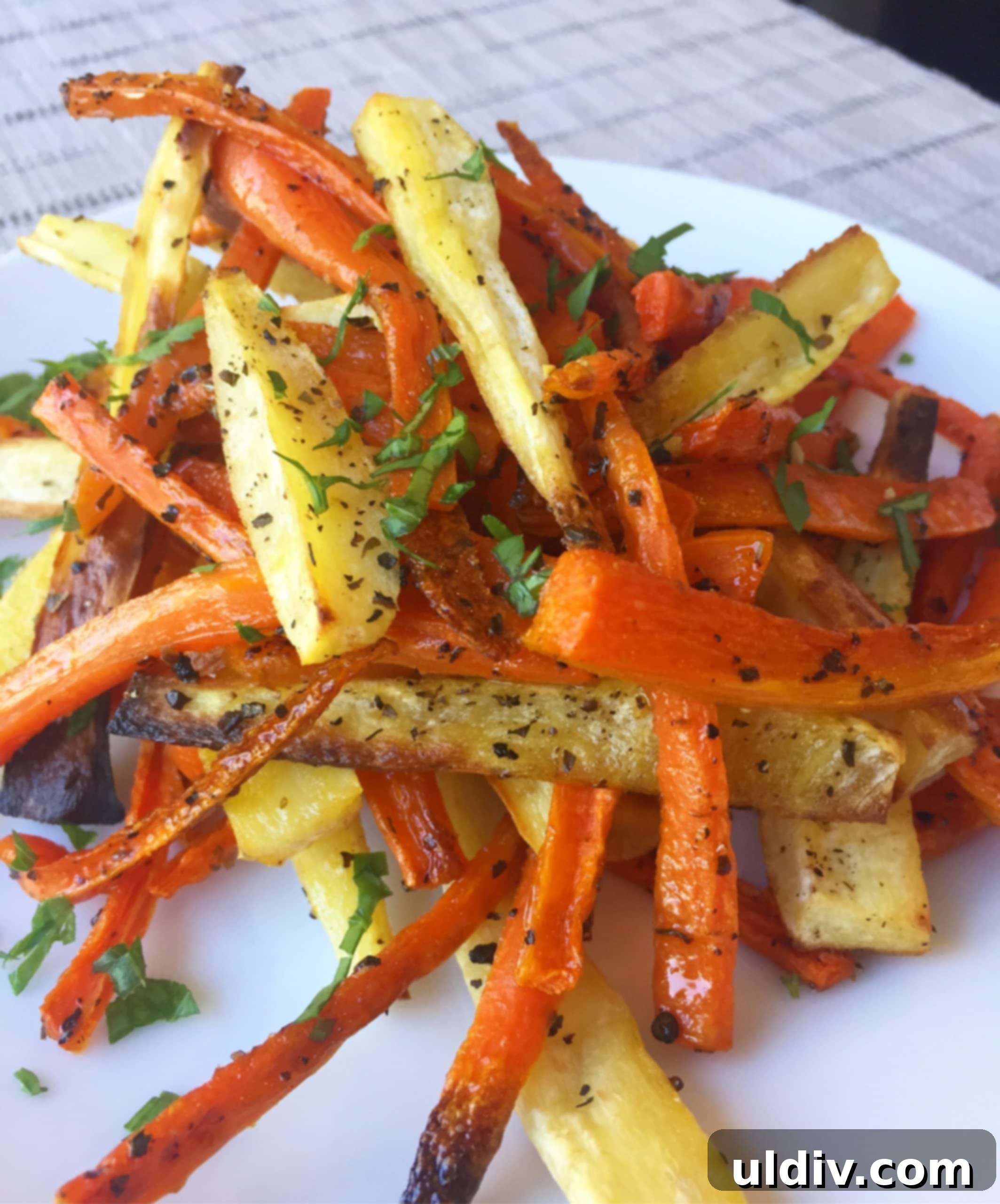
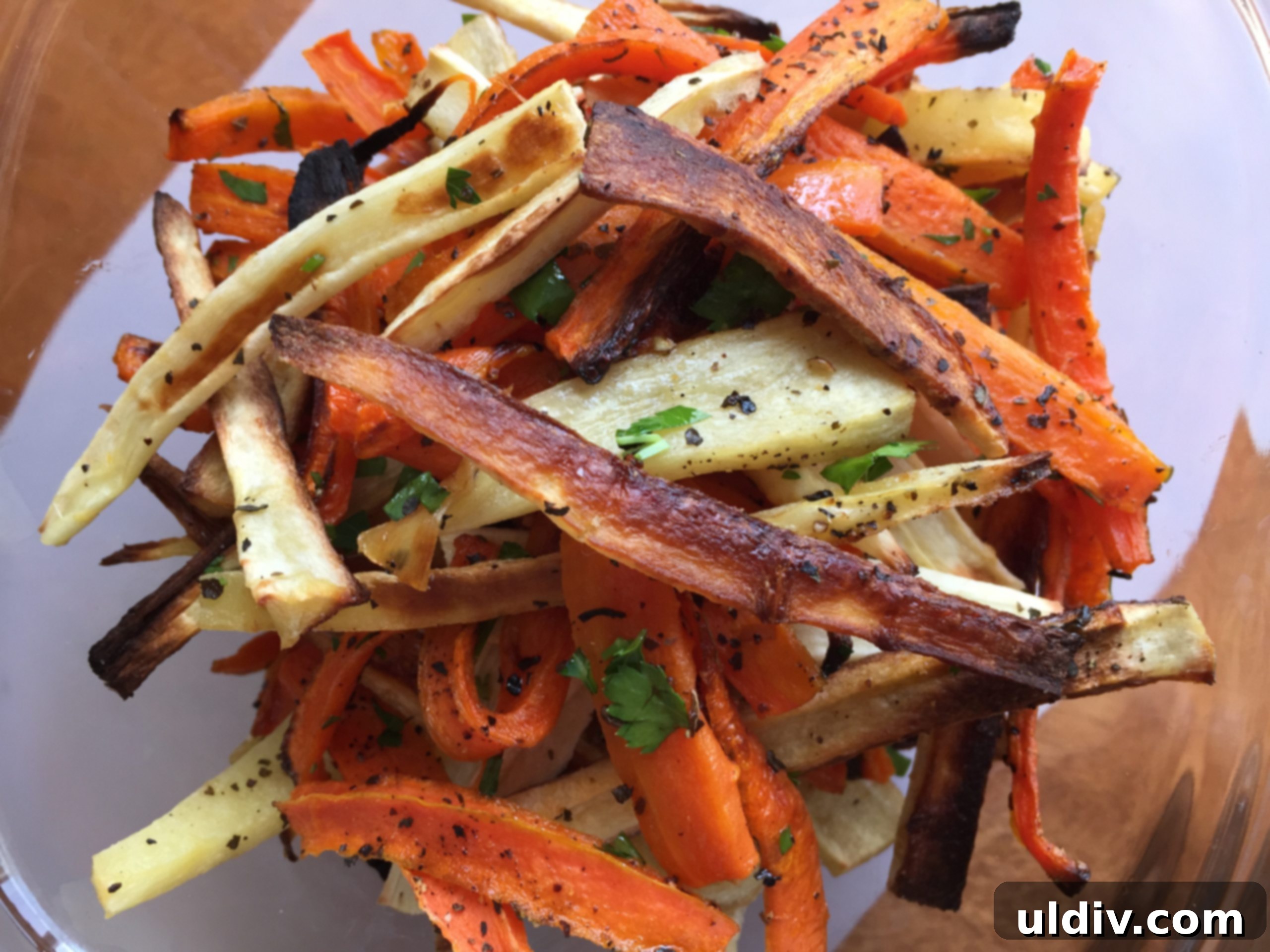
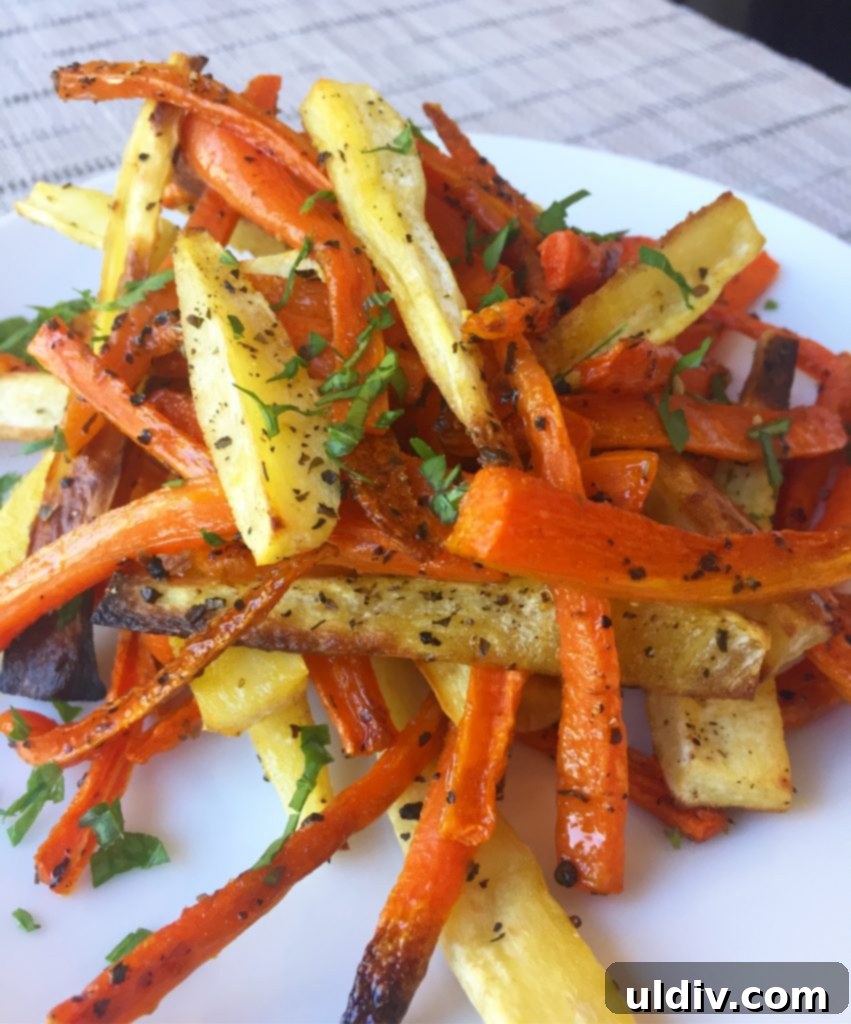
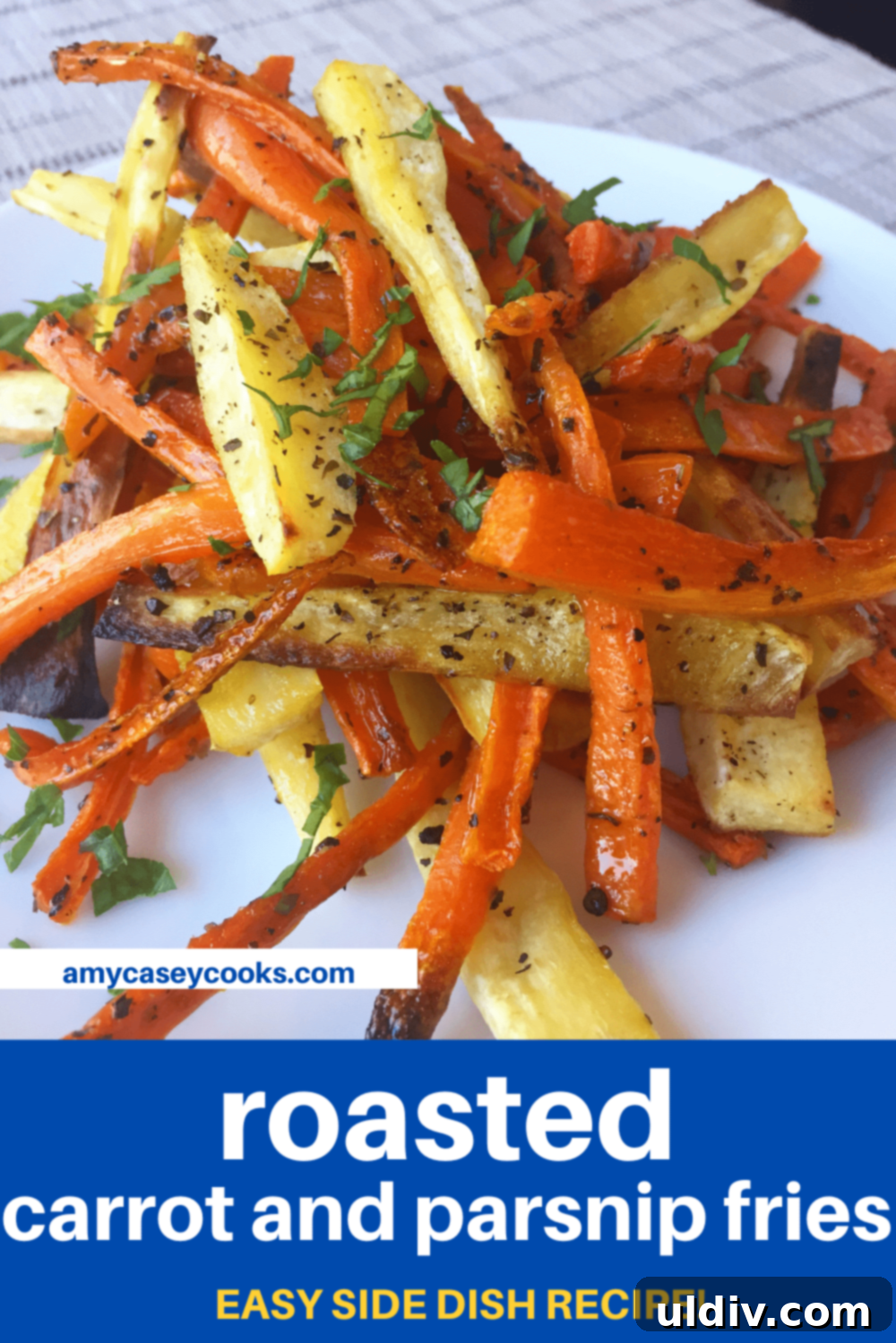
Unlock a world of intense flavor and effortless cooking with our guide to making the most delicious **Roasted Carrot and Parsnip Fries**. This incredibly simple yet remarkably satisfying side dish will revolutionize your busy weeknights. Imagine slender matchstick-cut carrots and parsnips, lightly coated in the finest extra virgin olive oil, seasoned perfectly with kosher salt and freshly ground black pepper, then roasted to golden-brown perfection on a scorching hot baking sheet. The result? A naturally sweet, slightly smoky, and wonderfully crispy vegetable “fry” that your entire family will absolutely adore. Forget the deep fryer; these oven-roasted beauties offer a healthier, equally delicious, and hands-off alternative that brings out the best in these humble root vegetables.
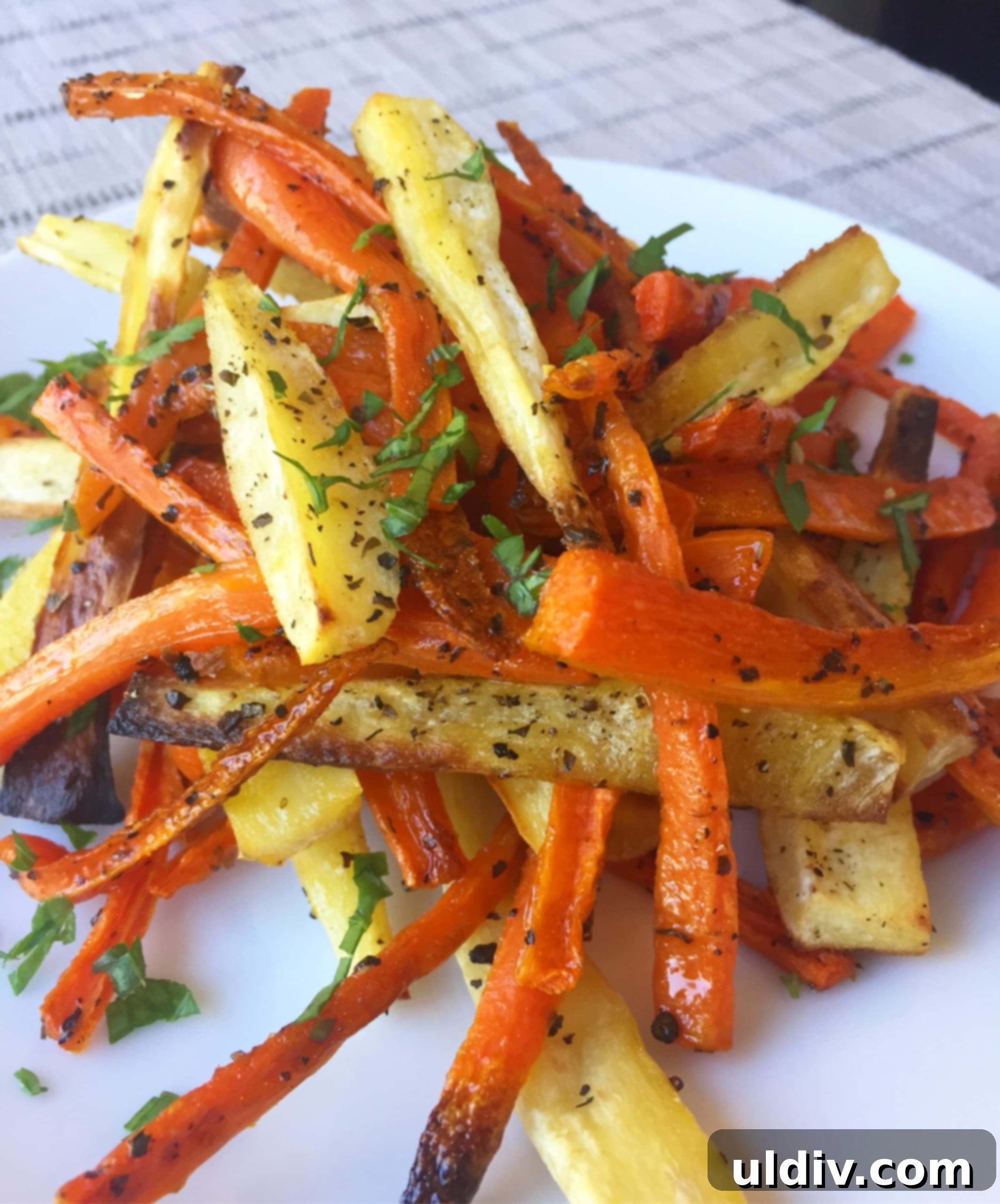
In today’s fast-paced world, finding time for elaborate meal preparation can feel like an Olympic sport. Many of us are juggling multiple responsibilities, making the idea of spending hours in the kitchen daunting. This is precisely why embracing hands-off cooking methods has become a cornerstone of my dinner routine. Dishes like sheet pan dinners, comforting slow cooker entrees, and convenient one-pot meals are not just trends; they are lifesavers for busy households, providing delicious, wholesome food without constant attention.
Among these culinary heroes, a large baking sheet laden with perfectly roasted vegetables stands out as a personal go-to side dish. These aren’t just any roasted vegetables; our featured Roasted Carrot and Parsnip Fries exemplify the ideal blend of minimal effort and maximum flavor. From the moment of prep to the joy of serving, they demand barely any attention, allowing you to focus on other tasks or simply relax while your oven does all the hard work. This recipe is more than just food; it’s a testament to smart, efficient cooking that doesn’t compromise on taste or nutrition.
The beauty of roasting vegetables lies in its utter simplicity and the profound transformation it imparts. With just a few basic ingredients – a generous drizzle of good quality oil, a sprinkle of salt and pepper, a trusty baking sheet, and a scorching hot oven – you can elevate almost any vegetable from ordinary to extraordinary. This method relies on high heat to coax out the inherent sweetness of vegetables, while simultaneously creating enticing caramelization and a wonderfully smoky, charred exterior. It’s a culinary magic trick that enhances texture and depth, turning humble produce into a gourmet experience. Whether it’s potatoes, asparagus, bell peppers, or tomatoes, roasting delivers a flavor punch that is hard to beat, making it an indispensable technique for any home cook looking to amplify their dishes.
The Culinary Magic of Roasting: Intensifying Flavors Naturally
Roasting is more than just cooking; it’s a flavor-enhancing art form. When vegetables are exposed to high heat in the oven, a series of chemical reactions, most notably the Maillard reaction and caramelization, occur. These processes are responsible for developing the rich, complex flavors and appealing golden-brown hues that make roasted vegetables so irresistible. The natural sugars within the vegetables caramelize, imparting a sweet, nutty, and slightly smoky depth that simply can’t be achieved through steaming or boiling. This transformative power makes roasting an ideal method for bringing out the very best in vegetables, creating a side dish that’s both nutritious and incredibly satisfying.
Why Carrots and Parsnips Make the Perfect Pair
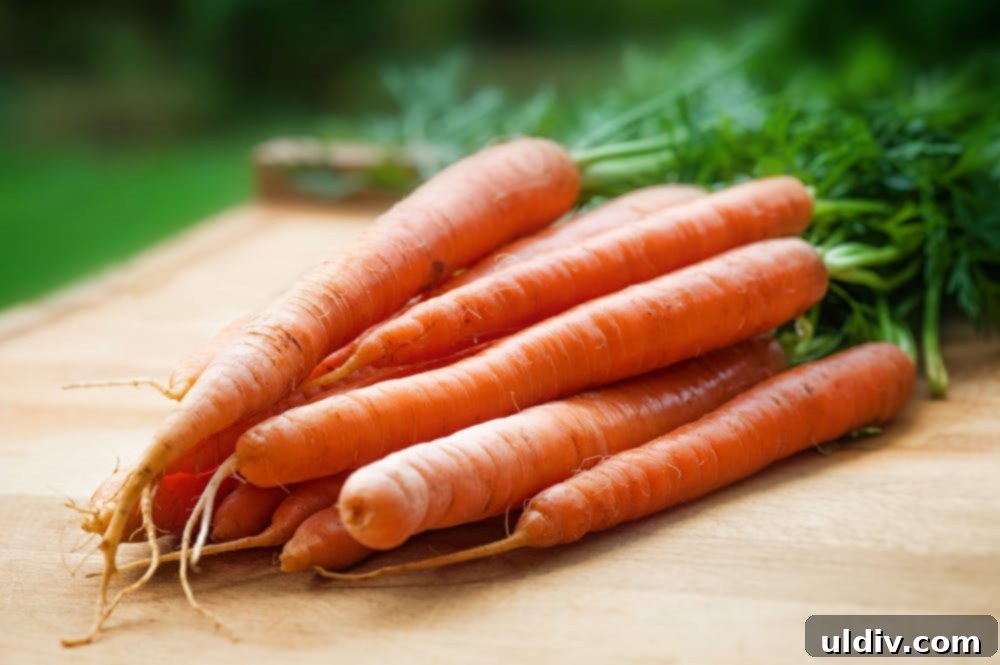
Carrots and parsnips are often overshadowed by their more glamorous vegetable counterparts, but they truly shine when roasted. Both are root vegetables with distinct yet complementary profiles. Carrots offer a vibrant color and a pronounced sweetness, along with a satisfying crunch when raw. Parsnips, on the other hand, boast a unique earthy, slightly nutty, and subtly spicy flavor with a creamier texture when cooked. When roasted together, their individual characteristics meld beautifully, creating a harmonious symphony of sweet, earthy, and savory notes. Not only are they delicious, but both carrots and parsnips are also packed with essential vitamins, minerals, and fiber, making this side dish a healthy choice for any meal.
Understanding How to Roast Soft and Hard Vegetables for Optimal Results
Achieving perfectly roasted vegetables consistently hinges on understanding their varying densities and water content. The golden rule for successful roasting is to group similar vegetables together based on their cooking times. This simple strategy prevents softer vegetables from becoming mushy while denser ones remain undercooked.
- Hard, Dense Vegetables: Root vegetables such as sweet potatoes, regular potatoes, carrots, parsnips, and beets are categorized as hard and dense. Their lower water content and firmer structure mean they require a longer roasting time to become tender and beautifully caramelized. Typically, these vegetables will roast anywhere from 25 to 60 minutes, depending on how thickly they are cut. For a tender-crisp texture, aim for consistent, smaller cuts. A consistent oven temperature of 425 degrees Fahrenheit (220 degrees Celsius) is generally ideal for breaking down their fibers and achieving that desired internal tenderness and external crispiness.
- Softer Vegetables: In contrast, vegetables like zucchini, mushrooms, broccoli florets, cauliflower, bell peppers, and cherry tomatoes have a higher water content. This characteristic allows them to cook much more quickly, typically becoming tender and slightly charred in just 15 to 20 minutes. Roasting these alongside harder vegetables would lead to them becoming overcooked and soggy. It’s crucial to roast them separately or add them to the baking sheet during the last 15-20 minutes of cooking if combining with denser vegetables. Using the same high oven temperature of 425 degrees Fahrenheit (220 degrees Celsius) works wonders for softer veggies too, ensuring they caramelize quickly without losing their structure entirely.
By respecting these differences and grouping your vegetables accordingly, you can ensure every bite of your roasted assortment is perfectly cooked, boasting an appealing texture and maximized flavor.
Expert Tips for Achieving Perfectly Roasted Vegetables Every Time
Transforming ordinary vegetables into extraordinary culinary delights through roasting is a skill easily mastered with a few key techniques. These expert tips will help you achieve that coveted crispy exterior and tender interior, enhancing the natural flavors of your produce with every batch.
- Uniform Cutting is Key: The cornerstone of even cooking is cutting your vegetables into similar sizes and shapes. Whether you prefer cubes, wedges, or, as in the case of our Roasted Carrot and Parsnip Fries, thin matchstick pieces, consistency is paramount. Irregularly cut vegetables will result in some pieces being perfectly cooked while others are either burnt or still raw. For our fries, aiming for approximately ½ inch thick by 3 inches long ensures each piece cooks evenly and crisps up beautifully. This attention to detail guarantees a uniform texture and flavor in every bite.
- Don’t Skimp on the Oil: Oil is not just a coating; it’s a conductor of heat and a flavor enhancer. Toss your cut vegetables generously with enough extra virgin olive oil (or your preferred high-heat oil) until they glisten with a beautiful shimmer. The oil is essential for promoting browning, crisping the edges, and carrying the seasoning. It creates a barrier that prevents sticking and helps to distribute heat evenly, resulting in those irresistible golden-brown spots and a rich, satisfying flavor.
- Preheat the Baking Sheet: For an immediate head start on crispiness, always preheat your baking sheet along with the oven. Placing cold vegetables directly onto a hot surface creates an instant sizzle, which prevents steaming and encourages rapid caramelization. This initial burst of intense heat locks in moisture while simultaneously creating that desirable crispy exterior, a hallmark of perfectly roasted vegetables.
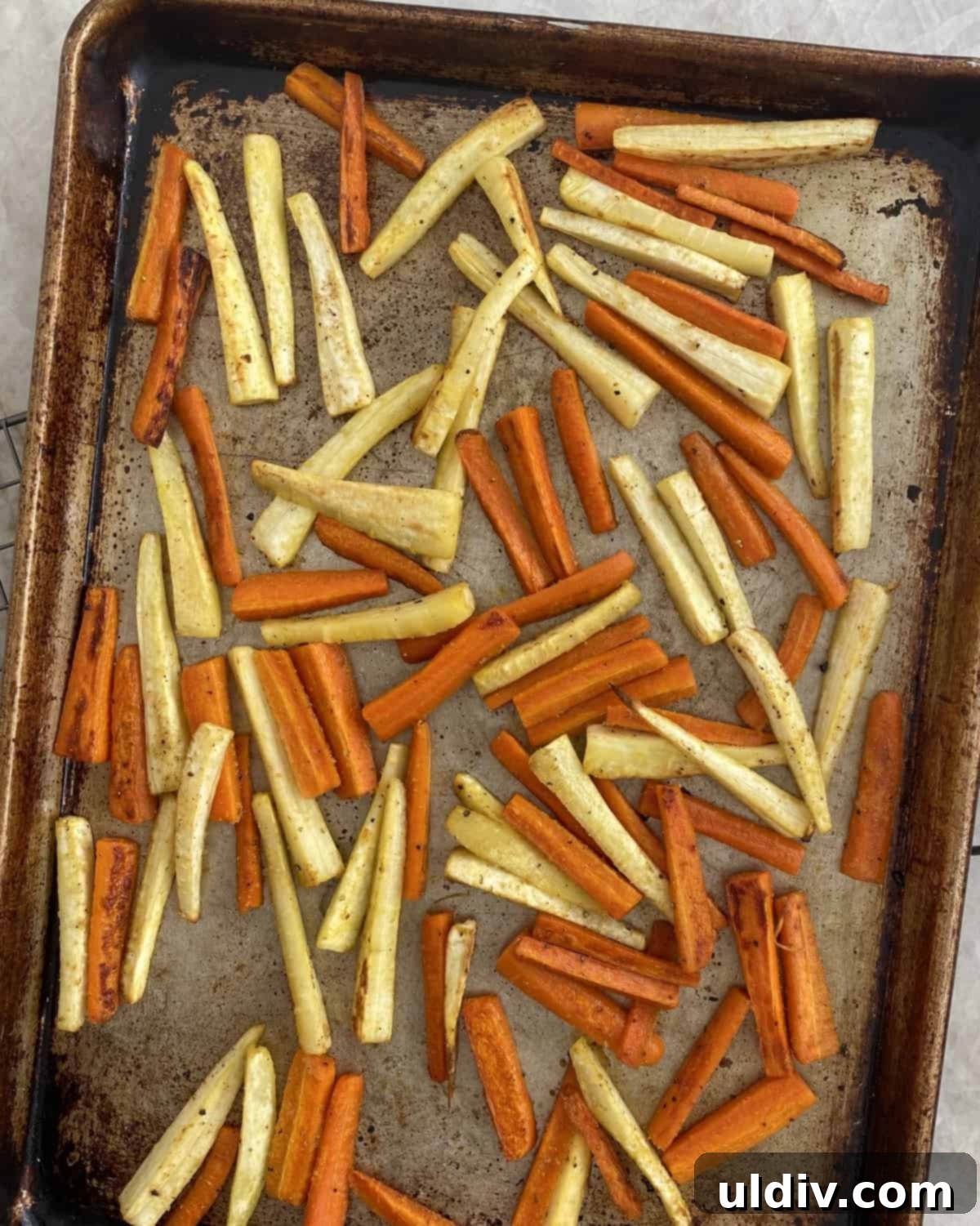
- Avoid Crowding the Baking Sheet: This is arguably one of the most crucial tips. When a baking sheet is overloaded, the vegetables release moisture, which then gets trapped on the pan. Instead of roasting, the vegetables end up steaming, becoming soft and soggy rather than crispy and caramelized. To prevent this, spread your vegetables in a single layer with ample space between each piece. If you’re cooking a large batch, it’s always better to use two baking sheets or roast in batches. Air circulation is vital for achieving that beautiful golden-brown crispness.
- Flip Halfway Through: To ensure even cooking and browning on all sides, give your vegetables a good flip or stir about halfway through the roasting time. This simple action exposes different surfaces to the direct heat of the baking sheet, promoting consistent caramelization and a more uniform crispy texture throughout the batch.
- Season Wisely and After Roasting: While a foundational seasoning of salt and pepper is applied before roasting, consider a final flourish when the vegetables emerge from the oven. Tossing the hot roasted vegetables with fresh herbs like parsley, thyme, or rosemary adds a burst of fresh flavor and aromatic appeal. This is also the ideal moment to taste and adjust the seasoning with additional salt and pepper, or even a squeeze of lemon juice, allowing the flavors to truly pop.
Armed with these comprehensive insights and practical steps for roasting vegetables, you have endless possibilities for creating vibrant, flavorful, and nutritious side dishes. Don’t hesitate to experiment with different vegetable combinations, an array of herbs, and various spice blends to produce your own unique and signature roasted creations. Roasting is a forgiving technique that rewards creativity and boldness in the kitchen.
More Delicious and Healthy Vegetable Dishes to Explore
If you love the simplicity and flavor of these Roasted Carrot and Parsnip Fries, you’re in for a treat! Discover other fantastic ways to enjoy vegetables, transforming them into exciting main courses or delightful side dishes:
- Baked Crispy Oven Fries: Perfect for when you’re craving classic potato fries, but want a healthier, oven-baked version that still delivers on crunch and taste.
- Crispy Garlic Broiled Broccoli: A quick and easy method to get tender-crisp broccoli florets with a delightful garlic kick.
- Cheddar Stuffed Potatoes: A hearty and comforting dish, ideal as a side or a light meal, featuring fluffy baked potatoes loaded with cheesy goodness.
- Slow Cooker Summer Ratatouille: Embrace the flavors of the Mediterranean with this hands-off, vibrant vegetable stew that’s perfect for using up seasonal produce.
Recipe: Roasted Carrot and Parsnip Fries
Roasted Carrot and Parsnip Fries
Print Recipe
Pin Recipe
Rate Recipe
Ingredients
- 1 pound carrots peeled
- 1 pound parsnips peeled
- 2 tablespoons olive oil
- ½ teaspoon garlic powder
- 1 teaspoon salt
- ½ teaspoon pepper
- 2 tablespoons chopped fresh parsley
Instructions
-
Preheat your oven to 425 degrees Fahrenheit (220°C). Place a large, rimmed baking sheet on the lowest oven rack while the oven heats up. This allows the pan to get piping hot, which is crucial for achieving crispy results.
-
Carefully peel both the carrots and parsnips. Cut them into thin, uniform “fries” that are approximately ½ inch thick and 3 inches long. The consistency in size is important for even cooking. Place the cut vegetables into a large mixing bowl. Add the olive oil, garlic powder, salt, and pepper. Toss vigorously until all the vegetables are evenly coated and glistening.
-
Once the oven is fully preheated, carefully remove the hot baking sheet from the oven. Spread the seasoned carrots and parsnips in a single layer on the baking sheet, ensuring they are not crowded. Return the pan to the oven and roast for approximately 25 to 30 minutes. Halfway through the roasting time (around 12-15 minutes), remove the pan and use a spatula to flip the fries, ensuring even browning and crispiness. Continue roasting until the fries are cooked through, tender on the inside, and beautifully crispy and golden brown in spots on the outside.
-
Once perfectly roasted, remove the fries from the oven. Transfer them to a serving bowl. Sprinkle generously with fresh chopped parsley, which adds a vibrant touch and a burst of fresh flavor. Taste and adjust the seasoning with additional salt and pepper as needed. Serve immediately and enjoy these irresistible roasted carrot and parsnip fries as a delightful side dish or a healthy snack.
Notes
- Consistent Cutting: Always cut your carrots and parsnips into similar sizes for uniform cooking. For this recipe, aim for thin, long pieces resembling traditional fries, about ½ inch thick and 3 inches long. This ensures every piece cooks evenly.
- Generous Oiling: Do not skimp on the oil! Tossing the cut vegetables with enough olive oil to give them a visible shimmer is crucial. The oil is key to achieving that beautiful toasty brown color and helps to build rich, caramelized flavors during roasting.
- Preheat the Baking Sheet: Placing your baking sheet in the oven while it preheats is a game-changer. This initial burst of heat from the hot surface gives the vegetables a “jump start,” creating a desirable crispy exterior right from the beginning.
- Avoid Crowding: For optimal roasting, ensure your baking sheet is not overloaded. If the vegetables are packed too tightly, they will steam instead of roast, leading to a soggy texture. Use two baking sheets if necessary to allow for proper air circulation.
- Flip for Evenness: To guarantee an even cook and consistent browning on all sides, remember to flip the vegetables halfway through their roasting time.
- Final Seasoning: Once the roasted vegetables are out of the oven, toss them with fresh herbs like parsley or thyme. This is also the perfect time to taste and adjust the seasoning with additional salt and pepper, bringing out their best flavors.