
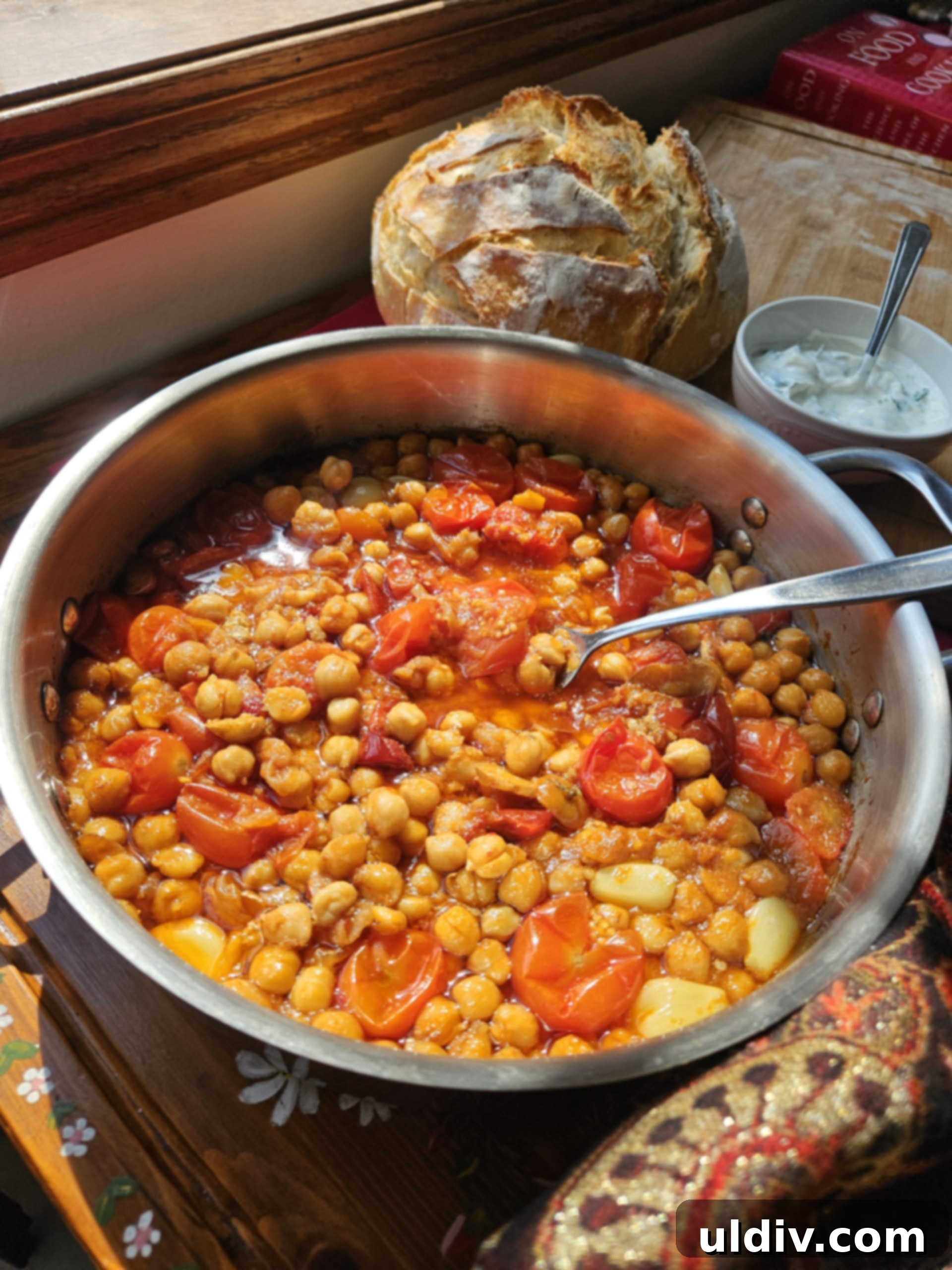
Discovering Flavor: Yotam Ottolenghi’s Confit Tandoori Chickpeas and Their Unrivaled Charm
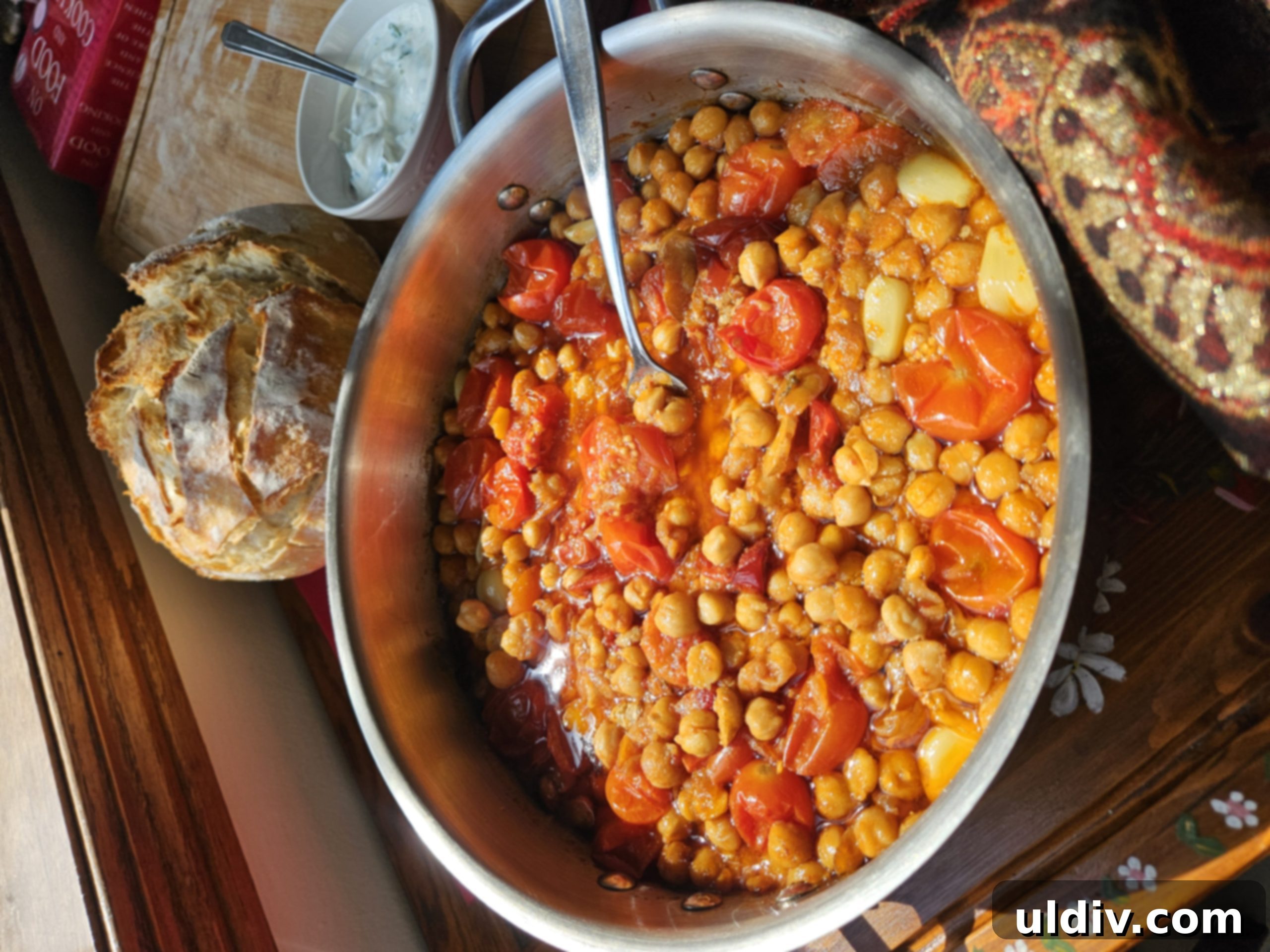
For me, chickpeas are more than just a pantry staple; they are a culinary obsession. Their robust texture and incredible versatility make them a beloved ingredient that I could happily incorporate into my diet every single day. While my go-to preparation often involves a comforting stew brimming with fresh peppers and sun-ripened homegrown tomatoes, the quest for new and exciting flavor experiences is constant. Recently, this culinary curiosity led me down a different path, resulting in the discovery of a recipe that has quickly captivated my family and earned a permanent spot in our meal rotation. It’s a dish that not only satisfies the palate but also deepens one’s appreciation for the humble yet extraordinary chickpea.
The Versatility of the Chickpea: An Ode by Chef Yotam Ottolenghi
The inherent adaptability of the chickpea is perhaps its most endearing quality, a sentiment beautifully articulated by renowned Chef Yotam Ottolenghi:
“In a classroom full of every legume, the chickpea would sit front and centre, my star student to whom I’d show a certain degree of favouritism. It’s not that the chickpea is any better than its classmates, but, assuming the role of teacher’s pet, it is eager enough constantly to want to please. Its enthusiasm means it gets along with any personality – from fierce chilli to the outwardly funky parmesan – moulding itself unto their own qualities.” – Chef Yotam Ottolenghi
Ottolenghi’s analogy perfectly captures the essence of the chickpea’s culinary charm. It truly is a “teacher’s pet” in the kitchen, absorbing and complementing the flavors of its companions with remarkable grace. Unlike some ingredients that demand to be the star, chickpeas are content to play a supporting role, yet they elevate every dish they grace. Their mild, nutty flavor provides a perfect canvas for a spectrum of spices, herbs, and seasonings, making them a cornerstone of cuisines across the globe. From the creamy depths of hummus to the crispy perfection of falafel, or the hearty embrace of a tagine, chickpeas consistently prove their mettle as a versatile, nutritious, and deeply satisfying food. This inherent eagerness to please is what makes them an indispensable ingredient for home cooks and celebrated chefs alike, perpetually inspiring new culinary creations.
Embracing Innovation: Ottolenghi’s Confit Tandoori Chickpeas
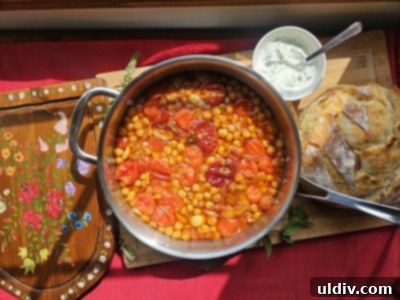
Inspired by rave reviews and Ottolenghi’s insightful description of its slow cooking process and masterful spice blend, I embarked on the journey of making his Confit Tandoori Chickpeas. The very name “Confit Tandoori Chickpeas” piqued my interest, hinting at a fusion of traditional techniques and bold flavors. ‘Confit’, a method typically associated with preserving meat by slow-cooking it in its own fat, here promised an incredibly tender texture as the chickpeas would gently cook in aromatic oil. ‘Tandoori’, on the other hand, immediately conjured images of the smoky, vibrant spices characteristic of Indian cuisine. This combination promised a dish that was both comforting in its richness and exhilarating in its spice profile, a truly unique take on a classic legume.
A Symphony of Spices: Crafting the Flavor Profile
The beauty of this dish lies not only in its innovative cooking method but also in its vibrant, palate-pleasing combination of carefully selected ingredients and spices. Each component plays a crucial role in building layers of profound flavor:
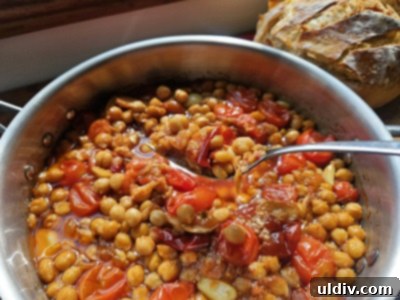
- Homegrown Cherry Tomatoes: These little bursts of sweetness and acidity were picked fresh from my garden, lending a bright, authentic taste that canned tomatoes simply cannot replicate. Their juicy pulp melts into the sauce, contributing to the dish’s overall richness and providing a lovely contrast to the spices.
- Pickled Pimentos: In lieu of red chilies, which I didn’t have on hand, last year’s harvest of pickled pimentos offered a fantastic substitute. Their mild heat and tangy, slightly sweet profile added an intriguing depth, a subtle kick that enhanced the spice blend without overwhelming it. This substitution truly highlighted the adaptability of the recipe and the power of thoughtful ingredient choices.
- Abundant Garlic and Ginger: These aromatic powerhouses form the backbone of countless savory dishes. In this recipe, their generous inclusion infuses the oil and chickpeas with a pungent warmth and an invigorating freshness. The garlic mellows beautifully during the slow cook, becoming sweet and savory, while the ginger maintains its distinctive zing, cutting through the richness and brightening the overall profile.
- The Spice Blend: This is where the magic truly unfolds.
- Cumin: Earthy, warm, and slightly pungent, cumin provides a foundational depth, a characteristic flavor of many Indian and Middle Eastern dishes.
- Coriander: With its citrusy, slightly sweet, and nutty notes, coriander perfectly complements the cumin, adding complexity and a hint of brightness.
- Turmeric: Beyond its stunning golden hue, turmeric imparts a mild, earthy, slightly bitter flavor, known for its incredible health benefits and its ability to tie together diverse spice profiles.
- Kashmiri Chilli Powder: My personal favorite among the spices, Kashmiri chilli powder is celebrated for its vibrant red color and moderate heat. It delivers a beautiful warmth and depth of flavor without the aggressive spiciness of other chili powders, allowing the nuances of the other spices to shine through while contributing a rich, satisfying glow to the dish.
This meticulously balanced combination creates a multi-dimensional flavor experience – savory, earthy, subtly sweet, and wonderfully spicy, all working in harmony to transform the humble chickpea into something truly extraordinary.
The Art of Slow Cooking: Patience Yields Perfection
Indeed, as Ottolenghi himself emphasizes, patience is not just a virtue but an absolute necessity when it comes to perfecting this dish. The slow cooking process, conducted in aromatic oil without any added liquid, is what truly differentiates these Confit Tandoori Chickpeas. It’s a transformative journey for the chickpeas, allowing them to absorb every nuance of the infused oil and spices over an extended period. This gentle, low-heat cooking ensures that the chickpeas don’t just cook through; they become “super-soft” – a texture that is both tender and incredibly creamy, melting in the mouth with each bite. This confit method is key to extracting and intensifying the flavors from the garlic, ginger, and the intricate spice blend. The zing of the fresh ginger and the subtle heat from the pimentos further contribute to this fine-tuned flavor complexity, adding lively top notes to the deep, earthy base. Each ingredient has ample time to release its essence, allowing the pungent flavors to fully permeate the oil and, consequently, the chickpeas themselves.
As Chef Ottolenghi states, these chickpeas “have won the hearts of many, and for good reason – cooking them in the oil without added liquid makes them go super-soft, allowing the dish’s pungent flavours to release into the oil. The best part, though, is that you throw everything into a pan and pop it in the oven, leaving it to its own devices. Use a non-dairy yoghurt to make this dish vegan.” This hands-off approach belies the complex flavor development occurring within the oven, making it an ideal recipe for busy cooks who appreciate gourmet results with minimal active effort. The slow bake allows the chickpeas to truly “confit,” becoming infused with the rich, spiced oil, resulting in an unparalleled depth of flavor and a wonderfully unctuous texture. Furthermore, the simple substitution of a non-dairy yogurt transforms this hearty dish into a magnificent vegan option, extending its appeal to a wider audience without compromising on taste or texture.
The Perfect Pairing and a Deepened Appreciation
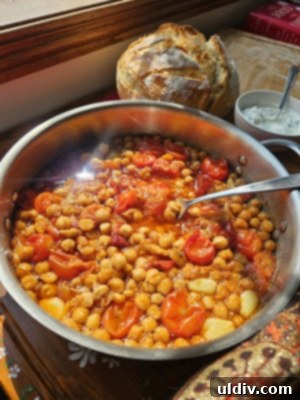
These Confit Tandoori Chickpeas are a revelation on their own, but their culinary impact is further amplified when served with the right accompaniments. A crusty, freshly baked sourdough bread is the ideal companion, perfect for soaking up every last drop of the rich, aromatic oil and flavorful sauce. The tang of the sourdough provides a delightful contrast to the warmth of the chickpeas, making each bite a symphony of textures and tastes. To complete the experience, Chef Ottolenghi’s Greek yogurt dressing, brightened with fresh homegrown mint and coriander, offers a cooling, creamy counterpoint to the vibrant spices. The herbaceous notes of the mint and coriander, combined with the subtle tang of the yogurt, cleanse the palate and enhance the intricate flavors of the chickpeas, creating a truly balanced and unforgettable meal.
This dish has been an exciting culinary discovery for me, one that has significantly deepened my understanding of chickpeas and my appreciation for their unique, delicious versatility. It’s a testament to the power of slow cooking and thoughtful spice blending, transforming a simple legume into a gourmet experience. Whether you’re a long-time chickpea enthusiast or looking for a new way to enjoy plant-based cuisine, Ottolenghi’s Confit Tandoori Chickpeas offer a rich, rewarding journey for your taste buds. You can find Chef Ottolenghi’s original recipe and detailed instructions here.
Explore More Chickpea Creations
If this culinary adventure has sparked your interest in the incredible world of chickpeas, I invite you to explore some of my other favorite chickpea recipes that I’ve shared over the years. Each offers a different perspective on how this amazing legume can be transformed into delicious and satisfying meals:
- A fresh take on salads with chickpeas.
- Vegan patties perfect for any celebration.
- A comforting dish featuring harissa-spiced flavors.
- A colorful and light autumn salad.
- A simple yet delightful transitional salad.
Do you have a favorite dish with chickpeas? What unique ways do you enjoy them? I’d love to hear your thoughts and recipes in the comments section below! Sharing our culinary discoveries makes the journey even more rewarding. Enjoy your chickpea adventures!