
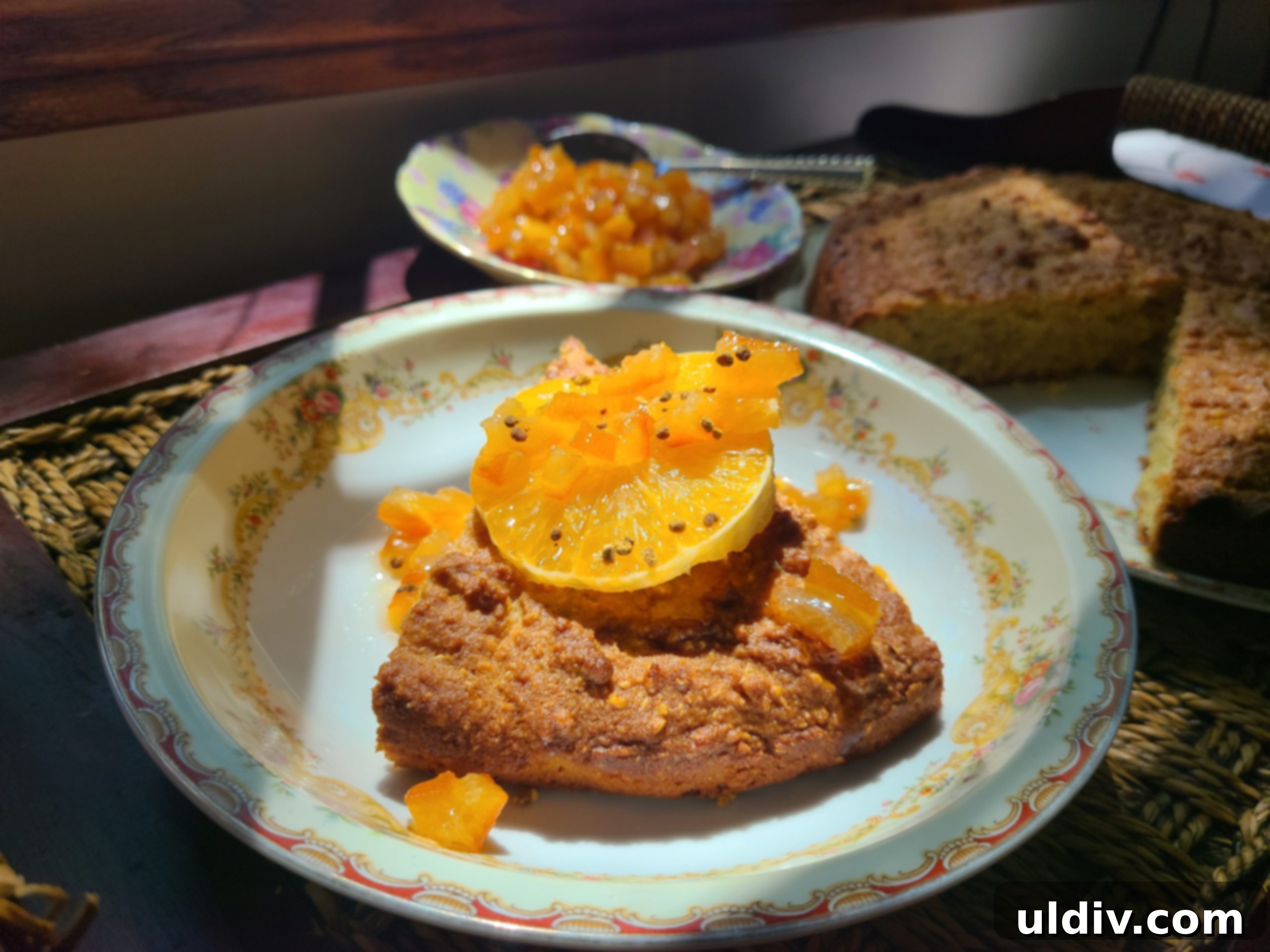
As the delightful aromas of the baking season begin to fill kitchens everywhere, I find myself returning to a truly indispensable ingredient: buttermilk. For home bakers and professional chefs alike, buttermilk is a secret weapon, consistently delivering baked goods that are not just good, but remarkably tender, incredibly moist, and imbued with a subtle, delightful tang. It’s the cornerstone of countless beloved recipes, from fluffy pancakes to flaky biscuits, and its unique properties elevate ordinary creations to extraordinary culinary experiences.
However, the journey with buttermilk isn’t always smooth. Many of us have faced the common dilemma: purchasing a large container of buttermilk for a single recipe, using a small portion, and then watching the rest languish in the back of the refrigerator, only to be discovered long past its expiration date. This scenario leads to unnecessary waste of both product and money, not to mention the frustration of last-minute grocery runs when a recipe unexpectedly calls for this crucial ingredient. It’s a recurring problem that I, and undoubtedly many of you, have encountered time and again in the pursuit of perfect baked goods. But what if there were simple, effective ways to ensure you always have buttermilk on hand, without the waste?
Your Essential Buttermilk Solutions: Never Be Without
Eliminating waste, saving money, and avoiding those frantic dashes to the store can be achieved through a couple of ingenious methods. These practical approaches ensure that you’re always prepared to bake or cook with buttermilk, no matter when inspiration strikes.
1. Instant Buttermilk: The Quick Kitchen Hack
For those moments when a recipe calls for buttermilk and you realize your fridge is empty, a quick homemade substitute is your best friend. This method is incredibly simple and surprisingly effective, making it a staple for any home cook. To create an instant buttermilk substitute, combine 1 cup of regular milk (dairy or non-dairy, though whole milk yields the best results) with 1 tablespoon of an acid, such as fresh lemon juice or white vinegar. Stir the mixture gently and let it sit undisturbed for 5 to 10 minutes. During this time, the acid will curdle the milk, causing it to thicken slightly and develop the characteristic tangy flavor of buttermilk. The milk will appear subtly clumpy, which is exactly what you want. This quick buttermilk substitute works wonderfully in most baking applications, providing the necessary acidity and moisture to activate leavening agents and contribute to that coveted tender crumb.
2. Buttermilk Powder: The Pantry Essential for Regular Users
If you find yourself using buttermilk regularly, or if you simply appreciate the convenience of a long-lasting pantry staple, buttermilk powder is an absolute game-changer. This dehydrated form of buttermilk offers an extended shelf life, drastically reducing waste and ensuring you always have a supply on hand. It’s an excellent option for bakers who want to avoid the fresh product’s perishability. I personally rely on organic buttermilk powder, which I source from trusted suppliers like Azure Standard. The beauty of buttermilk powder lies in its ease of use: simply reconstitute it with water according to the package instructions. A common ratio is 3 tablespoons of powder mixed with 1 cup of water, but always refer to your specific product’s directions, such as the ones found here. This method is not only convenient but also ensures consistent results in all your recipes, making it a smart and sustainable choice for a busy kitchen.
Unlocking Buttermilk’s Versatility: Beyond the Expected
The remarkable utility of buttermilk powder extends far beyond simple substitution. Margaret Eby’s insightful article, “Buttermilk Powder Is Not an Option. It Is a Necessity,” published in Food and Wine magazine, eloquently makes the case for its indispensable role in the kitchen. As Eby articulates, “To my surprise, biscuits, cakes, pancakes, and other baked goods tasted just as good with the powder. I’m sure if you could get your hands on fresh-from-the-farm true buttermilk it might be better, but powdered buttermilk is great in all the usual things I use it for, including marinades. I even make crème fraîche with it—I just mix a tablespoon of buttermilk powder into a cup of heavy cream and let it sit out for a day. Voila, homemade, cheaper-than-store bought crème fraîche.” This quote perfectly encapsulates the expansive applications and consistent quality that buttermilk powder offers.
1. The Backbone of Beloved Baked Goods
Buttermilk’s acidity reacts with baking soda to create carbon dioxide gas, which gives baked goods their characteristic lift and tender texture. This is why it’s a cornerstone in so many classic recipes:
- Flaky Biscuits and Scones: Buttermilk contributes to the incredibly tender crumb and signature tang that distinguishes a truly great biscuit or scone. The acid helps to break down the gluten in the flour, preventing toughness and resulting in those desirable light, airy layers.
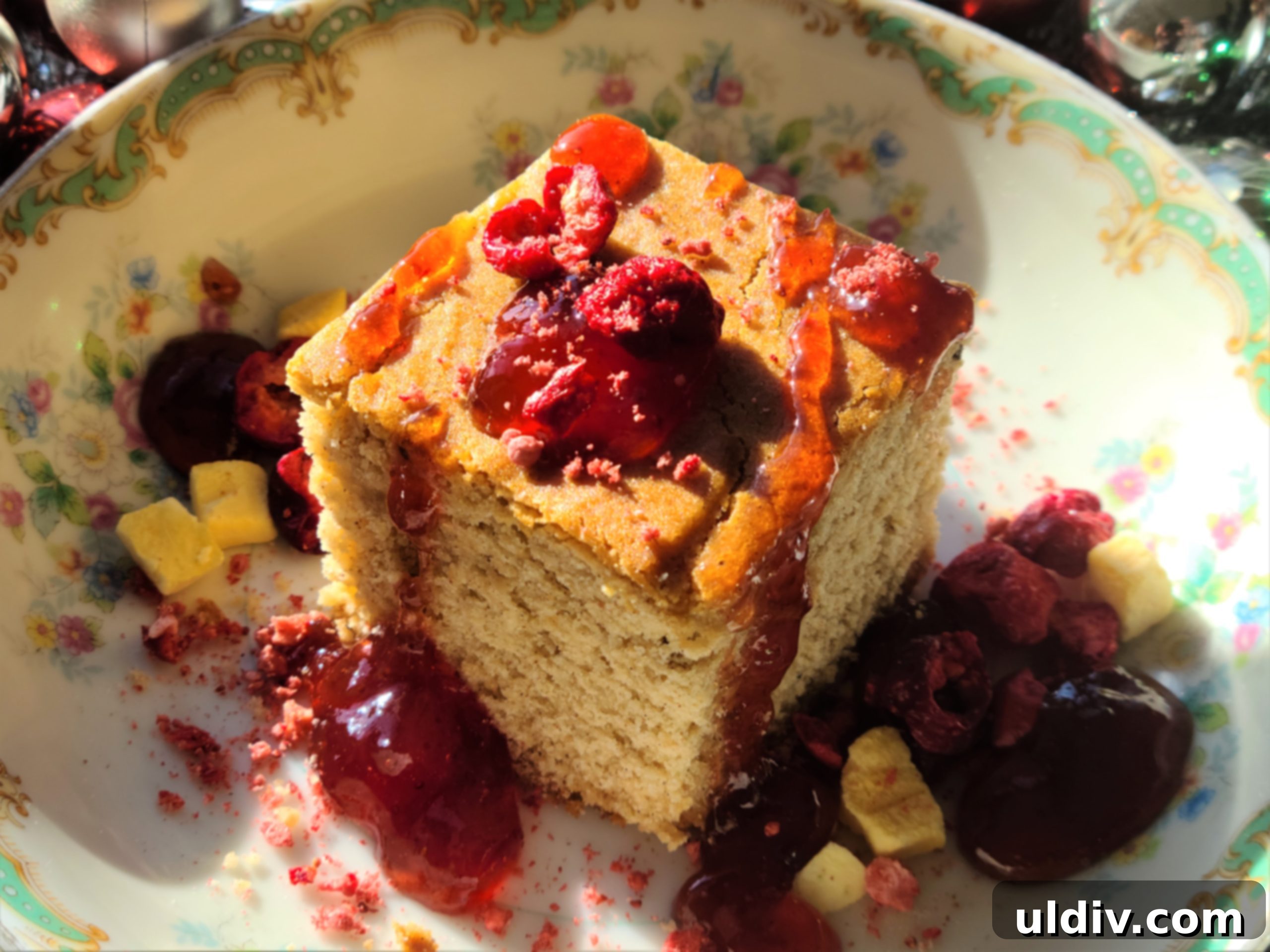
- Moist Cakes and Muffins: In cakes and muffins, buttermilk ensures superior moisture and a finer, more delicate crumb. The subtle tang also adds depth of flavor, balancing sweetness and creating a more complex taste profile.
- Light and Fluffy Pancakes and Waffles: For the ultimate breakfast experience, buttermilk is essential for pancakes and waffles that are both light and airy, with a soft interior. The reaction with baking soda creates bubbles that expand during cooking, yielding that perfect fluffy texture.
2. Savory Delights: Buttermilk’s Unexpected Roles
While most often associated with desserts, buttermilk’s culinary prowess shines in savory dishes too, adding moisture, tenderness, and a delightful zesty kick.
- Tenderizing Marinades: The acidity in buttermilk works wonders as a tenderizer for meats, particularly chicken. A buttermilk marinade can transform tough cuts into succulent, flavorful dishes. This is famously the secret behind perfectly crispy and juicy fried chicken, where the buttermilk not only tenderizes but also helps the breading adhere beautifully.
- Creamy Salad Dressings: Buttermilk is the star ingredient in classic creamy dressings, such as the beloved ranch. Its tangy, slightly thick consistency provides the perfect base for herbs and spices, creating a dressing that’s rich, flavorful, and incredibly versatile. I frequently use this recipe for a truly authentic ranch dressing.
- Brightening Soups and Dips: A splash of buttermilk can brighten up creamy soups or add a tangy dimension to dips, providing a refreshing counterpoint to richer flavors.
3. DIY Dairy Creations: Crème Fraîche and More
One of the most exciting and economical uses for buttermilk, especially buttermilk powder, is creating homemade cultured dairy products. As Margaret Eby highlights, making your own crème fraîche is surprisingly simple and significantly more cost-effective than store-bought versions. By simply mixing a tablespoon of buttermilk powder into a cup of heavy cream and allowing it to sit at room temperature for a day, you can achieve a rich, slightly tangy crème fraîche perfect for dolloping on desserts, swirling into soups, or enhancing savory dishes. This demonstrates the incredible versatility and probiotic potential of buttermilk, empowering you to create gourmet ingredients right in your own kitchen.
Maximizing Your Buttermilk Experience
Whether you’re making it from scratch, using a powder, or opting for traditional fresh buttermilk, understanding its properties and how to store it effectively will enhance your cooking and baking adventures.
Storage Tips for All Types of Buttermilk
- Fresh Buttermilk: Store in its original container in the coldest part of your refrigerator. It typically lasts for about 1-2 weeks past its sell-by date. You can also freeze fresh buttermilk in ice cube trays for smaller portions, then transfer the cubes to a freezer-safe bag for longer storage (up to 3 months).
- Homemade Buttermilk Substitute: This should be used immediately for best results. If you have any leftover, store it in an airtight container in the refrigerator for no more than 1-2 days.
- Buttermilk Powder: Keep buttermilk powder in an airtight container in a cool, dark pantry. Properly stored, it can last for several months to a year, maintaining its quality and readiness for whenever you need it.
Choosing the Right Buttermilk for Your Needs
While the homemade substitute and buttermilk powder are excellent solutions for convenience and waste reduction, there are nuances to consider. Traditional cultured buttermilk, often found in the dairy aisle, is made by adding a bacterial culture to milk, resulting in a naturally thicker product with a richer flavor profile. This is ideal for recipes where buttermilk is a dominant flavor or texture component. However, for most baking and general cooking, the substitute or reconstituted powder performs admirably. Experimentation is key to discovering which type best suits your specific recipe and palate.
Embrace the Buttermilk Difference
Buttermilk, in all its forms, is undeniably a powerful asset in the kitchen. Its ability to create tender textures, impart delicate moisture, and add a subtle tang elevates both sweet and savory dishes. By embracing practical solutions like instant homemade buttermilk or the convenient, long-lasting buttermilk powder, you can eliminate waste, save time, and ensure this versatile ingredient is always at your fingertips. From fluffy pancakes to succulent fried chicken, buttermilk truly enhances a vast array of culinary creations. So, go forth and explore the wonderful world of buttermilk! Do you have a favorite recipe that features this incredible ingredient? Or perhaps a clever tip for using it? Share your thoughts and culinary secrets in the comments below – I’d love to hear them!