
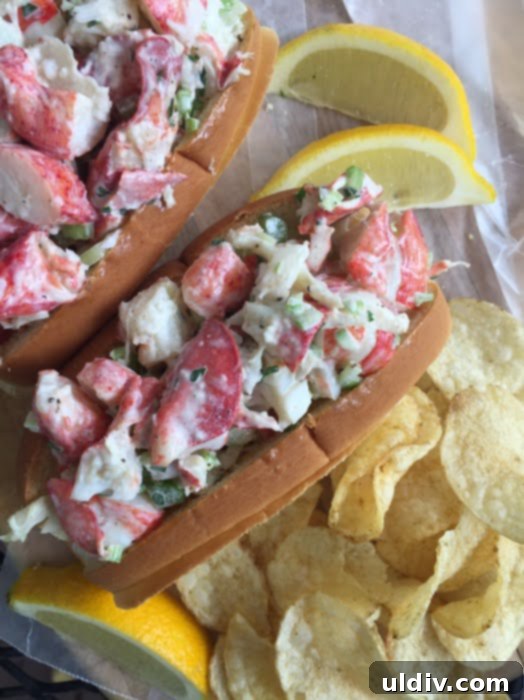
As the long, sun-drenched days of summer begin to gently fade, a culinary opportunity arises that savvy seafood lovers eagerly anticipate: significantly lower lobster prices. This seasonal shift makes it the absolute perfect moment to indulge in the simple luxury of crafting your own cold lobster rolls, a quintessential summer delight that embodies freshness and flavor.
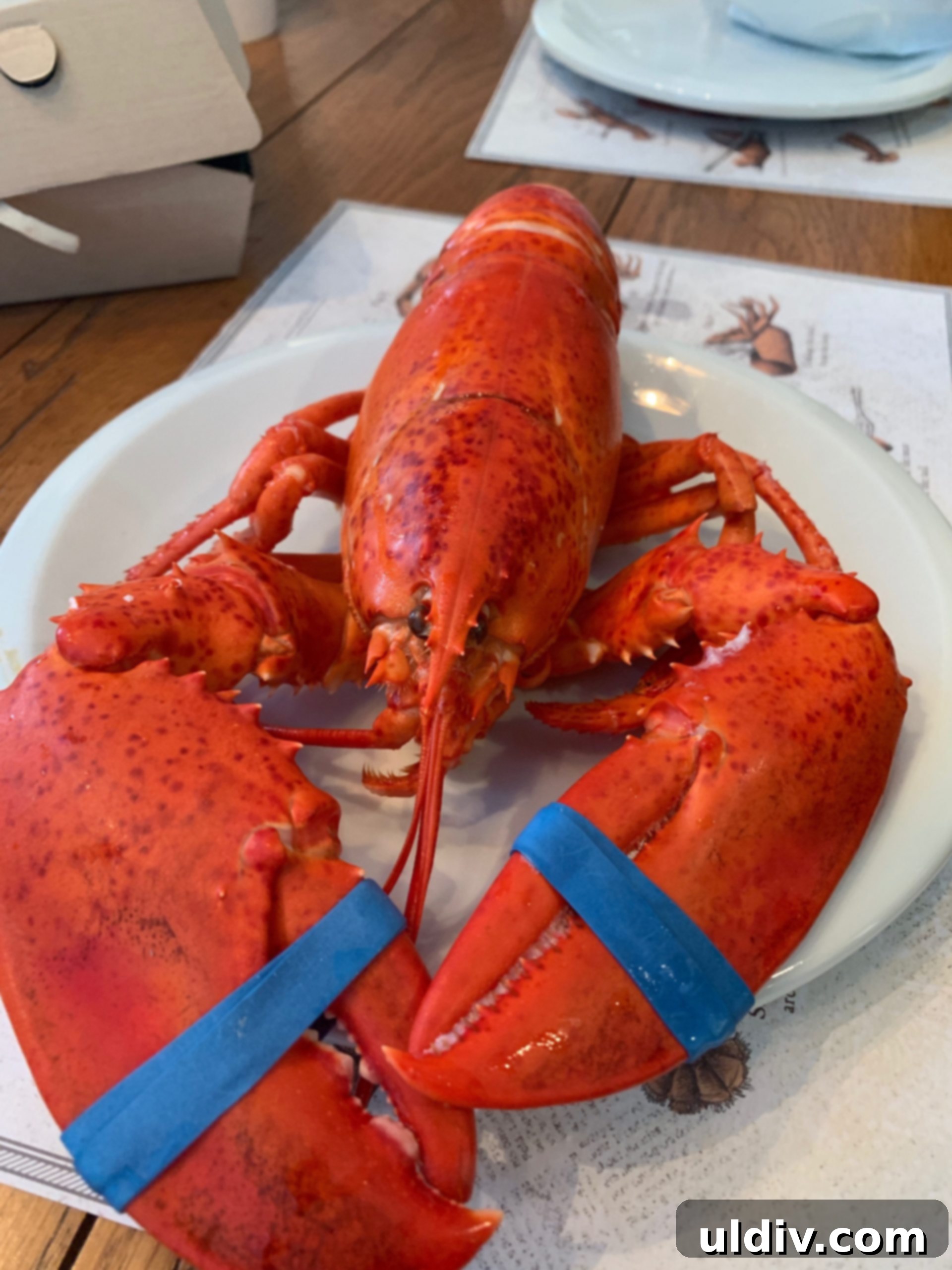
My work as a personal chef often takes me through the aisles of local grocery stores, and without fail, my eyes are drawn to the vibrant lobster tank. Amidst the neatly arranged oysters, mussels, and clams, which merely rest on beds of crushed ice, lobsters stand out as the sole live creatures available for purchase. It’s truly captivating to observe them, each jockeying for prime position within their temporary aquatic habitat, a silent testament to the freshness that awaits.
The fluctuating price of lobster directly influences whether these spiny, hard-shelled fellows will make it into my dinner plans. During peak seasons, when the cost can soar to around $20 per pound, they often receive little more than a wistful glance from me. However, a magical transformation occurs in the late summer months: lobsters begin to shed their old shells, resulting in what are known as “shedder” or “soft-shell” lobsters. This process not only makes them easier to crack but also causes their price per pound to dip dramatically, often settling in the more appealing range of $10 to $12.
This decline in price is my cue. I seize the opportunity to snag a half dozen or so, ensuring a delectable dinner for that evening and enough succulent meat for a few exquisite cold lobster rolls for lunch the following day. It’s a seasonal ritual that brings immense satisfaction.
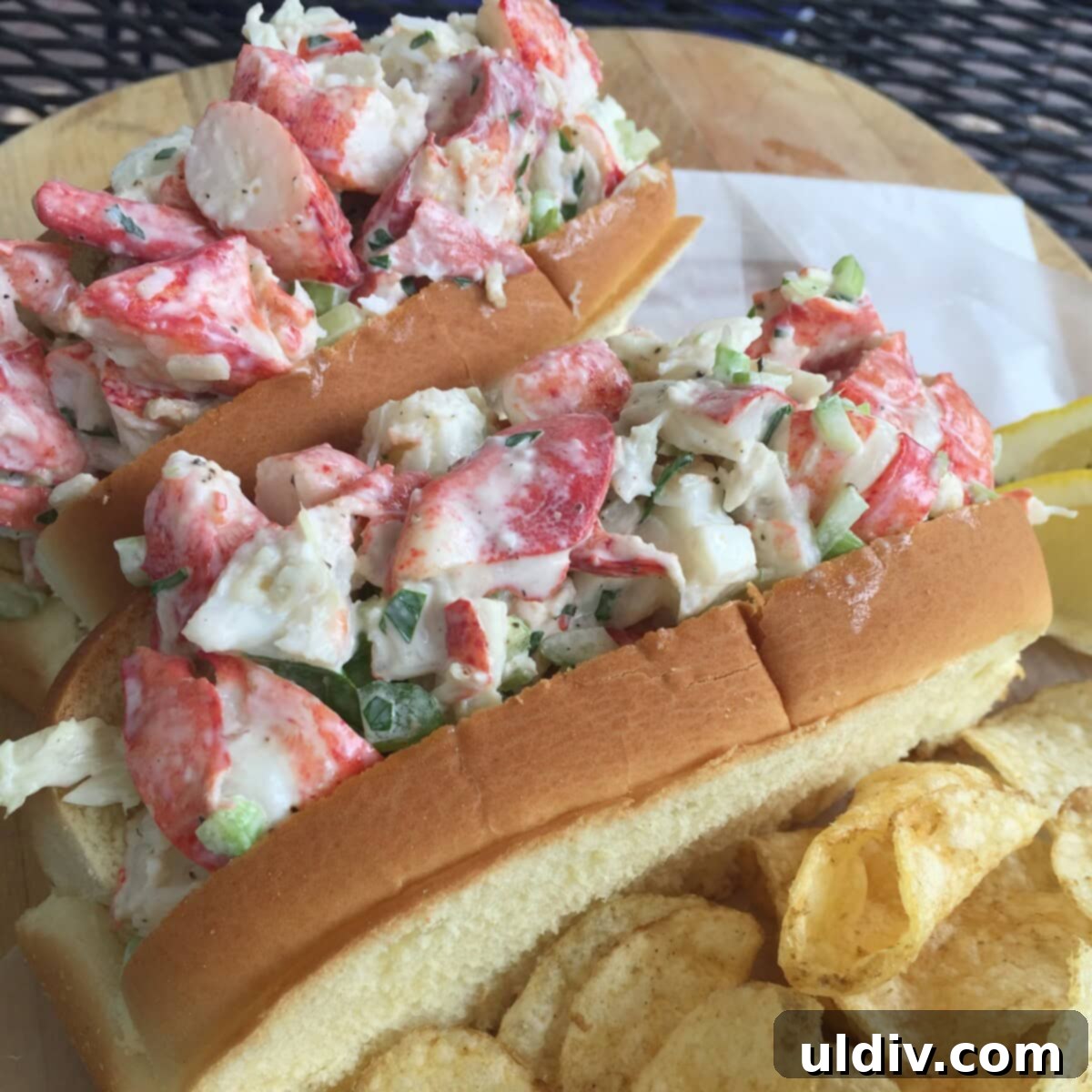
Crafting lobster rolls often transports me back to cherished vacation memories spent at the Jersey shore. There, alongside a generous serving of crispy Oven Fries and a refreshing Sweet Corn Salad, they form a triumvirate of summer perfection. The beauty of lobster, however, is its remarkable accessibility. Unlike some seafoods whose freshness can be suspect far from the coast, lobster guarantees quality no matter where you purchase it – be it at the New Jersey shore, the expansive plains of Illinois, or the majestic mountains of Wyoming.
The secret to this consistent freshness lies in a fundamental truth: lobsters must be alive before they are cooked. This simple fact provides an undeniable indicator of their quality, allowing consumers everywhere to confidently enjoy this premium seafood. Knowing that your main ingredient was just swimming ensures the most flavorful and tender meat for your homemade lobster rolls.
Understanding Lobster Season and Its Impact on Flavor
The late summer period, from approximately July through October, is often considered the peak season for soft-shell lobsters, especially in regions like Maine. During this time, lobsters undergo a molting process, shedding their smaller, harder shells to grow into larger ones. While hard-shell lobsters (available year-round) boast a denser meat yield and are often preferred for shipping due to their durability, soft-shell lobsters offer a unique advantage: they are typically sweeter, more tender, and significantly easier to crack open.
This ease of extraction is a boon for home cooks, reducing the effort required to get to the prized meat. Furthermore, the abundance of soft-shell lobsters drives down market prices, making them an economical choice for preparing dishes like cold lobster rolls, where the sweet, delicate flavor of the lobster meat is the absolute star. Embracing soft-shell lobsters during this period not only saves money but also provides an opportunity to savor a distinct, seasonal flavor profile that’s incredibly rewarding.
The Art of Selecting and Preparing Fresh Lobster
When selecting live lobsters, look for active, energetic crustaceans. They should ideally be moving their legs and antennae and attempting to hold their claws up when picked up. Avoid any lobsters that appear sluggish, damaged, or unresponsive. The fresher the lobster, the better the final taste of your rolls.
Once you’ve brought your live lobsters home, it’s crucial to cook them promptly to preserve their freshness. There are two primary methods for cooking live lobsters: boiling and steaming. Boiling is perhaps the most common, involving submerging the lobsters in a large pot of rapidly boiling salted water. Steaming, on the other hand, uses less water and is often favored for preserving more of the lobster’s natural sweetness and tenderness. For a 1 ¼ pound lobster, boiling typically takes about 8-10 minutes, while steaming takes slightly longer, around 10-12 minutes.
After cooking, immediately plunge the lobsters into an ice bath to stop the cooking process and make them easier to handle. This step is also crucial for ensuring the meat remains tender and doesn’t overcook, which can lead to a rubbery texture. Once cooled, the real work—and fun—begins: extracting the precious meat.
Crafting the Perfect Cold Lobster Roll: A Step-by-Step Guide
Making cold lobster rolls is surprisingly straightforward. The most labor-intensive part of the entire process is undoubtedly removing the cooked meat from the shells. This task, while simple, can be time-consuming, so it’s an ideal opportunity to enlist a few family members or friends. Many hands make light work, and the shared anticipation of the delicious reward makes it a fun group activity.
To yield approximately 1 pound of lobster meat, you will typically need about four lobsters, each weighing around 1 and ¼ pounds. This quantity is generally sufficient for four generous lobster rolls.
Extracting the Meat with Ease:
Once your lobsters are cooked and cooled, carefully twist off the claws and tail. Use a nutcracker or the back of a heavy knife to crack the claw shells, being mindful not to crush the delicate meat. For the tail, simply bend it back until it snaps, then pull out the meat in one piece. Don’t forget the smaller bits of meat in the knuckles and legs – a small fork can be useful here. Aim for clean, sizable chunks of meat, as these contribute to the satisfying texture of a good lobster roll.
The Art of the Mixture: Less Is More
The philosophy behind a truly exceptional cold lobster roll, often referred to as the “Maine-style” lobster roll, is to let the star ingredient shine. You want to complement the lobster’s rich, sweet flavor, not overwhelm it with a multitude of competing components. Therefore, the chilled chunks of succulent lobster are tossed with only a few carefully selected ingredients.
Just enough high-quality mayonnaise is needed to bind the ingredients together, providing a creamy texture without masking the lobster. Finely chopped celery adds a delightful crunch and a subtle vegetal note, offering a pleasant contrast to the soft meat. A hint of fresh parsley introduces a bright, herbaceous freshness, while a pinch of salt and a few grinds of fresh black pepper enhance the natural flavors of the seafood.
Two Iconic Styles: Maine vs. Connecticut
While this recipe focuses on the classic cold, mayonnaise-based “Maine-style” lobster roll, it’s worth noting its equally delicious counterpart, the “Connecticut-style.” The Connecticut version features warm lobster meat tossed simply with melted butter, often served in a toasted bun. Both are phenomenal, but the cold roll, with its refreshing creaminess, is particularly suited for warm late summer days.
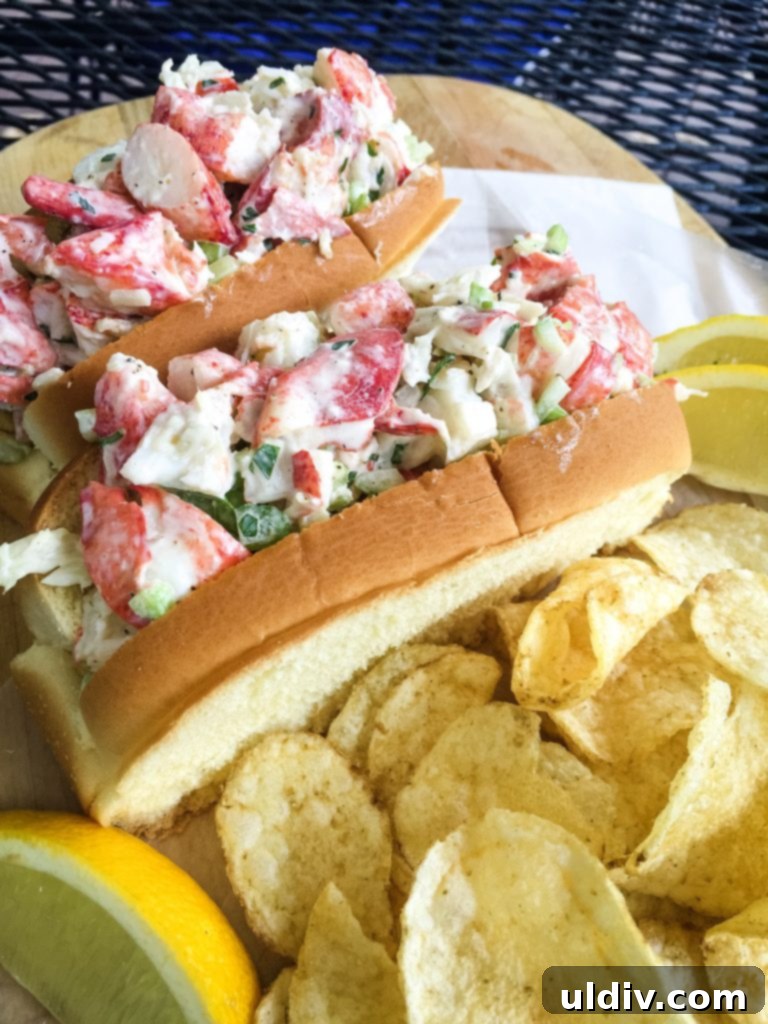
My preferred method for serving this delectable lobster salad is nestled within a soft, buttery, split-top roll, often lightly toasted to achieve a golden exterior and a warm, yielding interior. A delicate squeeze of fresh lemon juice over the top adds a final flourish, enhancing the overall brightness. The result is a harmonious symphony of textures and tastes: salty, sweet, savory, and crunchy from the celery, all enveloped in the soft embrace of the bun. It’s a truly delicious creation, offering a perfect balance that satisfies every craving.
Serving Suggestions and Pairings for Your Lobster Rolls
A lobster roll is a complete meal in itself, but a few well-chosen accompaniments can elevate the experience. As mentioned, classic crispy oven fries are an excellent pairing, offering a satisfying crunch. A fresh, vibrant sweet corn salad, perhaps with avocado and a light vinaigrette, provides a burst of seasonal flavor and color. Other wonderful options include a classic creamy coleslaw, a simple green salad with a zesty dressing, or even a refreshing bowl of gazpacho on a hot day.
For beverages, keep it light and refreshing. A crisp lemonade, freshly brewed iced tea, or a sparkling water with a hint of citrus can perfectly complement the lobster. If you prefer alcoholic pairings, a light-bodied lager, a crisp Sauvignon Blanc, or a dry rosé wine will beautifully enhance the delicate flavors of the lobster without overpowering them. Consider serving them at a casual backyard barbecue, a serene picnic by the lake, or simply as a luxurious treat for a quiet evening at home.
Why Choose Homemade Lobster Rolls?
Opting to make lobster rolls at home offers several distinct advantages. Firstly, it’s often significantly more cost-effective than purchasing them from a restaurant, especially when you take advantage of those late-summer price drops. Secondly, you have complete control over the quality of your ingredients, ensuring only the freshest lobster and finest mayonnaise make it into your creation. Finally, the customization factor is key. You can adjust the amount of mayonnaise, the ratio of celery to lobster, and the seasonings to perfectly suit your personal taste, making each roll a bespoke culinary masterpiece.
For any leftover lobster meat, it’s best to store it separately from the dressing in an airtight container in the refrigerator. The buns can also be stored separately. This ensures the best texture and prevents the buns from becoming soggy. The prepared lobster salad will typically stay fresh for 1-2 days, making it ideal for a quick and luxurious lunch the next day.
Recipe: Classic Cold Lobster Roll
This recipe focuses on the pure, unadulterated flavor of lobster, keeping additional ingredients to a minimum to truly let the star ingredient shine.
Ingredients
- 1 pound cooked lobster meat, chilled (from approximately 4 lobsters, 1 ¼ pounds each)
- 2 tablespoons mayonnaise (adjust to your preference)
- ½ cup finely chopped celery
- 2 teaspoons finely chopped fresh parsley
- ¼ teaspoon salt
- A few grinds of fresh black pepper
- 4 split-top hot dog rolls
- Lemon wedges for serving
Instructions
- Gently cut the chilled lobster meat into 1-inch pieces.
- In a medium-sized bowl, combine the cut lobster meat with the mayonnaise, finely chopped celery, fresh parsley, salt, and black pepper.
- Carefully toss the mixture until all ingredients are just combined. Be gentle to avoid shredding the lobster meat.
- Divide the lobster salad evenly among the four split-top rolls.
- Serve immediately with fresh lemon wedges on the side, allowing guests to add an extra squeeze of citrus to their liking.

Did you try this recipe?
I would love to hear your thoughts! Please consider leaving a comment and a star rating below to share your experience. And don’t forget to share your delicious creations on Pinterest, Instagram, and Facebook!
Thanks ~ Amy
There’s nothing quite like the simple pleasure of a perfectly prepared cold lobster roll, especially when the timing is right. This late summer treat, with its delicate balance of sweet lobster, crisp celery, and creamy dressing, served in a toasted bun, is a testament to the fact that the best things in life are often the simplest. So, next time you see those lobster prices drop, embrace the opportunity to bring a taste of coastal luxury right into your own kitchen.