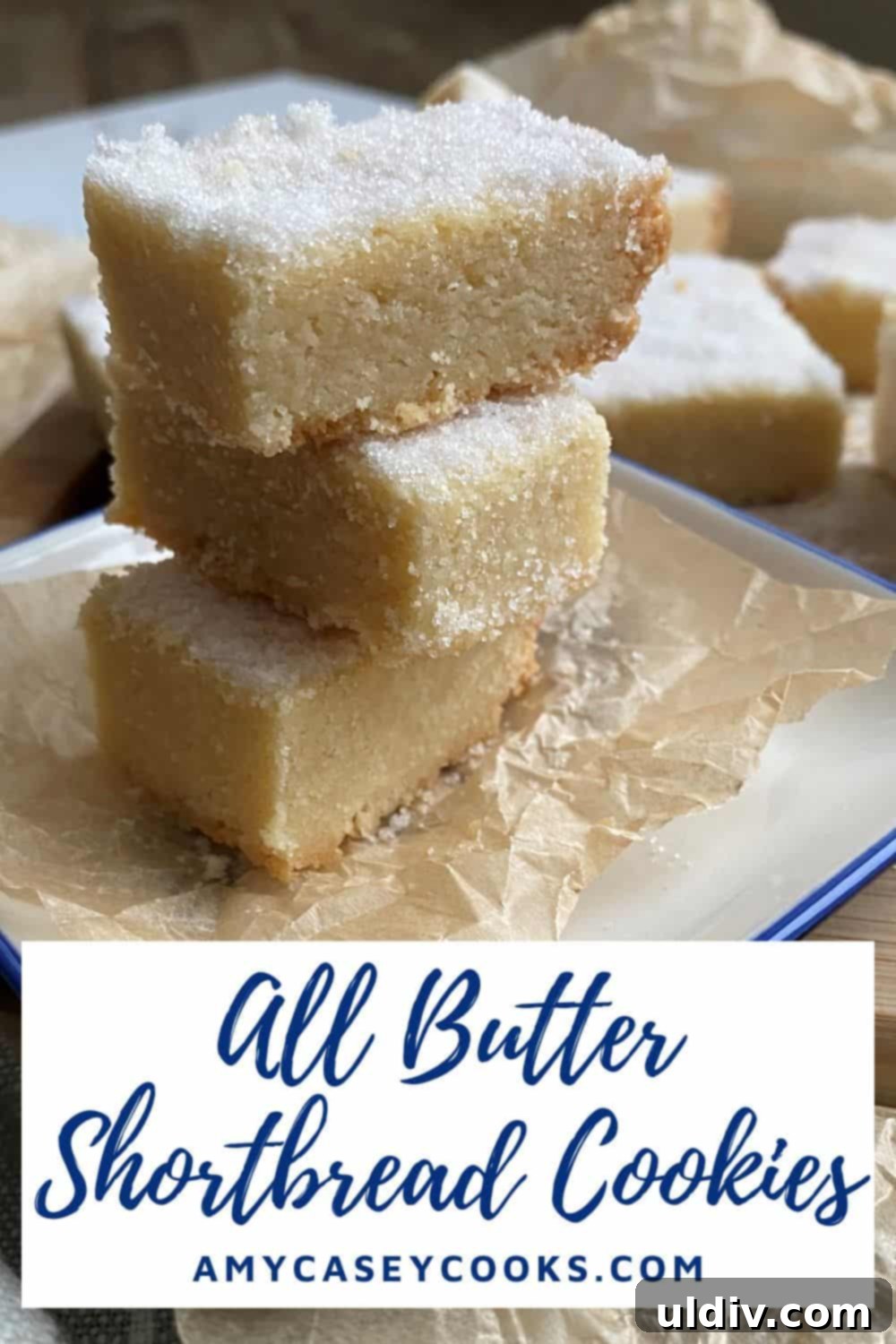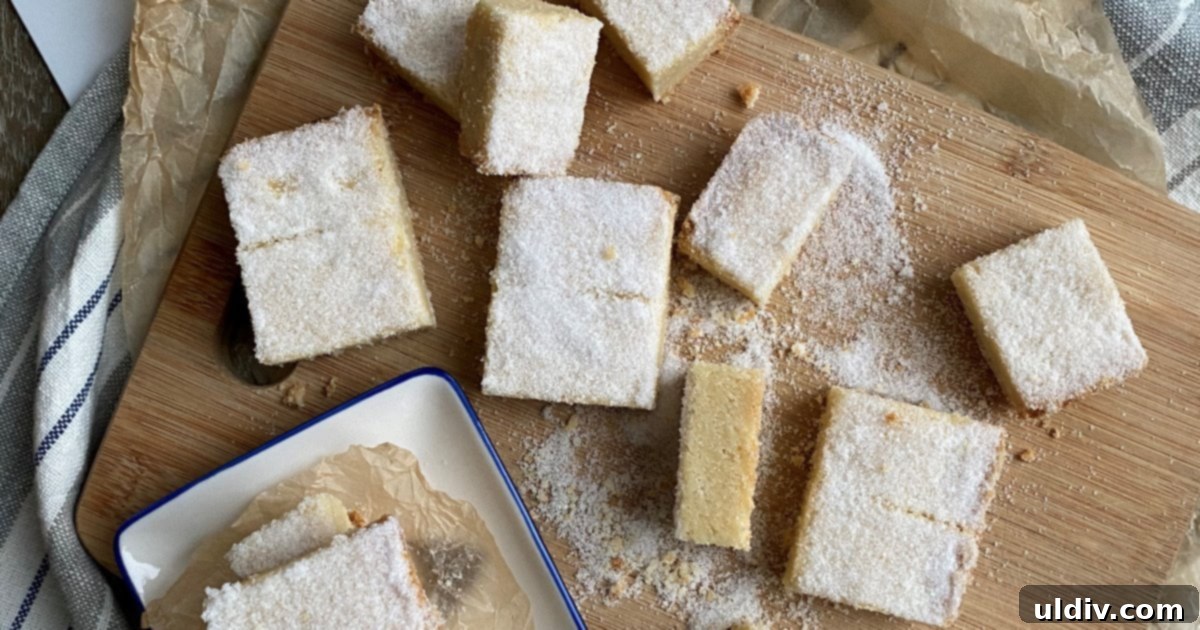
Welcome to the world of truly exceptional baking, where simplicity meets sublime flavor. These Sugared Shortbread Cookies aren’t just any treat; they are a testament to the timeless appeal of a well-made classic, offering a tender, buttery, and lightly sweetened delight perfect for any moment. Imagine a cookie that practically melts in your mouth, leaving behind a delicate crispness and a whisper of sweetness – that’s precisely what these shortbread beauties deliver. What makes them even more remarkable is their effortless preparation: a mere four ingredients come together in about five minutes with just a spoon and a bowl, proving that extraordinary results don’t always require complex methods.
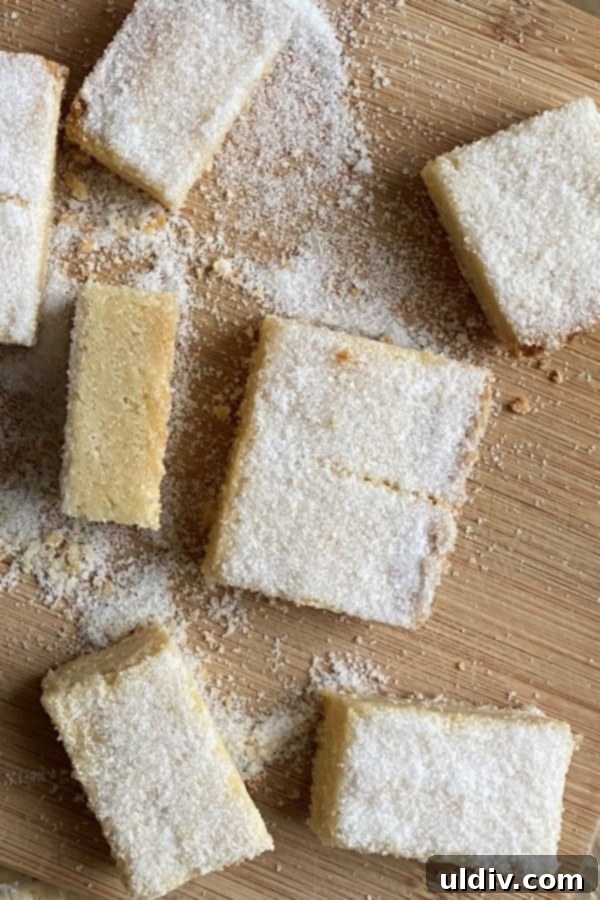
It’s not every day a home recipe catches the eye of culinary giants, but my all-butter Sugared Shortbread cookies earned their place in the spotlight, specifically featured in an article for The New York Times by the esteemed Melissa Clark. Titled “Just One More Cookie!”, her piece highlighted a select few recipes that truly stood out, and these shortbreads were proudly among them. With over 2,100 five-star reviews, this recipe isn’t just popular; it’s a proven crowd-pleaser that has delighted countless palates, solidifying its reputation as a must-try for any baking enthusiast. This recognition speaks volumes about the cookie’s consistent quality and irresistible charm.
The Unique Charm of Shortbread with Rice Flour
My journey into the delightful world of all-butter shortbread cookies began with a cherished friend who possesses an uncanny knack for conjuring up delicious baked goods on a whim, perfectly paired with a freshly brewed pot of coffee. It was her introduction to this particular recipe that truly opened my eyes to the transformative power of a single ingredient: rice flour.
Unlike traditional shortbread, which relies solely on all-purpose flour, the addition of rice flour is a game-changer. It imbues these cookies with a distinctive texture that is both rustic and incredibly delicate. The slight graininess from the rice flour contributes to a wonderfully tender crumb, creating a dense yet remarkably melt-in-your-mouth experience that is often sought after but rarely achieved in home baking. This unique characteristic is what makes this shortbread recipe stand out, elevating it beyond a simple cookie to a truly memorable treat. After making these cookies dozens of times, perfecting the balance of flavors and textures, I knew I had to share this rustic, dense, and perfectly crumbly cookie with a wider audience. It quickly became one of my absolute favorite cookies to bake, alongside other beloved recipes like my Oreo Sugar Cookies. I find myself returning to this shortbread recipe on repeat, not just for its ease but for its consistently delightful results.
The secret lies in how the rice flour interacts with the butter and other ingredients, preventing excessive gluten development and ensuring that signature crumbly texture. This makes each bite a delicate revelation, a rich, buttery treat that dissolves on your tongue, leaving a subtly sweet aftertaste. These cookies are not merely delicious; they are an experience, a perfect antidote for those sudden “cookie attacks.” So, why wait? I wholeheartedly suggest you start a batch of these Sugared Shortbread cookies now. That way, you’ll be perfectly prepared when the craving strikes, ready to indulge in homemade perfection.
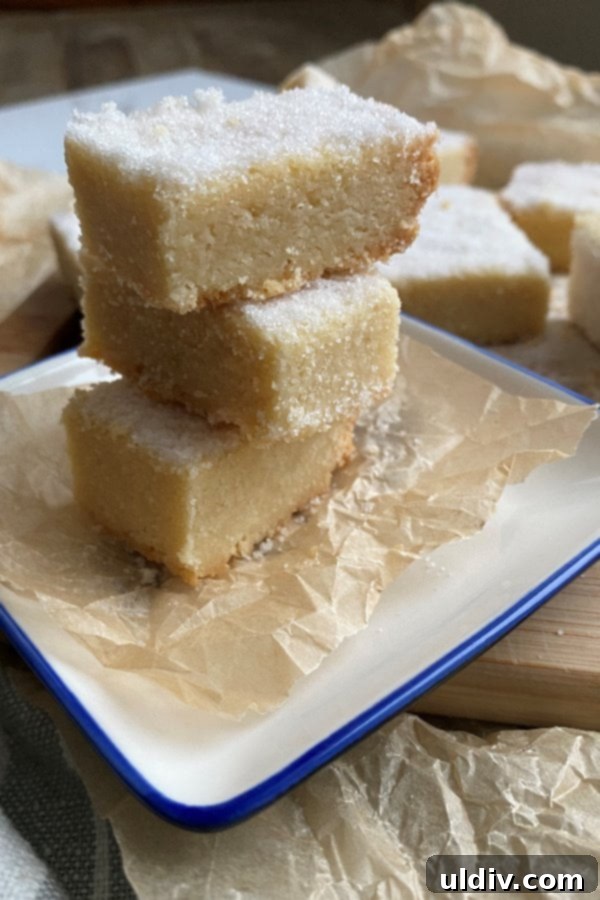
Essential Ingredients for Perfect Shortbread
The beauty of this shortbread recipe lies in its elegant simplicity, requiring just four fundamental ingredients. Each plays a crucial role in achieving the desired taste and texture, ensuring a truly authentic and delicious shortbread experience:
- All-Purpose Flour: This provides the primary structure for our cookies. Its moderate protein content gives the shortbread enough body without making it overly tough.
- White Rice Flour: This is the secret ingredient that sets this shortbread apart. Unlike regular flour, rice flour contains no gluten, which is essential for achieving that characteristic delicate, crisp, and melt-in-your-mouth crumb. It contributes to the shortbread’s signature tender texture and a subtle, almost sandy quality that distinguishes it from other cookies.
- Granulated Sugar: Beyond adding sweetness, sugar contributes to the shortbread’s structure and helps with browning. Its crystalline nature also provides a slight crunch, especially when sprinkled generously on top after baking.
- Salted Butter: As the star of any shortbread recipe, high-quality butter is non-negotiable. It provides the rich, indulgent flavor and tender texture that defines shortbread. Using salted butter eliminates the need for an additional salt measurement, ensuring perfect balance. It’s important that the butter is melted and then cooled for this particular recipe, allowing for easy mixing and optimal dough consistency.
Thoughtful Substitutions and Variations
While the original recipe is perfection, sometimes dietary needs or pantry availability call for slight adjustments. Here are some thoughtful substitutions you can consider:
- Exploring Rice Flour Alternatives: The white rice flour, such as Bob’s Red Mill brand, is key to the singular and slightly grainy texture of these shortbreads. However, if you’re looking for an alternative, brown rice flour can be used. It will impart a slightly nuttier flavor and result in cookies with a more golden-brown appearance due to its natural pigments. Another excellent substitute for rice flour is cornstarch. When used in an equal amount, cornstarch will produce cookies with an incredibly soft and delicate crumb, almost powdery in texture, which is also highly desirable in shortbread. The key is to maintain the same volumetric measurement when substituting.
- Adjusting for Unsalted Butter: If your pantry only holds unsalted butter, fear not! Simply add ½ teaspoon of high-quality kosher salt along with the other dry ingredients. Salt is vital in baking as it balances sweetness, enhances other flavors, and prevents the cookies from tasting bland. Ensuring adequate salt content, especially with unsalted butter, will bring out the full, rich flavor of your shortbread.
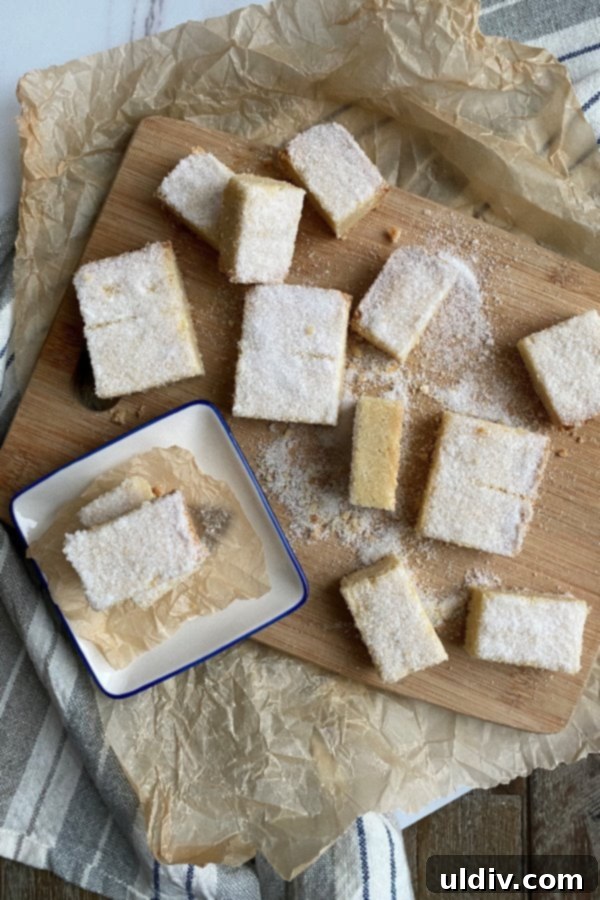
Crafting Melt-in-Your-Mouth Buttery Shortbread Cookies
Creating these exquisite shortbread cookies is a straightforward process, but a few key steps ensure perfection every time. Follow these instructions for a truly delightful result:
- Prepare Your Pan: Begin by preheating your oven to 350°F (175°C) for at least 15 minutes to ensure a consistent baking temperature. Next, take an 8 x 8 inch metal baking pan. Metal pans are preferred for shortbread as they conduct heat evenly, promoting uniform baking and a beautiful golden crust. Line the bottom of the pan with parchment paper, leaving an overhang on two sides. This thoughtful step is crucial for easy removal of the baked shortbread from the pan later, preventing sticking and breakage.
- Combine Ingredients and Form Dough: In a medium-sized mixing bowl, combine the all-purpose flour, rice flour, and granulated sugar. Give them a quick whisk to ensure they are well-mixed. Then, pour in the melted and cooled salted butter. Stir with a sturdy spoon until the dry ingredients are fully incorporated and a firm, cohesive dough forms. If the dough seems too soft or sticky, you can add a tiny bit more all-purpose flour, a teaspoon at a time, until it reaches a firm consistency that can be pressed without sticking excessively to your hands.
- Press and Bake: Transfer the dough to your prepared baking pan. Using your hands or the back of a measuring cup, firmly and evenly press the dough into the pan, ensuring it’s spread to a uniform thickness of about 1 inch. This consistency is vital for even baking and a consistent texture in every bite. Bake in the preheated oven for approximately 40 to 45 minutes. The shortbread is ready when it achieves an even golden-brown color across the top and the edges begin to slightly pull away from the sides of the pan. This indicates it’s cooked through and delightfully crisp.
- Sugar and Cut Immediately: As soon as you remove the shortbread from the oven, while it’s still piping hot, generously sprinkle the surface with additional granulated sugar. The heat will help the sugar adhere and create a beautiful, sparkling crust. Immediately after sugaring, use a sharp knife or a pizza cutter to slice the warm shortbread into individual cookie sticks, roughly 1 inch by 2 inches each. Cutting while hot is essential because shortbread is naturally delicate and crumbly; cutting it once it has cooled can lead to excessive breakage.
- Cool Completely: Allow the cut shortbread to cool completely within the pan on a wire rack. This cooling period is crucial. As the shortbread cools, it continues to firm up and solidify, making it robust enough to handle and preventing it from falling apart when you remove the pieces from the pan. Patience here is key to perfectly structured shortbread sticks. Once fully cooled, gently lift the parchment paper to remove the entire slab of cookies, then separate the individual sticks and enjoy!
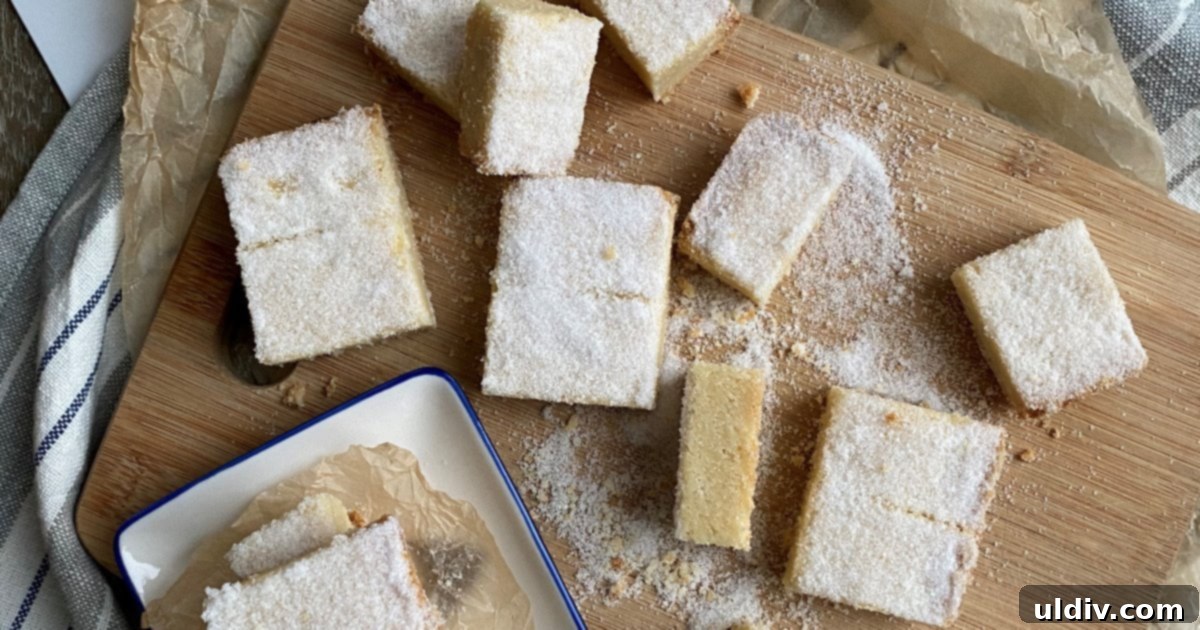
Amy’s Expert Tips for Shortbread Perfection
Achieving truly perfect shortbread is an art, and these expert tips will guide you to consistently excellent results:
- Ensure a Properly Preheated Oven: For shortbread that bakes evenly and develops a beautiful, consistent golden hue, it’s vital to preheat your oven for at least 15 minutes before placing the cookies inside. This ensures the oven has reached and stabilized at the correct temperature, eliminating hot or cold spots that can lead to uneven baking.
- Always Line Your Baking Pan with Parchment Paper: This simple step makes a world of difference. Lining the baking pan with parchment paper not only prevents the shortbread from sticking but also allows you to effortlessly lift the entire slab of baked cookies out of the pan once cooled, greatly reducing the risk of breakage.
- Firmly and Evenly Press the Cookie Dough: When transferring the dough to the pan, take the time to press it down firmly and ensure it’s spread into an even layer. A consistent thickness across the entire pan guarantees that each shortbread cookie bakes at the same rate and achieves the same delightful texture. Uneven pressing can lead to some parts being undercooked and others overcooked.
- Generously Sprinkle with Granulated Sugar Immediately After Baking: The moment the shortbread comes out of the hot oven, sprinkle a liberal amount of granulated sugar over the top. The residual heat will slightly melt the sugar, allowing it to adhere perfectly and create a beautiful, sparkling, and slightly crunchy top crust that adds another layer of texture and sweetness.
- Cut While Hot to Prevent Crumbly Edges: Shortbread is inherently delicate and prone to crumbling due to its high butter content and minimal gluten. To avoid this, it’s crucial to cut the shortbread into its desired 1 by 2-inch cookie sticks immediately after it comes out of the oven. While still warm, the shortbread is more pliable, allowing for clean cuts without falling apart. As it cools, it becomes more brittle.
- Allow for Complete Cooling in the Pan: After cutting, resist the temptation to remove the shortbread from the pan right away. Allow it to cool completely in the pan on a wire rack. As the shortbread cools, it continues to firm up and solidify, developing its final stable structure. Removing it too soon can result in soft, easily broken pieces. Patience will be rewarded with perfectly intact, sturdy shortbread sticks.
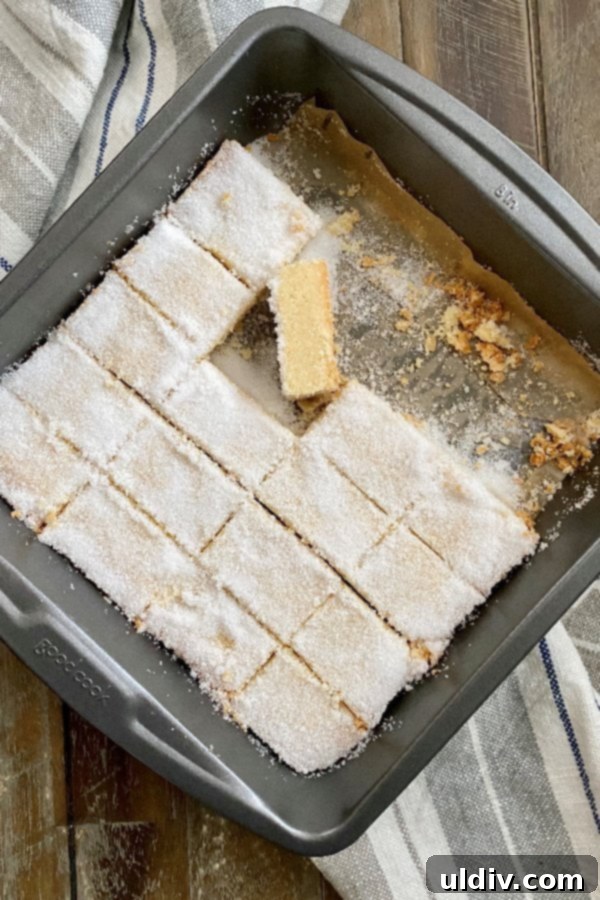
The Enduring Appeal of Classic Shortbread
Shortbread isn’t just a cookie; it’s a culinary institution, deeply rooted in Scottish tradition and beloved worldwide for its unassuming elegance and rich flavor. Its history dates back to medieval times, evolving from a medieval “biscuit bread” that was enriched with butter and sugar. The name “shortbread” refers to its crumbly texture, a result of a high proportion of butter (“shortening”) that inhibits gluten development, making the dough “short” or friable.
What makes shortbread so universally cherished? It’s the harmonious balance of simple, high-quality ingredients that allow the pure taste of butter to shine through. There are no fancy fillings or elaborate decorations needed; the magic is in its unadorned perfection. This particular recipe, with the addition of rice flour, takes that classic appeal and elevates it further, introducing an even more delicate and satisfying texture. It’s a versatile treat, equally at home on a sophisticated dessert platter as it is alongside a casual cup of coffee. Its comforting flavor profile makes it a perfect companion for quiet mornings, afternoon tea breaks, or as a sweet ending to any meal. Whether you’re a seasoned baker or new to the kitchen, the process of making shortbread is incredibly rewarding, yielding a product that tastes far more complex than its simple ingredient list suggests.
Serving Suggestions and Storage Tips
These Sugared Shortbread Cookies are delightful on their own, but they also pair beautifully with a variety of beverages and other treats, enhancing their rich buttery flavor. For an elegant experience, serve them alongside a freshly brewed cup of hot tea or strong coffee. Their crisp texture and mild sweetness also make them an excellent accompaniment to a glass of cold milk, a perfect snack for children and adults alike. Consider crumbling them over a scoop of vanilla ice cream or serving them with fresh berries and a dollop of whipped cream for a simple yet sophisticated dessert. A drizzle of melted chocolate can also add a touch of decadence without overpowering their classic charm.
To keep your shortbread cookies tasting fresh and maintaining their perfect texture, proper storage is key. Once completely cooled, store the cookies in an airtight container at room temperature. They will retain their freshness and crispness for up to one week. For longer storage, shortbread freezes exceptionally well. Simply place the cooled cookies in a single layer in an airtight freezer-safe container or freezer bag, separated by parchment paper to prevent sticking. They can be frozen for up to two to three months. When ready to enjoy, thaw them at room temperature, and they’ll be as delicious as the day they were baked. Avoid refrigerating shortbread, as the moisture in the refrigerator can cause them to soften and lose their signature crispness.
Troubleshooting Common Shortbread Questions
While shortbread is a simple cookie to make, occasionally questions arise. Here are some common troubleshooting tips to ensure your baking success:
- Why is my shortbread too hard or tough? This typically happens if the dough was overworked, leading to excessive gluten development in the all-purpose flour. Remember that shortbread should be “short” – crumbly and tender. Mix just until the ingredients are combined. Another reason could be too little butter or too much flour, throwing off the delicate fat-to-flour ratio.
- Why is my shortbread too crumbly and falling apart? While shortbread is meant to be crumbly, if it’s falling apart excessively, it might indicate too much rice flour or not enough binder (butter). Ensure your measurements are precise. Also, not pressing the dough firmly enough into the pan can contribute to a loose structure. Always allow the cookies to cool completely in the pan before handling.
- Why isn’t my shortbread golden brown? Oven temperature can be a factor. Ensure your oven is accurately calibrated and fully preheated. Baking for the recommended time at 350°F (175°C) should achieve a nice golden color. If your shortbread is pale, you might need to extend the baking time slightly, but keep a close eye on it to prevent burning.
- Can I use a different type of flour? While all-purpose flour and rice flour are essential for this recipe’s specific texture, you could experiment with gluten-free all-purpose blends if you have dietary restrictions. However, be aware that the texture may vary. For the best result, stick to the recommended flours.
- My shortbread tastes bland. What went wrong? This is often a sign that salt was omitted or insufficient, especially if using unsalted butter. Salt is crucial for enhancing the butter’s richness and balancing the sweetness. Ensure you add ½ teaspoon of kosher salt if you’re using unsalted butter.
More Cookie Recipes to Explore
- The Perfect Sugar Cookie
- Chocolate Chocolate Chip Pudding Cookies
- Almond Butter Cookies
- Granola Cookies
- Soft Pumpkin Spice Cookies with Buttercream Frosting
One More Thing: Your Feedback Matters!

Did you try this recipe?
I would absolutely love to hear about your experience with these Sugared Shortbread Cookies! Your feedback is incredibly valuable and helps me continue to share recipes that you adore. Please consider leaving a comment and a star rating below to share your thoughts, tips, and any delicious twists you might have added. And if you snapped a photo of your culinary masterpiece, I’d be thrilled if you shared it on Pinterest, Instagram, and Facebook. Don’t forget to tag me so I can see your wonderful creations!
Thanks a million for baking with me ~ Amy
Recipe Card: Butter Shortbread Cookies
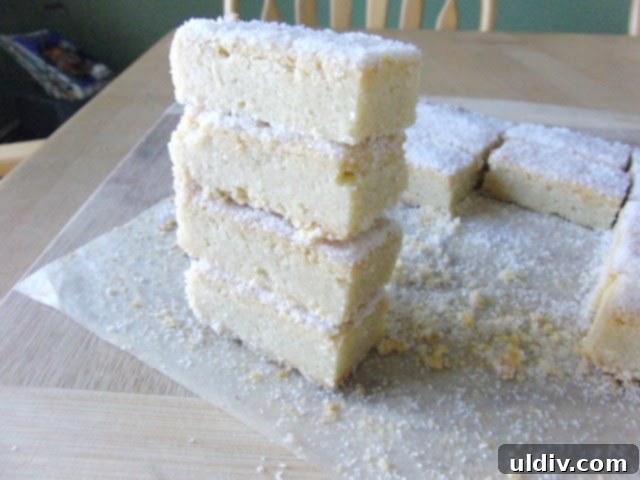
Butter Shortbread Cookies
These buttery, dense treats are melt-in-your-mouth delicious and include rice flour, sugar, and butter as key ingredients, making them a true delight for any occasion.
Prep Time:
10 minutes
Cook Time:
45 minutes
Total Time:
55 minutes
Servings:
24 cookies
Calories:
120 kcal
Author:
Amy Casey
Equipment
- 8 x 8 inch baking pan
- Parchment paper
Ingredients
- 2 cups all-purpose flour
- ¼ cup rice flour (I recommend Bob’s Red Mill White Rice Flour for best results)
- ¼ cup granulated sugar, plus more for sprinkling on top
- 1 cup salted butter, melted and cooled
Instructions
- Preheat oven to 350°F (175°C). Line the bottom of an 8 x 8 inch baking pan with parchment paper, leaving a slight overhang for easy removal. Set aside.
- In a medium-sized bowl, combine the all-purpose flour, rice flour, and sugar. Stir in the melted and cooled butter until a firm, cohesive dough forms. If needed, add a touch more all-purpose flour (1 teaspoon at a time) to achieve a firm consistency.
- Press the dough evenly into the prepared pan, aiming for a consistent thickness of about 1 inch across the surface.
- Bake for approximately 40 to 45 minutes, or until the shortbread is evenly golden brown and has started to slightly pull away from the sides of the pan.
- Immediately remove the pan from the oven. Generously sprinkle the hot shortbread with extra granulated sugar. Using a sharp knife or pizza cutter, immediately cut into cookie sticks, roughly 1 inch by 2 inches each.
- Allow the shortbread to cool completely in the pan before attempting to remove or separate the pieces. This ensures they firm up and prevent crumbling.
Notes
- Ensure your oven is preheated for at least 15 minutes before baking. This consistent temperature is crucial for even baking and proper texture.
- Always line your baking pan with parchment paper; it ensures the shortbread slides out easily and prevents sticking.
- If using unsalted butter instead of salted, remember to add ½ teaspoon of kosher salt to the dry ingredients to balance the flavors.
- Press the cookie dough firmly and evenly into the pan to guarantee a uniform thickness, which leads to consistent baking and texture across all cookies.
- Generously sprinkle the baked shortbread with sugar and cut it in the pan as soon as it comes out of the oven. Shortbread is delicate by nature, and cutting while hot helps maintain its integrity, preventing crumbling.
- Always let the shortbread cool completely in the pan before removing the pieces. This step is vital for the cookies to firm up and achieve their final, stable structure.
Nutrition
Serving: 1 cookie | Calories: 120 kcal | Carbohydrates: 11.4g | Protein: 1.3g | Fat: 7.8g | Saturated Fat: 4.9g | Cholesterol: 20mg | Sodium: 55mg | Fiber: 0.3g | Sugar: 2.1g