
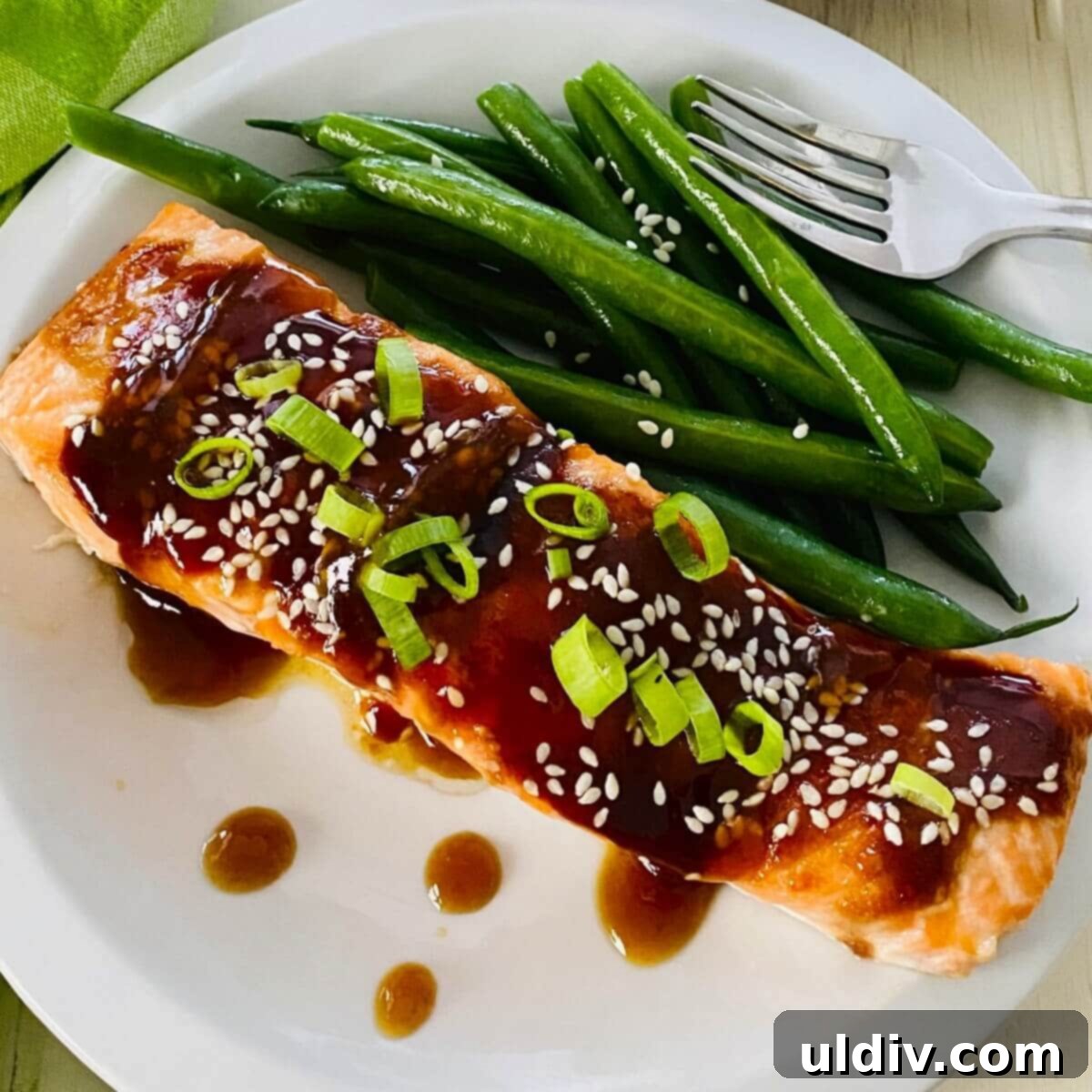
Unlock the secret to an effortless yet exquisite dining experience with this **Baked Teriyaki Salmon** recipe. This incredible dish consistently earns rave reviews, often outshining offerings from even the most esteemed restaurants. Imagine a weeknight dinner that feels like a special occasion, ready to grace your table in approximately 20 minutes from start to finish. Each succulent salmon fillet is generously coated with a duo of delectable sauces: a sweet and smoky hoisin glaze, perfectly complemented by a vibrant, easy-to-make homemade teriyaki sauce. It’s a culinary masterpiece that our personal chef clients simply can’t get enough of, and it’s sure to become a beloved favorite in your own home.
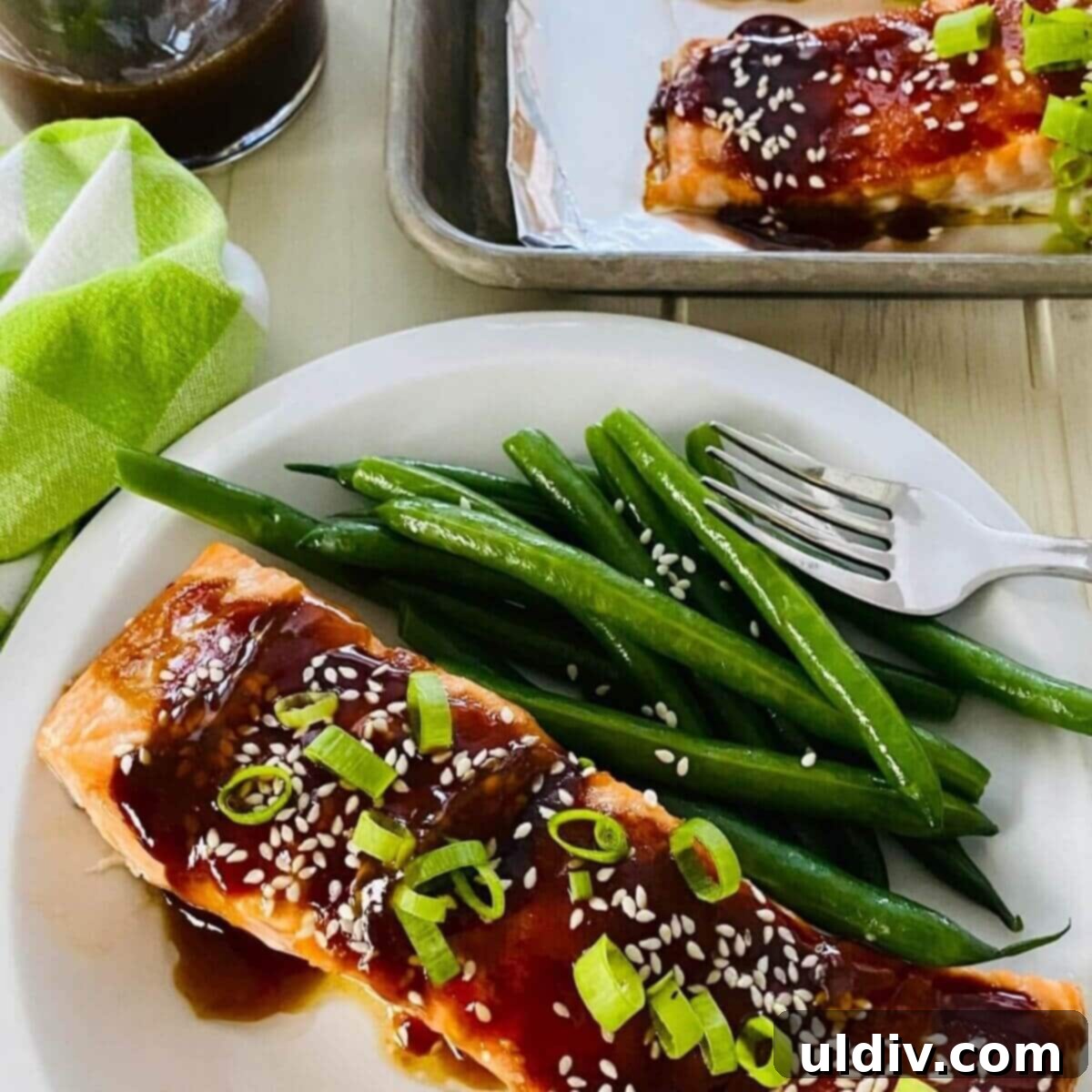
This particular salmon recipe holds a special place, not only among my personal chef clientele but also with my own family. My husband, for instance, adores the homemade teriyaki sauce so much that he claims he would happily drizzle it over anything! The baked salmon, cooked to flaky perfection, boasts a remarkably buttery texture that beautifully stands up to the bold, complex notes of the Asian-inspired flavors. It’s a harmonious blend where the richness of the fish meets the tantalizing sweetness and umami of the glazes, creating a truly memorable bite every time.
Beyond its incredible taste, what makes this dish truly exceptional is its remarkable speed and simplicity. This quick-to-make, family-favorite entrée is an ideal solution for busy weeknight dinners when time is precious but quality is non-negotiable. Moreover, its elegant presentation and gourmet flavors make it perfect for entertaining guests over the weekend, offering a sophisticated meal without the stress. The inspiration for this recipe stems from my enduring love for Asian-inspired cuisine, much like my popular hibachi shrimp recipe, proving that delicious and exotic flavors can be achieved with surprising ease right in your own kitchen.
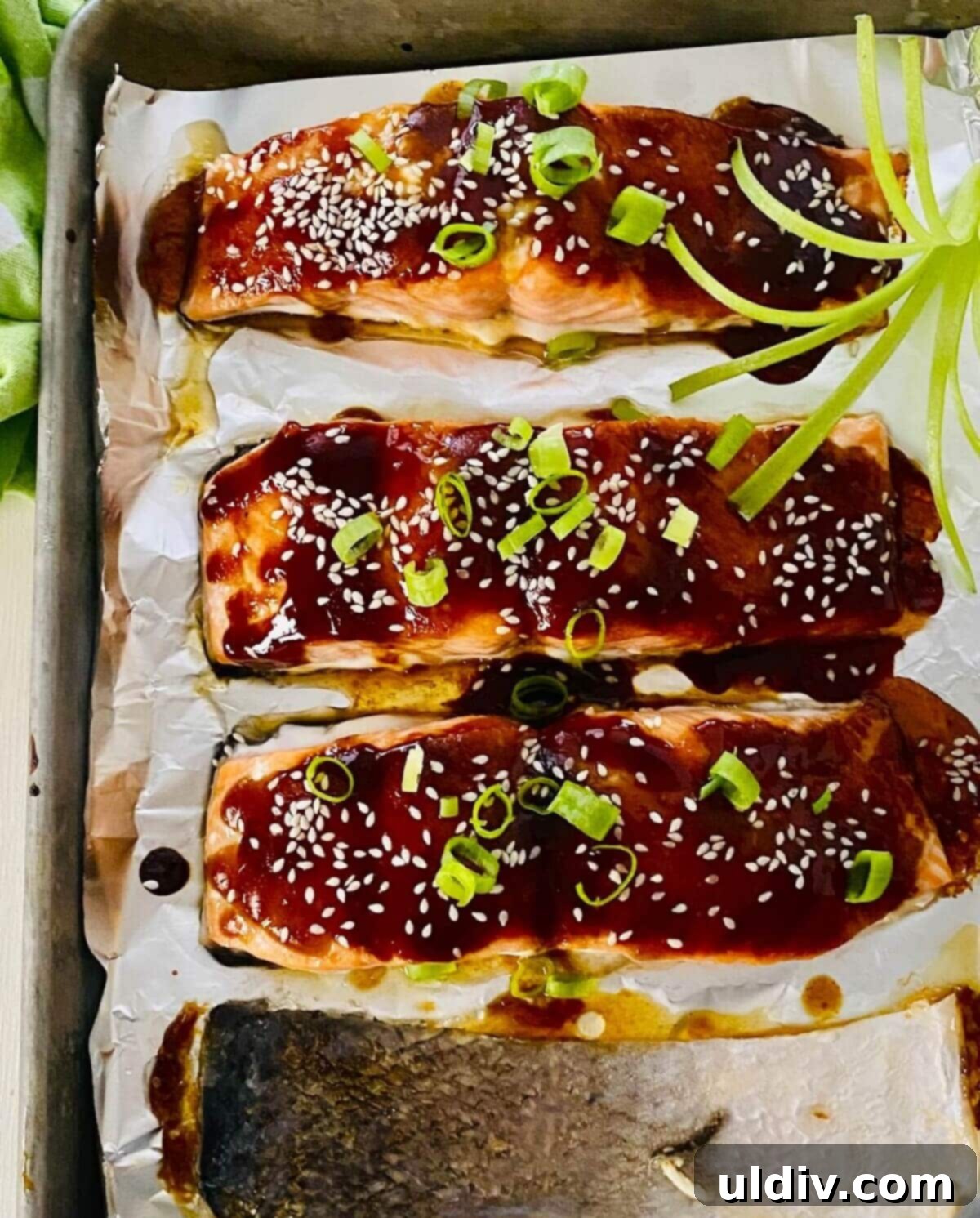
Why You’ll Adore This Baked Teriyaki Salmon Recipe
This isn’t just another salmon recipe; it’s a culinary experience designed to impress with minimal effort. Here’s why this Baked Teriyaki Salmon will quickly become a cherished staple in your cooking repertoire:
- Restaurant-Quality Entrée at Home: Prepare to astound your taste buds with a dish that effortlessly competes with high-end restaurant fare. This easy teriyaki salmon recipe is a symphony of robust Asian flavors, perfectly balanced between savory and sweet, with a hint of smoky depth. The rich glaze adheres beautifully to the tender salmon, creating a truly gourmet experience right from your own kitchen. You’ll find yourself craving this incredible flavor profile again and again, wondering how something so delicious can be so simple to create.
- Effortless Preparation for Busy Lives: Say goodbye to complicated recipes and lengthy prep times. This recipe is designed for maximum flavor with minimum fuss. Most well-stocked kitchens will already contain the simple ingredients needed for the homemade teriyaki sauce. One of its greatest advantages is that there’s absolutely no need to marinate the salmon in advance. This drastically cuts down on preparation time, making it an ideal choice for busy weeknights when you need a quick yet wholesome meal. From start to finish, you’re looking at about 20 minutes, allowing you more time to enjoy your meal and less time in the kitchen.
- Unforgettable Deliciousness: The secret to this dish’s unparalleled taste lies in its dual-sauce approach and the inherent richness of salmon. By generously layering both the sweet, smoky hoisin and our homemade, perfectly thickened teriyaki sauce, we achieve a depth of flavor that is truly extraordinary. The buttery, flaky texture of the baked salmon beautifully absorbs these bold Asian flavors, ensuring every bite is moist, tender, and incredibly satisfying. It’s a dish that’s not just good, but truly delicious, leaving a lasting impression on anyone who tries it.
Essential Ingredients & Smart Substitutions
Crafting this exquisite Baked Teriyaki Salmon requires a selection of readily available ingredients, many of which are likely already in your pantry or easily found at any major grocery store. We focus on common Asian staples that deliver maximum flavor. For precise measurements, please refer to the complete recipe card below.
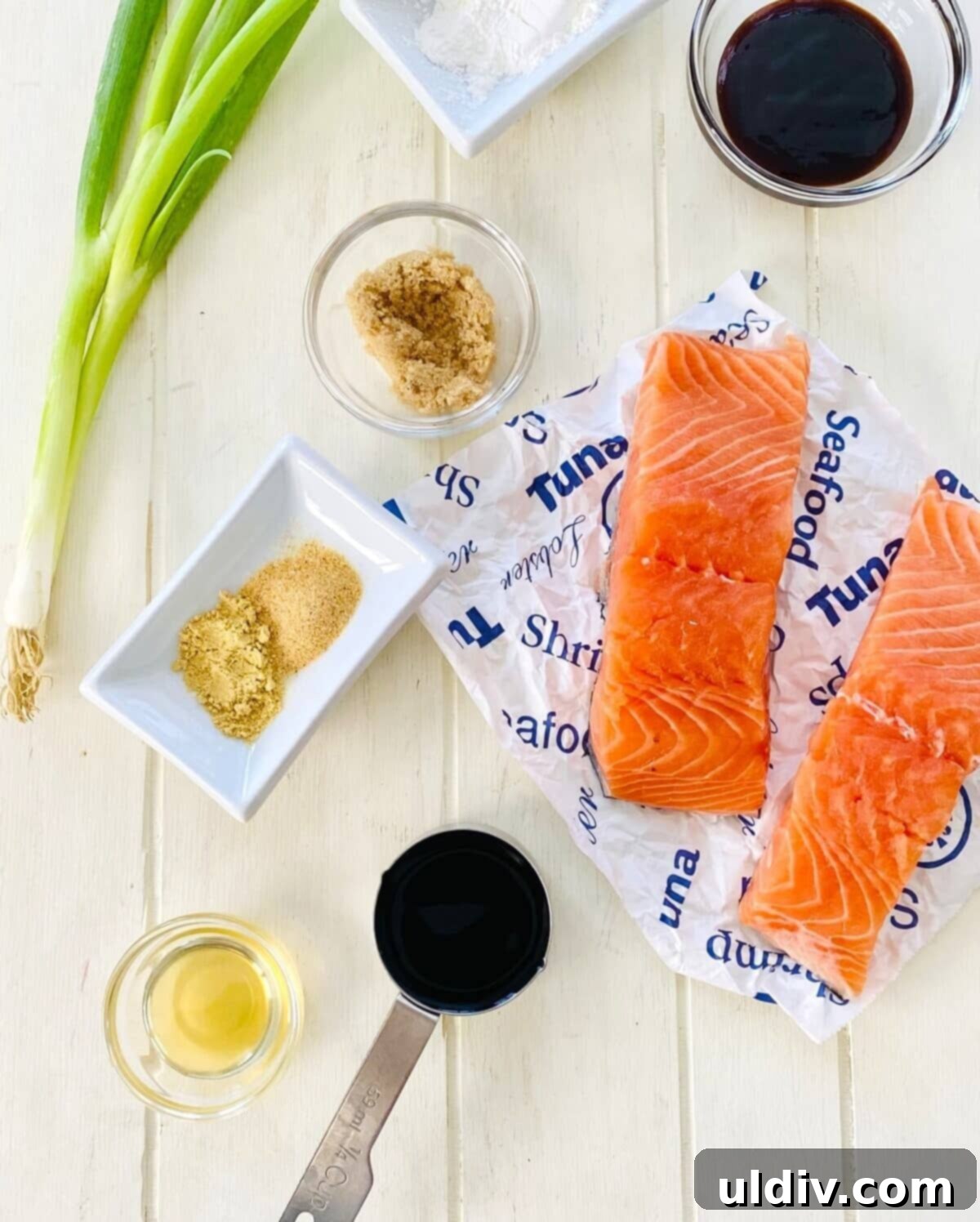
- Salmon Filets: The star of our dish! You have the flexibility to choose either skin-on or skinless salmon fillets based on your preference. Skin-on salmon can offer a crispier texture if cooked properly, while skinless is often preferred for easier serving. Aim for fillets of similar thickness for even cooking.
- Hoisin Sauce: This versatile, rich, and smoky Asian barbecue sauce provides a foundational layer of flavor. It’s known for its sweet, savory, and umami notes. Many excellent gluten-free hoisin sauce options are available if you have dietary restrictions. In a pinch, a good quality regular barbecue sauce with a touch of honey or molasses can serve as a decent, though not identical, substitute.
- Water: Essential for thinning and balancing the teriyaki sauce.
- Reduced Sodium Soy Sauce: To maintain control over the overall saltiness of the dish, we recommend using a low sodium soy sauce. However, regular soy sauce works perfectly fine if that’s what you have on hand, just be mindful of any additional salt. For a gluten-free alternative, Tamari is an excellent choice, offering a similar flavor profile without the wheat.
- Light Brown Sugar: Contributes to the characteristic sweetness and helps achieve a beautiful caramelized glaze. Dark brown sugar can be used for a deeper molasses flavor, or granulated sugar in a pinch, though it will alter the depth slightly.
- Honey: Adds another layer of natural sweetness and helps create that glossy, sticky texture in the teriyaki glaze. Maple syrup can be a suitable alternative.
- Ginger Powder: Provides a warm, aromatic, and slightly pungent flavor that is quintessential to Asian cuisine. Freshly grated ginger can also be used for an even more vibrant kick, simply double the amount.
- Garlic Powder: Delivers a mellow, savory garlic flavor. If using fresh garlic, mince 2-3 cloves finely for each ½ teaspoon of powder.
- Cornstarch: This acts as our thickening agent for the teriyaki sauce, ensuring it beautifully coats the salmon. Arrowroot powder is a common alternative for thickening sauces.
- Green Onions: Sliced thin, these provide a fresh, mild oniony bite and a vibrant green garnish, adding both flavor and visual appeal to the finished dish.
- Sesame Seeds: A classic garnish for teriyaki dishes, offering a subtle nutty flavor and a pleasing textural contrast. Both white and black sesame seeds work wonderfully.
Crafting Perfect Teriyaki Salmon in the Oven: A Step-by-Step Guide
Creating this restaurant-quality Baked Teriyaki Salmon is surprisingly straightforward, relying on simple steps and a quick baking process. Follow these instructions for a perfect, flavorful meal every time.
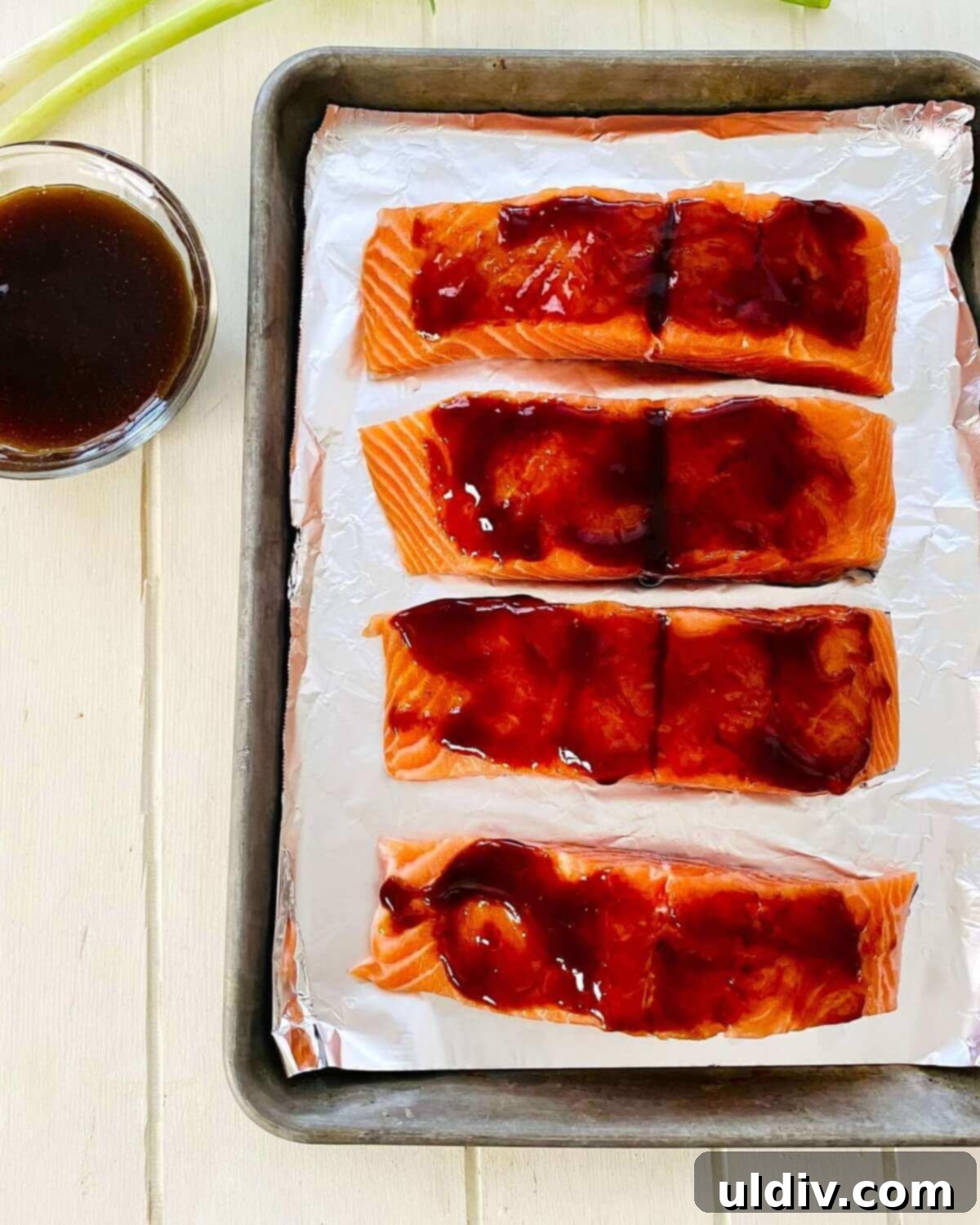
1. Prepare the Salmon: Begin by preheating your oven to 400 degrees F (200 degrees C). This high heat ensures quick cooking and a beautiful sear. Line a quarter-size baking sheet pan with either aluminum foil or parchment paper. This crucial step not only prevents sticking but also makes cleanup incredibly easy. Place your salmon fillets onto the prepared baking sheet. Using a pastry brush, generously coat each piece of salmon with the hoisin sauce. This creates a delicious, smoky base layer of flavor before the teriyaki sauce is even introduced. Set the salmon aside as you prepare the homemade teriyaki glaze.
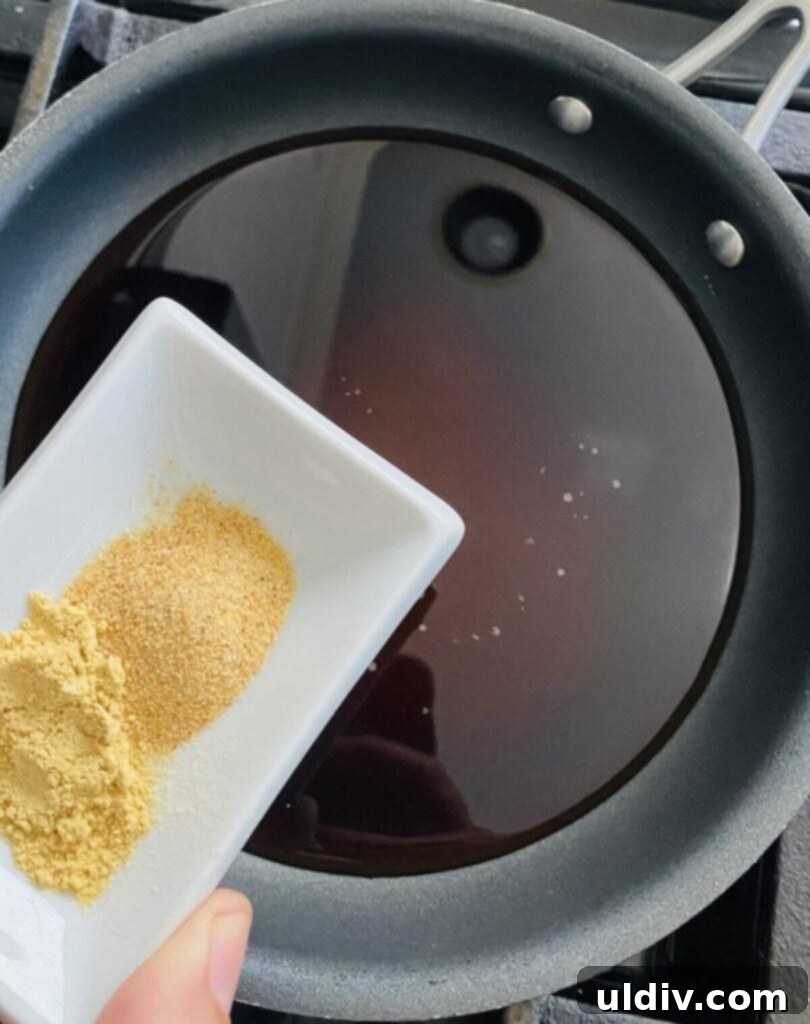
2. Whisk the Teriyaki Base: In a small saucepan, combine ½ cup of water, the reduced sodium soy sauce, light brown sugar, honey, ginger powder, and garlic powder. Whisk these ingredients together thoroughly until the sugar dissolves and the mixture is well combined. This forms the flavorful base of your homemade teriyaki sauce, promising a fresh and vibrant taste far superior to store-bought varieties. Using powdered ginger and garlic ensures a smooth sauce and eliminates the need for mincing, keeping the process quick and simple.
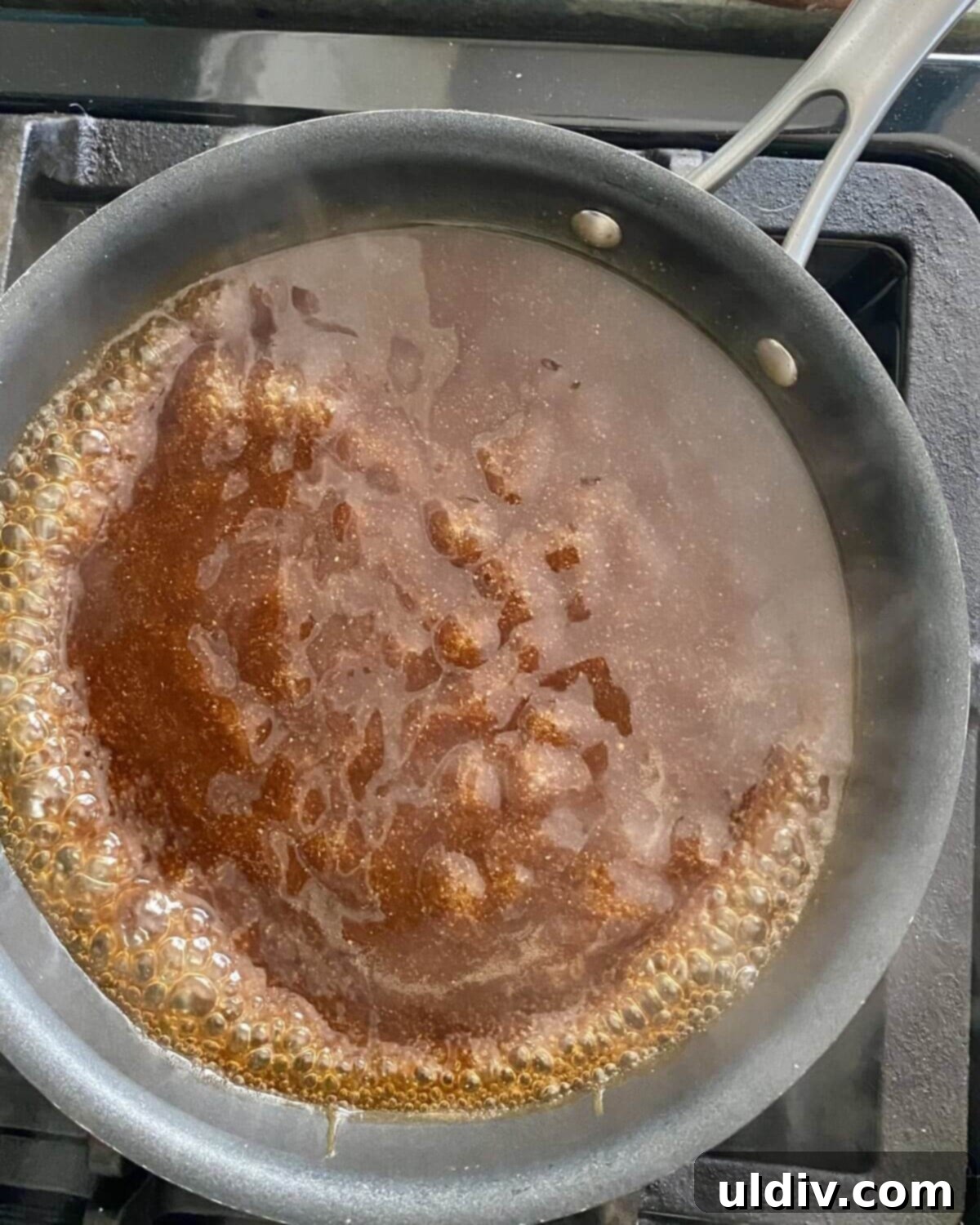
3. Thicken the Teriyaki Sauce: Place the saucepan with your teriyaki mixture over medium-low heat. Bring the mixture to a gentle boil, then continue boiling for precisely 1 minute. It’s important to watch it carefully during this stage to prevent it from boiling over. This brief boil helps to meld the flavors and dissolve any remaining sugar. While the sauce is simmering, prepare your cornstarch slurry: in a separate small bowl, combine the remaining ¼ cup water with the cornstarch, stirring until the cornstarch is completely dissolved and no lumps remain. Slowly pour this cornstarch mixture into the boiling teriyaki sauce, continuously stirring. Continue cooking for about 2 minutes, or until the sauce visibly thickens to a consistency that coats the back of a spoon. Once thickened, remove the teriyaki sauce from the heat.
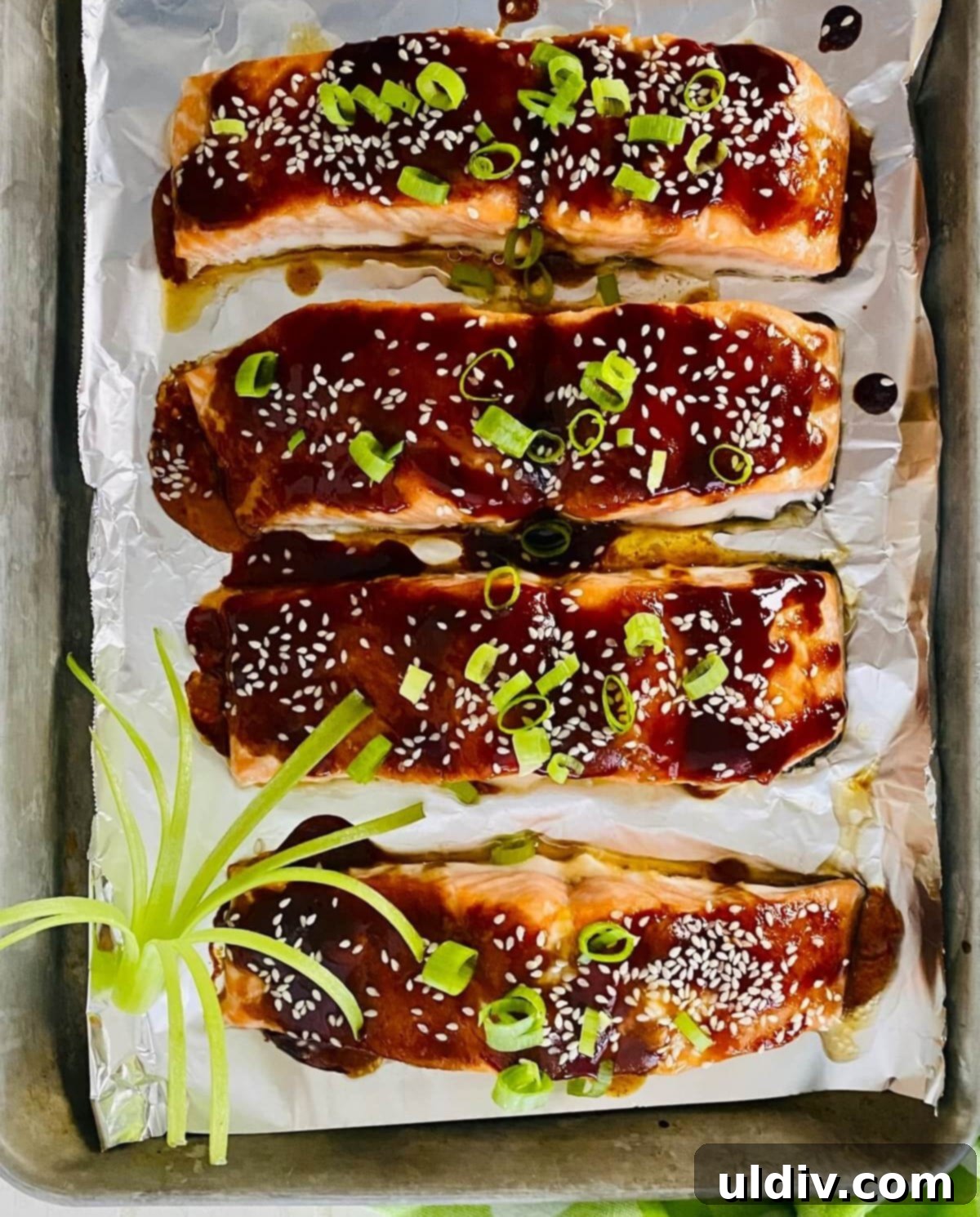
5. Bake to Perfection: Transfer the baking sheet with the sauced salmon to your preheated 400-degree F oven. Bake the salmon for 12 to 15 minutes. The precise baking time will vary slightly depending on the thickness of your salmon fillets and your oven’s calibration. For moist and perfectly cooked salmon, aim for an internal temperature of 145 degrees F (63 degrees C) when measured with a quick-read digital thermometer at the thickest part of the fillet. Do not overcook, as salmon can dry out quickly.
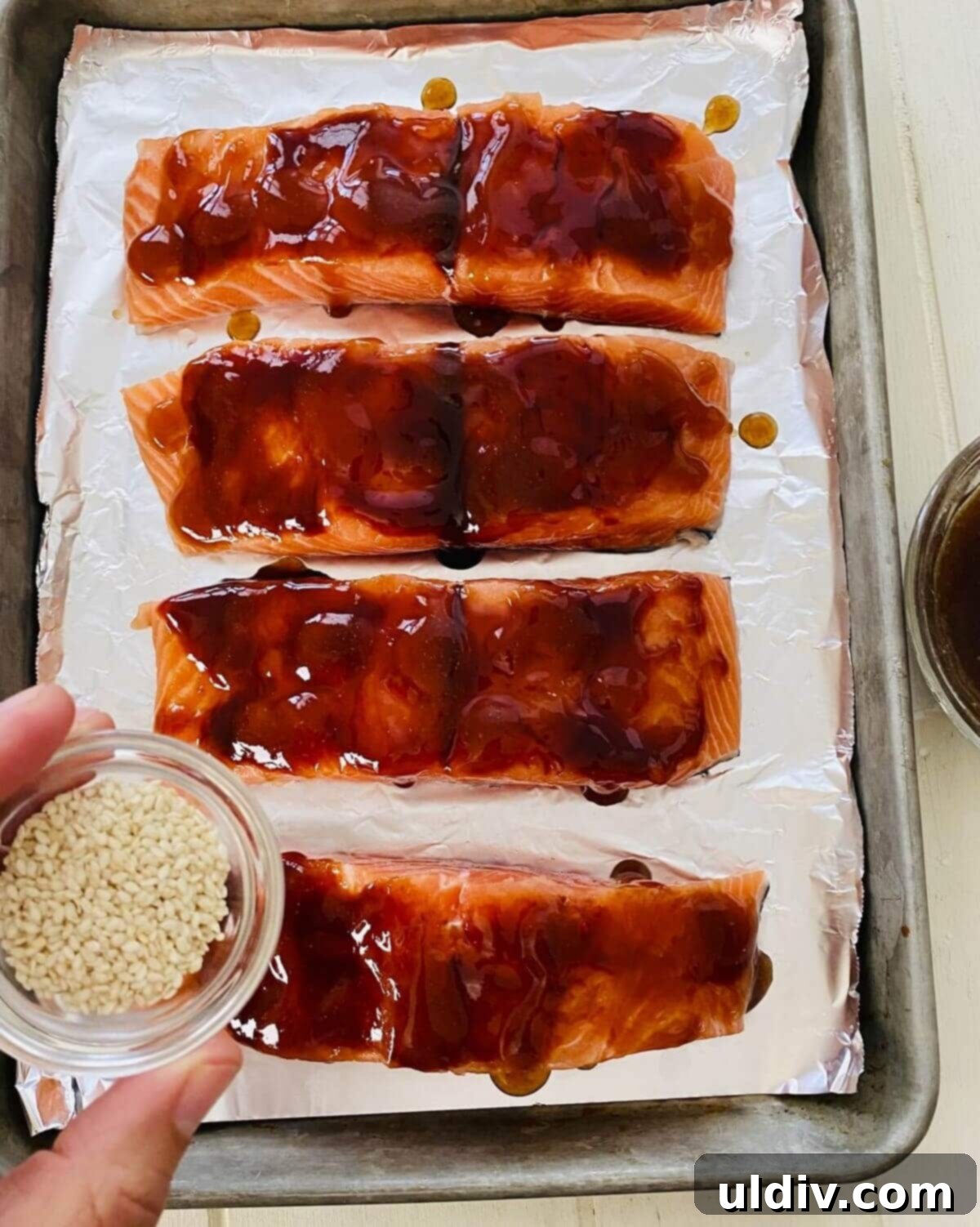
4. Glaze and Garnish Before Baking: Once your homemade teriyaki sauce has reached the desired thickness, drizzle approximately 2 teaspoons of the sauce generously over each salmon fillet. This initial layer of teriyaki glaze will caramelize beautifully as it bakes, creating an irresistible crust. After drizzling the sauce, sprinkle the salmon with sesame seeds. The sesame seeds will toast lightly in the oven, adding a wonderful nutty aroma and a pleasant textural crunch to the finished dish.
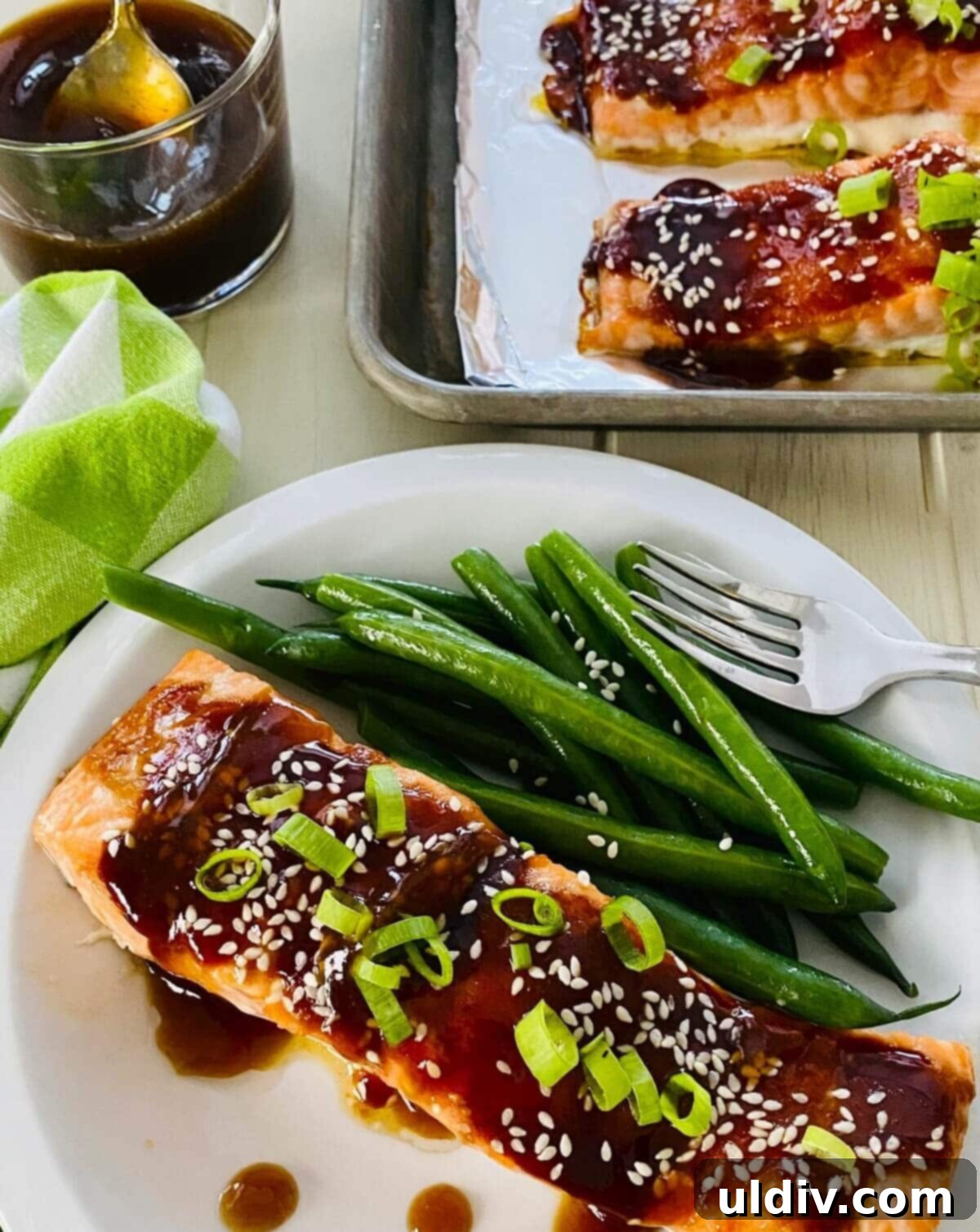
6. Final Touches and Serve: Once the salmon is perfectly cooked, remove it from the oven. For an extra boost of flavor and a beautiful sheen, drizzle each fillet with a little more of the remaining warm teriyaki sauce. Finally, sprinkle the thinly sliced green onions over the top. The fresh, mild crunch of the green onions provides a lovely contrast to the rich salmon and sticky sauce. Serve immediately with your favorite side dishes for a truly satisfying and memorable dinner. Enjoy your homemade, restaurant-quality Baked Teriyaki Salmon!
Pro Tip for Easy Cleanup: Always line your rimmed baking sheet with either aluminum foil or parchment paper. This simple step makes cleanup a breeze, saving you time and effort after enjoying your delicious meal. The parchment paper also helps prevent the sauce from sticking too much during baking.
Delicious Variations to Explore
While this classic Baked Teriyaki Salmon recipe is perfect as is, it also serves as a fantastic canvas for culinary creativity. Feel free to experiment with these variations to customize the dish to your liking or to simply try something new:
- Experiment with Different Fish: Don’t limit yourself to salmon! This teriyaki glaze is wonderfully versatile and pairs beautifully with a variety of other fish. Consider using swordfish, halibut, mahi-mahi, bluefish, haddock, or cod as tasty alternatives. Keep in mind that cooking times may vary slightly depending on the type and thickness of the fish, so always use a digital thermometer to ensure perfect doneness.
- Amplify the Spice Level: If you appreciate a dish with a little heat, easily add some spice to your homemade teriyaki sauce. Incorporate chili pepper flakes, such as crushed red pepper flakes or even a pinch of gochugaru (Korean chili flakes), along with the ginger and garlic powders. Adjust the amount to your personal preference for a gentle warmth or a fiery kick.
- Transform into a Flavorful Sandwich: Get creative with leftovers or prepare fresh salmon specifically for this purpose. Serve the baked teriyaki salmon on a soft, long roll or baguette. Add some shredded lettuce for crunch, thin slices of fresh pineapple for a sweet and tangy contrast, and a dollop of tartar sauce or a spicy mayo for an extra layer of creaminess and flavor. This makes for an adventurous and satisfying lunch or light dinner.
- Grill or Pan-Sear it: For a different texture and flavor profile, consider grilling or pan-searing your teriyaki salmon. On the grill, brush the salmon with sauce towards the end of cooking to prevent burning. For pan-searing, cook skin-side down first for crispy skin, then flip and finish with the glaze.
- One-Pan Wonders: For an even easier meal, add quick-cooking vegetables like broccoli florets, asparagus spears, or sliced bell peppers directly to the baking sheet alongside the salmon during the last 10-15 minutes of baking. Drizzle them with a little extra teriyaki sauce for a complete, flavorful one-pan dinner.
Storing and Reheating Your Teriyaki Glazed Salmon
Proper storage and reheating ensure your delicious Baked Teriyaki Salmon remains enjoyable for future meals. Here’s how to best handle leftovers:
Storage: Any leftover teriyaki salmon should be promptly transferred to an airtight container and stored in the refrigerator. When stored correctly, it will maintain its quality and freshness for 3 to 4 days. It’s important to cool the salmon completely before sealing it in the container to prevent condensation and maintain texture.
Reheating: The best method for reheating fish, including this teriyaki salmon, to preserve its moisture and delicate texture is typically in the microwave. Place the salmon on a microwave-safe plate and heat it on 60 percent power for 1 to 2 minutes initially. Continue heating in short 30-second intervals thereafter, until it is thoroughly heated through. This gentle approach prevents the salmon from drying out. Alternatively, for a slightly crisper texture (especially if the skin is on), you can reheat it in a preheated oven at a low temperature (around 275°F / 135°C), covered loosely with foil, for about 10-15 minutes, or until warmed through.
Amy’s Top Tips for Success
Achieving perfectly cooked, moist, and flavorful Baked Teriyaki Salmon is simple with these expert tips:
- Purchase Evenly Thick Salmon Pieces: For consistent results and to ensure all your salmon cooks at the same rate, select fillets that are roughly the same thickness. Ideally, aim for pieces that are about 2 inches thick. This prevents some pieces from being overcooked while others are still underdone, guaranteeing uniformly moist and tender fish throughout your dish.
- Always Take the Salmon’s Temperature: The key to moist and delicious salmon is cooking it to the correct internal temperature – no more, no less. For optimal results, cook your salmon until it reaches an internal temperature of 145 degrees F (63 degrees C). A quick-reading digital thermometer is an indispensable tool for accurately checking the temperature, ensuring your salmon is perfectly cooked without drying out.
- Don’t Waste Leftover Teriyaki Sauce: If you find yourself with any remaining homemade teriyaki sauce, don’t let it go to waste! Serve it alongside the baked salmon for those who prefer an extra punch of flavor. Beyond salmon, this versatile sauce is fantastic brushed onto grilled steak, pork chops, shrimp, or chicken. It also makes a wonderful dressing or glaze for cooked vegetables; try drizzling it over steamed broccoli, roasted carrots, sautéed zucchini, or mushrooms for an instant flavor upgrade. Its rich, sweet-savory profile is a fantastic addition to almost any meal.
- Crispy Skin (If Applicable): If you choose skin-on salmon, ensure the skin side is facing up for at least part of the baking process, or finish under the broiler for a minute or two. This can help achieve a deliciously crispy skin, adding another layer of texture.
- Avoid Overcrowding the Pan: Give your salmon fillets space to breathe on the baking sheet. Overcrowding can lead to steaming instead of baking, which prevents the beautiful caramelization of the sauce and can result in less flavorful, less visually appealing fish.
Frequently Asked Questions
Absolutely, using frozen salmon is perfectly fine for this teriyaki salmon recipe. The most important step is to ensure the fish is completely thawed before you begin with Step 1 of the recipe. You can thaw frozen salmon overnight in the refrigerator, or for a quicker method, place the vacuum-sealed fillets in a bowl of cold water for about 30-60 minutes, changing the water every 15-20 minutes, until thawed. Once thawed, pat the salmon dry thoroughly with paper towels before applying the hoisin sauce to help achieve a better glaze and even cooking.
No, there’s no need to cover the salmon while it bakes in the oven for this recipe. Leaving the salmon uncovered is actually crucial for achieving that desirable sticky, caramelized teriyaki glaze on the surface of the fish. Covering the salmon would trap steam, which would prevent the sauce from reducing and caramelizing, potentially leading to a watery sauce and a less appealing texture on the salmon. The high oven temperature helps to create that beautiful crust and cook the fish quickly and evenly without drying it out, as long as you monitor the internal temperature.
While most types of salmon will work well, fatty varieties like Atlantic or King (Chinook) salmon tend to stay incredibly moist and rich, complementing the bold teriyaki flavors beautifully. Sockeye salmon, with its firmer texture and deeper color, is also an excellent choice, though it’s leaner and might cook slightly faster. Opt for fresh, wild-caught salmon when possible for the best flavor and nutritional benefits, but responsibly farmed salmon is also a great option.
Yes, you can certainly prepare the homemade teriyaki sauce in advance! Cook the sauce according to the recipe instructions, then let it cool completely. Store it in an airtight container in the refrigerator for up to 5-7 days. When ready to use, gently reheat the sauce on the stovetop over low heat, stirring occasionally, until it reaches your desired consistency. You might need to add a tiny splash of water if it has thickened too much in the fridge.
Perfect Pairings: What to Serve with Teriyaki Salmon
This Baked Teriyaki Salmon is a standalone star, but pairing it with the right side dishes elevates the meal into a complete and unforgettable Asian-inspired feast. Here are some of our top recommendations:
- Fluffy White Rice: A classic and essential accompaniment. The mild, absorbent nature of perfectly cooked fluffy white rice makes it an ideal canvas for soaking up every drop of that luscious teriyaki sauce, ensuring a balanced and satisfying bite every time.
- Flavorful Fried Rice: For a more substantial and complex side, my better-than-takeout fried rice offers a delightful medley of vegetables and savory flavors that complement the salmon beautifully.
- Healthy Cauliflower Rice Pilaf: Looking for a lower-carb option? My easy cauliflower rice pilaf provides a lighter, nutrient-dense alternative that still holds its own against the rich salmon.
- Garlic Sesame Noodles: For a truly indulgent and complete Asian-inspired meal, serve this delicious baked salmon recipe over my flavorful garlic sesame noodles. The savory noodles, infused with sesame and garlic, create a fantastic textural and flavor contrast.
- Fresh Vegetable Spring Rolls: Balance the richness of the salmon with the crisp freshness of my tasty and fresh vegetable spring rolls. Serve them with a vibrant peanut dipping sauce for an added layer of flavor and crunch.
- Steamed or Roasted Green Vegetables: Simple steamed or roasted green beans, broccoli florets, or asparagus spears make excellent healthy sides. For an Asian twist, toss them with a drizzle of sesame oil and a sprinkle of toasted sesame seeds, or a touch of the leftover teriyaki sauce. Sautéed bok choy with garlic is another fantastic option.
- Miso Soup: A light and comforting bowl of miso soup can serve as a perfect starter or a delicate side to complete your meal.
- Simple Asian Salad: A quick salad with mixed greens, a light ginger-sesame dressing, and perhaps some mandarin oranges or slivered almonds can offer a refreshing counterpoint to the glazed salmon.
Discover More Irresistible Salmon Recipes
If you’ve fallen in love with this Baked Teriyaki Salmon and are eager to explore more ways to enjoy this versatile and healthy fish, you’re in luck! Salmon is a fantastic protein that lends itself to a myriad of delicious preparations. Here are some other highly-rated salmon recipes from my kitchen that you absolutely must try:
- Lump Crab Cake Stuffed Salmon: Elevate your dinner with decadent salmon fillets generously stuffed with savory, rich lump crab cakes – a luxurious dish perfect for special occasions.
- Salmon Baked in Foil: Discover the ultimate in easy, healthy cooking with this foolproof method. Baking salmon in foil locks in moisture and flavor, making cleanup a breeze.
- Roasted Salmon Caesar: Transform your favorite Caesar salad into a hearty and satisfying main course by topping it with tender, perfectly roasted salmon.
- Pecan Crusted Honey Mustard Salmon: Enjoy a delightful combination of textures and flavors with salmon coated in a crunchy pecan crust and glazed with a sweet and tangy honey mustard sauce.
- Fresh Salmon and Caper Cakes: A delightful alternative to crab cakes, these savory salmon cakes are bursting with fresh herbs and zesty capers, perfect as an appetizer or light meal.
One More Thing…

Did you try this recipe?
Your feedback means the world! Let me know by leaving a comment and a star rating below. I love seeing your creations, so please share them on Pinterest, Instagram, and Facebook. Don’t forget to tag me so I can admire your culinary masterpieces!
Thanks ~ Amy
Recipe
Baked Teriyaki Salmon
Print
Pin
Rate
5 minutes
15 minutes
20 minutes
4
servings
415
kcal
Amy Casey
Ingredients
-
4
salmon filets -
2
tablespoons
hoisin sauce -
¾
cup
water
divided -
¼
cup
reduced sodium soy sauce -
1
tablespoon
light brown sugar -
1
tablespoon
honey -
½
teaspoon
ginger powder -
½
teaspoon
garlic powder -
2
teaspoons
cornstarch -
2
teaspoons
sesame seeds -
2
green onions
thinly sliced
Instructions
-
Preheat oven to 400 degrees F (200 degrees C). Line a ¼ size baking sheet pan with foil or parchment paper for easy cleanup.
-
Place the salmon fillets on the prepared baking sheet. Generously brush each piece with the hoisin sauce. Set aside.
-
In a small pot over medium-low heat, combine ½ cup water, the reduced sodium soy sauce, light brown sugar, honey, ginger powder, and garlic powder. Whisk until well combined.
-
Bring the teriyaki mixture to a gentle boil, then continue boiling for 1 minute. Keep a close eye on it to ensure the mixture does not boil over.
-
In a separate small bowl, combine the remaining ¼ cup water and the cornstarch. Stir thoroughly until the cornstarch is completely dissolved, forming a smooth slurry.
-
Slowly pour the cornstarch mixture into the simmering teriyaki mixture while continuously stirring. Continue cooking and stirring for about 2 minutes, or until the sauce thickens enough to beautifully coat the back of a spoon. Remove the thickened teriyaki sauce from the heat.
-
Drizzle approximately 2 teaspoons of the prepared teriyaki sauce over each piece of hoisin-brushed salmon.
-
Sprinkle the salmon generously with the sesame seeds.
-
Bake in the preheated oven for 12 to 15 minutes, or until the internal temperature of the salmon reaches 145 degrees F (63 degrees C) when measured at the thickest part.
-
Carefully remove the baked salmon from the oven. Drizzle with a little more of the remaining warm teriyaki sauce for extra flavor and shine. Finish by sprinkling with the thinly sliced green onions.
-
Serve immediately and enjoy your perfectly cooked Baked Teriyaki Salmon!
Notes
Take the salmon’s temperature: For the most moist and delicious salmon, it is crucial to cook it to an internal temperature of 145 degrees F (63 degrees C). A quick-reading digital thermometer is highly recommended for accurately checking the temperature, ensuring perfect doneness without overcooking.
Leftover teriyaki sauce? Don’t discard any remaining homemade teriyaki sauce! It’s incredibly versatile. Serve it on the side with the salmon for those who prefer an extra flavorful experience. It also makes a fantastic glaze or marinade for other proteins like steak, pork chops, shrimp, and chicken. Additionally, you can drizzle this homemade sauce over cooked vegetables such as steamed broccoli, roasted carrots, sautéed zucchini, or mushrooms for a burst of Asian flavor.
Nutritional information is an estimate and based on the ingredients and cooking methods used in this recipe.
Nutrition
Serving:
1
piece
|
Calories:
415
kcal
|
Carbohydrates:
16.6
g
|
Protein:
30.5
g
|
Fat:
25.3
g
|
Saturated Fat:
6
g
|
Cholesterol:
86
mg
|
Sodium:
742
mg
|
Fiber:
1.8
g
|
Sugar:
9.4
g
Did you make this recipe?
Tag @amycaseycooks on Instagram so we can all admire your work