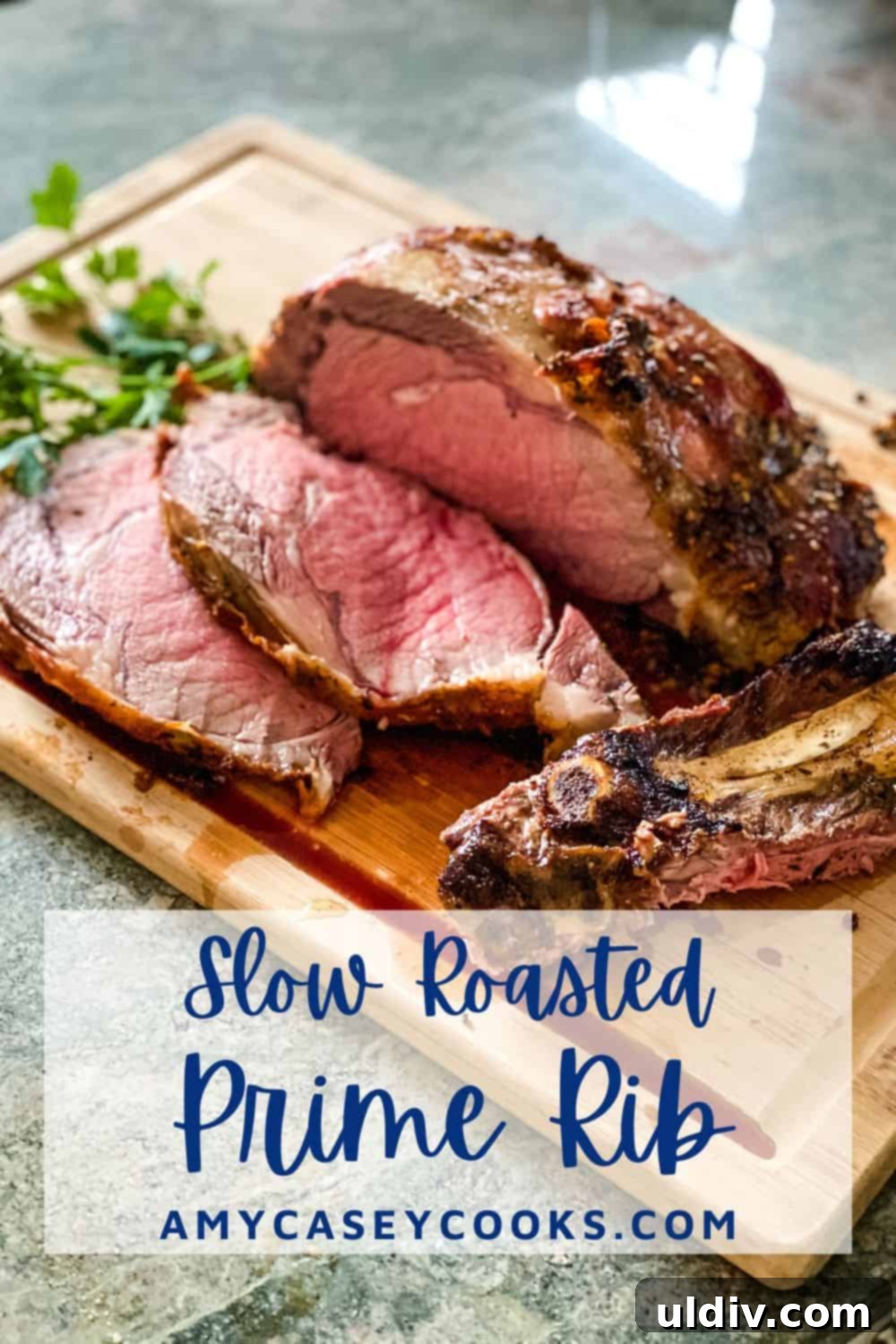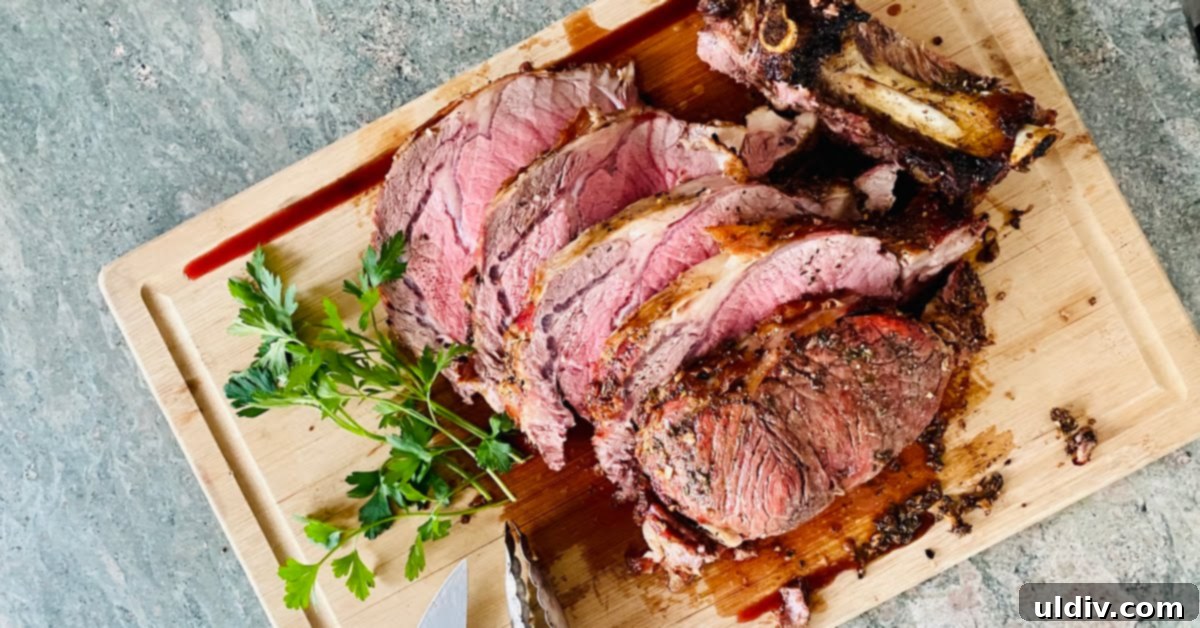
Unlock the secret to crafting the ultimate centerpiece for any special occasion with this incredible Slow Roasted Prime Rib recipe. Far from being an intimidating culinary challenge, preparing a showstopping prime rib roast at home is surprisingly simple, yielding consistently juicy, tender, and intensely flavorful results. Our recipe focuses on a low-and-slow roasting method, complemented by a luxurious butter, garlic, and herb rub that infuses every bite with aromatic goodness. This isn’t just a meal; it’s an experience that promises to impress your guests and create unforgettable dining memories, whether for a festive holiday dinner or a cherished family gathering. Get ready to elevate your culinary game and discover how easy it truly is to achieve perfection with this beloved cut of beef.

This garlic herb butter-rubbed prime rib stands as a magnificent centerpiece, truly a showstopper that commands attention. Its rich, savory flavors are beautifully balanced by a creamy, tangy horseradish sauce, making it an ideal choice for a grand holiday dinner, an intimate special occasion, or simply when you desire an extraordinary meal. Typically, a prime rib roast weighs between 5 to 7 pounds, making it perfectly suited for serving a larger family gathering or a group of cherished friends. The generous size ensures there’s enough to go around, and perhaps even some delicious leftovers for the next day.
To complete this unforgettable feast, I recommend pairing your succulent slow roasted prime rib with a selection of complementary side dishes. My personal favorites include rich and comforting Cheddar Stuffed Potatoes, earthy and savory Garlic Butter Mushrooms with Blue Cheese (the bold tang of blue cheese is an unexpected yet delightful accompaniment to the prime rib!), and slightly sweet and tangy Honey Mustard Roasted Brussels Sprouts. This combination creates a symphony of flavors and textures, transforming a simple meal into a truly memorable culinary event that your guests will talk about long after the last bite.
Why You’ll Love This Slow Roasted Prime Rib Recipe
While the thought of preparing a sizable prime rib roast, often weighing 5 pounds or more, might seem daunting, this recipe demystifies the process entirely. You’ll discover that it’s remarkably simpler than you imagine, involving just a few straightforward steps where your oven does the majority of the heavy lifting. This slow roasted prime rib recipe is guaranteed to become a cherished favorite for numerous compelling reasons:
- A Culinary Masterpiece ~ Serving an entire prime rib roast at your dinner table instantly elevates the meal to an impressive culinary spectacle. Be prepared for gasps of awe and admiration from your guests as they behold this magnificent centerpiece. Its sheer presence makes for a dramatic and luxurious dining experience, perfect for creating lasting memories.
- Unforgettable Flavor Profile ~ Prime rib comes from a muscle that is not heavily used, resulting in incredibly tender and juicy meat. The generous fat cap surrounding the roast, combined with the beautiful marbling distributed throughout, melts slowly during the roasting process, basting the meat from within. This natural self-basting imbues the beef with an unparalleled depth of flavor and a rich, succulent texture that is truly melt-in-your-mouth delicious.
- Surprisingly Simple Preparation ~ Despite its gourmet appearance and taste, making a slow roasted prime rib is far less complicated than many believe. The prep work is minimal, primarily involving preparing a simple, aromatic herb butter rub. Once in the oven, modern kitchen aids like a reliable wireless meat thermometer handle most of the monitoring, allowing you to relax and enjoy the process. The slow roasting method itself is forgiving, ensuring delicious results with surprisingly little hands-on effort.
Essential Ingredients for the Perfect Prime Rib
Crafting this exquisite slow roasted prime rib begins with gathering high-quality ingredients. Each component plays a vital role in achieving the succulent texture and robust flavor that define this dish. Below, you’ll find a detailed list of what you’ll need, along with helpful notes on potential substitutions to ensure your prime rib is nothing short of perfect. For precise measurements, please refer to the comprehensive recipe card located further down the page.

- Prime Rib Roast ~ This premium cut of beef is also commonly known as a standing rib roast or simply a rib roast. You can find it sold either bone-in or boneless. For superior flavor and juiciness, a bone-in roast is generally preferred as the bones add insulation and leach flavor into the meat during cooking.
- Salted Butter ~ Softened butter forms the base of our flavorful herb rub, helping the seasonings adhere to the roast and contribute to a beautiful, golden crust. If you only have unsalted butter, simply increase the amount of kosher salt slightly in the rub.
- Fresh Garlic Cloves ~ For a cut of meat as magnificent as prime rib, fresh garlic is absolutely essential. Its pungent, sweet flavor cannot be replicated by garlic powder, which lacks the complexity and aromatic intensity needed here. Finely chop or mince the cloves to ensure even distribution and maximum flavor infusion.
- Fresh Rosemary, Thyme, and Parsley ~ These fresh herbs are critical for imparting that classic, earthy, and aromatic profile to your roast. Avoid using dried herbs for this recipe, as their flavor is significantly less vibrant and nuanced compared to their fresh counterparts. Chop them finely to release their essential oils.
- Kosher Salt and Freshly Ground Black Pepper ~ These fundamental seasonings enhance the natural flavors of the beef. Kosher salt provides a coarse texture that helps create a crust and penetrates the meat effectively, while freshly ground black pepper offers a superior aroma and bolder taste than pre-ground pepper.
- Prepared Horseradish ~ This is the star ingredient for the accompanying creamy horseradish sauce, providing its signature pungent kick. Adjust the amount to your preference for a milder or bolder sauce.
- Sour Cream ~ Forms the creamy, tangy base of the horseradish sauce, balancing its sharpness. Full-fat sour cream will yield the richest texture.
- Mayonnaise ~ Adds a touch of richness and helps emulsify the horseradish sauce, contributing to its smooth consistency.
Expert Tips for Mastering Your Prime Rib Roast
Cooking a prime rib roast, while straightforward, benefits immensely from a few expert insights that can elevate it from good to truly exceptional. First and foremost, remember that prime rib can be a significant investment. Savvy shoppers will keep an eye out for sales, particularly around major holidays like Easter and Christmas, when these magnificent roasts often become more affordable. Planning your holiday menu around these sales can result in substantial savings without compromising on quality.
Secondly, and perhaps most crucially, investing in a high-quality wireless meat thermometer is the single easiest and most foolproof way to guarantee a perfectly cooked slow roasted prime rib every single time. This device allows you to monitor the internal temperature of your roast continuously without opening the oven door, which helps maintain a consistent cooking environment. Precise temperature control is key to achieving your desired level of doneness, from rare to medium-well, ensuring your prime rib is tender, juicy, and exactly to your liking, free from the guesswork that can often plague roast cooking.
Choosing the Right Size Prime Rib Roast
Selecting the appropriate size prime rib roast can sometimes be a bit perplexing, given the wide range of options available. Roasts can vary significantly in size, with the largest cuts featuring up to six rib bones and weighing anywhere from 12 to 16 pounds – a truly impressive roast designed for a very substantial gathering! However, smaller, more manageable roasts are readily available and perfectly suited for most home cooks.
A reliable guideline to ensure you purchase the right amount of beef is to estimate two generous servings per rib bone. For instance, a 4-bone prime rib roast typically weighs between 7 to 8 pounds and will comfortably serve 8 people. If you’re expecting a larger crowd, simply scale up accordingly. While boneless prime rib roasts are an option, my strong preference is always for a bone-in roast. The bones contribute significantly to the overall juiciness and flavor of the meat by insulating it during cooking and imparting a richer beefy essence. This results in the most tender, succulent, and intensely flavorful slow roasted prime rib possible.
Step-by-Step Guide to Slow Roasting Prime Rib
Mastering the art of slow roasting prime rib is simpler than you might imagine, and this method consistently delivers a roast that’s tender, juicy, and packed with flavor. The key lies in a strategic two-stage cooking process that first creates a beautiful, savory crust, then gently cooks the interior to perfection. Follow this detailed guide to achieve a truly unforgettable prime rib. For full, precise instructions and ingredient quantities, please refer to the complete recipe card below.
- Bring to Room Temperature: This crucial first step ensures even cooking. Remove your prime rib roast from the refrigerator at least 1 ½ hours before you plan to begin roasting. A cold roast will cook unevenly and take significantly longer to reach the desired internal temperature, potentially leading to an overcooked exterior and an undercooked interior.
- Prepare Your Roasting Pan: Place the prime rib roast bone-side down in a sturdy roasting pan. The bones serve a dual purpose: they act as a natural roasting rack, elevating the meat slightly to allow for better air circulation, and they provide insulation, contributing to a more evenly cooked and flavorful roast.
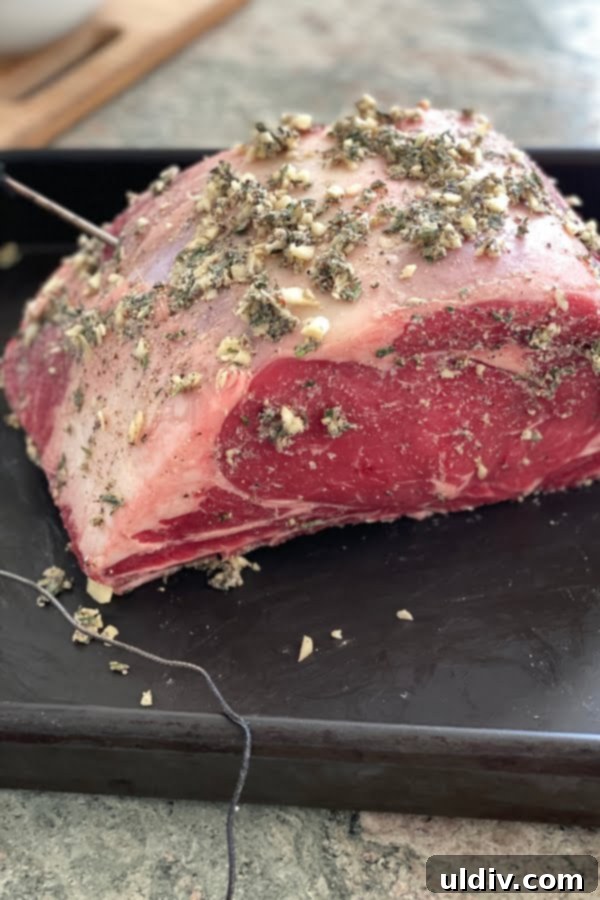
- Craft the Aromatic Herb Butter Rub: In a small bowl, thoroughly combine the softened salted butter with the finely chopped fresh garlic, rosemary, thyme, parsley, kosher salt, and freshly ground black pepper. This fragrant mixture will form the crust of your roast and infuse it with incredible flavor.
- Apply the Flavorful Rub: Generously rub the prepared butter, garlic, and herb mixture over all sides of the prime rib roast. Ensure every surface is coated evenly to maximize flavor and promote a beautiful crust. If using a wireless meat thermometer, insert the probe into the thickest part of the roast, making sure it doesn’t touch any bone, which could give an inaccurate reading.
- Pre-Roast at High Heat: Begin roasting the prime rib in a very hot oven, preheated to 500 degrees F (260 degrees C). This initial high heat blast, lasting for approximately 30 minutes, is essential for searing the exterior of the roast. It creates a gorgeous, caramelized brown crust that locks in moisture and adds a layer of rich flavor.
- Slow Roast to Perfection: After the initial high-heat sear, immediately lower the oven temperature to 325 degrees F (160 degrees C). This transition to a lower temperature allows the roast to cook slowly and gently, ensuring the interior remains incredibly juicy and tender without overcooking. Continue roasting for an additional 11 to 15 minutes per pound, or until your wireless thermometer indicates the desired internal temperature (refer to our temperature guide below for doneness levels).
- The Crucial Resting Period: Once your prime rib reaches its target internal temperature, remove it from the oven and carefully transfer it to a clean cutting board. Tent the roast loosely with aluminum foil and allow it to rest undisturbed for at least 30 minutes. This resting period is absolutely critical; it allows the muscle fibers to relax and the internal juices to redistribute evenly throughout the meat, preventing them from escaping when you slice it. The roast will also continue to cook slightly during this time (known as carryover cooking).
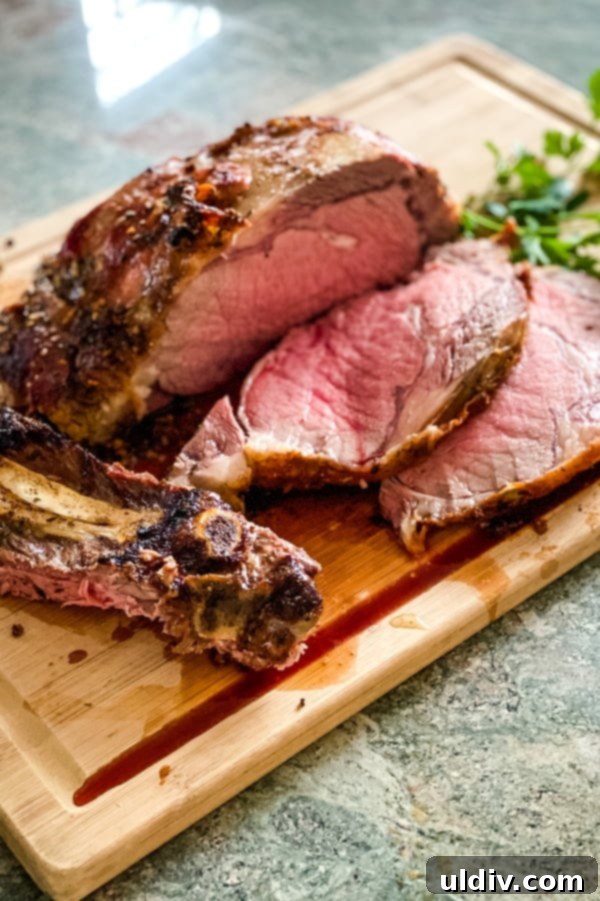
- Carving Your Masterpiece: After the resting period, it’s time to carve. First, carefully slice along the length of the roast to separate the bones from the meat. Then, slice the roast into generous 1-inch thick portions. For an extra boost of flavor, gather any delicious juices accumulated on the cutting board and spoon them over the freshly carved slices. Serve immediately with your creamy horseradish sauce.
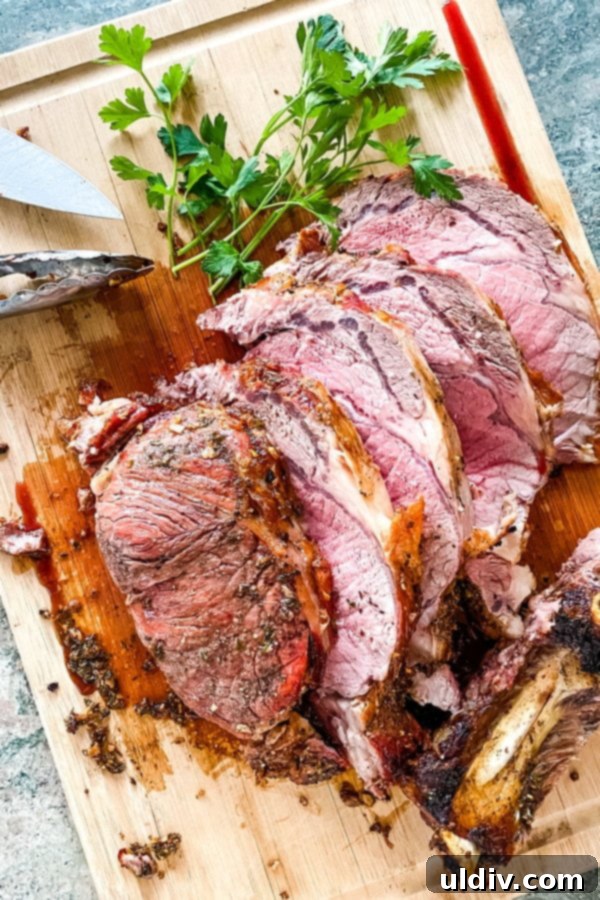
Achieving Your Desired Doneness: Internal Temperatures for Prime Rib
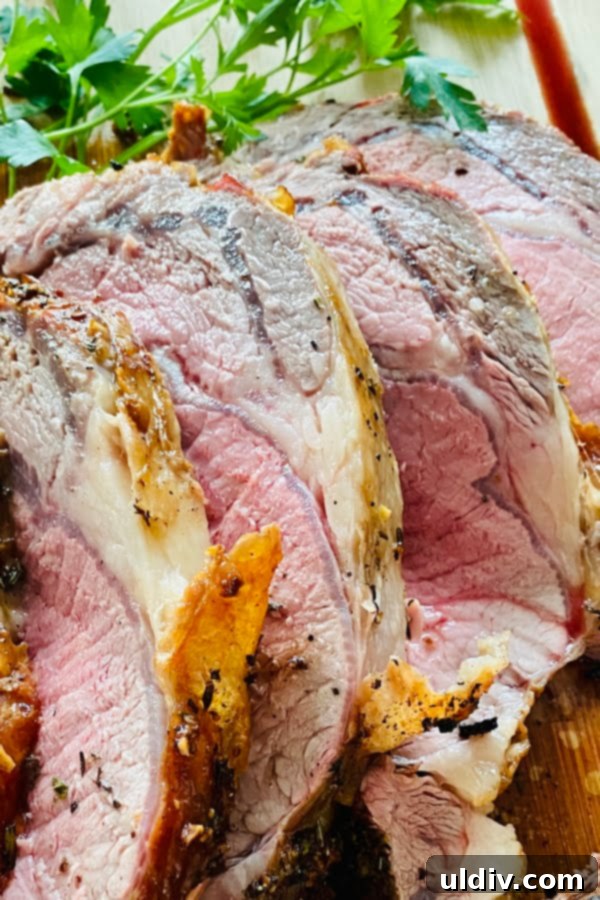
One of the most critical aspects of cooking a perfect prime rib is understanding and achieving the correct internal temperature for your desired level of doneness. From a vibrant rare to a tender medium, knowing when to pull your roast from the oven is key. Remember that the meat continues to cook even after it’s removed from the oven, a phenomenon known as “carryover cooking,” which can raise the internal temperature by 5 to 10 degrees. This is why using a reliable wireless meat thermometer is the most foolproof method for making a flawless slow-cooked prime rib roast.
The table below provides a clear guide for various doneness levels, indicating the temperature at which you should remove the roast from the oven (pull temperature) and the final temperature it will reach after resting (rest temperature). Always aim for the pull temperature, allowing carryover cooking to bring it to the ideal resting temperature.
| Doneness Level | Meat Color | Pull Temperature | Resting Temperature |
|---|---|---|---|
| Rare | Bright red center | 115°F (46°C) | 120°F (49°C) |
| Medium Rare | Warm red center | 125°F (52°C) | 130°F (54°C) |
| Medium | Pink center | 130°F (54°C) | 135°F (57°C) |
| Medium Well | Slightly pink center | 140°F (60°C) | 145°F (63°C) |
| Well Done | Brown center | 155°F (68°C) | 160°F (71°C) |
Storing and Reheating Your Leftover Prime Rib
Proper storage and gentle reheating are essential for enjoying your leftover prime rib, preserving its delicious flavor and tender texture. Follow these simple tips to ensure your second serving is just as delightful as the first:
Refrigerator Storage and Reheating: First, allow the prime rib to cool completely to room temperature before storing. Tightly wrap individual slices or larger pieces in plastic wrap, then place them in an airtight container. Store in the refrigerator for up to 5 days. To reheat, arrange the prime rib slices in a shallow oven-safe pan. Add about ¼ cup of beef stock or broth to the bottom of the pan – this helps keep the meat moist. Cover the pan tightly with aluminum foil and heat in a 300°F (150°C) oven for 10-15 minutes, or until just heated through. Be careful not to overheat, which can dry out the meat.
Freezer Storage and Reheating: For longer storage, cool the prime rib completely. Tightly wrap individual slices or portions in plastic wrap, then transfer them to a resealable freezer bag, pressing out as much air as possible. You can store prime rib in the freezer for up to 2 months. To reheat, thaw the frozen meat overnight in the refrigerator. Once thawed, place the slices in a shallow oven-safe pan with about ¼ cup of beef stock. Cover with foil and heat in a 300°F (150°C) oven for 10-15 minutes, or until warmed through. This method ensures your prime rib retains its succulence even after freezing.
Perfect Pairings: What to Serve with Slow Roasted Prime Rib
A magnificent slow roasted prime rib deserves an equally impressive array of side dishes. The rich, savory flavors of the beef pair beautifully with a variety of textures and tastes, creating a balanced and satisfying meal. Here are some of my top recommendations to complement your prime rib:
- Super Easy and Cheesy Mac and Cheese
- Mashed Potato Stuffed Portobello Mushrooms
- Roasted Carrots and Cauliflower with Honey and Goat Cheese
- Butternut Squash Risotto Recipe
Explore More Exquisite Dinner Ideas
If you’re searching for more delicious and inspiring dinner recipes, beyond the grandeur of prime rib, explore these fantastic options for your next meal planning:
- Cod Oreganata
- Chicken with Prosciutto, Fresh Sage and Marsala Mushroom Sauce
- Shrimp with Roasted Tomato Sauce and Goat Cheese
- Spinach and Sausage Lasagna
Your Feedback Matters!

Tried this Prime Rib Recipe?
We’d love to hear about your experience! Please let us know how your slow roasted prime rib turned out by leaving a comment and a star rating below. Your feedback is invaluable to us and other home cooks. Don’t forget to share your culinary creations on social media; tag us on Pinterest, Instagram, and Facebook!
Thanks for cooking with us! ~ Amy
The Ultimate Slow Roasted Prime Rib Recipe
The Best Slow Roasted Prime Rib
This Slow Roasted Prime Rib is absolutely the BEST! It is so easy to prepare and is juicy and delicious every time. The butter, garlic and herb rub makes this an entrée everyone will love.
Pin
Rate
Prep Time: 1 hour
Cook Time: 1 hour 30 minutes
Total Time: 2 hours 30 minutes
Servings: 6-8 servings
Calories: 637 kcal
Author: Amy Casey
Equipment
-
Wireless Meat Thermometer
Ingredients
For the Prime Rib Roast
- 1 standing prime rib roast with bones (3 to 5 bones, estimate 2 to 3 servings per bone)
- 4 tablespoons salted butter, softened
- 6 large garlic cloves, finely chopped
- 1 tablespoon chopped fresh rosemary
- 1 tablespoon chopped fresh thyme
- 2 tablespoons chopped fresh parsley
- 2 teaspoons kosher salt
- 1 teaspoon pepper
For the Horseradish Cream
- ¼ cup prepared horseradish
- 1 cup sour cream
- 2 tablespoons mayonnaise
Instructions
-
Remove roast from fridge: Remove the roast from the refrigerator 1 ½ hours before roasting to ensure even cooking.
-
Prep oven: Preheat oven to 500 degrees F. Adjust the oven rack to the lower one-third of the oven so the roast cooks in the center.
-
Make the rub: In a small bowl, combine the softened butter, finely chopped garlic, fresh rosemary, fresh thyme, fresh parsley, kosher salt, and pepper.
-
Prep the roast: Place the roast bone side down in a roasting pan. The bones will act as a natural roasting rack. Rub the butter mixture generously on all sides of the roast. Insert a wireless meat thermometer into the thickest part of the roast, avoiding the bone.
-
Cook the roast: Roast the prime rib at 500 degrees F for 30 minutes to create a beautiful, caramelized crust. Then, lower the temperature to 325 degrees F. Continue roasting for approximately 11 to 12 minutes per pound for rare (internal temperature of 115 degrees F) or 13 to 15 minutes per pound for medium-rare (internal temperature of 125 degrees F). Remember, the internal temperature will continue to rise during resting.
-
Rest the roast: This step is crucial! Remove the roast from the oven and transfer it to a cutting board. Cover it loosely with foil and let it rest for at least 30 minutes. This allows the muscle fibers to relax and the internal juices to redistribute evenly throughout the meat, ensuring a tender and succulent result.
-
Make horseradish cream: While the roast rests, prepare the creamy horseradish sauce. In a small bowl, combine the prepared horseradish, sour cream, and mayonnaise. Stir until well combined. Set aside.
-
Slice: After the resting time, carefully cut the bones off the roast. Then, carve the roast into approximately 1-inch thick slices. Pour any accumulated juices from the cutting board over the freshly carved slices for extra flavor.
-
Serve: Serve your perfectly slow roasted prime rib with the prepared horseradish cream on the side. Enjoy this culinary masterpiece!
Notes
The prime rib continues to cook, and its internal temperature will rise by 5-10 degrees after it is removed from the oven (carryover cooking). Always factor this into your cooking time to achieve your desired doneness. Use a reliable wireless meat thermometer for the most accurate results.
- Rare ~ The center of the roast is bright red, gradually becoming pinkish towards the exterior. Remove the roast from the oven when it reaches 115°F (46°C). It will rise to approximately 120°F (49°C) after resting.
- Medium Rare ~ The center of the roast is very pink, with a slightly browned exterior. Remove the roast from the oven when it reaches 125°F (52°C). It will rise to approximately 130°F (54°C) after resting.
- Medium ~ The center of the roast is light pink and brown towards the exterior. Remove the roast from the oven when it reaches 130°F (54°C). It will rise to approximately 135°F (57°C) after resting.
- Medium Well ~ The center of the roast is mostly brown with a hint of pink, similar to the exterior. Remove the roast from the oven when it reaches 140°F (60°C). It will rise to approximately 145°F (63°C) after resting.
Nutritional information is an estimate based on the ingredients and cooking methods used in this recipe and may vary.
Nutrition
Did you make this recipe?Tag @amycaseycooks on Instagram so we can all admire your work