
Rediscovering Authentic Tomato Flavor: A Culinary Journey with European Canned Tomatoes
Have you ever experienced the sheer delight of biting into a tomato picked fresh from the vine, still warm from the sun? I have – and it remains one of the most vivid and cherished memories of my childhood. Summers often found me in the tranquil countryside, at my aunt and uncle’s home. My uncle, a resilient survivor of WWII, carried with him an profound reverence for nature and its abundant gifts, a sentiment that manifested in his absolute passion for gardening. After mornings spent playfully digging in the sand with my niece, I would seek solace and sustenance in his vibrant garden. With dirt-smudged nails and traces of sandy play still clinging to my hair and mouth, I would embark on an impromptu feast.
And what a feast it was! Plump apricots, having just dropped from the branches, offered a burst of pure, melting sweetness. Delicate red currants, subtly pungent, hid like ruby jewels beneath crisp green leaves. But the true stars, for me, were the tomatoes. Meaty, slightly fuzzy to the touch, they exuded a fresh, herbaceous scent and possessed a natural sweetness that was truly unparalleled. Sinking my teeth into one, the cool, juicy pulp would cascade down my chin, an utterly thirst-quenching and refreshing sensation – nature’s perfect elixir. My affection for these extraordinary tomatoes was so profound that I often overindulged, sometimes leading to a mild tummy ache. Yet, in those moments, such discomfort was inconsequential. This was a time when our lives were intrinsically connected to the land, consuming organic, local, and predominantly plant-based foods long before these terms became popular movements. Our way of life was dictated by circumstance; we simply couldn’t afford pesticides, the concept of “food miles,” or even meat on a regular basis.
The Global Search for Authentic Tomato Flavor
As I transitioned into adulthood, I yearned to recreate that extraordinary childhood experience of eating truly fresh tomatoes. However, my attempts often yielded mixed results. My aunt, a master of food preservation, had managed to capture some of that elusive freshness in her homemade canned tomatoes and juices. She possessed an unparalleled ability to preserve the vibrant essence of summer tomatoes, making them a wonderful substitute during off-seasons. More often than not, though, the tomatoes I encountered were a source of disappointment.
Upon moving to the UK, a nation significantly reliant on imported tomatoes, I became intimately familiar with the concept of food miles and the bland, lackluster taste of produce that had traveled vast distances. The absence of that herbaceous aroma and natural sweetness was glaring, leaving a void where vibrant flavor should have been. My enthusiasm for tomatoes, once a cornerstone of my culinary identity, waned as I navigated a landscape of commercially grown, often unripe, and flavor-deficient options.
A new chapter in my life in the US brought a renewed sense of hope. The produce available at local farmers’ markets during the peak summer season was a welcome improvement. Its deliciousness, coupled with a recognizable herbaceous scent and a subtle sweet flavor, offered a glimmer of the magic from my uncle’s garden. I even shared these evolving childhood tomato-eating experiences on this blog on several occasions (see here and here). Yet, the overarching question persisted: would I *ever* truly replicate those long-cherished memories? Could that profound depth of tomato flavor and unique textural experience be encountered again, or were they destined to remain an irreplaceable treasure of the past?
Unveiling the Greatest Tomatoes from Europe (GTFE)
After years of diligent tasting, countless culinary experiments, and thousands of attempts to recapture that elusive flavor, I can now, with immense satisfaction, announce that my search has finally concluded. And the revelation might surprise you. I discovered the beloved fresh tomato flavor and texture of my childhood… in a can. Is such a feat truly possible? Most definitely. Experts agree that, particularly outside of peak growing season, canned tomatoes can indeed surpass fresh ones in flavor and quality. Moreover, and crucially, I am referring to the Greatest Tomatoes from Europe (GTFE) – a distinction that makes their delicious, fresh flavor an expected, rather than surprising, outcome.
GTFE is an impactful campaign, generously financed by the European Union, specifically designed to elevate consumer awareness regarding the exceptional taste and superior quality of European canned tomatoes. I found myself captivated by the wealth of information available on their website, delving into the fascinating history of the tomato plant, exploring the myriad health benefits associated with tomatoes, and understanding the stringent EU legislative framework that meticulously governs their cultivation and processing. The distinctive excellence of European tomatoes doesn’t happen by chance; it stems directly from the specific, time-honored methods employed for harvesting and processing, and the unique composition of the soil, which is paramount in ensuring their unparalleled deliciousness and vibrant flavor profile. These regulations ensure that tomatoes are picked at their peak ripeness and processed quickly, locking in their natural sugars and acidity, a stark contrast to many varieties picked green for long-distance travel.
Culinary Creations: A Taste of Europe
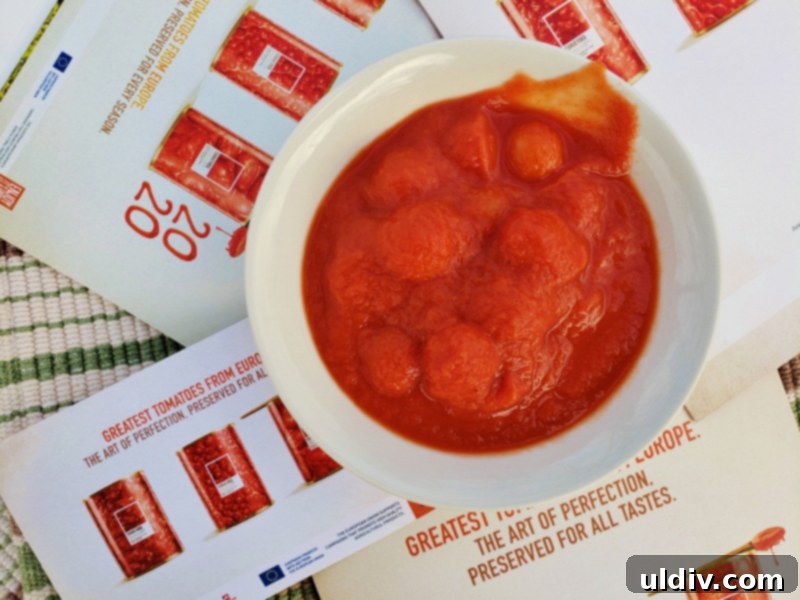
To truly experience the quality of European canned tomatoes, GTFE graciously sent me two exquisite varieties of Italian canned tomatoes for review: delicate cherry tomatoes and versatile polpa di pomodoro (finely chopped tomatoes). I eagerly embarked on a culinary exploration, crafting two distinct dishes – one vegan, celebrating plant-based goodness, and the other a hearty meat-based classic. My excitement peaked with the canned cherry tomatoes, a variety celebrated for its sweetness and delicate texture, yet often challenging to source in US grocery stores (your best option is often to shop for them online). These particular canned cherry tomatoes are inherently sweet and tender, requiring minimal cooking time to unleash their full flavor. Traditionally, they shine in vegetable-focused preparations – and that’s precisely how I utilized them.
Vegan Butter Bean Stew with European Cherry Tomatoes
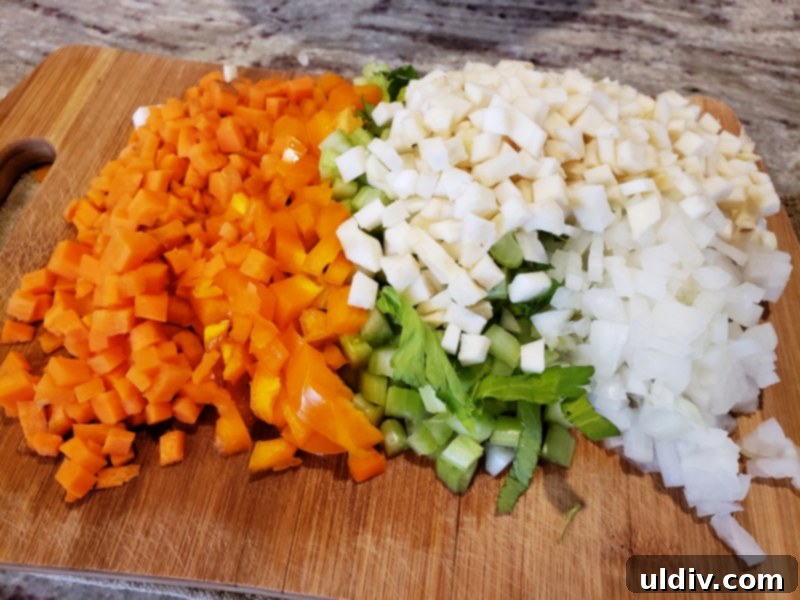
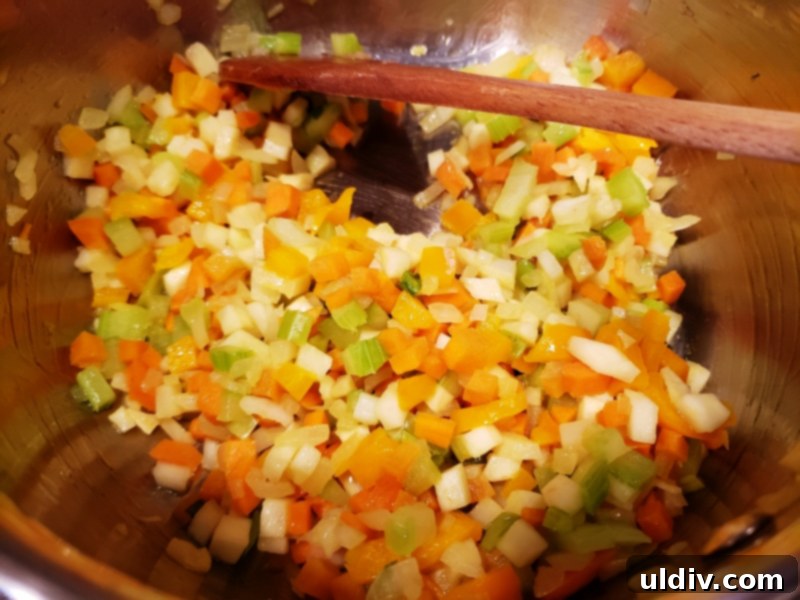
I crafted a soul-satisfying butter bean stew, a vegan dish that lovingly pays homage to the humble, earthy foods I grew up eating, particularly during times when meat was a rare luxury. The process began by finely chopping carrots, bell pepper, celery (both root and stalk for a deeper flavor), and onion, then gently sautéing them in a touch of vegetable oil over medium heat for 3-4 minutes until they softened and became beautifully translucent, releasing their aromatic sweetness into the air.
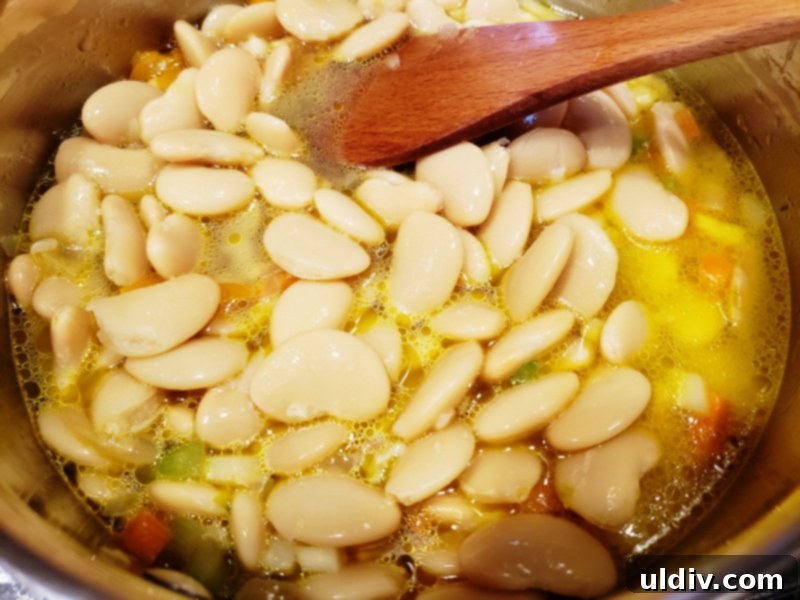
While my mother and aunt would have meticulously prepared this dish using dry beans, soaked overnight and then thoroughly drained and rinsed, I opted for the convenience of canned butter beans, a modern shortcut that still respects the dish’s essence.
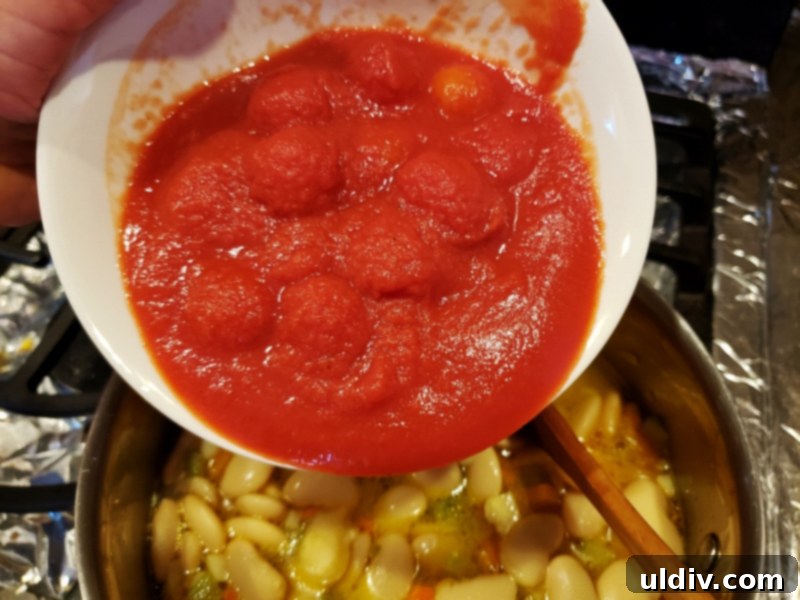
Next, I introduced the star ingredient: the exquisite European canned cherry tomatoes. Their vibrant redness immediately promised an explosion of flavor.
I then allowed them the necessary time to work their magic, gently simmering to infuse the stew with their natural sweetness and acidity.
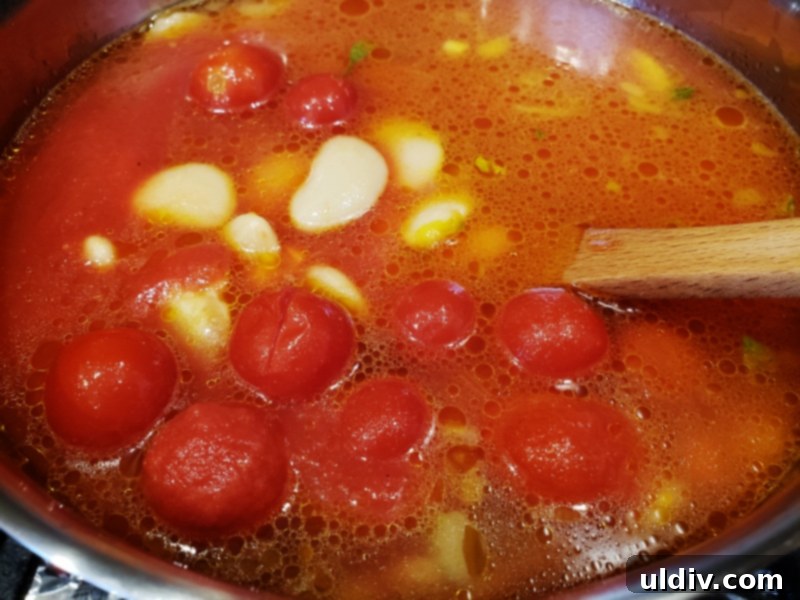
Because these ingredients are so inherently flavorful and quick-cooking, the dish required minimal simmering – just enough time for the sauce to thicken slightly and the flavors to meld beautifully. The entire preparation was complete in approximately 20 minutes. In a moment of culinary experimentation, I added a couple of tablespoons of harissa, a condiment entirely unknown to my mom and aunt in their day, which lent a delightful, spicy kick to the beans. However, the addition of any spice is entirely optional, allowing the true essence of the tomatoes to shine through.
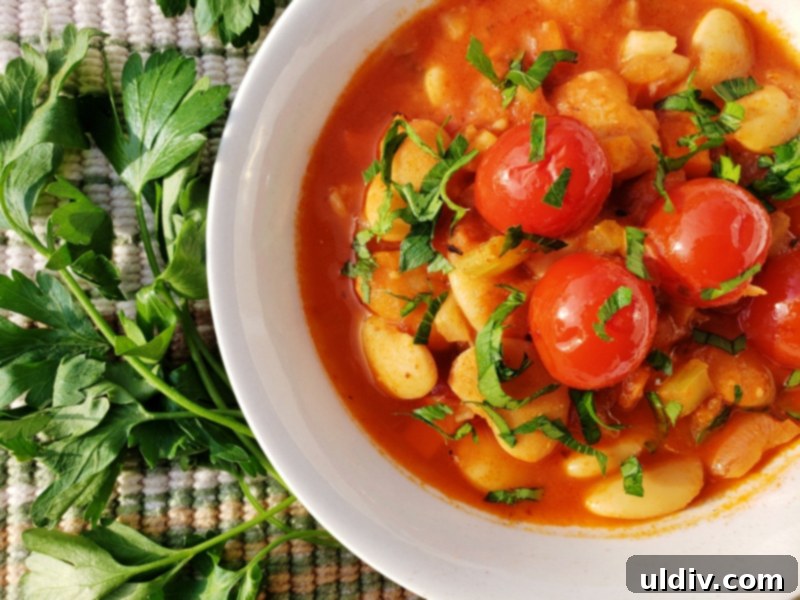
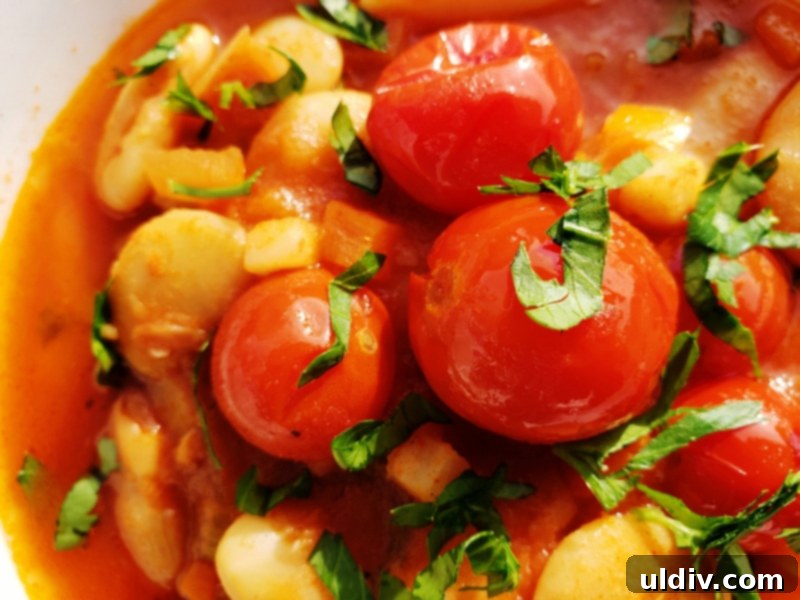
The feedback from my family and social media friends was astonishing. Most assumed I had used fresh, locally sourced cherry tomatoes – imagine their surprise upon discovering these vibrant, beautiful tomatoes were, in fact, canned! Their taste was truly amazing, feeling unadulterated and remarkably authentic, delivering a unique sensory experience. Each tomato burst in my mouth with a pop of fruity, fresh flavor, instantly transporting me back to those delightful, simple lunches of summers past – particularly to my uncle’s sun-drenched garden. It was a testament to the unparalleled quality of these Greatest Tomatoes from Europe.
Delicious Meatballs in Rich Tomato Sauce
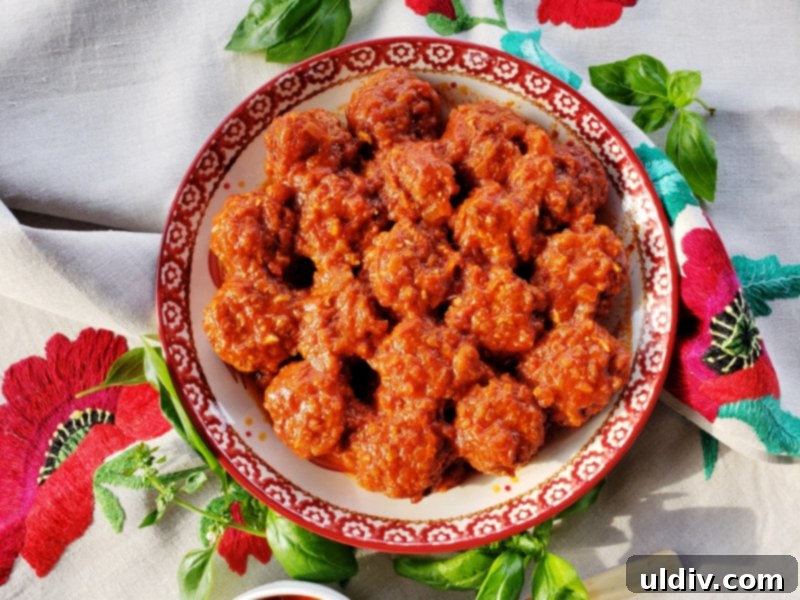
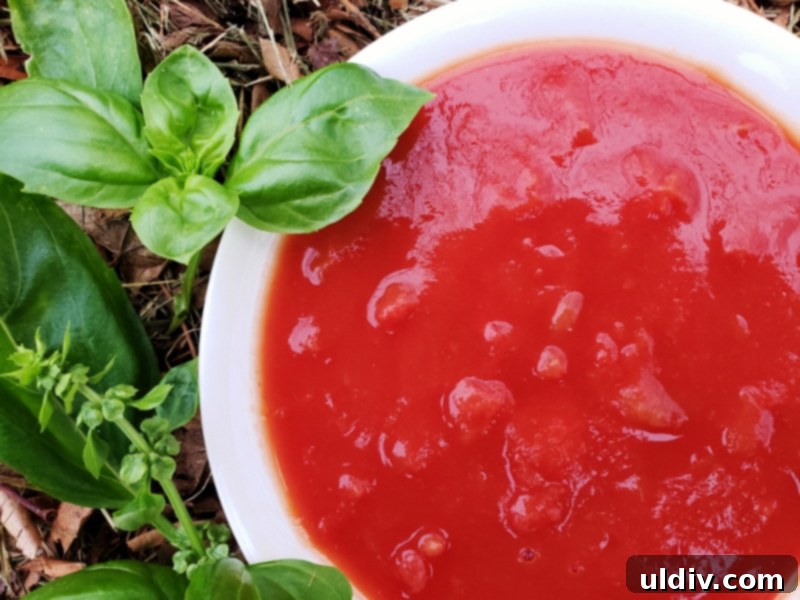
For the second variety of canned tomatoes I received – polpa di pomodoro (finely chopped tomatoes) – I chose a dish I believe serves as the ultimate benchmark for assessing the quality of any canned tomato: classic meatballs in a rich tomato sauce. Our family are avid meatball enthusiasts, and throughout my lifetime, I’ve prepared countless batches. Yet, not all have been equally successful, a disparity often attributable to the quality of tomatoes used for the sauce. I’ve always aimed for a sauce with a smooth, richly flavored consistency, but too often, the sauce would turn out chunky or watery. Like many other home cooks, I frequently wondered why. Now, I understand a key difference: many brands and varieties of US canned tomatoes – even some organic options – contain calcium chloride. This additive is used to maintain the tomatoes’ firmness, ironically making them more difficult to break down into a smooth sauce. This issue is virtually non-existent with European canned tomatoes, which also boast the advantage of less added salt during their processing, allowing the natural sweetness and acidity of the tomato to truly shine.
For the meatballs themselves, I used a blend of ground chicken (for leanness) and pork (for that essential flavor depth) – a combination reminiscent of how my mother and aunt would prepare meatballs on those rare, fortunate occasions when they could acquire meat. I also incorporated some modern enhancements: Italian-style breadcrumbs, a high-quality meatball seasoning blend, and freshly grated imported Pecorino Romano cheese. These were all ingredients, of course, entirely unknown to my mom and aunt back in their day, highlighting a blend of tradition and contemporary culinary convenience.
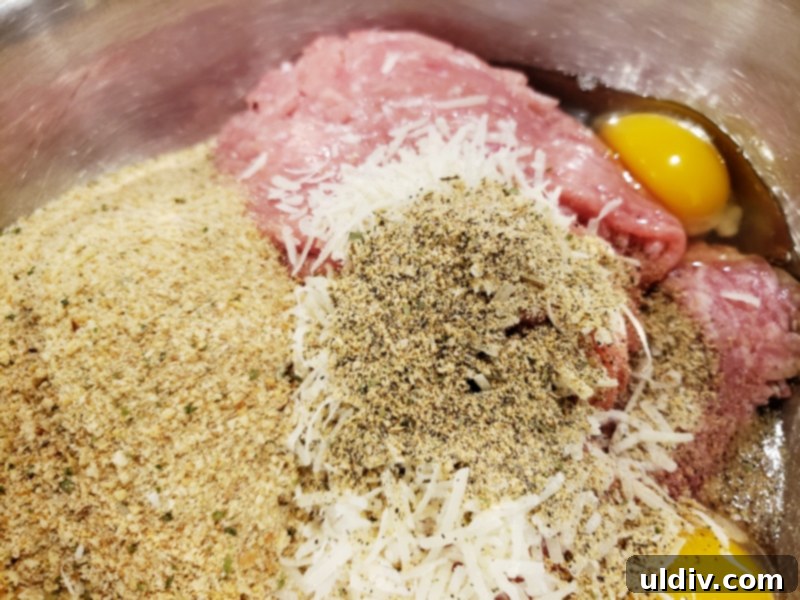
Once all the ingredients were thoroughly combined and shaped, I had a generous batch of 24 medium-sized meatballs, each promising a burst of flavor.

I gently browned these meatballs in vegetable oil over medium heat, ensuring a beautiful crust developed on their exterior before setting them aside.

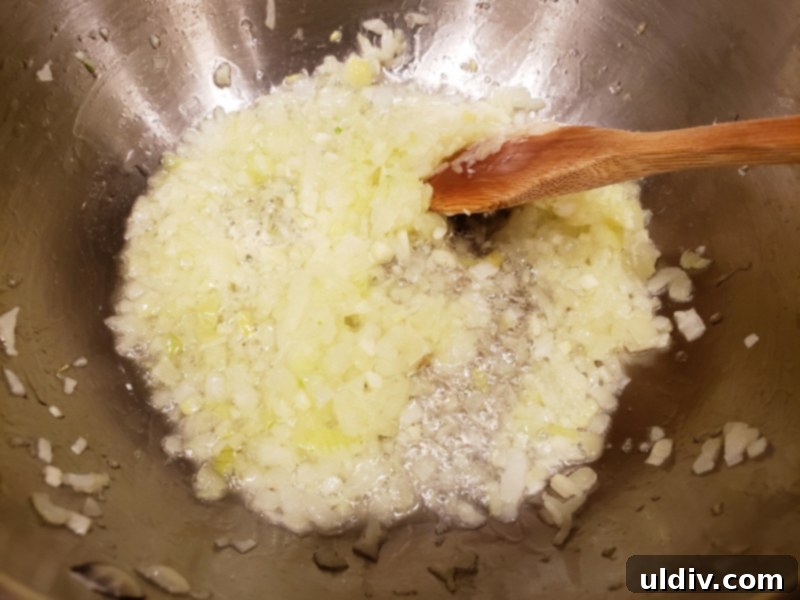
To prepare the foundational sauce, I sautéed finely chopped onion and garlic in fresh vegetable oil until they became wonderfully translucent and fragrant, filling the kitchen with a comforting aroma.
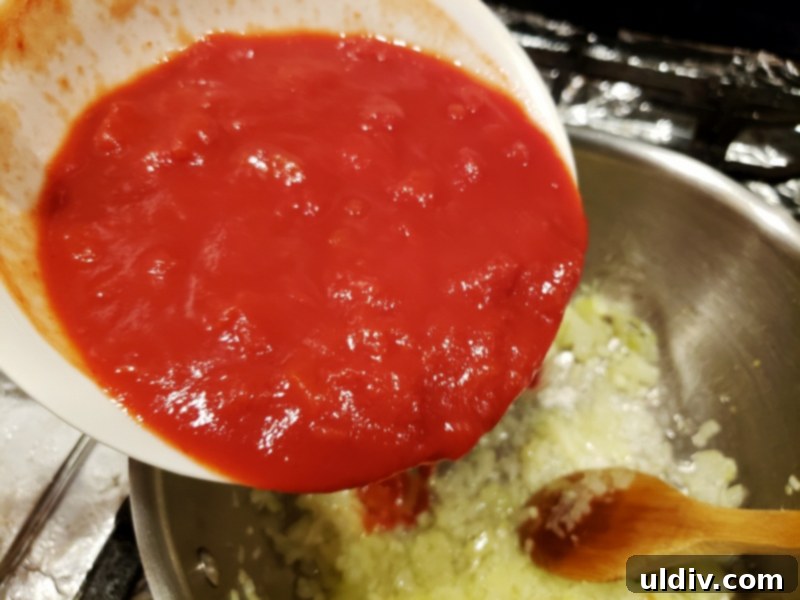
Then, the finely chopped European tomatoes were added, their rich color immediately indicating the depth of flavor they would impart.
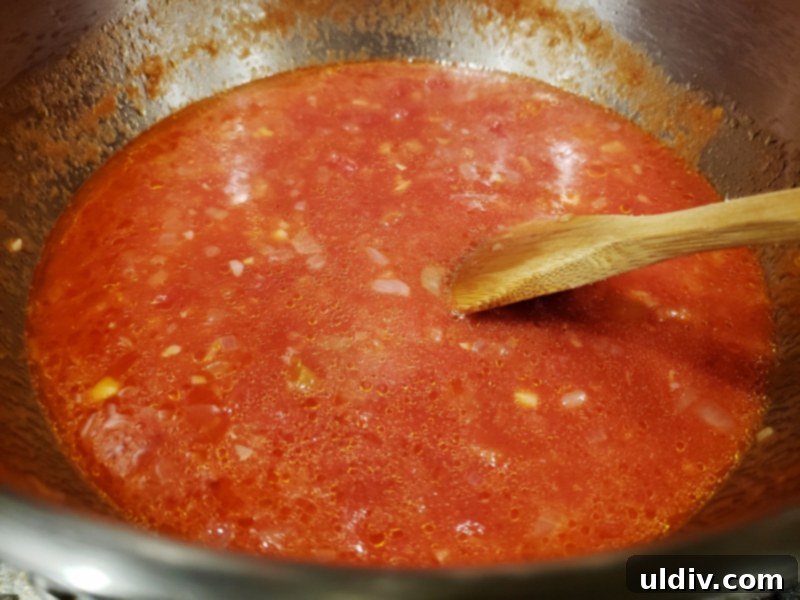
I allowed the sauce to gently simmer over low heat, a crucial step to develop its full body and complexity.
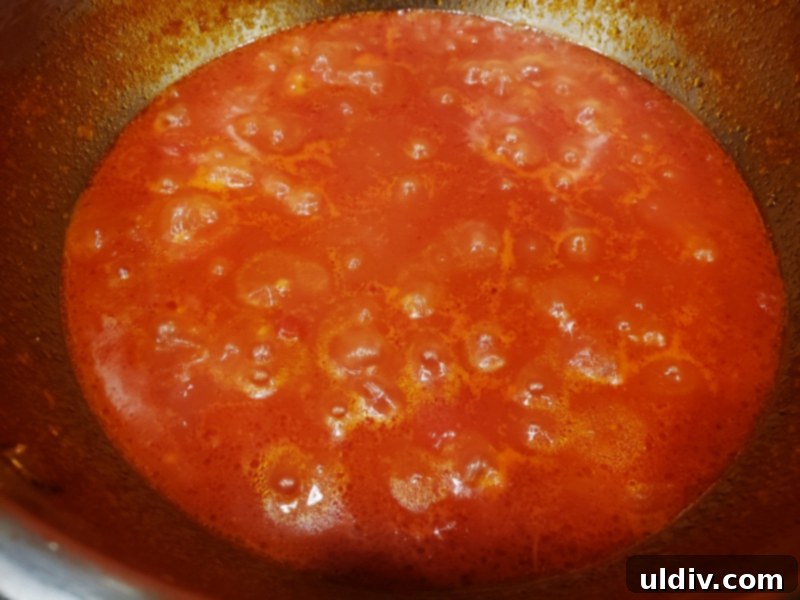
Patience is truly key at this stage, as the sauce slowly thickens to a perfect, rich consistency. This unhurried simmering allows the tomato flavors to concentrate and deepen, creating a foundation of pure deliciousness.
Finally, the browned meatballs were carefully introduced to the simmering sauce.
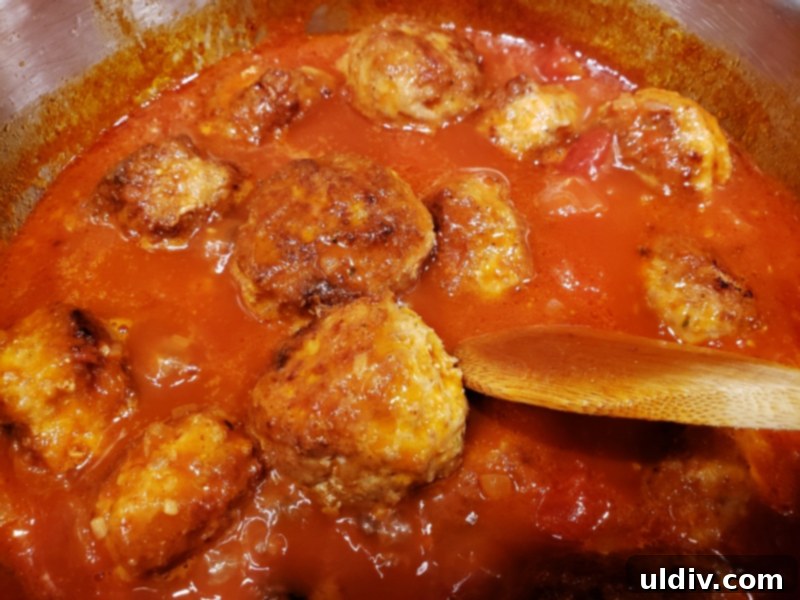
They were left to gently cook, absorbing the rich, aromatic tomato sauce, while I seasoned the dish meticulously to taste. At this point, if the sauce reduces too much, a bit of extra water can be added to achieve the desired consistency. The aroma alone was intoxicating, a promise of the culinary delight to come. Can you almost smell the deliciousness emanating from the screen? I sincerely hope you can, as it was truly incredible.
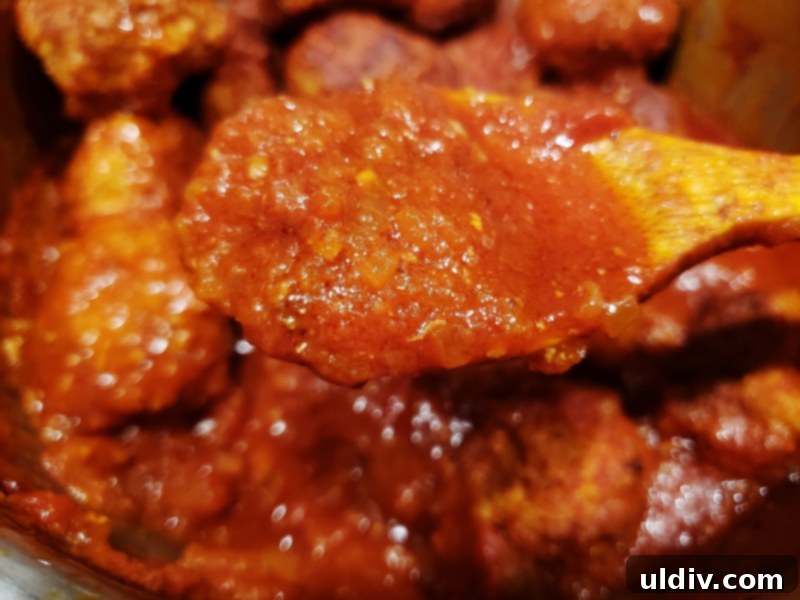
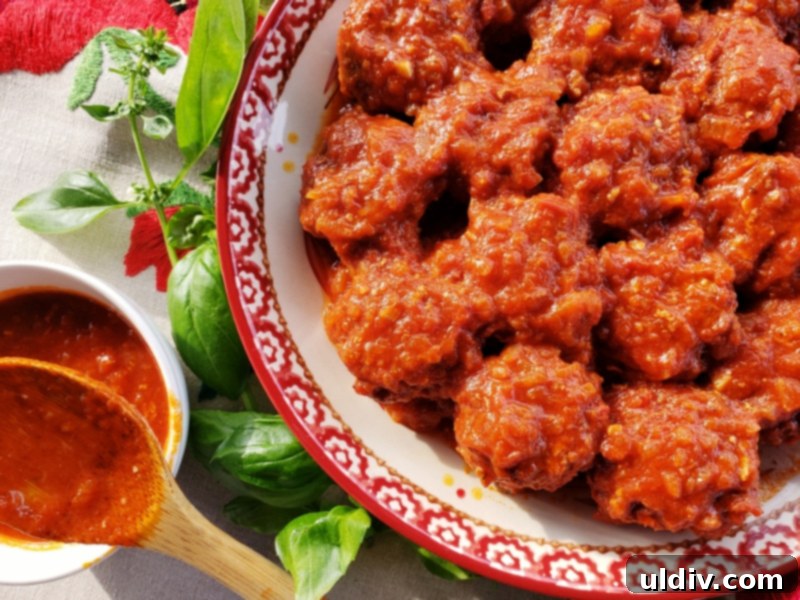
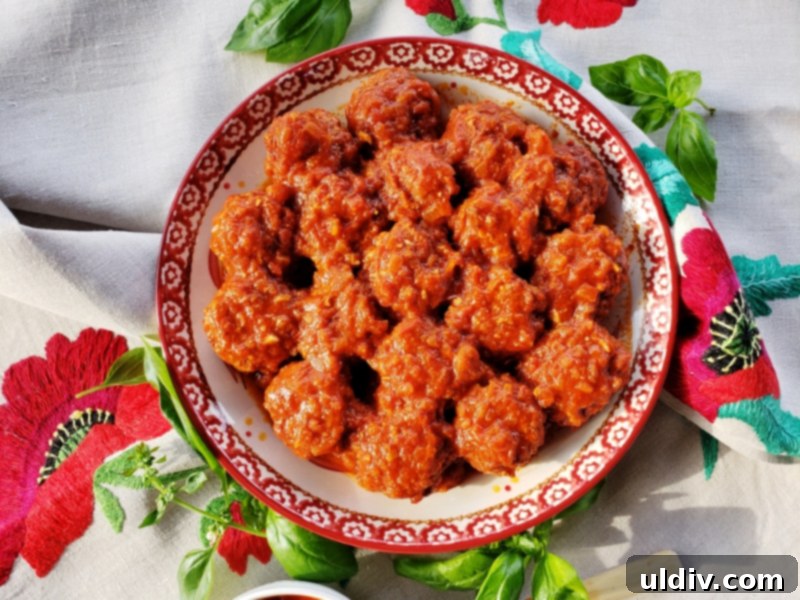
And here they are: arguably the best meatballs I’ve ever had the pleasure of making, luxuriating in an utterly exceptional tomato sauce. The texture was perfect, the flavor profound, and the experience nothing short of amazing!
Conclusion: A Legacy Reimagined with European Quality
This culinary journey, recreating – and in many ways, reimagining – these two cherished family recipes within the comfortable, cosmopolitan setting of my Chicago kitchen, proved to be a profoundly soul-searching experience. European canned tomatoes truly offer a unique, deliciously multilayered flavor encounter that genuinely must be tasted to be believed. Their superior quality is evident not only in their taste but also in their composition: they boast very few preservatives and are reasonably detached from the BPA controversy that frequently surrounds many of their American counterparts.
In essence, European canned tomatoes are a remarkable gift from nature to us all – a gift that deserves to be acknowledged, respectfully understood, and joyfully celebrated. My discovery of the Greatest Tomatoes from Europe has brought me immense satisfaction, not only because they empowered me to cook truly delicious and authentic food, but also because they allowed me to journey back in time, reliving some of my most treasured taste experiences. My prolonged search for that authentic tomato flavor is finally over, and those flavorful childhood memories – brimming with the vibrant, fresh taste of tomatoes from my uncle’s sun-drenched garden – are now back, more vivid and lively than ever before. For anyone seeking to elevate their cooking with genuine tomato flavor, looking towards European canned tomatoes is an absolute must.
Disclaimer: While I received complimentary products to facilitate this review, all opinions expressed here are my own.
Print Recipe
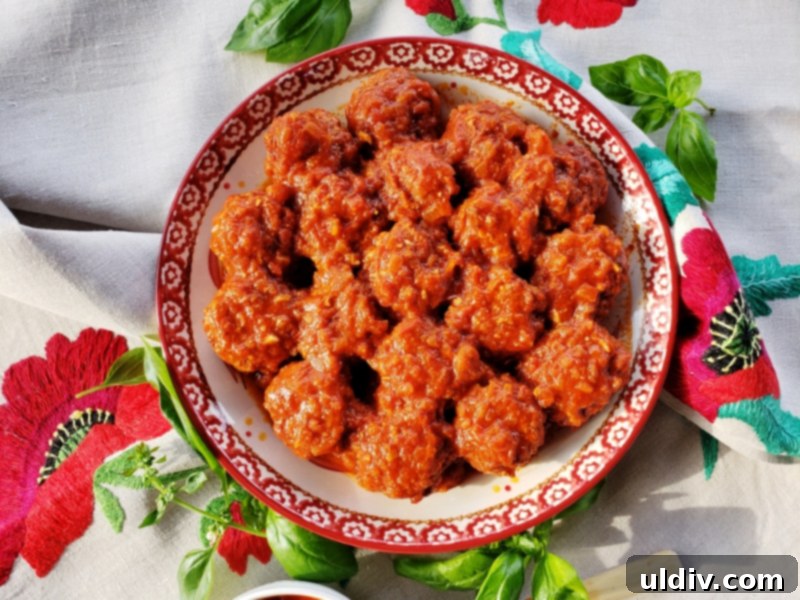
Delicious Meatballs Made with European Canned Tomatoes
Prep Time: 20 mins
Cook Time: 45 mins
Total Time: 1 hr 5 mins
Servings: 6 people
Ingredients
- 1 lb ground chicken
- 1 lb ground pork
- 3 whole eggs
- 1/4 cup freshly grated Pecorino Romano
- 1/2 cup Italian style breadcrumbs
- 2 tbsp meatball seasoning
- 1 28oz can European finely chopped tomatoes (Polpa di Pomodoro)
- 1 large onion, chopped
- 2 garlic cloves, chopped
- 6 tbsp vegetable oil
- 1-2 cups water (if needed)
- Salt and pepper to taste
Instructions
- Put the meat, eggs, cheese, breadcrumbs and seasoning in a large bowl. Mix until well combined. Make meatballs out of this mixture (use approximately 2 tbsp mixture per meatball, or as desired). Brown the meatballs in 3 tbsp oil in a pan over medium heat for about 5-7 minutes, turning once during cooking. Set aside.
- Sautée the onion and garlic in the remaining 3 tbsp oil in a saucepan for about 4 minutes or until translucent. Add canned tomatoes. Let this simmer over low heat for approximately 7 minutes or until slightly thickened and vibrant red.
- Add the meatballs to the sauce and cook for a further 20-30 minutes. Add extra water if the sauce has reduced down too much. Season to taste.
- Serve the meatballs on their own or with pasta and/or mashed potatoes.
- Enjoy!