The Urgent Plight of the Monarch Butterfly: An Endangered Species
The iconic Monarch butterfly, with its striking orange and black wings, has long been a symbol of natural beauty and resilience. However, a somber announcement from the International Union for Conservation of Nature (IUCN) on July 21st declared these majestic creatures an endangered species. This designation underscores a critical moment for conservation, as Monarch populations face a perilous journey towards extinction if immediate and concerted measures are not taken to protect their habitats and migratory pathways. The beloved butterflies, instantly recognizable and a joy to behold, are now at a critical crossroads, urging us all to consider how we can contribute to their survival.
Understanding the Decline: Why Monarchs Are Struggling
The alarming decline of Monarch butterfly populations is a complex issue driven by multiple environmental pressures. Habitat loss stands as a primary culprit, with vast expanses of milkweed – the sole host plant for Monarch caterpillars – disappearing due to urban development, agricultural expansion, and widespread use of herbicides. Pesticide use, particularly neonicotinoids, also plays a devastating role, poisoning both adult butterflies and their larval food sources. Climate change further exacerbates these challenges, leading to erratic weather patterns that disrupt their delicate migratory cycles and impact the availability of nectar plants. As temperatures shift and extreme weather events become more frequent, Monarchs struggle to adapt, making their annual journey from Canada and the US to Mexico and California increasingly perilous. This interconnected web of threats means that a multi-faceted approach is essential for their recovery.
It was through my ongoing partnership with True Leaf Market (you can read more about our collaboration here) that I became more deeply aware of this pressing issue and the innovative solutions being developed. True Leaf Market has been a valuable resource, sharing crucial information on effective ways to aid this struggling population. Their message is clear: we can help Monarchs recover “by providing safe host plants for these butterflies to find refuge.” This simple yet powerful solution lies at the heart of many conservation efforts, empowering individuals to make a tangible difference in their own backyards.
The Lifeline: The Power of Host Plants and Nectar Sources
For Monarch butterflies, the difference between survival and extinction hinges significantly on the availability of specific plants. Milkweed (Asclepias species) is not just important; it is absolutely vital. It is the *only* plant on which Monarch butterflies lay their eggs, and the *only* food source for their caterpillars. Without milkweed, the Monarch life cycle cannot proceed, making its presence in gardens and natural spaces non-negotiable for conservation. Beyond milkweed, adult Monarchs require a diverse range of nectar-rich wildflowers to fuel their incredible migration and daily activities. These plants provide the energy they need to fly thousands of miles, reproduce, and sustain themselves. A thriving pollinator garden, rich in native wildflowers, acts as a critical waystation and food pantry for these magnificent travelers.
True Leaf Market’s “Save the Monarchs” Initiative: A Seed of Hope
In response to the urgent call for action, True Leaf Market has curated an exceptional initiative: the “Save the Monarchs” seed collection. This thoughtfully assembled collection features more than 100,000 seeds of 13 highly beneficial wildflower varieties specifically chosen to support Monarch butterflies throughout their life cycle. Among these are essential species like milkweed, coneflower, zinnia, sunflower, and verbena – all known for their attractiveness to pollinators and their ability to provide crucial nectar and, in the case of milkweed, a host for caterpillars. What makes this collection even more remarkable is the resilience of these seeds; they are specifically selected for their tolerance to drought, heat, and even poor soil conditions, ensuring that gardeners in various climates and soil types can successfully establish Monarch-friendly habitats.
Beyond providing practical tools for home gardeners, True Leaf Market demonstrates its deep commitment to conservation by donating 10% of every “Save the Monarchs” seed collection purchase directly to the Monarch Joint Venture (MJV). This strategic partnership ensures that a portion of every sale contributes directly to large-scale, impactful conservation efforts. The Monarch Joint Venture is a dynamic, science-based organization dedicated to conserving the Monarch butterfly migration across North America. Their aim is ambitious yet vital: to ensure the long-term survival of Monarchs by coordinating and supporting partners on a continental scale.
Monarch Joint Venture: A Collaborative Approach to Conservation
According to True Leaf Market, Monarch Joint Venture’s success stems from its extensive network of partnerships. These include influential “federal and state agencies, other nonprofits, community groups, businesses, and academic programs that work together to implement science-based conservation actions in the form of education, habitat restoration, and scientific research.” This collaborative model allows MJV to leverage diverse expertise and resources, translating scientific understanding into effective, on-the-ground conservation strategies. From developing educational materials to engage the public, to implementing large-scale habitat restoration projects, and conducting vital research to better understand Monarch biology and migration, MJV plays a pivotal role in the fight to save these butterflies. By supporting initiatives like True Leaf Market’s seed collection, consumers indirectly contribute to this comprehensive and collaborative conservation network, extending their impact far beyond their own garden.
Cultivating a Sanctuary: Creating Your Monarch-Friendly Garden
You don’t need acres of land to make a difference; even a small balcony garden or a sunny patch in your yard can become a vibrant sanctuary for Monarchs and other pollinators. The key is to plant strategically. Begin by incorporating various species of milkweed native to your region. Common milkweed, swamp milkweed, and butterfly milkweed are excellent choices, providing the essential host plants for caterpillars. Complement these with a diverse array of nectar-rich wildflowers that bloom throughout the growing season. The True Leaf Market “Save the Monarchs” seed mix offers an excellent starting point, featuring species like coneflower, zinnia, sunflower, and verbena. These plants not only provide sustenance but also create a visually appealing landscape.
Beyond planting, consider these important practices:
- Avoid pesticides: Chemical pesticides, even those marketed as “gentle,” can be lethal to Monarchs and other beneficial insects. Opt for organic pest control methods or embrace a slightly imperfect garden where nature takes its course.
- Provide water: A shallow dish with pebbles for butterflies to land on can provide a crucial water source.
- Offer shelter: Overgrown areas or dense shrubs can provide refuge from predators and harsh weather.
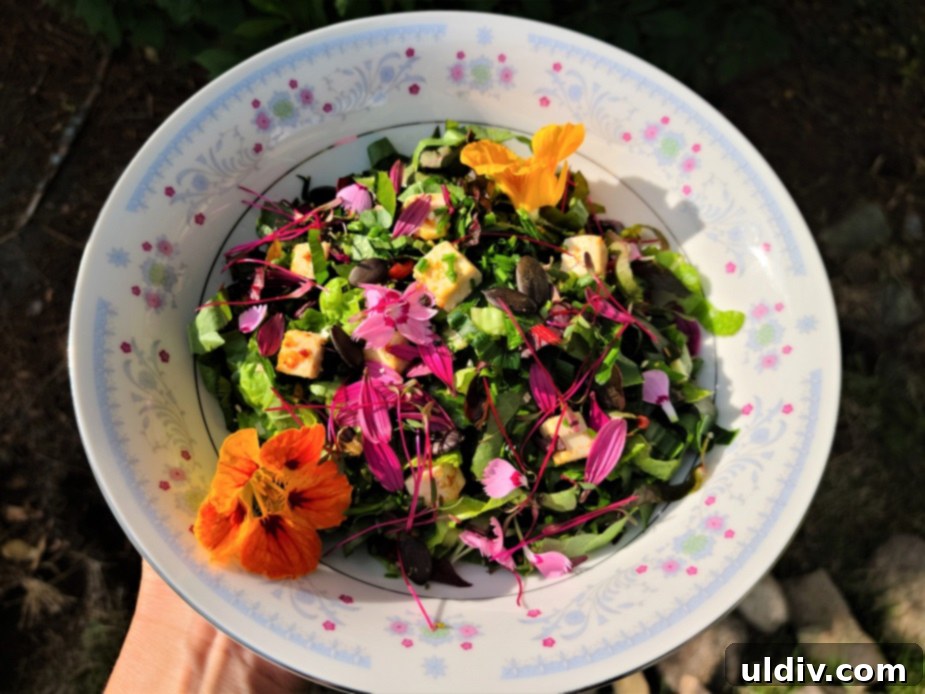
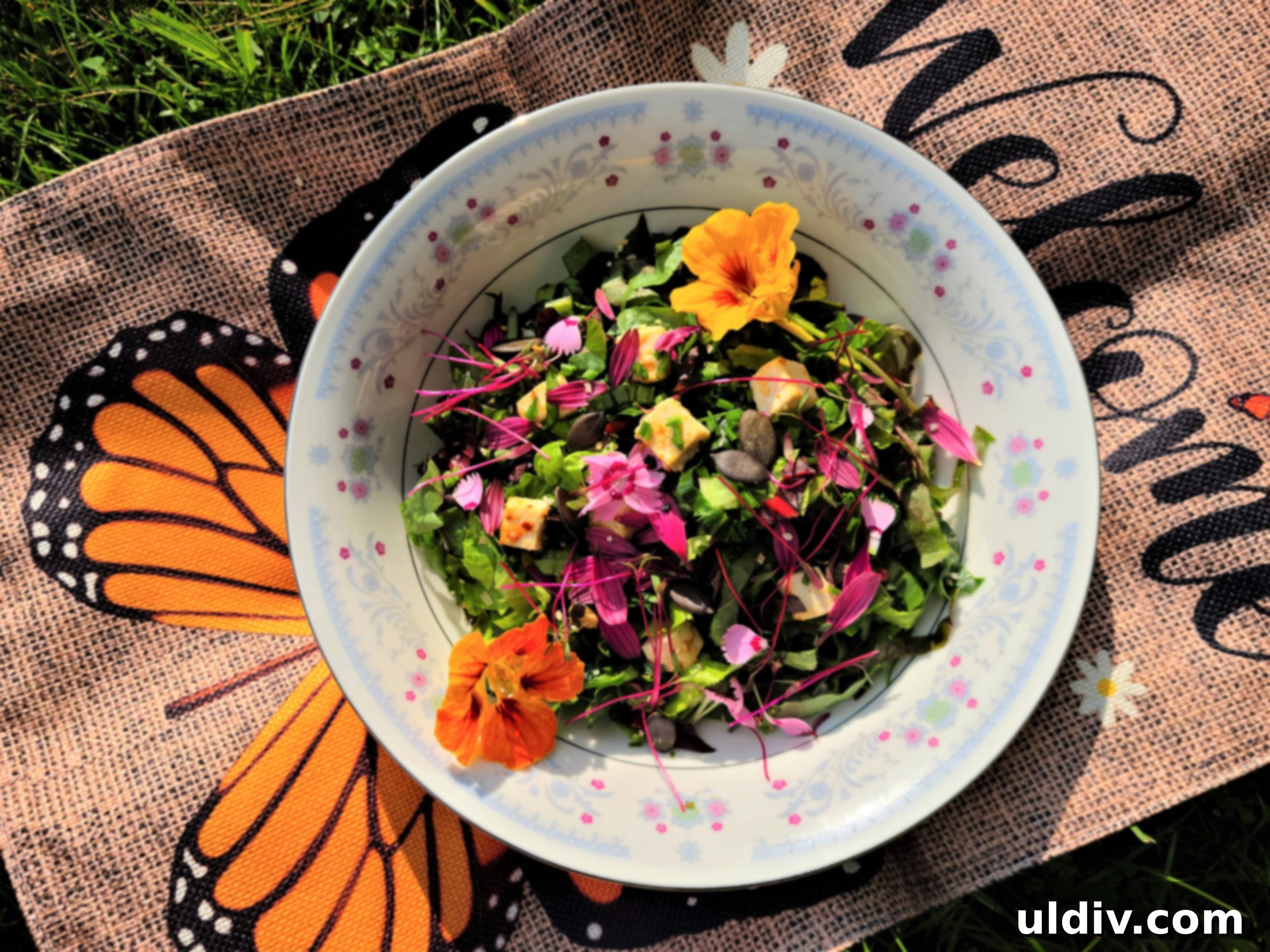
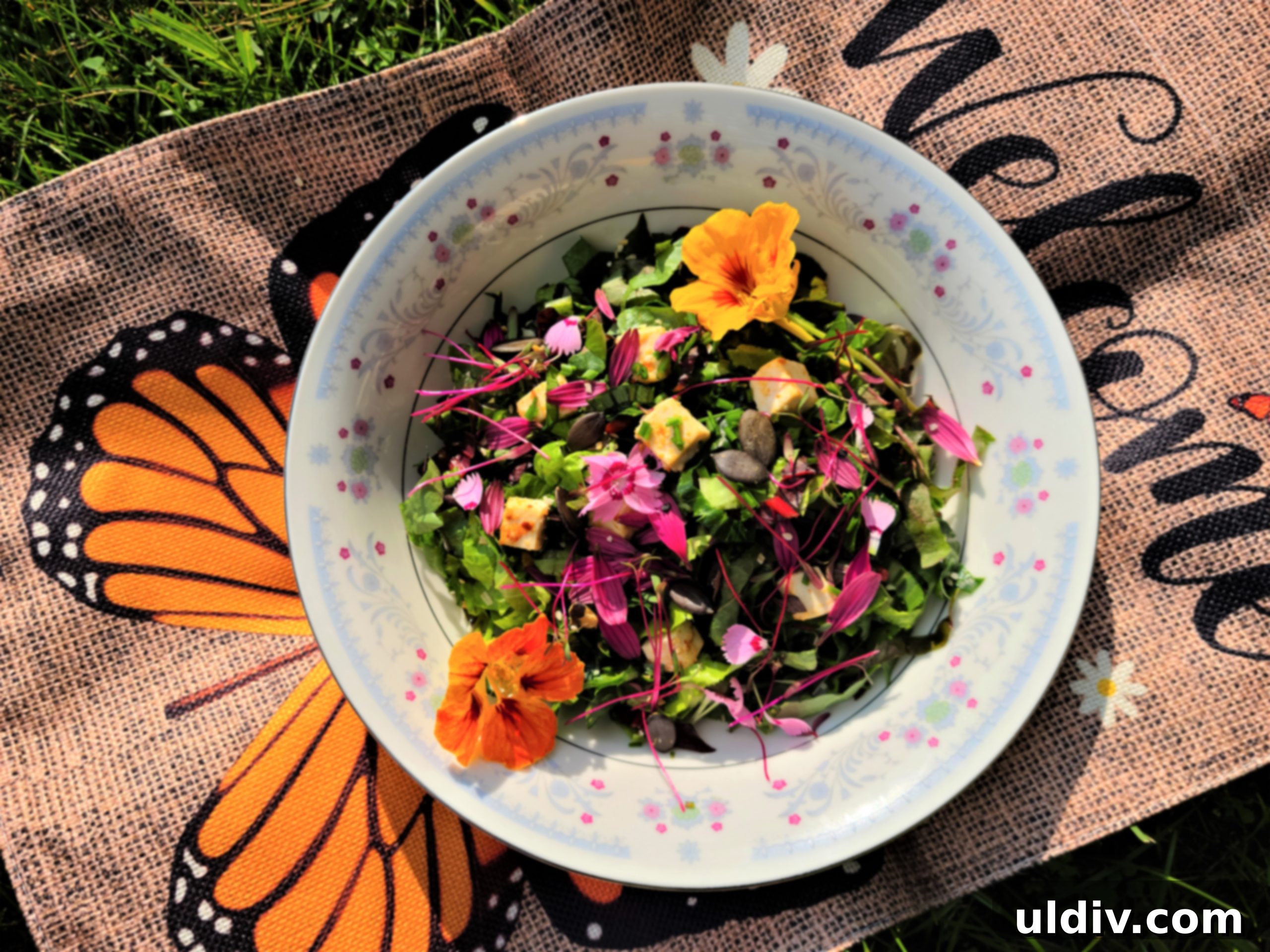
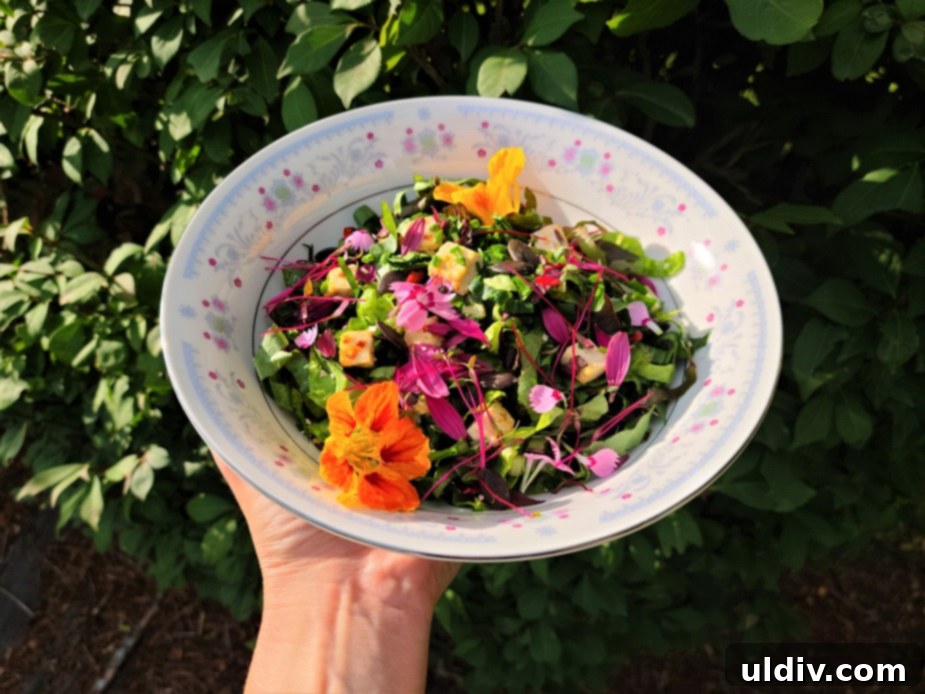
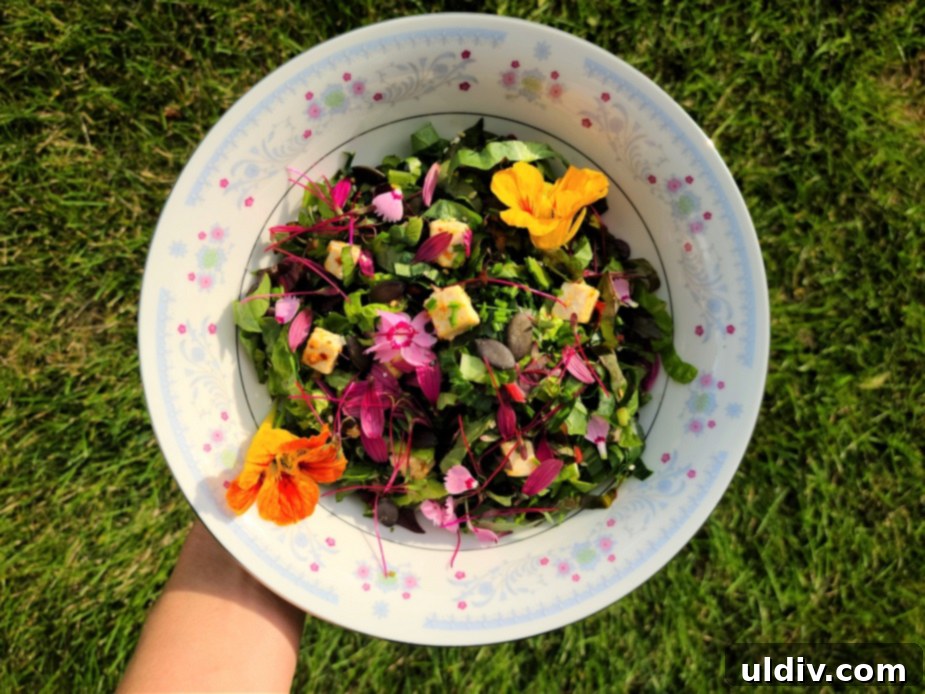
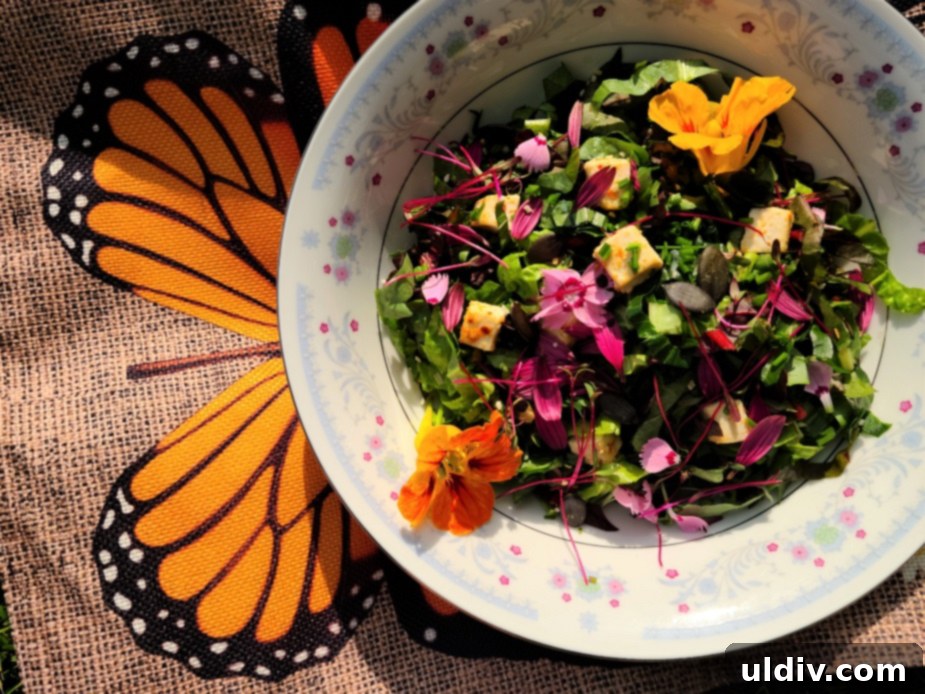
As a personal expression of my love for Monarch butterflies and the vital role of flowers in their ecosystem, I recently created a scrumptious edible flower salad. This colorful dish featured delicate nasturtium, vibrant coneflower, and charming pink dianthus petals, alongside fresh Swiss chard, marinated tofu, chives, crunchy pumpkin seeds, and nutrient-rich beet microgreens. It’s a delightful way to celebrate the beauty and utility of these plants, many of which can also help sustain Monarch populations. All of these flowers, whether directly feeding Monarchs or supporting the broader ecosystem, contribute to a healthier environment. We have been incredibly fortunate to enjoy a plentiful garden, and I am committed to expanding it further, populating it with even more Monarch-loving plants, utilizing the True Leaf Market seed mix to enhance biodiversity and support these cherished insects.
A Personal Plea and Collective Hope for Monarchs
In previous years, I would see Monarch butterflies all summer long, their graceful flight and breathtaking beauty a constant source of marvel in my garden. However, their presence has become increasingly rare. I have noticed a significant decline in recent times, and the sight of a Monarch butterfly is now a cherished event rather than a common occurrence. This personal observation echoes the scientific data and the urgent warnings from conservationists. It serves as a stark reminder that the crisis is real and happening in our own backyards.
I genuinely wonder: have you seen Monarch butterflies recently? Have you noticed a change in their numbers in your area? I invite you to share your experiences in the comments section below. Your observations, no matter how small, contribute to a larger understanding of their distribution and health. By sharing, we can foster a sense of community and collective awareness, reinforcing the idea that every individual perspective matters in this widespread effort. The future of the Monarch butterfly truly depends on our collective actions, from planting a single seed to advocating for broader conservation policies. Let us marvel at their beauty, protect their habitats, and work together to ensure that future generations can also witness the wonder of their awe-inspiring migration.
You can shop True Leaf Market’s incredible range of seeds and support the “Save the Monarchs” initiative by visiting their website here. Every seed planted is a step towards a healthier future for Monarchs.