
Embracing Sustainable Living: A Journey Through Eco-Friendly Alfresco Dining and Packaging Innovation
As the vibrant hues of summer gently fade into cooler mornings and earlier sunsets, there’s a unique urgency to savor every last moment of warmth. This time of year invites us to truly appreciate the lingering sunshine, inspiring endless opportunities for outdoor dining and conscious living. Join me as I chase these final rays of summer, bringing you along for my alfresco adventures and a fascinating exploration into the world of sustainable packaging. My goal is to illuminate how simple, mindful choices can enhance our daily experiences while contributing positively to our planet.
My Last Taste of Summer: A Delicious & Conscious Meal
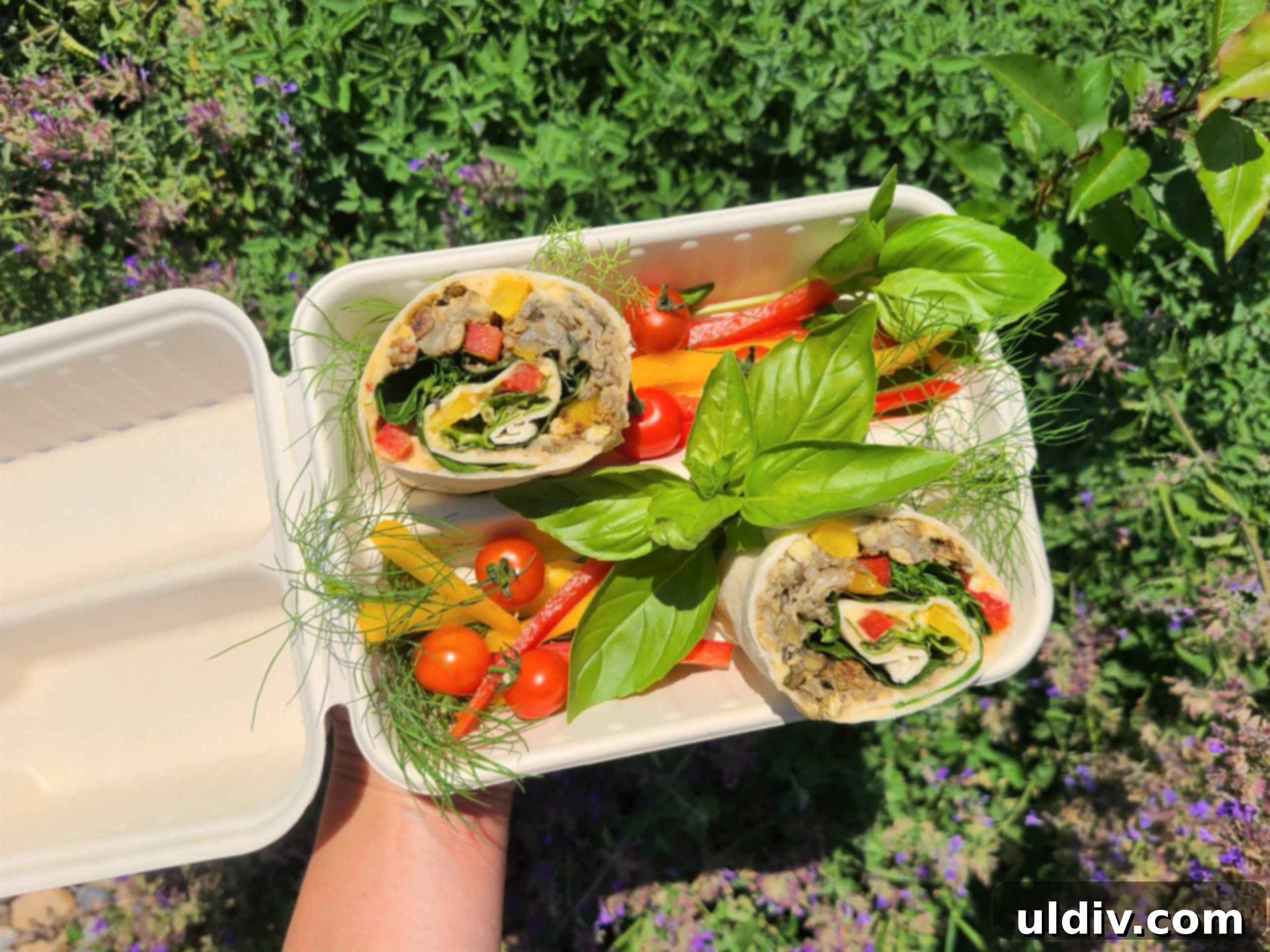
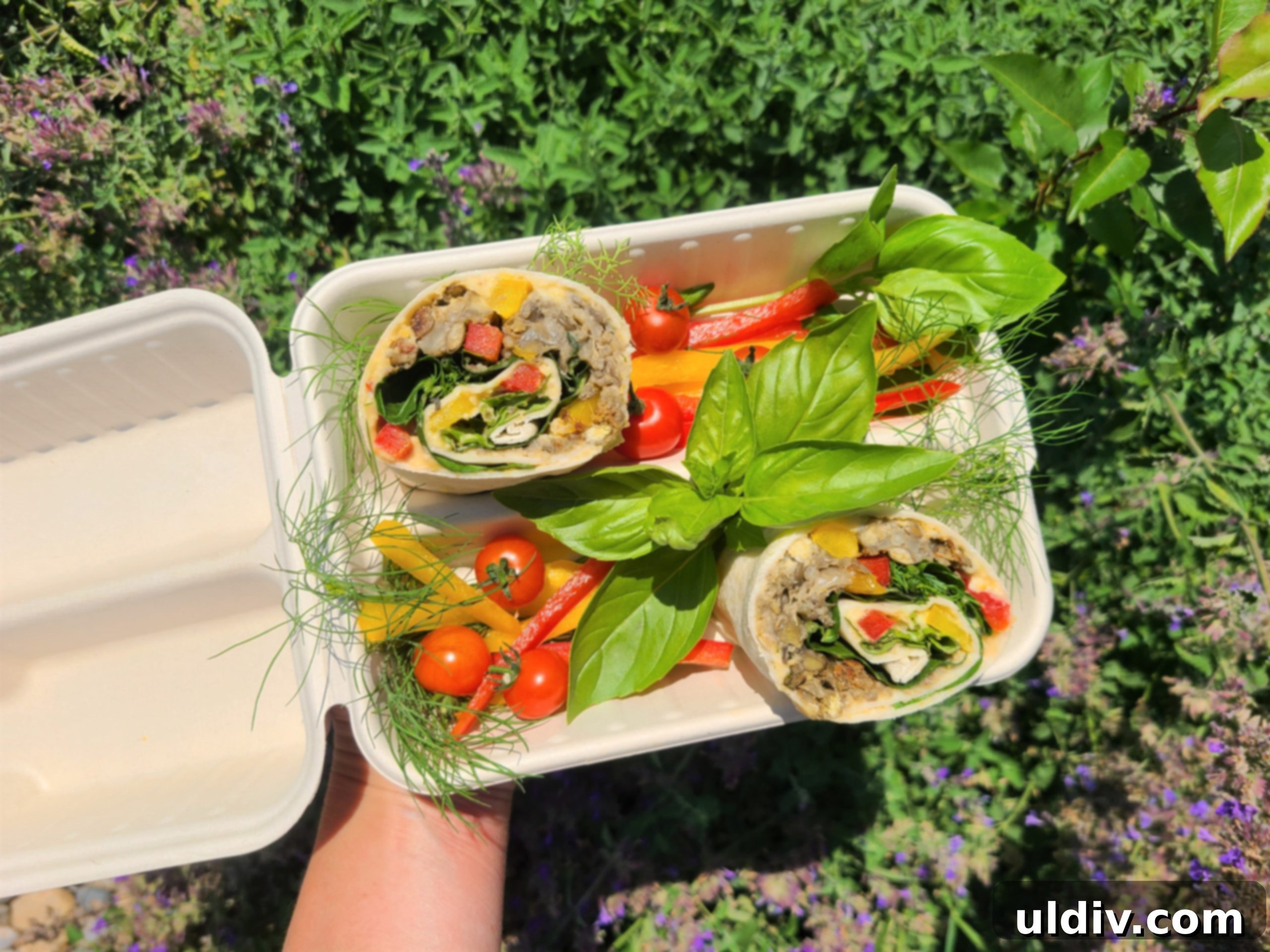
Today’s menu features a truly scrumptious and thoughtfully prepared meal: a robust wrap showcasing succulent pieces of NoBull Burger Original veggie burger. This plant-based delight is nestled amongst creamy hummus, crisp bell peppers for that satisfying crunch, and a generous helping of fresh, homegrown Swiss chard, basil, and dill. Each bite is a testament to the flavors of the season and the joy of cultivating one’s own food. Served alongside are juicy, homegrown cherry tomatoes and an extra sprinkle of aromatic herbs, creating a vibrant and wholesome lunch that embodies both taste and sustainability.
Unveiling the Future of Packaging: Better Earth’s Eco-Conscious Solutions
This delightful alfresco lunch isn’t just a treat for the palate; it’s a tangible part of my ongoing investigation into sustainable packaging solutions. My curiosity was piqued during recent extensive coverage of major industry events, including the influential Sirha Lyon Expo, the comprehensive National Restaurant Association Show, and the innovative Sweets & Snacks Expo. These events highlighted the critical need for eco-conscious alternatives in consumer and foodservice packaging, driving my deep dive into the subject.
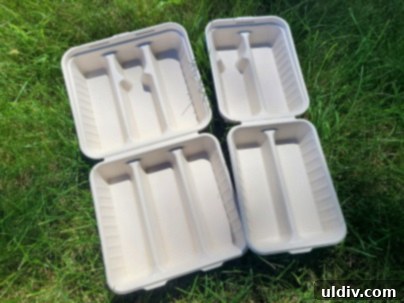
The very container holding my lunch today is a prime example of such innovation. It’s produced by Better Earth, a leading US-based compostable packaging company dedicated to environmental stewardship with a global vision. This particular taco clamshell container is a marvel of eco-design: crafted entirely from unbleached bamboo fiber, it is 100% compostable and remarkably environmentally responsible. Crucially, it is free from harmful PFAs, wax coatings, and plastic linings, making it a truly clean and green choice for food service.
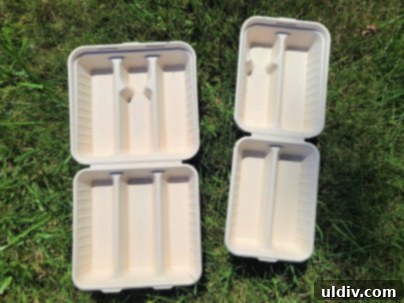
Beyond its eco-credentials, this packaging offers practical benefits. Its freezer-safe and soak-proof design ensures that food remains fresh, delicious, and intact, whether on the go or stored for later. What truly sets it apart is its end-of-life cycle: these containers efficiently compost in just 2 to 4 months in a commercial composting facility, returning valuable nutrients to the earth without leaving behind any harmful waste or residues. This combination of sturdiness, reliability, and environmental friendliness is truly awesome and sets a new standard for responsible packaging.
My extensive interactions with various packaging companies have prompted profound questions about the true meaning of sustainable packaging. How do we objectively assess corporate claims of sustainability? What scientific rigor and genuine commitment underpin these products and projects? This article marks the inaugural piece in a series designed to explore these pivotal topics through comprehensive and insightful discussions, beginning with a conversation with a leader in the field.
A Deep Dive into Sustainability: An Interview with Better Earth’s Savannah Seydel
To kick off this enlightening series, I had the privilege of interviewing Savannah Seydel, Better Earth’s esteemed VP of Sustainability. Our conversation covered a range of crucial subjects, including the profound implications of regenerative agriculture, the nuanced definition of sustainability in today’s world, the vital role of composting, and Better Earth’s impactful ongoing partnership with Tennessee farmers. Her insights provide a foundational understanding of the principles guiding truly responsible manufacturing.
1. Demystifying Regenerative Agriculture and Sustainability Innovations
You make “100% compostable products that are fueled by regenerative agriculture and driven by sustainability innovations.” Could you please explain the meaning of these terms?
Savannah Seydel emphasizes that regenerative agriculture and sustainability innovations are not just buzzwords, but essential, interconnected strategies for confronting pressing global challenges such as climate change, ensuring food security, and reversing environmental degradation. They represent a paradigm shift towards working with nature, rather than against it.
What is Regenerative Agriculture?
Regenerative agriculture is a holistic farming philosophy focused on enhancing and restoring ecosystem health. It’s a comprehensive approach that systematically improves soil health, conserves water quality, boosts biodiversity, and builds climate resilience within agricultural systems. This is primarily achieved by thoughtfully mimicking natural ecological processes and fostering a symbiotic relationship with the land, rather than employing extractive practices. The benefits extend beyond the farm, impacting local ecosystems and the global climate.
Regenerative agriculture practices are diverse and adaptive, but commonly include:
- Cover Cropping: This involves planting non-cash crops, such as legumes and grasses, during off-seasons or between main crops. Cover crops are crucial for enriching soil health by adding organic matter, preventing erosion from wind and water, suppressing weeds naturally, and enhancing nutrient cycling, ultimately reducing the need for synthetic fertilizers.
- No-Till Farming: A practice where crops are planted directly into the soil without disturbing it through plowing or tilling. This significantly reduces soil erosion, improves water infiltration and retention, preserves soil structure, and maintains vital microbial communities, leading to healthier, more productive soil over time.
- Rotational Grazing: Livestock are systematically moved between different pastures, allowing grazed areas to recover. This practice mimics natural grazing patterns of wild herbivores, which helps improve soil health by preventing overgrazing, reducing compaction, and promoting the growth and diversity of various plant species, including deep-rooted native grasses.
- Integrated Pest Management (IPM): A sophisticated system of pest control that combines a variety of methods to minimize the use of chemical pesticides. IPM utilizes strategies such as crop rotation, strategic cover cropping, habitat manipulation, and the introduction of biological controls (natural predators), aiming for long-term prevention of pests and their damage.
What are Sustainability Innovations?
Sustainability innovations refer to cutting-edge technologies, methodologies, and practices designed to significantly reduce the environmental footprint of agriculture and manufacturing. These innovations are critical for achieving greater efficiency and minimizing resource consumption while maximizing output.
Key sustainability innovations include:
- Precision Agriculture: This involves leveraging advanced data and technology—such as GPS, sensors, drones, and AI—to gather precise information about crop and soil conditions. Farmers use this data to make highly informed decisions regarding planting schedules, optimal water usage, and the precise application of fertilizers and pesticides, leading to increased yields with reduced resource inputs.
- Sustainable Intensification: A strategy focused on increasing crop yields and agricultural output from existing farmland without expanding agricultural areas, all while simultaneously reducing environmental impact. This is achieved through the integrated application of practices like no-till farming, cover cropping, improved genetics, and integrated pest management, ensuring both productivity and ecological integrity.
- Vertical Farming: An innovative agricultural method where crops are grown in vertically stacked layers, typically in controlled indoor environments. This approach dramatically reduces the land required for cultivation, minimizes water usage through hydroponic or aeroponic systems, and eliminates the need for pesticides due to controlled conditions, making it ideal for urban areas and year-round production.
2. The Power of Local: Better Earth’s Partnership with Tennessee Farmers
Could you please tell us more about your partnership with Tennessee farmers?
Better Earth’s commitment to sustainability extends deeply into its supply chain through its innovative partnership with Tennessee farmers. This collaboration is the cornerstone for sourcing raw materials for the “Farmer’s Fiber” collection, Better Earth’s domestically produced line of compostable foodservice packaging. The company actively works with local farmers to secure agricultural byproducts that would otherwise go to waste, transforming them into valuable resources. This not only supports Tennessee’s vital agricultural economy but also significantly reduces the volume of waste sent to landfills, creating a truly circular economic model.
Farmer’s Fiber represents a groundbreaking line of certified compostable foodservice packaging. It is ingeniously made from a unique blend of agricultural byproducts, including switchgrass, sorghum, and miscanthus—crops specifically chosen for their rapid growth and low environmental impact. This collection is engineered as a superior, sustainable alternative to traditional plastic and paper foodservice packaging, addressing the urgent need for eco-friendly solutions in the industry. Every product in the Farmer’s Fiber line is rigorously certified compostable, ensuring that it can fully break down into nutrient-rich soil in a commercial composting facility. This process is instrumental in diverting substantial amounts of waste from landfills and incinerators, mitigating their environmental burden.
The benefits of Better Earth’s collaboration with Tennessee farmers are multifaceted and far-reaching:
- Increased Farmer Income: Farmers gain a crucial additional revenue stream by selling agricultural byproducts (like crop residues) to Better Earth, rather than discarding them. This provides economic stability and incentives for sustainable land management.
- Reduced Agricultural Waste: By repurposing agricultural byproducts for packaging, farmers can significantly reduce the amount of waste generated on their farms, contributing to cleaner operations and a more efficient use of resources.
- Improved Soil Health through Composting: When Farmer’s Fiber packaging is commercially composted, it breaks down into organic matter that can be returned to agricultural lands. This enriches the soil, replenishes essential nutrients, and improves soil structure, creating a regenerative cycle.
- Reduced Greenhouse Gas Emissions: Utilizing plant-based agricultural byproducts for packaging reduces reliance on fossil fuels that are typically used to produce conventional plastic packaging. Furthermore, composting mitigates methane emissions from landfills, offering a dual benefit in combating climate change.
In essence, Better Earth’s Farmer’s Fiber line is more than just an eco-friendly product; it’s a comprehensive, sustainable alternative to traditional foodservice packaging that champions local economies, drastically reduces waste, and actively contributes to mitigating climate change. It exemplifies how thoughtful partnerships can create positive ripple effects across the entire value chain.
3. The Green Marvel: Why Bamboo is a Sustainable Superstar
I understand that items in the Eco-Bamboo Collection are crafted from unbleached bamboo fiber. Where does the bamboo come from, and what makes bamboo a better option than other materials, from the sustainability perspective?
The Better Earth Eco-Bamboo Collection stands as a testament to the power of sustainable material innovation. These remarkable products are meticulously crafted from unbleached bamboo fiber, primarily sourced from responsibly managed forests in Asia. Bamboo is not just a plant; it’s a rapidly growing, incredibly renewable resource that presents a compelling, environmentally superior alternative to conventional materials like plastic and paper, especially when viewed through a comprehensive sustainability lens.
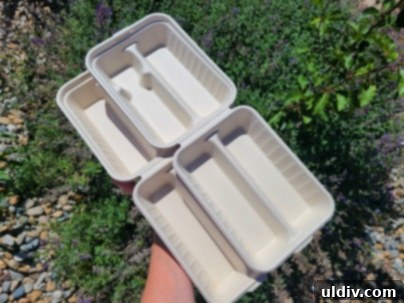
Better Earth’s taco clamshell packaging is crafted from unbleached bamboo fiber
Here are several compelling reasons why bamboo is an exceptional choice for sustainable products and why Better Earth champions its use:
- Remarkably Fast Growth: Bamboo is one of the fastest-growing plants on Earth, capable of growing up to three feet in a single day under optimal conditions. This rapid growth rate means it can be harvested much more frequently than trees, which take decades to mature. This characteristic significantly reduces the pressure on natural forests and other critical ecosystems, preserving vital habitats and biodiversity.
- Minimal Water Requirements: Unlike many water-intensive crops, bamboo thrives in areas with low rainfall and requires considerably less irrigation than alternatives such as cotton or traditional timber crops. This inherent resilience helps conserve precious water resources, making it an ideal choice in water-stressed regions and contributing to overall water stewardship.
- Potent Carbon Sink: As it grows, bamboo acts as an efficient carbon sink, actively absorbing significant amounts of carbon dioxide from the atmosphere. This process helps to sequester greenhouse gases, playing a crucial role in mitigating climate change and improving air quality.
- Naturally Biodegradable: At the end of its life cycle, bamboo is fully biodegradable. Through composting, it naturally breaks down into its constituent elements: water, CO2, and biomass. This ensures that bamboo-based products do not contribute to landfill waste and harmful microplastic pollution, completing a virtuous ecological cycle.
- Exceptional Versatility: Bamboo’s inherent properties allow it to be transformed into a vast array of products. From construction materials like flooring and furniture to textiles and, critically, sustainable packaging like Better Earth’s Eco-Bamboo line, its versatility makes it an incredibly valuable and adaptable material for numerous industries seeking eco-friendly alternatives.
- Inherent Strength and Durability: The unique long fibers within bamboo provide superior strength and durability. This allows for the creation of robust and reliable products at a lower gram weight, making it an efficient material for packaging that needs to withstand transport and daily use without compromising structural integrity.
- Cost-Effectiveness: Despite its impressive environmental credentials, bamboo remains a relatively affordable material. This economic viability makes it a practical and accessible choice for companies striving to produce sustainable products without prohibitive costs, enabling broader adoption of eco-friendly solutions.
4. Navigating Commercial Composting: Your Guide to Responsible Disposal
The products in the Eco-Bamboo Collection are commercially compostable. Where do consumers need to go to compost these items, in a commercial setting? Is https://findacomposter.com/ the website they should use?
Commercial composting represents one of the most effective and impactful ways to reduce waste and actively support environmental health. By conscientiously composting yard waste, food scraps, and accepted foodservice packaging, consumers contribute to the creation of nutrient-rich soil. This valuable organic material can then be utilized in community gardens, parks, agricultural settings, and even personal backyards, closing the loop on organic waste.
The benefits of commercial composting are extensive and crucial for a sustainable future:
- Significant Waste Reduction: Commercial composting drastically reduces the volume of waste directed to landfills and incinerators. This not only conserves valuable landfill space but also minimizes the environmental pollution associated with these disposal methods.
- Environmental Protection: By diverting organic waste from landfills, commercial composting plays a vital role in preventing the generation of methane, a potent greenhouse gas. Furthermore, it helps improve air and water quality by reducing runoff and the need for synthetic fertilizers.
- Creation of Nutrient-Rich Soil: The composting process transforms organic materials into a valuable soil amendment. This compost enriches soil structure, improves water retention, and provides essential nutrients for healthy plant growth, reducing reliance on chemical fertilizers and pesticides.
- Support for Local Businesses: Commercial composting operations often create local jobs and foster a market for compostable materials, thereby supporting local economies and promoting sustainable infrastructure within communities.
In summary, commercial composting is an incredibly sustainable and environmentally beneficial practice with a multitude of advantages. For consumers eager to participate, finding local commercial composting facilities is often easier than perceived. Start by searching online or contacting your local waste management company, as many now offer specific programs. Additionally, a growing number of grocery stores and restaurants are implementing composting initiatives, providing convenient drop-off points for customers’ compostable materials.
Here are some invaluable online resources that can assist consumers in locating commercial composting facilities in their vicinity:
- Find a Composter: This user-friendly website allows you to search for composting facilities simply by entering your zip code, making it a quick and efficient tool for local searches.
- Compost Now: This resource provides a detailed directory of composting facilities, particularly serving various regions across the Southeast of the United States.
- US Composting Council: This official website offers a comprehensive list of composting facilities that have been certified by the Composting Council, ensuring adherence to rigorous standards for quality and environmental performance.
Beyond these dedicated websites, a direct inquiry to your local waste management company can yield fruitful results. Many municipalities and private waste service providers now offer robust composting programs, often with designated drop-off sites or even curbside collection services for compostable materials, making responsible disposal increasingly accessible.
5. Beyond Commercial: The Future of Backyard Compostable Products
My understanding is that your certified-compostable products are not suitable for backyard composting. Are you currently working on products designed for backyard composting?
Savannah clarifies an important distinction: most certified commercially compostable products, including those from Better Earth, are not suitable for typical backyard composting environments. This is due to the specific conditions required for their breakdown. Commercial composting facilities operate at significantly higher temperatures and maintain precise moisture and aeration levels, which are critical for breaking down these engineered materials efficiently. Backyard compost piles, by contrast, rarely achieve the sustained high temperatures necessary for these products to decompose completely, and they may not be turned frequently enough to ensure even material distribution. Consequently, attempting to compost commercially certified products in a backyard setting often leads to incomplete breakdown and can even contaminate the compost with undegraded materials.
Recognizing the growing demand for home-compostable solutions, Better Earth is actively engaged in research and development for products specifically designed for backyard composting. These products typically require materials that decompose more readily under varied, less intense conditions, such as certain PHB bioplastics and specifically designed folded or pressed multi-laminated papers. Better Earth’s current focus in this area involves developing innovative products using alternative fibers, such as bamboo, as a sustainable and effective replacement for virgin wood. This commitment highlights Better Earth’s dedication to providing a full spectrum of sustainable packaging options that cater to diverse end-of-life disposal scenarios, empowering consumers with more choices for environmentally responsible living.
Concluding Thoughts: Paving the Way for a Sustainable Tomorrow
As my summer culinary journey draws to a close, it’s clear that the pursuit of delicious food and sustainable living are not mutually exclusive but deeply interconnected. From the vibrant flavors of homegrown ingredients to the thoughtful selection of eco-friendly packaging, every choice we make has an impact. The insights shared by Savannah Seydel from Better Earth illuminate the profound potential of regenerative agriculture, innovative sustainable practices, and responsible composting. They underscore the importance of understanding the science and commitment behind the products we choose, moving beyond superficial claims to genuine environmental stewardship.
This deep dive into Better Earth’s initiatives—their partnership with Tennessee farmers, the unparalleled benefits of bamboo, and their pioneering work in compostable solutions—shows a clear path forward for industries and consumers alike. The challenge lies in expanding access to composting infrastructure and continuously innovating to make sustainable choices more convenient and widespread. As we collectively strive for a more sustainable tomorrow, this series will continue to explore critical questions and highlight advancements in the eco-conscious space, guiding us toward a future where our consumption truly nourishes both ourselves and our planet.