


The Unsung Hero of Citrus: Mastering Lemon Zest for Unforgettable Flavor
Lemon zest, often underestimated and frequently discarded, harbors an astonishing culinary secret: a concentrated reservoir of vibrant, aromatic oils. Far beyond its acidic juice, this golden outer layer of the lemon offers an unparalleled depth of flavor – from bright and tangy to subtly floral – capable of transforming both sweet and savory dishes. My profound appreciation for this culinary gem stems from cherished childhood memories, particularly those of my mother, meticulously zesting lemons in our cozy kitchen many years ago. Her philosophy was simple yet brilliant: utilize every part of the lemon, unlocking its full, delicious potential, especially that often-overlooked part – its incredibly potent zest.
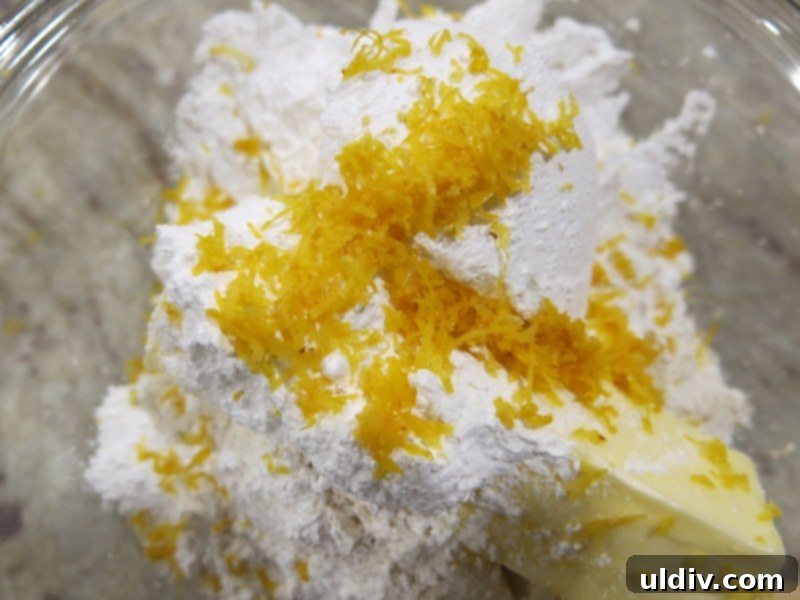
My mom approached lemons with a practical, resourceful mindset. Whenever she had them, she would carefully zest each one, ensuring she captured only the vibrant yellow peel while painstakingly avoiding the bitter white pith. This precious zest was then layered with sugar in small glass jars and stored in the refrigerator. These jars became a treasured secret stash, ready to infuse her desserts with a bright, citrusy essence for weeks, sometimes even months. This resourceful practice not only guaranteed zero waste but also ensured that a burst of fresh lemon flavor was always at her fingertips, a testament to her clever kitchen wisdom. This simple act ingrained in me the understanding that lemon zest is far more than just a garnish; it’s a powerhouse of flavor waiting to be unleashed, capable of elevating everyday cooking to something truly special.
A Culinary Heritage: My Mom’s Timeless Approach to Lemon Zest Preservation
The distinctive aroma of fresh lemon zest instantly transports me back to those moments in our tiny kitchen, a vivid sensory memory of my mother’s dedication to maximizing flavor. She instinctively understood that the lemon’s true aromatic essence resides almost entirely in its colorful outer skin, densely packed with volatile oils. Unlike the juice, which primarily provides acidity, the zest delivers a complex bouquet of aroma and flavor that can brighten, deepen, and round out a dish in ways juice alone simply cannot. Her method of layering zest with sugar was not merely a storage technique; it was a brilliant way to extract and preserve those precious essential oils, creating a concentrated flavor bomb ready for any culinary adventure.
This traditional technique, likely passed down through generations, beautifully illustrates the importance of preserving ingredients naturally. The sugar in her method acts as a gentle desiccant, drawing moisture from the zest and creating a syrupy, aromatic mixture. This mixture not only resists spoilage but also allows the lemon’s natural flavors to deepen and intensify over time. This approach also eliminates the need for any artificial preservatives, guaranteeing that the pure, vibrant taste of fresh lemon is maintained and celebrated. Whether it was for a delicate sponge cake, a batch of crisp shortbread cookies, or a refreshing tart, my mom’s sugared lemon zest was the indispensable secret ingredient that always made her dishes shine, imbuing them with a distinct homemade touch that no store-bought extract could ever replicate.
The Science of Preservation: Freezing vs. Refrigerating Lemon Zest
While my personal preference, deeply rooted in nostalgia and comfortable habit, continues to lean towards my mom’s refrigeration method, culinary experts have extensively explored and documented various effective techniques for preserving lemon zest. One particularly insightful experiment conducted by the renowned America’s Test Kitchen provides invaluable data and insights into the efficacy of different storage options. They put fresh lemon zest to a rigorous test by making lemon pound cakes using zest stored in three distinct ways: at room temperature in the pantry, in the refrigerator, and in the freezer.
Their findings were quite revealing and offer excellent guidance for home cooks. The cakes made with zest stored in the pantry and the refrigerator (presumably without the protective sugar layer my mom used) conspicuously “lacked a citrus punch.” This compellingly suggests that without a robust protective medium like sugar or the deep chill of a freezer, the delicate volatile oils in the zest can quickly dissipate, leading to a significant loss of flavor and aroma. However, the frozen-zest cake performed remarkably well, tasting “almost as good as fresh.” The only notable drawback they identified was a “slightly washed-out color,” indicating that while freezing is highly effective at preserving flavor, it might affect the visual vibrancy of the zest. America’s Test Kitchen thus concluded that frozen zest is perfectly “suitable for baking” where color might not be the primary concern, but perhaps less ideal “as a garnish.” They further advised that zest can be effectively frozen for up to three weeks before its precious flavor begins to significantly diminish (America’s Test Kitchen, “Storing Lemon Zest”).
Despite these scientific findings, I confess to still largely adhering to my mom’s traditional refrigeration technique. Perhaps it’s a comforting blend of tradition and habit, or as I playfully admit, a touch of “fear of the unknown.” For savory dishes, I frequently use un-sugared zest, where its bright, acidic notes cut through richness beautifully, especially with fish or chicken. For my sweet treats, like cakes and cookies, the sugar-zest mixture offers a delightful, pre-sweetened lemon essence that integrates seamlessly into batters and doughs. Both methods, when properly executed and depending on your intended use, yield fantastic results, demonstrating the flexibility available in preserving this precious and potent ingredient for extended culinary enjoyment.
Maximizing Your Zest: Essential Tips for Sourcing and Preparation
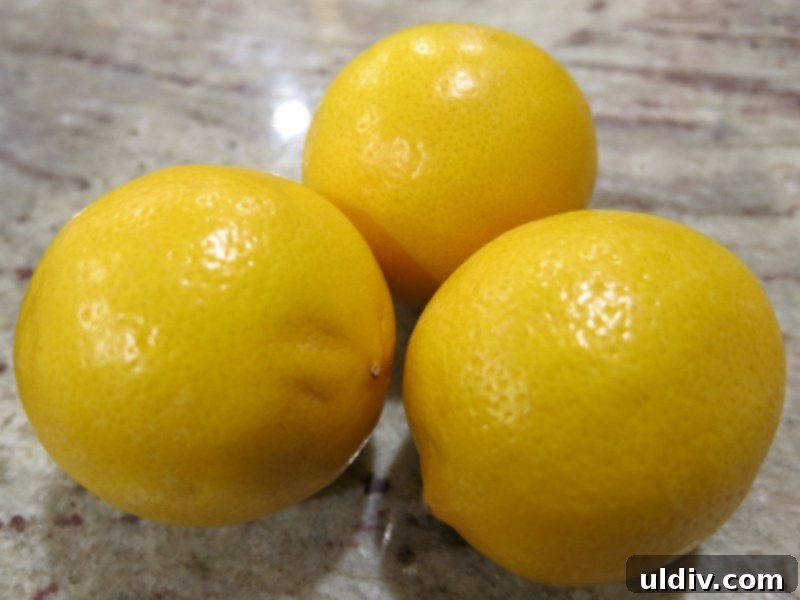
The superior quality of your lemon zest begins long before you even touch a grater – it starts with the careful selection of your lemons. To ensure both the best flavor and maximum safety, I highly recommend actively seeking out unwaxed lemons. Many commercially available lemons are coated with a thin layer of food-grade wax. While generally safe to consume, this wax can be surprisingly difficult to remove entirely and may inadvertently impart an undesirable texture or a subtle, off-putting taste to your otherwise pristine zest. Opting for organic lemons is an even better choice, as it significantly minimizes exposure to pesticides and ensures a purer, cleaner flavor profile for your zest, allowing its natural vibrancy to shine through. Regardless of whether your lemons are waxed or unwaxed, always wash them thoroughly with warm water and a scrub brush before beginning the zesting process.
When it comes to the act of zesting itself, the paramount goal is to capture exclusively the vibrant, colorful outer layer – technically known as the flavedo – while meticulously avoiding the bitter white pith that lies just beneath. The pith contains compounds that can impart an intensely unpleasant bitterness to your dishes, effectively detracting from the bright, fresh, and aromatic notes that make lemon zest so desirable. Various tools can be employed for zesting, each offering a slightly different result and texture:
- Microplane Grater: This is arguably the most popular and exceptionally effective tool, yielding fine, delicate, and feathery strands of zest that disperse effortlessly and evenly into recipes. Hold the lemon firmly and gently glide it across the microplane, continuously rotating the fruit as you go to ensure you only scrape off the yellow or green part, stopping before you reach the white pith.
- Box Grater: If a microplane isn’t available, use the smallest holes on a standard box grater. This method produces slightly coarser zest than a microplane but is still quite effective for most culinary applications. Exercise caution to avoid grating too deeply.
- Vegetable Peeler: For creating larger, wider strips of zest, which are ideal for infusing liquids (like olive oil or spirits) or as elegant garnishes, a standard vegetable peeler works wonderfully. Carefully peel thin strips, then use a sharp knife to meticulously scrape away any residual white pith from the underside of the peel.
- Channel Knife: This specialized bar tool is designed to create thin, decorative ribbons or curls of zest, perfect for garnishing cocktails, desserts, or adding a touch of flair to plating.
Mastering the precise technique of zesting ensures you extract the maximum amount of exquisite flavor without any unwanted bitterness, making every single lemon count and enhancing your culinary creations.
Unleashing Flavor: Diverse Culinary Applications of Lemon Zest
The sheer versatility of lemon zest in the kitchen is nothing short of remarkable. Its extraordinary ability to brighten flavors, add profound depth, and introduce an intensely fragrant aroma makes it an absolutely invaluable ingredient in an incredibly vast array of dishes, spanning multiple cuisines and culinary traditions. Far from being a mere afterthought, lemon zest often acts as the critical element that elevates a good dish to a truly exceptional one. Here are just a few of the myriad ways to ingeniously incorporate this citrus powerhouse into your everyday cooking and baking:
- Baking and Desserts: In the realm of sweet treats, lemon zest is a foundational flavor builder. From classic lemon meringue pie, delicate cheesecakes, and vibrant lemon bars to modern cakes, crisp cookies, fluffy muffins, and rustic tarts, it provides that essential lift. It enhances the fruity notes in tarts, deepens the richness of custards, and adds a sparkling finish to glazes. Fold it into whipped cream or combine it with yogurt for a simple yet elegantly flavored dessert. Its aromatic oils truly shine when baked, creating an intoxicating aroma that fills the kitchen and a taste that delights the palate.
- Savory Dishes: Never make the mistake of limiting lemon zest to just sweets! It serves as a fantastic counterpoint to rich or fatty ingredients, providing a much-needed burst of freshness and acidity. Sprinkle it generously over roasted chicken, grilled fish, or pan-seared scallops to add a bright, vibrant, and clean finish. Incorporate it into comforting pasta dishes, creamy risottos, or healthy grain bowls for an instant lift that cuts through richness. Lemon zest is also a stellar addition to homemade marinades for meats, invigorating dressings, and zesty vinaigrettes, infusing them with a bright, tangy, and aromatic kick that awakens the taste buds.
- Beverages: A simple touch of lemon zest can dramatically transform an ordinary drink into something special. Add it to homemade iced tea, sparkling infused water, or a pitcher of classic lemonade for an extra layer of nuanced flavor. It’s also a common, indispensable ingredient in many cocktails, providing both a fragrant garnish and enhancing the drink’s overall complexity and aroma, making each sip more enjoyable.
- Flavor Infusions: Beyond direct use, lemon zest can be steeped to create incredible flavor infusions. Submerge it in high-quality olive oil to craft a fragrant finishing oil perfect for salads or drizzling over cooked vegetables. Infuse it into spirits like vodka or gin for a homemade limoncello or other citrus liqueurs. It can also be added directly to granulated sugar to create a versatile lemon sugar blend, which is perfect for dusting on pancakes, waffles, fresh fruit, or baked goods, adding both sweetness and a delicate citrus aroma.
In essence, if a dish could benefit from a bright, aromatic lift, a touch of nuanced acidity, or a fresh burst of fragrance, lemon zest is almost always the perfect answer, proving itself to be an indispensable ingredient in any well-stocked and adventurous kitchen.
When Zest is Absent: Effective Substitutes for Your Recipes
Even the most meticulously organized and well-prepared cook occasionally finds themselves in a predicament – mid-recipe, you realize you’re out of fresh lemon zest. Fear not! There are several effective and widely accepted substitutes that can often save the day and keep your culinary creation on track without a trip to the grocery store. According to the culinary experts at The Spruce Eats, these are some of the most reliable and readily available alternatives:
- Lemon Extract: This concentrated liquid is derived from the very same essential lemon oils found in zest and thus offers a strong, pure lemon flavor. Use it sparingly, as its potency means a little truly goes a long way. A common conversion guideline is to use approximately ½ teaspoon of lemon extract for every 1 tablespoon of fresh lemon zest called for in a recipe. Always adjust to your personal taste, keeping in mind that while it imparts excellent flavor, it does so without any of the textural elements that fresh zest provides.
- Lemon Juice: While readily available and providing welcome acidity, lemon juice lacks the concentrated aromatic oils that are the hallmark of zest. If you must substitute with juice, use a small amount – for instance, roughly 2 teaspoons of juice for every 1 teaspoon of zest. Be acutely mindful of the added liquid, especially in baking recipes, where excess moisture can significantly alter the consistency and texture of your final product. Lemon juice is best used as a substitute in recipes where the extra liquid won’t cause issues, such as sauces, marinades, or dressings.
- Dried Lemon Peel: Available in the spice aisle of most grocery stores, dried lemon peel offers a more subdued but still distinct lemon flavor. It typically needs to be rehydrated slightly or cooked directly into the dish to fully release its flavor. You might find that you need to use slightly less dried peel than fresh zest, as its flavor can become more intense once reconstituted or heated.
- Zest of Another Citrus Fruit: If you happen to have an orange, lime, or grapefruit on hand, their zests can serve as a suitable substitute, especially if a general citrus note is the primary goal rather than specific lemon flavor. Orange zest provides a sweeter, milder citrus flavor profile, which can be delightful in desserts. Lime zest offers a sharper, more piquant tang, often excellent in savory dishes or bright cocktails. Grapefruit zest is typically more bitter and intense, so use it judiciously and consider its impact on the overall flavor balance of your recipe. Choose the substitute based on the specific flavor profile you’re aiming for in your recipe and what you have available.
As the experts at The Spruce Eats wisely conclude, “The right substitute depends on your recipe, how much you need and what you have available.” (The Spruce Eats, “Simple Lemon Zest Substitutes”) Always take a moment to consider the potential impact on both the flavor and texture of your dish when making any substitution.
Explore More: Recipes Featuring the Brilliance of Lemon Zest
Lemon zest’s unparalleled ability to enhance and elevate both sweet and savory profiles truly makes it a star ingredient in any kitchen. If you’re seeking inspiration to incorporate more of this vibrant citrus wonder into your culinary creations, I warmly invite you to explore some of my favorite recipes. These dishes beautifully showcase the incredible depth, brightness, and aromatic complexity that lemon zest brings to the table, transforming everything from comforting breakfast options to elegant desserts and robust main courses:
- For a delightful and invigorating start to your day, discover my Lemon Ricotta Pancakes, where the zest adds a truly vibrant and fresh lift to a beloved brunch classic.
- Embrace the warmth and sweetness of the season with the exquisite touch of zest in my Spice Cake Revisited, a truly festive and aromatic treat.
- Embark on a culinary journey to Switzerland and uncover a unique seasonal sweet with my Totenbeinli, where lemon zest provides a crucial aromatic counterpoint that balances the richness.
- For a fresh, healthy, and incredibly flavorful main course, savor the delicate tastes of Delicious Salmon with Heirloom Tomatoes and Millet, brilliantly brightened by a hint of citrus zest.
- Bake up some pure joy and nostalgia with my recipe for Cookies for Santa and Rudolph, where lemon zest adds a cheerful and comforting touch.
- Indulge in a classic dessert with a delightful twist – my Upside-Down Pineapple Cake, where lemon zest expertly balances the inherent sweetness of the pineapple.
- And for a truly timeless and elegant spring dessert, be sure to try my Favorite Fruit Sponge Cake, exquisitely elevated by the bright and fragrant notes of fresh lemon zest.
Each of these carefully crafted recipes ingeniously leverages the unique qualities of lemon zest to create memorable and incredibly delicious dishes, unequivocally proving its indispensable role in a well-equipped and inspired kitchen.
Join the Conversation: Your Zestful Insights Await!
The culinary world of lemon zest is incredibly rich with personal preferences, creative uses, and ingenious storage hacks that vary from kitchen to kitchen. Do you have a go-to or tried-and-true method for storing lemon zest for future use? Perhaps you’ve perfected a unique technique that has been lovingly passed down through your family, or you’ve personally discovered an innovative way to keep its precious flavor potent and remarkably fresh for longer. What is your absolute favorite application of lemon zest in your cooking or baking – a specific dish where its vibrant essence truly shines and makes all the difference? And in those moments of culinary urgency when fresh zest simply isn’t an option, what do you typically reach for as a reliable substitute, and what drives your choice? Share your invaluable wisdom, practical tips, and delightful culinary adventures with lemon zest in the comments section below. I’d absolutely love to hear your insights, learn from your experiences, and perhaps even discover a new favorite use for this unsung hero of the citrus family!