
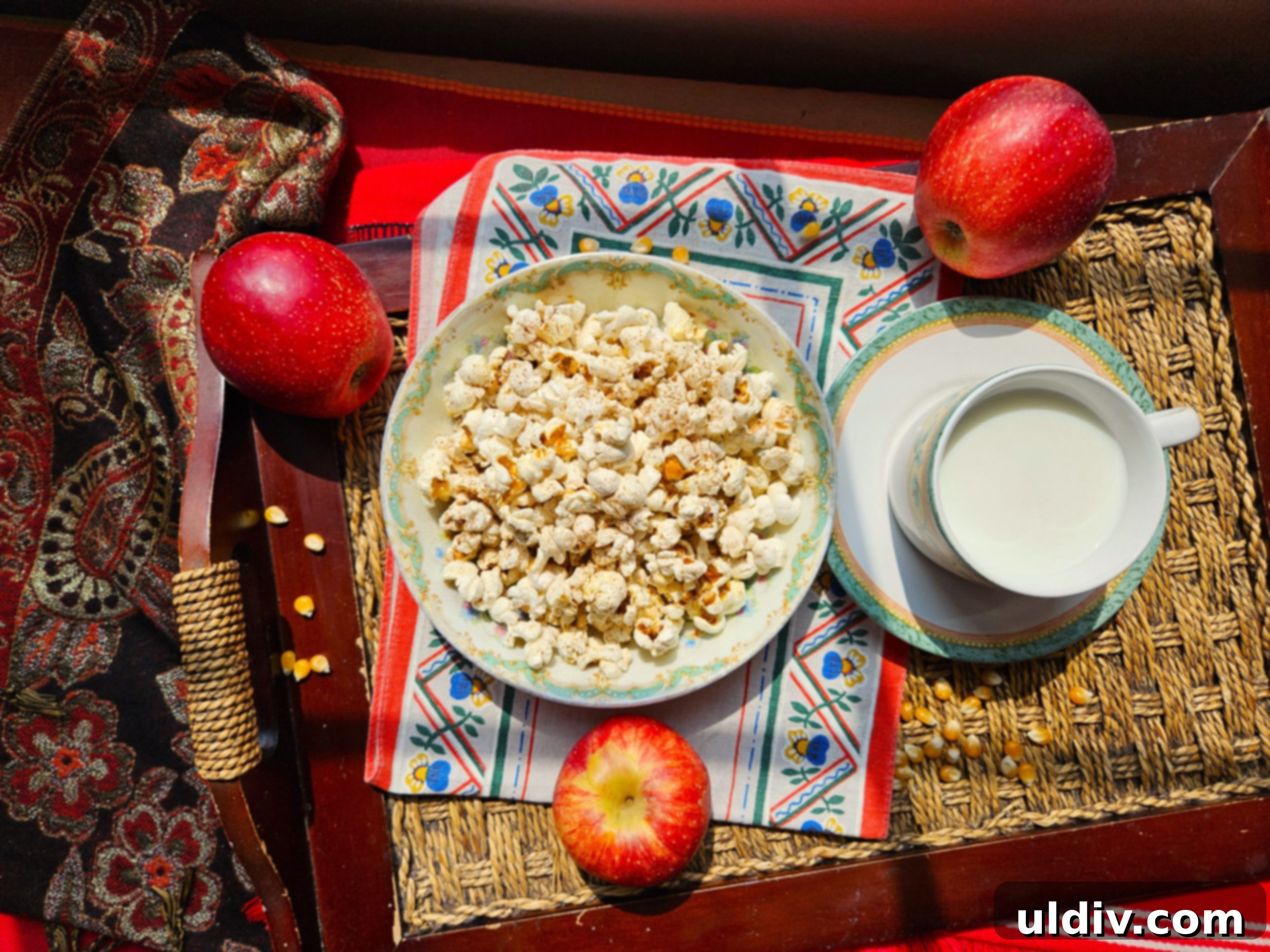
Welcome back to the rhythm of school days, where schedules are packed with school runs, field trip planning, and the daily ritual of packing nutritious lunchboxes. In our household, one snack consistently wins hearts and satisfies hunger: popcorn. It’s not just a treat; it’s a wholesome, versatile, and incredibly satisfying option that everyone loves.
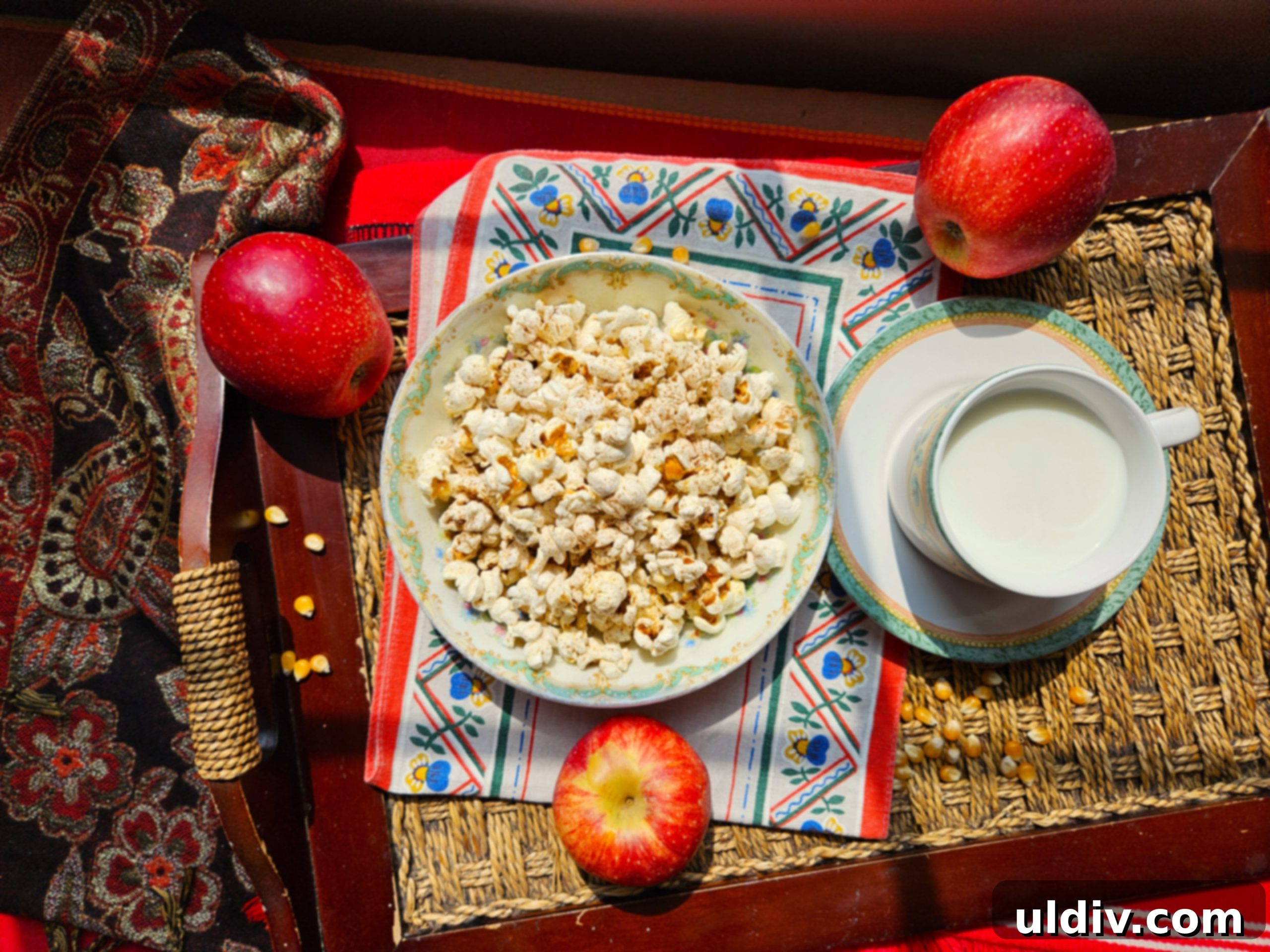
The Ultimate Guide to Homemade Popcorn: History, Benefits, and Your Perfect Recipe
Popcorn holds a special place in our culinary history and continues to be a global favorite. But what makes this simple grain so captivating, and how can you master the art of making the best popcorn right in your own kitchen? Join us as we explore the fascinating journey of popcorn, uncover its surprising health benefits, and share an easy, foolproof method for popping perfection.
The Rich History of Popcorn: From Ancient Grain to Modern Snack
Origin of Corn: From Teosinte to Global Staple
The story of popcorn begins with its ancestor, teosinte, a wild grass native to southwestern Mexico. Research compiled by Mexico’s National Institute of Anthropology and History indicates that corn was likely domesticated around 9,000 years ago, transforming from a modest grass into a staple crop that would nourish civilizations across the Americas. This early cultivation marked the beginning of corn’s incredible journey, evolving into the diverse varieties we know today, including the special kind designed for popping.
The First Pop: An Archaeological Revelation
While corn has a long history, the specific evidence of popcorn itself is more recent. It wasn’t until 2012 that archaeologists in Peru made a groundbreaking discovery: 6,700-year-old corn cobs still studded with puffed kernels. This incredible find, reported by National Geographic, pushed back the known timeline for popcorn consumption significantly, proving that ancient peoples enjoyed this crispy treat thousands of years ago. Imagine the delight of those early civilizations discovering the magic of a kernel transforming under heat!
As Michelle Delgado notes in her article, “The History of Popcorn: How One Grain Became a Staple Snack” on seriouseats.com, popcorn’s enduring appeal is likely due to its unique combination of versatility, nutritional value, and the sheer simplicity of its preparation. As Michael Blake elaborates in his book Maize for the Gods, dried kernels could be popped and easily consumed with the simplest technology imaginable: fire. This accessibility ensured that this nimble grain was cultivated and enjoyed across Mesoamerica, South America, and North America, becoming a fundamental part of the diet and culture of many indigenous peoples.
Popcorn’s Journey to Modern Popularity
When early European settlers arrived in the Americas, they quickly adopted corn, including popcorn, from Native American communities. They learned the techniques of growing and cultivating it, a practice that cemented its widespread availability and enduring popularity for centuries to come. Popcorn’s adaptability and ease of storage made it a valuable commodity and a beloved snack. For those eager to delve deeper into this fascinating agricultural narrative, this Smithsonian article offers an insightful look into corn’s 9,000-year history and its profound impact on society.
The Unique Science Behind the Perfect Pop
It’s important to understand that not all corn can become popcorn. While other corn varieties like flint and dent corn can indeed pop into crunchy puffs, they don’t quite achieve the fluffy, expansive texture of true popping corn. As Sohla El-Waylly explains in “The Best Way to Make Popcorn” on seriouseats.com, this distinction is due to popping corn’s specific characteristics: a tough, impenetrable exterior, a densely packed and starchy interior, and a crucial moisture content of 14 to 20% by weight. This precise combination creates the internal pressure needed for that spectacular “pop,” transforming a hard kernel into the soft, airy snack we adore. We couldn’t agree more – this unique structure makes popcorn the ultimate fluffy snack!
Why Popcorn is the Perfect Healthy Snack for All Ages
Nutritional Powerhouse: More Than Just a Treat
Beyond its delicious taste and satisfying crunch, popcorn boasts an impressive nutritional profile. According to Popcorn.org, it’s a natural source of fiber, helping to support digestive health and promote a feeling of fullness. It is also naturally low in fat and calories, making it an excellent choice for those mindful of their intake. Furthermore, plain popcorn is sugar-free, gluten-free, and non-GMO, addressing several common dietary preferences and restrictions. These attributes make popcorn a smart and versatile snack that can be enjoyed by nearly everyone, from children needing a midday boost to adults looking for a guilt-free treat.
America’s Favorite Snack: A Cultural Phenomenon
The United States leads the world in popcorn consumption, a testament to its widespread appeal. Americans devour an astounding 14 billion quarts of popped popcorn each year (an average based on 2016-2020 sales), which equates to roughly 43 quarts per person! This love affair runs so deep that we even dedicate a special day to it: National Popcorn Day on January 19th. From movie theaters to sporting events, from school lunchboxes to cozy evenings at home, popcorn has woven itself into the fabric of American culture, symbolizing comfort, entertainment, and simple joy.
Homemade vs. Store-Bought: The Clear Advantages
Why Make It at Home? Control Your Ingredients, Elevate Your Snack
While convenience can be tempting, opting for ready-made popcorn from the grocery store often means encountering unwanted additives, unhealthy oils, and excessive sodium or sugar. Making popcorn at home, however, offers a multitude of advantages that significantly enhance both its healthfulness and its enjoyment:
- You control the ingredients: This is arguably the biggest benefit. You get to choose the type of oil (e.g., coconut, avocado, olive), the amount of salt, and any additional seasonings. This empowers you to create a snack that aligns perfectly with your dietary needs and taste preferences, avoiding artificial flavors, trans fats, and excessive preservatives often found in commercial varieties.
- Unmatched freshness and flavor: Popcorn made “on demand” is simply superior. There’s no comparison to the warm, fragrant, and perfectly crisp texture of freshly popped kernels. Store-bought popcorn, even if well-sealed, can become stale and lose its vibrant flavor over time.
- A fun and educational family activity: The process of making popcorn is a delightful sensory experience. The sizzle of the oil, the anticipation of the first pop, and the rhythmic sound of kernels bursting create an exciting spectacle that kids love to observe. It’s a simple, engaging activity that can turn snack time into a fun family bonding moment.
- Cost-effectiveness: Buying kernels in bulk and popping them at home is significantly more economical than purchasing pre-packaged popcorn, allowing you to enjoy this beloved snack more frequently without breaking the bank.
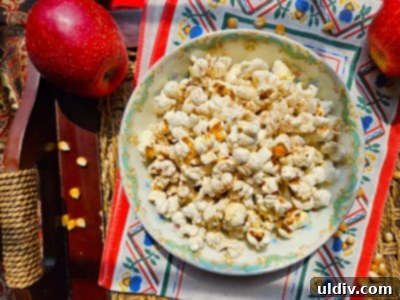
Mastering the Art of Homemade Popcorn: A Step-by-Step Guide
Essential Tools and Ingredients
Making delicious homemade popcorn is surprisingly simple, requiring just a few basic items:
- A heavy-bottomed pot with a tight-fitting lid (crucial for even cooking and preventing flying kernels!)
- High-quality popcorn kernels
- Your preferred popping oil
- Salt and/or your favorite seasonings
Choosing the Right Oil for Flavor and Health
The type of oil you choose can greatly impact the flavor and health profile of your popcorn. Coconut oil is a popular choice due to its high smoke point and a subtle, pleasant flavor that complements popcorn beautifully. Other excellent options include avocado oil or grapeseed oil, both known for their high smoke points and neutral flavors, allowing the popcorn’s taste to shine through. For a richer flavor, you could even try clarified butter (ghee).
The Perfect Pop: Detailed Method
Achieving perfectly popped, fluffy kernels every time is an art, but one that is easily mastered with this method:
- My go-to ratio is 1 tablespoon of oil per 1 cup of popcorn kernels. Adjust this ratio based on the amount of popcorn you wish to make.
- The “Test Kernel” Technique: Begin by placing 1 tablespoon of your chosen oil (I prefer coconut oil) and 2-3 popcorn kernels into your pot over medium heat. Place the lid securely on the pot. Wait patiently for these “test” kernels to pop. This crucial step indicates that your oil has reached the optimal temperature for popping, preventing burnt oil or unpopped kernels.
- Adding the Main Batch: Once the test kernels have popped, immediately remove the pot from the stove. Carefully add the remaining kernels to the pot, making sure they are evenly coated in the hot oil and spread in a single layer across the bottom of the pot. If needed, add a tiny bit more oil to ensure even coating.
- Back to the Heat: Place the pot with the lid back on the stove over medium heat. As the kernels begin to pop, gently shake the pot back and forth periodically to ensure even cooking and prevent burning. To release steam and maintain crispness, slightly crack the lid from time to time or use a lid with a steam vent.
- Listen for the Quiet: Continue cooking until the popping sounds slow down to several seconds between pops. This signifies that most of the kernels have popped.
- Finishing Touches: Once the kernels have finished popping, turn off the heat. Immediately transfer the fresh popcorn from the hot pot into a large serving bowl. This prevents any residual heat from overcooking or burning the popped kernels. Add salt and/or your seasoning(s) of choice, tossing the popcorn thoroughly to ensure an even distribution of flavor.
- Safety First: The lid is absolutely essential during this process; otherwise, the popping kernels will “fly” across your kitchen!
If you’re pressed for time, you can certainly skip the “test kernel” part and place all the popcorn kernels and oil into the pot at once. I’ve used both methods successfully, but the test kernel method generally yields a slightly more consistent result, minimizing unpopped kernels and maximizing fluffiness.
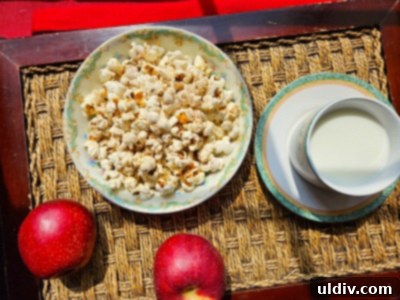
Customizing Your Popcorn: Seasoning Beyond Salt
While a simple sprinkle of salt is classic, the real fun of homemade popcorn lies in customizing your seasonings. The possibilities are endless! In the US, I used to source 20oz bags of certified non-GMO popcorn kernels from Dollar Tree. These days, for larger quantities and organic options, I buy them in bulk online from Azure Standard. They offer an amazing variety of organic popcorn kernels, along with high-quality coconut oil, and an array of fantastic seasonings. Our family favorites include cheddar cheese powder and apple pie spice. I adore the sweet-savory combination of apple pie spice, while our children (who surprisingly don’t have a sweet tooth!) prefer the savory tang of cheddar cheese. Azure Standard also carries nutritional yeast, an excellent vegan alternative that provides a cheesy, umami flavor without dairy.
Consider these ideas for elevating your popcorn experience:
- Savory: Garlic powder, onion powder, chili powder, smoked paprika, dried herbs (rosemary, thyme), Parmesan cheese, truffle oil, or a blend of your favorite spices.
- Sweet: Cinnamon sugar, cocoa powder, a drizzle of melted chocolate, or even a light caramel sauce (use sparingly for a healthier option).
- Spicy: Cayenne pepper, red pepper flakes, or a dash of your favorite hot sauce.
Beyond the Bowl: Other Delicious Snack Recommendations
While homemade popcorn reigns supreme, sometimes you might be looking for other high-quality snack options. For excellent ready-made popcorn, I highly recommend G.H. Cretors. Their gourmet popcorn offers a delicious, convenient alternative when you’re short on time, and I’ve previously shared my thoughts on their products here.
If you’re seeking wholesome, non-popcorn snacks that are perfect for school lunchboxes or any time of day, look no further than Mary’s Gone Crackers and Mary’s Gone Kookies. These organic, gluten-free, and vegan options are made with simple, real ingredients and offer a satisfying crunch or a delightful sweetness. I’ve previously raved about these fantastic products in my roundups, which you can read here and here.
Join the Popcorn Conversation!
We hope this comprehensive guide inspires you to embrace the joy of making popcorn at home. It’s a simple pleasure that delivers incredible flavor, customizable health benefits, and a fun experience for the whole family. Do you make popcorn at home regularly? What’s your absolute favorite popcorn seasoning or a unique tip you’ve discovered? We’d love to hear from you! Please share your thoughts and recipes in the comments section below.