
Embracing Spring’s Bounty: Dandelion Detox and Earth Day Celebrations
As the days grow longer and nature awakens, spring calls us outdoors to reconnect with the earth. What better way to celebrate this season of renewal than by exploring the edible treasures thriving right in our backyards? This year, we’re diving deep into the world of dandelion, a humble yet powerful superfood, as we honor Earth Day and embrace the rejuvenating spirit of a spring detox.
Every year, April 22nd holds a special place in my heart. Earth Day is more than just a date on the calendar; it’s a profound reminder of our collective responsibility and deep connection to Mother Nature. While we strive to practice mindful living and environmental stewardship year-round, this singular moment truly captures the essence of appreciation and action for our planet. It’s a time for reflection, gratitude, and a renewed commitment to sustainability.
To truly embrace the spirit of Earth Day this year, I am thrilled to share a special vegan salad recipe featuring an ingredient incredibly dear to me: the dandelion. Often dismissed as a common weed, this resilient plant is, in fact, a nutritional powerhouse and a symbol of nature’s generous gifts.
Dandelion: A Humble Yet Mighty Superfood
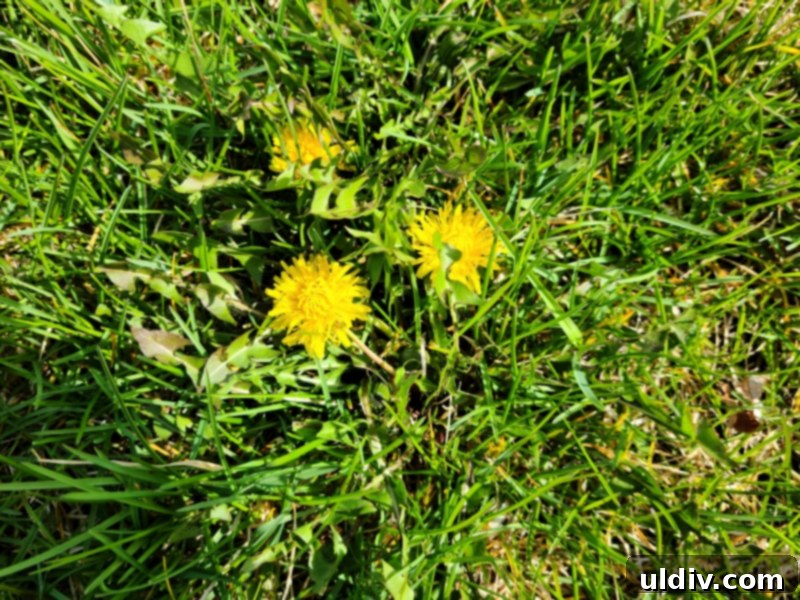
My journey with dandelion as a culinary ingredient isn’t new; I’ve passionately advocated for this plant on this blog before, sharing insights and recipes in various posts. My aim has always been to raise awareness among friends, family, and readers about this incredible superfood, which is remarkably rich in essential vitamins and minerals, and packed with beneficial compounds like beta-carotene. It’s a testament to nature’s ability to provide us with profound health benefits, often hidden in plain sight.
From supporting liver health to boosting digestion, the benefits of dandelion are vast and well-documented. Traditionally, it has been used in various cultures for its medicinal properties, and modern science continues to affirm its powerful contributions to a healthy diet. The entire plant—from its sunny yellow flowers to its robust roots—is edible, offering diverse culinary possibilities.
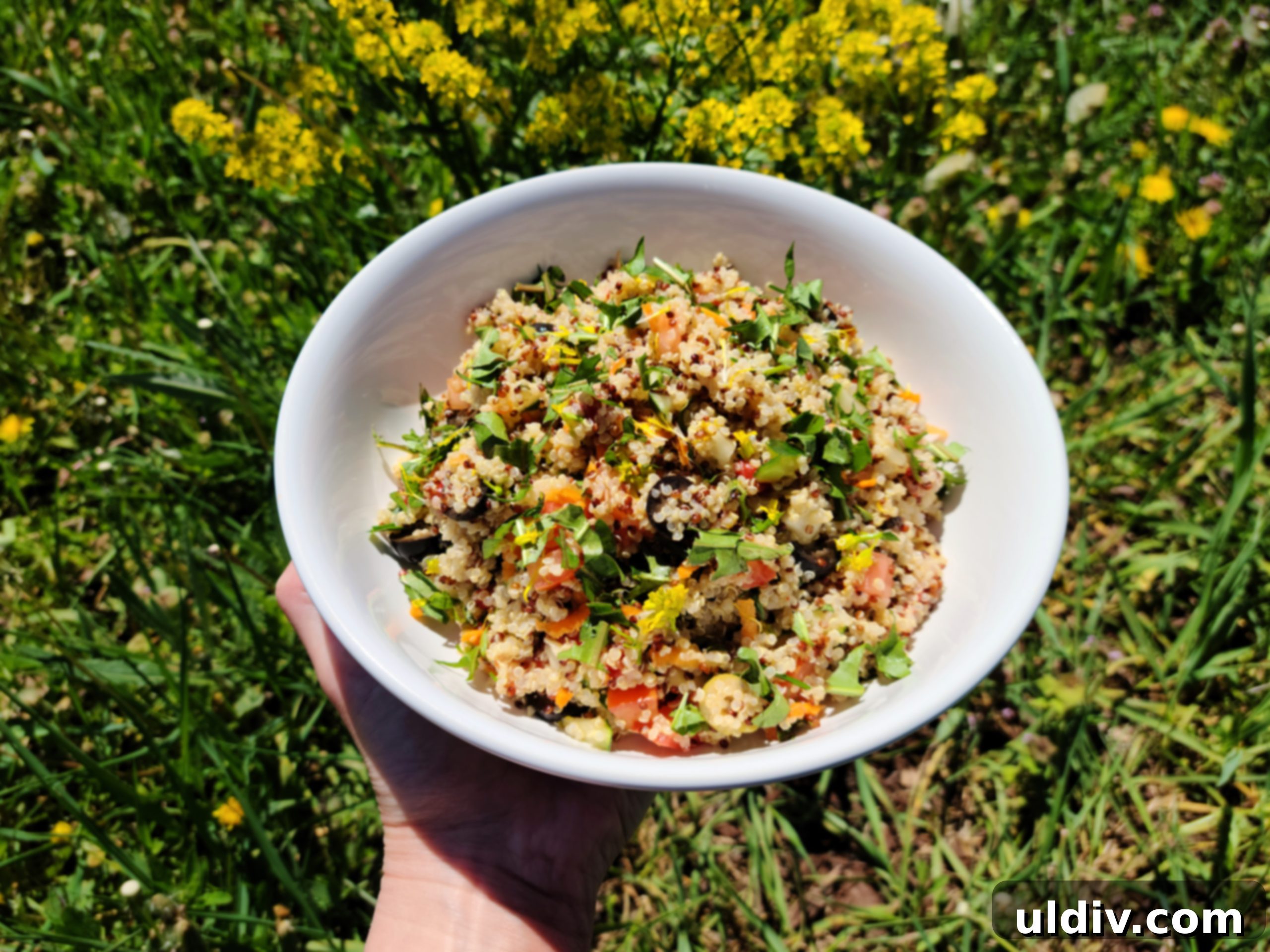
In my kitchen, I frequently incorporate finely chopped dandelion leaves into fresh salads, adding a slightly bitter, invigorating kick. The vibrant petals, on the other hand, serve as a beautiful and nutritious topping, elevating the aesthetic and flavor profile of many dishes.
Unearthing Dandelion’s Nutritional Powerhouse
Beyond its common perception, dandelion is a nutritional marvel. According to WebMD, “Not only are dandelion greens safe to eat, but they also provide a range of health benefits. All parts of a dandelion plant are edible, from the top of the yellow flower down to the roots. The green leaves of the dandelion can make a healthy addition to salads, sandwiches, omelets, and more…” This highlights its versatility and the abundance of nutrients it offers. Dandelion greens are a fantastic source of vitamins A, C, and K, along with essential minerals like iron, calcium, magnesium, and potassium. They are also rich in antioxidants, which play a crucial role in fighting free radicals and supporting cellular health. The plant’s bitter compounds, often attributed to its distinct flavor, are powerful digestive aids, stimulating bile production and promoting a healthy gut.
While generally safe for consumption, it’s always wise to exercise caution. WebMD further advises: “If you have allergies, be mindful of any sensitivities you might have before adding dandelions to your diet… If you’re pregnant or nursing, dandelions are likely safe, but it’s best to avoid consuming large amounts.” As with any dietary change or addition, consulting a healthcare professional is always recommended, especially if you have pre-existing conditions or are taking medication.
The Wisdom of Ancestors: Rediscovering Dandelion
My initial introduction to the incredible nutritional benefits of dandelion came from a truly inspiring source: my uncle, a WWII veteran who was a passionate advocate for holistic living and natural remedies. He would often rave about dandelion salad, a concept that, to my younger self, sounded anything but appealing! Yet, his unwavering belief in its virtues piqued my curiosity.
Fast forward to today, and dandelion salad has become a regular feature in my spring kitchen, especially when the leaves are young, tender, and less intensely bitter. It’s fascinating to observe how certain culinary practices and ingredients, once seemingly forgotten or relegated to niche circles, are now experiencing a remarkable resurgence in popular culture. Or perhaps, they never truly left, merely awaited rediscovery by a new generation eager to reconnect with nature’s wisdom. This cyclical phenomenon underscores the timeless value of foraging and integrating wild edibles into our diets, echoing ancient traditions of sustenance and health.
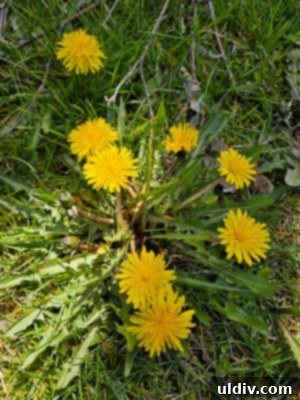
Crafting a Spring Detox Salad: Taming the Bitterness
Indeed, dandelion, particularly its leaves, is known for its distinctive bitter taste. This bitterness, far from being a flaw, is actually a sign of its rich medicinal properties, containing compounds that support liver function and digestion. However, for those new to its flavor, the intensity can be a surprise. Thankfully, there are delightful ways to “tame” this bitterness, making it a pleasant and invigorating addition to your meals. This can be achieved through various cooking methods or, when enjoyed raw, by pairing it thoughtfully with milder, sweeter, or cooling elements.
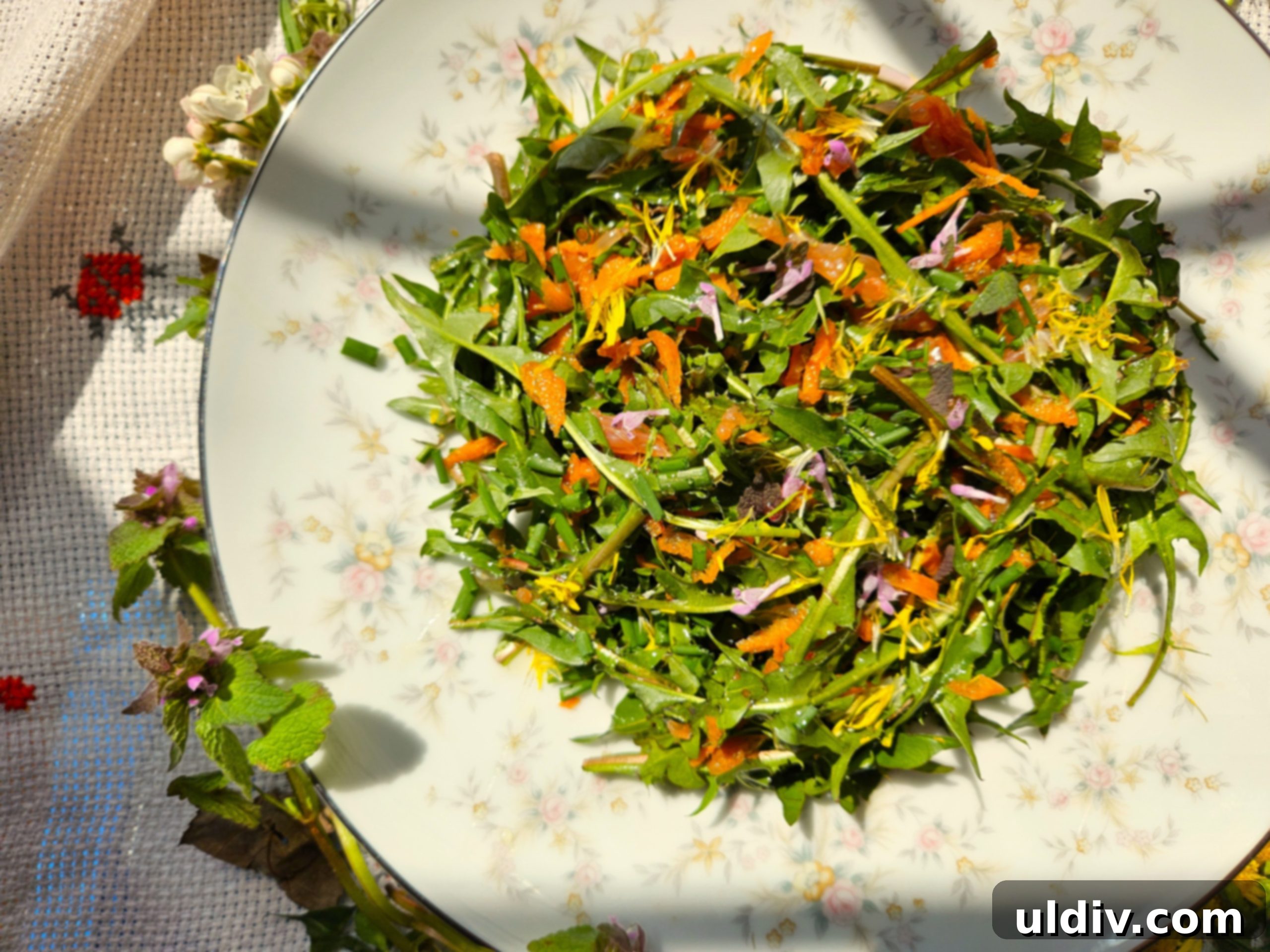
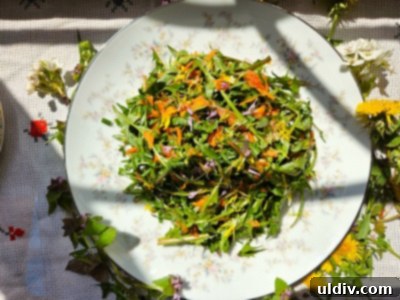
For the vibrant salad pictured here, I’ve incorporated ingredients known for their balancing qualities. Crisp cucumbers, juicy tomatoes, and sweet carrots provide a refreshing counterpoint to the dandelion’s robust flavor. The combination creates a harmonious blend of textures and tastes, making the dandelion greens an enjoyable component rather than an overpowering one. This approach allows the subtle nuances of the dandelion to shine through, contributing to a truly dynamic salad experience.
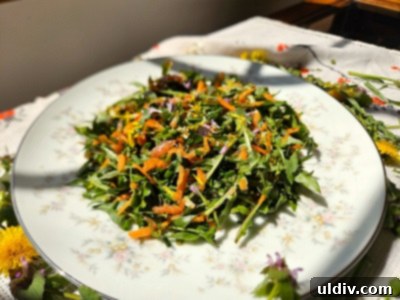
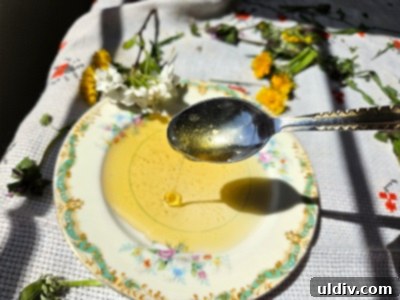
To infuse an extra layer of brightness and zest into my spring detox salad, I added succulent grapefruit pulp. Its tangy sweetness perfectly complements the dandelion, while its vibrant color adds visual appeal. The salad was then finished with a delicate homemade vinaigrette, sweetened ever so slightly with dandelion honey, a truly unique and artisanal touch that brings a subtle floral sweetness. For those eager to try making their own, I highly recommend exploring the dandelion honey recipe available on The Spruce Eats; it’s a delightful way to capture the essence of spring in a jar.
For an added touch of wild goodness, I also tossed in a few sprigs of *Lamium purpureum*, also known as red dead-nettle. This often-overlooked plant is another fantastic edible treasure found abundantly in lawns and gardens, offering a mild, slightly sweet flavor. With these simple additions, my light and invigorating spring detox lunch was complete—a true celebration of nature’s accessible bounty.
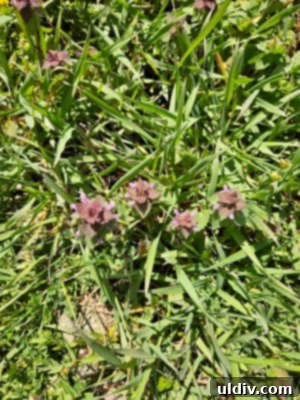
Lamium Purpureum (Red Dead-Nettle)
Beyond the Salad Bowl: Diverse Culinary Uses
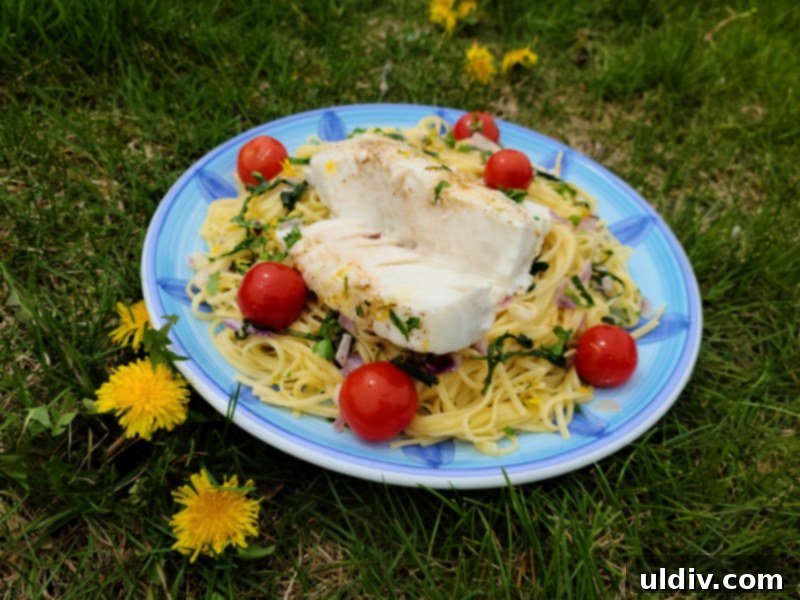
The versatility of dandelion extends far beyond just salads. As the WebMD article suggests, its culinary applications are wide-ranging and delicious. You can enjoy dandelion sautéed, much like spinach or kale, quickly cooked with garlic and olive oil for a savory side dish. It can also be baked into crispy “kale chip”-like snacks, offering a nutritious alternative to traditional chips. Dandelion leaves and roots are excellent additions to hearty soups, imparting a unique earthy flavor and boosting their nutritional content. For a liquid detox, blend fresh dandelion greens into your morning juices or smoothies. Many also enjoy dandelion infused with eggs, either in omelets, scrambles, or quiches. Perhaps one of the most popular contemporary uses is as a coffee substitute, with roasted dandelion roots providing a rich, dark, and caffeine-free beverage. And of course, dandelion tea, made from the leaves or roots, remains a favored option for its detoxifying and soothing properties, widely embraced for its health benefits.
Important Considerations for Foraging
*This information is provided for general knowledge and is not intended to constitute medical advice. Please consult your physician or a qualified healthcare professional before adding dandelion or any new wild edible to your diet, especially if you have existing health conditions, are pregnant, nursing, or taking medication.
*When foraging for dandelions, it is absolutely crucial to ensure they are collected from areas that have NOT been sprayed with pesticides, herbicides, or any other chemicals. Always choose clean, undisturbed locations away from roadsides and industrial areas to avoid contamination. A good rule of thumb is to forage only from areas you know and trust.
Connecting with Earth Day’s Legacy
To delve deeper into the rich history and profound significance of Earth Day, I invite you to explore my previous posts on the topic. They offer further insights into how we can celebrate this vital day, not just for a single moment, but throughout the year, fostering a continuous connection to our planet.
Join the Conversation
Do you incorporate dandelions into your cooking, or perhaps other edible wild plants? If so, I would love to hear about your experiences and favorite recipes! Please share your thoughts and culinary adventures in the comments section below.