
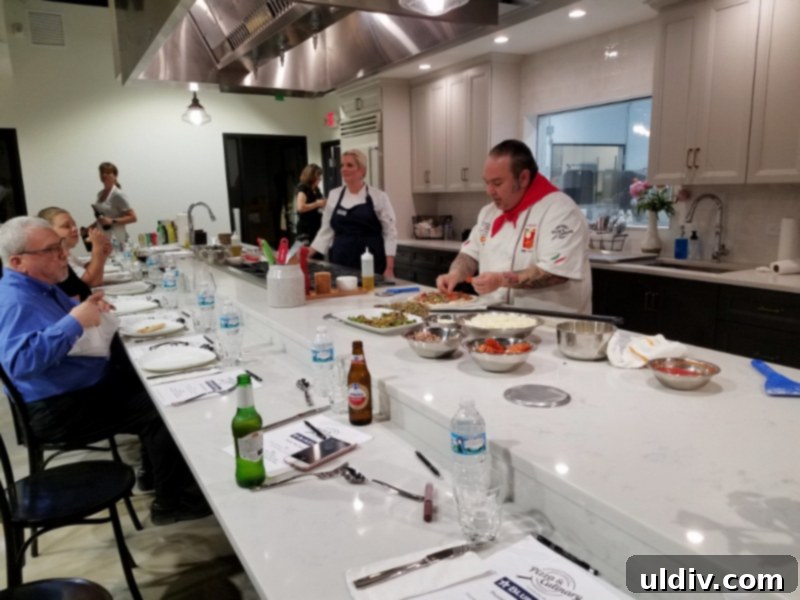
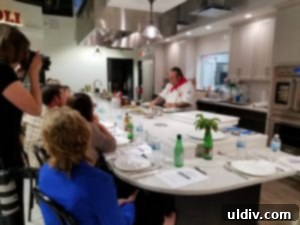
Chefs Leo Spizzirri and Susan Swanson during the BlueStar pizza class
Unveiling the Art and Science of Pizza Making at NAPCA with Chef Leo Spizzirri
For many, pizza is more than just food; it’s a global culinary icon, a source of comfort, and a canvas for endless creativity. But what truly makes a great pizza? What are the secrets behind that perfectly airy crust, the harmonious blend of flavors, and the satisfying crunch? My recent journey into the world of artisan pizza making at the North American Pizza and Culinary Academy (NAPCA) in Lisle, under the tutelage of the incomparable Chef Leo Spizzirri, answered these questions and profoundly transformed my perspective on this beloved dish. This wasn’t merely a cooking class; it was an immersive exploration into the intricate science and passionate art behind every delicious slice.
Chef Leo Spizzirri is a force of nature—a man whose phenomenal energy and charisma are matched only by his profound passion for pizza. His words come fast, punctuated by expressive hand gestures, and his eyes light up with an infectious enthusiasm when he recounts tales from his illustrious past. From his days as a pizzaiolo certified by the International School of Pizza to his impactful role as a consultant for some of America’s largest pizza manufacturers, Chef Spizzirri’s career is a testament to his dedication. Yet, it’s his current calling as a lead pizza instructor at NAPCA that ignites his deepest fervor. He challenges you to look beyond the toppings, to consider the complex chemical reactions among ingredients, the precise stress levels applied to the dough, and the subtle environmental factors that contribute to pizza perfection. If you aspire to truly understand the science of pizza, a meeting with Chef Spizzirri is not just recommended, it’s essential. Prepare to be thoroughly captivated and inspired.
An Immersive Culinary Journey: The BlueStar Pizza Class Experience
My unforgettable encounter with Chef Spizzirri took place during the exclusive BlueStar pizza class held at the esteemed North American Pizza and Culinary Academy (NAPCA). As a prominent figure in the culinary world, Chef Spizzirri meticulously manages NAPCA alongside his esteemed business partners, Chefs Anthony Iannone and Renee Gabbett. From the moment I stepped through the academy’s doors, I knew this would be an experience unlike any other. The facility itself is a testament to culinary excellence, designed to inspire and equip aspiring pizzaiolos and home cooks alike.
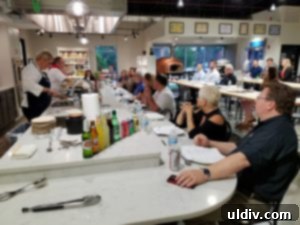
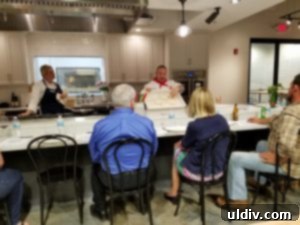
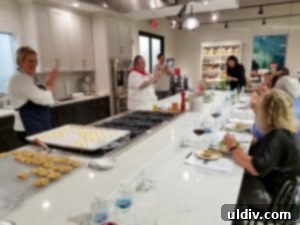
The classroom, or rather, the magnificent “cooking theater” where our class unfolded, was a spectacle of unabashed beauty and functionality. Far from a typical institutional kitchen, this expansive space, capable of comfortably accommodating up to 65 eager participants, exuded sophistication and cutting-edge design. It featured a dazzling array of state-of-the-art BlueStar appliances, renowned for their professional-grade performance and sleek aesthetics. Gleaming stainless steel utensils were meticulously arranged, complementing the elegant quartz countertops that provided ample workspace. The entire area was bathed in bright, inviting light, creating an atmosphere that felt both pristine and warmly welcoming—far removed from any cold or impersonal culinary setting. My friend Marina and I knew instantly that we were in for an exceptional treat, ready to immerse ourselves in the world of gourmet pizza.
Exploring NAPCA’s World-Class Pizza-Making Facilities
NAPCA is meticulously designed to cater to every nuance of pizza creation, making it a true haven for pizza aficionados and culinary professionals seeking advanced training. The academy’s facilities are unparalleled, offering an environment where theoretical knowledge seamlessly blends with practical application.
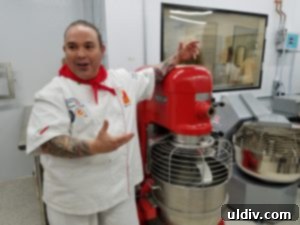
Among its most impressive features is the dedicated “dough room.” This specialized area boasts four commercial dough mixers, each capable of applying varying stress levels to the dough. This allows students to experiment with different kneading techniques and understand their profound impact on gluten development and dough texture. Furthermore, the dough room is equipped with advanced settings that can precisely replicate temperature and humidity conditions found in diverse parts of the world. This innovative capability enables students to truly grasp how environmental factors influence fermentation and dough workability, preparing them to create authentic pizza styles, from Neapolitan to New York, regardless of their own kitchen’s climate.
Complementing the dough room, NAPCA houses an incredible array of seven pizza ovens. These aren’t just any ovens; they represent a spectrum of manufacturers, generations, and heating technologies. From traditional wood-fired ovens that impart a smoky char to modern electric deck ovens that ensure consistent heat distribution, and advanced conveyor ovens designed for high-volume production, this diverse collection allows students to understand how different oven types affect bake times, crust development, and overall pizza characteristics. This hands-on experience with varied equipment is invaluable for anyone serious about mastering pizza. Understanding the nuances of each oven helps tailor recipes and techniques for optimal results, whether aiming for a chewy Neapolitan crust or a crisp Roman style.
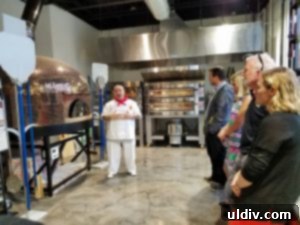
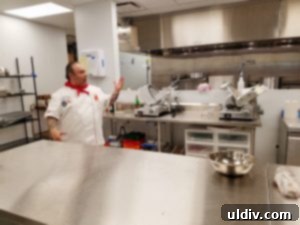
Beyond these specialized areas, the academy also features a fully-equipped professional kitchen, providing comprehensive support for ingredient preparation, sauce making, and all other culinary tasks associated with running a high-caliber pizza establishment. This ensures that students receive a holistic education, encompassing all aspects of pizza production, not just the dough and baking.
And, of course, the grand cooking theater served as the vibrant backdrop for our BlueStar pizza class, offering both an educational space and a stunning venue for demonstrations and collaborative cooking sessions. It’s a place where learning is not only highly effective but also incredibly enjoyable, fostering a true sense of culinary community.
Unlocking Pizza Secrets: Key Learnings from Chef Spizzirri
Even within a few hours, Chef Spizzirri managed to impart a wealth of knowledge that revolutionized my understanding of pizza making. He meticulously broke down complex concepts into digestible insights, revealing the subtle yet crucial elements that elevate a good pizza to a great one. Here are some of the most impactful ideas and practical tips I gleaned from this transformative event, insights that every aspiring pizza maker should embrace:
- **The Critical Role of Hydration (Liquid-to-Solid Ratio):** One of the fundamental pillars of exceptional pizza dough lies in its hydration level. Chef Spizzirri emphasized that the liquid-to-solid ratio is paramount. While he typically aims for a 60% hydration, meaning a 60-to-40 water-to-flour ratio, he also noted that some avant-garde chefs push this boundary to as high as 80% hydration. Higher hydration yields a more open, airy crumb and a crispier crust, though it requires more skill to handle. Understanding this balance allows for tailored doughs for various pizza styles, dictating everything from chewiness to elasticity.
- **Building Layers and Incorporating Air for Texture:** Achieving the desired internal structure and lightness in pizza dough isn’t just about mixing ingredients; it’s about technique. Chef Spizzirri demonstrated how building various layers within the dough can be achieved through the step-by-step addition of ingredients during the mixing process, but more importantly, through the deliberate incorporation of air during kneading. This process strengthens the gluten network while creating tiny pockets of air, which will expand during baking to produce that desirable open, bubbly crumb structure.
- **The Softening Power of Olive Oil:** Don’t shy away from incorporating olive oil into your pizza dough! Chef Spizzirri explained that olive oil plays a crucial role in making the dough soft, supple, and easier to work with. It also contributes to the flavor profile and helps achieve a beautiful golden crust. Its emollient properties prevent the dough from drying out and provide a subtle richness that enhances the overall taste of the pizza.
- **Sugar for That Perfect Brown and Crispy Crust:** For that irresistible golden-brown crust with a delightful crispness, sugar is your secret weapon. Even a small amount of sugar (or honey) in the dough formula aids in the Maillard reaction during baking, leading to beautiful caramelization and a wonderfully crispy texture that provides a fantastic contrast to the chewy interior. It’s a key component in achieving visual appeal and a satisfying mouthfeel.
- **The Superiority of “00” Flour for Pizza Dough:** When it comes to flour, “00” flour stands out as the optimal choice for authentic pizza dough. Chef Spizzirri highlighted its exceptional ability to absorb water while yielding a dough that is incredibly silky, airy, and remarkably easy to work with. “00” flour, typically finely milled and with a moderate protein content, strikes the perfect balance for creating a dough that can stretch thin without tearing, yet still develops a robust and flavorful crust during a high-temperature bake.
- **Opt for Kosher or Sea Salt – Ditch Table Salt!:** The type of salt you use matters more than you might think. Chef Spizzirri firmly advised using kosher or sea salt over standard table salt. Kosher and sea salts have a purer flavor profile and dissolve more evenly in dough, contributing to better texture and taste. Table salt often contains anti-caking agents that can negatively impact fermentation and flavor, making it a less ideal choice for artisan pizza.
- **The Art of Cold Fermentation and Proofing:** Patience is a virtue in pizza making, especially when it comes to fermentation. Once your dough is prepared, Chef Spizzirri strongly recommended refrigerating it for at least 24 hours. This slow, cold fermentation process develops deeper flavors and a more complex crust structure. Additionally, allowing the dough to come to room temperature by leaving it on the counter for 1-2 hours prior to baking is crucial. This “proofing” stage allows the yeast to reactivate and the gluten to relax, making the dough pliable and ready for shaping.
- **Ideal Dough Temperature for Rolling and Shaping:** The temperature of your dough significantly impacts its workability. Chef Spizzirri pointed out that a dough with a temperature between 55-65°F (13-18°C) is perfect for rolling and shaping. At this temperature, the gluten is relaxed enough to stretch without resistance, yet still firm enough to hold its structure, preventing tearing and making the entire process much smoother and more enjoyable.
From Theory to Table: The Irresistible Pizza Tasting
All the insightful theory and detailed explanations culminated in the most anticipated part of the class: the pizza practice and, of course, the glorious tasting! After all, the true proof of any pizza lesson is in the pizza itself, isn’t it? The air in the cooking theater was soon filled with the intoxicating aroma of baking dough, bubbling cheese, and fragrant herbs, building a crescendo of anticipation.
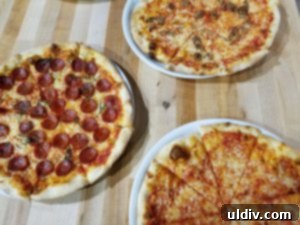
The pizzas served by Chef Leo Spizzirri and his team were utterly delicious!
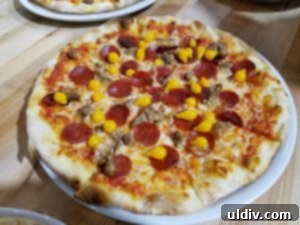
When the moment arrived to sample the creations, I genuinely struggled to pick a favorite—each pizza was a masterpiece in its own right. Chef Spizzirri and his dedicated team had outdone themselves, crafting an array of pies featuring only the highest quality ingredients. These components worked in perfect harmony, creating fresh, vibrant layers of flavors that kept me eagerly reaching for “just one more slice.” Having absorbed Chef Spizzirri’s extensive discourse on the critical importance of a superior quality dough, my focus naturally gravitated towards the crust. And it did not disappoint. Every ounce of effort, every precise calculation, and every moment of their labor of love had clearly paid off, culminating in an astounding sensory experience.
The crust was a revelation: perfectly chewy on the inside, offering a satisfying resistance, yet delightfully crispy on the outside. The cornicione, or outer rim, boasted a fantastic crunch and developed air pockets, a hallmark of expert fermentation and high-temperature baking. The center remained firm enough to elegantly hold its various toppings without sagging, making it the ideal vehicle for a symphony of flavors. Truly, the more toppings, the merrier—especially when the foundation is this impeccable. From traditional Margheritas to innovative combinations, each pie showcased the versatility and excellence achievable with Chef Spizzirri’s methods.
The Ricotta Revelation: A Game-Changer Topping
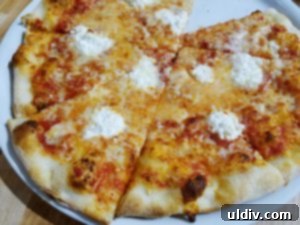
Among the many culinary insights gained, one topping revelation particularly resonated with me: the exquisite potential of ricotta cheese on pizza. Prior to this class, ricotta was rarely on my pizza radar, often overshadowed by the ubiquitous mozzarella and robust parmesan. However, Chef Spizzirri’s recommendation utterly transformed my perception. With its mellow, slightly sweet taste and incredibly creamy, luxurious texture, ricotta proves to be an exceptional complement to the acidity of tomato sauce and the richness of other cheeses. Its delicate profile adds a sophisticated layer without overpowering the other ingredients, creating a balanced and harmonious bite.
Crucially, Chef Spizzirri imparted a vital technique: adding ricotta at the very end, *after* the pizza has been taken out of the oven. This ensures that the cheese retains its fresh, creamy consistency and doesn’t dry out or burn during baking. This simple yet profound tip elevates the ricotta from a mere ingredient to a vibrant, textural flourish. From now on, this will be my go-to method, adding a dollop of fresh ricotta to my homemade pies for an unparalleled burst of flavor and a delightful textural contrast.
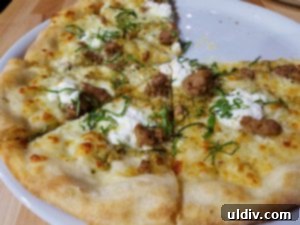
The presence of several pies featuring generous dollops of fresh ricotta made me incredibly happy. Each bite was a delightful fusion of familiar pizza flavors enhanced by this creamy, unexpected element, cementing its place as a top-tier pizza topping in my culinary repertoire.
A Sweet Conclusion to a Savory Evening
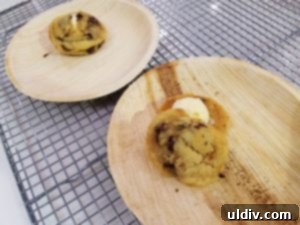
As the evening drew to a close, Chef Spizzirri and his team presented a wonderfully fitting finale to our savory feast: homemade ice cream sandwiches. These delightful sweet treats provided a refreshing and comforting end to an evening filled with rich flavors and profound learning. It was the perfect baked conclusion, sending everyone home with a satisfied palate and a lingering sense of culinary joy.
A Transformed Pizza Enthusiast: The Lasting Impact of NAPCA
Leaving the BlueStar pizza class, I was undeniably a changed person—a transformed foodie with a newfound appreciation for the intricacies of pizza making. Never before had I delved so deeply into the scientific formulae of pizza dough, pondered the environmental factors influencing fermentation, or considered the precise stress levels applied during kneading. Yet, as Chef Spizzirri eloquently articulated each concept, everything clicked into remarkable sense. This was more than just acquiring new skills; it was a truly transformative experience that provided a comprehensive understanding of the entire pizza ecosystem.
I now approach pizza making with a heightened awareness, armed with the knowledge to troubleshoot dough issues, optimize flavor, and achieve a consistently superior crust. The days of haphazardly throwing ingredients together are behind me. I will meticulously keep Chef Spizzirri’s invaluable tips and tricks in mind for every future pizza endeavor, ensuring that each homemade pie is a testament to the principles learned at NAPCA. And, without a shadow of a doubt, I will always add fresh ricotta on top, just because its mellow creaminess tastes so incredibly good on a perfectly baked pizza pie. This class wasn’t just about making pizza; it was about mastering it, and for that, I am eternally grateful to Chef Leo Spizzirri and the North American Pizza and Culinary Academy.
*Disclaimer: While I received a complimentary tasting to facilitate this review, all opinions expressed here are entirely my own and reflect my genuine experience.