
Celebrating World Bee Day: Understanding the Vital Role of Bees and Pollinators for a Sustainable Future
Every year, May 20th marks a special occasion for environmentalists, food producers, and nature lovers worldwide: World Bee Day. This important international day, with its roots in European history, serves as a crucial reminder of the indispensable role that bees and other pollinators play in sustaining our planet’s ecosystems and ensuring global food security. It’s a day to spotlight these tireless workers, whose impact on biodiversity and human well-being cannot be overstated.
The Ecological Cornerstone: Why Bees and Pollinators are Essential
The significance of pollinators extends far beyond the production of honey. According to the United Nations’ Food and Agriculture Organization (FAO), “Pollinators such as bees, birds, and bats, affect 35 percent of the world’s crop production, increasing outputs of 87 of the leading food crops worldwide, plus many plant-derived medicines.” This staggering statistic highlights a fundamental truth: our dinner plates, our medicines, and the very air we breathe are intrinsically linked to the health of pollinator populations. A remarkable three out of four crops globally that yield fruits or seeds for human consumption rely, at least in part, on the diligent work of pollinators.
Bees, alongside a myriad of wild pollinators, are true guardians of biodiversity. Their daily flights from flower to flower facilitate the reproduction of countless plants, ensuring the survival and proliferation of diverse flora. This process is vital for the regeneration of forests, the health of natural landscapes, and the overall resilience of ecosystems. By fostering plant growth and diversity, bees actively promote sustainability and enhance our planet’s ability to adapt to the pressing challenges of climate change. Furthermore, their efforts directly improve both the quantity and quality of agricultural productions, contributing significantly to global food security. Without bees, many of our favorite foods – from apples and almonds to coffee and chocolate – would be scarce or non-existent.
A Symbol of Dedication: The Origins and Importance of World Bee Day
The establishment of World Bee Day is a relatively recent, yet profoundly meaningful, achievement. The initiative originated in Slovenia, a nation with a rich beekeeping tradition. As detailed on Slovenia’s government website, “Slovenia proposed that the United Nations (UN) proclaim 20 May as World Bee Day.” After three years of concerted international effort and advocacy, the UN Member States unanimously approved Slovenia’s proposal on December 20, 2017, officially designating May 20th as World Bee Day.
The choice of May 20th is deeply symbolic, honoring the birthday of Anton Janša, a pioneering figure in modern beekeeping. Born in 1734, Janša revolutionized beekeeping practices. He was not only a skilled beekeeper but also “the first beekeeping teacher at the Viennese imperial court, who in the 18th century completely revised the hitherto beekeeping methods based on his findings and laid the foundations of modern beekeeping.” His innovative approaches and profound understanding of bee biology laid the groundwork for many contemporary beekeeping techniques, making his birthday a fitting tribute to the intricate art and science of apiculture.
Each year, the UN marks World Bee Day with a specific theme designed to highlight different aspects of bee conservation and beekeeping. For instance, a past theme, “Bee Engaged: Celebrating the diversity of bees and beekeeping systems,” underscored the vast variety of bee species and the diverse ways humans interact with and manage these incredible insects. Such themes help to raise global awareness about the challenges bees face and the collective actions needed to protect them.
Honey: Nature’s Golden Gift and a Taste of Simplicity
On World Bee Day, many choose to honor bees by embracing the simplest and most delicious gift they provide: honey. The unadulterated beauty and purity of honey serve as a perfect metaphor for the natural world we strive to preserve. There’s a profound joy in “keeping it simple” and appreciating the pure, natural sweetness that bees produce.
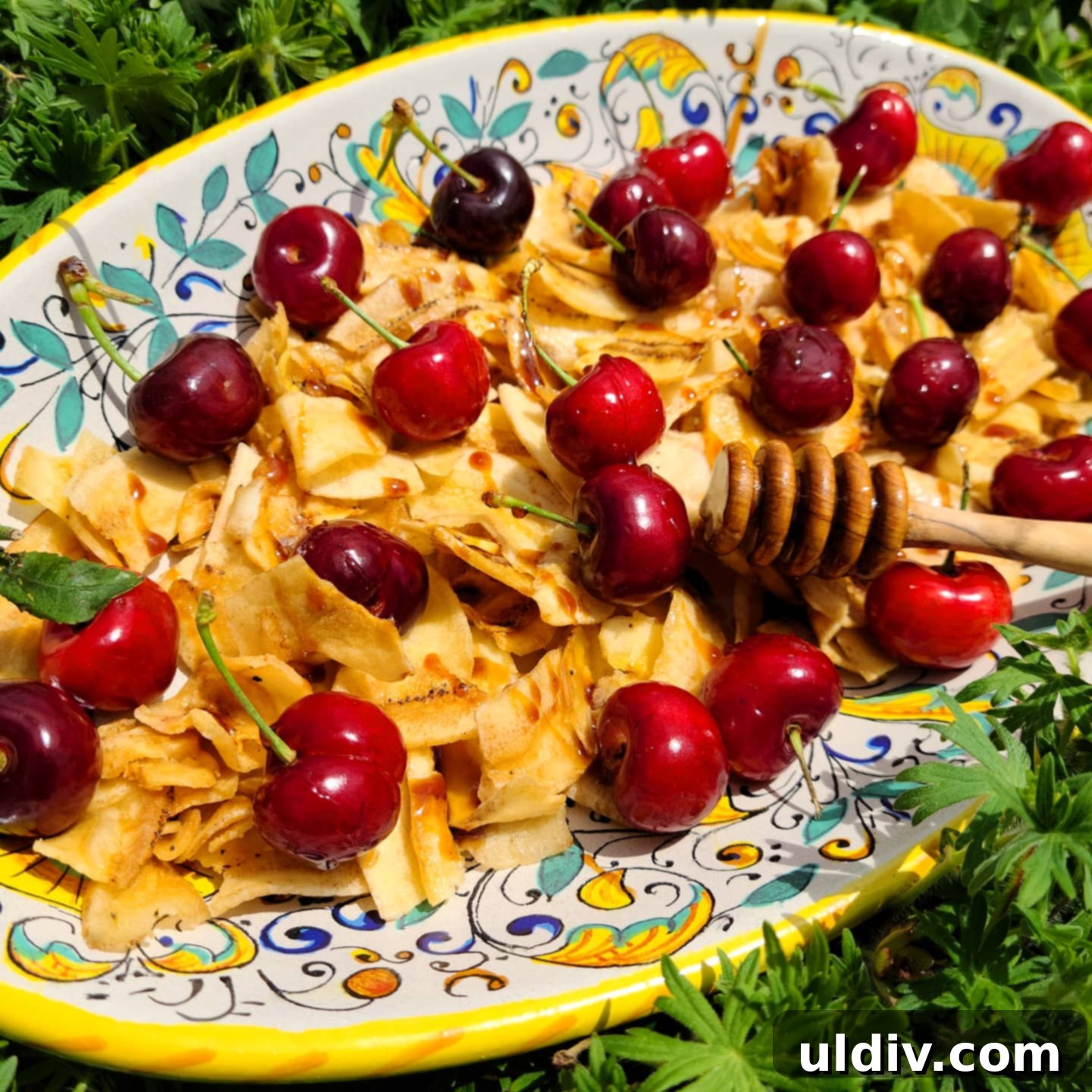
One delightful way to celebrate is by indulging in a simple, wholesome snack. Imagine a plate featuring organic banana chips, the first succulent cherries of the season, and a generous drizzle of raw buckwheat honey. This particular variety of honey, known for its robust, earthy flavor and dark hue, is a personal favorite and comes highly recommended. Beyond its exceptional taste, scientific research has illuminated buckwheat honey’s impressive health benefits, particularly its potent ability to act as a natural immunity booster. This versatile sweetener is a staple in many kitchens, perfect for enhancing the flavor of toast and pancakes, stirring into comforting teas, or adding a rich depth to granola.
Crafting Sweet Memories: Simple Honey-Infused Delights
The magic of honey lies in its ability to transform everyday ingredients into extraordinary treats. Take, for instance, the puffed rice and honey delights often reminiscent of nostalgic childhood snacks. These simple confections evoke memories of spring and summer days, spent enjoying sweet treats purchased from street corners or county fairs. While traditionally made in “humongous” portions, these delightful snacks can be easily scaled down for a more refined presentation, perfect for sharing on social media or as a mindful indulgence.
Creating these treats at home is a wonderfully uncomplicated process. While one might initially consider making puffed rice from scratch, modern time constraints often lead to a pragmatic trip to a local international food shop for a ready supply. The beauty of these treats lies in their simplicity: the delightful crunch of puffed rice combined with the rich, natural sweetness of local honey creates a truly pure delight. Beyond puffed rice, honey can elevate countless other simple recipes:
- Honey-Lemon Water: A refreshing and immune-boosting drink.
- Honey-Glazed Nuts: A quick and healthy snack or topping.
- Honey in Yogurt: A natural sweetener for breakfast or dessert.
- Fruit with Honey Drizzle: Enhances the natural flavors of berries, apples, or melon.
- Honey & Peanut Butter Toast: A classic, comforting combination.
The possibilities are endless, and each creation is a small tribute to the industrious bees. What is your favorite recipe with honey? Are you making it today, on World Bee Day? We’d love to hear your ideas and traditions in the comments below!
Taking Action: How You Can Support Bees and Pollinators
Protecting bees is a collective responsibility, and there are many ways individuals can contribute to their well-being:
- Plant Pollinator-Friendly Flowers: Create a bee haven in your garden by planting native flowers that provide nectar and pollen throughout the seasons. Choose a variety of colors and shapes to attract different bee species.
- Avoid Pesticides: Neonicotinoids and other harmful pesticides are detrimental to bee health. Opt for organic gardening practices or use natural pest control methods to protect these vital insects.
- Support Local Beekeepers: Purchasing local honey directly from beekeepers not only ensures you get pure, high-quality honey but also supports the livelihoods of those dedicated to caring for bee colonies.
- Provide Water Sources: Bees need water! A shallow dish with pebbles or marbles for landing spots can provide a safe drinking station for thirsty bees.
- Create Bee Habitats: Consider installing a “bee hotel” for solitary bees or leaving undisturbed patches of ground where ground-nesting bees can thrive.
- Educate Others: Share your knowledge about the importance of bees with friends, family, and community members. Raising awareness is a powerful tool for conservation.
The Future of Bees: Challenges and Conservation Efforts
Despite their critical importance, bees face numerous threats globally. Habitat loss due to urban development and monoculture farming, the widespread use of harmful pesticides, the impacts of climate change, and the spread of diseases and parasites (like the Varroa mite) all contribute to declining bee populations. Phenomena like Colony Collapse Disorder (CCD) highlight the fragility of these essential ecosystems.
World Bee Day serves as a poignant reminder that conservation efforts must be continuous and robust. Governments, organizations, and individuals must work together to create bee-friendly environments, promote sustainable agriculture, and invest in research to understand and mitigate the threats to these invaluable pollinators. By doing so, we not only ensure the survival of bees but also safeguard the future of our food systems, biodiversity, and the planet as a whole.
Let’s celebrate World Bee Day not just as a single event, but as an ongoing commitment to nurturing the tiny creatures that contribute so immensely to the richness and sustainability of our world.
*NOTE: Honey should not be given to children younger than 1 year old.