
There’s an undeniable magic in the simple pleasure of eating cheese on freshly sliced bread. For many, it’s more than just a meal; it’s a sensory journey that evokes cherished memories and offers profound comfort. This humble combination, with its crisp bread and creamy cheese, embodies simplicity at its finest, a timeless classic that transcends cultures and generations. It reminds me vividly of my own childhood, a period filled with joyful summer travels. Back then, my family embraced the spirit of adventure and economy, opting for spontaneous picnics over lavish restaurant meals. Our go-to was often a delightful spread of feta cheese, crusty white bread, and succulent, ripe red tomatoes – ingredients picked up from local producers who lined the roadsides with their vibrant bounty. These impromptu feasts, savored under the open sky, were not just meals; they were moments of connection, of simple appreciation, and the foundation of a lifelong love for unfussy, flavorful food.
The appeal of such straightforward dishes extends beyond mere nostalgia. In our busy modern lives, practicality is paramount. Light and uncomplicated food becomes a true blessing, especially on warm, sunny days when the last thing you want is to be confined to a hot kitchen. The desire for both ease and variety in our daily diet recently led me to explore new culinary horizons. For a long time, I prepared cold sandwiches for my husband’s lunchbox, a convenient choice that eventually grew monotonous. The routine needed a refresh, a spark of improvisation. This is where our new panini grill, a purchase made months ago but left largely untouched, finally found its purpose. Marrying childhood memories of simple, delicious meals with the modern need for convenience and dietary diversity, the Italian panini emerged as the perfect solution, transforming our lunch routine into something exciting and fresh.
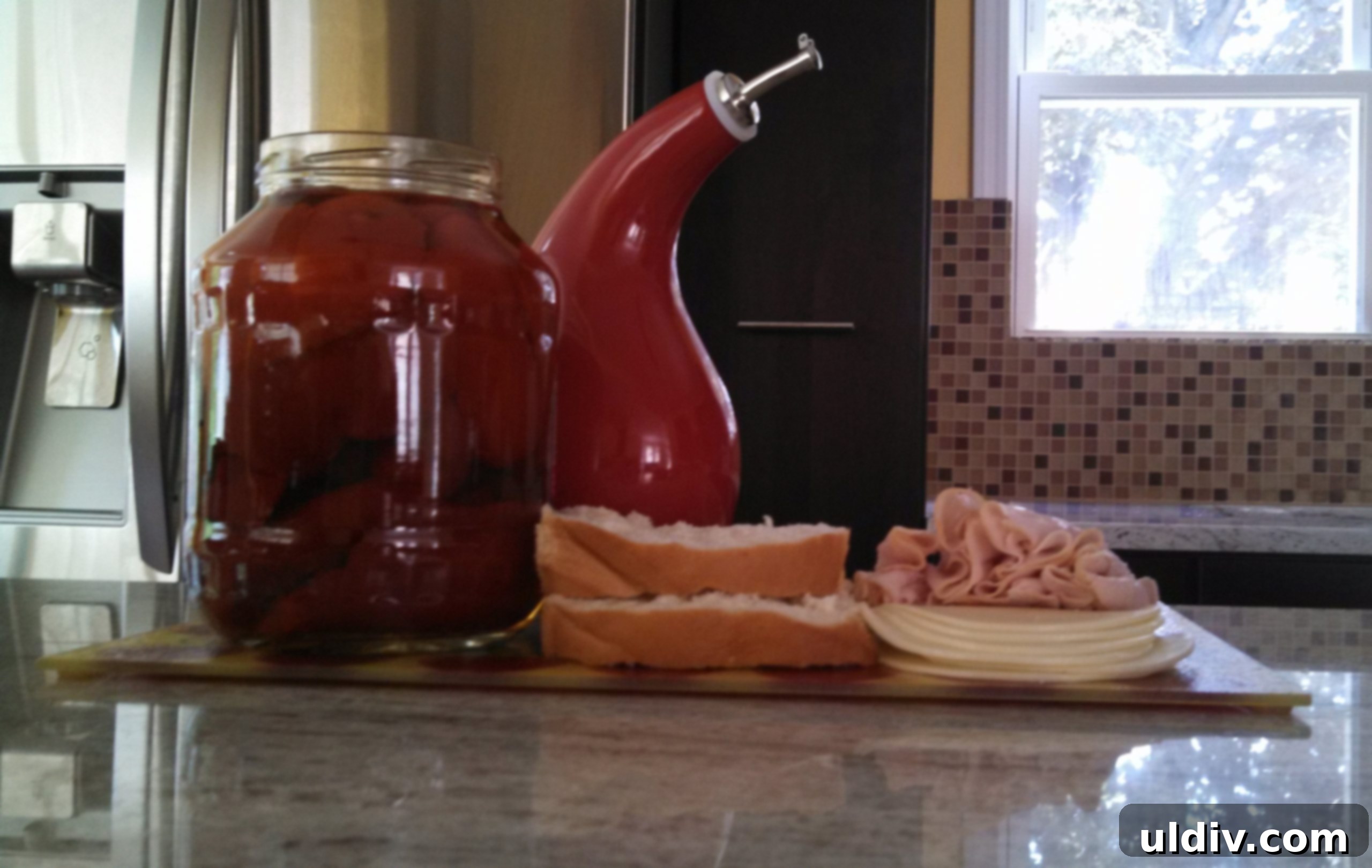
The beauty of a perfect panini often lies in its deceptive simplicity. With just a few quality ingredients, you can conjure a meal that feels both wholesome and indulgent. For my very first panini experiment, I reached for what I already had on hand: a packet of deli-sliced ham, some creamy provolone cheese, and a loaf of Italian bread – which, I must confess, suffered a rather clumsy fate at the hands of my unsharpened kitchen knife. Adding a touch of gourmet flair, I also had a generous jar of vibrant red roasted peppers, packed in brine, ready to contribute their sweet and smoky notes. The journey began by preheating the panini grill to a precise 375°F (approximately 190°C), allowing it to reach the ideal temperature for that coveted golden-brown crispness. While the grill warmed, I lightly brushed the slices of Italian bread with extra virgin olive oil, a crucial step that not only imparts a subtle richness but also ensures a beautifully toasted exterior. Then came the joyful part: assembling the deli combo. A slice of provolone formed the base, followed by several generous slices of deli ham. Another layer of provolone, then more ham, creating a satisfying stack. The pièce de résistance was half a roasted pepper, carefully placed. A vital tip I learned early on: always ensure your roasted peppers are thoroughly dried with a paper towel. Failing to do so can introduce excess moisture, turning your perfectly crisp bread into a soggy mess. A final slice of provolone topped the pepper, before the second slice of bread completed the sandwich. This carefully constructed panino was then placed onto the hot grill, pressed down, and left to toast for precisely three minutes, allowing the cheese to melt into a luscious embrace and the bread to achieve that irresistible crunch.
This particular ham and provolone panini holds a special place in my culinary journey. It wasn’t just my inaugural attempt at using our new grill; it was also the first panino I ever photographed for my blog and the very first one made in our new home in Chicago. The anticipation built as the aromas filled the kitchen, a comforting blend of toasted bread, savory ham, and melting cheese. The flavors, indeed, harmonized beautifully – the salty ham, the mild provolone, and the sweet, smoky roasted pepper creating a delightful medley. The result was genuinely pleasing, a testament to the fact that simple ingredients, thoughtfully combined, can yield extraordinary results. My only regret, a minor one in retrospect, was the uneven bread slices, a direct consequence of my dull knife. It served as a gentle reminder that even in the most straightforward cooking endeavors, having the right tools makes a significant difference. But such is the nature of cooking; every meal is a learning experience, and I eagerly looked forward to perfecting my bread-slicing skills on the next batch.

The allure of the panini lies in its incredible versatility and adaptability. While my first creation focused on ham and provolone, the possibilities are virtually endless. Think of the rich tapestry of flavors you can create: a Mediterranean delight with grilled chicken, feta, spinach, and sun-dried tomatoes; a vibrant vegetarian option featuring roasted vegetables like zucchini, eggplant, and bell peppers with mozzarella and pesto; or even a sweet version with fruit and chocolate. The key to a fantastic panini is often a good quality bread that can withstand the pressing, a flavorful cheese that melts beautifully, and fresh ingredients that complement each other. Experiment with different types of bread, from sourdough to ciabatta, and various cheeses, from sharp cheddar to creamy brie. Don’t be afraid to introduce spreads like hummus, tapenade, or a zesty aioli to elevate the flavor profile. The panini isn’t just a sandwich; it’s a canvas for culinary creativity, a way to transform everyday ingredients into an exciting and satisfying meal.
Achieving panini perfection is an art, but one that is easily mastered with a few key tips. Firstly, don’t overload your sandwich. While it’s tempting to pile on the fillings, too much can prevent even cooking and lead to a messy, squished result. Aim for a balanced distribution of ingredients. Secondly, consider the moisture content of your fillings. As with the roasted peppers, draining or patting dry ingredients like fresh mozzarella, tomatoes, or even some cooked vegetables can prevent your bread from becoming soggy. Thirdly, preheating your panini press is essential for that perfect golden crust and even melting. Different presses may have varying heat settings, so a little experimentation with cooking times might be necessary. Some prefer a deeply browned, crispy exterior, while others favor a lighter toast. Finally, remember that the panini press isn’t just for sandwiches; it can also be used to grill vegetables, warm tortillas, or even toast wraps, making it a versatile kitchen appliance that extends beyond its primary function. Embrace the process, taste as you go, and soon you’ll be a panini master, crafting delicious grilled sandwiches that delight your taste buds and impress your family and friends.
From the comforting simplicity of childhood meals to the practical demands of modern life, the journey to embracing the panini has been a delicious one. It perfectly encapsulates the joy of simple ingredients elevated through thoughtful preparation. This humble grilled sandwich, born from a desire for variety and a longing for that cherished comfort food, has found a permanent place in our kitchen. Whether you’re looking for quick lunch ideas, an easy weeknight meal, or a way to reinvent leftover ingredients, the homemade panini offers an effortless path to culinary satisfaction. I wholeheartedly encourage you to explore the endless possibilities of these wonderful grilled sandwiches. Gather your favorite ingredients, fire up your panini press, and create your own perfect blend of flavors and textures. Discover the warmth, the crispness, and the pure delight that a well-made panini can bring to your table. Share the experience, make new memories, and savor every bite of this remarkably versatile and always satisfying meal.