
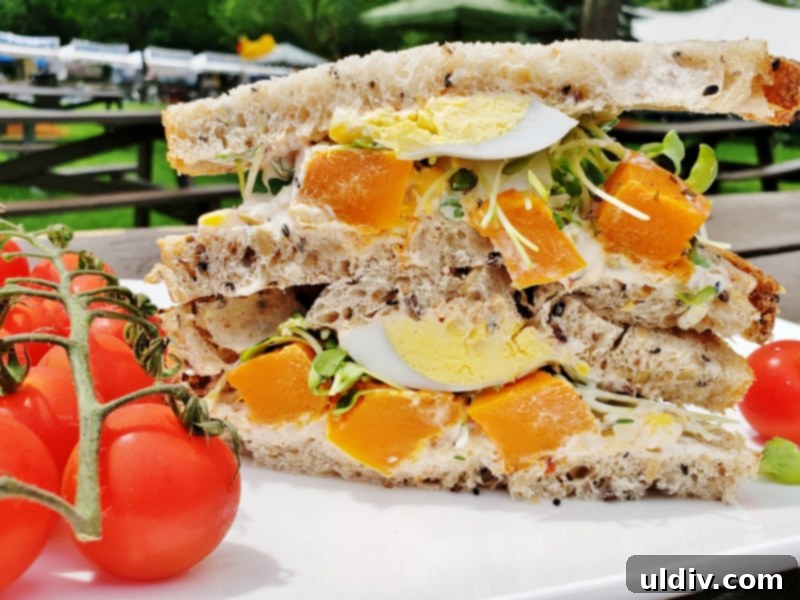
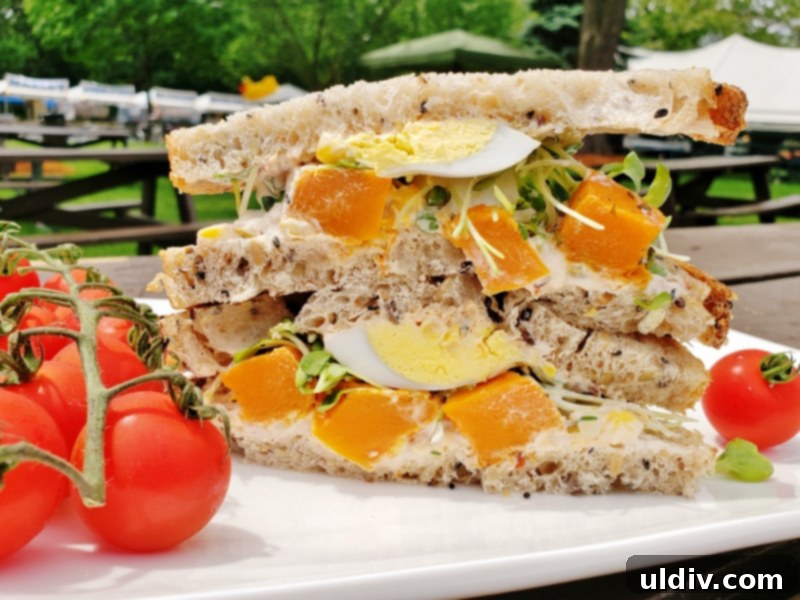
Unlocking the Gourmet Potential: A Delicious Duck Egg Sandwich Recipe
My culinary journey has been punctuated by a few enduring obsessions, and perhaps none more profound than my long-standing love affair with duck eggs. This fascination began in my formative years in Europe and continues to thrive today, amidst the vibrant pace of life as a busy mom in Chicagoland. There’s an undeniable allure to these remarkable eggs – a depth of flavor and richness that sets them apart. But what exactly makes duck eggs so special, and how can they be best enjoyed in a way that truly highlights their unique characteristics? In this comprehensive guide, we’ll delve into the world of duck eggs, exploring their nutritional benefits, culinary versatility, and culminating in a delectable gourmet sandwich recipe that promises to transform your perception of this humble ingredient.
The Nutritional Powerhouse: Why Duck Eggs Stand Out
Duck eggs are far more than just a novelty; they are a nutritional treasure trove that offers significant advantages over their more common chicken counterparts. While often celebrated for their higher fat and cholesterol content (which, contrary to past misconceptions, can be part of a healthy diet in moderation and contributes significantly to their rich flavor), duck eggs are particularly packed with essential vitamins and minerals. They boast an impressive amount of vitamin B12, a vital nutrient for nerve function, red blood cell production, and DNA synthesis, contributing to sustained energy levels and cognitive health. Additionally, they are an excellent source of selenium, a powerful antioxidant that plays a crucial role in thyroid function, immune defense, and protecting cells from damage. Beyond these, duck eggs also contain higher levels of Vitamin A, D, and E, as well as choline, which is essential for brain health and liver function. This dense nutritional profile makes them a truly valuable addition to any balanced diet.
The sensory experience of a duck egg is equally remarkable. Their intensely yellow, often deep orange yolk is larger and creamier than a chicken egg’s, delivering a profoundly rich and distinctive “egg flavor.” My first encounter with a hard-boiled duck egg remains vivid in my memory: served simply with a sprinkle of salt and pepper and a slice of crusty bread, I was utterly captivated by the intensity and depth of the flavor. It was a revelation, almost overwhelming in its pure, unadulterated eggy essence. This robust flavor and luxurious texture make duck eggs a decadent treat that can elevate even the simplest dishes.
Beyond the Boil: Duck Eggs in Culinary Creations
The versatility of duck eggs extends far beyond being merely hard-boiled. Their unique composition—particularly their larger yolks and higher fat and protein content—makes them a favorite among professional chefs and home bakers alike. These characteristics contribute to superior emulsification, structure, and richness in a wide array of culinary applications. I recall attending a press conference where Executive Chef Chris Gawronski of The Gage, a highly acclaimed restaurant in Chicago, passionately praised duck eggs for their consistent performance and unparalleled contribution to his dishes. They are particularly adept for:
- Baking: For pastries, cakes, and custards, duck eggs provide an incredible richness, a finer crumb, and a beautiful golden hue. Their higher protein content also means they can contribute to better leavening and a moister, more tender final product with an extended shelf life. They are exceptional in choux pastry, brioche, and crème brûlée.
- Savory Dishes: Imagine the creamy richness a duck egg brings to scrambles, omelets, frittatas, or quiches. They create a thicker, more satisfying texture and a deeper flavor profile. They also perform exceptionally well in Asian-inspired dishes, enriching sauces and adding substance to stir-fries or noodle bowls. Their yolks are perfect for making rich Hollandaise or mayonnaise.
- Homemade Pasta: The higher fat and protein in duck egg yolks create a pasta dough that is exceptionally pliable, easier to roll, and results in fresh pasta with a superior texture and a vibrant golden color, indicative of its premium quality.
Today, we return to the fundamental enjoyment of duck eggs, showcasing their incredible flavor in a hard-boiled format within a gourmet sandwich. To ensure the finest quality, I personally sourced these magnificent eggs from Amish & Healthy Foods on Western Avenue, a local gem known for its fresh and wholesome offerings.

Duck Eggs Versus Chicken Eggs: A Detailed Comparison
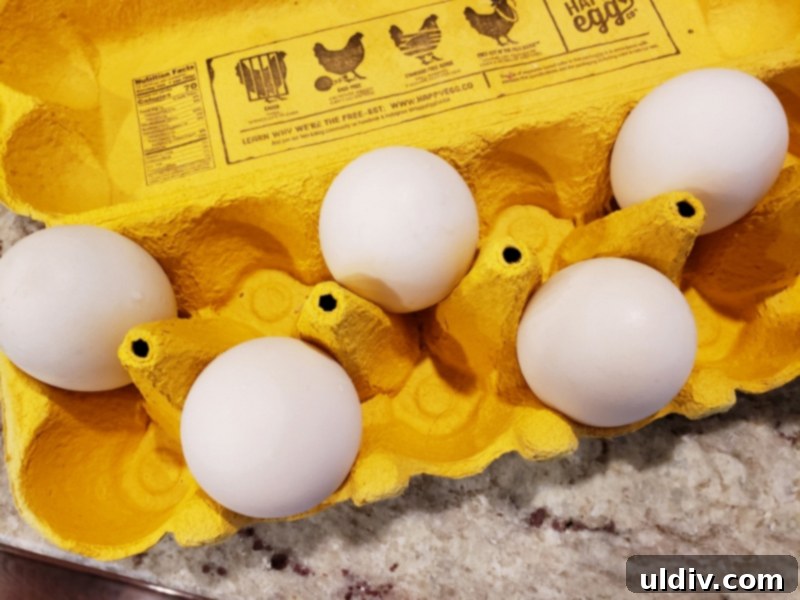
The visual difference between duck eggs and chicken eggs is immediately apparent, as clearly illustrated in the image above: duck eggs are significantly larger. This isn’t just a matter of aesthetics; it translates into a more substantial serving and a denser nutritional contribution per egg. Beyond size, another key distinction lies in their shells. Duck eggs possess a notably thicker and more robust shell. This structural integrity offers a practical advantage: it contributes to a considerably longer shelf life, making them a more convenient option for storage and reducing food waste. The thicker shell also means they are less prone to breakage during handling and cooking, a welcome relief for anyone who has ever battled with a cracked chicken egg during boiling.
Furthermore, the membrane beneath the duck egg shell is also thicker, which can sometimes make them slightly more challenging to peel if not cooled properly, but also adds to their resilience. Flavor-wise, while chicken eggs offer a milder taste, duck eggs present a richer, more pronounced flavor, often described as having an ‘umami’ depth with earthy undertones, and less of the ‘sulfury’ note some attribute to chicken eggs. This richer flavor profile is particularly noticeable when the eggs are the star of a dish, as they are in our sandwich recipe. Their larger, creamier yolks also provide a more visually appealing golden hue to any dish, further enhancing the gourmet experience.
The Ultimate Duck Egg & Roasted Butternut Squash Sandwich: A Recipe
This recipe is designed to celebrate the rich, luxurious qualities of duck eggs by pairing them with the sweet, earthy flavors of roasted butternut squash, complemented by a creamy herbed spread and vibrant microgreens. It’s a symphony of textures and tastes, creating a sandwich that is both visually stunning and incredibly satisfying, perfect for a hearty brunch, a sophisticated lunch, or a unique picnic meal.
Step-by-Step Preparation: Eggs and Squash Perfection
To begin, I allocated one duck egg per sandwich, yielding four substantial servings. I carefully placed the duck eggs in a saucepan, ensuring they were fully submerged in water. Bringing the water to a vigorous boil, I then reduced the heat to a gentle simmer, allowing the eggs to cook for precisely 15 minutes. This timing consistently delivers a beautifully firm yet creamy yolk, retaining that signature duck egg richness. While the eggs were simmering, I turned my attention to the butternut squash. This versatile winter squash is not only delicious but also brimming with vitamins A and C, and fiber. I cubed the squash and tossed it in a medium mixing bowl with a generous drizzle of high-quality extra virgin olive oil, a pinch of freshly ground salt and black pepper, and a fragrant blend of fresh herbs—rosemary, oregano, and thyme—all freshly picked from my garden. This aromatic medley infuses the squash with delightful savory notes as it roasts. I then spread the seasoned squash onto a baking pan lined with parchment paper and roasted it in a preheated oven at 400°F (200°C) for approximately 20 minutes, or until the cubes were tender, slightly caramelized, and subtly sweet.
Once cooked, both the hard-boiled eggs and the roasted butternut squash were transferred to separate bowls to cool. This crucial resting period allows the internal temperatures to stabilize, making them easier to handle and ensuring the freshest taste in the assembled sandwich. While these primary components cooled, I swiftly prepared the creamy sandwich filling. In another medium bowl, I combined rich sour cream with sweet corn (either fresh off the cob or canned and drained), finely sliced green onion for a mild pungent kick, and seasoned with salt and pepper to taste. The sour cream provides a delightful tang that beautifully complements the richness of the duck eggs and the sweetness of the squash, while the corn adds a textural pop.
Artful Assembly: Building Your Gourmet Sandwich
The foundation of any exceptional sandwich is undoubtedly the bread. For this gourmet creation, I chose a hearty multigrain bread from West Town Bakery. Its robust texture and nutty flavor are ideal, providing the necessary structural integrity to hold the generous fillings and contributing another layer of wholesome taste. Once the eggs and squash had cooled to a comfortable, slightly warm temperature—perfect for handling—I meticulously peeled the duck eggs. I was once again struck by their vibrant, deep yellow yolks, a testament to their superior quality. I then cut each egg into four neat quarters.
To begin the assembly, I spread approximately two tablespoons of the creamy sour cream and corn mixture evenly onto one side of two slices of bread. It’s important to achieve a consistent thickness here, as this layer not only enhances the flavor but also acts as a binding agent for the other ingredients.
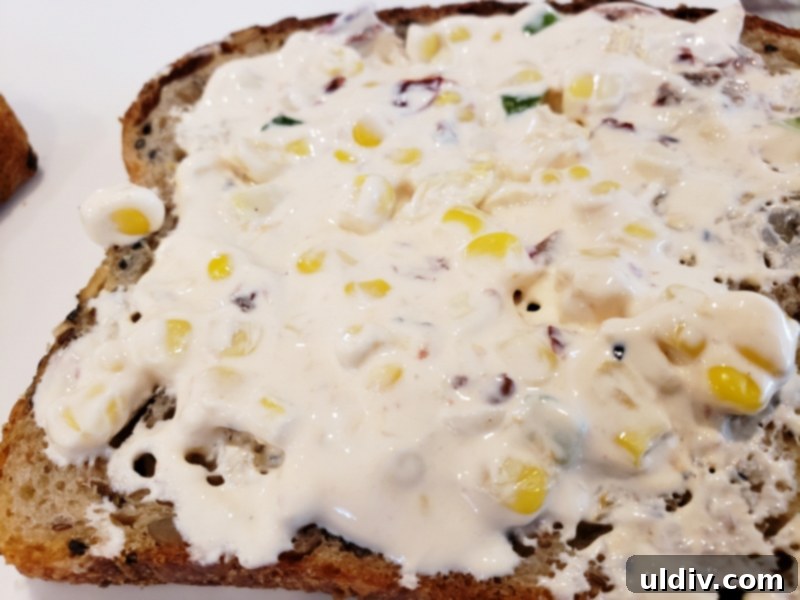
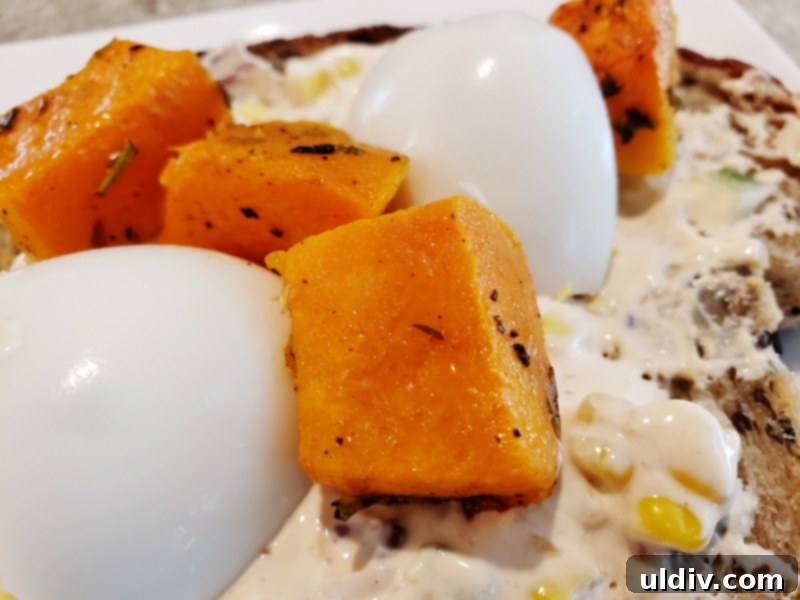
Next, the star components were carefully placed. I artfully arranged the four duck egg quarters and a generous portion of the perfectly roasted butternut squash cubes onto the bread slice that would form the bottom of the sandwich. The contrast between the brilliant orange of the squash and the deep yellow of the duck egg yolks created a truly appealing visual.
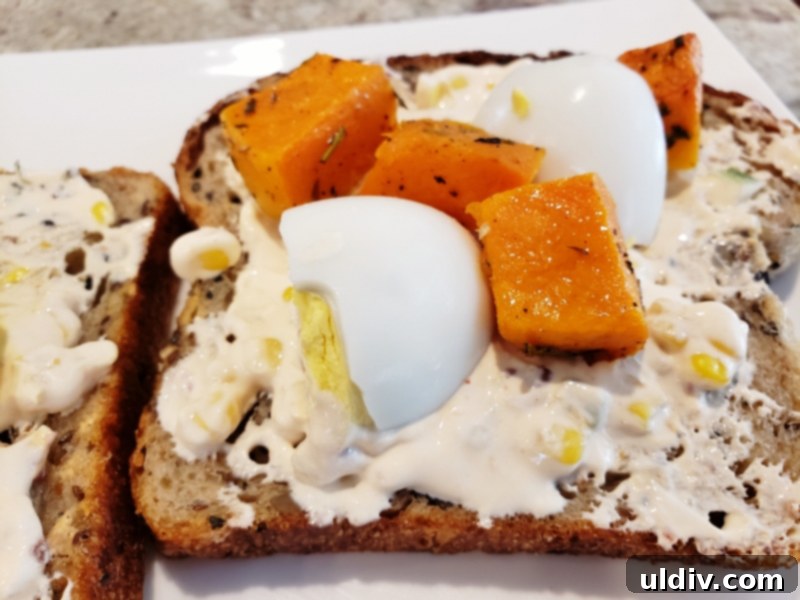
I couldn’t help but pause to admire the incredible, vivid colors of the ingredients—the golden-orange hues of the squash, hinting at its natural sweetness, beautifully complemented the rich, creamy yellow of the duck egg yolks. This stage of assembly truly highlights the aesthetic appeal of this sandwich.
To introduce a crucial element of fresh crispness and a delightful peppery zest, I added a generous handful of microgreens. These delicate, nutrient-dense greens have swiftly become a beloved ingredient in my kitchen, renowned for their concentrated flavors and elegant presentation. For this particular sandwich, I chose radish microgreens, celebrated for their mild yet distinct peppery bite that provides a fantastic counterpoint to the richness of the eggs and squash.
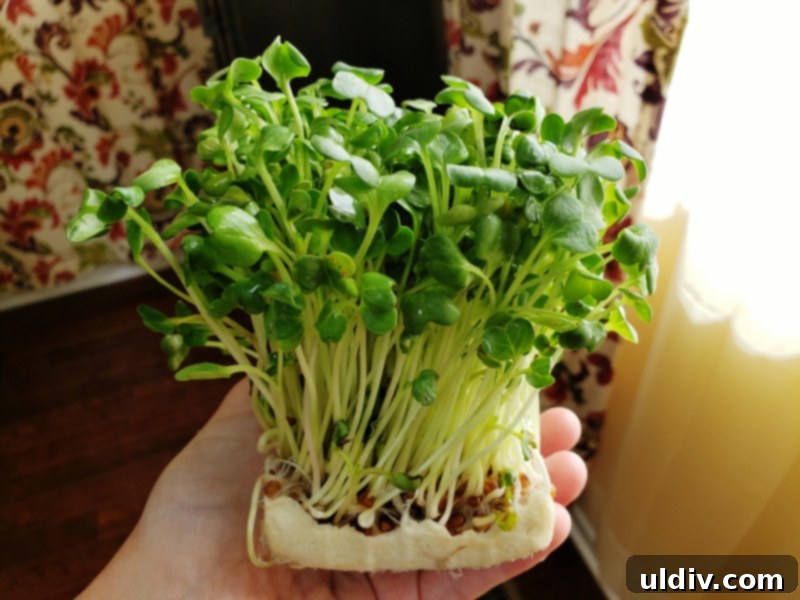
I carefully spread the microgreens evenly over the layers of duck egg quarters and butternut squash, ensuring that their delicate texture and refreshing flavor would be present in every single bite, adding a vital element of freshness.

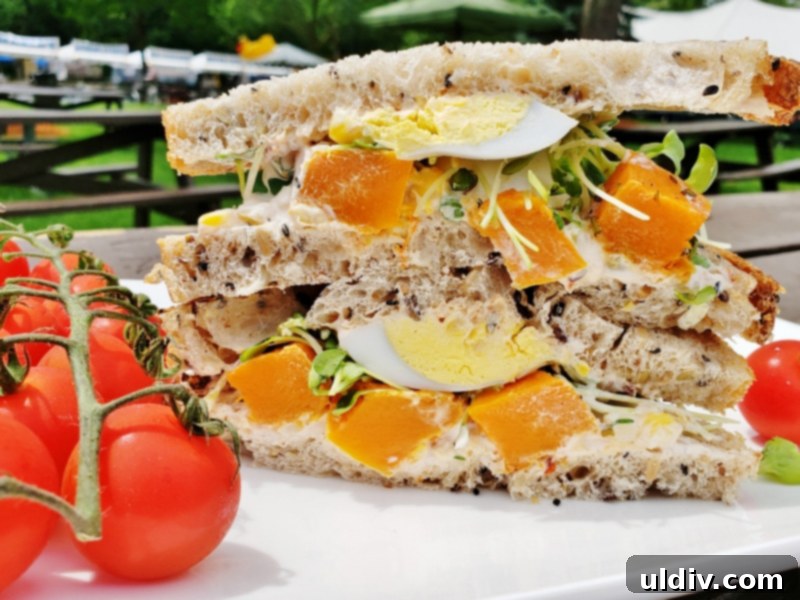
Finally, the majestic stack was completed by covering it with the second slice of bread, which had also been generously spread with the tangy sour cream and corn mixture. The result was a truly magnificent and robustly filled sandwich, a testament to thoughtful layering and the harmonious blend of diverse flavors and textures.
Witness this impressive creation! This is no ordinary sandwich; it’s a culinary statement, brimming with rich flavors, delightful textures, and an undeniable gourmet appeal.

Perfect Pairings: Serving Your Gourmet Duck Egg Sandwich
This substantial duck egg and roasted butternut squash sandwich is a meal in itself, but it can be beautifully complemented by a variety of fresh, seasonal side dishes. I highly recommend serving it alongside a vibrant, crisp green salad with a light vinaigrette, or perhaps a simple yet flavorful tomato salad. The freshness of these accompaniments provides a wonderful counterpoint to the richness of the sandwich. For my personal enjoyment, I paired mine with exceptionally sweet, juicy tomatoes sourced from Mighty Vine, another local producer whose commitment to quality produce consistently impresses.

Conclusion: Embrace the Richness of Duck Eggs
This duck egg and roasted butternut squash sandwich is not merely a feast for the eyes; it is a nutritional powerhouse and an exceptional gastronomic experience. The duck egg, with its unparalleled richness and luxurious texture, forms a creamy, decadent heart that is perfectly balanced by the earthy sweetness of the roasted butternut squash. The fresh, peppery bite of the microgreens adds a crucial element of freshness and a delightful textural contrast, preventing the sandwich from feeling overly heavy. Each ingredient plays a vital role, contributing to a truly harmonious and unforgettable flavor profile.
I am confident that once you take your first bite into this expertly crafted gourmet sandwich, you will fall in love with duck eggs. Their distinctive flavor, superior texture, and versatility will undoubtedly inspire you to integrate them more frequently into your own culinary repertoire. Prepare to embark on a delightful culinary journey—a love affair with duck eggs that I hope will last a lifetime.
Have you had the pleasure of cooking with duck eggs before? What are your favorite recipes or ways to enjoy them? I’d love to read your experiences and insights in the comments section below!

Print Recipe
Duck Egg Sandwich
30 mins
20 mins
20 mins
1 hr 10 mins
4 people
Ingredients
- 4 duck eggs
- 2 cups butternut squash, peeled and cut into 1/2-inch cubes
- 1/3 cup extra virgin olive oil
- 1/2 tbsp fresh rosemary, finely chopped
- 1/2 tbsp fresh oregano, finely chopped
- 1/2 tbsp fresh thyme, finely chopped
- 1 cup sour cream (full-fat recommended for best flavor)
- 1/3 cup grilled or canned sweet corn, drained
- 1 large sprig green onion, thinly sliced (white and green parts)
- 8 slices sturdy whole wheat bread (or your preferred hearty bread)
- 1 cup radish microgreens (or other peppery microgreens)
- Salt and freshly ground black pepper, to taste
Instructions
- Prepare the Butternut Squash: Preheat your oven to 400°F (200°C). In a medium mixing bowl, combine the cubed butternut squash with the extra virgin olive oil, chopped fresh rosemary, oregano, thyme, and a generous pinch of salt and pepper. Toss well until all squash pieces are uniformly coated. Spread the seasoned squash in a single layer on a baking pan lined with parchment paper. Roast in the preheated oven for approximately 20 minutes, or until the squash is tender, lightly browned, and slightly caramelized. Set aside to cool.
- Cook the Duck Eggs: Place the duck eggs carefully in a saucepan and cover them with water. Bring the water to a rolling boil over medium-high heat. Once boiling, reduce the heat to a gentle simmer and let the eggs cook for 15 minutes. After 15 minutes, remove the eggs from the hot water and transfer them to a bowl of ice water to cool completely. This helps prevent a gray ring around the yolk and makes them easier to peel.
- Prepare the Creamy Filling: While the squash roasts and eggs cool, prepare the sandwich filling. In a separate medium bowl, combine the sour cream, sweet corn, thinly sliced green onion, and season with salt and pepper to taste. Stir until all ingredients are well incorporated. Set aside.
- Assemble the Sandwiches: Once the eggs are completely cool, peel them gently and cut each egg into four quarters. Take two slices of your chosen bread. Spread approximately 1 tablespoon of the sour cream and corn mixture evenly onto one side of each slice. On one of these bread slices (which will be the bottom of your sandwich), arrange 4 egg quarters and about 2 tablespoons of the roasted butternut squash cubes. Evenly distribute 1/4 cup of the fresh microgreens over the eggs and squash. Place the second slice of bread, creamy side down, on top to complete the sandwich.
- Serve and Enjoy: Repeat the assembly process for the remaining ingredients to make three more sandwiches. Serve your gourmet duck egg and roasted butternut squash sandwiches immediately with fresh seasonal vegetables, such as a crisp green salad or a simple tomato salad on the side, for a perfectly balanced meal.
- Enjoy your delicious, homemade gourmet duck egg sandwich!