
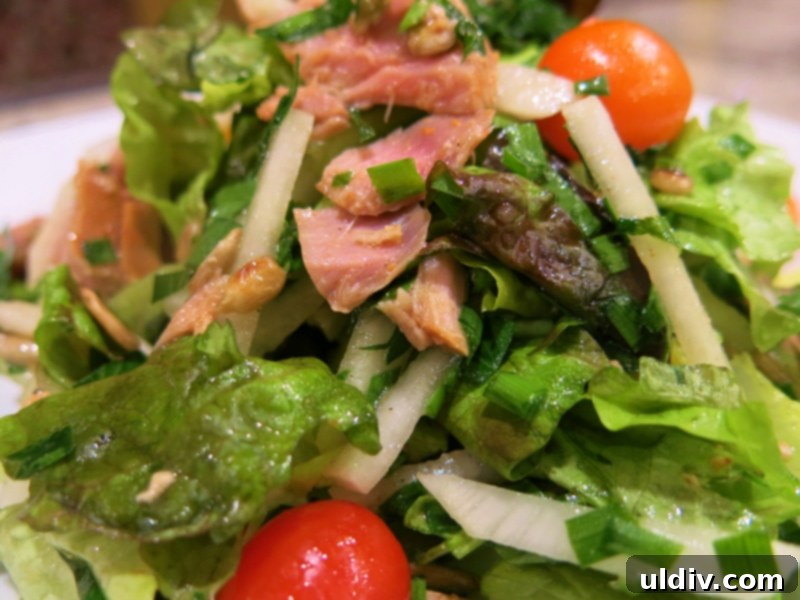
There’s an irresistible culinary current flowing through my home: a deep and abiding obsession with gochujang. This vibrant, fermented chili paste is a cornerstone of Korean cuisine, and my love affair with it began last year at The Good Taste Series culinary competition. It was there that I first tasted a gochujang BBQ bison tenderloin, an unforgettable dish that ignited a passion I’ve since happily spread to every member of my household. Now, gochujang isn’t just an ingredient; it’s a culinary muse that inspires countless delicious experiments in our kitchen.
Discovering the Allure of Gochujang
Despite not being a natural lover of intensely spicy foods, gochujang captured my heart from the very first bite. Its heat isn’t just a simple burn; it’s a complex, sophisticated spiciness that unfolds on the palate with remarkable depth and richness. The paste’s stunning, deep red color promises a flavor adventure, and it truly delivers. Each gochujang-infused dish feels like uncovering a cave of hidden treasures, where flavors emerge in quick, delightful succession. The initial impression is often surprisingly mild, almost sweet, but then, without warning, you’re enveloped by an exhilarating avalanche of sustained spiciness. This incredible ingredient has a unique ability to reinvent familiar dishes, breathing new life and an exotic twist into traditional flavors. It has sparked endless creativity in my cooking, and I feel there’s still so much more to explore and master with this miraculous paste.
Gochujang is far more than just a spicy condiment; it’s a fermented marvel that embodies the savory, sweet, and umami essence often sought in Korean cuisine. Made from glutinous rice, fermented soybeans, red chili powder, and salt, it undergoes a meticulous fermentation process that contributes to its distinct depth. This process develops complex flavors that aren’t merely hot, but also sweet, savory, and subtly tangy, creating a truly balanced and sophisticated profile. Its versatility is legendary, used in everything from marinades and dipping sauces to stews and soups. The umami notes derived from the fermented soybeans lend an unparalleled richness that can elevate even the simplest ingredients, making them sing with authentic Korean character. This unique flavor profile allows gochujang to seamlessly integrate into various cooking styles, adding a dynamic layer of taste that is both comforting and exciting.
The Genesis of a Recipe: Gochujang Tuna Salad
The recipe I’m sharing today is the delicious culmination of my recent series of “gochujang experiments.” My goal was to find an exciting new way to “rejuvenate” our everyday seafood dishes, moving beyond conventional preparations. Marinating fish in gochujang proved to be an instant hit with my family, transforming ordinary meals into extraordinary culinary experiences. Concurrently, my husband had been looking for light, flavorful dishes to pack for work lunches – something both satisfying and easy to prepare. Combining these inspirations, I envisioned a vibrant gochujang-flavored tuna salad. To give it a distinctly traditional Korean feel, I decided to pair the tuna with crisp daikon radish and aromatic Korean chives. These ingredients not only add authentic flavor but also provide delightful textures and a burst of freshness.
Finding these special ingredients should be relatively straightforward. You can often locate gochujang, daikon radish, and Korean chives at most well-stocked Asian food stores. For those in the Chicagoland area, I highly recommend Assi Plaza, a renowned ethnic shopping and dining destination where you can find an extensive selection of authentic Korean and other Asian products. Supporting local ethnic markets not only ensures the freshest and most authentic ingredients but also offers a wonderful opportunity to explore diverse culinary traditions and discover new favorites. These markets are often treasures trove of unique produce, spices, and specialty items that can inspire countless new recipes.
Mastering the Tuna Marination
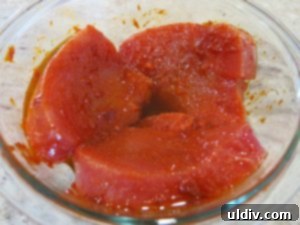
This dish boasts incredible flavor, yet it’s surprisingly simple to prepare. The journey begins with marinating the tuna – a crucial step for infusing it with that irresistible gochujang goodness. Begin by selecting fresh, plump tuna steaks. The quality of your tuna will significantly impact the final taste and texture of your salad. Look for steaks that are firm, moist, and have a vibrant, deep red color, indicating freshness. Avoid any tuna that looks dull, dry, or has a strong fishy odor. Once you have your premium tuna, place the steaks in a bowl with the gochujang and a touch of extra virgin olive oil, ensuring they are thoroughly coated.
The marination time is key here. While a minimum of one hour in the refrigerator will certainly impart flavor, for truly astounding results, I highly recommend marinating the tuna overnight. We’ve experimented with both an hour-long marinade and an overnight soak, and the difference in spiciness and depth of flavor was truly remarkable. The longer marination allows the gochujang’s complex flavors to deeply penetrate the tuna, resulting in a more intense and nuanced taste experience. The tuna absorbs more of the sweet, savory, and spicy notes, becoming wonderfully assertive without being overwhelmingly hot. This extended period ensures every bite of your tuna salad is bursting with sophisticated Korean-inspired flavor, transforming a good dish into an exceptional one. Remember to keep the tuna refrigerated throughout the marination process to maintain freshness and food safety.
Achieving the Perfect Pan-Sear
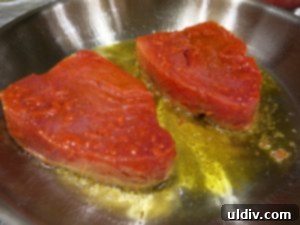
Once your tuna has absorbed all that delicious gochujang flavor, it’s time for a quick sear. You’ll need a very hot pan, preferably a cast-iron skillet, to achieve that beautiful crust while keeping the interior perfectly tender. Ensure the pan is preheated and lightly oiled before adding the tuna. The key to a fantastic sear is high heat and brief cooking times. Sear the tuna for no more than a couple of minutes on each side. This rapid cooking method ensures the exterior develops a delightful caramelized crust, while the inside remains a tender, juicy medium-rare, showcasing a soft and delicious pink center. This contrast in textures and temperatures is what makes pan-seared tuna so exquisite.
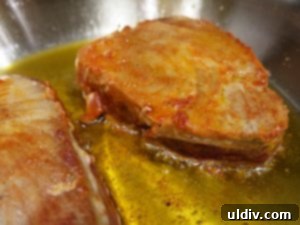
A simple yet heartfelt “thank you” to gochujang for bestowing such a beautiful, appetizing color upon my tuna! The vibrant reddish hue isn’t just visually appealing; it’s a testament to the rich flavors waiting within.
Assembling Your Vibrant Salad
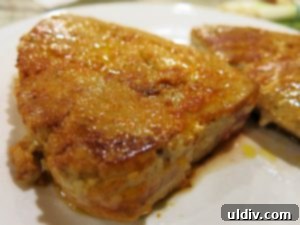
Once the tuna is perfectly seared and resting, it’s time to quickly assemble the rest of your salad. This is where fresh, high-quality vegetables truly shine. For the tomatoes, I opted for plum tomatoes in this instance, simply because they were particularly fresh and offered better value than cherry tomatoes at the market. However, both varieties will work beautifully in this recipe, adding a burst of sweet-tart freshness. The choice between them often comes down to availability and personal preference for shape and size. Whichever you choose, ensure they are ripe and firm for the best flavor and texture.
I find immense satisfaction in the vibrant array of colors that the vegetables contribute to this salad. The deep green of the red leaf lettuce, the crisp white of the daikon radish, and the bright red of the tomatoes create a visually appealing mosaic that hints at the fresh flavors within. This visual feast is an integral part of the dining experience, making the salad even more inviting.
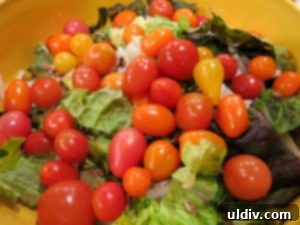
After your seared tuna has cooled slightly, it’s time to shred it with a fork. This creates a texture that blends wonderfully with the other salad components, allowing the gochujang flavor to be evenly distributed. Add the shredded tuna to your salad bowl, mixing it gently with the lettuce, tomatoes, chopped daikon, and roasted sunflower seeds. The sunflower seeds are not just for garnish; they add a delightful nutty crunch that perfectly complements the fresh vegetables.
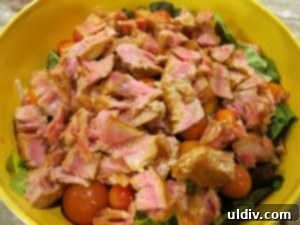
Finally, it’s time to bring all the flavors together with a simple, fresh dressing. In a separate small bowl, whisk together extra virgin olive oil, fresh chives, fresh parsley, and a generous squeeze of lemon juice. Season this dressing with salt and pepper to taste, adjusting to your preference. Pour the dressing over the salad and mix thoroughly until all the ingredients are well combined and coated. Take a moment to taste and adjust the seasoning one last time – perhaps a little more salt, pepper, or lemon juice to brighten the flavors. And voilà: your exquisite Gochujang Tuna Salad is ready to be served!
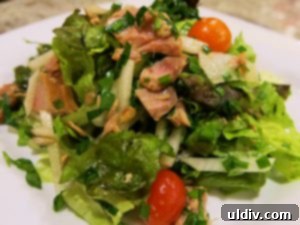
This Gochujang Tuna Salad is a testament to how simple ingredients, elevated by bold flavors, can create a truly memorable meal. It strikes a perfect balance: light enough to be refreshing, yet wholesome and deeply satisfying in both flavor and texture. The gochujang-marinated tuna forms the heart of the dish, lending its distinctive spicy character, assertiveness, and sophisticated depth. Its robust flavor is beautifully tempered by the crisp freshness of the red leaf lettuce and the subtle, earthy notes of the daikon radish.
The miniature tomatoes, whether plum or cherry, contribute a delightful “pop” of unadulterated freshness and a touch of sweetness that cuts through the spice. Moreover, I particularly appreciate how the roasted sunflower seeds enhance the salad. Their gentle crunch provides a wonderful textural counterpoint to the natural crispness of the lettuce and the tender bite of the daikon, adding another layer of sensory pleasure. The fresh herbs and lemon in the dressing bind all these components, creating a harmonious symphony of tastes that dances on the palate. This salad is not just a meal; it’s a vibrant experience that celebrates bold Korean flavors and fresh, wholesome ingredients.
Packed with lean protein from the tuna, healthy fats from the olive oil and sunflower seeds, and an abundance of vitamins and fiber from the fresh vegetables, this salad is as nutritious as it is delicious. It’s an ideal option for a light lunch, a satisfying dinner, or even as a vibrant side dish for a larger meal. The flavors develop even further if allowed to sit for a short while, making it perfect for meal prepping. You can serve it as is, or alongside a small portion of brown rice or quinoa for a heartier meal. Feel free to experiment with additional vegetables like cucumber, bell peppers, or even avocado for extra creaminess. The beauty of this salad lies in its adaptability and the dynamic flavor it brings to the table.
With dishes as invigorating and inspiring as this Gochujang Tuna Salad, our household’s delightful obsession with gochujang is destined to continue for a long, long time. It constantly reminds us of the endless possibilities that Korean cuisine offers, encouraging us to keep exploring, experimenting, and savoring every spicy, savory, and utterly delicious bite.
Gochujang tuna salad
| Prep Time | 1 hour |
| Cook Time | 5 minutes |
| Servings |
people
|
Ingredients
- 1.5 lb fresh tuna
- 1/3 cup extra virgin olive oil (for the marinade) + extra (for frying the tuna)
- 1/2 cup extra virgin olive oil (for the dressing)
- 1 tbsp gochujang
- 1 red leaf lettuce, cut into medium size chunks
- 1 medium chopped daikon radish
- 1 pint plum or cherry tomatoes
- 1/2 cup roasted sunflower seeds
- 1 handful chopped chives
- 1 bunch chopped fresh parsley
- Juice from 1 lemon
- Salt and pepper to taste
Ingredients
|
|
Instructions
-
Place the tuna in a bowl.
-
Add the gochujang, 1/2 cup extra virgin olive oil and a dash of salt and pepper. Distribute these evenly over the tuna.
-
Put the tuna in the fridge to marinate for at least 1 hour.
-
After 1 hour, take the tuna out of the fridge and place it in a preheated and pre-oiled pan.
-
Pan fry the tuna for 2 minutes on each side.
-
Take the tuna out of the pan and put it on a plate.
-
Place the red leaf lettuce in a salad bowl.
-
Add the tomatoes, chopped daikon and sunflower seeds.
-
Shred the pan-seared tuna with a fork. Add it to the salad.
-
In a separate bowl make a dressing with extra virgin olive oil, chives, parsley and lemon juice. Season with salt and pepper to taste.
-
Add the dressing to the salad, and mix until the ingredients are well combined. Taste and add more salt and/or pepper, if necessary.
-
Serve while the tuna is warm.
-
Enjoy!